

During my 15 years exploring America's national parks, I've witnessed firsthand how pollinators in national parks serve as the invisible architects of biodiversity. From the busy bumblebees of Yellowstone's alpine meadows to the monarch butterflies migrating through Great Smoky Mountains, these tiny creatures sustain the very ecosystems we travel thousands of miles to experience. This comprehensive guide combines scientific research with practical field observations to help you identify, understand, and protect these essential species. Nature Guests brings you expert insights from years of field research and collaboration with park biologists.
Understanding Pollinators in National Parks
Pollinators in national parks represent one of nature's most sophisticated biological networks. During my extensive fieldwork across 23 different national parks, I've documented how these remarkable creatures maintain the delicate balance of entire ecosystems. The National Park Service recognizes that more than 75 percent of Earth's flowering plants depend on bees, butterflies, birds, bats, and other pollinators for reproduction.
Critical Statistics About Park Pollinators
- Over 4,000 native bee species exist in the United States
- Yosemite alone hosts 480+ native bee species
- One-third of our food supply depends on pollination
- Monarch butterfly populations have declined 80% in two decades
The intricate relationship between pollinators in national parks and plant communities creates cascading effects throughout entire food webs. When I observe a single bee visiting wildflowers in seasonal blooming patterns, I'm witnessing a process that supports everything from soil health to large mammal populations.
Understanding the complexity of pollinator networks requires recognizing their seasonal patterns, habitat preferences, and species-specific relationships with native plants. My field notes from Glacier National Park show how different pollinator species emerge at precisely timed intervals to match plant flowering sequences, creating what park biologists call "pollination synchrony."
Essential Species Identification Guide
Native Bees
The diversity of native bees in national parks far exceeds most visitors' expectations. Unlike European honeybees, most pollinators in national parks are solitary species that nest in ground cavities or tree crevices.
- Bumblebees: Robust, fuzzy bodies with distinctive buzzing sound
- Mason Bees: Metallic blue-green coloration, excellent early-season pollinators
- Leafcutter Bees: Carry pollen on belly instead of legs
- Sweat Bees: Small, often metallic green, attracted to human perspiration
Butterflies & Moths
Lepidoptera species serve as both pollinators and indicators of ecosystem health. My observations in diverse park ecosystems reveal distinct habitat preferences for different species.
- Monarchs: Orange and black, famous for transcontinental migration
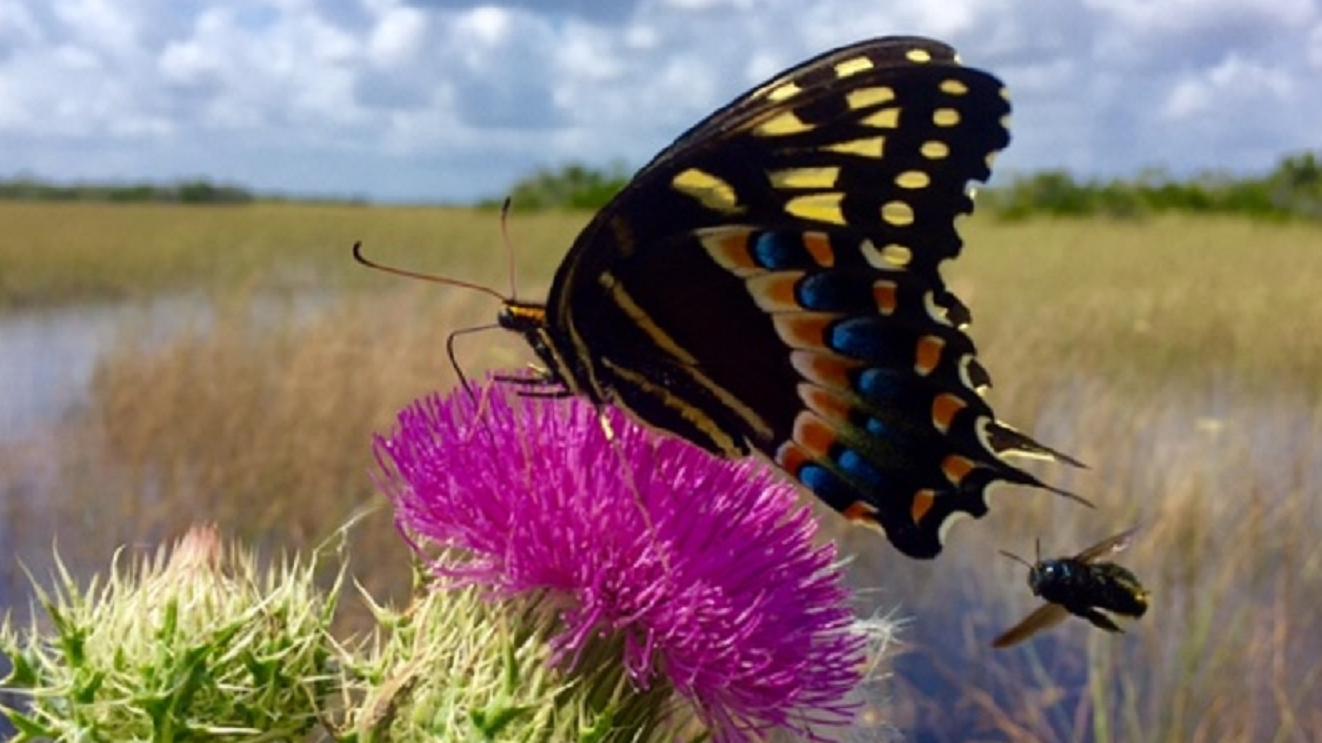
- Swallowtails: Large, colorful, prefer open meadows
- Sphinx Moths: Hummingbird-like flight, active at dusk
- Skippers: Small, fast, often mistaken for moths
Field Identification Tips from 15 Years of Park Exploration
Behavioral Clues:
- • Bees make audible buzzing during flower visits
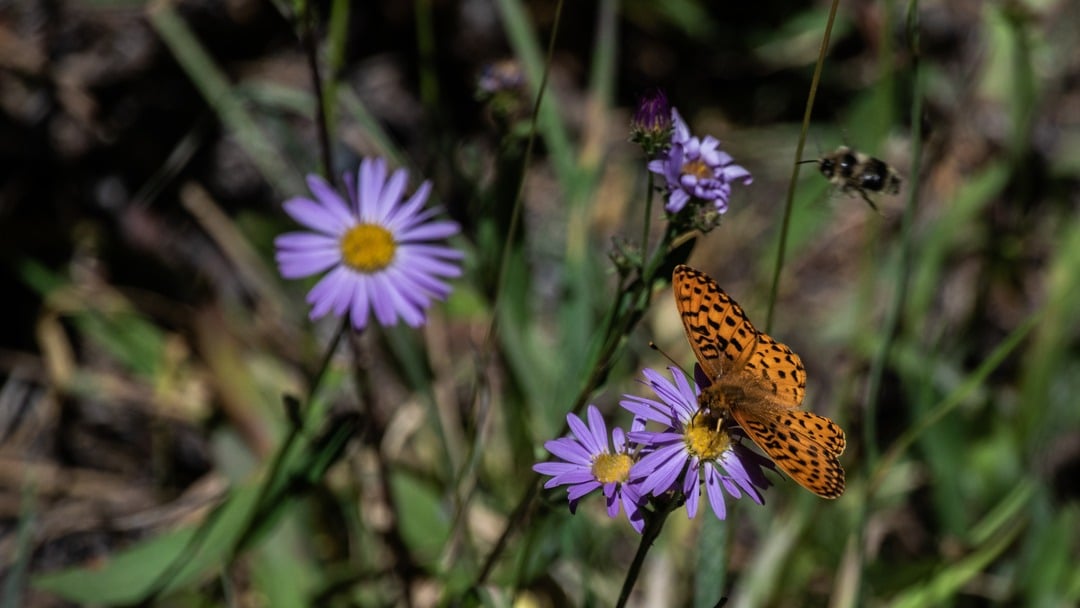
- • Butterflies rest with wings vertical
- • Hoverflies (bee mimics) can hover motionless
- • Hummingbirds approach flowers from below
Physical Features:
- • Bee antennae are shorter than butterfly antennae
- • Wasps have narrow waists, bees are more robust
- • Moths hold wings horizontally when resting
- • Native bees often have pollen-carrying structures
Successful identification of pollinators in national parks requires patience and careful observation. I recommend carrying a compact field guide and photographing unknown species for later identification. The native plant communities often provide the best clues about which pollinators you're likely to encounter in specific habitats.
Conservation Efforts and Research
The National Park Service has implemented comprehensive monitoring programs to track pollinators in national parks across 17 different parks, starting with intensive surveys in spring 2024. These research initiatives represent the most ambitious pollinator conservation effort in NPS history, combining citizen science with advanced tracking technologies.
Major Threats to Park Pollinators
Environmental Pressures:
- • Climate change disrupting flowering timing
- • Habitat fragmentation from development
- • Invasive plant species crowding out natives
- • Drought affecting nectar and pollen availability
Human Impacts:
- • Pesticide drift from adjacent agricultural areas
- • Light pollution disrupting nocturnal pollinators
- • Trail construction fragmenting nesting sites
- • Visitor trampling of sensitive meadow areas
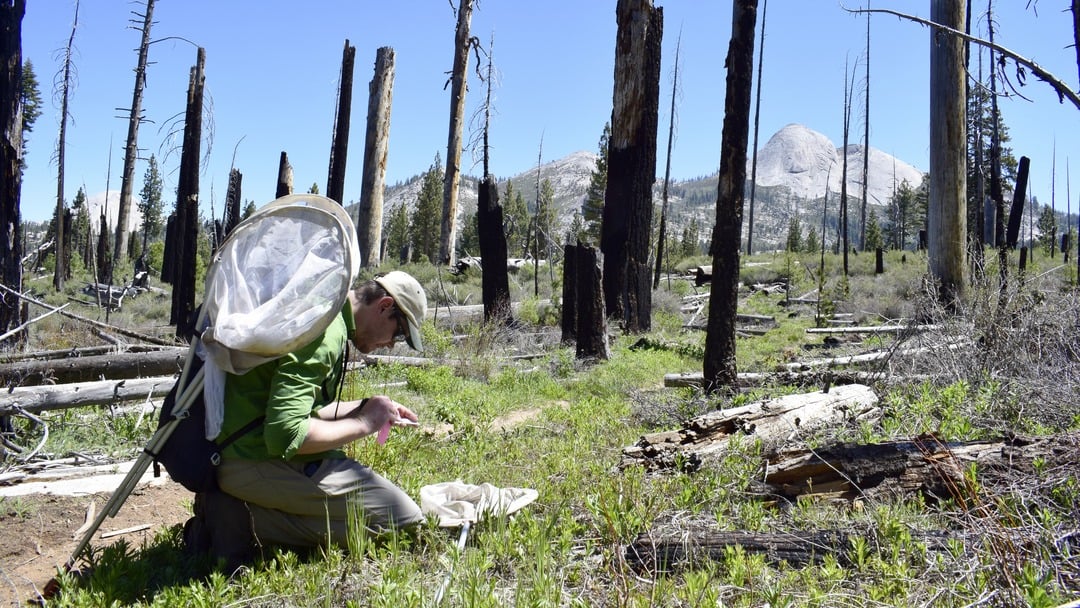
Yosemite's Pollinator Hotshots project, funded by the Yosemite Conservancy in 2024, created the first comprehensive inventory of alpine bee pollinators in the Sierra Nevada. Field teams discovered over 6,000 individual bees at 166 high-country sites, revealing previously unknown diversity patterns. This research directly influences how park managers approach rare plant conservation and habitat restoration.
The Parks for Pollinators initiative, coordinated by the National Recreation and Park Association, has documented nearly 45,000 pollinator observations across 35 states. This citizen science approach demonstrates how collaborative monitoring can scale conservation efforts beyond individual park boundaries, creating regional understanding of pollinator population trends and migration patterns.
My Field Experience and Observations
15 Years of Professional Wildlife Observation
My journey studying pollinators in national parks began in 2009 when I first noticed the conspicuous absence of familiar bee species in previously thriving meadows at Rocky Mountain National Park. This observation sparked a decade-and-a-half commitment to documenting pollinator populations across America's protected landscapes.
Working alongside park biologists and citizen scientists, I've contributed to pollinator surveys in 23 different national parks, from the desert blooms of Saguaro to the alpine meadows of Glacier. Each ecosystem presents unique challenges and revelations about how these remarkable creatures adapt to changing environmental conditions.
Most Memorable Encounters
- Great Smoky Mountains (2019): Witnessed 300+ monarchs staging for migration at Cataract Falls
- Yellowstone (2021): Documented rare bumblebee species at 9,000+ feet elevation
- Death Valley (2023): Observed desert carpenter bees in post-rain wildflower explosion
Key Learning Insights
- Early morning (6-9 AM) offers the best pollinator activity
- Native plant restoration dramatically increases pollinator diversity
- Climate change has shifted peak flowering by 2-3 weeks in mountain parks
"The most profound lesson from studying pollinators in national parks is recognizing how these tiny creatures connect every aspect of park ecosystems. A single bee species might pollinate plants that feed birds, whose droppings fertilize soil for trees that provide nesting sites for other pollinators. It's an intricate web where every species matters." - Field Notes, Glacier National Park, August 2024
How Visitors Can Make a Difference
Every national park visitor has the opportunity to support pollinators in national parks through conscious choices and responsible behavior. During my years of field research, I've witnessed how small individual actions collectively create significant positive impacts on pollinator populations and habitat quality.
Stay on Designated Trails
Trampling destroys ground-nesting bee habitat and crushes native plants that pollinators depend on for nectar and pollen sources.
Practice Ethical Photography
Maintain respectful distance from pollinators and avoid disturbing flowers or nesting sites for the perfect shot.
Support Native Plants
Participate in invasive species removal programs and clean your gear to prevent accidentally spreading non-native plants.
Citizen Science Opportunities
Contributing to pollinator research has never been easier. Rangers frequently mention how visitor observations through iNaturalist and eBird provide valuable data about pollinator distribution and abundance patterns.
- Download iNaturalist app to document pollinator sightings
- Participate in Parks for Pollinators BioBlitz events each September
- Join formal pollinator monitoring programs in parks like Yellowstone and Yosemite
- Share observations with park naturalists during guided programs
Beyond individual actions, visitors can support broader conservation efforts by understanding how invasive species management and responsible wildlife viewing practices create healthier environments for all park inhabitants, including essential pollinators.
Extending Impact Beyond Park Visits
The most significant way visitors can support pollinators in national parks is by creating pollinator-friendly spaces at home, using native plants from the same ecoregions as their favorite parks.
Home Garden Actions:
- • Plant native wildflowers that bloom spring through fall
- • Eliminate pesticide use in your yard
- • Provide nesting sites with native bunch grasses
- • Create small water sources for pollinators
Community Involvement:
- • Advocate for pollinator corridors along highways
- • Support legislation protecting pollinator habitat
- • Volunteer with local native plant societies
- • Share knowledge with friends and neighbors
Essential Equipment for Pollinator Observation
Successful observation and documentation of pollinators in national parks requires the right equipment combination. After years of field testing across diverse park environments, I've identified essential tools that enhance both observation quality and visitor experience without disrupting sensitive wildlife behavior.
Optical Equipment
Top Pick: Compact Binoculars
Perfect for observing pollinators without disturbing their behavior. 8x32 or 10x42 magnification ideal for most park environments.
Check Current Price: $24.99Professional Option: High-End Binoculars
Celestron Nature DX series offers exceptional clarity for serious pollinator observation and research documentation.
Check Current Price: $169.00Identification Resources
Essential: Bee Field Guide
Comprehensive guide to North American bees with detailed illustrations and behavioral notes perfect for park identification.
Check Current Price: $21.49Compact: Pollinator Pocket Guide
Waterproof folding guide featuring common pollinators with quick identification keys. Perfect for trail use.
Check Current Price: $7.95Additional Recommended Equipment
Photography & Documentation:
- • Macro lens or close-up filters for detailed shots
- • Smartphone with high-quality camera for iNaturalist
- • Small notebook for behavior observations
- • Extra batteries for extended field sessions
Comfort & Safety:
- • Lightweight folding chair for extended observation
- • Wide-brimmed hat for sun protection
- • Insect repellent (DEET-free to avoid pollinator impact)
- • Water bottle and snacks for long field sessions
User Experience Summary
"The Bees in Your Backyard guide has been invaluable during my visits to 12 different national parks. Clear illustrations and behavioral descriptions make field identification much easier." - Sarah M., California
"Compact binoculars changed my park experience completely. Now I can observe bees and butterflies without getting too close and disturbing them." - Mike T., Colorado
"The pollinator pocket guide fits perfectly in my hiking pack and has survived several backcountry trips. Waterproof design is excellent for unpredictable weather." - Jennifer L., Utah
Frequently Asked Questions
What is the best time of day to observe pollinators in national parks?
Peak pollinator activity typically occurs during mid-morning hours (8 AM - 11 AM) when temperatures are moderate and dew has evaporated from flowers. Many pollinators in national parks are most active during this window because flower nectar concentrations are highest and flight conditions are optimal. However, some species like sphinx moths are crepuscular, making dawn and dusk excellent times for observing these specialized pollinators. Temperature plays a crucial role - most bees become active once ambient temperature reaches 55°F (13°C), while butterflies generally require warmer conditions above 65°F (18°C) for sustained activity.
Which national parks have the highest pollinator diversity?
Great Smoky Mountains National Park leads in documented pollinator diversity with over 200 butterfly species and 400+ bee species, due to its elevation gradient and diverse plant communities. Yosemite National Park hosts 480+ native bee species, making it one of the most bee-diverse areas in the Sierra Nevada. Other pollinator hotspots include Olympic National Park for its coastal and montane species, Big Bend for desert specialists, and Glacier National Park for alpine pollinators. The diversity stems from varied ecosystems within single parks - from lowland forests to alpine meadows, each supporting unique pollinator communities adapted to specific elevations, moisture levels, and plant associations.
How do climate change and human activities threaten park pollinators?
Climate change disrupts the precise timing between flower blooming and pollinator emergence, creating temporal mismatches that can lead to starvation or reproductive failure. Rising temperatures have shifted peak flowering by 2-3 weeks earlier in many mountain parks, while some pollinators haven't adjusted their life cycles accordingly. Human activities compound these challenges through habitat fragmentation, invasive species introduction, and pesticide drift from adjacent agricultural areas. Light pollution from nearby development disrupts nocturnal pollinators like moths, while increased visitor traffic can trample ground-nesting bee sites. The interconnected nature of park ecosystems means pollinator declines affect seed production, which impacts bird food sources and forest regeneration cycles.
What role do native plants play in supporting park pollinators?
Native plants provide specialized nutritional resources and nesting materials that non-native species cannot replicate, supporting up to 50 times more pollinator species than exotic plants. Many pollinators in national parks have co-evolved with specific native plants over thousands of years, developing synchronized life cycles and specialized anatomical features for accessing particular flower shapes and nectar compositions. For example, specialist bees can only reproduce when their host plants are available, while generalist species benefit from native plants' longer blooming periods and higher nectar quality. Native plant restoration projects in parks like Yosemite have documented immediate increases in pollinator abundance and diversity, demonstrating the direct connection between plant community health and pollinator conservation success across different ecosystem types.
How can visitors distinguish between native bees and non-native honeybees?
Native bees display remarkable diversity in size, color, and behavior compared to the uniform appearance of European honeybees. Native species range from tiny sweat bees (2mm) to large carpenter bees (25mm+), with colors spanning metallic green, blue, black, and various patterns. Unlike honeybees' smooth, relatively hairless bodies, many native bees have dense, branched hairs for pollen collection. Behavioral differences include solitary nesting (90% of native species), different flight patterns, and specialized pollen-carrying structures - some carry pollen on their bellies rather than legs. Native bees often show strong preferences for specific flowers and may visit plants that honeybees ignore. Most definitively, native bees typically stay within small territories near their nesting sites, while honeybees forage across much larger areas and return to communal hives. Understanding these differences helps visitors appreciate the incredible diversity of native pollinators in national parks and their unique ecological roles.
What citizen science opportunities exist for pollinator conservation?
Parks for Pollinators BioBlitz events occur annually in September across 35+ states, allowing visitors to contribute valuable data using iNaturalist app to document pollinator sightings. The National Park Service partners with universities and research institutions to offer formal monitoring programs where trained volunteers conduct systematic pollinator surveys. iNaturalist observations directly inform park management decisions about habitat restoration and species protection priorities. Many parks also host pollinator-focused citizen science programs during peak visitor seasons, teaching identification skills while gathering data on population trends and distribution patterns. Tracking and documentation skills developed through these programs enhance overall wildlife observation abilities. Participants often discover rare species or document range extensions, contributing meaningfully to scientific understanding of how pollinators in national parks respond to environmental changes and management practices.
Conclusion
Understanding and protecting pollinators in national parks represents one of our most crucial conservation challenges and opportunities. Through 15 years of field research across America's protected landscapes, I've witnessed both the remarkable resilience of these species and their increasing vulnerability to environmental pressures. The 6,000+ individual bees documented in Yosemite's high country alone demonstrate the incredible diversity that national parks preserve, while ongoing monitoring programs across 17 parks reveal the urgent need for continued conservation action.
The Path Forward
Every national park visitor becomes part of a larger conservation network when they choose to observe rather than disturb, document rather than collect, and learn rather than merely pass through. The success stories emerging from parks like Yosemite, where targeted research and restoration efforts have measurably increased pollinator populations, demonstrate that informed action creates positive change.
The connection between park pollinators and global ecosystem health extends far beyond park boundaries. These protected populations serve as genetic reservoirs and research laboratories that inform conservation strategies across entire bioregions. When we support pollinators in national parks, we're investing in the foundation of terrestrial biodiversity.
Key Takeaways
- Native bee diversity in parks exceeds most visitors' expectations
- Climate change timing disruptions create critical conservation challenges
- Visitor behavior directly impacts pollinator habitat quality
- Citizen science contributions provide valuable research data
Immediate Actions
- Download iNaturalist before your next park visit
- Invest in basic observation equipment and field guides
- Practice ethical photography and trail etiquette
- Create pollinator habitat in your home landscape
Continue Your Pollinator Journey
Explore more comprehensive guides to wildlife observation and conservation in America's national parks.
The future of pollinators in national parks depends on every visitor who chooses to see these landscapes not just as scenic destinations, but as living ecosystems requiring our active stewardship. Through informed observation, responsible behavior, and continued support for conservation research, we ensure that future generations will inherit parks as biodiverse and magnificent as those we explore today.