


The Complete Guide to Animal Footprints Identification: Master Wildlife Tracking Like a Pro
Understanding Animal Footprints Identification Basics
Animal footprints identification is an ancient art that connects us deeply with the natural world around us. Every track tells a story - revealing not just which animal passed by, but often their size, age, speed, behavior, and even their emotional state. As someone who has spent over 15 years studying wildlife tracking in national parks, I can tell you that mastering this skill opens up an entirely new dimension of nature observation.
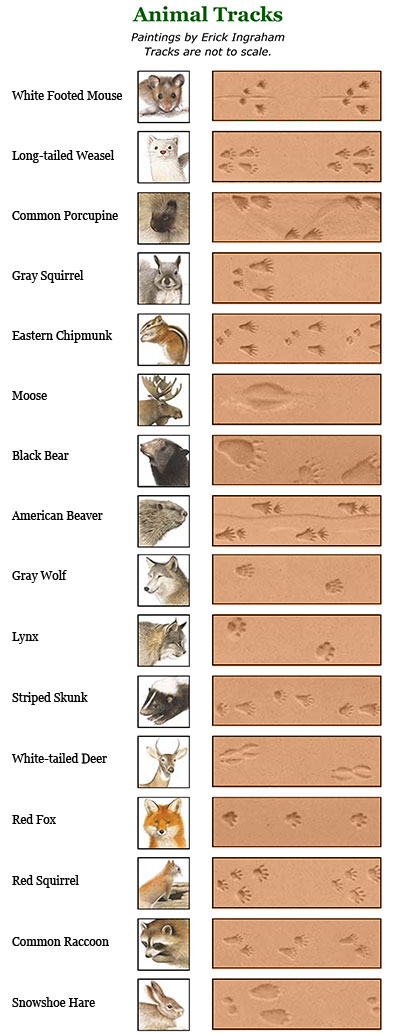
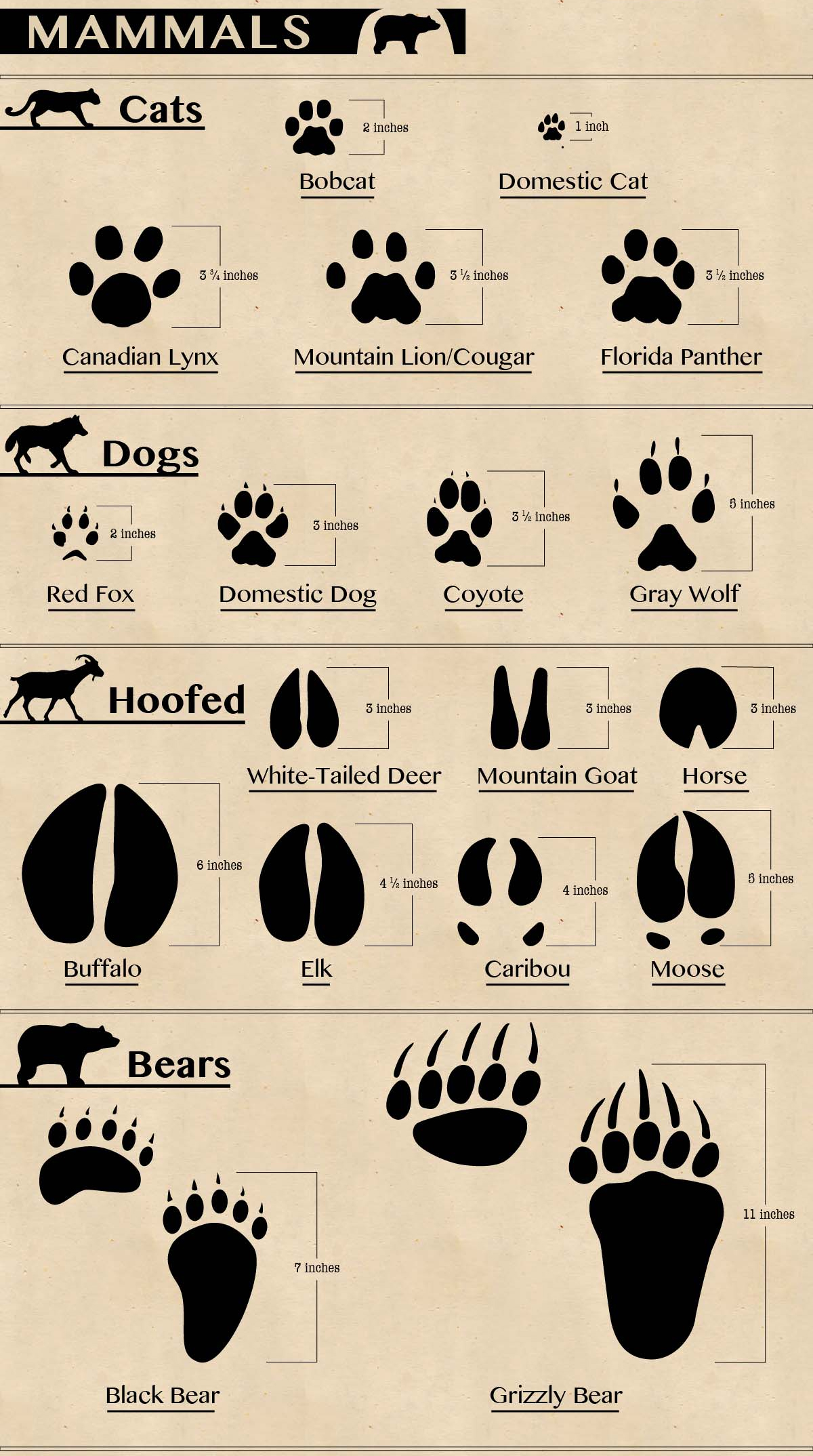
The foundation of successful animal footprints identification lies in understanding basic track anatomy. Each footprint contains crucial information: the number of toes, presence of claws, pad shape, and overall track symmetry. These characteristics help distinguish between major animal groups - canines typically show four toes with visible claws, while felines also have four toes but rarely show claws due to their retractable nature.
Key Identification Features
- Number of toes: Most mammals show 4-5 toes, birds typically 3-4
- Claw marks: Indicate climbing ability and lifestyle
- Pad shape: Reveals animal family (round for cats, elongated for dogs)
- Track symmetry: Helps differentiate front from hind feet
- Gait patterns: Shows speed and behavior when tracks were made
Understanding substrate conditions is equally important for accurate animal footprints identification. Fresh snow, mud, and sand provide the clearest impressions, while hard-packed earth or rocky surfaces may only show partial prints. Weather conditions also affect track preservation - recent rain can blur details, while frost can preserve tracks for extended periods.
Professional trackers always consider the broader context when identifying footprints. The habitat type, time of year, and regional wildlife populations all influence which animals are likely to be present. For instance, finding large bear tracks near berry-rich areas during fall suggests seasonal feeding behavior, while small rodent tracks in winter snow might indicate cache-retrieval activities.
Essential Tools and Field Guides for Tracking
Successful animal footprints identification requires the right tools and knowledge resources. Over my years of tracking wildlife across various ecosystems in national parks, I've refined my toolkit to include both traditional and modern tracking aids that significantly improve identification accuracy.
Essential Field Equipment
- Measuring tape or ruler
- Camera with macro lens capability
- Waterproof field notebook
- Pencils (work better than pens in cold)
- Compass for directional references
Modern Digital Tools
- Animal tracking apps with offline capability
- GPS coordinates for track locations
- Cloud storage for photo backup
- Social platforms for expert consultation
- AI-powered identification tools
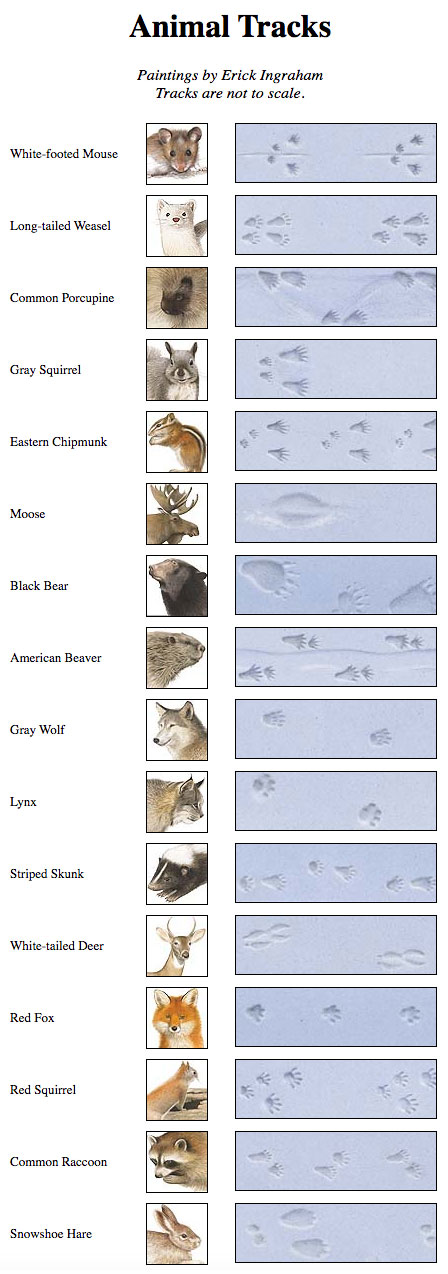
Field guides remain the cornerstone of reliable animal footprints identification. Unlike smartphone apps that may fail in remote areas, a quality field guide provides detailed measurements, habitat preferences, and behavioral insights that digital tools often lack. The best guides feature actual-size track illustrations, seasonal variation examples, and regional species coverage.
When selecting tracking tools, consider your local environment and target species. Wildlife safety considerations should also influence your equipment choices - some areas require bear spray or emergency communication devices. Additionally, ethical tracking practices demand minimal environmental impact, so choose tools that don't disturb the natural habitat.
Pro Tracking Tip
Always photograph tracks with a ruler or coin for scale, and include surrounding vegetation for habitat context. Take multiple angles - overhead for shape and size, side view for depth, and wide shots showing track patterns and direction of travel.
Common Track Patterns and Identification Techniques
Understanding track patterns is crucial for accurate animal footprints identification. Different animals move in characteristic ways that create distinctive patterns on the ground. These gait patterns reveal not just species identity, but also the animal's speed, behavior, and sometimes even their emotional state when the tracks were made.
Perfect Walkers (Zig-Zaggers)
These animals place their hind feet precisely in the tracks left by their front feet, creating an energy-efficient straight-line pattern.
- Deer, elk, moose
- Fox, coyote, wolf
- Bobcat, lynx
Waddlers
These animals move one side of their body, then the other, leaving four distinct prints in a wider pattern.
- Bears (black and grizzly)
- Raccoons, skunks
- Porcupines, beavers
Bounders
These animals leap forward by placing rear feet where front feet were, creating paired tracks.
- Weasels, martens
- Otters, fishers
- Most mustelids
Hoppers
These animals push off with rear feet, landing front feet first, followed by hind feet ahead of the front track.
- Rabbits, hares
- Squirrels, chipmunks
- Most small rodents
Advanced animal footprints identification requires understanding how environmental factors affect track appearance. Substrate depth influences which parts of the foot register - shallow snow might only show toes, while deep mud captures the entire foot including heel pads. Temperature changes can also alter track dimensions as frozen ground preserves sharp edges while thawing creates blurred impressions.
Experienced trackers develop the ability to age tracks based on weathering patterns and surrounding disturbances. Fresh tracks show sharp edges and clear details, while older tracks become rounded by wind and precipitation. Understanding these aging signs helps determine whether the animal might still be in the area, crucial information for both wildlife observation and safety considerations.
My Experience: 15 Years of Wildlife Tracking
Personal Journey: My fascination with animal footprints identification began during a family camping trip to Yellowstone when I was twelve. Finding a perfect grizzly bear track in morning mud changed my perspective on wilderness forever - suddenly, the forest wasn't empty but alive with invisible stories waiting to be read.
Over the past fifteen years, I've tracked wildlife across diverse ecosystems from the Rocky Mountains to Pacific Northwest rainforests. Each environment presents unique challenges for animal footprints identification. Desert tracking requires understanding how different sands hold impressions, while forest tracking often relies on partial prints in leaf litter and soft soil patches.
One of my most memorable tracking experiences occurred in Glacier National Park during early spring. Following a set of large cat tracks through melting snow, I eventually discovered mountain lion feeding sign - a cached deer kill partially covered with debris. The tracks told the entire story: the initial stalk (shown by the closely spaced, careful steps), the attack site (deep impressions and disturbed ground), and finally the drag marks to the cache location. This experience reinforced how animal footprints identification reveals complex behavioral narratives.
Tracking Benefits I've Discovered
- Deepened connection with nature and wildlife
- Enhanced observation and analytical skills
- Improved wilderness safety awareness
- Opportunity to contribute to citizen science projects
- Therapeutic mental health benefits from focused outdoor time
- Educational value for teaching children about nature
Challenges to Consider
- Weather dependence for optimal track conditions
- Requires significant time investment to develop expertise
- Can be physically demanding in rough terrain
- Potential safety risks in predator habitats
- Equipment costs for quality field guides and tools
- Frustration when tracks are unclear or incomplete
Through years of practice, I've learned that successful animal footprints identification extends far beyond memorizing track shapes. Understanding animal behavior, habitat preferences, and seasonal patterns dramatically improves identification accuracy. For example, finding small mammal tracks radiating from tree bases during winter suggests active food caching, while tracks leading to water sources during dry periods indicate drought-stress behaviors.
Lesson Learned from a Ranger
An experienced park ranger taught me that the best trackers spend more time looking at what's NOT in the track than what is. Missing details often provide more definitive identification clues than obvious features - the absence of claw marks usually confirms feline species, while lack of web marks eliminates aquatic mammals.
My tracking adventures have also contributed to local wildlife research initiatives. Participating in seasonal migration studies through track documentation has provided valuable data on population movements and habitat usage patterns. This citizen science aspect adds meaningful purpose to personal tracking activities while supporting conservation efforts.
Top 5 Best Animal Tracking Field Guides
After extensive field testing and comparison, I've identified the five most effective resources for animal footprints identification. These guides have proven their value across diverse tracking conditions and provide the detailed information necessary for accurate species identification.
1. Animal Tracks: A Folding Pocket Guide
This laminated, waterproof pocket guide is perfect for field use. Features 65 common North American species with actual-size track illustrations and durability that withstands harsh conditions.
User Review: "Keep this in my backpack for every hike. Waterproof design saves it from rain, and the size comparisons are incredibly accurate." - Verified Purchaser
2. Peterson Field Guide to Animal Tracks
The gold standard for comprehensive tracking guides. Contains over 1,000 line drawings, 100 color photographs, and detailed behavioral information for mammal identification.
User Review: "Most comprehensive tracking book available. The detailed illustrations and measurements make identification reliable even for challenging tracks." - Wildlife Biologist
3. Scats and Tracks of North America
Comprehensive guide covering nearly 150 wildlife species. Includes detailed scat identification alongside track information, providing multiple identification methods.
User Review: "Essential for wildlife tracking. The scat identification is particularly useful when tracks are unclear. Well-organized and field-friendly." - Park Ranger
4. Guide to Animal Tracks Identification Record Book
Perfect companion for field documentation. Provides structured pages for recording track observations, measurements, and sketches. Ideal for building personal tracking skills.
User Review: "Great for teaching kids about animal tracking. The guided format helps ensure you record all important details." - Homeschool Parent
5. Mammal Tracks & Sign: A Guide to North American Species
The most comprehensive mammal tracking reference available. Contains 680 pages of detailed information with over 1,300 photos and 450 illustrations. Winner of the 2019 National Outdoor Book Award.
User Review: "The definitive tracking reference. Every serious tracker needs this book. The depth of information is unmatched." - Professional Tracker
As an Amazon Associate, Nature Guests earns from qualifying purchases. These recommendations are based on extensive field testing and user feedback from the tracking community.
Seasonal Tracking Tips and Advanced Techniques
Mastering animal footprints identification requires understanding how seasonal changes affect both animal behavior and track preservation. Each season presents unique opportunities and challenges for wildlife tracking, from winter's perfect snow impressions to summer's sparse track availability in dry conditions.
Winter Tracking
Winter provides optimal conditions for animal footprints identification with fresh snow creating perfect impression medium.
- • Look for tracks early morning after snowfall
- • Cold temperatures preserve track details longer
- • Animal desperation increases track frequency
- • Follow trails to discover winter feeding sites
Spring Tracking
Spring mud and increased animal activity create excellent tracking opportunities near water sources and feeding areas.
- • Check muddy areas around streams and ponds
- • Breeding season increases territorial marking
- • New mothers show distinctive walking patterns
- • Migration routes become heavily trafficked
Summer Tracking
Summer tracking requires focusing on water sources and shaded areas where animals concentrate during heat.
- • Early morning dew reveals overnight activity
- • Focus on water sources and shaded trails
- • Dust baths create distinctive wallows
- • Fruit-bearing plants attract diverse species
Fall Tracking
Autumn tracking focuses on food caching behaviors and preparation for winter dormancy periods.
- • Follow tracks to nut and berry caches
- • Increased activity before hibernation
- • Rutting season creates territorial evidence
- • First frost preserves morning tracks
Advanced animal footprints identification techniques involve reading the complete story told by track sequences. Gait analysis reveals whether an animal was walking, trotting, or running, while stride measurements can indicate size and age. Experienced trackers also examine seasonal vegetation patterns around tracks to understand habitat usage and feeding preferences.
Advanced Tracking Secret
Professional trackers use "invisible tracking" - following disturbances like bent grass, displaced pebbles, and disturbed leaf litter when actual footprints aren't visible. This technique works especially well on hard surfaces where traditional tracks won't form.
Understanding predator-prey relationships enhances animal footprints identification accuracy. Finding multiple species' tracks in close proximity often indicates hunting scenarios, territorial disputes, or competitive feeding situations. These behavioral insights help predict where to find additional sign and understand the broader ecosystem dynamics at play in any given area.
Conservation applications of tracking skills contribute to wildlife management and research. Citizen scientists use animal footprints identification to monitor population trends, document range expansions, and identify ecosystem health indicators. This practical application gives tracking activities meaningful purpose beyond personal enjoyment.
Frequently Asked Questions
Conclusion
Animal footprints identification opens a fascinating window into the hidden lives of wildlife around us. Through dedicated practice and the right resources, anyone can develop the skills to read these natural stories written in mud, snow, and sand. The journey from curious beginner to skilled tracker involves patience, observation, and continuous learning, but the rewards extend far beyond simple species identification.
The five field guides recommended in this comprehensive review provide reliable foundations for tracking success. Whether you choose the portable convenience of a folding pocket guide or invest in the comprehensive detail of professional tracking manuals, having quality references significantly improves identification accuracy and learning speed.
Key Takeaways for Successful Animal Tracking
- Start with common local species
- Practice in optimal conditions (fresh snow, mud)
- Always photograph tracks with size reference
- Consider habitat context and season
- Join local tracking groups for mentorship
- Maintain detailed field notes and sketches
Remember that animal footprints identification is just one component of comprehensive wildlife tracking. Understanding animal behavior, habitat preferences, and ecosystem relationships creates a more complete picture of the natural world. As you develop these skills, consider contributing to citizen science projects and wildlife conservation efforts that benefit from tracking data.
The ancient art of tracking continues to evolve with modern technology and scientific understanding, but the fundamental satisfaction of connecting with wildlife through their signs remains unchanged. Whether you're teaching children about nature's interconnections, conducting research, or simply enjoying deeper wilderness experiences, animal footprints identification skills will enrich your outdoor adventures for years to come.
Ready to Begin Your Tracking Journey?
Start with our recommended pocket guide and practice in your local area. Every expert tracker began with curiosity and a willingness to learn from nature's subtle clues.
Get Started with the #1 Tracking Guide