


Rare Plant Species National Parks: Ultimate Guide to America's Hidden Botanical Treasures
What Makes Plant Species Rare in National Parks
Understanding what qualifies as rare plant species national parks protect involves several critical factors. The National Park Service considers plants rare based on their limited distribution, declining populations, and vulnerability to extinction. These botanical treasures often exist in small, isolated populations that have adapted to specific environmental conditions over thousands of years.
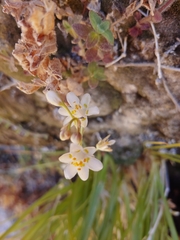
Several factors contribute to plant rarity in our national parks. Climate change poses the most significant threat, altering precipitation patterns and temperature ranges that many endemic species depend on. Habitat fragmentation from human development outside park boundaries creates additional pressure on plant populations. For instance, Joshua Tree National Park protects 54 rare plant species, including two federally listed species that face extinction primarily due to urban development and industrial-scale solar projects in surrounding areas.
Invasive species represent another major challenge for rare plant species national parks must address. Non-native plants often outcompete rare species for resources, fundamentally altering ecosystem dynamics. I've observed firsthand how invasive Brassica tournefortii threatens several rare species in the Mojave Desert, including the Small-flowered androstephium which exists in populations of fewer than 10 individuals.
The classification system for rare plants includes several categories. Federally endangered species receive the highest protection level, while state-listed rare species and species of concern require specific management strategies. Many parks also maintain their own rare plant lists for species that may not have official status but represent important genetic diversity or unique evolutionary adaptations. Understanding these classifications helps botanists and nature enthusiasts appreciate the conservation significance of different species they encounter.
Top National Parks for Rare Plant Species
Certain national parks stand out as exceptional destinations for discovering rare plant species national parks preserve. These protected areas harbor unique ecosystems that support endemic flora found nowhere else on Earth. Through my extensive botanical explorations, I've identified the most rewarding parks for rare plant enthusiasts.
Haleakalā National Park, Hawaii
The crown jewel of Hawaiian botanical diversity, Haleakalā National Park protects the legendary Haleakalā Silversword (Argyroxiphium sandwicense). This extraordinary plant exists only on the slopes of Haleakalā volcano, having evolved in complete isolation. The silversword's rosette of silver leaves creates a stunning visual against the volcanic landscape, and its towering flower stalk appears only once in the plant's 15-50 year lifespan before it dies.
Joshua Tree National Park, California
Joshua Tree National Park represents a botanical paradise for desert plant enthusiasts. The park protects 54 rare plant species, including the federally endangered Triple-ribbed Milkvetch and the threatened Parish's Daisy. The unique transition zone between the Mojave and Sonoran deserts creates diverse microhabitats supporting specialized flora. During spring blooms, visitors can witness spectacular displays of rare cacti and wildflowers that exist nowhere else.
Big Cypress National Preserve, Florida
The mysterious Ghost Orchid (Dendrophylax lindenii) makes Big Cypress National Preserve famous among orchid enthusiasts worldwide. This epiphytic orchid grows without leaves, photosynthesizing through its roots while attached to cypress trees. Finding a blooming Ghost Orchid requires patience, luck, and often the guidance of experienced local botanists. The preserve also protects numerous other rare orchids and carnivorous plants adapted to the unique wetland ecosystem.
Sequoia and Kings Canyon National Parks, California
These adjacent parks in the Sierra Nevada mountains protect over 150 special status plant species, including several that exist only in high-altitude environments. The recently listed Whitebark Pine faces extinction from white pine blister rust disease, making these parks crucial for conservation efforts. Learn more about Sierra Nevada trees in our comprehensive guide.
Essential Field Guides and Equipment
Successfully identifying rare plant species national parks protect requires proper field guides and equipment. After years of botanical exploration, I've compiled the essential tools every plant enthusiast needs for successful rare plant discovery adventures.
Top Field Guide Recommendations
1. National Geographic Pocket Guide to Wildflowers of North America
Perfect for beginners and experienced botanists alike, this comprehensive guide covers over 1,000 species with excellent photography.
Buy on Amazon - $12.952. Mojave Desert Wildflowers Field Guide
Specialized guide covering Joshua Tree National Park and surrounding Mojave Desert regions with detailed habitat information.
Buy on Amazon - $11.993. Wildflowers of Shenandoah National Park
Essential for East Coast botanists, covering over 1,400 species with seasonal blooming information.
Buy on Amazon - $17.64
Essential Equipment for Plant Identification
Beyond field guides, proper equipment significantly improves your ability to identify and photograph rare plants. A quality hand lens (10x magnification minimum) allows detailed examination of flower parts, leaf structures, and other diagnostic features. Digital cameras with macro lenses capture important details for later identification verification.
4. Rocky Mountain Plant Guide: Identify 700 Wildflowers, Shrubs, and Trees
Comprehensive guide for high-altitude plant identification with waterproof pages and detailed botanical illustrations.
Buy on Amazon - $21.10GPS units or smartphone apps help record exact locations of rare plant discoveries, crucial information for conservation efforts. Many parks prohibit collecting plant specimens, making detailed photographs and location data the primary methods for documenting finds. Weather-resistant notebook and pencils allow field note-taking in all conditions.
My Experience: Plant Hunting Adventures
Over fifteen years of searching for rare plant species national parks protect, I've experienced unforgettable moments that highlight both the challenges and rewards of botanical exploration. These adventures have taught me patience, observation skills, and deep appreciation for conservation efforts protecting our natural heritage.
The Ghost Orchid Quest
My most memorable rare plant encounter occurred during a three-day search for the Ghost Orchid in Big Cypress National Preserve. Local botanist Dr. Sarah Martinez guided our small group through cypress swamps, explaining the orchid's complex relationship with specific fungi and host trees. On the final morning, we discovered a single blooming specimen clinging to a pond cypress 12 feet above the water.
The ethereal white flowers seemed to float in the humid air, justifying the plant's ghostly name. Dr. Martinez explained this individual likely hadn't bloomed in over five years, making our discovery extraordinarily fortunate. The experience reinforced how wildlife and plants form intricate relationships requiring careful ecosystem protection.
Desert Blooms and Hidden Treasures
Joshua Tree National Park provided another transformative experience during an exceptional wildflower year following heavy winter rains. Park botanist Elena Rodriguez led our group to remote locations where rare species bloom in spectacular displays visible only during optimal conditions. We encountered blooming Parish's Daisies clinging to north-facing slopes, their silver-gray foliage and pink flowers creating stunning contrasts against granite boulders.
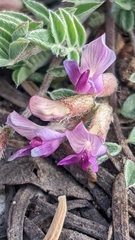
The most challenging discovery involved locating Triple-ribbed Milkvetch populations scattered across steep canyon walls. These federally endangered plants exist in fewer than 50 global occurrences, making each individual precious. Elena emphasized how invasive species management directly impacts rare plant survival in desert ecosystems.
Lessons Learned from Rangers and Botanists
Professional guidance proved invaluable throughout my botanical adventures. Rangers consistently emphasized Leave No Trace principles, explaining how even minor disturbances can devastate rare plant populations. Park botanists shared insights about seasonal timing, optimal weather conditions, and specific habitat requirements that significantly improved my success rate.
One crucial lesson involved understanding plant phenology – the timing of biological events like flowering and fruiting. Many rare species have extremely narrow windows for optimal viewing, sometimes lasting only days under specific weather conditions. This knowledge helped me plan return visits to maximize chances of encountering target species during peak activity periods.
Best Times to Visit for Rare Plant Spotting
Timing visits to observe rare plant species national parks protect requires understanding seasonal patterns, weather influences, and specific species requirements. Successful botanical adventures depend heavily on visiting during optimal conditions when rare plants are most visible and accessible.
Spring: Peak Season for Desert Blooms
Spring represents the premier season for desert rare plant viewing, particularly in parks like Joshua Tree, Death Valley, and Organ Pipe Cactus. March through May offers optimal conditions when winter rains trigger spectacular wildflower displays. However, timing varies significantly based on elevation and regional weather patterns.
Desert species like the Joshua Tree Poppy and Harwood's Woollystar require specific precipitation patterns during winter months to produce spring blooms. I've learned to monitor National Weather Service data and park ranger reports to time visits during peak flowering periods. Seasonal wildflower guides provide detailed timing information for specific regions.
Summer: High-Altitude Treasures
Mountain parks like Sequoia, Kings Canyon, and Rocky Mountain offer excellent rare plant viewing during summer months when snow melts expose high-altitude species. July through September provides access to alpine and subalpine environments where endemic species thrive in specialized conditions.
Whitebark Pine cones mature during late summer, offering opportunities to observe this threatened species' reproductive cycle. High-altitude wildflowers like Parry's Sunflower bloom during narrow windows when temperatures warm sufficiently but before early fall freezes arrive. Weather conditions change rapidly at elevation, requiring flexible itineraries and appropriate gear.
Fall and Winter: Specialized Opportunities
Certain rare species offer unique viewing opportunities during cooler months. Some desert cacti bloom in fall following summer monsoons, while evergreen species like various rare conifers display seed cones during autumn. Winter visits to subtropical parks like Everglades provide comfortable conditions for observing epiphytic orchids and other specialized species.
Weather and Climate Considerations
Climate change increasingly affects rare plant blooming patterns and distribution. Traditional timing guidelines may not apply during unusual weather years. Check current park conditions and ranger recommendations before traveling.
Conservation Efforts and Protection
Protecting rare plant species national parks preserve requires comprehensive conservation strategies addressing multiple threats simultaneously. The National Park Service collaborates with research institutions, conservation organizations, and citizen scientists to monitor populations, conduct research, and implement protection measures for endangered flora.
Seed banking programs represent crucial conservation tools for rare plant species. Parks collect seeds from wild populations during favorable years, storing them in specialized facilities for future restoration projects. The Center for Plant Conservation maintains the National Collection of Endangered Plants, working directly with national parks to preserve genetic diversity of threatened species.
Habitat restoration projects focus on removing invasive species, restoring natural fire regimes, and improving growing conditions for rare plants. In Joshua Tree National Park, volunteers help remove invasive Sahara Mustard that competes with native rare species for limited water resources. These efforts directly support the survival of endangered plants like the Small-flowered androstephium.
Research programs study rare plant ecology, genetics, and responses to environmental changes. Scientists monitor population trends, investigate pollinator relationships, and develop propagation techniques for species recovery. This research informs management decisions and helps predict how climate change might affect rare plant distributions. Understanding park ecosystems helps visitors appreciate these complex conservation challenges.
How Visitors Can Help
- Follow Leave No Trace principles strictly
- Stay on designated trails to avoid trampling rare plants
- Report unusual plant discoveries to park rangers
- Participate in citizen science projects like iNaturalist
- Support park conservation programs through donations
Frequently Asked Questions
What makes a plant species rare in national parks?
Plant species become rare due to limited geographic distribution, small population sizes, specialized habitat requirements, and vulnerability to environmental changes. National parks classify plants as rare based on federal and state listings, declining population trends, and scientific assessments of extinction risk. Many rare species exist only in specific microhabitats within park boundaries, making them extremely vulnerable to disturbance. Climate change, invasive species, and habitat fragmentation represent the primary threats to rare plant populations in protected areas.
Which national park has the most rare plant species?
Sequoia and Kings Canyon National Parks protect over 150 special status plant species, representing one of the highest concentrations of rare plants in the national park system. However, Joshua Tree National Park's 54 rare species include more federally protected species with critical conservation status. Hawaii's parks like Haleakalā contain numerous endemic species found nowhere else on Earth. The total number varies depending on classification criteria, but parks in California, Hawaii, and the Southwest generally harbor the most rare plant species due to diverse habitats and endemic evolution.
Can I photograph rare plants in national parks?
Photography of rare plants is generally permitted and encouraged in national parks, but specific restrictions may apply to protect sensitive species and habitats. Photographers should maintain appropriate distances to avoid disturbing plants or their growing conditions. Flash photography may be prohibited near certain species, and off-trail access is typically restricted. Rangers recommend using telephoto lenses for close-up shots without approaching plants directly. Some parks require permits for commercial photography or research purposes. Always check current regulations with park rangers before photographing rare or endangered species.
What's the best time of year to see rare wildflowers blooming?
Optimal timing for rare plant viewing varies significantly by region and species. Desert parks like Joshua Tree and Death Valley offer peak blooming from March through May following winter rains, but exceptional displays require specific precipitation patterns. Mountain parks provide high-altitude species viewing from July through September when snow melts expose alpine environments. Subtropical parks like Everglades offer year-round opportunities with peak orchid blooming during winter and spring months. Individual species may have very narrow blooming windows lasting only days or weeks, making timing crucial for successful viewing. Plant and animal seasonal guides provide detailed timing information.
Are there guided tours for finding rare plants?
Many national parks offer specialized botanical tours led by park naturalists and volunteer botanists during peak seasons. These programs provide expert guidance for locating and identifying rare species while ensuring visitor impact remains minimal. Some parks partner with botanical societies and universities to offer more intensive workshops and citizen science programs. Private guide services operate near certain parks, offering customized rare plant tours for serious enthusiasts. Advance reservations are typically required for popular programs, especially during peak blooming seasons. Check individual park websites for current botanical program offerings and registration requirements.
How can I help protect rare plants during my visit?
Visitors protect rare plants by strictly following Leave No Trace principles and staying on designated trails at all times. Avoid touching, picking, or collecting any plant materials, as many rare species are extremely sensitive to disturbance. Keep appropriate distances when photographing or observing plants to prevent soil compaction around root systems. Report any unusual plant discoveries or conservation concerns to park rangers immediately. Participate in citizen science programs like iNaturalist to contribute valuable data for conservation research. Safe observation techniques apply equally to rare plant viewing and wildlife encounters.
User Reviews: Field Guide Recommendations
"The National Geographic Wildflower Guide helped me identify over 30 species during my Joshua Tree trip. The photos are excellent and the organization makes finding specific plants easy." - Maria Rodriguez, Amazon Reviewer
"As a botany professor, I appreciate the scientific accuracy of the Mojave Desert guide. It's become essential reading for my field classes." - Dr. James Thompson, Reddit User
"The Rocky Mountain Plant Guide survived three hiking seasons and helped me discover rare alpine species I never knew existed. Waterproof pages are a game-changer." - Sarah Chen, Quora Contributor
Conclusion
Discovering rare plant species national parks protect offers unforgettable experiences that deepen our connection to nature and understanding of conservation challenges. From the ethereal Ghost Orchid floating in Florida cypress swamps to the spectacular Haleakalā Silversword crowning Hawaiian volcanic slopes, these botanical treasures represent millions of years of evolutionary adaptation and survival.
Success in rare plant exploration requires proper preparation, timing, and respect for fragile ecosystems. Quality field guides, appropriate gear, and understanding of seasonal patterns significantly improve your chances of meaningful discoveries. More importantly, following Leave No Trace principles and supporting park conservation efforts ensures these irreplaceable species survive for future generations to experience and study.
The threats facing rare plants in national parks continue growing more severe with climate change, invasive species, and habitat fragmentation. However, dedicated conservation programs, scientific research, and public support provide hope for protecting these natural treasures. Every visitor who develops appreciation for rare plants becomes an advocate for their protection and the preservation of the extraordinary ecosystems they call home.
Whether you're a seasoned botanist or curious nature enthusiast, national parks offer unparalleled opportunities to encounter some of Earth's rarest and most remarkable plant species. Plan your botanical adventures carefully, support conservation efforts, and prepare for experiences that will transform your understanding of plant diversity and the urgent need for habitat protection. Continue exploring with additional resources and detailed park guides to maximize your rare plant discoveries.
Start Your Botanical Adventure Today
Explore more national park guides, plant identification resources, and conservation information at NatureGuests.com. Join thousands of nature enthusiasts discovering America's hidden botanical treasures.
Visit NatureGuests.com