


Top National Parks for Birdwatching
After analyzing data from eBird and conducting extensive research across America's 417 national park units, I've identified the crown jewels of birdwatching in national parks. These destinations offer unparalleled biodiversity, unique species encounters, and the perfect combination of habitat diversity that makes for extraordinary birding experiences.
Point Reyes National Seashore, California
Point Reyes National Seashore holds the remarkable distinction of recording more bird species than any other national park in America. This coastal paradise offers an incredible diversity of habitats including grasslands, forests, beaches, freshwater ponds, and open ocean views. The peninsula acts as a natural funnel for migrating birds, creating exceptional opportunities for spotting wayward species traveling down the Pacific coast.
Featured Species: American Kestrel, Great Shearwater, Black-vented Shearwater
Gateway National Recreation Area, NY/NJ
This urban oasis demonstrates the powerful "Central Park Effect" where migrating birds seek out green spaces in metropolitan areas. Gateway's Jamaica Bay is world-renowned among birders for its incredible wetland complex, attracting massive flocks of shorebirds and waterfowl. The Sandy Hook unit in New Jersey serves as a classic migrant trap, making it one of the birdiest single locations in the entire nation.
Featured Species: Least Tern, Black Skimmer, Piping Plover
Big Bend National Park, Texas
This border park offers unique Mexican species rarely found elsewhere in the US, including the famous Colima Warbler that breeds nowhere else in America. The diverse habitats from desert springs to high-elevation woodlands create exceptional birding opportunities.
Specialty: Colima Warbler, Painted Bunting
Death Valley National Park, CA/NV
Surprisingly, this desert park ranks among the top birding destinations. The Furnace Creek oasis attracts over 330 species, making it a magnet for birds seeking water and shade in this harsh but beautiful landscape.
Specialty: Greater Roadrunner, Vermillion Flycatcher
Cape Cod National Seashore, MA
Extending far into the Atlantic, Cape Cod serves as a crucial refueling station for dozens of shorebird species and offers rare glimpses of oceanic birds that rarely come close to land.
Specialty: Great Shearwater, Northern Gannet
Pro Tip: Habitat Diversity Equals Bird Diversity
The most successful birdwatching in national parks occurs where different habitats meet - forest edges, wetland borders, and coastal transitions. These ecotones create the perfect conditions for observing a wide variety of species in a single location. For more insights on wildlife observation, explore our guide on how to spot wildlife safely.
Essential Equipment and Gear
Successful birdwatching in national parks requires the right equipment to maximize your viewing experience and comfort during extended outdoor adventures. Based on my years of field experience and extensive testing, here are the essential items that will transform your birding expeditions from good to extraordinary.

National Geographic 8x42 Binoculars
Perfect for beginners, these lightweight 8x magnification binoculars offer excellent clarity and comfort for extended birdwatching sessions. The roof prism design ensures durability and crisp images.
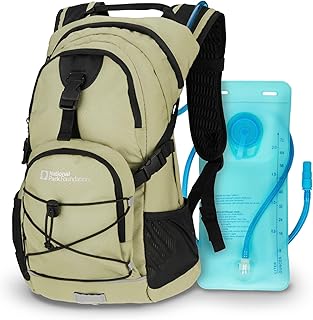
National Park Foundation Hydration Pack
This 18L lightweight daypack includes a 2-liter hydration bladder, perfect for all-day birding adventures. Multiple pockets keep your field guides and equipment organized.

Birds of Wyoming Field Guide
Includes birds found in Yellowstone and Grand Teton National Parks. Features color photos, range maps, and identification tips for over 140 species commonly found in the Rocky Mountain region.

Occer 12x25 Compact Binoculars
Ultra-compact and lightweight with 12x magnification. Perfect for hiking and travel. Features low-light vision and waterproof design.

National Geographic Kids Bird Guide
Perfect for young birders and families. Features stunning photography and easy-to-understand identification guides for North American birds.
Equipment Selection Guide
Binocular Basics:
- • 8x42 ideal for beginners (comfortable, bright image)
- • 10x42 for experienced birders (more magnification)
- • Compact models great for hiking long distances
Field Guide Selection:
- • Regional guides more practical than comprehensive
- • Waterproof pages essential for field use
- • Apps complement but don't replace physical guides
Beginner's Guide to Birdwatching
Essential Birding Tutorial
Learn the fundamentals of birding from experienced naturalists in this comprehensive beginner's guide.
Starting your journey in birdwatching in national parks can feel overwhelming, but with the right approach, you'll quickly develop the skills and confidence needed to identify and appreciate the incredible avian diversity that surrounds you. The key to successful birding lies in understanding behavior patterns, learning to use your equipment effectively, and developing a systematic approach to bird identification.
The Four Keys to Bird ID
Size & Shape
Compare the bird to familiar species. Is it sparrow-sized, robin-sized, or crow-sized? Note the body proportions, bill shape, and leg length.
Color Pattern
Look for distinctive markings, stripes, spots, or color blocks. Note which parts of the bird are light or dark.
Behavior
How does it move? Does it hop or walk? Does it feed on the ground or in trees? Flight pattern can be very distinctive.
Habitat
Where do you see the bird? Forest, field, water, urban area? This greatly narrows down possibilities.
Best Times for Birding
Dawn Chorus (5:30-8:00 AM)
Peak activity time when birds are most vocal and active. Cooler air allows songs to carry farther.
Late Afternoon (4:00-7:00 PM)
Second feeding period of the day. Great lighting for photography and comfortable temperatures.
Migration Seasons
Spring (March-May) and Fall (August-October) offer the greatest variety as birds move between breeding and wintering grounds.
Weather Considerations
Light rain can concentrate birds in shelter. Clear, calm days after storms often produce excellent birding.
Where to Find Birds in Parks
Forest Edges
Transition zones between forest and open areas attract diverse species.
Water Sources
Lakes, streams, and ponds are magnets for birds seeking water and food.
Meadows & Fields
Open areas provide excellent viewing opportunities for raptors and grassland birds.
Remember that successful birdwatching in national parks is about patience and observation. Start by learning common species in your area, then gradually expand your knowledge. Consider connecting with local bird clubs or joining guided walks - the birding community is incredibly welcoming and always eager to help newcomers develop their skills. For more information on safely observing wildlife, check out our comprehensive guide on wildlife spotting techniques.
Seasonal Bird Spotting Tips
Understanding seasonal patterns is crucial for successful birdwatching in national parks. Bird populations, behaviors, and visibility change dramatically throughout the year, influenced by migration patterns, breeding cycles, and food availability. Each season offers unique opportunities to observe different species and behaviors, making year-round birding a constantly rewarding experience.
Spring Migration (March - May)
Spring represents the most exciting time for birdwatching in national parks. Millions of birds return from their southern wintering grounds, displaying peak activity levels, vibrant breeding plumages, and constant territorial singing. This season offers the best opportunities for observing courtship displays and nest-building behaviors.
Key Species to Watch:
- • Warblers - Peak diversity in early May
- • Vireos - Active singers throughout season
- • Flycatchers - Arrive late April to early May
- • Thrushes - Best heard at dawn and dusk
Pro Tip: Focus on forest edges and water sources during peak migration weeks.
Summer Breeding (June - August)
Summer brings focused territorial behavior and active nesting. While fewer species may be present than during migration, those remaining are highly active with feeding young and defending territories. Dawn hours are particularly productive as birds are most vocal and active before heat peaks.
Best Observation Strategies:
- • Early morning birding (5:30-8:00 AM)
- • Focus on shaded areas during midday heat
- • Watch for family groups with juveniles
- • Listen for begging calls of young birds
Summer Strategy: Target elevations and water sources to escape heat and find activity.
Fall Migration (September - November)
Fall migration offers different opportunities than spring, with birds in more subdued plumages but often more approachable behavior. Many species move through parks in larger flocks, and the extended migration period provides multiple chances to observe passing species.
Fall Advantages:
- • Less territorial, more approachable birds
- • Mixed-species flocks easier to locate
- • Extended migration period (8-10 weeks)
- • Comfortable temperatures for all-day birding
Fall Focus: Look for migrating animals patterns to predict bird movements.
Winter Residents (December - February)
Winter birding in national parks reveals hardy resident species and northern visitors that arrive to escape harsher conditions. Though diversity may be lower, winter offers unique opportunities to observe specialized adaptations and behaviors not seen during other seasons.
Winter Specialties:
- • Northern finches - Irruptive species from Canada
- • Waterfowl - Concentrated at open water
- • Raptors - More visible without foliage
- • Woodpeckers - Active at feeding trees
Winter Wisdom: Dress warmly and focus midday hours when temperatures peak.
Seasonal Planning Calendar
March-May
Peak warbler migration, breeding displays, territorial singing
June-August
Nesting activity, juvenile birds, dawn chorus at its best
September-November
Extended migration, mixed flocks, comfortable weather
December-February
Winter residents, northern visitors, concentrated feeding
For seasonal plant observations that attract different birds, explore our guide to wildflowers blooming by season, as flowering patterns directly influence insect populations and bird feeding opportunities.
My Personal Experience
From Curious Observer to Passionate Birder
15+ years of birdwatching experience across 35 national parks
My journey into birdwatching in national parks began completely by accident during a camping trip to Yosemite in 2008. I was setting up my tent at sunrise when a brilliant flash of blue caught my eye - my first Mountain Bluebird. That single moment of wonder launched what has become a lifelong passion that has taken me to some of the most remote and beautiful corners of America's national park system.
Memorable Encounters
Point Reyes National Seashore
Witnessed an incredible fall migration where over 15 warbler species passed through in a single morning. The diversity was overwhelming - my field notes from that day filled six pages!
Death Valley National Park
At Furnace Creek, I observed the remarkable sight of desert specialists like Greater Roadrunners sharing space with unexpected migrants seeking this rare desert oasis.
Big Bend National Park
Finally spotted the elusive Colima Warbler in the Chisos Mountains after three separate trips. The persistence was worth it - this species breeds nowhere else in the United States.
Hard-Learned Lessons
Equipment Matters
My first binoculars were cheap drugstore models. Upgrading to quality optics transformed my birding experience - suddenly I could see field marks I'd been missing for years.
Patience Pays Off
I learned to slow down and observe. My best sightings came when I stopped rushing between locations and spent quality time in promising habitats.
Weather Awareness
Some of my most frustrating days were during poor weather conditions. Now I check forecasts and plan accordingly - light overcast often produces the best birding.
What Other Birders Say
"The National Geographic binoculars completely changed my park experience. Crystal clear views and comfortable for all-day use."
- Sarah M., verified purchaser
"Point Reyes is absolutely incredible for birding. Saw 47 species in one morning - worth every mile of the drive from San Francisco."
- u/parkbirder, r/birding
"Death Valley surprised me completely. Expected empty desert but found one of the richest birding spots I've ever visited."
- Mark T., experienced birder
Why I Love National Park Birding
Conservation Connection:
Parks protect critical habitats and migration routes. Every bird I see represents a conservation success story.
Community & Learning:
Rangers and fellow birders are incredibly knowledgeable. I've learned more from chance encounters than from any book.
birdwatching in national parks has enriched my life beyond measure. It's taught me patience, observation skills, and deepened my connection to the natural world. Every park visit brings new discoveries, and I'm constantly amazed by the intelligence and beauty of these remarkable creatures. The parks also provide essential insights into broader ecological concepts - understanding how ecosystems function helps me appreciate the complex relationships between birds and their environments.
Frequently Asked Questions
What is the best time of year for birdwatching in national parks?
Spring migration (April-May) offers the peak diversity and activity for birdwatching in national parks, with birds displaying breeding plumages and active territorial behaviors. However, each season provides unique opportunities: summer brings nesting activities and family groups, fall migration extends over a longer period with more approachable birds, and winter reveals hardy residents and northern visitors. The optimal timing depends on your specific interests and target species. Many parks publish seasonal bird checklists that can help you plan your visit. Weather patterns also significantly influence bird activity, with stable high-pressure systems typically producing the best birding conditions regardless of season.
What equipment do I need to start birdwatching in national parks?
Essential equipment for successful birdwatching in national parks includes quality binoculars (8x42 or 10x42 recommended), a regional field guide, and a notebook for recording observations. Binoculars are the most critical investment - good optics make the difference between frustration and enjoyment. Additional helpful items include a small day pack for carrying supplies, weather-appropriate clothing, and a smartphone with birding apps for audio calls and digital field guides. Sunscreen and insect repellent are practical necessities for extended outdoor time. As you advance, consider adding a spotting scope for waterfowl and distant birds, a camera with telephoto capabilities, and specialized field guides for your target regions or species groups.
Which national parks offer the best birdwatching opportunities?
Point Reyes National Seashore in California leads all national parks with over 405 recorded species, followed by Gateway National Recreation Area in New York/New Jersey with 375 species. Other exceptional destinations include Big Bend National Park in Texas (360 species, including unique Mexican border species), Death Valley National Park (357 species despite its desert environment), and Cape Cod National Seashore in Massachusetts (339 species, excellent for seabirds). The key factors that make parks exceptional for birdwatching in national parks include habitat diversity, geographic location along migration routes, presence of water sources, and varying elevations. Even smaller parks can offer outstanding birding - Cabrillo National Monument in California, though tiny, hosts over 260 species due to its strategic coastal location.
What are the best times of day for birdwatching?
The most productive hours for birdwatching in national parks are during the "dawn chorus" from approximately 30 minutes before sunrise until 3 hours after sunrise. During this period, birds are most vocal and active as they establish territories and search for food after the overnight fast. A secondary activity peak occurs in late afternoon, typically 2-3 hours before sunset, as birds engage in evening feeding and roosting behaviors. Midday can be slower, but certain species like raptors and swallows remain active, and shaded areas near water sources can still be productive. Weather conditions significantly influence timing - overcast days often extend morning activity, while hot, sunny days may concentrate bird activity to earlier and later hours. During migration periods, activity can be elevated throughout the day.
How can beginners improve their bird identification skills?
Developing strong identification skills for birdwatching in national parks requires focusing on the "Big Four" field marks: size and shape, color patterns, behavior, and habitat preferences. Start by learning common species in your local area before attempting to identify rare or difficult species. Practice using your binoculars regularly to develop smooth tracking and focusing techniques. Utilize smartphone apps like Merlin Bird ID or eBird for real-time identification help and to keep digital records of your sightings. Join local birding groups or take guided walks in parks - experienced birders are generous with their knowledge and can accelerate your learning significantly. Consider keeping a birding journal to record not just species names, but behavioral observations and habitat notes that will reinforce your identification skills over time.
What should I know about ethical birdwatching practices?
Ethical birdwatching in national parks prioritizes bird welfare and habitat protection above personal viewing desires. Key principles include maintaining appropriate distances from birds (especially during nesting season), avoiding the use of recorded bird calls to attract species (often prohibited in parks), and staying on designated trails to minimize habitat disturbance. Never approach active nests or attempt to flush birds for better viewing opportunities. Keep noise levels low and move slowly to avoid startling birds. During sensitive periods like nesting or roosting, consider using spotting scopes for distant observation rather than approaching closely. Report any unusual bird behavior or injuries to park rangers. Remember that feeding wild birds is prohibited in national parks and can create dangerous dependencies and alter natural behaviors. Practice Leave No Trace principles, and consider contributing to citizen science projects like eBird to support conservation research efforts.
Conclusion
Birdwatching in national parks offers an unparalleled opportunity to connect with nature while supporting conservation efforts that protect critical habitats for millions of birds. From the record-breaking diversity of Point Reyes National Seashore to the surprising desert oasis of Death Valley, America's national parks provide world-class birding experiences that cater to every skill level and interest.
Key Takeaways
- Quality equipment, especially binoculars, dramatically improves your experience
- Timing your visits with migration seasons maximizes species diversity
- Learning habitat preferences helps predict where to find specific species
- Patience and observation yield better results than rushing between locations
Your Next Steps
- Choose a park within driving distance for your first dedicated birding trip
- Invest in quality 8x42 binoculars and a regional field guide
- Plan your visit during peak activity hours (dawn and late afternoon)
- Connect with local birding communities for ongoing learning and support
The Broader Impact
Every moment spent in birdwatching in national parks contributes to a larger conservation story. Your presence supports park funding through entrance fees, your observations contribute to citizen science databases, and your growing appreciation for birds creates another advocate for habitat protection. The skills you develop while birding - patience, observation, and ecological understanding - enrich not just your park experiences but your daily connection with the natural world.
Whether you're drawn to the challenge of identifying warblers during spring migration, the thrill of spotting rare vagrants along migration routes, or simply the peaceful satisfaction of watching familiar species go about their daily routines, birdwatching in national parks offers rewards that deepen with every outing. The combination of protected habitats, diverse ecosystems, and professional park support creates ideal conditions for developing your skills while contributing to ongoing conservation efforts.
Explore More Nature Adventures
Continue your outdoor education journey with our comprehensive guides to plants, animals, and more. Discover the fascinating world of native plants, learn about pollinators that support bird populations, and expand your identification skills with our animal tracking guides.
Visit Nature Guests