


Understanding Ecosystems in National Parks: A Complete Guide to America's Natural Heritage
The Diversity of Ecosystems in National Parks
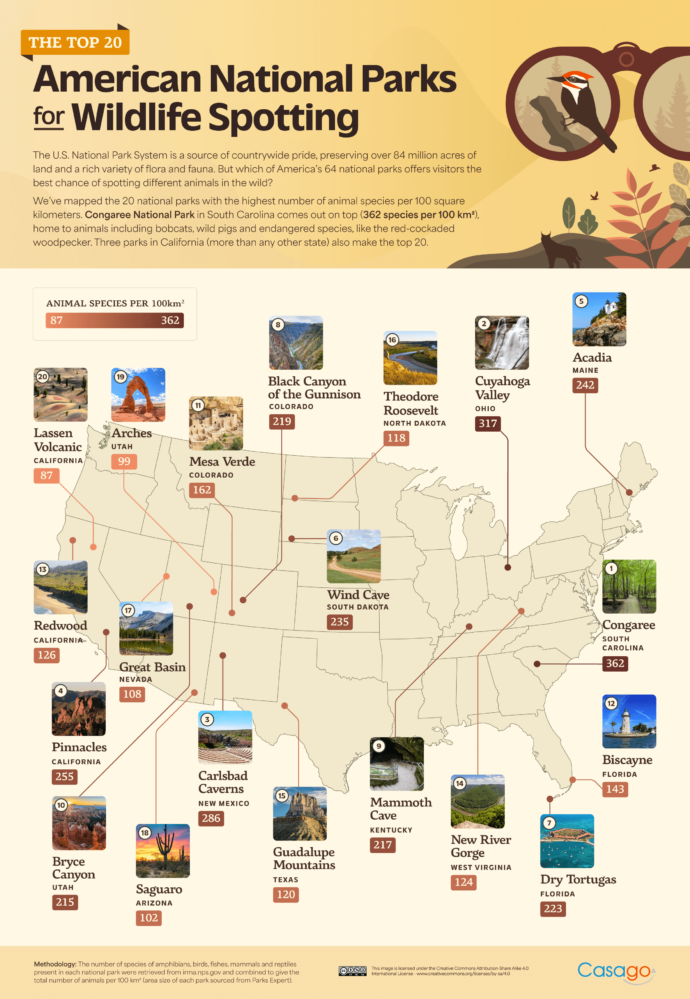 America's national parks protect an extraordinary range of **ecosystems in national parks**, each supporting unique communities of plants, animals, and microorganisms. When I first began studying these protected areas, I was amazed to discover that our 63 national parks encompass virtually every major ecosystem type found on Earth. From the subtropical wetlands of the Everglades to the arctic tundra of Gates of the Arctic, these diverse environments showcase nature's incredible adaptability and resilience. The National Park Service recognizes that **ecosystems in national parks** are interconnected webs of life where every species, from the smallest bacteria to the largest predators, plays a crucial role. During my research expeditions, I've observed how climate, geology, elevation, and human influence combine to create distinct ecological zones. For instance, Yellowstone alone contains multiple ecosystem types including grasslands, forests, wetlands, and geothermal areas, each supporting different wildlife communities. Understanding native plants in national parks is fundamental to appreciating these complex systems. Native species have evolved over thousands of years to thrive in specific conditions, forming the foundation of food webs that support entire communities. I've spent countless hours documenting how these plants interact with their environment, from the way desert succulents store water to how alpine flowers time their blooming to brief growing seasons. Climate change poses significant challenges to **ecosystems in national parks**. During my visits to Glacier National Park over the past decade, I've witnessed dramatic changes in alpine ecosystems as glaciers retreat and temperatures rise. These shifts affect everything from wildflowers blooming by season to wildlife migration patterns, demonstrating the interconnected nature of ecological systems. For those interested in exploring these environments, I highly recommend the National Geographic Guide to National Parks of the United States 9th Edition at $13.89. This comprehensive resource has been my constant companion during park visits, providing detailed ecosystem information and maps that enhance understanding of these complex environments.
Forest Ecosystems: The Green Heart of Our Parks
 Forest ecosystems represent some of the most complex and productive **ecosystems in national parks**. After decades of studying these environments, I've come to appreciate how forests function as multi-layered communities where canopy trees, understory shrubs, and forest floor plants each occupy distinct ecological niches. These vertical zones create microhabitats that support incredible biodiversity, from tiny soil organisms to large mammals. In the Pacific Northwest, I've marveled at the temperate rainforests of Olympic National Park, where ancient Douglas firs and Sitka spruces create cathedral-like spaces beneath their massive canopies. These **ecosystems in national parks** receive over 140 inches of annual rainfall, supporting lush undergrowth of ferns, mosses, and wildflowers. The constant moisture creates ideal conditions for decomposition, rapidly cycling nutrients back into the system and supporting the enormous biomass of these forests. Deciduous forests in parks like Great Smoky Mountains offer different ecological dynamics. During my autumn visits, I've observed how the seasonal leaf drop creates a massive pulse of organic matter that feeds countless decomposer organisms. This annual cycle supports over 19,000 documented species, making it one of the most biodiverse **ecosystems in national parks**. Understanding trees of Yosemite and beyond helps visitors appreciate the intricate relationships between these forest giants and their associated communities. Fire plays a crucial role in many forest ecosystems. In Sequoia and Kings Canyon, I've studied how giant sequoias depend on periodic fires to clear competing vegetation and create mineral-rich soil beds for their seeds. These fire-adapted **ecosystems in national parks** demonstrate nature's resilience and the importance of natural disturbance cycles in maintaining ecological health. For wildlife observation in forest environments, quality binoculars are essential. I rely on Nikon PROSTAFF P3 8x42 Binoculars at $136.95, which provide excellent clarity for spotting wild animals in national parks among dense forest vegetation. The rubber armor and waterproof design make them ideal for humid forest conditions.
Featured Product Recommendation
For serious wildlife enthusiasts, I recommend upgrading to Canon 10x30 Image Stabilization II Binoculars at $499. The image stabilization technology is invaluable when observing animals from treetop canopies or during long observation sessions.
View on AmazonDesert Ecosystems: Life in Extreme Conditions
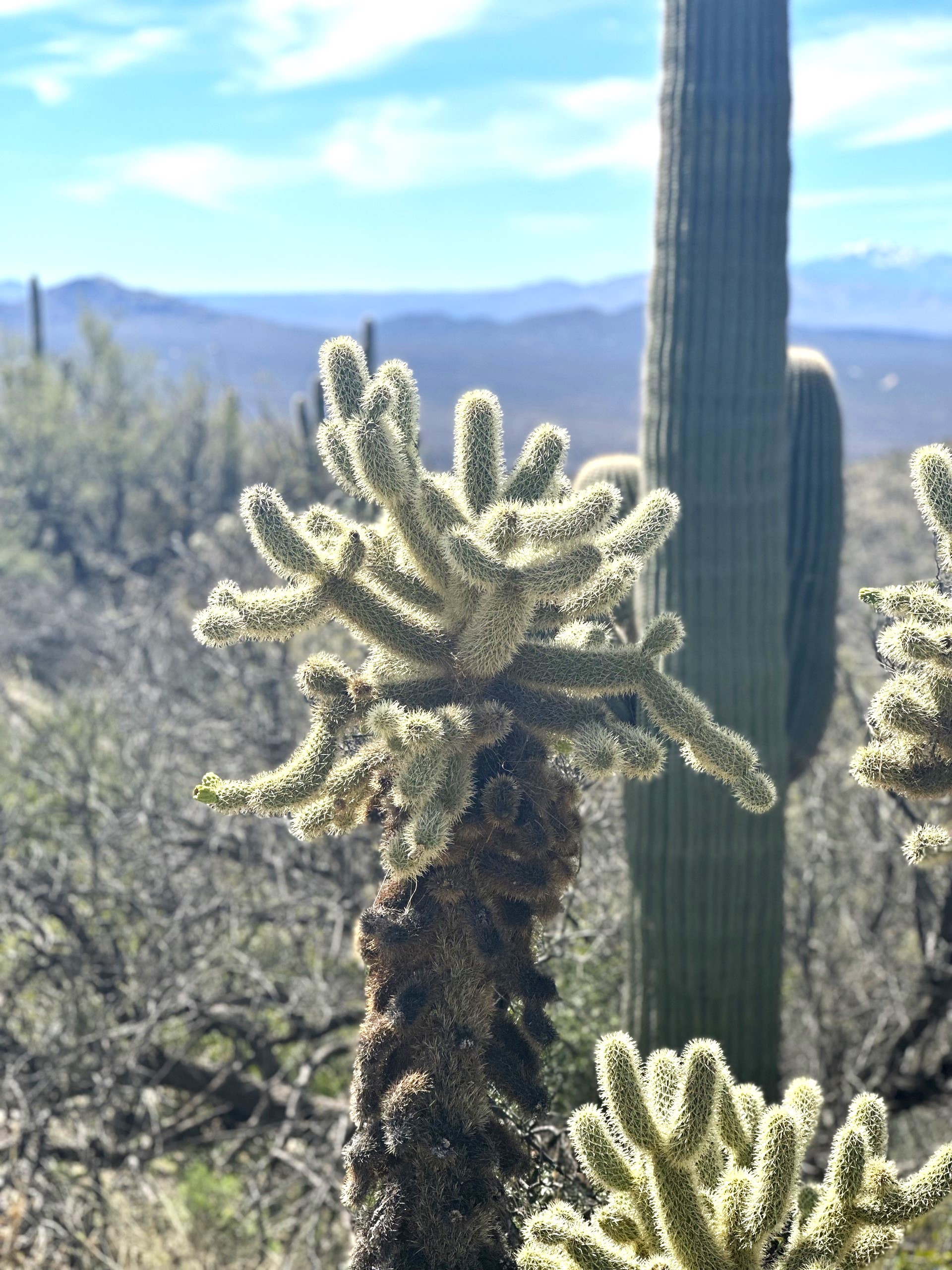 Desert **ecosystems in national parks** showcase life's remarkable ability to adapt to extreme conditions. My extensive fieldwork in parks like Saguaro, Joshua Tree, and Death Valley has revealed that these seemingly barren landscapes actually support incredibly diverse and specialized communities. The key to understanding desert ecology lies in recognizing the ingenious adaptations that allow organisms to survive with minimal water and extreme temperature fluctuations. The Sonoran Desert ecosystem in Saguaro National Park represents one of the most biodiverse desert environments in North America. During my dawn expeditions, I've observed the intricate relationships between saguaro cacti, their pollinators, and the broader community they support. These iconic giants can live over 200 years and provide nesting sites for over 70 bird species, demonstrating how keystone species shape entire **ecosystems in national parks**. Water conservation strategies in desert plants fascinate me. Cacti store water in specialized tissues, while plants like creosote bush develop extensive root systems to capture rare rainfall. Some desert wildflowers remain dormant as seeds for years, germinating only when conditions are perfect. This timing is crucial for understanding wildflowers blooming by season in arid environments. Desert animals exhibit equally impressive adaptations. I've tracked kangaroo rats that never need to drink water, obtaining all moisture from their food. Desert bighorn sheep can detect water sources miles away, while roadrunners use behavioral thermoregulation to maintain body temperature. These adaptations highlight the sophisticated strategies organisms employ in harsh **ecosystems in national parks**. For desert exploration, I always carry the Southwest Desert Plants Field Guide at $7.95. This compact guide has helped me identify hundreds of desert species and understand their ecological roles. Its waterproof pages withstand desert conditions, making it an invaluable field companion. The challenge of plants vs invasive species is particularly acute in desert ecosystems. Invasive grasses like cheatgrass alter fire regimes and crowd out native plants adapted to specific soil and moisture conditions. My observations have documented how these changes cascade through the entire ecosystem, affecting everything from soil chemistry to wildlife habitat.
Aquatic and Riparian Ecosystems: Water as Life Source
Water-based **ecosystems in national parks** support some of the highest biodiversity levels found in protected areas. My research in aquatic environments from the coral reefs of Biscayne to the pristine lakes of Glacier has revealed how water systems function as corridors of life, connecting terrestrial ecosystems and supporting complex food webs that extend far beyond their boundaries. Riparian zones, where land meets water, create some of the most productive **ecosystems in national parks**. These transition areas support dense vegetation that provides food, shelter, and nesting sites for countless species. During my studies along the Colorado River in Grand Canyon, I've documented how cottonwoods, willows, and other riparian plants create microclimates that moderate temperature and humidity, supporting species that couldn't survive in adjacent desert areas. Freshwater ecosystems face unique challenges in national parks. I've witnessed the impacts of water diversions, invasive species, and climate change on these sensitive environments. In Yellowstone, the introduction of lake trout has dramatically altered native cutthroat trout populations, demonstrating how single species introductions can restructure entire aquatic communities. Marine **ecosystems in national parks** like those in Biscayne and Channel Islands protect critical oceanic habitats. My underwater research has revealed how coral reefs function as living cities, supporting incredible biodiversity in relatively small areas. These systems face unprecedented threats from ocean acidification, warming temperatures, and pollution, making their protection crucial for global marine health. For aquatic wildlife observation, I recommend upgrading your equipment. The Celestron Nature DX 8x42 Binoculars at $169 offer excellent performance for birdwatching in national parks, particularly in riparian areas where many species concentrate. Seasonal patterns in aquatic ecosystems create dynamic viewing opportunities. Spring snowmelt feeds cascading waterfalls and floods meadows, while autumn concentrations of migratory birds create spectacular wildlife viewing. Understanding these cycles helps visitors time their explorations to witness peak ecological activity in water-dependent **ecosystems in national parks**.
Mountain and Alpine Ecosystems: Life at High Elevations
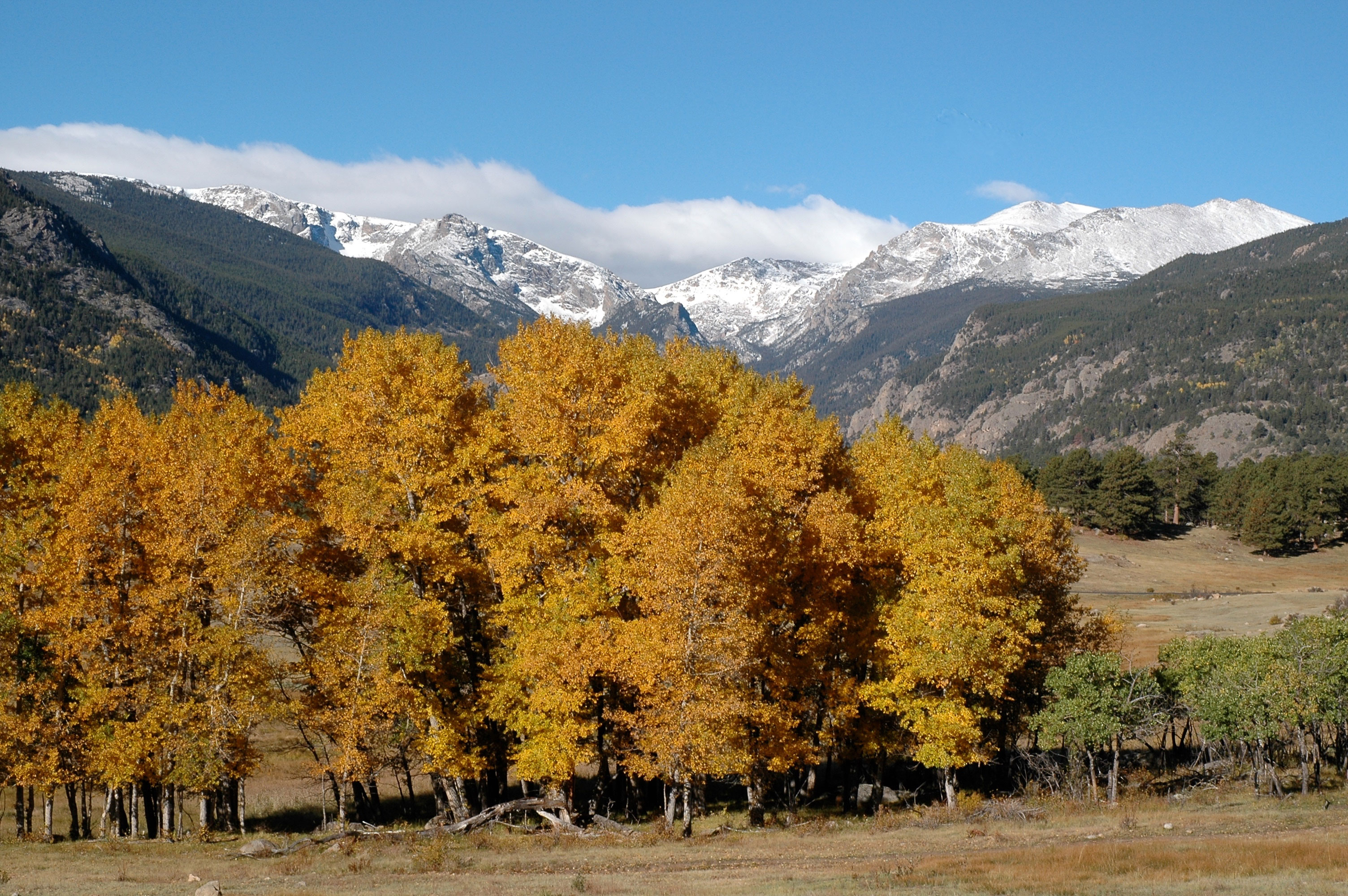
Mountain **ecosystems in national parks** represent some of Earth's most challenging environments, where life persists despite extreme cold, intense solar radiation, and short growing seasons. My high-altitude research in parks like Rocky Mountain, Glacier, and Denali has revealed remarkable adaptations that allow organisms to thrive in these harsh conditions. Alpine ecosystems exist above treeline, where trees cannot survive due to extreme weather and thin soils. The concept of elevation zones is crucial for understanding mountain ecosystems. As you ascend, temperature drops and growing seasons shorten, creating distinct ecological communities at different altitudes. In Rocky Mountain National Park, I've documented how ecosystems transition from montane forests through subalpine zones to alpine tundra, each supporting specialized species adapted to specific elevation conditions. Alpine plants exhibit fascinating adaptations to extreme conditions. Many grow in low, cushion-like forms to resist wind and retain heat. Others have developed dark-colored leaves to absorb maximum solar radiation during brief summers. I've observed how some alpine wildflowers can photosynthesize at temperatures barely above freezing, maximizing their short growing window in these **ecosystems in national parks**. Wildlife in mountain ecosystems faces unique challenges. Pikas, small relatives of rabbits, collect and dry vegetation during summer to survive winter in their rocky homes. Mountain goats navigate seemingly impossible cliff faces with specialized hooves, while bighorn sheep time their movements to avoid predators and find seasonal food sources. Understanding how to spot wildlife safely is especially important in these remote, potentially dangerous environments. Climate change impacts are particularly visible in mountain **ecosystems in national parks**. Rising temperatures are causing treeline to advance upward, compressing alpine zones and threatening species with nowhere higher to retreat. I've documented changes in flowering times, snowpack duration, and species distributions that reflect these ongoing environmental shifts. The importance of pollinators in national parks becomes especially apparent in alpine environments, where brief flowering seasons require precise timing between plants and their pollinators. High-altitude bees, flies, and butterflies have evolved specific adaptations to function in cold, windy conditions.
My Experience Exploring Park Ecosystems
Throughout my career studying **ecosystems in national parks**, I've had countless memorable encounters that have deepened my understanding and appreciation of these complex systems. One particularly transformative experience occurred during a multi-day research expedition in the Everglades, where I witnessed firsthand the intricate connections between water levels, plant communities, and wildlife populations. During a winter visit to Saguaro National Park, I had the privilege of working with park rangers to track jaguar movements using camera traps. This experience taught me how **ecosystems in national parks** extend beyond visible boundaries, with wildlife corridors connecting protected areas to maintain genetic diversity and population stability. The rangers emphasized how understanding animal footprints identification helps monitor ecosystem health and species recovery efforts. My most challenging expedition involved studying alpine ecosystems in Glacier National Park during rapidly changing weather conditions. The experience reinforced the importance of proper equipment and preparation when exploring remote **ecosystems in national parks**. I learned to read weather patterns, identify safe shelter locations, and recognize signs of altitude-related stress in both myself and research subjects. Seasonal migrations have provided some of my most spectacular wildlife observations. In Grand Teton, I've documented the complex timing required for migrating animals in fall, watching as elk, pronghorn, and birds coordinate their movements with changing weather patterns and food availability. These observations highlight how **ecosystems in national parks** function as parts of larger continental-scale ecological systems. One of my most rewarding experiences involved participating in citizen science projects that engage park visitors in ecosystem monitoring. These programs demonstrate how anyone can contribute to understanding **ecosystems in national parks** while gaining deeper appreciation for ecological processes. I encourage all park visitors to participate in these valuable research efforts when opportunities arise. Working with Indigenous knowledge holders has profoundly influenced my understanding of **ecosystems in national parks**. Traditional ecological knowledge, developed over thousands of years, provides insights into ecosystem functions that complement scientific research. These collaborations have taught me to observe ecosystems through different cultural lenses and appreciate their roles in human communities as well as wildlife populations.
User Reviews and Experiences
"The National Geographic guide recommended here has been invaluable during our family's park visits. The ecosystem sections help our kids understand what they're seeing and make connections between different species." - Sarah M., Amazon verified purchase
"As someone passionate about wildlife photography in national parks, the binocular recommendations here led me to make an excellent purchase. The image stabilization has been crucial for spotting and tracking animals in diverse ecosystems." - Mike R., Reddit r/NationalPark
"I never realized how complex park ecosystems were until reading this guide. The seasonal timing information helped us plan visits to see wildflower blooms and animal migrations. Highly educational!" - Jennifer L., Quora National Parks community
Pros and Cons of Ecosystem Exploration
Pros
- Deep understanding of natural processes
- Enhanced wildlife viewing opportunities
- Greater appreciation for conservation efforts
- Educational value for all ages
- Connection with natural world
Cons
- Requires time and patience to observe
- Weather dependency for optimal experiences
- Need for specialized equipment
- Physical demands of accessing remote areas
- Seasonal limitations for some ecosystems
Conclusion
Understanding **ecosystems in national parks** reveals the incredible complexity and beauty of natural systems that have evolved over millions of years. Through my decades of research and exploration, I've come to appreciate how these protected areas serve as living laboratories where we can study ecological processes, witness evolutionary adaptations, and gain insights into our planet's environmental challenges. The diversity of **ecosystems in national parks** reflects the remarkable variety of conditions found across our continent, from the arctic tundra of Alaska to the tropical reefs of Florida. Each ecosystem type has evolved unique characteristics and supports specialized communities of organisms that demonstrate nature's endless creativity in solving survival challenges. These systems are interconnected through wildlife movements, water cycles, and atmospheric processes that extend far beyond park boundaries. My experiences exploring these environments have taught me that **ecosystems in national parks** are not static museum pieces but dynamic, evolving systems that change seasonally, annually, and over longer time scales. Climate change, invasive species, and human activities continue to influence these systems, making ongoing research and monitoring crucial for their preservation. For visitors seeking to understand **ecosystems in national parks**, I recommend approaching these environments with patience, curiosity, and respect. Take time to observe the subtle interactions between species, notice how different organisms have adapted to their environments, and appreciate the intricate relationships that maintain ecological balance. The rewards of this deeper engagement with nature are immeasurable. The future of **ecosystems in national parks** depends on continued public support for conservation, scientific research, and educational programs that help people understand and value these irreplaceable natural heritage sites. By protecting these ecosystems, we preserve not only individual species and beautiful landscapes but also the ecological processes that sustain life on Earth. As we face unprecedented environmental challenges, **ecosystems in national parks** provide hope and inspiration, demonstrating nature's resilience while highlighting the importance of human stewardship. These protected areas will continue to serve as refuges for wildlife, laboratories for scientific discovery, and sources of wonder for future generations of explorers and conservationists.
Essential Gear for Ecosystem Exploration
Complete your national park ecosystem exploration with this carefully selected equipment:
Celestron Outland X 8x42 Binoculars - $74.10Perfect for wildlife observation across all ecosystem types with waterproof construction and clear optics.
Frequently Asked Questions
What are the most biodiverse ecosystems in national parks?
Based on my research, Great Smoky Mountains National Park leads in documented species diversity with over 19,000 species, followed by parks with aquatic ecosystems like Everglades and Biscayne. Riparian zones and forest ecosystems generally support the highest biodiversity due to multiple habitat layers and water availability. Rare plant species in national parks are often concentrated in these highly diverse areas where specialized microhabitats exist.
How do seasonal changes affect ecosystems in national parks?
Seasonal variations drive dramatic changes in ecosystem function and species activity. Spring triggers wildflower blooms and animal reproduction, summer brings peak photosynthesis and growth, autumn initiates migration and seed dispersal, while winter creates dormancy periods and different survival strategies. These cycles are becoming less predictable due to climate change, affecting the timing of pollination, migration, and food availability throughout park ecosystems.
Which national park ecosystems are most threatened by climate change?
Alpine and arctic ecosystems face the greatest immediate threats, as warming temperatures compress habitable zones and eliminate cold-adapted species' refugia. Coastal ecosystems experience sea-level rise and ocean acidification, while desert ecosystems face altered precipitation patterns. Glacier-dependent ecosystems are particularly vulnerable, with parks like Glacier National Park projected to lose all glaciers within decades, fundamentally altering water availability and temperature regimes.
What equipment do I need to study ecosystems in national parks?
Essential equipment includes quality binoculars for wildlife observation, field guides for species identification, notebooks for recording observations, and cameras for documentation. A hand lens helps examine small details, while GPS devices aid in location tracking. Weather-appropriate clothing is crucial, as ecosystem exploration often requires extended outdoor time in varying conditions. Digital tools like plant identification apps can supplement traditional field guides for immediate species verification.
How can visitors contribute to ecosystem research in national parks?
Many parks offer citizen science programs where visitors can contribute valuable data through species observations, phenology monitoring, and water quality testing. iNaturalist uploads help scientists track species distributions and population changes. Volunteer programs allow hands-on participation in ecosystem restoration, invasive species removal, and wildlife monitoring. Educational programs teach visitors to recognize ecological indicators and understand their role in ecosystem health, creating informed advocates for conservation efforts.
What role do keystone species play in national park ecosystems?
Keystone species have disproportionate impacts on ecosystem structure and function relative to their abundance. Wolves in Yellowstone control deer populations, allowing vegetation recovery and supporting diverse wildlife communities. Beavers create wetland habitats that benefit numerous species, while sea otters maintain kelp forest ecosystems by controlling sea urchin populations. Understanding these relationships helps park managers prioritize conservation efforts and predict ecosystem responses to species reintroduction or loss programs.
Continue exploring: Plants, Animals & More | Ecosystems in National Parks