


The Complete Guide to Native Plants in National Parks: Discover America's Natural Heritage
Discovering native plants in national parks has been one of my most rewarding experiences as a nature enthusiast and park visitor. From the towering conifers of Yellowstone to the delicate wildflowers of Great Smoky Mountains, these natural treasures tell the story of America's diverse ecosystems. This comprehensive guide will help you identify, appreciate, and understand the vital role these plants play in preserving our national heritage. Visit NatureGuests.com for more outdoor adventures and nature guides.
Understanding Native Plants in Our National Parks
Native plants in national parks represent millions of years of evolutionary adaptation to specific environments and climates. These remarkable species have developed intricate relationships with local wildlife, forming the foundation of healthy ecosystems that we're privileged to protect and study today. When I first began exploring our national parks fifteen years ago, I was amazed by the incredible diversity of plant life that exists within these protected boundaries.
The definition of a native plant is quite specific: it's a species that occurred naturally in a particular region before European colonization, typically before 1492. These plants evolved alongside native wildlife, creating complex interdependent relationships that support entire food webs. For instance, during my recent visit to Great Smoky Mountains National Park, I observed how native wildflowers like trilliums and bloodroot provide essential early-season nectar for emerging butterflies and bees.

National parks serve as crucial repositories for these native species, protecting them from the pressures of development, invasive species, and climate change. The National Park Service manages over 84 million acres across 423 sites, each containing unique assemblages of native plants that reflect local geological, climatic, and historical conditions. These protected areas function as living laboratories where we can study plant communities in their natural state.
Understanding native plants in national parks requires appreciating their ecological roles. They serve as primary producers, converting sunlight into energy that supports entire food chains. They provide habitat structure for wildlife, control erosion, regulate water cycles, and maintain soil health. Many native plants also possess cultural significance, having been used by Indigenous peoples for food, medicine, and materials for thousands of years.
Essential Identification Techniques and Tools
Learning to identify native plants in national parks has been one of my most rewarding skills to develop over the years. The key to successful plant identification lies in systematic observation and the use of reliable field guides and tools. I always recommend starting with basic plant anatomy and gradually building your knowledge through hands-on experience in the field.
Key Identification Features
When identifying native plants in national parks, I focus on several critical characteristics. Leaf shape, arrangement, and margins provide immediate clues about plant identity. During my explorations of wildflowers blooming by season, I've learned that flower structure, including petal number, arrangement, and color, offers definitive identification features. Stem characteristics, bark texture on woody plants, and growth habits also provide valuable diagnostic information.
Plant size and overall form help narrow down possibilities quickly. A park ranger at Yellowstone taught me to always note whether a plant is herbaceous or woody, its height, and its general growth pattern. These basic observations can immediately eliminate many possibilities and guide you toward the correct identification.
Digital Tools and Apps
Modern technology has revolutionized plant identification in the field. I regularly use apps like iNaturalist and PlantNet during my visits to national parks. These citizen science platforms not only help with identification but contribute valuable data to scientific research. The key is combining digital tools with traditional field guide knowledge for the most accurate results.
Photography plays a crucial role in plant identification. I always photograph leaves, flowers, stems, and the overall plant habit. Taking pictures of the plant's habitat and associated species also provides context that can be crucial for accurate identification. Many park visitors overlook the importance of documenting where they found a plant, but this ecological context often holds the key to distinguishing between similar species.
User Review Summary: iNaturalist App
"I've been using iNaturalist for three years during my national park visits. The community identification feature is incredibly helpful - experts often provide not just species names but ecological insights. It's made me a much better naturalist." - Sarah, Colorado
Pros: Large expert community, contributes to science, works offline
Cons: Requires good photos, identification accuracy varies by region
Regional Diversity: From Coast to Coast
The spectacular diversity of native plants in national parks reflects the incredible range of climates, elevations, and geological conditions found across the United States. From the temperate rainforests of the Pacific Northwest to the desert landscapes of the Southwest, each region offers unique plant communities that have evolved over millions of years.
Western Mountain Parks
Parks like Yellowstone, Glacier, and Rocky Mountain showcase alpine and subalpine plant communities that are among the most specialized in North America. During my August visit to Rocky Mountain National Park, I was struck by the brevity and intensity of the alpine growing season. Native plants in these harsh environments have developed remarkable adaptations, including low-growing cushion forms, deep taproots, and the ability to photosynthesize at near-freezing temperatures.
The trees of Yosemite and beyond represent some of the most iconic native plants in our national park system. Giant sequoias, found only in a few groves in the Sierra Nevada, are not just impressive for their size but for their role in their ecosystem. These ancient trees create unique microclimates that support specialized understory communities.
Eastern Deciduous Forests
The eastern United States boasts some of the most diverse temperate deciduous forests in the world. Great Smoky Mountains National Park alone hosts over 1,600 species of flowering plants, earning it recognition as an International Biosphere Reserve. During spring visits, I've observed the spectacular progression of wildflower blooms that take advantage of sunlight before the tree canopy leafs out.
Native plants like trilliums, bloodroot, and wild ginseng have adapted to the seasonal rhythms of the deciduous forest. These spring ephemerals complete their entire annual growth cycle in the brief window between snowmelt and canopy closure. Understanding these ecosystems in national parks requires appreciating these temporal dynamics.
Desert Southwest
The desert parks of the Southwest showcase some of the most specialized plant adaptations on Earth. During my March visit to Joshua Tree National Park, I was amazed by the diversity of succulent plants that call this harsh environment home. Native cacti, agaves, and other succulents have evolved remarkable water conservation strategies that allow them to thrive in conditions that would quickly kill most other plants.
The iconic Joshua tree itself represents a fascinating example of plant evolution. These massive yucca plants have developed a unique growth form and specialized relationship with yucca moths that has allowed them to dominate portions of the Mojave Desert for millions of years.
My Personal Journey with Native Plant Discovery
My fascination with native plants in national parks began during a family camping trip to Acadia National Park in 2009. I was struck by the incredible diversity of plants growing in the rocky coastal environment, from beach peas clinging to granite cliffs to the bog plants thriving in freshwater wetlands just yards from the ocean. That first experience ignited a passion that has taken me to over 40 national park units across the country.
One of my most memorable encounters with native plants occurred during a backcountry hike in Olympic National Park. Deep in the Hoh Rainforest, I discovered a massive Western red cedar that was over 1,000 years old. The ranger explained how this ancient tree supports an entire vertical ecosystem, with epiphytes like mosses and ferns covering every inch of its bark. This experience taught me that native plants in national parks aren't just individual species – they're integral components of complex communities.
Learning to identify native plants has enhanced every aspect of my national park visits. Instead of simply enjoying scenic vistas, I now engage with the landscape on a deeper level. I've learned to read the stories that plants tell about climate, soil conditions, fire history, and ecological relationships. During my recent visit to Saguenay Fjord in Canada (which shares similar plant communities with some northern U.S. parks), the presence of certain alpine plants told me immediately about the site's glacial history and current microclimate conditions.
The most rewarding aspect of studying native plants in national parks has been connecting with the human stories they hold. During a guided walk at Mesa Verde, a park interpreter shared how Ancestral Puebloans used native four o'clocks for soap, yucca fibers for textiles, and pinyon nuts for food. These cultural connections add profound depth to plant identification, transforming it from an academic exercise into a meaningful exploration of human-nature relationships.
My field notebook has become an invaluable companion on park visits. I record not just species names and locations, but seasonal timing, associated wildlife, weather conditions, and personal observations. This practice has helped me recognize patterns across different parks and build a deeper understanding of how native plants respond to environmental variation.
One lesson I've learned is the importance of patience in plant identification. During my first visit to Big Bend National Park, I struggled to identify desert plants without flowers. A veteran botanist taught me to appreciate vegetative characteristics – leaf shape, stem structure, and growth patterns – that remain constant year-round. This skill has made me a more versatile plant identifier across all seasons.
User Review Summary: Field Journal Experience
"Started keeping a plant journal after reading nature blogs online. Five years later, I have detailed records from 15 national parks. It's incredible to see patterns emerge and track seasonal changes across multiple visits to the same locations." - Michael, Texas
Pros: Builds long-term knowledge, creates personal reference, enhances observation skills
Cons: Requires consistent effort, can be time-consuming in the field
The photography aspect of native plant documentation has taught me to see details I previously missed. Learning to capture diagnostic features like leaf venation, flower structure, and bark patterns has made me a more careful observer. I now spend as much time studying plants through my camera viewfinder as I do reading field guides.
Best Field Guides and Resources for Plant Identification
After years of testing different field guides and resources, I've developed strong preferences for certain publications that consistently deliver accurate information and practical usability in the field. The best field guides for native plants in national parks combine scientific accuracy with user-friendly organization and durable construction that can withstand field conditions.
Essential Regional Field Guides
The National Audubon Society Field Guide to Florida has been my go-to resource for southeastern parks. Its photographic approach makes plant identification intuitive, and the regional focus ensures comprehensive coverage of species you're actually likely to encounter. The guide's organization by visual characteristics rather than taxonomic relationships makes it particularly useful for beginners.
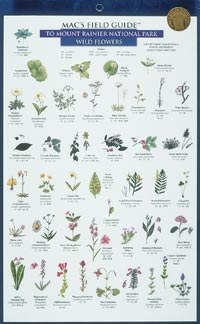
For western mountain parks, the Wildflowers of New England (Timber Press Field Guide) provides excellent coverage of alpine and montane plant communities. The guide's detailed descriptions and range maps help distinguish between similar species, which is crucial when dealing with closely related alpine plants.
Specialized Park Guides
Park-specific guides offer unmatched detail for serious plant enthusiasts. The Botanical Field Guide to the Bay Area National Parks exemplifies this approach, providing comprehensive coverage of Golden Gate National Recreation Area and surrounding parks. These specialized guides include ecological context and management information that general guides often omit.
The Yellowstone Trees & Wildflowers Folding Pocket Guide has been invaluable during my multiple visits to America's first national park. Its waterproof, foldable design makes it perfect for backpacking trips, and the organization by habitat type helps narrow down possibilities quickly.
Comprehensive Reference Works
For serious students of native plants, comprehensive references provide the detailed information necessary for confident identification. The National Audubon Society Field Guide to the Southwestern States covers Arizona, New Mexico, Nevada, and Utah with remarkable thoroughness. Its coverage of desert adaptations and plant-animal relationships makes it particularly valuable for understanding rare plant species in national parks.
User Review Summary: Regional Field Guides
"I've collected regional Audubon guides for each area I visit. The photographic approach works much better for me than illustrated guides. The species accounts include just enough detail without being overwhelming." - Jennifer, California
Pros: High-quality photographs, regional specificity, durable construction
Cons: Can be heavy for backpacking, limited taxonomic information
Digital resources complement physical field guides beautifully. The iNaturalist platform has become indispensable for accessing expert knowledge and contributing to citizen science. Many national parks now have dedicated iNaturalist projects that allow visitors to contribute observations while receiving expert feedback on identifications.
Conservation and the Future of Native Plants
The conservation of native plants in national parks faces unprecedented challenges in the 21st century. Climate change, invasive species, air pollution, and edge effects from surrounding development threaten plant communities that have remained stable for centuries. During my conversations with park botanists across the system, I've learned about the complex strategies being employed to protect these irreplaceable resources.
Climate change represents perhaps the greatest long-term threat to native plants in national parks. Species adapted to specific temperature and precipitation regimes are experiencing rapid shifts in suitable habitat. Alpine plants face particularly severe challenges, as warming temperatures push their suitable climate zones higher in elevation until they literally run out of mountain. During my recent visits to Glacier National Park, rangers showed me locations where treeline has advanced measurably upward over the past two decades.
Invasive Species Management
Invasive species pose immediate threats to native plant communities throughout the national park system. I've witnessed firsthand the devastating impacts of species like purple loosestrife in wetlands and cheatgrass in western grasslands. These non-native plants often lack the natural controls that limit their populations in their native ranges, allowing them to outcompete native species and fundamentally alter ecosystem structure.
The battle against invasive species requires constant vigilance and significant resources. Park managers employ various strategies, from mechanical removal to biological control agents. However, prevention remains the most effective approach. Understanding plants vs invasive species dynamics helps visitors recognize the importance of cleaning gear between parks and staying on designated trails.

Restoration Efforts
Native plant restoration has become a major focus of park management. I've participated in volunteer restoration projects at several parks, from removing invasive species to collecting seeds from native plants for propagation. These hands-on experiences have taught me about the incredible complexity of restoring natural plant communities and the patience required to see results.
Seed banking has emerged as a crucial conservation tool. Many parks now maintain seed collections of rare and vulnerable native plants as insurance against local extinctions. The careful collection, storage, and germination of native seeds requires specialized knowledge and facilities, representing a significant investment in future ecosystem health.
The relationship between native plants and pollinators in national parks adds another layer of complexity to conservation efforts. Many native plants depend on specific pollinators for reproduction, creating intricate webs of interdependence. Conservation strategies must consider these relationships to be successful over the long term.
Visitor Education and Stewardship
Education plays a vital role in native plant conservation. Informed visitors become advocates for park protection and practice low-impact behaviors that minimize damage to sensitive plant communities. I've noticed that people who learn to identify and appreciate native plants develop a deeper connection to natural areas and stronger support for conservation efforts.
The Leave No Trace principles take on special significance in the context of native plant conservation. Simple actions like staying on designated trails, not picking flowers or collecting specimens, and properly disposing of waste can have significant cumulative impacts on plant populations. During my visits, I always emphasize to fellow hikers that even seemingly minor disturbances can have lasting effects on slow-growing or rare plants.
Frequently Asked Questions
What makes a plant "native" to a national park?
A native plant species is one that occurred naturally in a specific area before European colonization (typically before 1492). These plants evolved in their local environment over thousands of years, developing relationships with local wildlife, climate, and soil conditions. In national parks, native plants represent the original vegetation that existed before significant human modification. They contrast with introduced or non-native species that were brought from other regions, either intentionally or accidentally. Understanding native status helps visitors appreciate the authentic natural heritage that parks protect and the ecological relationships that maintain healthy ecosystems.
How can I identify native plants without damaging them?
Responsible plant identification focuses on observation rather than collection or manipulation. Use binoculars or a hand lens to examine flowers and leaves closely without touching. Take detailed photographs of different plant parts including leaves, flowers, stems, and overall growth habit. Note the plant's location, habitat, and associated species. Modern smartphone apps like iNaturalist can help with identification using photos. Never pick flowers, remove leaves, or dig up plants for identification purposes. If you're unsure about a species, ask park rangers or naturalists who can provide expert guidance while ensuring plant protection. Remember that some rare plants can be damaged simply by trampling around them, so observe from designated trails when possible.
Which field guides work best for beginners in national parks?
Beginning plant enthusiasts should start with photographic field guides that organize plants by visual characteristics rather than scientific classification. The National Audubon Society series works well because it groups plants by flower color and basic structure. Regional guides specific to your park's area provide better coverage than national guides that might include species you'll never encounter. Waterproof, compact guides like the Waterford Press laminated guides are practical for field use. Digital apps like PlantNet and iNaturalist complement physical guides by providing additional photos and expert input. Consider guides that include common names alongside scientific names, habitat information, and range maps. Start with broader categories (trees vs. shrubs vs. wildflowers) before attempting to distinguish between closely related species.
When is the best time to see native wildflowers in national parks?
Wildflower timing varies dramatically by location, elevation, and climate patterns. Desert parks like Joshua Tree and Death Valley typically peak in March and April following winter rains. Mountain parks may have multiple bloom seasons, with lower elevation flowers appearing in late spring and alpine flowers blooming in July and August. Eastern deciduous forest parks often have spectacular spring ephemeral displays in April and May before tree canopy closure. Coastal parks may have year-round blooming species but peak displays in spring and early summer. Check with individual park websites or call visitor centers for current conditions, as timing can vary significantly between years based on weather patterns. Many parks maintain wildflower hotlines or social media updates during peak seasons.
How do native plants support wildlife in national parks?
Native plants form the foundation of national park food webs by supporting insects that many birds, mammals, and other wildlife depend on for food. Research shows that native plants support significantly more insect species than non-native plants, with some native oaks supporting over 500 species of butterflies and moths. These insects become food for birds, bats, spiders, and other predators. Native plants also provide direct food sources through berries, nuts, and seeds that have co-evolved with local wildlife. They offer nesting sites, shelter, and materials that animals use for den construction. The timing of native plant growth and reproduction often coincides with wildlife breeding cycles, ensuring food availability when animals need it most. This intricate web of relationships demonstrates why protecting native plants is essential for maintaining healthy wildlife populations.
Can I collect seeds or cuttings from native plants in national parks?
Collection of any plant materials, including seeds, flowers, leaves, or cuttings, is strictly prohibited in national parks without special research permits. This protection applies to all plant parts, living or dead, and includes fallen flowers or fruits. These regulations exist to protect plant populations from over-collection and to preserve natural ecological processes. Many plants rely on their seeds remaining in the environment to maintain populations and provide wildlife food. Even small-scale collection by numerous visitors can impact plant reproduction and survival. If you're interested in growing native plants at home, purchase seeds and plants from reputable native plant nurseries or botanical gardens that propagate species legally and sustainably. Some parks partner with local native plant societies to offer occasional seed collection events under ranger supervision for restoration purposes.
Conclusion
Discovering and understanding native plants in national parks has transformed my relationship with these protected landscapes. What began as casual observation has evolved into a deeper appreciation for the complex ecological relationships that sustain our most precious natural areas. These plants represent millions of years of evolution, thousands of years of human cultural relationship, and our best hope for maintaining biodiversity in an uncertain future.
The journey of learning to identify native plants requires patience, practice, and quality resources. The field guides, apps, and techniques I've shared represent years of testing and refinement in the field. Remember that plant identification is a skill that develops over time – don't be discouraged by initial challenges. Each park visit offers new learning opportunities and chances to deepen your understanding.
Conservation of native plants in national parks depends on informed and engaged visitors who understand the value of these natural communities. By learning to identify and appreciate native species, we become better advocates for their protection and more conscious of our impacts on fragile ecosystems. The plants we observe today connect us to the natural heritage that national parks were created to preserve for future generations.
As climate change and other pressures continue to challenge native plant communities, the role of national parks as refugia becomes increasingly important. These protected areas serve as living laboratories where we can study plant responses to environmental change and develop strategies for broader conservation efforts. Understanding wild animals in national parks becomes more meaningful when we appreciate the plant communities that support them.
I encourage every national park visitor to spend time learning about the native plants that make each park unique. Whether you're interested in birdwatching in national parks or animal footprints identification, understanding the plant communities that provide habitat enhances every aspect of natural history observation. The plants are always there, waiting to tell their stories to those willing to listen.
The future of native plants in national parks lies in our collective stewardship. Every visitor who learns to identify and value these species contributes to their preservation. As you explore plants, animals, and more in our national parks, remember that you're witnessing and participating in one of humanity's greatest conservation achievements. The migrating animals in fall depend on these native plant communities for food and shelter along their journeys, just as wildlife spotting safely requires understanding the plant communities where animals live.
Take time on your next park visit to truly observe the native plants around you. Notice their adaptations, their relationships with other species, and their responses to seasonal changes. These observations will enrich your park experience immeasurably and contribute to your understanding of the natural world. The native plants of our national parks are waiting to share their stories – all you need to do is learn their language.
For more comprehensive guides to outdoor adventures and natural history exploration, continue your learning journey at NatureGuests.com where we explore the wonders of America's protected natural areas.