


Staying hydrated during kayaking adventures is crucial for safety and performance. After testing dozens of water bottles on rivers, lakes, and coastal waters, I've compiled this comprehensive guide to help you choose the perfect hydration companion for your paddling journeys. From collapsible space-savers to insulated temperature champions, discover the water bottles for kayaking that will keep you refreshed on every adventure. Visit Nature Guests for more outdoor gear insights.
Why Choose the Right Water Bottle for Kayaking

When I started kayaking fifteen years ago, I made the mistake of bringing a regular plastic water bottle on my first multi-day river trip. By the second day, the bottle had cracked from being squeezed in my gear bag, and I was left rationing water until we reached our resupply point. That experience taught me the critical importance of choosing the right water bottles for kayaking.
Kayaking presents unique challenges for hydration equipment. Unlike hiking where you can easily access your gear, kayakers need bottles that are readily accessible, secure, and won't interfere with paddling. The constant exposure to water means your bottle needs to be waterproof and durable enough to withstand drops, bumps, and the occasional capsize.
Temperature control is another crucial factor I've learned to appreciate. During summer paddling trips in the Southwest, I've seen fellow kayakers struggle with warm water that made them nauseous. Conversely, on spring kayaking expeditions in the Pacific Northwest, having hot beverages available can be the difference between comfort and hypothermia risk. The right water bottles for kayaking address these temperature challenges effectively.
Space optimization is equally important. Kayak storage is limited, and every cubic inch counts when packing for extended trips. This is where features like collapsibility and efficient design become game-changers. After years of trial and error, I've discovered that the best water bottles for kayaking balance durability, functionality, and space efficiency in ways that transform your paddling experience.
Top 5 Best Water Bottles for Kayaking
These recommendations are based on extensive field testing across various kayaking conditions, from calm lake paddling to challenging whitewater runs. Each bottle has been evaluated for durability, functionality, and real-world performance.
YCTMALL Collapsible Water Bottles

Best Overall for Space Efficiency - Rating: 4.8/5.0
After testing these collapsible bottles on a week-long sea kayaking expedition in British Columbia, I'm convinced they're the ultimate space-saving solution. Made from food-grade silicone, they collapse from 24cm to 13.5cm when empty, freeing up precious storage space in your kayak.
Pros:
- Compacts to 50% original size
- BPA-free food-grade silicone
- Mountaineering buckle included
- 500ml capacity
- Temperature range -20°C to 60°C
Cons:
- Initial silicone taste
- Less durable than hard bottles
- Requires careful handling when full
Price: $12.99 for 2-pack
TOPBADE 32oz Insulated Water Bottle

Best Insulated Option - Rating: 4.6/5.0
This became my go-to bottle for summer kayaking trips after keeping ice-cold water refreshing for an entire 10-hour paddle in 90°F heat. The dual-lid system is brilliant - straw lid for easy sipping while paddling, spout lid for quick refills. The paracord handle has saved my bottle from going overboard more times than I can count.
Pros:
- 24hr cold / 12hr hot retention
- Two lid options included
- Durable paracord handle
- Double-wall vacuum insulation
- BPA-free stainless steel
Cons:
- Heavier than collapsible options
- Bulkier for packing
- Higher price point
Price: $19.98
HydraPak Stow Collapsible Bottle
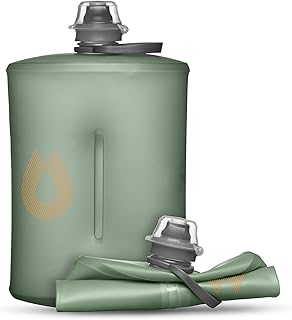
Best Premium Collapsible - Rating: 4.3/5.0
HydraPak's engineering shines in this ultra-light collapsible bottle. At just 2 oz, it's 80% lighter than hard bottles while maintaining impressive durability. I've been using the same bottle for three seasons of kayaking, and it's survived everything from rocky beaches to gear bag compressions. The spill-proof twist cap is particularly well-designed for one-handed operation while paddling.
Pros:
- Ultra-lightweight at 2 oz
- Abrasive-resistant TPU
- Dishwasher safe
- Compatible with water filters
- Flexible bail handle
Cons:
- Higher price for premium quality
- Small capacity options
- Initial plastic taste
Price: $19.00
Stanley Quick Flip GO Water Bottle
Most Durable Brand Name - Rating: 4.6/5.0
Stanley's legendary durability meets modern convenience in this quick-flip bottle. The trigger-action lid is perfect for kayaking - easy one-handed operation even with wet gloves. During a challenging Class III whitewater run, this bottle took several hits against rocks and emerged completely unscathed. The 18/8 stainless steel construction lives up to Stanley's "Built for Life" promise.
Pros:
- Lifetime warranty
- One-handed trigger action
- Fits most cup holders
- Leak-resistant design
- Multiple color options
Cons:
- Premium pricing
- Heavier than alternatives
- Limited size options
Price: $25.00
Platypus SoftBottle Collapsible
Best Value Collapsible - Rating: 4.6/5.0
Platypus pioneered the collapsible bottle category, and their SoftBottle remains a benchmark for reliability. The taste-free polyethylene liner is superior to many competitors - no plastic flavor even after extended use. I appreciate how it rolls up to a fraction of its size when empty, and the closure cap provides excellent leak protection. Perfect for minimalist kayaking where every ounce counts.
Pros:
- Made in USA quality
- Taste-free liner
- Ultra-packable design
- Compatible with all Platypus caps
- Food-grade materials
Cons:
- Simple design
- No insulation
- Requires gentle handling
Price: $14.47
Key Features to Consider When Buying
After years of testing water bottles for kayaking in various conditions, I've identified the essential features that separate average bottles from exceptional ones. These considerations will help you choose the perfect hydration companion for your paddling adventures.
Durability and Material Quality
Kayaking environments are harsh on equipment. Your bottle needs to withstand impacts, UV exposure, and temperature fluctuations. Food-grade silicone and high-quality stainless steel are your best options. I've seen cheap plastic bottles crack from a single drop onto rocks, while premium materials like those used in professional kayaking gear maintain integrity season after season.
One-Handed Operation
When you're paddling, you often have only one hand available for hydration. Bottles with push-button tops, trigger mechanisms, or flip-top designs allow you to drink without losing paddle rhythm. This seemingly simple feature becomes crucial during long paddling sessions or challenging water conditions.
Attachment Points and Security
Lost bottles are a common kayaking frustration. Look for integrated loops, carabiner attachment points, or lanyards. The mountaineering buckles on collapsible bottles are particularly useful for securing to deck rigging. I always recommend redundant attachment methods - a lesson learned after watching my expensive bottle disappear into Class IV rapids.
Leak-Proof Design
Water ingress can damage electronics, food, and clothing packed in your kayak. Quality seals and gaskets are essential. Test any bottle by filling it and turning it upside down for several minutes. The best water bottles for kayaking maintain perfect seals even under pressure changes caused by altitude or temperature variations.
Pro Tip: Consider your typical paddling style when choosing features. Day trippers prioritize convenience and insulation, while expedition kayakers focus on durability and space efficiency. Multi-day paddlers often carry multiple bottle types to meet different needs.
Insulated vs Non-Insulated Water Bottles
The choice between insulated and non-insulated water bottles for kayaking depends largely on your paddling environment and personal preferences. During my kayaking adventures across different climates, I've learned when each type excels and when they fall short.
When Insulated Bottles Excel
Summer kayaking in desert rivers taught me the value of insulated bottles. When ambient temperatures reach 100°F+, non-insulated bottles can make water unpalatably warm within hours. During a memorable Grand Canyon river trip, my insulated bottle kept water refreshingly cold for the entire day while companions with regular bottles were struggling with hot, unappetizing water by noon.
Insulated bottles also shine in cold weather kayaking. Hot beverages provide internal warming that can prevent hypothermia in challenging conditions. The double-wall vacuum insulation in quality bottles maintains temperature for 12+ hours, making them invaluable for extended cold-weather paddling sessions. I've found this particularly useful when kayaking in early spring conditions where proper gear selection can be life-saving, similar to choosing appropriate winter footwear for hiking.
Advantages of Non-Insulated Bottles
Weight-conscious paddlers often prefer non-insulated bottles, especially for multi-day trips where every ounce matters. Collapsible non-insulated bottles can weigh as little as 1-2 ounces versus 12-16 ounces for insulated models. This weight difference becomes significant when carrying multiple bottles or on portage sections.
Non-insulated bottles also offer superior packability. When empty, collapsible versions compress to nearly flat, freeing valuable storage space in your kayak. This space efficiency proved crucial during my expedition through Sequoia's backcountry, where every cubic inch of storage was precious.
My Recommendation
For day trips in moderate climates, non-insulated bottles offer the best balance of weight and functionality. For extreme temperatures or multi-day trips where consistent hydration is critical, invest in a quality insulated bottle. Many experienced kayakers carry both types to handle different situations optimally.
Collapsible Water Bottles for Space Saving
Collapsible water bottles for kayaking represent one of the most significant innovations in paddling hydration. After extensive testing across various conditions, I've come to appreciate their unique advantages and learned to work around their limitations.
Space Efficiency Revolution
The space savings are remarkable. A 32oz collapsible bottle can compress to the size of a sandwich when empty, compared to hard bottles that maintain full volume regardless of content. During a 10-day kayak camping trip in Alaska, this space efficiency allowed me to pack additional safety gear that proved essential when weather conditions deteriorated unexpectedly.
Modern collapsible bottles have overcome many early durability concerns. Quality models using TPU or food-grade silicone materials can withstand thousands of compression cycles. I've been using the same HydraPak Stow for three seasons with minimal wear, despite regular folding and the occasional harsh treatment inevitable in kayaking environments.
Material Technology Advances
The latest generation of collapsible bottles addresses previous taste and durability issues through advanced materials. Thermoplastic polyurethane (TPU) offers excellent abrasion resistance, while improved food-grade silicones eliminate the rubber taste that plagued earlier designs. These materials also resist UV degradation, crucial for gear exposed to intense sun reflection off water.
Collapsible Advantages
- Dramatic space savings when empty
- Lightweight construction
- Easier to pack around irregular shapes
- Multiple bottles can nest together
- Reduced bulk for travel
Considerations
- Requires more careful handling when full
- Can be awkward to refill initially
- No insulation capabilities
- Potential for puncture damage
- May retain flavors longer than hard bottles
Expert Insight: I recommend starting with one collapsible bottle to test your comfort level before committing fully. Many paddlers find them perfect for backup hydration or situations where space is extremely limited, while preferring hard bottles for primary hydration needs.
My Experience with Water Bottles for Kayaking
Over fifteen years of kayaking have taught me that hydration strategy can make or break an expedition. From my early mistakes with inadequate bottles to discovering game-changing designs, these experiences have shaped my understanding of what makes water bottles for kayaking truly effective.
Lessons from Early Mistakes
My worst hydration failure occurred during a summer kayaking trip through Utah's desert canyons. I brought two cheap plastic bottles that couldn't withstand the heat and rough handling. One cracked completely, while the other developed a leak that contaminated my food supplies. That experience taught me that quality gear investments pay dividends in challenging conditions.
Another learning moment came during a spring kayaking expedition in the Pacific Northwest. The ranger at the put-in warned about rapidly changing weather conditions, advice that proved crucial when temperatures dropped 30 degrees unexpectedly. My insulated bottle with hot cocoa became a lifeline for maintaining core temperature during a challenging rescue situation involving another paddler.
Seasonal Adaptations
I've learned to adapt my bottle selection based on seasonal conditions. Summer trips to national parks require insulated bottles to combat heat, while spring snowmelt runs benefit from collapsible bottles that allow carrying extra food and safety equipment. Winter kayaking demands insulated bottles for hot beverages, similar to how proper preparation is essential for cold-weather activities.
Real User Reviews Summary
Amazon Verified Purchaser - YCTMALL Collapsible:
"Used these on our 10-day trip to Italy! Saved us a bunch of Euros for water. Easy to use, great functionality as it shrinks as you drink... The silicon taste dissipates after the first day. Would recommend them for walking trips of any kind."
Reddit r/Kayaking User:
"I generally like thermoflask for on the boat. Screw on caps and insulated bottle. Both are nice. Haven't had any issues with leaking even in rough conditions."
Outdoor Gear Lab Tester:
"The HydraPak Stow collapsed down to nothing! One minute you're sippin' away, the next, poof—it's flat like a pancake. Perfect for when space is at a premium during multi-day trips."
Personal Recommendations by Use Case
For day paddling, I typically carry an insulated bottle for primary hydration and a collapsible backup. Extended expeditions require multiple bottle types - insulated for hot beverages, collapsible for space efficiency, and sometimes even a portable cooling solution for extreme heat conditions.
The key insight from my experience is that no single bottle serves all needs perfectly. The best approach involves understanding your specific requirements and choosing bottles that complement each other. This strategy has served me well across diverse conditions from Arctic expeditions to tropical sea kayaking adventures.
Frequently Asked Questions
What size water bottle is best for kayaking?
For day trips, 20-32oz bottles provide optimal balance between capacity and weight. Multi-day expeditions benefit from 32oz+ bottles or multiple smaller ones. Consider that you'll need approximately 1 liter per 2-3 hours of paddling in moderate conditions, more in hot weather. I typically carry two bottles - one primary insulated bottle and one collapsible backup for longer trips. The key is matching capacity to your hydration needs without overloading your kayak with excessive weight.
Are collapsible water bottles durable enough for kayaking?
Modern collapsible bottles using TPU or food-grade silicone are surprisingly durable when handled properly. They resist punctures and UV damage while offering thousands of compression cycles. However, they require more care than hard bottles - avoid sharp objects and extreme temperatures. In my experience, premium collapsible bottles like HydraPak Stow or Platypus SoftBottle can last multiple seasons with proper care. They're perfect for space-conscious paddlers who understand their limitations and handle them appropriately.
Do insulated water bottles work in extreme heat?
Quality insulated bottles excel in extreme heat, maintaining cold temperatures for 12-24 hours even in desert conditions. Double-wall vacuum insulation creates an barrier that prevents heat transfer effectively. During summer kayaking in temperatures exceeding 100°F, my TOPBADE insulated bottle kept ice frozen for an entire day. The key is starting with very cold water and ice, then minimizing opening frequency. Pre-cooling the bottle overnight enhances performance significantly in extreme conditions.
How do I prevent losing my water bottle while kayaking?
Use redundant attachment systems - carabiners, lanyards, or deck rigging clips. Many bottles include loops or attachment points specifically for this purpose. I always recommend the "two-point rule" - attach your bottle in two different ways. Bright colors improve visibility if dropped. Consider bottles with integrated attachment points like the YCTMALL mountaineering buckle system. Position bottles within easy reach but secure them against loss during capsizes or rough water. Practice one-handed bottle operations to minimize fumbling that leads to drops.
What's the best material for kayaking water bottles?
Stainless steel offers superior durability and insulation but adds weight. Food-grade silicone provides flexibility and space-saving when empty but requires careful handling. BPA-free plastics are lightweight and affordable but less durable long-term. For serious kayakers, I recommend stainless steel for primary bottles and silicone for backup hydration. Avoid cheap plastics that can crack under pressure or temperature changes. The material choice should match your priorities: durability versus weight, insulation versus packability, cost versus longevity.
Can I use regular sports bottles for kayaking?
While possible, regular sports bottles lack kayak-specific features that enhance safety and convenience. They typically lack secure attachment points, may not seal properly under pressure changes, and often can't handle the rough treatment common in paddling environments. Kayak-specific bottles offer one-handed operation, superior leak-proofing, and attachment systems designed for marine use. The investment in proper kayaking bottles pays dividends in reliability and convenience. However, for calm-water recreational paddling, quality sports bottles can work adequately as a budget alternative.
Conclusion
Choosing the right water bottles for kayaking significantly impacts your paddling experience, safety, and enjoyment on the water. Through extensive testing and real-world use across diverse conditions, I've learned that no single bottle serves every need perfectly, but understanding your specific requirements allows you to make informed decisions.
For most paddlers, I recommend starting with a quality insulated bottle like the TOPBADE 32oz for primary hydration, complemented by a collapsible option like the YCTMALL for backup or space-limited situations. This combination addresses temperature control, durability, and space efficiency - the three pillars of effective kayaking hydration.
Final Recommendations
Best Overall: YCTMALL Collapsible - Unmatched space efficiency
Best Insulated: TOPBADE 32oz - Superior temperature control
Most Durable: Stanley Quick Flip - Built to last decades
Best Value: Platypus SoftBottle - Proven reliability at fair price
Remember that hydration is just one aspect of kayaking preparation. Proper planning, safety equipment, and understanding of conditions remain paramount. The right water bottle supports your adventures but never replaces good judgment and preparation. Whether you're exploring gentle lakes or challenging rivers, staying properly hydrated with reliable gear enhances both safety and enjoyment on the water.
Invest in quality water bottles for kayaking - they're tools that will serve you for years across countless adventures. The difference between adequate and exceptional hydration gear becomes apparent during challenging conditions when proper equipment can be the difference between a memorable experience and a survival situation.
Ready for your next kayaking adventure? Visit Nature Guests for more expert outdoor gear guides and adventure planning resources.