


The United States is home to 63 magnificent national parks spanning diverse landscapes from the rugged coastlines of Maine to the volcanic wonders of Hawaii. Whether you're planning your first visit or seeking new adventures in these protected wilderness areas, this comprehensive guide will help you discover the best national parks in the US and prepare for an unforgettable journey through America's natural treasures. From iconic destinations to lesser-known gems, we've covered everything you need to know about exploring these remarkable places. NatureGuests.com brings you the most complete resource for planning your perfect national park adventure.
Introduction to US National Parks
The national parks in the US represent America's most treasured landscapes, established to preserve the country's natural wonders for future generations. From the towering sequoias of California to the otherworldly geysers of Yellowstone, these protected areas showcase the incredible diversity of American landscapes. The National Park Service (NPS) oversees these 63 national parks, along with hundreds of monuments, historic sites, and recreation areas.
Since Yellowstone became the world's first national park in 1872, the national park system has expanded to protect over 85 million acres of land across all 50 states. These parks protect critical ecosystems, preserve cultural and historical sites, and provide recreational opportunities for millions of visitors each year. In 2024 alone, the national parks welcomed over 300 million visitors seeking connection with nature and outdoor adventures.

Mount Shuksan reflected in Picture Lake, North Cascades National Park. Image: National Geographic
The concept of national parks, often called "America's Best Idea," has spread worldwide, inspiring similar conservation efforts across the globe. As American writer Wallace Stegner famously wrote, national parks are "the best idea we ever had. Absolutely American, absolutely democratic, they reflect us at our best rather than our worst."
Each park has its own unique features, regulations, and visitor facilities. Some parks, like Great Smoky Mountains National Park, receive over 14 million visitors annually, while others, such as Gates of the Arctic in Alaska, see fewer than 10,000 visitors each year. Despite these differences, all national parks in the US share a common mission: to preserve unimpaired natural and cultural resources for the enjoyment, education, and inspiration of current and future generations.
Before diving into specifics about individual parks, it's worth noting that many parks now require advance reservations during peak seasons, a trend that has accelerated since the pandemic-induced surge in outdoor recreation. As you explore national parks in the US, always check current entry requirements, trail conditions, and visitor center hours before your visit.
Top 10 Must-Visit National Parks
While each of the 63 national parks in the US has its own unique appeal, certain parks consistently rank among visitors' favorites due to their spectacular scenery, diverse ecosystems, and iconic landmarks. Here's our selection of the top 10 national parks you shouldn't miss:
1. Yellowstone National Park (Wyoming, Montana, Idaho)
America's first national park remains one of its most impressive. Yellowstone features an incredible collection of geothermal features, including the famous Old Faithful geyser, colorful hot springs, and bubbling mud pots. The park is also home to diverse wildlife, including grizzly bears, wolves, and one of the largest public bison herds in North America. With over 2.2 million acres to explore, Yellowstone offers spectacular canyons, alpine rivers, lush forests, and dramatic waterfalls.
Best time to visit: Summer months (June-August) offer the best weather and accessibility, though the park is increasingly popular in winter for snow activities and wildlife viewing.
2. Grand Canyon National Park (Arizona)
One of the world's most spectacular natural wonders, the Grand Canyon stretches for 277 miles with widths up to 18 miles and depths exceeding 6,000 feet. Carved over millions of years by the Colorado River, the canyon's colorful rock layers tell Earth's geological story. The South Rim is more developed and accessible year-round, while the North Rim offers a more secluded experience but closes during winter. Hiking into the canyon provides an entirely different perspective from the popular rim viewpoints.
Best time to visit: Spring (April-May) and fall (September-October) offer pleasant temperatures and smaller crowds than summer.
:max_bytes(150000):strip_icc()/TAL-header-mount-rainier-national-park-washington-USNP0323-a21fa46048a84a49ad34db7d689300ff.jpg)
Mount Rainier National Park in Washington with summer wildflowers. Image: Travel + Leisure
3. Yosemite National Park (California)
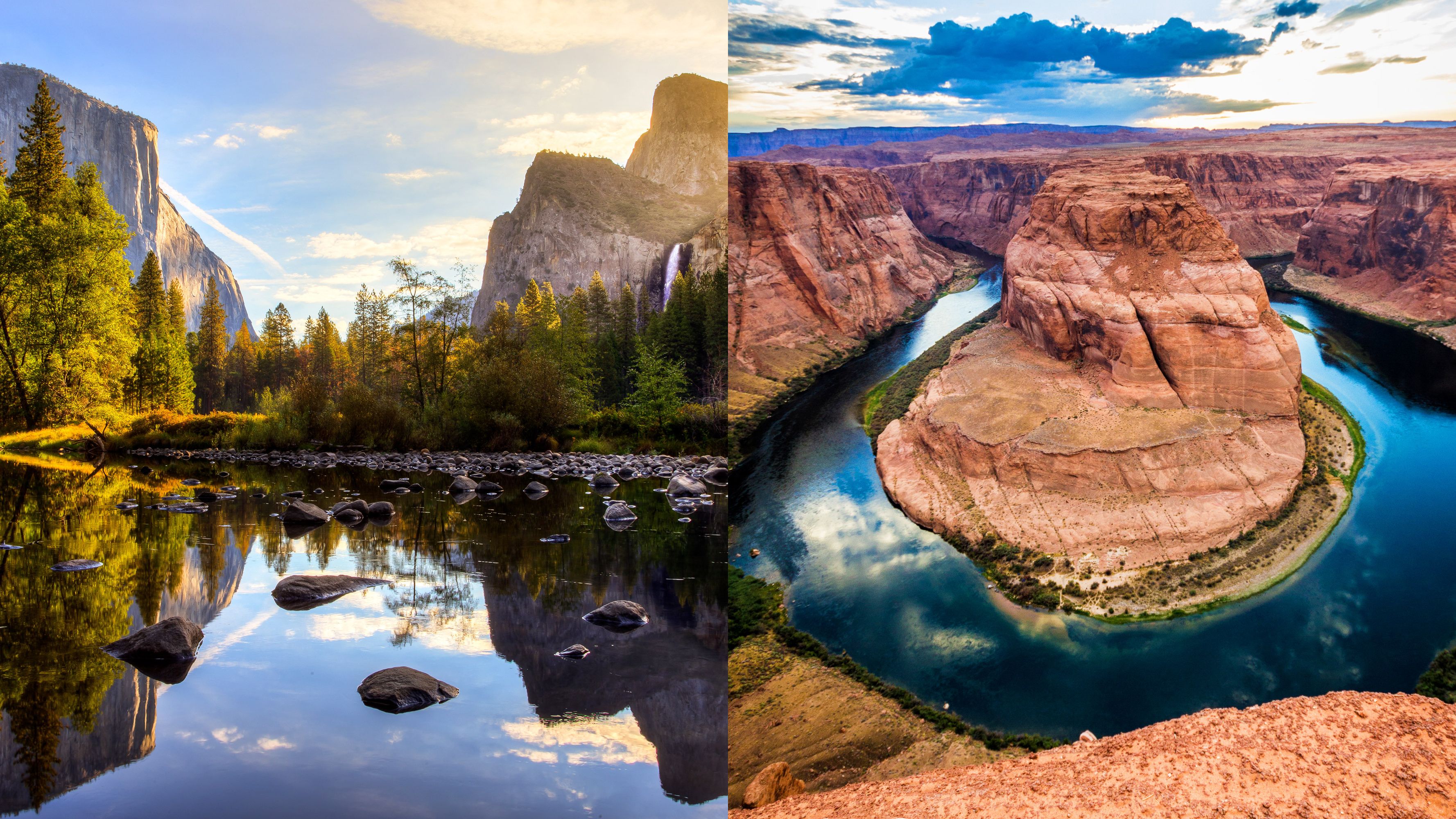
Famous for its towering granite monoliths like Half Dome and El Capitan, Yosemite's dramatic landscape includes spectacular waterfalls, ancient giant sequoias, vast wilderness, and lush meadows. Rock climbers consider Yosemite a world-class destination, while hikers can choose from over 800 miles of trails. The park's iconic valley, shaped by glacial action, draws millions of visitors annually to witness its breathtaking beauty.
Best time to visit: Late spring showcases the park's waterfalls at peak flow, while fall offers colorful foliage and fewer crowds.
4. Zion National Park (Utah)
Zion features massive sandstone cliffs in cream, pink, and red that soar into a brilliant blue sky. The Virgin River has carved through the rock to create a spectacular canyon where visitors can hike along the riverbed in The Narrows or climb to Angels Landing for breathtaking views. Emerald pools, hanging gardens, and a unique desert ecosystem make Zion one of Utah's most visited natural attractions.
Best time to visit: Spring and fall offer mild temperatures ideal for hiking. Summer brings crowds and potential flash floods, while winter offers a unique, quiet experience with occasional snow.
5. Glacier National Park (Montana)
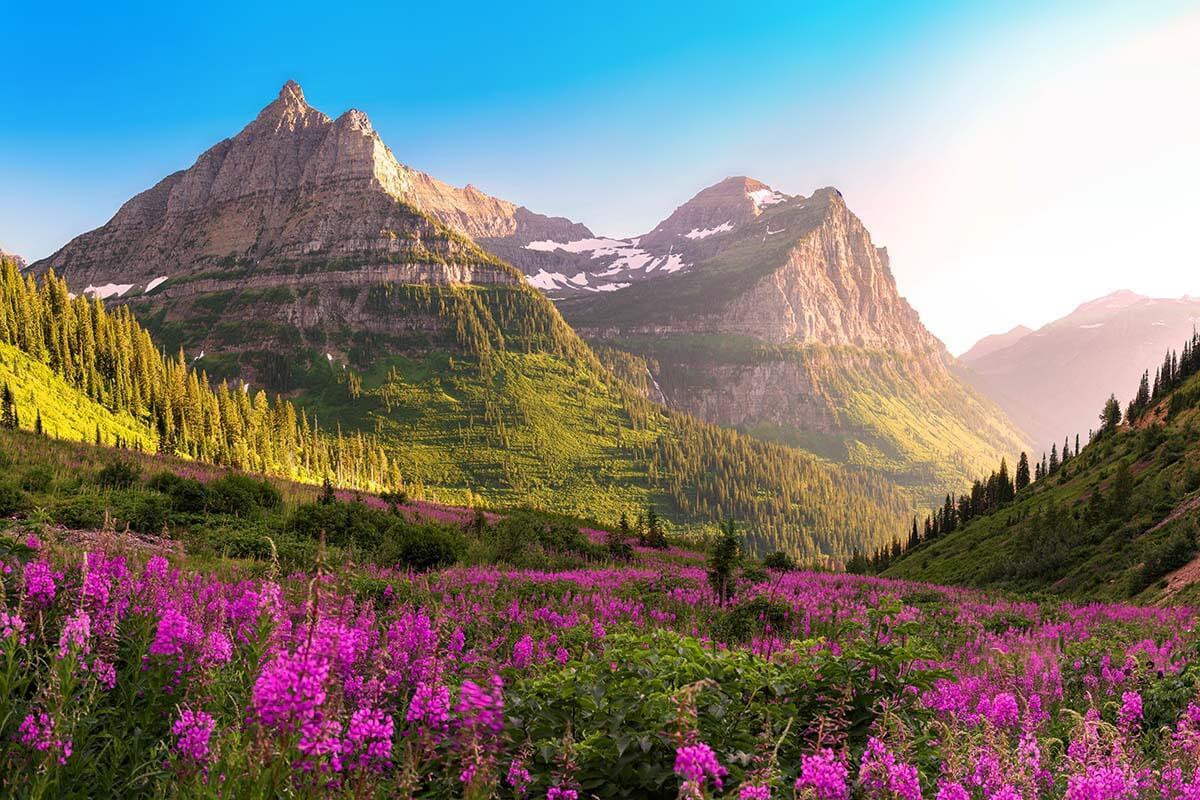
Known as the "Crown of the Continent," Glacier protects over 1 million acres of mountains, alpine meadows, deep forests, and pristine lakes. The park features over 700 miles of hiking trails and the spectacular Going-to-the-Sun Road, an engineering marvel that crosses the Continental Divide. Unfortunately, climate change is dramatically affecting the park's namesake glaciers, which are rapidly disappearing. Visit soon to see these magnificent ice formations before they're gone.
Best time to visit: Mid-June to mid-September, when the Going-to-the-Sun Road is typically fully open and weather is most favorable.
6. Acadia National Park (Maine)
The first national park east of the Mississippi, Acadia protects a rugged section of Maine's coastline along with several islands. Its landscape features the highest rocky headlands along the Atlantic coast, an abundance of natural habitats, rich cultural heritage, and 158 miles of hiking trails. Sunrise from Cadillac Mountain, the highest point on the eastern seaboard, is a popular activity, as the mountain is the first place in the United States to see the sunrise for much of the year.
Best time to visit: Fall for spectacular foliage, or summer for warmer temperatures and all attractions being open. Finding places to stay near Acadia National Park can be challenging during peak seasons, so book well in advance.
The iconic Teton Range reflected in a lake at Grand Teton National Park. Image: Marie Claire
7. Grand Teton National Park (Wyoming)
Just south of Yellowstone, Grand Teton features the dramatic Teton Range rising abruptly from the valley floor with no foothills. The park includes pristine lakes, diverse wildlife, over 200 miles of hiking trails, and extraordinary mountain scenery. The iconic shape of the Tetons has made this one of the most photographed mountain ranges in America, particularly at spots like Schwabacher Landing and Mormon Row.
Best time to visit: Summer for hiking and water activities, or fall for wildlife viewing and spectacular colors.
8. Olympic National Park (Washington)
One of the most diverse national parks, Olympic encompasses three distinct ecosystems: temperate rainforest, wild Pacific coast, and alpine meadows/mountains. Within its nearly one million acres, visitors can hike through moss-draped rainforests, stroll along driftwood-strewn beaches, and traverse subalpine meadows. The park protects one of the largest unmanaged herds of Roosevelt elk in the world and includes 73 miles of wild coastline.
Best time to visit: Summer offers the driest weather, but spring and fall provide unique opportunities to see waterfalls and changing foliage, respectively.
9. Bryce Canyon National Park (Utah)
Despite its name, Bryce Canyon isn't actually a canyon but a collection of giant natural amphitheaters. Its distinctive geological structures, called hoodoos, form a surreal landscape of colorful, spire-shaped rock formations. At elevations between 8,000-9,000 feet, Bryce offers spectacular stargazing opportunities as an International Dark Sky Park. The Rim Trail provides easy access to the most famous viewpoints, while hikers can descend among the hoodoos on trails like Navajo Loop.
Best time to visit: Summer for pleasant temperatures, or winter for a unique snow-covered landscape with fewer visitors.
10. Great Smoky Mountains National Park (Tennessee, North Carolina)
America's most visited national park (with over 14 million annual visitors), the Smokies protect one of the oldest mountain ranges in the world. The park is renowned for the diversity of its plant and animal life, the beauty of its ancient mountains, and the quality of its remnants of Southern Appalachian mountain culture. With more than 850 miles of trails, including 71 miles of the Appalachian Trail, the park offers endless opportunities for outdoor adventure.
Best time to visit: Fall for spectacular foliage, spring for wildflowers, or summer for access to all areas (though with larger crowds).
Each of these parks offers something truly unique, from dramatic geological features to diverse ecosystems teeming with wildlife. While these ten parks are among the most celebrated in the national park system, don't overlook the charm and beauty of less-visited parks like Guadalupe Mountains or Congaree, which offer incredible plants, animals, and more in less crowded settings.
Planning Your National Park Visit
Planning a successful trip to national parks in the US requires some preparation, especially during peak seasons when many parks implement reservation systems and popular accommodations fill months in advance. Here's how to make the most of your national park adventures:
Entrance Fees and Passes
Most national parks charge an entrance fee, typically ranging from $20 to $35 per vehicle for a seven-day pass. For those planning to visit multiple parks, consider purchasing an America the Beautiful Annual Pass for $80, which covers entrance fees at all national parks and federal recreational lands for a year. Free or discounted passes are available for seniors, military members, fourth-grade students, and people with permanent disabilities.
Reservation Requirements
An increasing number of popular national parks now require advance reservations during peak seasons, either for park entry or for specific attractions:
- Yosemite requires reservations during peak summer months
- Glacier requires timed entry permits for Going-to-the-Sun Road
- Arches has implemented a timed entry system
- Rocky Mountain requires timed entry permits from May through October
- Zion's shuttle system requires advance tickets during busy seasons
Always check the official National Park Service website for the most current reservation requirements before your trip.
Video guide to top national parks in the US
Accommodation Options
National parks offer various accommodation options, but they often book up quickly:
- In-park lodges and cabins: Historic and often located in prime locations, these typically require reservations 6-12 months in advance.
- Campgrounds: Most parks offer both reservable and first-come, first-served campgrounds. Reserved sites can be booked on recreation.gov up to six months in advance.
- Gateway communities: Towns near park entrances offer hotels, motels, vacation rentals, and private campgrounds.
- Backcountry camping: Most parks allow wilderness camping with proper permits and adherence to Leave No Trace principles.
Transportation Within Parks
Several major parks have implemented shuttle systems to reduce traffic congestion and environmental impact:
- Zion National Park has mandatory shuttles during peak season in Zion Canyon
- Yosemite offers free shuttles around Yosemite Valley
- Grand Canyon has free shuttle service along the South Rim
- Bryce Canyon provides optional shuttle transportation
Using these shuttle systems helps reduce congestion and allows you to enjoy the scenery without worrying about parking.
Safety Considerations
National parks contain wild and sometimes remote areas that require proper preparation:
- Always carry enough water (at least 1 gallon per person per day in desert environments)
- Check weather forecasts before heading out and be prepared for sudden changes
- Inform someone of your hiking plans, especially for backcountry trips
- Maintain a safe distance from wildlife (at least 100 yards from bears and wolves, 25 yards from other large animals)
- Carry a basic first aid kit, map, and emergency communication device
- Follow all posted safety guidelines specific to each park
Taking time to properly plan your visit will help ensure a memorable and safe experience in America's beautiful national parks. The National Park Service app (available for iOS and Android) provides offline maps, self-guided tours, and up-to-date information that can be invaluable during your visit.
Best Seasons to Visit Different Parks
Timing can make a significant difference in your national park experience. Each season offers unique advantages and challenges across different parks. Here's a seasonal breakdown to help you plan the perfect trip:
Spring (March-May)
Best Parks for Spring:
- Great Smoky Mountains National Park: Witness the spectacular wildflower bloom with over 1,500 flowering plant species
- Shenandoah National Park: Enjoy comfortable hiking weather and blooming dogwoods
- Joshua Tree National Park: Perfect temperatures before summer heat arrives
- Yosemite National Park: See waterfalls at peak flow from snowmelt
- Zion National Park: Pleasant temperatures and fewer crowds than summer
Considerations: Spring weather can be unpredictable with sudden storms. Higher elevation areas may still be snow-covered. Some facilities might still be closed early in the season.
Summer (June-August)
Best Parks for Summer:
- Glacier National Park: The Going-to-the-Sun Road is fully open, and alpine wildflowers bloom
- Mount Rainier National Park: Meadows filled with stunning wildflower displays
- Olympic National Park: Diverse ecosystems accessible with typically dry weather
- Denali National Park: Wildlife viewing at its best with long daylight hours
- North Cascades National Park: High-elevation trails become snow-free
Considerations: This is peak tourist season with larger crowds and higher prices. Desert parks can be dangerously hot. Advance reservations are essential for accommodations and sometimes park entry.
Delicate Arch in Arches National Park - one of the iconic landmarks of America's national parks system. Image: Full Suitcase
Fall (September-November)
Best Parks for Fall:
- Acadia National Park: Spectacular fall foliage and fewer crowds after Labor Day
- Great Smoky Mountains National Park: Famous for its autumn colors across diverse tree species
- Grand Teton National Park: Fall colors and active wildlife preparing for winter
- Arches and Canyonlands National Parks: Pleasant temperatures for desert exploration
- Shenandoah National Park: Skyline Drive becomes a corridor of brilliant autumn colors
Considerations: Fall weekends can still be busy in popular parks, especially during peak foliage. Weather becomes more variable, particularly at higher elevations.
Winter (December-February)
Best Parks for Winter:
- Yellowstone National Park: Unique geothermal features against snow, wildlife viewing, and snowshoeing
- Bryce Canyon National Park: Snow-dusted hoodoos create a magical landscape
- Death Valley National Park: Pleasant temperatures for exploring the desert
- Everglades National Park: Dry season with abundant wildlife and fewer insects
- Big Bend National Park: Mild temperatures perfect for desert hiking
Considerations: Many mountain roads close due to snow. Services and accommodations may be limited. Winter equipment and preparation are essential for cold-weather parks.
When planning your visit to national parks in the US, consider not only the weather but also crowd levels, accessibility of trails and facilities, and wildlife viewing opportunities. The shoulder seasons (late spring and early fall) often provide the best balance of good weather, open facilities, and manageable crowds. For particularly popular parks like Yellowstone, Yosemite, and Zion, visiting during weekdays rather than weekends can significantly enhance your experience by avoiding the heaviest crowds.
Essential Gear for National Park Adventures
Having the right equipment enhances both safety and enjoyment when exploring national parks in the US. From day hikes to multi-day adventures, here's the essential gear you'll need for various park activities:
Hiking Essentials
Whether you're planning a short walk or an all-day trek, these items should always be in your pack:
- Quality hiking boots or shoes with good ankle support and tread
- Moisture-wicking clothing that can be layered for changing conditions
- Navigation tools including paper maps, compass, and/or GPS device (don't rely solely on phone)
- First aid kit with basic supplies including blister treatment
- Sun protection including sunscreen, hat, and sunglasses
- Headlamp or flashlight with extra batteries
- Emergency whistle and fire starter
- Pocket knife or multi-tool
Hydration and Nutrition
Proper hydration and nutrition are critical for outdoor adventures:
- Water bottles or hydration reservoir – carry at least 2-3 liters per person for day hikes, more in hot or dry conditions
- Water filtration system for longer hikes or backcountry trips
- High-energy snacks like nuts, dried fruits, and energy bars
- Electrolyte replacements for hot weather hiking
Top 5 Recommended Products for National Park Adventures
1. Original 32oz National Parks Water Bottle
This durable water bottle comes with 63 waterproof national park stickers and three different lid options (straw, spout, and chug). It's perfect for staying hydrated on trails while showing your love for America's natural treasures. The bottle is leak-resistant and designed for outdoor adventures.
2. Atomic Bear Paracord Bracelet (2 Pack)
This survival bracelet includes a fire starter, loud whistle, and adjustable paracord that can be unwound in emergency situations. It's an essential safety item for hiking and camping in national parks that provides multiple tools in one compact accessory. The weatherproof design ensures reliability in various conditions.
3. National Park Foundation 18L Hydration Backpack
This lightweight daypack includes a 2-liter hydration bladder, perfect for day hikes in national parks. The official National Park Foundation design supports conservation efforts while providing practical storage for essentials. Multiple compartments help organize gear, and the breathable design ensures comfort during active adventures.
4. TRIPPED Travel Gear Compression Packing Cubes
These ultralight, expandable packing cubes feature a National Parks design and help organize your gear efficiently. Perfect for multi-park road trips, these compression cubes maximize space in your luggage while keeping clothing and equipment organized. The durable construction stands up to frequent use in outdoor settings.
5. National Parks Bucket List Adventure Guide & Journal
Document your national park experiences with this comprehensive guide and journal. It includes information on all 63 national parks with space to record your personal adventures, collect passport stamps, and plan future trips. The thoughtfully designed format helps preserve memories while providing valuable planning resources for park visitors.
Weather Protection
Mountain and desert environments are known for rapidly changing conditions:
- Waterproof/windproof jacket (even in summer)
- Insulating layer such as fleece or down jacket
- Quick-drying pants (convertible options are versatile)
- Warm hat and gloves for cool mornings or unexpected weather
- Rain cover for your backpack
Photography Equipment
For capturing your national park memories:
- Camera with extra batteries and memory cards
- Lightweight tripod for stable shots in low light
- Polarizing filter to reduce glare and enhance colors
- Lens cleaning kit
- Weather-resistant camera bag
Specialized Equipment for Specific Parks
Different parks may require additional gear:
- Desert parks: Extra water capacity, sun protection, and cool, loose clothing
- Mountain parks: Trekking poles, microspikes (spring/fall), bear spray (where recommended)
- Water-focused parks: Quick-dry towel, water shoes, dry bags for electronics
- Winter visits: Snowshoes, gaiters, insulated boots, and additional layers
When preparing for your national park adventure, remember the principles of Leave No Trace. Pack out all trash, stay on designated trails, and minimize your impact on these precious natural resources. Having the right gear not only enhances your safety and comfort but also allows you to fully immerse yourself in the extraordinary landscapes that make up America's best idea—the national parks.
For those visiting parks in colder seasons or higher elevations, proper snow boots for hiking are essential. And don't forget to consider personal comfort items like a portable neck fan for hot weather parks.
Wildlife Viewing Tips and Safety
One of the most exciting aspects of visiting national parks in the US is the opportunity to observe wildlife in their natural habitats. From mighty bison in Yellowstone to playful sea otters in Channel Islands, America's national parks protect diverse ecosystems supporting countless species. Here are essential tips for responsible wildlife viewing and safety:
Safe Viewing Distances
The National Park Service recommends these minimum safe distances:
- Bears and wolves: Stay at least 100 yards (91 meters) away
- Bison, elk, moose, and other large animals: Maintain at least 25 yards (23 meters) distance
- All other wildlife: Give them space and don't approach or touch
Remember that these are wild animals that can be unpredictable and dangerous if they feel threatened. Use binoculars or telephoto lenses to view wildlife from a safe distance.
Best Wildlife Viewing Times
Most wildlife is most active during these periods:
- Dawn and dusk (golden hours): Many animals are most active during these cooler times
- Seasonal considerations: Spring brings newborns, fall features mating behaviors for many species
- After rain: Many desert creatures become more active

The iconic valley view in Yosemite National Park, home to diverse wildlife including black bears and mule deer. Image: Modern Diplomacy
Essential Wildlife Safety Tips
Follow these guidelines for safe wildlife encounters:
- Never feed wildlife: Human food is unhealthy for animals and creates dangerous dependencies
- Store food properly: Use designated storage lockers or bear-resistant containers
- Make noise while hiking: Especially in bear country, to avoid surprising animals
- Keep pets leashed: Where pets are allowed, keep them on a short leash
- Carry bear spray: In bear country, know how to use it properly
- Stay on designated trails: This protects both wildlife habitat and your safety
Top Parks for Wildlife Viewing
These national parks are renowned for their wildlife viewing opportunities:
- Yellowstone: Bison, wolves, grizzly bears, elk, and countless other species
- Grand Teton: Moose, bison, elk, bears, and exceptional bird watching
- Everglades: Alligators, crocodiles, manatees, and over 360 bird species
- Katmai: Famous for brown bears fishing for salmon at Brooks Falls
- Channel Islands: Marine mammals including seals, sea lions, and whales
- Theodore Roosevelt: Bison, wild horses, elk, and prairie dogs
- Olympic: Roosevelt elk, black bears, mountain goats, and marine wildlife
Wildlife Photography Tips
Capture memorable images while respecting wildlife:
- Use telephoto lenses to maintain safe distances
- Never position yourself between animals and their young or between members of a herd
- Be patient – quality wildlife photography requires time and observation
- Respect closures designed to protect nesting or denning animals
- Learn animal behavior to anticipate movements and interactions
- Use fast shutter speeds to capture action
Remember that observing wildlife is a privilege, not a right. By treating animals with respect and maintaining appropriate distances, you help preserve natural behaviors and protect both wildlife and future visitors. Wildlife viewing is about patience and appreciation—sometimes the best encounters happen when you least expect them.
Keep in mind that different parks have specific wildlife concerns and regulations. Always check current wildlife advisories at visitor centers, read trailhead notices, and speak with rangers about recent wildlife activity in areas you plan to visit.
My Personal National Park Experiences
After visiting over 35 national parks across the United States, I've collected unforgettable memories and valuable lessons that have transformed how I experience these natural wonders. Let me share some personal highlights and insights that might help enhance your own national park adventures.
Unexpected Magic in Glacier National Park
My trip to Glacier National Park taught me the value of embracing spontaneity. I had meticulously planned to hike the iconic Highline Trail, but an unexpected early September snowstorm closed the Going-to-the-Sun Road. Initially disappointed, I consulted with a ranger who suggested the less-traveled Two Medicine area instead.
The detour led to one of my most magical park experiences. At dawn, I hiked to Pitamakan Pass where the fresh snow glistened under the rising sun. A family of mountain goats moved gracefully along the ridge, and I watched in awe as the valley filled with golden light. The trail was virtually empty compared to the park's more famous routes. That day taught me that sometimes the best experiences come when plans change.
Ranger Tip: A seasoned Glacier ranger told me, "Everyone rushes to see the same spots they've seen on Instagram. Ask us about alternatives—we know where the magic happens without the crowds." This advice has served me well in every park since.
Seasons Make All the Difference
Visiting Arches National Park twice—once in July and once in November—showed me how dramatically seasons affect the experience. The summer visit meant temperatures over 100°F, crowded trails, and required advance reservations for entry. By contrast, the November visit offered comfortable hiking temperatures, stunning light for photography, and a sense of solitude that made connecting with the landscape much more profound.
Walking among the towering fins of Devils Garden with just a handful of other hikers, rather than the summer crowds, allowed me to notice details I'd missed before: the subtle colors in the sandstone, the resilient plants clinging to seemingly barren rock, and the absolute silence when the wind paused.
Lesson learned: If possible, visit desert parks in shoulder seasons and mountain parks during their brief summer windows. The weather, crowds, and overall experience vary dramatically throughout the year.
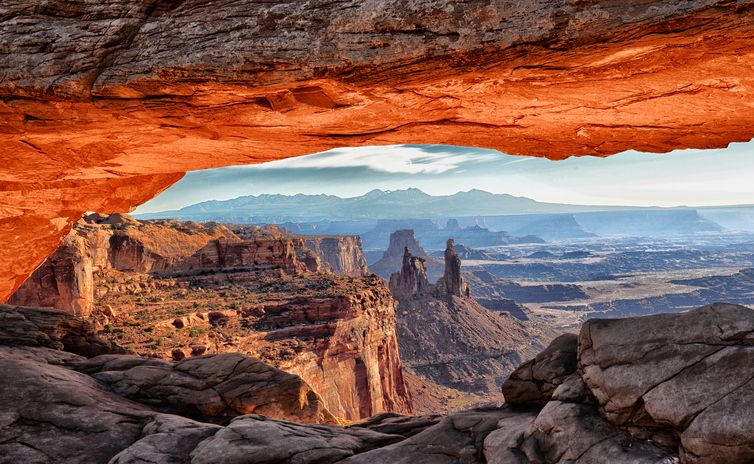
Sunrise through Mesa Arch in Canyonlands National Park - a moment of wonder worth waking up early for. Image: ELLE Decor
The Value of Dawn Patrol
My most treasured national park memories invariably involve early mornings. Rising before dawn in Yosemite Valley, I watched the first light illuminate El Capitan while deer grazed peacefully in the meadows below. In Bryce Canyon, I hiked the Navajo Loop as the rising sun set the hoodoos ablaze with orange and pink light.
Beyond the spectacular lighting for photography, those early hours offer tranquility that vanishes by mid-morning. Wildlife is more active, temperatures are cooler, and you'll often have iconic viewpoints all to yourself. The effort of waking early has always been richly rewarded.
Pro tip: Pack your daypack the night before, set multiple alarms, and prepare cold brew coffee in advance to make early mornings easier. The memories will last a lifetime.
Visitor Perspectives
The national parks attract visitors from around the world, each with unique perspectives. Here are some reviews I've gathered from fellow travelers:
"After researching extensively online, I purchased the National Parks Bucket List Journal before our family's summer road trip to Yellowstone and Grand Teton. It was invaluable for planning our days and documenting our experiences. The kids loved collecting the passport stamps and checking off wildlife sightings. Three months later, we still flip through it regularly to relive our adventures." — Sarah K. from Amazon reviews
"Don't underestimate the importance of good hydration. I bought the 32oz National Parks Water Bottle for my Zion trip, and it was a lifesaver on the Angel's Landing hike. The included stickers let me mark each park I've visited, which has become a fun personal challenge." — Michael T. from Reddit's r/nationalparks
"After forgetting essential items on previous trips, the packing cubes system changed how I travel to national parks. Everything stays organized in my duffel, and I can quickly grab what I need without unpacking everything. Worth every penny for multi-park road trips." — Elena M. from Quora
My travels through America's national parks have reinforced that these protected places offer far more than spectacular scenery—they provide opportunities for genuine connection with the natural world, moments of awe and reflection, and experiences that remind us of our place in the greater ecosystem. By approaching each visit with curiosity, respect, and a willingness to step off the beaten path, you'll discover your own meaningful experiences in these national treasures.
Frequently Asked Questions
How many national parks are there in the United States?
As of 2025, there are 63 designated national parks in the United States. This number has grown over time as new parks have been established or redesignated from other protected status categories. The National Park System also includes more than 400 additional sites with designations such as national monuments, historic sites, recreation areas, seashores, and parkways.
Which is the most visited national park in the US?
Great Smoky Mountains National Park consistently ranks as the most visited national park in the United States, welcoming over 14 million visitors annually. Straddling the border between Tennessee and North Carolina, its accessibility to major population centers, free admission, and year-round appeal contribute to its popularity. Other highly visited parks include Zion, Grand Canyon, Yellowstone, and Rocky Mountain National Parks.
Do I need reservations to visit national parks?
Increasingly, popular national parks require advance reservations during peak seasons, either for park entry or for specific attractions. Parks including Yosemite, Glacier, Arches, Rocky Mountain, and Acadia have implemented various reservation systems to manage visitor numbers. Always check the official National Park Service website for the most current requirements before planning your trip, as reservation systems can change seasonally or yearly.
What is the best time of year to visit national parks?
The ideal time to visit varies significantly by park and depends on what you want to experience. Generally, late spring and early fall offer pleasant weather and fewer crowds at most parks. Desert parks like Death Valley and Joshua Tree are best visited in winter or shoulder seasons, while mountain parks like Glacier and Rocky Mountain are most accessible in summer. Research specific parks for ideal visiting windows based on weather, wildlife activity, and seasonal closures.
How much does it cost to visit national parks?
Entrance fees vary by park, typically ranging from $20-$35 per vehicle for a seven-day pass. The America the Beautiful Annual Pass ($80) provides access to all national parks and federal recreational lands for a full year. Free or discounted passes are available for seniors, military members, fourth-grade students, and people with permanent disabilities. Some parks, like Great Smoky Mountains and Redwood, do not charge entrance fees.
Are pets allowed in national parks?
Pets are allowed in limited areas of most national parks but are generally restricted from wilderness areas, most trails, and backcountry areas. They must be kept on leashes no longer than six feet at all times. Some parks have more pet-friendly policies than others. Service animals are permitted in all areas open to visitors. Always check specific pet policies for each park you plan to visit, as regulations vary widely.
What should I do if I encounter wildlife in a national park?
Always maintain safe distances from wildlife: at least 100 yards from bears and wolves, and at least 25 yards from all other large animals. Never approach, feed, or attempt to touch wildlife. If you encounter a potentially dangerous animal like a bear, make yourself appear larger, speak calmly, back away slowly, and give the animal space to move away. In bear country, carry bear spray and know how to use it. Report unusual wildlife behavior to park rangers.
How can I practice responsible tourism in national parks?
Follow Leave No Trace principles: pack out all trash, stay on designated trails, respect wildlife by maintaining proper distances, minimize campfire impacts, be considerate of other visitors, and leave natural and cultural features as you find them. Consider visiting popular parks during off-peak times, use shuttle systems where available, and support conservation organizations. Educate yourself about the specific ecological concerns of each park you visit.
Conclusion
The national parks in the US represent America's commitment to preserving its most spectacular landscapes and ecosystems for future generations. From the geothermal wonders of Yellowstone to the towering redwoods of California, from the carved canyons of Utah to the coastal beauty of Acadia, these protected areas offer endless opportunities for adventure, learning, and connection with nature.
As visitation to national parks continues to increase, responsible tourism becomes ever more important. By planning ahead, respecting wildlife, following Leave No Trace principles, and approaching these special places with reverence, we can help ensure they remain protected and pristine for generations to come.
Whether you're an experienced outdoor enthusiast or planning your first national park visit, America's "best idea" awaits with experiences that can transform your perspective and create lasting memories. The ranger-led programs, scenic drives, challenging hikes, and quiet moments of connection with nature offer something for every visitor.
As Wallace Stegner wisely noted, national parks are "absolutely American, absolutely democratic, they reflect us at our best rather than our worst." In a fast-paced world increasingly disconnected from nature, these protected spaces provide essential opportunities to slow down, look up, and reconnect with the natural world that sustains us all.
So pack your gear, lace up your hiking boots, and set out to explore the incredible diversity and beauty of national parks in the US. Whether you visit one park or embark on a journey to see them all, you'll be participating in a proud American tradition of experiencing and preserving our natural heritage. The mountains, canyons, forests, and shorelines await—and they have stories to tell for those willing to listen.