


Introduction to Sequoia National Park
Sequoia National Park is a remarkable destination nestled in the southern Sierra Nevada mountains of California. Established on September 25, 1890, it stands as America's second-oldest national park and protects 404,064 acres of breathtaking landscapes. The park is renowned worldwide for its towering giant sequoia trees, including the famous General Sherman Tree—the largest living organism on Earth by volume.
What makes this travel guide sequoia national park special is the incredible diversity you'll find within its boundaries. From the foothills' oak woodlands at 1,500 feet to the alpine wilderness of Mount Whitney at 14,494 feet (the highest point in the contiguous United States), the park spans nearly 13,000 feet of elevation change. This remarkable gradient creates diverse ecosystems and habitats supporting an astonishing array of plant and animal life.
Sequoia National Park is often visited in conjunction with adjacent Kings Canyon National Park, as the National Park Service manages both under one administrative unit. Together, they offer visitors an unparalleled opportunity to experience the majesty of the Sierra Nevada's natural wonders, ancient forests, deep canyons, vast caverns, and soaring peaks.

Giant Sequoia trees in the Giant Forest, Sequoia National Park
As you plan your journey through this travel guide sequoia national park, prepare to be awestruck by nature's grandeur. The park's magnificent sequoias, some over 3,000 years old, have witnessed millennia of history and stand as living monuments to the power and resilience of nature. Whether you're gazing up at these arboreal giants, hiking through pristine wilderness, or simply breathing in the fresh mountain air, Sequoia National Park offers experiences that will stay with you long after your visit.
In this comprehensive guide, we'll cover everything you need to know to plan an unforgettable trip to this natural wonderland, from the best times to visit and must-see attractions to hiking recommendations and essential gear for your adventure.
When to Visit
Timing your visit is a crucial aspect of planning your travel guide sequoia national park adventure. The park is open year-round, but each season offers a distinctly different experience.
Summer (June to August)
Summer is peak season at Sequoia National Park, and for good reason. The weather is most stable during these months, with warm days averaging 70-90°F (21-32°C) at lower elevations and cooler temperatures of 65-85°F (18-29°C) at higher elevations. All roads and facilities are typically open, and the full range of ranger-led programs is available. This is an ideal time for hiking, camping, and exploring the park's higher elevations. However, be prepared for crowds, especially at popular attractions like General Sherman Tree and Moro Rock. If you're visiting in summer, I recommend arriving at these popular spots early in the morning or late in the afternoon to avoid the largest crowds.
Fall (September to November)
Fall offers a wonderful balance of pleasant weather and fewer crowds, making it an excellent choice for those who prefer a more peaceful experience. September and October typically feature clear, warm days, while November can bring the first snowfall at higher elevations. The foliage in the oak woodlands of the foothills turns beautiful shades of gold and amber, creating a picturesque backdrop for your explorations. Fall also brings increased wildlife activity as animals prepare for winter, enhancing your chances of spotting deer, bears, and other park residents.
Winter (December to February)
Winter transforms Sequoia National Park into a serene wonderland, with snow-draped sequoias creating a magical landscape. While some roads and facilities may be closed due to snow, the Giant Forest and Grant Grove areas remain accessible year-round, weather permitting. Winter activities include snowshoeing, cross-country skiing, and simply enjoying the peaceful beauty of the snow-covered forest. Chains may be required for vehicles, and visitors should be prepared for winter driving conditions. The crystal-clear winter air offers spectacular visibility on clear days, making it perfect for photography.
Spring (March to May)
Spring brings renewal to the park, with wildflowers blooming in the foothills and waterfalls reaching peak flow as the snowpack begins to melt. Lower elevations warm up nicely, while higher elevations might still experience winter conditions through May. Spring weather can be unpredictable, with sunny days interspersed with rain or snow showers, so flexible planning is advised. This season offers the unique opportunity to experience multiple ecosystems in different seasonal states during a single visit—spring flowers in the foothills and winter snow in the high country.
My recommendation: For the optimal travel guide sequoia national park experience, aim for late May through June or September through October. These "shoulder seasons" offer a wonderful combination of good weather, open roads and trails, and fewer crowds than the peak summer months. During these times, you can fully immerse yourself in the park's natural beauty without the distractions of high visitor numbers.
Ranger Tip:
I spoke with a park ranger named Michelle during my last visit who shared that the first two weeks of June are her favorite time in the park. "The dogwoods are often still blooming, the waterfalls are running strong from snowmelt, and the summer crowds haven't fully arrived yet," she explained. "Plus, the weather is generally stable enough for most activities."
Getting There & Getting Around
How to Reach Sequoia National Park
Planning your travel route is a key component of your travel guide sequoia national park preparation. The park is located in central California, approximately 225 miles north of Los Angeles and 275 miles southeast of San Francisco. Here are the main approaches to the park:
- From the West (San Francisco/Bay Area): Take Highway 99 south to Fresno, then Highway 180 east to the Big Stump entrance (Kings Canyon) or Highway 198 east through Visalia to the Ash Mountain entrance (Sequoia).
- From the South (Los Angeles/Southern California): Take Interstate 5 north to Highway 99, then Highway 198 east through Visalia to the Ash Mountain entrance.
- From the East: During summer months, you can access the eastern side of the parks via Highway 395 and then west on Highway 180 through Independence and the Onion Valley.
Nearest Airports:
- Fresno Yosemite International Airport (FAT) - approximately 1.5 hours from the park
- Visalia Municipal Airport (VIS) - approximately 45 minutes from the southern entrance
- Los Angeles International Airport (LAX) - approximately 4 hours from the park
Pro tip: Renting a car is highly recommended, as public transportation to the park is limited. If flying in, I suggest renting a car at the airport for maximum flexibility during your visit.
Getting Around Inside the Park
Navigating within Sequoia National Park requires some planning, especially given the winding mountain roads and seasonal conditions. Here's what you need to know:
Park Roads: The main road through Sequoia and Kings Canyon National Parks is the Generals Highway, which connects the two parks. This historic scenic route offers stunning views but features steep grades and sharp curves. Large vehicles over 22 feet in length are not recommended on some sections due to tight turns.
Shuttle Service: During summer months (typically late May through early September), the park operates a free shuttle service in the Giant Forest and Lodgepole areas. This is an excellent option for visiting popular attractions without having to worry about parking, which can be limited at major sites.
Winter Travel: From November through April, roads may be closed or require tire chains due to snow and ice. Always check current road conditions before your visit during winter months. The National Park Service website provides up-to-date information on road closures and conditions.
Driving Times Within the Park:
- Foothills Visitor Center to Giant Forest Museum: 1 hour (16 miles)
- Giant Forest to Grant Grove: 1 hour (25 miles)
- Grant Grove to Cedar Grove: 1 hour (35 miles)
Important Note:
Plan for slower travel times than GPS estimates might suggest. The mountainous terrain makes for slower driving, and you'll likely want to stop frequently to enjoy the views or take photos. When creating your travel guide sequoia national park itinerary, add at least 50% more time to estimated driving durations.
Having your own vehicle provides the most flexibility for exploring the park at your own pace. However, if you're visiting during summer and plan to focus on the Giant Forest area, you could potentially use the shuttle service and avoid parking challenges at popular attractions.
I recommend downloading offline maps of the area before your visit, as cell service is limited or non-existent in many parts of the park. The official park map is also an essential tool that you can pick up at any entrance station or visitor center.
Must-See Attractions
No travel guide sequoia national park would be complete without highlighting the park's most spectacular features. These iconic attractions showcase the natural wonders that make Sequoia a must-visit destination.
General Sherman Tree
This magnificent giant sequoia stands as the largest living tree by volume in the world. At approximately 275 feet tall with a base diameter of 36 feet, General Sherman has a volume of over 52,500 cubic feet. Estimated to be between 2,300 and 2,700 years old, standing before this living giant is a humbling experience that puts human existence into perspective. The tree is accessible via a short, paved trail from the main parking area, though during peak summer months, you might need to use the shuttle service to access the trail. I recommend visiting early in the morning or late in the afternoon to avoid crowds and to experience the magical quality of light filtering through the forest.
Giant Forest
Home to five of the ten largest trees in the world, Giant Forest is a must-visit area within the park. This sequoia grove spans 1,800 acres and contains over 8,000 mature giant sequoias. The Giant Forest Museum provides excellent context and information about these magnificent trees and the ecosystem they create. From the museum, you can access several easy, family-friendly trails that wind through stands of massive sequoias. The air in the Giant Forest feels different—fresher, more oxygenated, and infused with the distinctive aroma of the sequoias, creating an almost spiritual experience.
Moro Rock
For breathtaking panoramic views of the Great Western Divide and the Sierra Nevada mountains, make the climb to the top of Moro Rock. This large granite dome features a stairway of 400 steps carved into the rock that leads to a stunning viewpoint. While the climb is somewhat strenuous, it's relatively short (about a quarter-mile) and the views are absolutely worth the effort. From the summit, you can see across the San Joaquin Valley on clear days and gain a bird's-eye perspective of the surrounding forest and mountains. Sunset at Moro Rock is particularly spectacular, as the fading light paints the distant peaks in gold and pink hues.
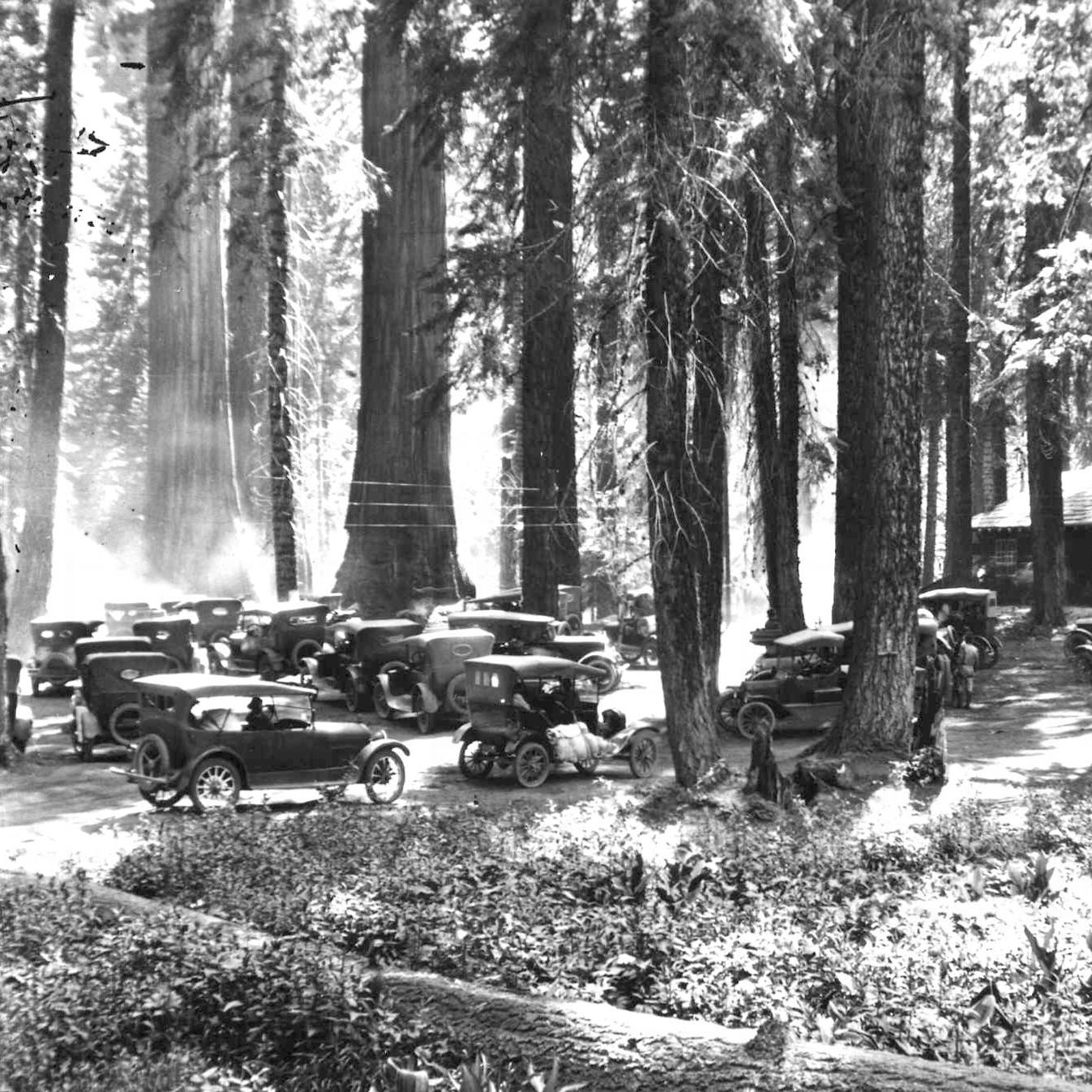
Historic view of early visitors to the Sequoia National Park
Congress Trail
Branching off from the General Sherman Tree, this 2-mile paved loop takes you through some of the most impressive groves of sequoias in the park. Named for the many trees dedicated to congressional representatives and presidents, highlights include the House and Senate Groups, the President Tree, and the McKinley Tree. The trail is relatively flat and accessible, making it perfect for visitors of all ages and abilities. Walking this trail feels like stepping into a cathedral of nature, with towering sequoias creating majestic columns and filtered sunlight creating a serene atmosphere.
Crystal Cave
For a completely different experience, venture underground to explore Crystal Cave, a marble karst cave with beautiful formations. The cave maintains a constant temperature of around 50°F (10°C) year-round, providing a cool retreat on hot summer days. Note that visiting the cave requires purchasing tickets in advance through the Sequoia Parks Conservancy and participating in a guided tour. These tours typically operate from mid-May through November, weather permitting. The half-mile walk to the cave entrance descends through a lush forest alongside a mountain stream, adding to the experience.
Crescent Meadow
Often referred to as the "Gem of the Sierra" by John Muir, Crescent Meadow is a stunning alpine meadow surrounded by sequoias. The meadow features wildflowers in spring and summer and is a great place for wildlife viewing, especially at dawn or dusk. Don't miss Tharp's Log, a fallen sequoia that was converted into a cabin by early settler Hale Tharp in the 1860s. The meadow creates a perfect contrast to the dense forest, opening up to reveal sweeping views of grasses and flowers with a backdrop of towering trees. The changing light throughout the day transforms the meadow's appearance, making it worth visiting at different times.
Tokopah Falls
This 1,200-foot cascading waterfall is reached via a scenic 1.7-mile (one-way) trail that follows the Marble Fork of the Kaweah River. The hike starts at the Lodgepole Campground and is especially impressive in late spring and early summer when snowmelt increases the water flow. Along the trail, you'll enjoy beautiful river views and possible wildlife sightings. The sound of the water grows louder as you approach, building anticipation until you reach the impressive falls, where the mist creates rainbow effects on sunny days.
Each of these attractions showcases a different aspect of the park's natural beauty, from ancient trees to stunning geological features. I recommend spreading these visits over at least two to three days in your travel guide sequoia national park itinerary to fully appreciate each location without feeling rushed.
Best Hiking Trails
Hiking in Sequoia National Park offers an unparalleled opportunity to immerse yourself in diverse landscapes and ecosystems. From easy nature walks to challenging backcountry treks, the park's trail system caters to all experience levels. Here are some of the best trails to include in your travel guide sequoia national park adventure:
Easy Trails (Under 3 miles, minimal elevation gain)
Big Trees Trail (1.2 miles, loop)
This gentle loop around Round Meadow begins at the Giant Forest Museum and features interpretive displays about sequoia ecology. The trail is mostly flat, paved, and wheelchair-accessible, making it perfect for families and those with limited mobility. The meadow setting surrounded by giant sequoias offers excellent photography opportunities, especially in morning or late afternoon light when the trees glow in the golden hour. During my spring visit, the meadow was dotted with wildflowers that created a magical contrast against the massive tree trunks.
General Sherman Tree Trail (0.5 miles, one-way)
While short, this trail does include a 200-foot elevation change as you descend from the parking area to the world's largest tree. The path is paved and features interpretive signs and benches for resting. On the return journey, take your time on the uphill section and use it as an opportunity to look up and appreciate the forest canopy from different perspectives. Remember that what makes General Sherman special isn't its height (it's not the tallest) but its incredible volume and continuing growth rate even after thousands of years.
Crescent Meadow Loop (1.6 miles, loop)
This easy trail circles a beautiful alpine meadow and connects to several points of interest, including Tharp's Log and Chimney Tree. The meadow is often filled with wildflowers in late spring and early summer, and the surrounding sequoias create a stunning backdrop. Wildlife sightings are common here—I've seen deer grazing peacefully in the early morning hours. The contrast between the open meadow and dense forest creates diverse lighting conditions that photographers will appreciate.
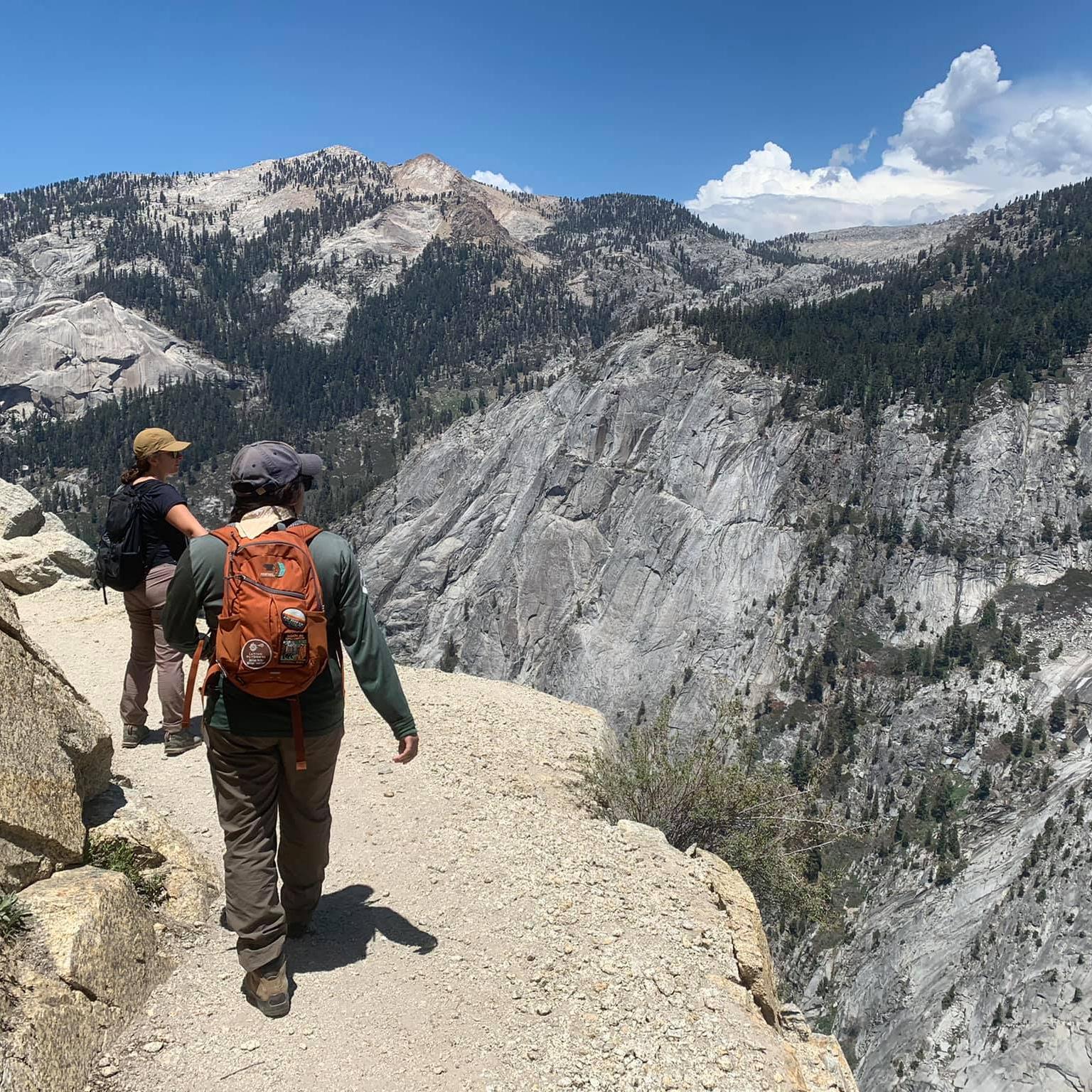
Hikers enjoying one of the many scenic trails in Sequoia National Park
Moderate Trails (3-7 miles or moderate elevation gain)
Congress Trail (2.9 miles, loop)
This paved loop begins at the General Sherman Tree and takes you through some of the most impressive groves in the Giant Forest. While not particularly strenuous in terms of elevation gain, the nearly 3-mile length puts it in the moderate category. The trail features numerous named sequoias and sequoia groups, including the President Tree, the House Group, and the Senate Group. I found that taking this trail clockwise provided the most impressive reveal of each major tree or group. The paved surface makes it accessible for most visitors, though its length requires a bit more stamina than the easier trails.
Tokopah Falls Trail (3.4 miles, out and back)
Following the Marble Fork of the Kaweah River, this trail leads to the impressive 1,200-foot Tokopah Falls. The path is relatively flat with a gradual incline and offers beautiful views of the river, granite cliffs, and eventually the cascading waterfall. Spring and early summer provide the most spectacular waterflow. The trail begins at the Lodgepole Campground and features several spots where you can stop and enjoy the river along the way. The diverse terrain transitions from forest to more exposed granite landscapes as you approach the falls, offering an excellent sampling of the park's varied ecosystems.
Moro Rock Trail (0.6 miles, out and back)
While short, this trail is steep and climbs approximately 300 feet via 400 steps carved into the granite dome. The effort is rewarded with breathtaking panoramic views of the Great Western Divide and the Sierra Nevada mountains. Handrails are provided on the steeper sections, but those with a fear of heights may find some portions challenging. I've done this hike at sunrise, sunset, and midday—each offering a completely different experience. Sunset is particularly magical as the light changes rapidly and casts the mountains in a golden glow.
Challenging Trails (Over 7 miles or significant elevation gain)
Alta Peak Trail (13.7 miles, out and back)
This strenuous trail climbs over 4,000 feet to reach Alta Peak at 11,204 feet elevation. The reward is one of the most spectacular views in the park, with vistas extending from the Great Western Divide to Mount Whitney. The trail begins at the Wolverton parking area and passes through diverse ecosystems as it gains elevation. The final approach to the summit involves some light scrambling and exposure. When I hiked Alta Peak, I started before dawn with a headlamp to reach the summit by mid-morning, avoiding afternoon thunderstorms that are common in summer. The alpine wildflowers near the tree line were an unexpected highlight of this challenging trek.
High Sierra Trail to Bearpaw Meadow (11.3 miles one way)
This trail represents the first section of the longer High Sierra Trail that eventually reaches Mount Whitney. The stretch to Bearpaw Meadow makes for an excellent overnight backpacking trip or a very ambitious day hike. Starting from Crescent Meadow, the trail traverses the southern edge of the Great Western Divide, offering spectacular views of the Kaweah River drainage and distant peaks. Bearpaw Meadow features a High Sierra Camp (reservation required) or backpacking sites (wilderness permit required). The elevation gain is moderate but steady throughout the hike, with several challenging sections including Buck Creek crossing.
Lakes Trail to Pear Lake (12.8 miles, out and back)
One of the most popular overnight trips in the park, this challenging trail passes four beautiful alpine lakes: Heather, Aster, Emerald, and Pear. Starting from Wolverton, the trail climbs steadily through forest before reaching the exposed granite landscape of the Watchtower or the forested alternative route of The Hump. Both routes are challenging and eventually reach the series of stunning lakes. Pear Lake, the final destination, sits in a granite basin at 9,550 feet and offers excellent swimming in late summer (though the water remains quite cold). This trail sees heavy use, and overnight camping requires a wilderness permit secured well in advance.
When hiking in Sequoia National Park, always carry plenty of water, sun protection, and layers for changing mountain weather. Wildlife encounters are possible, so know proper safety protocols—particularly for black bears, which are common in the park. Cell service is non-existent on most trails, so a paper map and telling someone your plans are essential safety measures for any hiking trip in your travel guide sequoia national park adventure.
Essential Gear for Sequoia
Proper preparation is key to enjoying your travel guide sequoia national park experience. The varied terrain and mountain weather patterns mean you'll need to pack strategically. Here are my recommendations for essential gear, including some top-rated products that have served me well on my Sequoia adventures.
Hiking Essentials
Quality Hiking Guide
Top Recommendation: Sequoia and Kings Canyon National Parks: A Guide to the Parks' Greatest Hiking Adventures
This comprehensive guide covers over 80 hikes with detailed maps, trail descriptions, and difficulty ratings. What I love about this guide is that it organizes hikes by region and includes lesser-known trails that help you escape the crowds. The trail profiles include information on geology, flora, and fauna you'll encounter, enhancing your appreciation of the landscape. During my last visit, this guide helped me discover the Muir Grove Trail, which offered solitude among giant sequoias away from the busier areas of the park.
Reliable Trekking Poles
Top Recommendation: Black Diamond Trail Cork Trekking Poles
Sequoia's trails often feature significant elevation changes, making trekking poles invaluable for stability and reducing impact on knees. These particular poles feature comfortable cork grips that don't get slippery with sweat, reliable FlickLock adjustments that never slip, and a good balance between durability and weight. I've used these poles on everything from the paved Congress Trail to the challenging Alta Peak hike, and they've proven to be versatile and dependable across all terrains.
Clothing and Protection
Layered Clothing System
Top Recommendation: Osprey Hikelite 26 Backpack
Mountain weather is notoriously changeable, making a good daypack essential for carrying layers. The Osprey Hikelite 26 offers the perfect balance of comfort, ventilation, and capacity for day hikes. The integrated rain cover has saved my gear during unexpected afternoon showers, and the external hydration sleeve makes refilling easy. The suspension system with AirSpeed mesh back panel keeps you cool even on steep ascents in summer heat. This pack has enough room for extra layers, lunch, first aid supplies, and camera gear without feeling bulky or unwieldy on technical trails.
All-Season Footwear
Top Recommendation: Waterproof Hiking Boots
Proper footwear is essential for exploring Sequoia safely and comfortably. Look for boots with good ankle support, waterproof materials, and Vibram (or similar) soles for traction on varied terrain. I've found that mid-height waterproof hiking boots strike the perfect balance between support and flexibility for Sequoia's diverse trails. Even in summer, waterproof boots are valuable when crossing streams or encountering patches of lingering snow at higher elevations. The toe protection has saved me countless times from painful encounters with hidden rocks on forest trails. For a more in-depth look at appropriate footwear for national parks, check out our guide to snow boots for hiking.
Comfort and Convenience Items
Portable Neck Fan
Top Recommendation: Gulaki Bladeless Portable Neck Fan
Summer temperatures in the foothills of Sequoia can reach into the 90s°F (32°C+), making a portable neck fan a surprising but welcome addition to your gear. This hands-free bladeless design keeps you cool while leaving your hands free for photography or using trekking poles. The battery lasts 4-6 hours on a single charge, perfect for day hikes. I was skeptical until I tried one during a July visit, and it made a significant difference in comfort while hiking the exposed portions of the Moro Rock trail. For more details about this useful gadget, visit our review at Gulaki Bladeless Portable Neck Fan.
Trail Map and Guide Set
Top Recommendation: Sequoia/Kings Canyon National Park Adventure Set
This set includes both a detailed waterproof trail map and a wildlife identification guide specific to Sequoia and Kings Canyon. The map shows all official trails with distances and elevation profiles, while the pocket naturalist guide helps identify common plants and animals you'll encounter. Cell service is extremely limited in the park, making paper maps essential for safe navigation. I keep the wildlife guide handy for quick reference when spotting birds, mammals, or wildflowers, which has greatly enhanced my appreciation of the park's biodiversity.
Personal Recommendation:
Don't overlook the importance of a good refillable water bottle and water filtration system. Potable water is available at visitor centers and campgrounds, but access is limited on longer trails. I carry a 32oz insulated bottle that keeps water cool even on hot days, plus a lightweight filter for refilling from streams when necessary. Staying hydrated is crucial at Sequoia's higher elevations, where the dry air and increased exertion can quickly lead to dehydration.
While this list covers the essentials, remember that your specific needs may vary based on the season of your visit, the activities you plan to undertake, and your personal preferences. When preparing your travel guide sequoia national park packing list, consider the specific trails and areas you plan to visit and adapt accordingly. The park's diverse elevation range means conditions can vary dramatically between different areas on the same day.
Where to Stay
Finding the right accommodation is an important part of planning your travel guide sequoia national park experience. Options range from rustic campgrounds to comfortable lodges, both inside and outside the park boundaries. Here's a comprehensive overview of your choices:
In-Park Lodging
Wuksachi Lodge (Giant Forest Area)
This is the premier lodging option within Sequoia National Park, offering 102 rooms in a spectacular mountain setting at 7,200 feet elevation. The stone-and-cedar lodge includes a full-service restaurant, cocktail lounge, retail shop, and ski shop (in winter). Rooms are modern and comfortable, though not luxurious, and are spread across three buildings. The central lodge building with its massive stone fireplace provides a cozy gathering place in the evenings. During my stay, I particularly enjoyed the star-gazing opportunities from the property—the high elevation and minimal light pollution create extraordinary night skies.
John Muir Lodge (Grant Grove Area)
Located in Kings Canyon National Park but convenient for exploring Sequoia as well, this rustic stone-and-timber lodge offers 36 rooms and a central lobby with a handsome stone fireplace. There's no restaurant in the lodge itself, but the Grant Grove Restaurant is within walking distance. The location provides excellent access to Grant Grove and the General Grant Tree. The rooms are simple but comfortable, with a traditional national park lodge ambiance that emphasizes natural materials and a connection to the surroundings.
Grant Grove Cabins (Kings Canyon)
These cabins offer a range of accommodations from "rustic" (no electricity) to "timber" cabins with private bathrooms. They provide a middle ground between camping and lodge accommodations and are particularly popular with families. The location is convenient for exploring both Kings Canyon and the northern sections of Sequoia National Park.
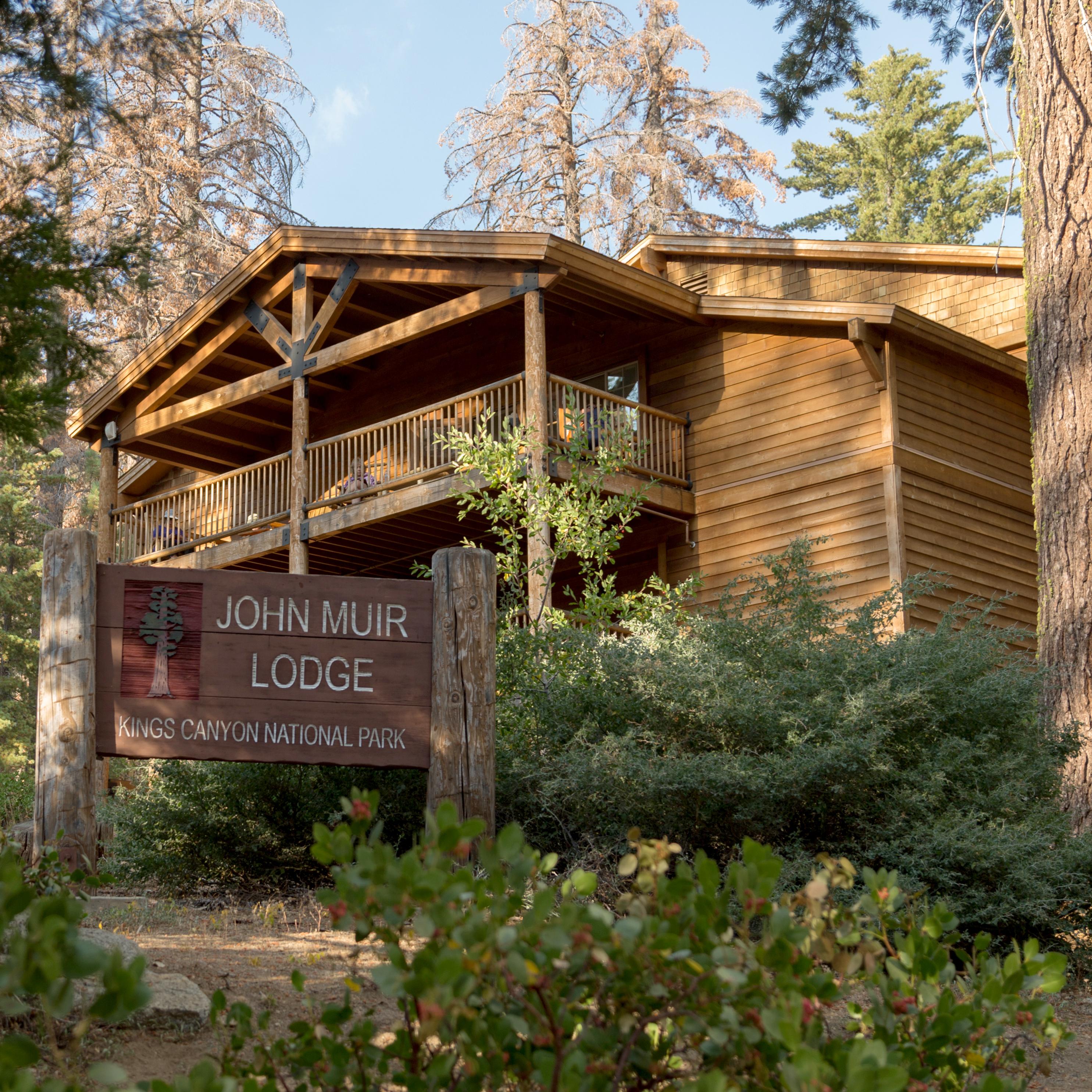
Wuksachi Lodge in summer, the premier lodging option within Sequoia National Park
In-Park Camping
Sequoia offers a variety of campgrounds across different elevation zones, providing options for every type of camper:
Lodgepole Campground (7,000 ft elevation)
One of the most popular campgrounds, Lodgepole offers 214 sites in a beautiful forest setting along the Marble Fork of the Kaweah River. It's centrally located near the Giant Forest area and offers amenities including flush toilets, potable water, and a camp store with showers and laundry facilities. Some sites are reservable up to six months in advance, while others are first-come, first-served. During peak summer season, reserved sites are essential as this campground fills quickly due to its prime location and amenities.
Dorst Creek Campground (6,800 ft elevation)
Located between Lodgepole and Grant Grove, this large campground offers 218 sites and is typically open from late June through early September. Amenities include flush toilets and potable water. The more distant location means it sometimes has availability when other campgrounds are full, and it provides good access to both Sequoia and Kings Canyon attractions.
Potwisha Campground (2,100 ft elevation)
Located in the foothills near the southern entrance, this year-round campground offers 42 sites. The lower elevation makes it significantly warmer than higher campgrounds—a benefit in spring and fall but potentially uncomfortably hot in summer. The proximity to the Marble Falls Trail and other foothills attractions makes it a good base for exploring the park's lower regions.
Buckeye Flat Campground (2,800 ft elevation)
This smaller campground with 28 sites is located in the foothills region and typically operates from spring through fall. It offers a more intimate experience than larger campgrounds and features access to the Paradise Creek swimming hole, a refreshing spot during hot weather. Note that RVs and trailers are not permitted due to the narrow access road.
Gateway Communities
If in-park accommodations are full or you prefer additional amenities, consider staying in one of these gateway communities:
Three Rivers (South Entrance)
Just outside the Ash Mountain entrance to Sequoia National Park, Three Rivers offers a range of accommodations from budget motels to upscale vacation rentals. The town also has several restaurants, grocery stores, and gas stations. Staying here puts you about a 45-minute drive from the Giant Forest area. The riverside location offers opportunities for swimming and fishing during summer months, and many accommodations feature outdoor spaces with mountain views.
Visalia (1 hour from South Entrance)
This larger city offers the widest range of accommodations, dining options, and services. While it's further from the park (about an hour's drive), it's a good base if you want access to urban amenities. Visalia also offers the Sequoia Shuttle service during summer months, which provides transportation to the park for those who prefer not to drive. The downtown area has seen revitalization in recent years, with interesting shops and restaurants worth exploring after your park visits.
Fresno (1.5 hours from South Entrance)
As the largest nearby city, Fresno offers extensive accommodation options and is particularly convenient if you're flying into Fresno Yosemite International Airport. While it's further from the park, the wider selection of hotels and restaurants may offset the additional driving time for some visitors.
Booking Tip:
In-park accommodations, especially during the peak summer season (June-August), often book up 6-12 months in advance. If you're planning a travel guide sequoia national park trip during this period, make reservations as early as possible. For last-minute trips, check for cancellations regularly or consider staying in gateway communities where availability is generally better.
Each accommodation option offers different advantages in terms of location, amenities, and experience. In-park lodging and camping immerse you in the natural environment and minimize driving time, while gateway communities offer more amenities and typically lower prices. Consider your priorities, budget, and the nature of your visit when deciding where to stay during your Sequoia adventure.
My Experience
I've visited Sequoia National Park in all four seasons over the past decade, and each trip has revealed new facets of this remarkable place. Let me share some personal experiences and insights that might enhance your own travel guide sequoia national park adventure.
Summer Solitude: Finding Peace in Peak Season
During my July visit last year, I expected overwhelming crowds at the popular attractions. While the General Sherman Tree and Moro Rock were indeed busy during midday hours, I discovered that by adjusting my schedule, I could experience these iconic sites in relative solitude.
Rising before dawn one morning, I arrived at the General Sherman Tree parking area just as the first light was filtering through the forest. At 6:30 AM, I had the world's largest tree entirely to myself for nearly 30 minutes—a profound experience that allowed me to appreciate its majesty without distractions. The morning light slanting through the mist created an almost mystical atmosphere that photographs simply can't capture.
Similarly, I visited Moro Rock for sunset rather than during peak midday hours. While there were other visitors, the crowd was smaller and more contemplative, with everyone speaking in hushed tones as the setting sun painted the Great Western Divide in shades of pink and gold. The ranger on duty that evening told me, "The mountains reveal themselves differently at every hour—most people only see one version of them."
Winter Wonderland: A Different Perspective
My winter visit in February offered a completely different experience. The Giant Forest, blanketed in snow, was transformed into a silent wonderland. The red bark of the sequoias stood in striking contrast to the white snow, and their massive forms seemed even more imposing against the monochromatic background.
Renting snowshoes from the Wuksachi Lodge, I ventured onto the Congress Trail early one morning after a fresh snowfall. The trail, normally busy with visitors, was virtually empty, and my snowshoes left the only tracks in the pristine snow. The silence was profound—so complete that I could hear the soft thump of snow occasionally falling from branches high overhead.
That afternoon, I joined a ranger-led snowshoe walk where Ranger Jeff shared fascinating insights about how sequoias and other park wildlife adapt to winter conditions. "These trees have evolved with fire and snow over thousands of years," he explained as we gazed up at a particularly massive specimen. "What looks like harsh conditions to us is actually part of their natural cycle." He pointed out tracks in the snow—deer, fox, and even mountain lion—evidence of the active wildlife that many summer visitors never glimpse.
Spring Discoveries: Waterfalls and Wildflowers
My April visit coincided with peak snowmelt, turning the park's rivers and waterfalls into thundering spectacles. The Tokopah Falls trail, which follows the Marble Fork of the Kaweah River, was particularly impressive. The normally well-behaved river had transformed into a roaring torrent, and the falls themselves threw spray high into the air, creating rainbows in the afternoon sun.
In the foothills section of the park, the oak woodland was carpeted with wildflowers—poppies, lupines, and dozens of other species I couldn't identify. I spent an unplanned afternoon simply wandering the Marble Falls trail, captivated by the riot of colors and the buzzing activity of pollinators. A volunteer naturalist I met on the trail shared her field guide and passion for native plants, helping me identify several species and explaining their traditional uses by indigenous peoples.
The contrast between the snow-covered high country and the spring-blooming foothills demonstrated the remarkable diversity that elevation creates within a single park. In one day, I experienced what felt like different seasons and ecosystems simply by driving up or down the mountain.
Lesson Learned:
One of my most valuable discoveries was the importance of speaking with park staff and volunteers. Their knowledge of current conditions and lesser-known attractions has led me to some of my most memorable experiences. During my last visit, a casual conversation with a ranger led me to a sequoia grove that wasn't on any of my maps—a peaceful spot where I spent an afternoon reading and sketching without seeing another visitor. As Ranger Maria told me, "The best parts of the park are sometimes the ones not marked with signs."
Visitor Reviews
I've also collected some insights from other travelers to add different perspectives to this travel guide sequoia national park resource:
"As an avid photographer, Sequoia offered endless opportunities. The light filtering through the trees in Giant Forest creates incredible atmospheric effects, especially in early morning or late afternoon. Don't just photograph the big trees—look for the small details too: fern gardens, fungi on fallen logs, and the intricate patterns of sequoia bark. I spent three days in the park and could have easily filled three more with unique photographic subjects."
— Alex R., from Amazon review of photography guide
"We visited with our children (ages 8 and 10) and were concerned about keeping them engaged. The Junior Ranger program was fantastic—the activity booklets kept them observant and interested throughout our visit, and they wore their badges proudly for the rest of our vacation. The Big Trees Trail and Moro Rock were perfect family adventures. One tip: the Giant Forest Museum provided an excellent orientation that helped the kids understand what makes sequoias special, which enhanced their experience throughout our visit."
— Sarah T., from family travel forum
"As someone with mobility limitations, I was worried about accessing the park's highlights. I was pleasantly surprised by the accessibility of many areas. The General Sherman Tree has an accessible route (though it's still steep), and the Big Trees Trail is mostly level and paved. Park staff were extremely helpful in suggesting appropriate routes and accommodations. Don't hesitate to visit even if you have mobility concerns—just plan accordingly and utilize the accessibility resources provided by the park service."
— Michael L., from Reddit travel forum
Each visit to Sequoia National Park has deepened my appreciation for this remarkable place. Beyond the famous attractions, I've found that the most meaningful experiences often come from slowing down, observing closely, and allowing the forest to reveal its subtle wonders. In planning your own travel guide sequoia national park adventure, I encourage you to build in unstructured time for these discoveries.
Frequently Asked Questions
What is the best time of year to visit Sequoia National Park?
The best time to visit depends on your preferences and interests. Summer (June-August) offers the most reliable weather and full access to all park areas, but also brings the largest crowds. Spring (April-May) features wildflowers in the foothills and powerful waterfalls, though snow may still limit high-country access. Fall (September-October) offers pleasant temperatures and fewer visitors. Winter (November-March) transforms the park into a snowy wonderland with opportunities for snow sports, though some roads and facilities are closed. For a balance of good weather and moderate crowds, consider the "shoulder seasons" of late May to early June or September to early October. When planning your travel guide sequoia national park visit, remember that weather varies significantly by elevation in all seasons.
How much time should I allocate for visiting Sequoia National Park?
To truly experience the highlights of Sequoia National Park, I recommend at least two full days. This allows time to visit the Giant Forest area (including General Sherman Tree and Congress Trail), Moro Rock, and perhaps Crystal Cave or Tokopah Falls. If you want to include Kings Canyon National Park in your itinerary, add at least one more day. For hiking enthusiasts who want to explore deeper into the park's wilderness areas, five to seven days would provide a more comprehensive experience. Remember that driving times within the park are longer than distances might suggest due to winding mountain roads, so avoid overscheduling your days.
Do I need a reservation to enter the park?
As of 2025, Sequoia National Park does not require entrance reservations or timed entry permits (unlike some other popular national parks). However, if you plan to stay overnight in the park, you'll need reservations for campgrounds or lodging, which can fill up months in advance during peak season. Wilderness permits for backpacking trips are also required and have limited availability. Crystal Cave tours require advance tickets purchased through the Sequoia Parks Conservancy. While entrance reservations aren't needed, I recommend arriving early in the day during summer to avoid potential traffic congestion at entrance stations and popular attractions.
Are there grocery stores or restaurants in the park?
Sequoia National Park has limited food services. The Wuksachi Lodge in the Giant Forest area has a full-service restaurant and a small market with basic groceries. Lodgepole Village has a market with groceries, camping supplies, and a snack bar (seasonal). In Kings Canyon, you'll find dining at Grant Grove Restaurant and Cedar Grove Snack Bar (seasonal). For more extensive grocery shopping, stock up in Three Rivers, Visalia, or Fresno before entering the park. If you have dietary restrictions, I strongly recommend bringing specialty food items with you, as options within the park are limited. Many visitors bring picnic lunches to enjoy at scenic spots throughout the park.
Is it possible to see both Sequoia and Kings Canyon National Parks in one trip?
Yes, many visitors explore both parks in one trip, and it's a natural combination since they share boundaries and are managed as a single unit by the National Park Service. The Generals Highway connects the two parks, with a driving time of approximately 1 hour between the Giant Forest area of Sequoia and Grant Grove in Kings Canyon. With three days, you can experience the highlights of both parks. For a more in-depth exploration, consider 5-7 days. When planning your travel guide sequoia national park and Kings Canyon itinerary, remember that the Cedar Grove area of Kings Canyon is typically only accessible from late spring through fall due to seasonal road closures.
How concerned should I be about wildlife encounters, particularly bears?
Black bears are common in Sequoia and Kings Canyon National Parks, but dangerous encounters are rare when proper precautions are taken. The most important rule is proper food storage—all food, scented items, and trash must be stored in designated food storage lockers at campsites and picnic areas. Never leave food or scented items in your vehicle. If you encounter a bear on a trail, maintain a safe distance (at least 100 yards), make noise to alert it to your presence, and never approach or feed wildlife. Mountain lions, while present in the park, are rarely seen. Small wildlife like marmots and squirrels may seem approachable but should not be fed or handled. Remember that you're visiting their home, and respecting wildlife from a distance ensures both your safety and theirs.
For more detailed information about planning your travel guide sequoia national park adventure, don't hesitate to explore our additional resources on Sequoia National Park travel guides, or learn about other national parks in the US.
Conclusion
As we conclude this travel guide sequoia national park journey, I'm reminded of John Muir's words: "The clearest way into the Universe is through a forest wilderness." There are few places where this sentiment rings more true than among the towering giants of Sequoia National Park. These ancient trees, some born before the Roman Empire, offer perspective that's increasingly rare in our fast-paced world—a reminder of our place in time and nature.
From the awe-inspiring presence of the General Sherman Tree to the panoramic vistas from Moro Rock, from the refreshing spray of Tokopah Falls to the tranquil beauty of sequoia-ringed meadows, this park offers experiences that connect us deeply with the natural world. The changing seasons transform the landscape, ensuring that no two visits are ever quite the same.
In planning your own adventure, remember that the most memorable experiences often come when you slow down enough to truly observe and appreciate your surroundings. While the famous attractions deserve their reputation, don't miss the opportunity to find your own special places within the park—perhaps a quiet grove off a less-traveled trail or a perfect picnic spot beside a bubbling creek.
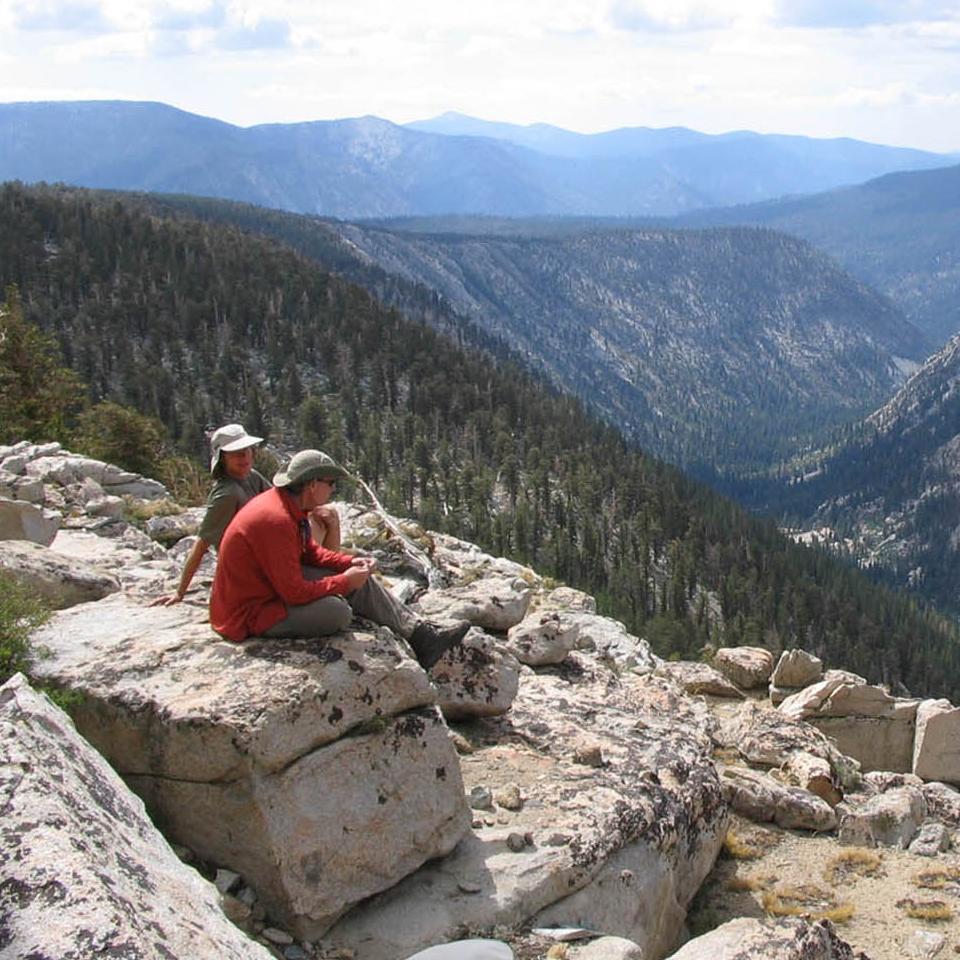
The breathtaking views of Sequoia National Park's mountain landscape
Proper preparation enhances both safety and enjoyment, so take time to plan your visit thoughtfully. Consider the season, pack appropriate gear, make necessary reservations, and build flexibility into your itinerary to accommodate weather changes or unexpected discoveries that might become highlights of your trip.
This travel guide sequoia national park resource has aimed to provide comprehensive information to help you plan an unforgettable journey, but the true magic of Sequoia cannot be fully captured in words or images. It must be experienced firsthand—the smell of sun-warmed pine needles, the touch of ancient bark beneath your fingers, the play of light and shadow in the forest, and the profound silence that allows you to hear the subtle sounds of nature that often go unnoticed.
Whether you're planning your first visit or returning to deepen your connection with this remarkable place, Sequoia National Park offers something for every traveler—adventure, tranquility, wonder, and the chance to stand among living monuments that transcend human timescales. The experience of walking among giants puts our own existence into perspective while simultaneously connecting us to something larger than ourselves.
I hope this guide helps you create your own meaningful memories in this extraordinary place. The giant sequoias have stood witness to centuries of change, and they remind us of the importance of preserving such natural treasures for generations to come. When you visit, you become part of their ongoing story—and they, inevitably, become part of yours.
For more information on nature exploration and outdoor adventures, explore our articles on plants, animals, and more.
Ready to Plan Your Sequoia Adventure?
Get equipped with the right gear, make the most of your visit, and create memories that will last a lifetime!
Explore Essential Sequoia GearThe Ultimate Sequoia National Park Travel Guide
A comprehensive video guide to help plan your Sequoia National Park adventure