


Welcome to NatureGuests.com, your trusted companion for national park adventures! Today, we're diving deep into one of Florida's most spectacular aquatic treasures – Biscayne National Park. As someone who's personally explored every corner of this underwater wonderland, I'm excited to share my firsthand experiences and insider tips to help you plan an unforgettable visit.
Unlike most national parks that showcase mountains, forests, or canyons, Biscayne National Park presents a unique proposition: it's 95% underwater! This means that to truly experience its magic, you'll need to venture beyond the shoreline. In this comprehensive guide, I'll walk you through everything you need to know about Biscayne National Park tours, from choosing the right experience to packing the essential gear that will enhance your adventure.
Whether you're planning to snorkel among vibrant coral reefs, sail across crystal-clear waters, kayak through mysterious mangrove forests, or simply cruise around the historic Stiltsville houses, this guide will ensure you make the most of your visit to this aquatic paradise just south of Miami.
Why Tours Are Essential at Biscayne National Park
Biscayne National Park is truly unique among America's national treasures. With 95% of its area underwater, it's not a park you can simply drive through or hike across. The park encompasses approximately 173,000 acres, with most of that being the vibrant waters of Biscayne Bay, coral reefs, and islands that are only accessible by boat.
While the mainland portion offers the Dante Fascell Visitor Center and a short jetty trail, the true essence of Biscayne – its colorful coral reefs, historic shipwrecks, diverse marine life, and pristine keys – remains hidden beneath the surface or across the water. This is precisely why tours are not just recommended but essential for experiencing what makes this park special.
During my visits, I've found that guided Biscayne National Park tours offer invaluable education about the park's interconnected ecosystems, from the mangrove forests that serve as nurseries for countless marine species to the delicate coral reefs that support an astounding biodiversity. Park-approved guides share fascinating insights about the area's history, wildlife, and conservation challenges that you simply wouldn't discover on your own.
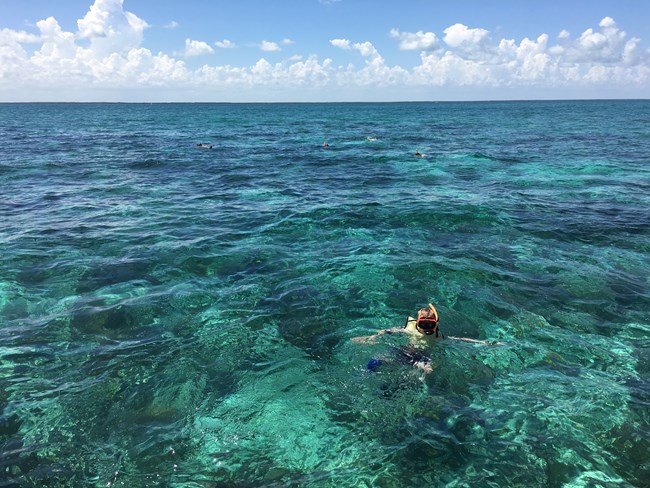
Snorkeling adventure at Anniversary Reef in Biscayne National Park (NPS image by Matt Johnson)
Exploring Tour Options
The Biscayne National Park Institute serves as the park's official partner for guided experiences, offering a variety of tours to suit different interests, schedules, and comfort levels. Additionally, several authorized third-party operators provide specialized excursions, from scuba diving to fishing charters.
When selecting a tour, consider these factors:
- Duration: Tours range from 1.5-hour kayaking trips to full-day sailing adventures
- Activity level: From relaxed boat cruises to active snorkeling and paddling experiences
- Departure point: Most tours depart from the Dante Fascell Visitor Center, but some leave from Coconut Grove or other Miami locations
- Group size: Smaller groups often provide more personalized experiences
- Seasonality: Some tours operate year-round, while others are seasonal
- Special interests: Wildlife watching, history, photography, or specific ecosystems
During peak season (winter months), I strongly recommend booking your preferred tours well in advance, as they frequently sell out weeks ahead. Let's explore the main categories of tours available at Biscayne National Park.
Boat Tours: Cruising Biscayne Bay
Boat tours provide the most accessible way to experience Biscayne National Park's vastness and diversity. Whether you're interested in history, wildlife, photography, or simply relaxing on the water, there's a boat tour perfect for your preferences.
Top Boat Tour Options
Heritage of Biscayne Cruise
- Duration: 3.5 hours
- Cost: $83 per person
- Highlights: Historical overview of Biscayne Bay with a 1-hour stop at either Boca Chita Key, Elliott Key, or Adams Key (depending on conditions)
- Best for: History enthusiasts, first-time visitors, families
Stiltsville Guided Tour
- Duration: 2 hours
- Cost: $70 per person
- Highlights: Cruise through the 6 remaining historic Stiltsville houses in Biscayne Bay
- Note: Departs from Coconut Grove, closer to Miami
- Best for: Architecture and history buffs, photographers
During my visit in December, I had booked the Stiltsville tour, which came highly recommended for its combination of fascinating history and picturesque views. Unfortunately, it was canceled due to high winds – a reminder that weather conditions can impact your plans, especially during winter months when wind can be a factor.
If you're visiting with limited time, I recommend the Heritage of Biscayne Cruise as it offers the best overview of the park's highlights, including a stop at the iconic Boca Chita lighthouse when conditions permit. The knowledgeable guides share fascinating stories about the area's history, from its indigenous inhabitants to its more recent past as a playground for Miami's elite.
For a more comprehensive list of boat tour options, visit the Biscayne National Park Institute website.
Snorkeling Adventures: Discovering Underwater Marvels
Snorkeling is arguably the most rewarding way to experience Biscayne National Park tours. The park protects part of the third-largest coral reef system in the world, home to over 600 species of native fish, colorful coral formations, and several fascinating shipwrecks that are part of the Maritime Heritage Trail.
Popular Snorkeling Tours
Snorkel Experience
- Duration: 3.5 hours
- Cost: $115 per person (+ optional $16 equipment rental)
- Destinations: Varies based on conditions – coral reefs, shipwrecks, or mangrove tunnels
- Best for: Marine life enthusiasts, history buffs interested in shipwrecks
Sail, Paddle and Snorkel
- Duration: Full day
- Highlights: Combines sailing, paddleboarding/kayaking, and snorkeling
- Best for: Adventure seekers wanting a diverse experience
I had the opportunity to join the Snorkel Experience tour during my visit, and it was truly spectacular. Our knowledgeable guide first took us to a shallow reef area perfect for beginners to get comfortable with their equipment. Later, we visited the remains of the Mandalay shipwreck, where we spotted sergeant majors, blue tangs, and even a nurse shark resting beneath the remnants of the ship's hull.
From my experience, here are some valuable tips for making the most of your snorkeling adventure:
- Consider bringing your own snorkel gear if you have it, especially your mask. Having equipment that fits properly makes a huge difference in comfort and enjoyment
- Apply reef-safe sunscreen at least 30 minutes before entering the water
- If you wear prescription glasses, either get a prescription mask or wear contact lenses
- For those prone to motion sickness, take medication about an hour before departure
- Bring a change of clothes for after the tour
While the Biscayne National Park Institute offers quality rental equipment, investing in your own snorkel gear is worthwhile if you plan to snorkel frequently during your Florida vacation or beyond.
Kayaking Experiences: Navigating Mangroves
Kayaking provides an intimate, peaceful way to explore Biscayne's mangrove ecosystems and shallow bay waters. These guided paddles offer a closer look at the "nurseries of the sea" – the intricate mangrove root systems that provide crucial habitat for juvenile fish and countless other marine organisms.
Kayaking Options
Field Paddle: Mangroves & Meadows
- Duration: 1.5 hours
- Cost: $39 per person
- Highlights: Paddle through mangroves with a naturalist guide who helps spot wildlife
- Best for: Beginners, families, those with limited time
Jones Lagoon Paddle Eco-Adventure
- Duration: 5 hours
- Highlights: Boat transportation to Jones Lagoon followed by kayaking in this secluded ecosystem
- Best for: More experienced paddlers seeking a full-day adventure
During my Field Paddle experience, our guide pointed out juvenile nurse sharks, a variety of wading birds, and even a manatee that curiously observed our small group from a safe distance. The silence of paddling – interrupted only by the occasional splash of a jumping fish or the call of a bird – created a meditative experience that contrasted beautifully with the more exhilarating snorkeling adventure.
For visitors with their own kayaks or paddleboards, you can launch for free from the boat ramp near the Dante Fascell Visitor Center. However, I strongly recommend first-time visitors join a guided paddle, as the naturalists' expertise enhances the experience tremendously with their ability to spot wildlife and explain the intricate ecosystems.
If you're an experienced paddler looking for a more immersive experience, the Jones Lagoon Paddle Eco-Adventure comes highly recommended by park rangers and fellow travelers alike for its remote setting and abundant wildlife viewing opportunities.
Essential Gear for Your Biscayne Adventure
Having the right equipment can make or break your Biscayne National Park experience. Based on my personal adventures there, here are my top recommendations for gear that will enhance your comfort, safety, and enjoyment during your Biscayne National Park tours:
Premium Snorkeling Gear
Seaview 180 V3 Full Face Snorkel Mask
This revolutionary full-face snorkel mask has transformed my underwater experiences. With its 180° panoramic view, anti-fog design, and natural breathing system, I can focus entirely on the underwater wonders rather than struggling with equipment.
Why I recommend it: During my Biscayne reef tour, this mask allowed me to spot tiny details of coral polyps and fish behavior that others missed because they were adjusting traditional masks.
Check Price on AmazonWaterproof Dry Bag
Pelican Exodry 10L Waterproof Dry Bag
A reliable dry bag is absolutely essential for any water-based activity. The Pelican Exodry keeps phones, cameras, extra clothes, and valuables completely dry during boat rides, kayaking trips, and even unexpected rain showers.
Why I recommend it: When our boat hit a wave and splashed everyone on board, I was the only one whose camera remained perfectly dry! The roll-top closure system creates a waterproof seal that truly works.
Check Price on AmazonPark-Themed Water Bottle
Biscayne National Park Water Bottle
Staying hydrated in Florida's heat and humidity is crucial. This insulated water bottle keeps drinks cold for hours, even in direct sunlight, and proudly displays your love for this unique national park.
Why I recommend it: The bottle's wide mouth makes adding ice easy, and the secure lid prevented spills even when our boat hit choppy waters. Plus, it's a great souvenir!
Check Price on AmazonReef-Safe Sunscreen
Stream2Sea SPF 30 Mineral Sunscreen
Conventional sunscreens contain chemicals that damage coral reefs. Stream2Sea offers excellent protection without harming Biscayne's fragile marine ecosystems. It's biodegradable, tested reef-safe, and the packaging is made from sugarcane resin.
Why I recommend it: Our snorkel guide specifically recommended this brand, noting that other "reef-safe" products often still contain harmful ingredients. Plus, it doesn't leave the ghostly white cast of many mineral sunscreens.
Check Price on AmazonWaterproof Phone Case
Sea to Summit TPU Guide Waterproof Case
This ultra-reliable phone case provides complete protection from water while allowing full touchscreen functionality. The clear window on both sides means you can even take underwater photos during your snorkeling adventures.
Why I recommend it: I captured amazing underwater photos of coral and fish, plus the case floats if accidentally dropped. The lanyard attachment meant I never worried about losing my phone overboard.
Check Price on AmazonRemember that preparation is key to enjoying Biscayne National Park fully. The subtropical climate means you'll need sun protection, plenty of water, and gear that can handle salt water and humidity. Quality equipment enhances safety and allows you to focus on the incredible natural beauty surrounding you.
Visiting Biscayne National Park during different seasons may require additional specific gear. For summer visits (June-September), lightweight, quick-drying clothing and insect repellent become even more essential. Winter visitors (December-February) might want to bring a light jacket or windbreaker for boat rides, as the breeze can make mornings chilly.
My Biscayne Experience: Lessons and Highlights
My Experience
I visited Biscayne National Park in mid-December, which turned out to be both wonderful and challenging. The temperature was perfect – warm enough for comfortable water activities without the oppressive heat and humidity of summer. However, winter also brings the possibility of stronger winds, which affected some of our plans.
My scheduled Stiltsville boat tour was canceled due to high winds making the bay too choppy for a pleasant experience. Fortunately, I had built some flexibility into my itinerary and was able to switch to a snorkeling tour the following day when conditions improved.
The unexpected highlight of my visit was the wildlife encounters during our snorkeling trip. We spotted a gentle nurse shark, several southern stingrays gliding gracefully across the sandy bottom, and a dizzying array of colorful fish. Our guide pointed out a queen angelfish – a magnificent creature with electric blue and yellow patterns that I might have swum right past without his expert eye.
Even though I consider myself an experienced snorkeler, I was grateful for our guide's knowledge. He helped us identify fish species, explained coral formation processes, and shared the fascinating history of the shipwreck we explored. His insights transformed what could have been a simple swim into an educational adventure.
User Reviews from Reddit and Trip Forums
"The guides on the tour are excellent, with a great knowledge of both natural and human history. We saw dolphins and a fair number of birds, and honestly learned more in a 3-hour boat tour than I did in my entire marine biology class!"
— u/MarineLifeEnthusiast, Reddit
"Don't miss the Jones Lagoon kayak tour if you can swing it. It's less crowded than the reef snorkeling, and we saw more wildlife - baby sharks, rays, and even a manatee! Our guide knew exactly where to take us for the best sightings."
— TripAdvisor Review
"Bring your own snorkel gear if you can! The rental equipment is fine, but having a mask that fits perfectly makes a huge difference in enjoyment. And don't forget reef-safe sunscreen – they're serious about protecting the coral here (as they should be)."
— Amazon Customer Review
Lessons Learned
- Build flexibility into your itinerary - Weather conditions can change quickly, especially in winter months when wind can be a factor
- Book tours in advance - Popular tours fill up quickly, especially during peak season (December-April)
- Arrive early - Miami traffic is unpredictable; give yourself extra time to reach the visitor center
- Consider combo tickets - If you're planning multiple activities, ask about combination tickets which can save money
- Prepare for bugs - Even in December (supposedly the least buggy month), mosquitos and no-see-ums can be numerous
- Take the earliest tours possible - Morning typically offers calmer waters and better wildlife viewing
My personal recommendation is to spend at least a full day at Biscayne if possible. This gives you time to experience both a boat tour and a water activity like snorkeling or kayaking. The combination provides a much more complete understanding of this unique ecosystem than either activity alone.
For visitors with limited time, I suggest prioritizing either the Heritage of Biscayne Cruise or a snorkeling tour, depending on your comfort level in the water and interests. Both offer exceptional experiences that showcase the park's most distinctive features.
And don't skip the Dante Fascell Visitor Center! Its exhibits provide valuable context for understanding the park's ecosystems and history. Plus, the rocking chairs on the porch overlooking Biscayne Bay offer a peaceful spot to relax before or after your adventures on the water.
Planning Tips and Best Times to Visit
Best Times to Visit
The ideal time to visit Biscayne National Park depends largely on your weather preferences and tolerance for crowds:
Winter (December-February)
- Pros: Pleasant temperatures (70-80°F), low humidity, fewest mosquitoes
- Cons: Busiest season, higher prices, occasional strong winds
- Best for: Comfortable outdoor activities, wildlife viewing
Spring (March-May)
- Pros: Warm waters, good visibility for snorkeling, moderate crowds
- Cons: Spring break crowds in March, increasing humidity
- Best for: Snorkeling and diving with better visibility
Summer (June-August)
- Pros: Fewest crowds, lowest prices, calmest waters
- Cons: Hot (85-95°F), extremely humid, frequent afternoon thunderstorms, peak mosquito season
- Best for: Budget travelers, those seeking solitude
Fall (September-November)
- Pros: Fewer crowds, decreasing humidity late in season
- Cons: Hurricane season (peak in September), some facilities may have reduced hours
- Best for: Budget-conscious travelers with flexible plans
Based on my experience and research, early December or late January through February offer the best combination of pleasant weather and reasonable crowds. I visited in mid-December and found it to be an excellent time, although the occasional windy day did impact boat tour schedules.
Where to Stay
Unlike many national parks, Biscayne doesn't have lodging within its boundaries (except for primitive camping on Boca Chita and Elliott Keys, accessible only by boat). Most visitors choose from these accommodation options:
- Homestead/Florida City: 15-20 minutes from the visitor center, budget-friendly chain hotels
- Miami: 45-90 minutes from the visitor center (depending on traffic), wider range of accommodations
- Key Largo: 30-40 minutes from the visitor center, resort atmosphere
I stayed in Homestead at the Home2 Suites, which I found perfect for my needs – spacious rooms, reasonable rates, and only a 15-minute drive to the Dante Fascell Visitor Center. The hotel even provided a cooler I could borrow for my day trips.
If you're combining your visit with other national parks like Everglades (just 20 minutes away), Homestead/Florida City makes an excellent base for exploration.
Getting Around
A rental car is practically essential for visiting Biscayne National Park. Public transportation options are extremely limited, and rideshare services like Uber or Lyft are not reliable for the return trip from the visitor center.
If you're staying in Homestead, the free National Parks Trolley operates on weekends during the high season (January through April), making stops at both Biscayne and Everglades National Parks. This can be a convenient option if your schedule aligns with the trolley's limited operating hours.
Frequently Asked Questions
Is snorkeling in Biscayne National Park worth it?
Absolutely! Biscayne's underwater world is spectacular, with vibrant coral reefs, diverse marine life, and fascinating shipwrecks. The park protects part of the third-largest coral reef system in the world, home to over 600 species of native fish. You might encounter sea turtles, manatees, and dolphins as well. For many visitors, snorkeling is the highlight of their Biscayne experience.
Where is the best place to snorkel in Biscayne National Park?
The best snorkeling spots include:
- Akoye Bay: With its shallow, calm waters, it's perfect for beginners and features colorful coral and diverse fish species
- Elliott Key: The park's largest island offers numerous excellent snorkeling sites along its shore
- The Maritime Heritage Trail: This underwater archaeological trail features six shipwrecks, each offering a unique snorkeling experience
Weather conditions determine which sites are accessible on any given day, which is why guided tours are valuable – they take you to the best locations based on current conditions.
Can you snorkel for free at Biscayne National Park?
While park admission is free, accessing good snorkeling sites requires a boat. If you have your own boat, you can snorkel for free once you reach appropriate areas. Without a boat, you'll need to join a tour (typically $70-120 per person) or rent a kayak to reach limited nearshore snorkeling sites. The visitor center area itself doesn't offer snorkeling opportunities.
What is the best way to explore Biscayne National Park?
The best approach is combining different experiences:
- Start at the Dante Fascell Visitor Center to learn about the park's ecosystems
- Take a boat tour to appreciate the park's scale and visit Boca Chita Key or other islands
- Experience the underwater world through snorkeling or a glass-bottom boat tour
- If time permits, add a guided kayaking trip through mangrove ecosystems
This multi-activity approach gives you a comprehensive understanding of the park's diverse environments, from coral reefs to island hammocks to mangrove forests.
How much time should I spend at Biscayne National Park?
Ideally, allocate at least one full day to experience Biscayne properly. This allows time for both a boat tour and a water activity like snorkeling or kayaking. If you're particularly interested in marine environments or want a more relaxed pace, consider spreading activities across two days. With limited time, prioritize either a boat tour to Boca Chita Key or a snorkeling excursion, depending on your interests.
Can you see Biscayne National Park without a boat?
Only a tiny fraction of the park is accessible without a boat. From the mainland, you can visit the Dante Fascell Visitor Center and walk the short Jetty Trail (0.8 miles round trip). While these offer nice views of Biscayne Bay and the chance to spot some wildlife, they represent less than 5% of what the park has to offer. To truly experience Biscayne's essence, some form of water transportation is essential.
Conclusion
Biscayne National Park stands as a reminder that some of America's greatest natural treasures lie hidden beneath the surface. While it may not feature the dramatic landscapes of Yosemite or the Grand Canyon, its underwater realm offers equally awe-inspiring vistas of color, life, and natural history.
The park's unique nature – being 95% underwater – means that Biscayne National Park tours aren't just recommended, they're essential for experiencing what makes this place special. Whether you choose to snorkel among vibrant coral gardens, cruise to historic lighthouse-topped keys, or paddle through mysterious mangrove tunnels, each activity reveals a different facet of this aquatic wonderland.
From my personal experiences exploring Biscayne's waters, I can attest that the investment in guided tours pays dividends in both enjoyment and understanding. The knowledgeable guides transform what might otherwise be simply a pleasant day on the water into a meaningful connection with this unique ecosystem.
As you plan your visit, remember that preparation enhances enjoyment. Book tours in advance, bring appropriate gear, check weather conditions, and maintain flexibility in your schedule. With these considerations in mind, Biscayne National Park will reward you with memories of crystalline waters, colorful marine life, and tranquil islands that stand in remarkable contrast to the nearby urban energy of Miami.
Biscayne may not be America's most famous national park, but for those who take the time to explore its aquamarine depths and sun-dappled keys, it often becomes one of their most cherished park experiences. I hope this guide helps you plan your own unforgettable adventure in this underwater paradise.
Don't forget to check out our other guides to Biscayne National Park tours, birds of Biscayne National Park, the 7 best running shorts for active travelers, water bottles for kayaking, and our travel guide to Sequoia National Park!