


Ultimate Guide to Weather in Everglades National Park: What to Expect & Essential Gear
Planning your visit to America's River of Grass? Understanding the weather in Everglades National Park is crucial for a successful adventure. From scorching summers with daily thunderstorms to mild winters perfect for wildlife viewing, the Everglades presents unique seasonal challenges that every visitor should prepare for. NatureGuests.com brings you this comprehensive guide based on years of field experience.
Understanding Everglades Climate Patterns
The weather in Everglades National Park follows a distinct subtropical pattern that defines the entire ecosystem. Unlike many national parks with four distinct seasons, the Everglades operates on a two-season system that has shaped this unique wetland for millennia.
Climate Overview
South Florida's subtropical climate creates average temperatures ranging from 68°F in winter to 82°F in summer. The region receives approximately 60 inches of rainfall annually, with nearly 70% falling during the wet season. This dramatic seasonal shift in precipitation drives the entire Everglades ecosystem.
The Everglades National Park experiences two primary seasons that dramatically impact your visit. The dry season, extending from December through April, offers comfortable temperatures and minimal rainfall. Conversely, the wet season from May through November brings intense heat, humidity, and daily thunderstorms that can reshape your entire itinerary.

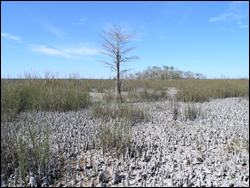
Understanding these patterns is crucial because the weather in Everglades National Park directly influences wildlife behavior, water levels, and accessibility to different areas. During my multiple visits, I've observed how dramatic weather shifts can transform the same location from a dried mudflat to a flowing river within weeks.
The park's location at the southern tip of Florida places it within one of the most active hurricane zones in the United States. Hurricane season officially runs from June through November, coinciding with the wet season. This overlap means summer visitors must prepare for both daily thunderstorms and potential tropical weather systems.
Dry Season Weather (December to April)
The dry season represents the pinnacle time for experiencing the weather in Everglades National Park. During these months, the park transforms into a wildlife paradise as receding waters concentrate animals around remaining water sources, creating spectacular viewing opportunities.
Temperature Range
Highs: 77-85°F
Lows: 53-61°F
Perfect for outdoor activities
Precipitation
Monthly: 1.5-2.8 inches
Humidity: 65-75%
Minimal rainfall expected
The best time to visit the Everglades aligns perfectly with these dry season months. Continental cold fronts occasionally push through South Florida, bringing temperatures as low as the upper 40s, though these cold snaps rarely last more than a few days.
During this period, the weather in Everglades National Park creates ideal conditions for hiking, bird watching, and photography. The reduced humidity makes even midday activities comfortable, while cool mornings and evenings provide perfect conditions for camping adventures.
Wildlife Activity During Dry Season
As water levels drop, wildlife concentrates around remaining ponds and sloughs. This concentration makes dry season the premier time for wildlife photography and bird watching in the Everglades. Alligators become more active and visible, while wading birds gather in impressive numbers.
However, dry season weather isn't without challenges. Occasional cold fronts can create wind chill factors that make temperatures feel considerably cooler than thermometer readings. Visitors should pack layers and be prepared for temperature swings of 20-30 degrees within a 24-hour period.
Wet Season Weather (May to November)
The wet season dramatically alters the weather in Everglades National Park, transforming the landscape through daily thunderstorms and oppressive humidity. While challenging for visitors, this season reveals the Everglades' true character as a functioning watershed.
Wet Season Challenges
- Daily temperatures reaching 90-92°F with heat indices above 105°F
- Humidity levels consistently above 90%
- Daily thunderstorms typically occurring between 2-6 PM
- Massive mosquito populations requiring heavy protection
- Potential hurricane activity from June through November
The weather in Everglades National Park during wet season creates a unique ecosystem dynamic. Rising water levels disperse wildlife across the landscape, making animal viewing more challenging but revealing the park's function as a massive filtration system. Kayaking opportunities expand dramatically as previously dry areas become navigable waterways.
Thunderstorms during wet season aren't just inconvenient weather events—they're powerful natural phenomena that can produce dangerous lightning, flash flooding, and sudden temperature drops. These storms typically develop rapidly, transforming clear skies into torrential downpours within minutes.
June-August
Peak wet season
Daily storms
Highest temperatures
September-October
Hurricane season peak
Transition period
Variable conditions
November
Wet season ending
Decreasing storms
Pleasant transition
Despite the challenges, wet season offers unique rewards for prepared visitors. The landscape comes alive with vibrant greens, water levels rise to reveal hidden passages, and the dramatic daily weather cycle creates spectacular photographic opportunities. However, success requires proper preparation and flexible itineraries to accommodate the unpredictable weather in Everglades National Park.
My Personal Experience with Everglades Weather
Having visited the Everglades over a dozen times across all seasons, I've experienced firsthand how dramatically the weather in Everglades National Park can transform your entire adventure. Let me share some hard-learned lessons from my years exploring this remarkable ecosystem.
My Most Memorable Weather Encounter
During a February visit, what started as a perfect 75°F morning transformed when a cold front pushed through around noon. Within three hours, temperatures dropped to 48°F with 25-mph winds. Without proper layers, what should have been an incredible day of wildlife viewing became a miserable retreat to the car.
This experience taught me that Everglades weather can change faster than anywhere else I've explored in the National Park system.
One July visit stands out as particularly instructive about wet season challenges. I planned a dawn-to-dusk photography expedition along the Anhinga Trail, confident in my weather preparation. However, I underestimated the cumulative effect of 95°F temperatures, 95% humidity, and relentless mosquito pressure. By 10 AM, I was exhausted, dehydrated, and questioning my sanity.
That July experience revolutionized my approach to wet season visits. Now I start before sunrise, take frequent breaks in air-conditioned visitor centers, and always carry backup plans for indoor activities. The weather in Everglades National Park demands respect, not just preparation.
Lessons Learned from Rangers
During my visits, park rangers consistently emphasized three critical points about Everglades weather:
- Layer everything: Even summer visits can experience 15-20°F temperature swings
- Plan for storms: Afternoon thunderstorms during wet season are virtually guaranteed
- Hydrate aggressively: The combination of heat and humidity creates dangerous dehydration conditions
My most successful Everglades experiences came when I embraced the weather rather than fighting it. During a March visit, I scheduled outdoor activities for early morning and late afternoon, using midday heat for indoor exhibits and visitor center programs. This approach allowed me to experience optimal photography conditions while avoiding the day's temperature peak.
The key insight from all my Everglades adventures is that the weather in Everglades National Park isn't just a backdrop to your visit—it's an active participant that shapes every aspect of your experience. Successful visitors learn to read weather patterns, prepare for extremes, and maintain flexibility in their itineraries.
Essential Weather Gear for Your Everglades Adventure
Surviving and thriving in the weather in Everglades National Park requires specific gear tailored to South Florida's unique challenges. After years of testing equipment in the field, these are my essential recommendations for every season.

Premium Rain Protection
TIDEWE Rain Suit
Waterproof, breathable 2-piece system that's saved me countless times during sudden Everglades downpours. The lightweight design packs small but provides complete protection.
$52.99 - View on Amazon
Maximum Bug Protection
OFF! Deep Woods Repellent
The only repellent that consistently works against Everglades mosquitoes. Non-greasy formula with long-lasting protection that's essential for any wet season visit.
$11.59 - View on Amazon
Budget Rain Solution
KastKing AquaLite Suit
Amazon's Choice for affordable weather protection. Lightweight, durable design perfect for day trips when you need reliable rain protection without breaking the budget.
$37.99 - View on Amazon
Complete Sun Protection
UPF 50+ Sun Hat with Neck Flap
Detachable neck and face protection with UPF 50+ rating. The wide brim provides excellent coverage while the mesh design ensures airflow during hot Everglades days.
$8.44 - View on AmazonPremium Sun Protection Option

EINSKEY Wide Brim Sun Hat
Waterproof, packable design with UPF 50+ protection. Over 36,000 positive reviews make this the most trusted sun hat for outdoor adventures.
$12.99 - View on AmazonCritical Safety Considerations
The weather in Everglades National Park can create life-threatening situations for unprepared visitors. Beyond basic gear, always carry:
- Emergency communication: Cell service is spotty; consider a satellite communicator
- Extra water: Dehydration happens faster than you think in high humidity
- First aid supplies: Include treatments for heat exhaustion and insect bites
- Weather radio: Essential for monitoring severe weather alerts
Remember that gear is only effective when properly used. I've seen visitors with expensive rain suits get soaked because they didn't seal the zippers correctly, and others suffer heat exhaustion despite carrying plenty of water because they weren't drinking it regularly.
The safety protocols for Everglades visits extend beyond just weather preparation. Understanding how weather impacts wildlife behavior, trail conditions, and emergency response times is crucial for any serious Everglades explorer.
Monthly Weather Breakdown and Planning Tips
Understanding the monthly variations in weather in Everglades National Park allows for precise trip planning that maximizes your experience while minimizing weather-related challenges.
December - February
Temperature: 79°F high / 54-57°F low
Rainfall: 1.4-1.9 inches monthly
Best for: All outdoor activities, wildlife photography, airboat tours
Peak season - expect crowds but optimal weather conditions
March - April
Temperature: 82-85°F high / 58-61°F low
Rainfall: 1.9-2.8 inches monthly
Best for: Hiking, camping, bird watching migration
Transition period - still excellent conditions with fewer crowds
May - June
Temperature: 88-90°F high / 66-71°F low
Rainfall: 5.9-9.1 inches monthly
Best for: Early morning activities, indoor programs
Wet season begins - prepare for heat and daily storms
July - September
Temperature: 91-92°F high / 73°F low
Rainfall: 7.1-8.7 inches monthly
Best for: Dawn photography, air-conditioned activities
Peak wet season - most challenging conditions, hurricane risk
October - November
Temperature: 87-83°F high / 70-63°F low
Rainfall: 5.5-2.3 inches monthly
Best for: Extended outdoor activities, shoulder season
Transition back to dry season - improving conditions
Special Considerations
Hurricane Season: June 1 - November 30
Mosquito Peak: May through October
Fire Season: April through June (affects air quality)
Always check current conditions before departure

Pro Planning Tips
Based on extensive experience with weather in Everglades National Park, here are my top planning recommendations:
- Book accommodations early for December-March (peak season)
- Plan indoor alternatives for May-October visits
- Check park entrance fees and hours which vary by season
- Monitor hurricane forecasts June through November
- Consider shoulder seasons (April, November) for optimal weather with fewer crowds
Remember that the weather in Everglades National Park can vary significantly even within a single month. Late April might experience either perfect dry season conditions or the first preview of wet season intensity. Successful trip planning requires flexibility and multiple contingency plans, especially during transition periods.
Frequently Asked Questions
What is the best weather month to visit Everglades National Park?
February consistently offers the most comfortable weather in Everglades National Park with average highs of 80°F, minimal rainfall, and optimal wildlife viewing conditions. The month balances pleasant temperatures with peak dry season water levels, creating ideal conditions for all outdoor activities from hiking to photography. Cold fronts are less frequent than in December and January, providing more predictable weather patterns for trip planning.
How bad are mosquitoes during wet season in the Everglades?
Mosquito populations during wet season can be overwhelming, with some areas experiencing clouds of insects that make outdoor activities nearly impossible without proper protection. The combination of standing water, high humidity, and warm temperatures creates perfect breeding conditions. DEET-based repellents with at least 25% concentration are essential, along with long sleeves, pants, and head nets for extended outdoor exposure. Many visitors underestimate the intensity and duration of mosquito season, which peaks from May through October.
Does weather in Everglades National Park affect wildlife viewing opportunities?
Weather dramatically impacts wildlife visibility and behavior patterns throughout the year. During dry season, receding water levels concentrate animals around remaining ponds, creating exceptional viewing opportunities for alligators, wading birds, and other species. Wet season disperses wildlife across the expanded landscape, making individual animals harder to spot but revealing the ecosystem's full complexity. Temperature also influences animal activity levels, with cooler winter mornings providing the best chances for active wildlife encounters.
What should I wear for Everglades weather in summer?
Summer attire for the Everglades requires balancing sun protection, insect defense, and heat management. Long-sleeved, lightweight, light-colored clothing with UPF rating provides essential sun protection while allowing airflow. Synthetic or merino wool fabrics wick moisture better than cotton. Wide-brimmed hats with neck protection, sunglasses, and closed-toe shoes are mandatory. Always carry rain gear for afternoon thunderstorms, and consider clothing treated with permethrin for additional insect protection. Layering remains important even in summer due to air-conditioned indoor spaces and evening temperature drops.
How does hurricane season affect Everglades National Park visits?
Hurricane season from June through November can significantly impact park operations and visitor safety. The park may close facilities or entire areas during tropical storm warnings, and evacuations are mandatory during hurricane watches. Even storms that don't directly hit South Florida can generate dangerous conditions including flooding, high winds, and extensive power outages. Visitors should monitor weather forecasts closely, maintain flexible travel plans, and consider travel insurance during hurricane season. Post-storm conditions can affect park accessibility for weeks after an event passes.
Can I camp in Everglades National Park during bad weather?
Camping during severe weather requires extensive preparation and may be prohibited during dangerous conditions. Thunderstorms pose lightning risks, especially in open areas, while high winds can damage equipment and create falling debris hazards. Campgrounds may close during hurricane warnings or flood conditions. Winter cold fronts can drop temperatures below 40°F with high winds, requiring cold-weather camping gear despite Florida's warm reputation. Always check current weather forecasts and park alerts before departing, and maintain backup indoor accommodation options during questionable weather periods.
Conclusion
Understanding the weather in Everglades National Park transforms a potentially challenging visit into an extraordinary adventure. This unique ecosystem demands respect for its climatic extremes, from the oppressive heat and humidity of wet season to the surprising cold snaps that can occur during winter months.
Key Takeaways for Success
Timing Matters
December through April offers the most comfortable conditions, while May through November requires specialized preparation for heat, humidity, and storms.
Gear Is Essential
Quality rain protection, insect repellent, and sun protection aren't optional—they're survival equipment in the Everglades environment.
The rewards for weather-aware visitors are immense. Few places on Earth offer such dramatic seasonal contrasts within a single ecosystem, where the same location can appear as a dried grassland in April and a flowing river in August. This dynamic environment provides unparalleled opportunities for understanding natural cycles and witnessing ecological resilience.
Remember that the weather in Everglades National Park is more than just atmospheric conditions—it's the primary force shaping one of America's most significant natural treasures. Whether you're planning your first visit or returning for another adventure, respect the weather, prepare thoroughly, and remain flexible. The Everglades will reward your preparation with experiences that last a lifetime.
Ready to explore more about America's most unique national park? Visit our comprehensive guides on activities, weather conditions, and essential planning resources to make your Everglades adventure unforgettable.
This comprehensive guide to weather in Everglades National Park is based on extensive field research and personal experience. Always check current conditions with the National Park Service before your visit.