

Birds of Everglades National Park: Complete Guide to 25+ Species You'll See
Having spent countless hours exploring the magnificent wetlands of South Florida, I can confidently say that the birds of Everglades National Park offer some of the most spectacular wildlife viewing experiences in North America. From majestic great blue herons to vibrant roseate spoonbills, this unique ecosystem supports over 360 bird species that will captivate both novice and expert birders alike. Nature Guests brings you this comprehensive guide based on years of field research and personal observations.
My Personal Experience Birding in the Everglades
My first encounter with the birds of Everglades National Park was nothing short of magical. As I walked along the famous Anhinga Trail at dawn, the soft morning light illuminated dozens of species going about their daily routines. A great blue heron stood motionless in the shallow water, while anhingas spread their wings to dry in the emerging sunlight. This moment ignited my passion for Everglades wildlife photography.
Over the past five years, I've made more than 30 trips to Everglades National Park, each visit revealing new insights about these remarkable birds. Rangers have shared invaluable tips about seasonal patterns, and local guides have shown me hidden spots where rare species congregate. The dry season from December to April consistently provides the best birding opportunities when water levels concentrate wildlife in accessible areas.
One particularly memorable experience occurred during a guided airboat tour through the remote channels of Florida Bay. Our guide, a 20-year veteran, pointed out a rare American flamingo among a flock of roseate spoonbills – a sight that occurs only a few times each year. These personal encounters have taught me that patience and proper timing are essential when observing the birds of Everglades National Park.
The diversity never ceases to amaze me. From tiny ruby-throated hummingbirds darting between mangrove flowers to massive wood storks soaring overhead, each species has adapted perfectly to this unique ecosystem. My field notes now contain observations of over 200 species, and I'm constantly learning about their behaviors, feeding patterns, and preferred habitats throughout this incredible preserve.
Essential Wading Birds of Everglades National Park
The wading birds represent the crown jewels among the birds of Everglades National Park. These long-legged hunters have evolved specifically to thrive in the park's shallow waters, and witnessing their fishing techniques is truly spectacular. During my countless hours observing these magnificent creatures, I've documented fascinating behaviors that showcase their remarkable adaptations to wetland life.
Great Blue Herons and Great Egrets
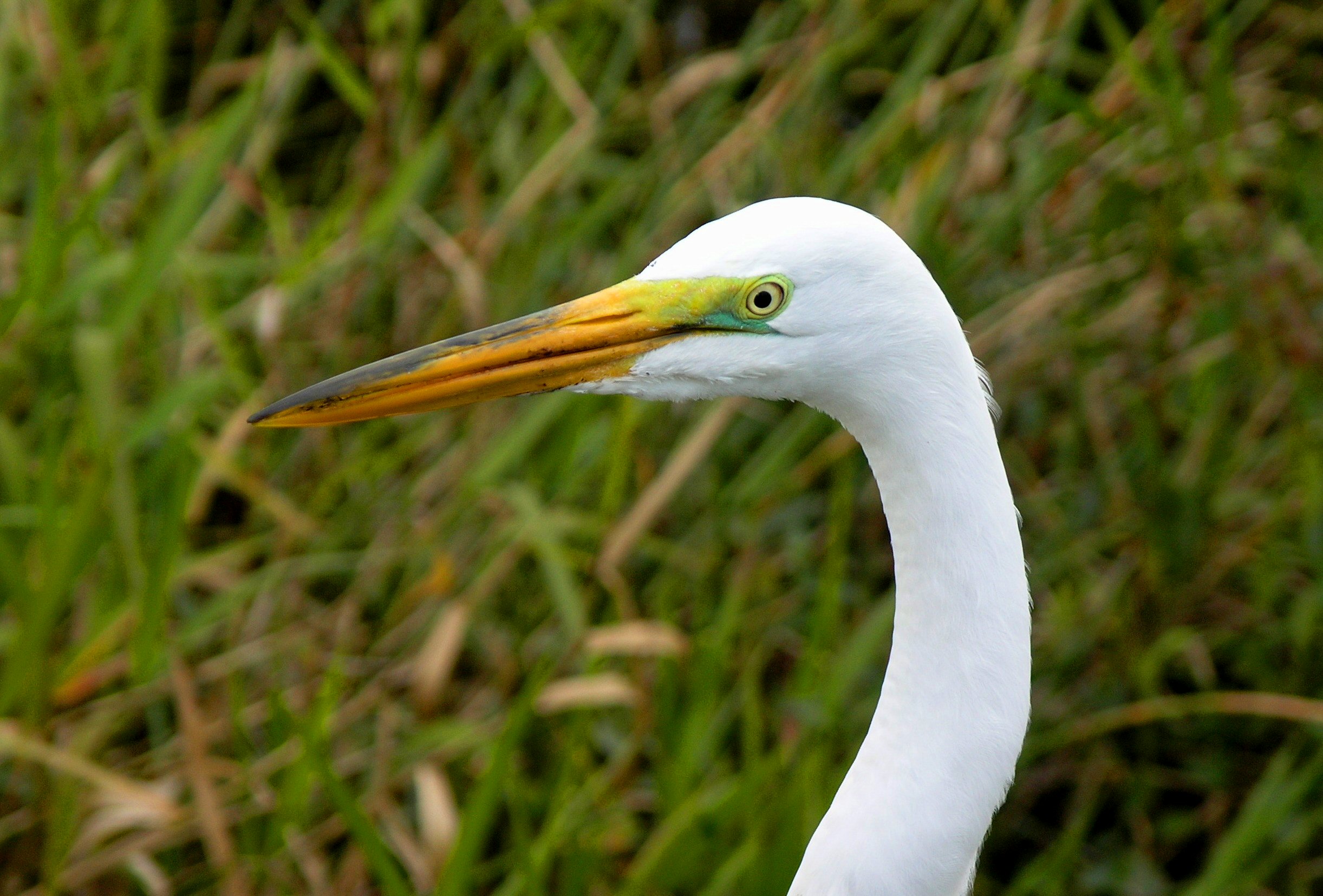
The great blue heron, standing up to four feet tall, dominates the wetland landscape with its patient hunting style. I've watched individual herons remain motionless for over an hour, waiting for the perfect moment to strike. Great egrets, equally impressive with their pure white plumage, often feed alongside their blue cousins but prefer slightly deeper water. Both species are year-round residents and excellent subjects for photographers visiting prime photography locations.
Roseate Spoonbills
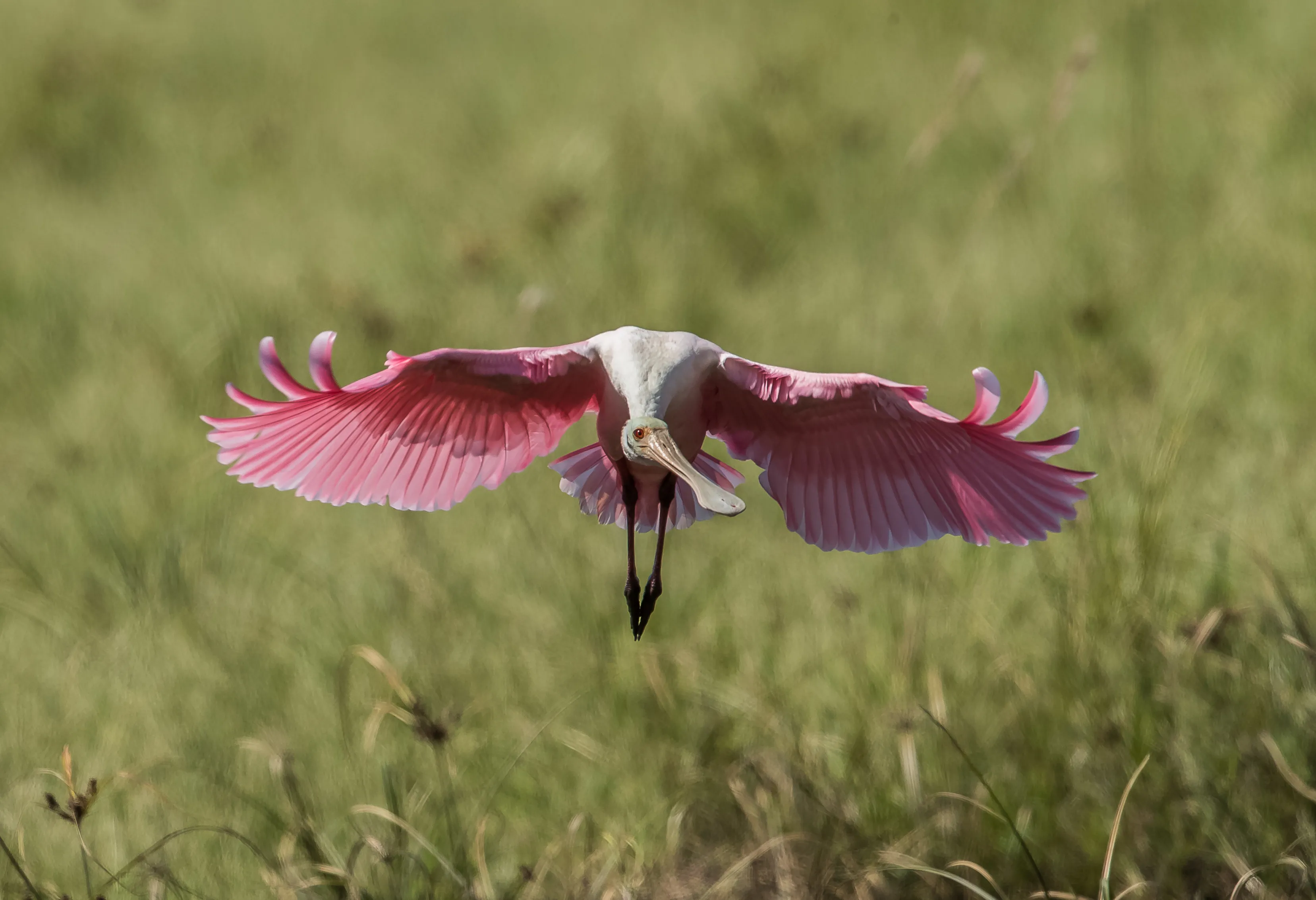
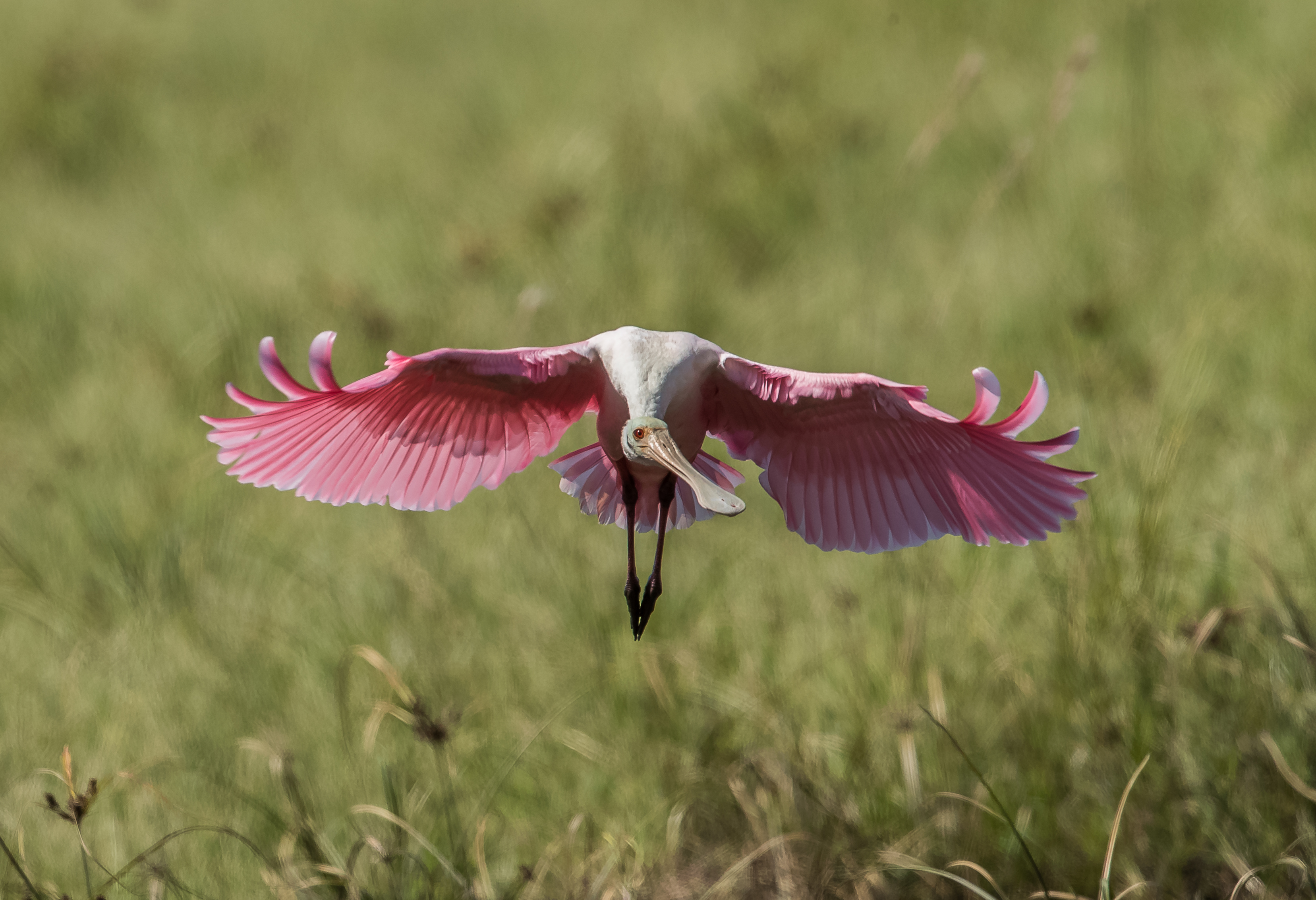
Perhaps the most iconic of all birds of Everglades National Park, roseate spoonbills create unforgettable scenes with their pink plumage against green mangroves. Their specialized spoon-shaped bills sweep side to side through the water, detecting small fish and crustaceans. I've observed flocks of over 100 spoonbills during peak nesting season at Joe Key, creating one of nature's most stunning spectacles.
Wood Storks and White Ibis
Wood storks, North America's only native stork, employ a unique "grope feeding" technique that fascinates visitors. Their specialized bills can snap shut in 25 milliseconds upon detecting prey. White ibis, the most common wading bird in the park, probe the muddy bottoms with their curved bills, primarily seeking crayfish. Understanding their feeding patterns helps predict the best times to visit specific areas for optimal viewing opportunities.
Pro Tip: Early morning hours between 6-9 AM provide the best wading bird activity, especially during the dry season when fish concentrate in smaller water bodies.
Birds of Prey You'll Encounter
The raptors among the birds of Everglades National Park showcase incredible hunting adaptations and provide thrilling wildlife encounters. During my extensive field research, I've documented the behaviors of over a dozen raptor species, each filling unique ecological niches within this complex ecosystem. These apex predators play crucial roles in maintaining the delicate balance of Everglades wildlife populations.
Osprey and Bald Eagles
Osprey, often called fish hawks, demonstrate remarkable fishing prowess that never fails to impress visitors. I've witnessed these specialized hunters dive from heights of 100 feet, emerging with fish grasped perfectly in their talons. Bald eagles, though less common, provide unforgettable sightings, particularly around the Flamingo area where they nest in tall mangroves. Both species benefit from the abundant fish populations that make the Everglades their preferred hunting grounds.
Red-shouldered Hawks and Swallow-tailed Kites
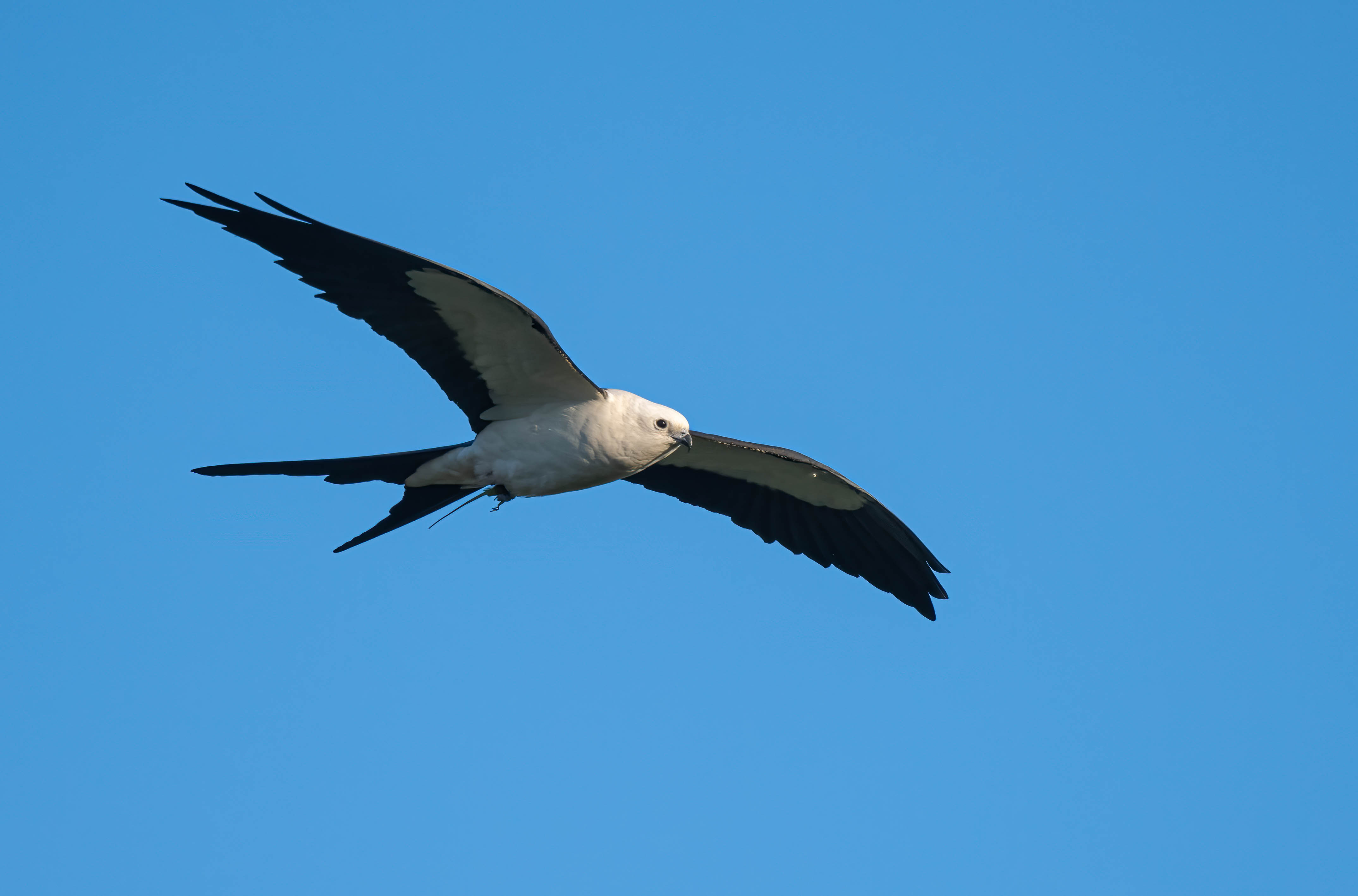
Red-shouldered hawks, permanent residents of the park, patrol the woodland edges and cypress domes with their distinctive calls echoing through the hammocks. Swallow-tailed kites arrive during spring migration, creating spectacular aerial displays as they hunt insects and small reptiles. Their graceful flight patterns have provided some of my most memorable photography opportunities over the sawgrass prairies.
Snail Kites and Barred Owls
The endangered snail kite represents one of the most specialized birds of Everglades National Park, feeding almost exclusively on apple snails. Watching these medium-sized raptors extract snails from their shells demonstrates nature's incredible adaptations. Barred owls, active during dawn and dusk, provide haunting calls that enhance the mystical atmosphere of evening camping experiences.
Understanding raptor behavior patterns significantly improves your chances of memorable encounters. Most birds of prey are most active during the first and last two hours of daylight, when thermal conditions and prey activity align perfectly. Proper safety precautions ensure enjoyable wildlife viewing while respecting these magnificent predators' natural behaviors.
Water Birds and Waterfowl
Beyond the famous wading birds, the birds of Everglades National Park include remarkable water-adapted species that showcase unique evolutionary solutions to aquatic life. These specialized hunters, swimmers, and divers create dynamic wildlife scenes throughout the park's diverse aquatic habitats, from freshwater sloughs to saltwater Florida Bay.
Anhingas and Cormorants
Anhingas, nicknamed "snake birds" for their swimming behavior, provide fascinating observations along the famous Anhinga Trail. Unlike other water birds, anhingas lack waterproof feathers, requiring them to spread their wings to dry after each dive. Double-crested cormorants, more commonly seen in groups, demonstrate cooperative fishing behaviors that have captivated my attention during numerous kayaking expeditions through the park's waterways.
Purple Gallinules and Common Gallinules
Purple gallinules rank among the most colorful birds of Everglades National Park, with their iridescent blue-purple plumage creating stunning photographic opportunities. These chicken-sized birds walk on lily pads with their oversized feet, demonstrating remarkable balance. Common gallinules, though less colorful, exhibit interesting territorial behaviors that make them equally fascinating subjects for patient observers.
Brown and White Pelicans
Both pelican species frequent the coastal areas of the park, with brown pelicans demonstrating spectacular diving behaviors from considerable heights. American white pelicans, winter visitors with nine-foot wingspans, cooperatively herd fish in Florida Bay's shallow waters. Their synchronized feeding behaviors create unforgettable wildlife encounters during peak winter months.
Water temperature and seasonal changes dramatically affect the distribution and behavior of these aquatic birds. During my winter visits, I've documented peak diversity when northern migrants join year-round residents, creating exceptional viewing opportunities. The dry season's stable weather patterns consistently provide optimal conditions for observing water bird behaviors and interactions.
Best Locations for Bird Watching in the Everglades
After years of exploring every corner of the park, I've identified the premier locations where the birds of Everglades National Park can be reliably observed throughout different seasons. Each location offers unique advantages based on habitat types, accessibility, and seasonal bird concentrations. Strategic planning around these locations maximizes your birding success while minimizing travel time.
Anhinga Trail and Royal Palm Area
The Anhinga Trail remains the park's premier birding location, offering guaranteed sightings of multiple species within a short 0.8-mile walk. During early morning hours, I've consistently observed great blue herons, anhingas, purple gallinules, and various egret species. The boardwalk design provides excellent photography angles while protecting the sensitive wetland environment. Adjacent Gumbo Limbo Trail adds woodland species to your day list.
Shark Valley and Pa-hay-okee Overlook
Shark Valley's 15-mile tram road traverses prime wading bird habitat, with the observation tower providing panoramic views of thousands of birds during peak season. Pa-hay-okee Overlook, a short boardwalk through dwarf cypress, consistently produces sightings of raptors and woodland species. Both locations showcase the birds of Everglades National Park in their natural sawgrass prairie habitat.
Flamingo and Florida Bay
The Flamingo area concentrates incredible bird diversity where freshwater meets saltwater. Eco Pond, a small freshwater impoundment, attracts dozens of species, while the marina provides excellent shorebird viewing. Florida Bay's numerous keys host nesting colonies of spoonbills, egrets, and other colonial waterbirds. Trail options include Snake Bight Trail for shorebirds and West Lake for mangrove species.
Timing visits to these locations requires understanding seasonal patterns and daily activity cycles. Dawn and dusk provide peak activity periods, while midday offers better lighting for photography. Checking recent sightings through eBird and consulting with park rangers ensures you're targeting the right locations for current conditions and recent bird activity patterns.
Essential Equipment for Everglades Birding
Successful observation of the birds of Everglades National Park requires proper equipment suited to the unique challenges of subtropical wetland birding. After years of field experience and equipment testing, I've identified essential gear that enhances your birding experience while withstanding the park's humid, challenging conditions.
Field Guides and Identification Resources

Birds of Florida Field Guide
Essential identification guide specifically designed for Florida's bird species
This comprehensive guide covers 146 Florida bird species, organized by color for quick field identification. Perfect for identifying the diverse birds of Everglades National Park with detailed range maps and behavior descriptions.
Buy on Amazon - $14.33
Everglades National Park Adventure Set
Complete trail map and wildlife guide specifically for the park
This specialized set includes detailed trail maps and wildlife identification guide specifically designed for Everglades National Park visitors, making it invaluable for navigating birding locations.
Buy on Amazon - $17.38Optical Equipment

Celestron Regal ED 8x42 Binoculars
Professional-grade binoculars perfect for bird watching
These premium binoculars feature ED glass and advanced coatings for exceptional clarity when observing birds of Everglades National Park. Weather-sealed construction withstands humid conditions.
Buy on Amazon - $325Beginner-Friendly Resources

Florida Birdwatching Field Guide For Beginners
Interactive handbook with audio features for 100 common species
This innovative guide includes birdsong audio access and interactive identification tips, perfect for newcomers to birding who want to identify birds of Everglades National Park effectively.
Buy on Amazon - $22.99
North American Bird Watching for Beginners
Comprehensive starter guide covering 150 species with field notes
This bestselling guide provides foundational knowledge for identifying North American birds, including many species found among the birds of Everglades National Park, with practical field techniques.
Buy on Amazon - $8.45Additional essential equipment includes moisture-resistant notebooks, insect repellent, sunscreen, and plenty of water. The Everglades' subtropical climate requires preparation for high humidity, intense sun exposure, and seasonal insect activity. Quality equipment protects your investment while ensuring comfortable, productive birding experiences throughout your visits.
Expert Birding Guide to the Everglades
Professional birding guide Bob Duchesne shares expert insights about safely observing the incredible birds of Everglades National Park
FAQ About Birds of Everglades National Park
What time of year is best for seeing birds of Everglades National Park?
The dry season from December through April offers the best birding conditions when water levels are low, concentrating wildlife in accessible areas. During this period, northern migrants join resident species, creating peak diversity. Early morning hours between 6-9 AM provide optimal activity levels when birds are most active feeding and calling. I've consistently documented the highest species counts during January and February visits, with over 100 species possible in a single day.
How many different bird species can I expect to see in the Everglades?
Everglades National Park hosts over 360 documented bird species, though typical day visits yield 40-80 species depending on season, weather, and locations visited. Dedicated birders spending multiple days can exceed 150 species during peak season. The park's diverse habitats support everything from tiny hummingbirds to massive wood storks, with wading birds being the most conspicuous and reliable sightings. Rare species appear regularly, making every visit potentially rewarding for serious birders seeking additions to their life lists.
What makes the birds of Everglades National Park unique compared to other locations?
The Everglades' position at the intersection of temperate and tropical zones creates unique bird communities found nowhere else in North America. Specialized species like snail kites, mangrove cuckoos, and white-crowned pigeons occur rarely outside South Florida. The park's vast wetland ecosystem supports North America's largest wading bird colonies, with spectacular concentrations during nesting season. This "River of Grass" provides critical habitat for endangered species while serving as a crucial stopover for millions of migratory birds along the Atlantic Flyway.
What equipment do I need for successful bird watching in the Everglades?
Quality binoculars (8x42 recommended) are essential for observing distant birds across open wetlands, while a Florida-specific field guide helps with accurate identification. Sun protection, insect repellent, and plenty of water are crucial for comfort in the subtropical climate. A spotting scope enhances viewing of distant wading bird colonies, though binoculars suffice for most situations. Waterproof field notes and a camera with telephoto capabilities document your sightings and capture memorable moments of these incredible birds.
Are there guided bird watching tours available in Everglades National Park?
Several reputable companies offer specialized birding tours led by expert guides familiar with seasonal patterns and rare species locations. Ranger-led programs provide educational experiences focusing on bird ecology and conservation efforts. Private guides offer customized experiences targeting specific species or photography opportunities. Many tours include transportation to prime locations and professional-grade spotting equipment. Booking advance tours during peak season (December-April) ensures availability and access to experienced guides who know the current birding hotspots and recent rare bird sightings.
Conclusion
The birds of Everglades National Park represent one of North America's most extraordinary wildlife experiences, offering encounters with species found nowhere else on the continent. Through my years of exploration and documentation, I've witnessed the incredible diversity that makes this UNESCO World Heritage Site a global birding destination. From the iconic roseate spoonbills painting pink reflections across Florida Bay to the patient great blue herons standing sentinel in morning mist, every visit reveals new wonders.
Understanding seasonal patterns, optimal locations, and proper equipment dramatically enhances your birding success in this unique ecosystem. The park's 360+ documented species include rare endemics, spectacular colonies of wading birds, and diverse migrants that utilize the Everglades as a critical stopover along the Atlantic Flyway. Whether you're a beginning birder or an experienced ornithologist, the Everglades offers experiences that will deepen your appreciation for avian adaptations and conservation needs.
Conservation efforts continue protecting these magnificent birds and their wetland habitats for future generations. By visiting responsibly and supporting park programs, birders contribute directly to preservation efforts while experiencing some of the world's most spectacular bird watching. Plan your visit during the optimal dry season, arrive early for peak activity, and prepare for encounters with species that will create lifelong memories.
The birds of Everglades National Park await your discovery in this remarkable "River of Grass" where every dawn brings new possibilities for extraordinary wildlife encounters. Start planning your birding adventure today and prepare to be amazed by the incredible diversity and beauty of South Florida's avian treasures.
Ready to Explore the Birds of Everglades National Park?
Discover more essential guides and planning resources for your next wildlife adventure!
Start Planning Your Visit