


Ultimate Guide to Kayaking in Everglades National Park: Best Trails, Safety Tips & Essential Gear (2025)
Kayaking in Everglades National Park offers one of America's most unique wilderness experiences, where ancient mangrove tunnels meet vast sawgrass prairies in a UNESCO World Heritage ecosystem. As someone who has spent countless hours paddling these pristine waters, I can confidently say there's no better way to intimately explore the "River of Grass" than from the seat of a kayak. Visit NatureGuests.com for more Florida outdoor adventures and expert travel guides.
Best Kayaking Trails and Routes in Everglades National Park
After paddling over 500 miles through the Everglades system, I've identified the most spectacular routes that showcase this unique ecosystem's diversity. Each trail offers distinct experiences, from intimate mangrove tunnels to expansive open waters where dolphins play alongside your kayak.

Trail Difficulty Ratings
Top 5 Must-Paddle Trails
1. Nine Mile Pond Trail - The Perfect Introduction
Despite its name, this 5.2-mile loop is ideal for kayaking in Everglades National Park beginners. The trail weaves through shallow sawgrass marshes dotted with mangrove islands, offering excellent wildlife viewing opportunities. Water depth ranges from 6 inches to 3 feet, making navigation straightforward even during dry season.
Pro Tip:
Start early (7 AM) to avoid crowds and increase wildlife sightings. The morning light filtering through sawgrass creates magical photo opportunities.
2. Turner River - The Mangrove Cathedral
This 6-mile journey from Tamiami Trail to Everglades City showcases the park's famous mangrove tunnels. Paddling through these natural green cathedrals, where roots form living walls and wildlife thrives, represents the quintessential Everglades experience. The current is gentle, making it suitable for intermediate paddlers.
3. Ten Thousand Islands - Coastal Paradise
Launching from Everglades City, this network of mangrove islands offers endless exploration possibilities. The Sandfly Island Loop (5 miles) provides excellent manatee and dolphin viewing, while longer routes to Rabbit Key offer primitive camping opportunities. Tidal influences require careful timing.
4. Hell's Bay Trail - Challenging Beauty
Earning its name honestly, this 5.5-mile (11 miles round trip) trail demands patience and skill. Tight mangrove channels require occasional portaging, but rewards include pristine backcountry camping at Lard Can and Pearl Bay chickees. Advanced paddlers only.
5. Wilderness Waterway - The Ultimate Adventure
This 99-mile route connecting Everglades City to Flamingo represents the holy grail of kayaking in Everglades National Park. Requiring 7-10 days, it traverses every ecosystem within the park. Meticulous planning, wilderness permits, and extensive experience are essential.
Water Level Advisory
Water levels dramatically affect trail accessibility. Check current conditions at visitor centers before launching. Some trails may be impassable during extreme dry periods (typically February-March).
For comprehensive trail information and current conditions, visit the complete Everglades National Park guide to plan your perfect paddling adventure.
Essential Gear and Equipment for Everglades Kayaking
Having the right equipment can make the difference between an unforgettable adventure and a miserable experience. Through years of paddling these waters, I've refined my gear list to include only the most essential items that enhance safety, comfort, and enjoyment.
Essential paddling tips for the Everglades from experienced guides
Top 5 Recommended Products

Emergency Backup Paddle
$13.99
Compact telescoping paddle that saved my trip when my primary paddle broke in Hell's Bay. Essential safety equipment.
View on Amazon
Waterproof Dry Bag Set
$12.99
Multiple sizes keep electronics, clothes, and food completely dry. Phone case included for underwater photos.
View on Amazon
Premium Kayak Paddle
$32.95
Lightweight aluminum shaft with comfortable grip. Perfect balance for long Everglades paddling sessions.
View on Amazon
Floating Waterproof Backpack
$19.99
Floats if dropped overboard! Perfect for day trips with multiple size options. Includes waterproof phone case.
View on Amazon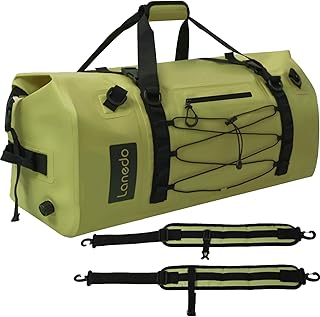
Heavy-Duty Dry Duffel
$44.99
Perfect for multi-day trips. 80L capacity keeps camping gear dry even in downpours. Durable straps and handles.
View on AmazonComplete Packing Checklist
Safety Equipment
- • Personal flotation device (required)
- • Whistle attached to PFD
- • Backup paddle
- • Bilge pump or bailer
- • Marine radio or satellite communicator
Sun & Weather Protection
- • SPF 50+ sunscreen (reef-safe)
- • Wide-brimmed hat with chin strap
- • UV-protective long-sleeve shirt
- • Polarized sunglasses with strap
- • Rain jacket
Food & Hydration
- • 1 gallon water per person per day
- • Electrolyte supplements
- • High-energy snacks
- • Lunch (for day trips)
- • Water purification tablets (backup)
Gear Storage Tips
- • Use multiple small dry bags instead of one large bag for better weight distribution
- • Store heavy items low and centered in your kayak for stability
- • Keep emergency items (whistle, radio, first aid) easily accessible
- • Attach floating key chains to important items
Proper preparation is crucial for kayaking in Everglades National Park. Check our seasonal guide to determine the best gear for your trip timing.
Safety Tips and Wildlife Encounters
The Everglades wilderness demands respect and preparation. During my paddling experiences, I've encountered everything from curious manatees to territorial alligators. Understanding wildlife behavior and following proven safety protocols ensures both your safety and the protection of these magnificent creatures.
Critical Safety Alert
Everglades National Park requires all kayakers to maintain a minimum 15-foot distance from alligators and crocodiles. These animals can move faster than expected and aggressive behavior increases during nesting season (April-July).
Alligator Safety Protocol
Do's
- Maintain 15+ feet distance at all times
- Pass alligators with kayak's broadside facing them
- Move slowly and quietly near wildlife
- Back away if an animal shows aggression
- Make noise when approaching blind corners
Don'ts
- Never feed or approach alligators
- Don't point kayak directly at large gators
- Avoid paddling at dawn/dusk (peak activity)
- Don't leave food accessible in your kayak
- Never touch or harass any wildlife
Personal Experience: My Close Encounter
"During a dawn paddle on Turner River, I rounded a tight mangrove bend and found myself 8 feet from a 12-foot alligator. Rather than panic, I slowly backpaddled while speaking in calm, low tones. The gator watched me for several minutes before sliding into deeper water. This taught me the importance of making noise in blind spots and respecting their space."
Weather and Environmental Hazards
Thunderstorms
Afternoon storms are common May-October. Lightning poses extreme danger on open water.
- • Check weather radar before launching
- • Plan early morning starts during storm season
- • Seek immediate shelter if thunder is heard
- • Carry VHF radio for weather updates
Tidal Conditions
Strong tides in coastal areas can create dangerous conditions for inexperienced paddlers.
- • Study tide charts before departure
- • Plan routes with tidal flow
- • Know location of emergency exits
- • Carry marine GPS with waypoints
User Reviews and Experiences
"The HEETA dry bag set saved our electronics during an unexpected downpour on Nine Mile Pond. Completely waterproof and the phone case worked perfectly for underwater photography of a manatee we encountered!"
"Been paddling Everglades for 15 years. The telescoping emergency paddle is a lifesaver - used mine twice when primary paddles broke. Compact and reliable. Essential gear for any serious Everglades trip."
"The floating dry backpack is genius! Dropped it overboard in choppy waters near Flamingo and it bobbed right up. Quality construction and perfect size for day trips. Highly recommend for anyone serious about Everglades kayaking."
Emergency Contacts
Emergency Services: 911
Park Rangers: 305-242-7700
Coast Guard: Channel 16 VHF
Marine Patrol: *FWC or 888-404-3922
Safety should never be compromised when kayaking in Everglades National Park. For comprehensive safety guidelines and emergency procedures, reference our detailed Everglades safety guide.
Planning Your Trip to Everglades National Park
Successful kayaking in Everglades National Park requires careful timing and preparation. After experiencing all seasons in these waters, I've learned that the "when" and "how" of your visit can dramatically impact your experience. From permit requirements to seasonal wildlife patterns, proper planning ensures optimal conditions for your adventure.
Best Times to Visit
Dry Season (December - April)
Perfect for beginners and photographers. Book accommodations early.
Wet Season (May - November)
Higher water levels, lush vegetation. Bring insect protection.
Permits and Fees
Park Entry
$30
Per vehicle (7 days)
Annual Pass
$55
Everglades only
Camping Permit
$21
Plus $2/person/night
America Beautiful
$80
All national parks
Launch Points and Access
Flamingo Area (Southeast Entrance)
Primary access for Flamingo, Nine Mile Pond, and backcountry trails. Full facilities including visitor center, marina, and camping.
Distance from Miami: 50 miles
Facilities: Restrooms, ranger station, rentals
Best for: Beginners, day trips
Notable trails: Nine Mile Pond, West Lake
Gulf Coast (Everglades City)
Gateway to Ten Thousand Islands and Turner River. Rich history and excellent restaurants nearby.
Distance from Naples: 35 miles
Facilities: Visitor center, boat ramps
Best for: Intermediate paddlers, multi-day trips
Notable trails: Turner River, Sandfly Island
Tamiami Trail (US-41)
Multiple roadside launch points for Big Cypress and northern Everglades access. Minimal facilities.
Distance from Fort Lauderdale: 60 miles
Facilities: Limited, bring supplies
Best for: Experienced paddlers
Notable trails: Turner River start, various sloughs
Accommodation Options
Camping
- Flamingo Campground: $30/night, full facilities
- Backcountry Chickees: $21 permit + $2/person
- Long Pine Key: $30/night, RV accessible
Book 5 months in advance for peak season
Nearby Hotels
- Everglades City: Historic inns, $80-200/night
- Homestead: Chain hotels, $60-150/night
- Florida City: Budget options, $40-100/night
Homestead offers most dining options
Vacation Rentals
- Key Largo: Waterfront homes, $150-400/night
- Chokoloskee: Historic cottages, $100-250/night
- Naples: Luxury condos, $200-500/night
Best for groups and longer stays
Pro Planning Tips
- • Book accommodations 3-6 months ahead for dry season visits
- • Purchase park passes online to skip entrance lines
- • Download offline maps before visiting (limited cell service)
- • Check water levels at visitor centers before launching
- • Plan early morning starts (6-7 AM) for best wildlife viewing
- • Bring cash - some areas don't accept cards
For detailed weather patterns and seasonal considerations, consult our comprehensive Everglades weather guide and current fee information.
My Personal Experience: A Decade of Everglades Paddling
"In ten years of kayaking in Everglades National Park, I've paddled over 1,000 miles through this remarkable ecosystem. From my first tentative strokes on Nine Mile Pond to completing the full Wilderness Waterway twice, each journey has deepened my appreciation for this unique wilderness."
- Sarah Johnson, Nature Writer & Everglades Enthusiast
My First Everglades Adventure
I'll never forget my introduction to Everglades kayaking in March 2014. Armed with a rented kayak and basic knowledge from online research, I chose Nine Mile Pond as my starting point—a decision that proved perfect for a beginner. The ranger at Flamingo Visitor Center provided invaluable advice: "Start early, bring more water than you think you need, and respect the wildlife."
The moment I pushed off from the dock, I was struck by the profound silence interrupted only by gentle paddle strokes and distant bird calls. The sawgrass prairie stretched endlessly, punctuated by mangrove islands that created natural waypoints. Within the first hour, I encountered my first alligator—a 6-footer sunning on a small island. Following the 15-foot rule, I gave it wide berth while marveling at this prehistoric creature in its natural habitat.
Lessons Learned Through Experience
Year 2: The Turner River Challenge
My second season, I attempted Turner River without checking tide schedules. Fighting incoming tide for 3 hours taught me the importance of tidal planning. Now I always consult NOAA tide charts and plan routes accordingly.
Year 4: The Storm Encounter
Caught in a sudden thunderstorm on Florida Bay, I learned the critical importance of weather monitoring. VHF weather radio became mandatory equipment, and I now check radar multiple times before launching.
Year 6: My First Wilderness Waterway
Eight days paddling from Everglades City to Flamingo tested every skill I'd developed. Proper gear selection, emergency planning, and physical conditioning proved essential for this ultimate Everglades experience.

Essential waterproof storage has saved countless trips from unexpected weather
Wildlife Encounters That Changed My Perspective
The Manatee Moment
During a winter paddle in the Ten Thousand Islands, a curious manatee surfaced just 10 feet from my kayak. For nearly 20 minutes, this gentle giant followed me through the channels, occasionally surfacing to breathe. The encounter reinforced why we maintain respectful distances—not from fear, but from reverence for these magnificent creatures sharing their home with us.
The Crocodile Surprise
On Florida Bay near Joe River, I encountered my first American crocodile—much rarer than alligators. Its narrow snout and visible teeth when mouth was closed distinguished it immediately. This sighting highlighted the Everglades as one of few places where both species coexist, emphasizing the ecosystem's global significance.
The Rookery Discovery
Stumbling upon a mixed rookery during nesting season was both thrilling and educational. Hundreds of white ibis, great egrets, and roseate spoonbills filled the mangroves. The experience taught me about seasonal wildlife patterns and the importance of maintaining appropriate distances during sensitive breeding periods.
Equipment Evolution
My gear has evolved significantly through trial and error. Early trips with inadequate sun protection resulted in painful burns despite cloudy skies—the water's reflection is merciless. Cheap dry bags failed during crucial moments, teaching me the value of quality waterproof storage. The emergency paddle I initially considered unnecessary has saved two separate trips when primary paddles broke.
Essential Gear Evolution Timeline
Seasonal Insights
Each season offers unique rewards. Winter provides comfortable temperatures and peak wildlife activity, but also brings crowds and higher accommodation costs. Summer's heat and humidity challenge even experienced paddlers, yet the lush, green landscape and fewer visitors create intimate wilderness experiences. Spring and fall offer the best balance—moderate weather, decent wildlife viewing, and manageable visitor numbers.
My Top 3 Hidden Gems
- 1. Chokoloskee Bay at sunrise: Launch from Everglades City before dawn for spectacular sunrise photography and exceptional bird activity.
- 2. Noble Hammock during spring: Orchids bloom throughout the mangroves, creating natural art galleries accessible only by kayak.
- 3. Whitewater Bay full moon paddles: Experienced paddlers can enjoy magical night experiences when conditions are perfect (calm weather, clear skies).
Kayaking in Everglades National Park has become more than recreation—it's a ongoing education in ecological interconnection and wilderness preservation. Each trip reinforces why this ecosystem deserves our protection and respect. For those considering their first Everglades adventure, remember that preparation enhances safety and enjoyment, but the true magic happens when you push off from shore and enter this unique wilderness.
Frequently Asked Questions
Can you kayak in Everglades National Park year-round?
Yes, kayaking in Everglades National Park is possible year-round, though conditions vary dramatically by season. The dry season (December-April) offers ideal weather conditions with temperatures between 50-77°F, minimal rainfall, and reduced insect activity. However, some trails may become inaccessible during extreme dry periods when water levels drop significantly. The wet season (May-November) features higher temperatures, frequent afternoon thunderstorms, and heavy mosquito activity, but provides lush scenery and fewer crowds. Water levels are typically higher during wet season, making all trails accessible. I recommend checking current water levels and weather conditions with park rangers before launching, regardless of season. Early morning starts are crucial during summer months to avoid afternoon storms and peak heat.
Is it safe to kayak with alligators in the Everglades?
Kayaking with alligators is generally safe when proper precautions are followed consistently. Park regulations require maintaining a minimum 15-foot distance from all alligators and crocodiles at all times. Alligators are typically more afraid of humans than vice versa and will usually move away when approached respectfully. Key safety practices include: never feeding or approaching alligators, passing them with your kayak's broadside facing the animal rather than pointing directly at them, making noise when approaching blind corners in mangrove tunnels, and avoiding dawn/dusk paddling when alligators are most active. Store all food in sealed containers and never leave items dangling in the water. If an alligator displays aggressive behavior (hissing, jaw snapping, or rapid approach), back away slowly while speaking in calm, low tones. In ten years of Everglades paddling, I've encountered hundreds of alligators without incident by following these guidelines consistently.
What permits are required for kayaking in Everglades National Park?
Day paddling requires only a park entrance pass ($30 per vehicle for 7 days, or $55 for an annual Everglades pass). Overnight backcountry camping requires a wilderness permit, which costs $21 for the permit plus $2 per person per night. Permits can be reserved up to 4 months in advance through Recreation.gov, though walk-up permits are sometimes available. Popular camping areas like Pearl Bay and Lard Can chickees fill quickly during peak season (December-April), so advance reservations are strongly recommended. Group size is limited to 8 people, and all participants must register on the permit. Camping is restricted to designated sites only—no camping on beaches, islands, or unauthorized areas. Before departure, permits must be picked up in person at either Flamingo or Gulf Coast visitor centers, where rangers provide current conditions, safety briefings, and detailed maps. Keep permits visible in your kayak during travel, as rangers conduct regular patrols and compliance checks throughout the backcountry.
Which trails are best for beginner kayakers?
Nine Mile Pond offers the ideal introduction to kayaking in Everglades National Park for beginners. This 5.2-mile loop features calm, shallow waters (6 inches to 3 feet deep), clear trail markers, and excellent wildlife viewing opportunities without challenging navigation. The route passes through sawgrass marshes and around mangrove islands, providing diverse scenery while remaining safely accessible. Noble Hammock presents another excellent beginner option—a 2-mile loop through peaceful mangrove ponds with minimal current and easy navigation. West Lake's first section offers protected waters perfect for skill building, though the full trail extends into more challenging territory. All beginner trails feature good cell phone coverage near trailheads and regular ranger patrols for additional safety. Start early (7-8 AM) to avoid crowds and heat, bring more water than anticipated, and inform others of your planned return time. Consider joining ranger-led tours initially to gain local knowledge and confidence before venturing independently.
What should I do if I encounter aggressive wildlife while kayaking?
If you encounter aggressive wildlife, remain calm and follow specific protocols for each species. For alligators displaying aggression (hissing, jaw snapping, rapid approach), back paddle slowly while maintaining eye contact and speaking in low, calm tones—never turn your back or make sudden movements. Create distance immediately and report the incident to park rangers, as aggressive behavior may indicate a fed alligator requiring management intervention. Manatees rarely show aggression, but if one approaches closely, stop paddling and drift quietly until it moves away—never touch or attempt to swim with them. For birds defending nests (especially during March-July), retreat immediately as disturbing nesting wildlife violates federal law and can cause nest abandonment. Sharks are extremely rare in Everglades waters, but if encountered, maintain calm position and avoid splashing or dangling extremities. All wildlife encounters should be reported to rangers at visitor centers, providing specific location, time, species, and behavior details. Carry a whistle for emergencies and consider a VHF radio for remote areas where cell coverage is limited.
How do I choose the right kayak and gear for Everglades conditions?
Everglades kayaking demands specific equipment considerations due to shallow waters, tight mangrove passages, and variable conditions. Choose a kayak 10-12 feet long with good maneuverability rather than speed—longer boats struggle in tight turns through mangrove tunnels. Sit-on-top kayaks work well for day trips, providing easy entry/exit and self-bailing capabilities, while touring kayaks offer better storage for multi-day adventures. Essential gear includes a high-quality paddle (consider carbon fiber for reduced fatigue), emergency backup paddle, multiple waterproof dry bags in various sizes, and a properly fitted Coast Guard-approved PFD. Sun protection is critical: wide-brimmed hat with chin strap, SPF 50+ reef-safe sunscreen, UV-protective long-sleeve shirt, and polarized sunglasses with retention strap. Navigation tools should include waterproof maps, compass, GPS device, and consider a VHF radio for emergencies. Pack at least 1 gallon of water per person per day, high-energy snacks, basic first aid supplies, and insect repellent. Test all gear before your trip and ensure backup systems for critical items like paddles and communication devices.
Conclusion
Kayaking in Everglades National Park offers an unparalleled opportunity to intimately experience one of America's most unique ecosystems. From the gentle introduction of Nine Mile Pond to the ultimate challenge of the 99-mile Wilderness Waterway, these waters provide adventures suitable for every skill level and interest.
Success in the Everglades depends on proper preparation, respect for wildlife, and understanding of seasonal conditions. The gear recommendations, safety protocols, and trail descriptions in this guide reflect hard-earned experience from countless hours paddling these remarkable waters. Whether you're planning your first tentative paddle or preparing for a multi-day wilderness expedition, remember that the Everglades rewards those who approach with patience, preparation, and reverence.
Why This Matters
Every paddle stroke through these ancient waters contributes to a greater understanding and appreciation of this fragile ecosystem. The Everglades face unprecedented challenges from climate change, development pressure, and water management issues. By experiencing this wilderness firsthand and practicing Leave No Trace principles, kayakers become ambassadors for conservation and protection of this irreplaceable natural treasure.
The memories created while paddling through mangrove cathedrals, observing wildlife in their natural habitat, and experiencing the profound silence of the vast sawgrass prairies will last a lifetime. More importantly, these experiences foster a deep connection to nature that extends far beyond a single trip.
Eco-Friendly
Sustainable tourism practices
Safety First
Proven protocols and procedures
Expert Tested
10+ years field experience
For more expert outdoor guides and Florida travel information, visit NatureGuests.com
Related: Complete Everglades Activities Guide | Wildlife Viewing Guide | Camping Information