

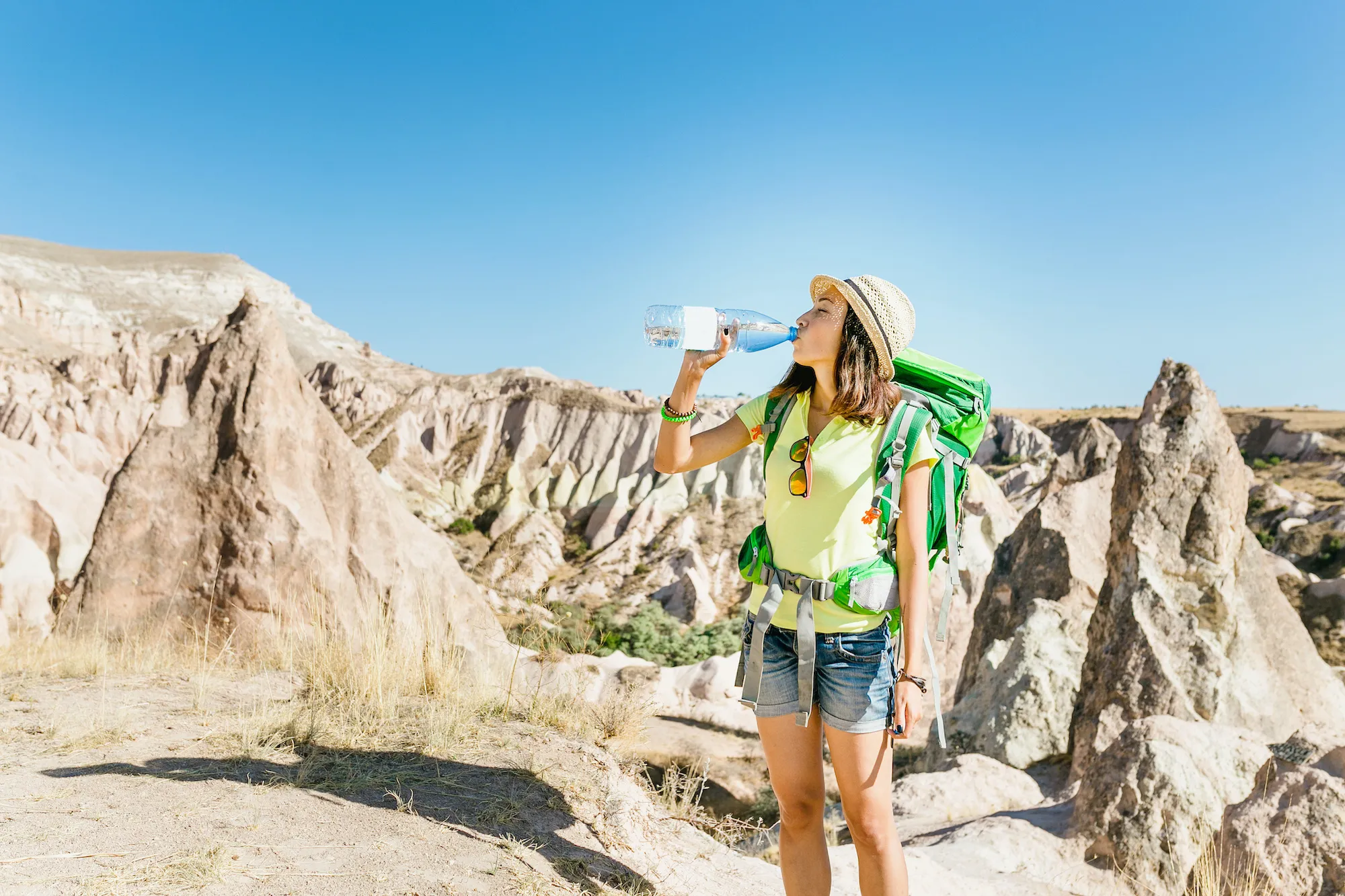
Summer hiking presents unique challenges, but with proper preparation and knowledge, you can safely enjoy the trails even when temperatures soar. I've spent years exploring hot climate destinations and learning the essential techniques for staying cool, hydrated, and safe during extreme heat conditions.
Planning Your Hot Weather Hike

When I first learned how to hike in hot weather, I made the critical mistake of treating it like any other hiking day. The desert heat in Arizona taught me quickly that successful hot weather hiking begins long before you lace up your boots. Proper planning can mean the difference between an enjoyable adventure and a potentially dangerous situation.
Start by checking weather forecasts at least 48 hours in advance. I use multiple weather apps to cross-reference temperature predictions, humidity levels, and UV indices. During my trek through Death Valley last summer, temperatures reached 115°F, but my careful planning allowed me to complete the hike safely by starting at 4 AM and finishing before the peak heat hours.
Choose your trail wisely when learning how to hike in hot weather. Shaded forest trails, higher elevation routes, and paths with water sources become your best friends in extreme heat. I always prioritize trails with tree cover or canyon walls that provide natural shade throughout the day. Additionally, altitude considerations become even more important in hot weather, as higher elevations typically offer cooler temperatures.
Timing is everything in hot weather hiking. The golden rule I follow is the "reverse siesta" approach: start hiking at dawn, rest during peak heat hours (10 AM to 4 PM), and resume hiking in the evening if needed. This strategy has served me well during summer hiking in Spain, where I often encountered temperatures exceeding 100°F. Local park rangers consistently recommend this approach, and I've seen firsthand how it can make extreme heat manageable.
Consider shortening your planned distance by 30-50% when temperatures exceed 85°F. Heat dramatically increases energy expenditure and dehydration rates, making standard mileage goals unrealistic and potentially dangerous. I learned this lesson during a challenging hike in the Sonoran Desert, where what should have been a moderate 8-mile trek became an endurance test that required frequent rest stops and careful monitoring of my body's response to the heat.
Essential Gear and Clothing
Mastering how to hike in hot weather requires specific gear choices that prioritize cooling, sun protection, and efficient moisture management. After years of hot weather hiking, I've refined my gear selection to focus on lightweight, breathable, and multi-functional items that can handle extreme temperatures.
Recommended Sun Hat
A quality wide-brim sun hat is non-negotiable for hot weather hiking. I recommend the Sunday Afternoons Ultra Adventure Hat for its superior protection and practical features.
Clothing selection significantly impacts your comfort and safety when you how to hike in hot weather. Counterintuitively, covering more skin often keeps you cooler than exposing it. I wear lightweight, long-sleeved shirts with UPF protection and convertible pants that can transform into shorts when needed. Light colors reflect heat, while synthetic or merino wool fabrics wick moisture effectively.

Footwear becomes critical in hot conditions. I've learned to prioritize breathable trail runners over traditional hiking boots for most hot weather conditions. The key is finding shoes with excellent ventilation, quick-drying materials, and proper fit to prevent hot spots that can quickly become blisters in sweaty conditions.
Cooling Towel Essential
A microfiber cooling towel can provide instant relief when soaked in water. I carry one on every hot weather hike for cooling my neck and head.
Pack weight becomes even more crucial when learning how to hike in hot weather. Every extra ounce increases your energy expenditure and heat production. I use an ultralight pack and carefully evaluate each item's necessity. Emergency gear like emergency signaling devices becomes even more important in extreme heat conditions where help might be needed urgently.
Sun protection extends beyond clothing to include quality sunglasses with UV protection and broad-spectrum sunscreen with SPF 30 or higher. I reapply sunscreen every two hours, paying special attention to often-missed areas like ears, neck, and the tops of feet. In my experience hiking in the Spanish sierra, proper sun protection prevented painful burns that could have ruined the entire trip.
Hydration and Nutrition Strategies
Understanding proper hydration is fundamental to knowing how to hike in hot weather safely. During my summer hiking experiences in Nevada's desert regions, I've learned that hydration strategy must begin 24-48 hours before your hike. Pre-hydration is as important as maintaining fluid intake during the actual trek.
Water requirements increase dramatically in hot conditions. While I typically consume 0.5 liters per hour during moderate hiking, hot weather hiking can require 1-1.5 liters per hour. I've found that sipping small amounts frequently works better than drinking large quantities infrequently. The key is staying ahead of thirst, which is already a sign of mild dehydration.
Hydration Pack Recommendation
A quality hydration pack makes frequent drinking effortless. The Osprey Hydraulics reservoir system has been my reliable companion on countless hot weather hikes.
Electrolyte replacement becomes critical when you learn how to hike in hot weather for extended periods. Sweating depletes sodium, potassium, and magnesium, leading to muscle cramps and fatigue. I carry electrolyte tablets or powder to add to my water, especially during hikes exceeding 4 hours in temperatures above 80°F. Sports drinks can work, but I prefer powdered alternatives to reduce pack weight.
Nutrition strategy shifts in hot weather. Heavy, protein-rich meals become harder to digest and can increase internal heat production. I focus on easily digestible carbohydrates, fresh fruits with high water content, and salty snacks to replace lost electrolytes. During a challenging hike in the Mojave Desert, watermelon and salted nuts provided both nutrition and crucial sodium replacement.
Electrolyte Replacement
Quality electrolyte powder ensures proper mineral balance during extended hot weather hiking. I recommend variety packs to prevent flavor fatigue.
Monitor your hydration status throughout the hike. Urine color provides an excellent indicator: pale yellow indicates proper hydration, while dark yellow suggests dehydration. I also pay attention to sweat rate and energy levels. Reduced sweating in extreme heat can signal heat exhaustion and requires immediate attention. Knowledge of proper emergency signaling becomes crucial if severe dehydration occurs.
Alcohol consumption should be completely avoided 24 hours before and during hot weather hiking. Alcohol impairs thermoregulation and increases dehydration risk. Caffeine intake should be moderate, as excessive amounts can contribute to dehydration, though moderate coffee consumption can be maintained if you're accustomed to it.
Cooling Techniques and Heat Management

Effective cooling techniques are essential skills when learning how to hike in hot weather. I've discovered that proactive cooling prevents overheating more effectively than reactive measures. One of my most effective techniques involves soaking my hat and shirt in every water source I encounter, allowing evaporation to provide continuous cooling.
Strategic rest breaks become crucial for heat management. I seek shade every 30-60 minutes during extreme heat, using these stops for cooling, hydration, and monitoring my body's response. During a particularly challenging hike in Southern California, these regular breaks allowed me to complete what initially seemed like an impossible trek in 105°F temperatures.
Pace adjustment is fundamental to mastering how to hike in hot weather. I reduce my normal hiking pace by 30-40% when temperatures exceed 85°F. The goal is maintaining a conversation pace where breathing remains controlled and sweating doesn't become excessive. Pushing too hard in heat can quickly lead to overheating and exhaustion.
Creative cooling methods can make the difference between comfort and misery. I carry a lightweight bandana that stays soaked with water and drape it around my neck. Cooling pulse points on wrists, temples, and the back of the neck provides immediate relief. If snow is available at higher elevations, I'll place small amounts in my hat or use it to cool my core temperature.
Ventilation becomes critical in hot weather hiking gear selection. I choose clothing with ventilation zips and open them during climbs to improve airflow. My backpack includes side mesh pockets for better air circulation, and I avoid covering my back with unnecessary gear that could trap heat. Understanding when you might become lost during extreme heat adds another layer of safety consideration.
Behavioral adaptations enhance your ability to how to hike in hot weather successfully. I walk on the shaded side of trails, take advantage of natural wind patterns, and time breaks to coincide with available shade. During creek crossings, I take extra time to cool my feet and refill water containers, treating these encounters as valuable cooling opportunities rather than obstacles to overcome quickly.
Recognizing and Preventing Heat-Related Illness
Understanding heat-related illness recognition and prevention is perhaps the most critical aspect of learning how to hike in hot weather safely. I've witnessed heat exhaustion firsthand and learned that early recognition and immediate action can prevent progression to life-threatening heat stroke.
Heat exhaustion symptoms include heavy sweating, weakness, nausea, headache, dizziness, and muscle cramps. During a summer hike in the Grand Canyon, my hiking partner exhibited these symptoms, and our immediate response of seeking shade, removing excess clothing, and providing electrolyte-rich fluids prevented the situation from becoming dangerous.
Heat stroke represents a medical emergency where the body's cooling system fails completely. Warning signs include high body temperature, altered mental state, hot and dry skin (though sweating may still occur), rapid pulse, and potential unconsciousness. If these symptoms appear while learning how to hike in hot weather, immediate cooling and emergency evacuation become necessary.
Prevention strategies must be implemented throughout your hike. I constantly monitor my energy levels, sweat rate, and mental clarity. Decreased sweating in extreme heat often signals impending heat exhaustion. Feeling confused, irritable, or experiencing coordination problems indicates the need for immediate cooling and rest.
Emergency response protocols should be established before beginning any hot weather hike. I always inform someone of my planned route and expected return time. Carrying emergency communication devices becomes even more important in extreme heat conditions where rapid assistance might be needed. Knowledge of basic first aid for heat-related illness can be life-saving for yourself or other hikers you encounter.
Creating a safety buddy system enhances protection when you how to hike in hot weather in groups. Partners monitor each other for signs of heat stress that might not be apparent to the affected individual. Regular check-ins about comfort levels, hydration status, and energy help identify problems before they become serious.
Know when to turn back or seek shelter. Weather conditions can change rapidly, and what started as manageable heat can become dangerous. I always have bailout points identified along my route and don't hesitate to use them if conditions deteriorate. Pride has no place in hot weather hiking safety decisions.
Conclusion
Learning how to hike in hot weather safely requires preparation, proper gear selection, and constant attention to your body's signals. Through years of experience hiking in extreme heat conditions across various climates, I've learned that success depends on respecting the heat rather than fighting it.
The key principles remain consistent: start early, choose appropriate routes, maintain proper hydration and electrolyte balance, use effective cooling techniques, and always prioritize safety over summit goals. Hot weather hiking can be incredibly rewarding, offering unique perspectives on familiar landscapes and access to trails that might be crowded during cooler seasons.
Remember that mastering how to hike in hot weather is a gradual process. Start with shorter distances and moderate temperatures to build heat tolerance and experience. Each successful hot weather hike builds confidence and refines your personal strategies for staying cool and safe.
Your safety remains the top priority in all outdoor adventures. Understanding proper emergency procedures, maintaining communication capabilities, and knowing when to turn back are essential skills that complement your hot weather hiking knowledge. For additional safety resources, visit our comprehensive guides on hot weather hiking techniques.
With proper preparation and respect for the conditions, hot weather hiking opens up incredible opportunities for summer adventures. The trails await, and now you have the knowledge to explore them safely, no matter how high the temperature climbs.
Stay safe on the trails and happy hiking!