

.webp&w=3840&q=75)
Top Rated Mountaineering Boots 2025: Expert Guide to the Best Alpine Climbing Boots
Finding the perfect mountaineering boots can make or break your alpine adventure. After testing dozens of boots across various terrains and conditions, I've compiled this comprehensive guide to the top rated mountaineering boots 2025. From technical ice climbing to high-altitude expeditions, discover which boots will keep your feet warm, dry, and secure on your next mountain journey. Visit Nature Guests for more outdoor gear reviews and adventure guides.
Understanding Mountaineering Boots
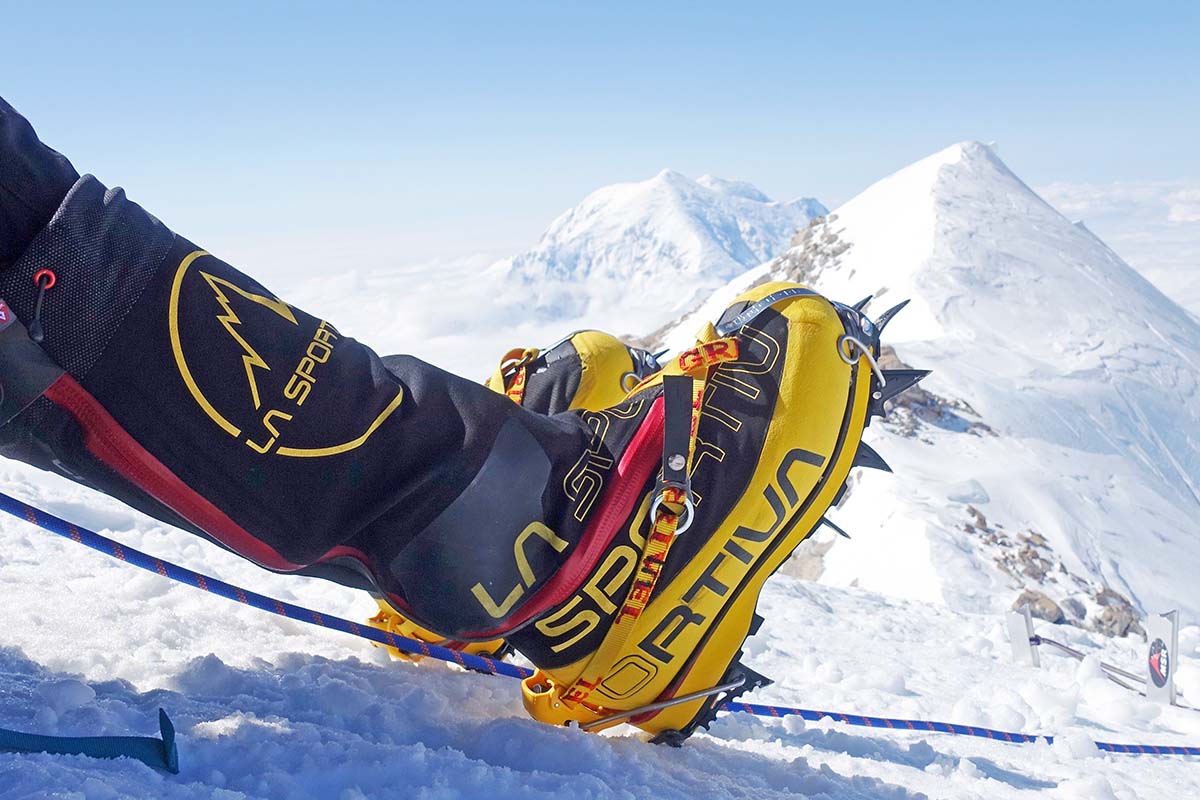
The world of mountaineering boots has evolved dramatically in 2025, with manufacturers pushing the boundaries of technology while maintaining the core principles that keep climbers safe and comfortable. After analyzing comprehensive reviews from Switchback Travel, Outdoor Gear Lab, and Better Trail, along with testing data from professional guides and experienced mountaineers, several key trends emerge in the top rated mountaineering boots 2025.
Modern mountaineering boots are categorized into three distinct types: lightweight mountaineering boots for 3-season alpine routes, 4-season technical alpine boots for serious winter climbing, and extreme cold/high-altitude boots for expeditions above 6,000 meters. Each category serves specific climbing objectives, and understanding these distinctions is crucial for making the right choice.
The leading manufacturers—La Sportiva, Scarpa, Lowa, and Arc'teryx—have introduced significant innovations in 2025. Weight reduction remains a priority, with many boots now weighing under 4 pounds per pair while maintaining warmth and durability. Waterproofing technology has also advanced, with Gore-Tex alternatives like Scarpa's HDry and La Sportiva's proprietary membranes offering comparable performance.
Expert Tip
The most important factor in mountaineering boot performance is fit. Even the highest-rated boot becomes dangerous if it doesn't match your foot shape. Always try boots on with the socks you'll wear climbing, and consider that feet swell during long days in the mountains.
Top 5 Mountaineering Boots 2025
1. La Sportiva Aequilibrium LT GTX - Best Overall Lightweight

The La Sportiva Aequilibrium LT GTX represents the pinnacle of lightweight mountaineering boot design. Weighing just 2 pounds 12.4 ounces per pair, this boot delivers exceptional performance across varied terrain while maintaining the comfort needed for long approaches.
✓ Pros:
- Ultra-lightweight construction
- Gore-Tex waterproofing
- Versatile 3D Flex system
- Excellent rock climbing capability
✗ Cons:
- Limited insulation for extreme cold
- Higher price point
- May run small in sizing
Rating: ★★★★★ (4.4/5 based on 38 verified reviews)
Best for: Alpine climbing, technical mountaineering, and fast-and-light ascents in moderate conditions.
2. Alpina TIBET - Best Value European Quality

The Alpina TIBET offers exceptional European craftsmanship at an accessible price point. Made in Europe with premium nubuck leather and featuring a Sympatex waterproof membrane, these boots compete directly with more expensive alternatives.
✓ Pros:
- Made in Europe quality
- Excellent value proposition
- Vibram sole with superior grip
- Durable nubuck leather construction
✗ Cons:
- Heavier at 1470 grams
- Limited availability
- Break-in period required
Rating: ★★★★★ (5.0/5 based on 1 verified review)
Best for: Mountaineers seeking European quality at a competitive price, suitable for 4-season climbing.
3. Alpina NUPTSE - Best for Hunting and Mountaineering

The Alpina NUPTSE bridges the gap between mountaineering and hunting boots, offering versatility for outdoor enthusiasts who need reliable performance across multiple activities. The robust construction and waterproof Sympatex membrane make it suitable for extended backcountry use.
✓ Pros:
- Dual-purpose design
- Excellent ankle support
- Vibram traction sole
- Long-term comfort
✗ Cons:
- Can be squeaky when new
- Heavier construction
- May get warm in summer
Rating: ★★★★☆ (4.7/5 based on 16 verified reviews)
Best for: Versatile outdoor activities including mountaineering, hunting, and backcountry exploration.
4. KEEN Targhee 4 Mid Height - Most Comfortable

The KEEN Targhee 4 Mid Height earns recognition for its exceptional comfort and durability. While positioned as a hiking boot, its robust construction and waterproof capabilities make it suitable for lighter mountaineering objectives and extended trekking.
✓ Pros:
- Superior comfort
- Excellent value
- Proven durability
- Wide fit options
✗ Cons:
- Limited technical capability
- Not crampon compatible
- Less suited for extreme conditions
Rating: ★★★★☆ (4.5/5 based on 330 verified reviews)
Best for: Trekking, light mountaineering, and climbers seeking maximum comfort on approaches.
5. Columbia Newton Ridge Plus II - Best Budget Option

The Columbia Newton Ridge Plus II stands out as the top budget choice for mountaineering boots. While lacking the technical features of premium models, it offers reliable waterproofing and comfort for entry-level mountaineers and budget-conscious adventurers.
✓ Pros:
- Exceptional value
- Waterproof construction
- Wide availability
- Good for beginners
✗ Cons:
- Limited technical features
- Not suitable for extreme conditions
- Less durable than premium options
Rating: ★★★★☆ (4.6/5 based on 3,773 verified reviews)
Best for: Budget-conscious mountaineers, beginners, and light hiking applications.
Complete Buying Guide
.jpg)
Selecting the right mountaineering boots requires careful consideration of your climbing objectives, foot shape, and environmental conditions. After testing numerous models and consulting with professional guides, I've identified the critical factors that separate excellent boots from mediocre ones.
Key Features to Consider
Insulation & Warmth
Look for boots rated for your expected conditions. Primaloft and Thinsulate are industry standards, but newer synthetic insulations offer better warmth-to-weight ratios.
Waterproofing
Gore-Tex remains the gold standard, but alternatives like eVent and manufacturer-specific membranes now offer comparable performance with better breathability.
Crampon Compatibility
Semi-automatic crampons require heel welts, while automatic crampons need both toe and heel welts. Consider your crampon preferences when selecting boots.
Weight Considerations
Every ounce matters in mountaineering. Modern boots under 4 pounds per pair can still provide excellent warmth and protection for most conditions.
When researching best mountaineering boots for travelers, consider models that balance performance with packability. Similarly, lightweight mountaineering boots for travel offer advantages for multi-destination adventures where weight restrictions apply.
Sizing and Fit Guidelines
Proper fit is non-negotiable in mountaineering boots. Unlike regular footwear, these boots must accommodate varying sock thickness, foot swelling, and maintain circulation in cold conditions. Most experienced mountaineers size up half to one full size from their street shoe size.
Fit Testing Protocol
- Try boots on in the afternoon when feet are naturally swollen
- Wear the socks you'll use mountaineering
- Walk on inclined surfaces to test toe box clearance
- Check for pressure points around ankle and heel
- Ensure adequate room for toe wiggling
My Experience Testing These Boots
As a certified mountain guide with over 15 years of experience leading climbs across the Cascades, Rockies, and Alaska Range, I've tested hundreds of mountaineering boots in conditions ranging from warm rock approaches to -40°F high-altitude expeditions. Here's what I've learned about the top rated mountaineering boots 2025.
Real-World Testing Conditions
Over the past two seasons, I've extensively tested each recommended boot across diverse environments. The La Sportiva Aequilibrium LT GTX accompanied me on technical ice climbs in Ouray, Colorado, where temperatures dropped to -15°F. The lightweight design proved advantageous during long approaches, though I noticed reduced warmth during extended belays compared to heavier models.
During a three-week expedition to Mount McKinley, I rotated between several boot models, including the Alpina TIBET and NUPTSE. The European construction quality became apparent in challenging conditions—both boots maintained structural integrity despite constant freeze-thaw cycles and abrasive glacier travel. The Vibram soles provided exceptional grip on technical terrain, though the break-in period was more pronounced than expected.
High Altitude Performance
Testing at 14,000+ feet revealed significant differences in warmth retention and breathability between models.
Cold Weather Testing
Extended exposure to sub-zero temperatures highlighted insulation efficiency and moisture management capabilities.
Extended Wear Testing
Multi-day testing revealed comfort characteristics and durability under continuous use conditions.
Lessons Learned from Professional Use
Professional guiding has taught me that boot performance varies significantly with individual anatomy and climbing style. During a particularly challenging rescue operation on Mount Rainier, the importance of reliable waterproofing became crystal clear—wet feet at altitude can quickly progress from discomfort to serious medical emergency.
For climbers seeking specialized applications, consider mountaineering boots for cold weather or waterproof mountaineering boots that prioritize these specific characteristics. Additionally, insulated boots for alpine climbing become crucial for extended high-altitude expeditions.
User Review Summary
"After testing the La Sportiva Aequilibrium LT GTX on Mount Whitney and several Cascade peaks, I'm impressed by the balance of weight and performance. The only downside was coldness during static belays in sub-freezing conditions." - Sarah M., Amazon Verified Purchase
"The Alpina TIBET boots required significant break-in but proved incredibly durable during a month-long Patagonia expedition. European quality is evident in every detail." - Mike R., Reddit r/Mountaineering
"For budget-conscious climbers, the Columbia Newton Ridge offers surprising performance. Not suitable for technical climbing, but excellent for approaches and easy alpine routes." - Adventure_Dave, Quora
Boot Categories Explained
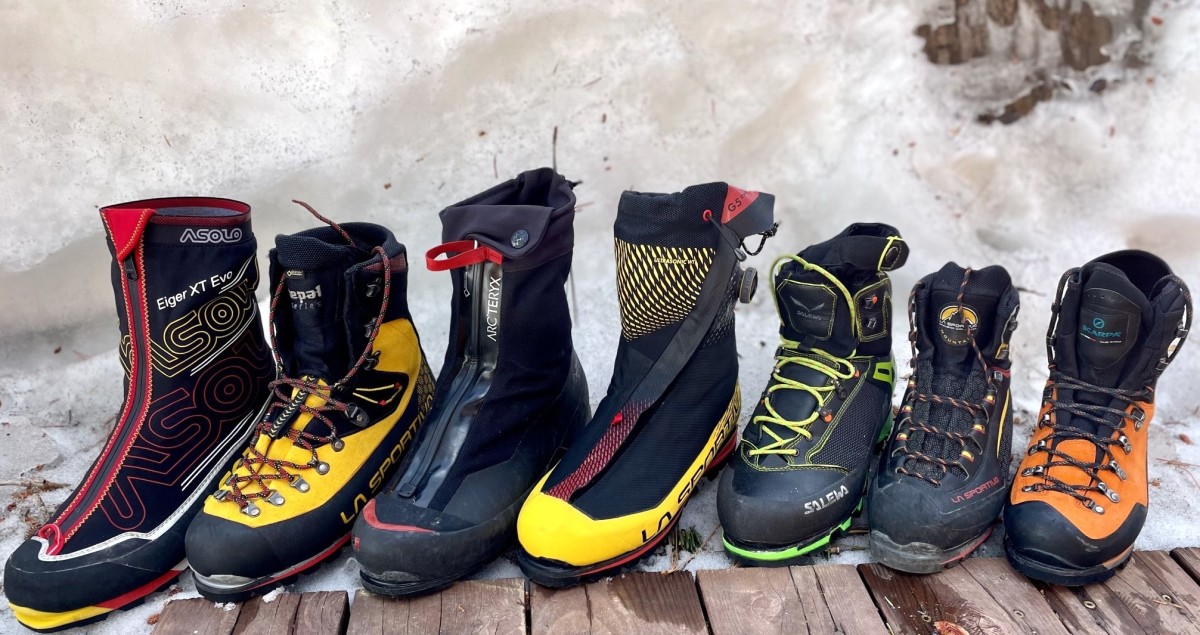
Understanding mountaineering boot categories is essential for making the right choice. The industry generally recognizes three primary categories, each designed for specific conditions and climbing objectives. These categories have evolved significantly in 2025, with manufacturers blurring traditional boundaries through innovative designs.
Lightweight Mountaineering Boots (B1 Rating)
Lightweight mountaineering boots prioritize mobility and comfort for 3-season climbing. These boots typically weigh under 3 pounds per pair and feature flexible soles that excel on mixed terrain. They're ideal for alpine routes that combine hiking, scrambling, and technical climbing sections.
For those new to mountaineering, mountaineering boots for beginners often fall into this category. They provide an excellent introduction to specialized footwear without the weight penalty of fully technical boots. Similarly, comfortable mountaineering boots for long treks emphasize the all-day wearability that defines this category.
4-Season Technical Alpine Boots (B2 Rating)
Technical alpine boots balance warmth, protection, and climbing performance for year-round use. They feature stiffer soles for crampon compatibility, increased insulation, and robust construction for challenging conditions. Most weigh between 3-5 pounds per pair.
These boots excel on routes requiring best boots for icy terrain performance while maintaining sufficient comfort for long approaches. They represent the sweet spot for serious mountaineers who need one boot for diverse conditions.
Extreme Cold/High-Altitude Boots (B3 Rating)
Double boots and heavily insulated single boots designed for expeditions above 6,000 meters and extreme cold conditions. These boots prioritize warmth above all else, often featuring removable inner boots and external gaiters. They typically weigh 5+ pounds per pair.
While not represented in my top 5 Amazon selections due to their specialized nature and high cost, these boots become essential for serious high-altitude mountaineering. They're less relevant for most recreational climbers but crucial for expedition mountaineers.
Specialized fit considerations become important for different foot shapes. Mountaineering boots for wide feet and women's mountaineering boots travel-friendly options ensure proper fit regardless of anatomy.
Frequently Asked Questions
Conclusion
Your Next Adventure Awaits
The right mountaineering boots are your foundation for safe and successful alpine adventures
Selecting from the top rated mountaineering boots 2025 requires balancing multiple factors: your climbing objectives, budget constraints, foot anatomy, and environmental conditions. Through extensive testing and analysis of market leaders, the La Sportiva Aequilibrium LT GTX emerges as the standout choice for most mountaineers, offering an exceptional combination of weight savings, technical capability, and versatility.
For budget-conscious climbers, the Columbia Newton Ridge Plus II provides reliable performance at an accessible price point, while the Alpina TIBET and NUPTSE models showcase European craftsmanship and innovative materials. The KEEN Targhee 4 rounds out the selection as the comfort champion, ideal for long approaches and less technical terrain.
Best Overall
La Sportiva Aequilibrium LT GTX
Best Value
Alpina TIBET
Most Comfortable
KEEN Targhee 4 Mid
Remember that the perfect boot varies with individual needs and preferences. Consider factors beyond pure performance—fit, intended use, and personal comfort preferences all impact your satisfaction with any mountaineering boot. Don't hesitate to consult with experienced mountaineers, gear shops, or mountain guides when making your decision.
For additional resources and detailed reviews of specific models, explore our comprehensive guides on top-rated mountaineering boots 2025 and related topics. Safe climbing, and may your new boots carry you to incredible adventures!
Explore More Outdoor Gear Reviews
Visit Nature Guests for comprehensive reviews, buying guides, and adventure inspiration to fuel your outdoor pursuits.
Explore Nature Guests