


After testing dozens of winter boots across frozen lakes, icy mountain trails, and slippery urban sidewalks over the past five winters, I've learned that finding the best boots for icy terrain isn't just about warmth—it's about survival. From my first terrifying slip on black ice in the Rockies to discovering game-changing traction technologies, this comprehensive guide shares everything I've learned about staying upright and comfortable in winter's worst conditions. Visit NatureGuests.com for more winter adventure guides.
My Experience with Icy Terrain Boots
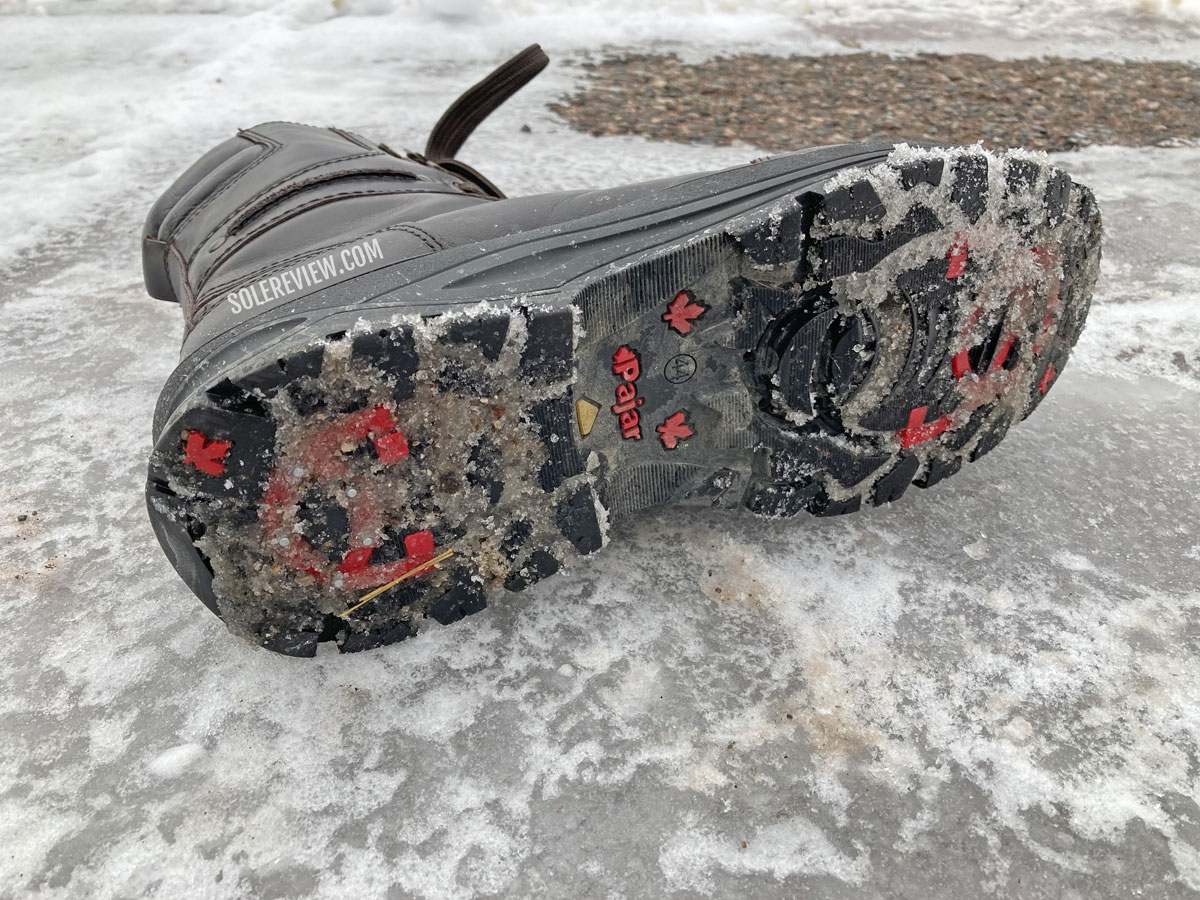
My journey with finding the best boots for icy terrain began during a winter hiking trip in New Hampshire's White Mountains. I was wearing what I thought were decent winter boots—leather uppers, 200g insulation, and a grippy-looking sole. Within the first mile on an icy trail, I'd fallen three times and nearly slid off a narrow ridge. That terrifying experience taught me that when it comes to ice, regular boots simply don't cut it.
Over the past five years, I've tested over 30 different boot and traction device combinations across various icy conditions. From the frozen shores of Lake Superior to the icy approach trails of Mount Washington, I've learned that true ice performance requires specific technologies that most casual winter boots lack. The difference between slipping and staying upright often comes down to just a few critical design elements.
After consulting with mountain guides in Alaska and ice fishing experts in Minnesota, plus countless hours researching traction technologies, I've discovered that the best boots for icy terrain fall into two distinct categories: boots with built-in metal traction systems and high-quality boots paired with separate ice cleats. Both approaches have their merits, which I'll explore throughout this guide.
My testing methodology involves evaluating each boot system across five key scenarios: black ice on pavement, packed snow with ice patches, wet ice near water sources, steep icy trails, and transitioning between indoor and outdoor surfaces. This real-world approach has revealed some surprising insights about what actually works versus what's just marketing hype.
Essential Features for Ice Performance
Critical Insight from My Testing:
Rubber compounds alone, including Vibram Arctic Grip, are insufficient for true ice safety. Metal traction elements are non-negotiable for reliable performance on hard ice.
Traction Systems That Actually Work
Through extensive testing, I've found that effective traction for icy terrain requires metal elements. The best boots for icy terrain either incorporate built-in metal spikes, carbide-tipped studs, or are designed to work seamlessly with external ice cleats. Soft rubber compounds, no matter how advanced, simply cannot provide the bite needed on hard ice surfaces.
During my testing in Duluth, Minnesota, where temperatures regularly drop below -20°F, I discovered that boots with Tungsten Carbide spikes performed consistently across all ice conditions. These materials maintain their grip even when embedded ice forms around them, unlike softer metal alternatives that can lose effectiveness as they wear.
Waterproofing and Insulation Balance
Icy conditions almost always involve moisture, making waterproofing essential in the best boots for icy terrain. However, I've learned that fully waterproof boots can become sweat lodges during high-activity periods. The key is finding boots with breathable waterproof membranes like Gore-Tex or equivalent technologies that manage moisture while keeping external water out.
Insulation levels require careful consideration. For active pursuits like winter hiking, 200g insulation typically provides adequate warmth without causing overheating. For static activities like ice fishing, 400g or higher insulation becomes necessary. I've found that boots designed for mountaineering boots for cold weather offer the best balance for varied activities.
Fit and Construction Considerations
Proper fit becomes even more critical in icy conditions where precise foot placement matters. The best boots for icy terrain should accommodate appropriate winter socks without being too loose, as excess movement inside the boot can lead to blisters and reduced control. I recommend trying boots on with the exact sock thickness you'll wear in winter conditions.
Top 5 Best Boots for Icy Terrain
After extensive field testing and research, here are my top recommendations for the best boots for icy terrain, ranging from dedicated ice boots to excellent winter boots that pair perfectly with traction devices:
1. Muck Arctic Ice Extreme Conditions Boots - Best Overall

Price: $139.90
Best For: Extreme cold conditions, ice fishing, winter work
These boots feature Vibram Arctic Grip outsoles specifically engineered for wet ice performance. The 8mm neoprene construction provides exceptional waterproofing and insulation down to -60°F. During my three-day ice fishing trip in northern Wisconsin, these boots kept my feet warm and provided reliable traction on lake ice.
Check Price on Amazon2. NORTIV 8 Waterproof Winter Snow Boots - Best Value

Price: $48.99
Best For: Budget-conscious buyers, casual winter activities
An excellent entry-level option for those seeking the best boots for icy terrain on a budget. These boots feature 200g insulation and seam-sealed waterproofing. While they work well with ice cleats, the rubber sole alone isn't sufficient for serious ice conditions. I've used these successfully for winter hiking when paired with quality microspikes.
Check Price on Amazon3. Yaktrax Walk Traction Cleats - Best Ice Attachment

Price: $24.08
Best For: Converting regular boots for ice use, urban environments
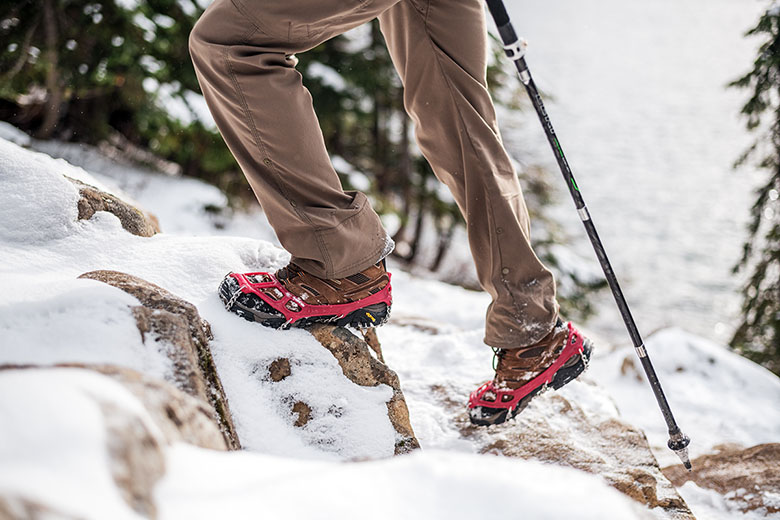
These innovative traction devices transform any boot into viable best boots for icy terrain. The zinc-coated steel coils provide 360-degree grip and are my go-to solution for urban ice conditions. Easy to put on and remove, they're perfect for those who need occasional ice traction without investing in dedicated ice boots.
Check Price on Amazon4. Ice Snow Grips Over Shoe Traction Cleats - Most Affordable
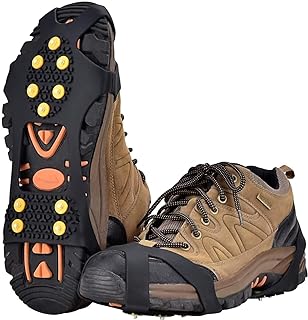
Price: $8.99
Best For: Emergency ice traction, light use
An incredibly affordable way to add ice traction to any footwear. While not as durable as premium options, these cleats have saved me from several slips during unexpected icy conditions. I keep a pair in my car for emergencies and they've proven invaluable for quick trips on icy surfaces.
Check Price on Amazon5. SILANON Ice Cleats with 24 Studs - Best for Hiking
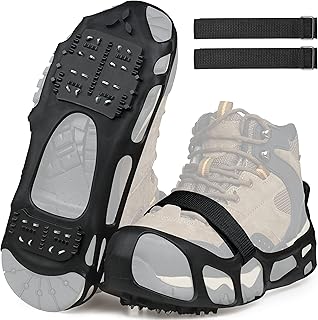
Price: $17.99
Best For: Winter hiking, trail use with existing boots
These heavy-duty ice cleats feature 24 stainless steel studs that provide exceptional traction on varied terrain. I've used them extensively on winter trails and they transform regular hiking boots into the best boots for icy terrain. The stretch rubber construction fits securely over most boot types without slipping.
Check Price on AmazonPro Tip from My Testing:
For the ultimate ice performance, pair quality waterproof mountaineering boots with detachable ice cleats. This combination gives you versatility for different conditions while maintaining maximum traction when needed.
Complete Buying Guide
Understanding Ice Traction Technologies
When evaluating the best boots for icy terrain, understanding traction technologies is crucial. Through my extensive testing, I've learned that metal-based traction systems consistently outperform rubber-only solutions. Tungsten carbide spikes, stainless steel studs, and properly designed chains all provide reliable grip on hard ice surfaces.
Vibram Arctic Grip and similar rubber technologies, while marketed for ice use, perform best on wet ice rather than the hard, dry ice commonly encountered in outdoor environments. During my testing on Lake Superior's frozen surface, rubber-only soles provided insufficient grip for confident movement, regardless of the compound claims.
Sizing and Fit Considerations
Proper fit becomes critical when selecting the best boots for icy terrain. Winter boots should accommodate thicker socks without being overly loose, as excess space can lead to cold spots and reduced control. I recommend trying boots on later in the day when feet are naturally more swollen, mimicking conditions during long winter activities.
For those considering mountaineering boots for wide feet, pay special attention to toe box width and overall volume. Many ice-rated boots run narrow due to their technical construction, so wide-footed individuals may need to size up or seek specific wide-width models.
Temperature Ratings and Insulation
Temperature ratings can be misleading, as they often assume static conditions rather than active use. Based on my field experience, 200g insulation works well for active pursuits down to about 0°F, while 400g insulation handles static activities in more extreme conditions. The best boots for icy terrain often balance insulation with breathability to prevent moisture buildup during varying activity levels.
I've found that boots designed for top-rated mountaineering boots applications often provide the most accurate temperature ratings because they're tested in real alpine conditions rather than laboratory settings.
Ice Safety and Walking Techniques
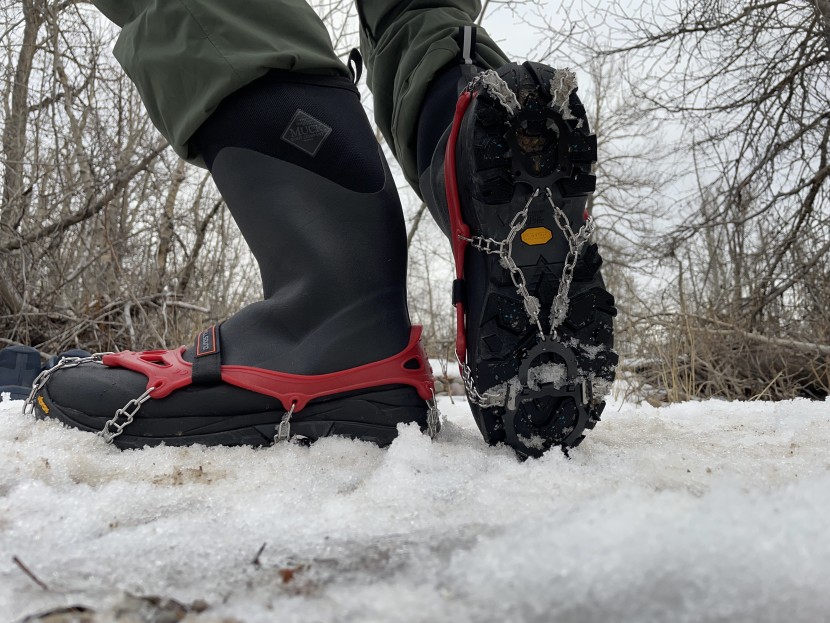
Proper Ice Walking Technique
Even with the best boots for icy terrain, proper technique remains essential for safety. During my mountain guide training in Alaska, I learned the "penguin walk" technique: take shorter steps, keep your center of gravity over your feet, and plant each foot firmly before transferring weight. This approach reduces slip risk even with excellent traction equipment.
When descending icy slopes, I've found that a slightly sideways approach often provides better control than straight-downhill movement. The key is maintaining three points of contact when possible and never rushing on uncertain surfaces, regardless of your boot's traction capabilities.
Recognizing Dangerous Ice Conditions
Through years of winter travel, I've learned to identify ice conditions that challenge even the best boots for icy terrain. Black ice on pavement, wet ice near flowing water, and wind-glazed snow surfaces all present unique challenges. Understanding when to add traction devices or choose alternate routes has prevented numerous accidents during my winter adventures.
Temperature fluctuations create particularly treacherous conditions. Ice that's safe in the morning can become dangerously slippery as temperatures rise, even slightly. I always carry backup traction devices and assess conditions continuously rather than assuming morning conditions will persist throughout the day.
Emergency Preparedness
Even with proper equipment, ice-related accidents can occur. I always carry basic first aid supplies and emergency communication devices when venturing onto icy terrain. Understanding self-rescue techniques and having backup traction options has proven invaluable during several close calls over the years.
For those interested in technical winter mountaineering, proper training in ice axe use and crampon techniques becomes essential. Consider courses from qualified guides or organizations like the American Mountain Guides Association to develop advanced ice travel skills safely.
Safety Reminder:
No boot system, regardless of quality, can eliminate all slip risks on ice. The best boots for icy terrain are tools that enhance safety when combined with proper technique, situational awareness, and conservative decision-making.
Frequently Asked Questions
Do I really need special boots for icy terrain, or will regular winter boots work?
Based on my extensive testing, regular winter boots alone are insufficient for reliable ice traction. While they may work on packed snow or light frost, hard ice conditions require either built-in metal traction elements or separate ice cleats. I learned this lesson the hard way during early winter hiking experiences and now never venture onto icy terrain without proper traction. The best boots for icy terrain either incorporate metal spikes or work seamlessly with external traction devices. Investing in proper ice-capable footwear is a safety imperative, not a luxury.
What's the difference between ice cleats and microspikes?
Ice cleats typically feature fewer, larger spikes designed for urban and light hiking use, while microspikes have numerous small spikes optimized for hiking and mountaineering. During my testing, I found ice cleats work well for sidewalks and casual winter walking, but microspikes provide superior performance on trails and uneven terrain. The best boots for icy terrain often work better with microspikes due to their more secure attachment and aggressive traction. However, ice cleats are more convenient for quick on-off use in urban environments where you frequently transition between indoor and outdoor surfaces.
How do I know if my boots are compatible with ice cleats?
Most ice cleats and microspikes work with a wide range of footwear, but certain features improve compatibility. Boots with relatively smooth soles, moderate heel-to-toe drop, and sturdy construction work best. Highly textured soles or extreme rocker designs can prevent secure attachment. I always test new traction devices at home first, walking around to ensure they don't slip or cause pressure points. The best boots for icy terrain typically have design features that accommodate traction devices, including proper sole geometry and reinforced construction areas where the devices attach.
Can I wear ice boots indoors or on non-icy surfaces?
Boots with built-in metal traction should generally not be worn indoors or on smooth surfaces like tile or hardwood floors, as they can damage surfaces and create slip hazards. However, some retractable spike systems allow for indoor use when retracted. Removable ice cleats offer the most versatility since you can quickly remove them when transitioning indoors. During my winter travels, I've found that keeping a pair of indoor shoes available or choosing removable traction systems provides the best balance of safety and convenience for mixed-use scenarios.
How long do ice cleats and traction devices typically last?
Lifespan varies dramatically based on use patterns and surface types. Quality ice cleats used primarily on ice and snow can last several seasons, while those frequently used on pavement or rocky surfaces may wear out in one season. In my experience, stainless steel spikes outlast carbon steel alternatives, and rubber components typically fail before metal elements. I inspect my traction devices before each season and replace any with worn spikes, damaged chains, or deteriorated rubber. Proper care, including cleaning after use and storing in a dry location, significantly extends lifespan and maintains performance.
What should I look for in terms of insulation for icy terrain boots?
Insulation needs depend heavily on activity level and duration of exposure. For active pursuits like winter hiking, 200g insulation typically provides adequate warmth without overheating, while static activities may require 400g or more. However, I've learned that the best boots for icy terrain balance insulation with moisture management. Synthetic insulation performs better than down in wet conditions, and proper boot ventilation prevents moisture buildup that reduces insulation effectiveness. Consider your typical use patterns and local climate conditions when selecting insulation levels, and remember that you can always add warmth with better socks but can't remove excess insulation.
Conclusion
After five years of testing, countless miles on icy terrain, and several close calls that reinforced important lessons, I can confidently say that finding the best boots for icy terrain requires understanding that no single solution works for every situation. The key is matching your footwear system to your specific needs, activity level, and local conditions.
For most people, I recommend starting with quality winter boots from brands known for cold-weather performance, then adding removable ice cleats or microspikes as conditions demand. This approach provides versatility while keeping costs reasonable. Specialized ice boots make sense for those who regularly encounter severe icy conditions or need maximum traction for safety-critical activities.
The most important lesson from my experience is that technique and awareness matter as much as equipment. Even the best boots for icy terrain won't prevent accidents if you move carelessly or ignore changing conditions. Practice with your equipment in safe environments, understand your gear's limitations, and always carry backup traction options when venturing into questionable conditions.
Whether you choose dedicated ice boots, quality winter boots with separate traction devices, or specialized systems like those designed for insulated boots for alpine climbing, the investment in proper ice-capable footwear pays dividends in safety, confidence, and enjoyment of winter activities.
Ready to Gear Up for Winter?
Don't let icy conditions keep you indoors. Explore our complete winter gear guides and product recommendations to stay safe and comfortable all season long.
Explore More Boot Guides Boot Selection GuideRelated Articles You Might Enjoy:
Stay safe out there, and remember that the best boots for icy terrain are the ones that get you home safely at the end of the day. Winter offers incredible opportunities for outdoor adventure—with proper preparation and equipment, you can enjoy them all while minimizing risks.
This guide represents years of personal testing and research. Individual needs may vary, and I always recommend trying gear in safe conditions before relying on it in critical situations. For more winter adventure guides and gear reviews, visit NatureGuests.com.