


15 Spectacular Things to Do at North Rim Grand Canyon (2025 Complete Guide)
Having visited the North Rim of Grand Canyon National Park multiple times over the years, I can confidently say it offers an experience unlike any other. With fewer crowds, cooler temperatures, and breathtaking viewpoints that seem to stretch into infinity, the North Rim is truly the canyon's hidden gem. In this guide, I'll share my favorite experiences, insider tips, and everything you need to know to plan an unforgettable North Rim adventure. Join me as we explore the serene forests, dramatic viewpoints, and unique experiences that make this side of the Grand Canyon so special. Nature Guests welcomes you to the magnificent North Rim!
North Rim vs South Rim: Which Should You Choose?
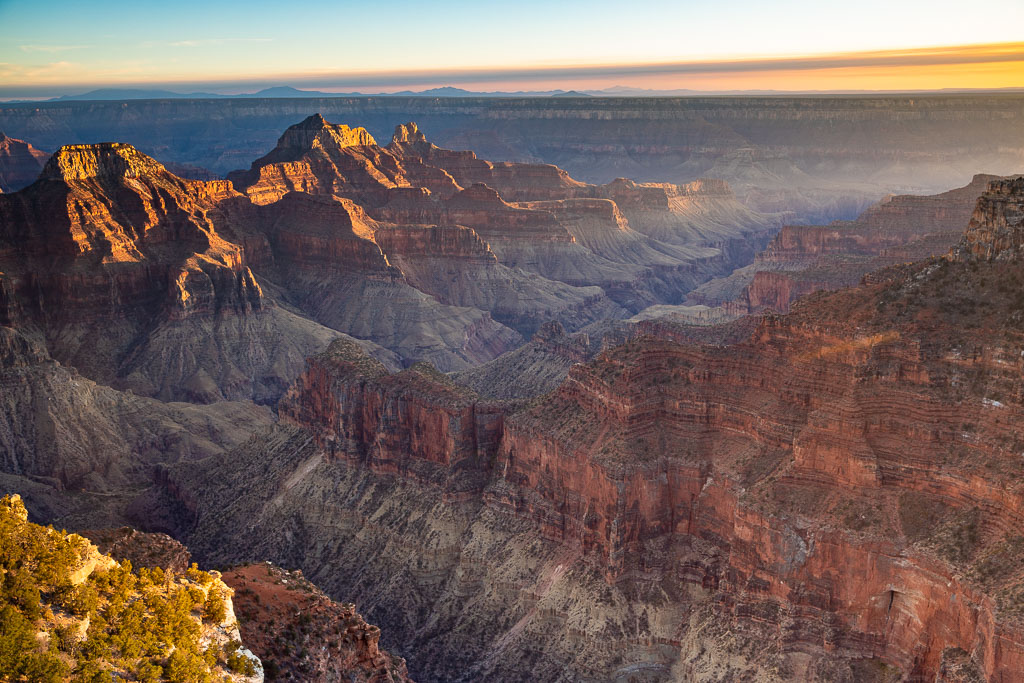
The North and South Rims of the Grand Canyon offer dramatically different experiences, despite being just 10 miles apart as the crow flies. Here's why you might prefer the North Rim:
- Fewer Crowds: Only 10% of Grand Canyon visitors make it to the North Rim, meaning more peaceful experiences.
- Higher Elevation: At 8,000 feet (1,000 feet higher than the South Rim), the North Rim offers cooler summer temperatures and stunning alpine scenery.
- Lusher Environment: Ponderosa pine forests, aspen groves, and alpine meadows create a stark contrast to the South Rim's desert landscape.
- Better Wildlife Viewing: The diverse habitat supports unique wildlife, including the Kaibab squirrel that exists nowhere else on Earth.
- More Intimate Experience: The North Rim's facilities and viewpoints create a more personal connection with the canyon.
If you're seeking a more serene, less commercialized experience with cooler temperatures and unique perspectives of the canyon, the North Rim is definitely for you. As I like to say, "The South Rim is where you go to see the Grand Canyon; the North Rim is where you go to experience it."
Learn more about the differences between the rims in our detailed comparison: North Rim vs South Rim.
When to Visit the North Rim
IMPORTANT: Unlike the South Rim which is open year-round, the North Rim is only open seasonally, typically from mid-May to mid-October. This limited window is due to heavy winter snowfall that makes the roads impassable.
The North Rim's short season makes timing your visit crucial. Here's my month-by-month breakdown:
- Mid-May to Early June: The season opening brings fresh greenery and blooming wildflowers. Facilities are just opening, and trails may still have patches of snow at higher elevations. Temperatures are mild and perfect for hiking.
- Late June to Early July: Wonderful weather with warm days (70s-80s°F) and cool nights. Busier than May but still far less crowded than the South Rim.
- Late July to August: Peak season brings the most visitors and afternoon thunderstorms. This is monsoon season, which creates dramatic skies for photography but requires weather awareness when hiking.
- September to Mid-October: My personal favorite time to visit! Fall colors begin to appear in the aspen groves, temperatures cool down, and crowds thin out. The lighting is magical for photography.
For more detailed information about weather patterns and seasonal considerations, check out our North Rim Weather Guide.
How to Get to the North Rim
Getting to the North Rim requires some planning, as it's more remote than the South Rim. Here are your options:
By Car
The North Rim is accessed via Highway 67, which branches off from Highway 89A. The turnoff is located near Jacob Lake, Arizona. From there, it's a scenic 44-mile drive through the Kaibab Plateau to reach the North Rim entrance.
Driving distances from major cities:
- Las Vegas: 275 miles (approximately 4.5 hours)
- Phoenix: 350 miles (approximately 6 hours)
- Salt Lake City: 400 miles (approximately 6.5 hours)
- Flagstaff: 207 miles (approximately 4 hours)
- Page (Lake Powell): 123 miles (approximately 2.5 hours)
By Air
There are no commercial flights directly to the North Rim. The nearest airports are:
- Las Vegas Harry Reid International Airport (LAS): 275 miles away
- St. George Regional Airport (SGU): 145 miles away
- Page Municipal Airport (PGA): 123 miles away (limited commercial service)
From these airports, you'll need to rent a car to complete your journey to the North Rim.
For more detailed driving directions and road access information, visit our guide: North Rim Road Access Guide.
15 Best Things to Do at the North Rim
1. Hike to Bright Angel Point
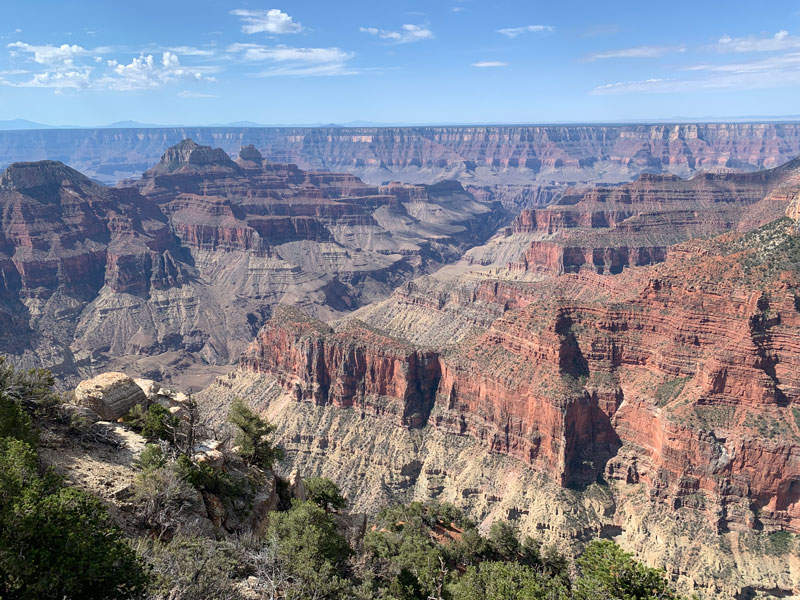
Bright Angel Point offers spectacular panoramic views of the canyon
Starting just steps from the Grand Canyon Lodge, this short 0.5-mile round-trip paved trail is the perfect introduction to the North Rim. Despite its brevity, it packs a powerful punch with some of the most dramatic panoramic views in the entire park.
The trail follows a narrow ridge with steep dropoffs on both sides, eventually leading to a viewing platform that provides a 180-degree vista of the vast canyon. From this vantage point, you can see the Transept, Bright Angel Canyon, Roaring Springs Canyon, and on clear days, even glimpses of the South Rim in the distance.
Insider Tip: While spectacular at any time, I've found that sunrise here is truly magical. The first light illuminates the eastern canyon walls with a golden glow while the western walls remain in shadow, creating a dramatic contrast that photographers dream about. Bring a jacket, as morning temperatures can be quite chilly even in summer.
Difficulty: Easy, though those with a fear of heights might find some narrow sections challenging
Distance: 0.5 miles round trip
Time Needed: 30-45 minutes (longer if you linger at the viewpoint)
2. Take the Cape Royal Scenic Drive
The 23-mile Cape Royal Road is the North Rim's premiere scenic drive and an absolute must-do during your visit. This winding road takes you across the Walhalla Plateau, offering numerous pullouts and viewpoints along the way.
What makes this drive so special is how it combines both forest and canyon experiences. You'll travel through dense ponderosa pine forests that suddenly open up to reveal breathtaking canyon vistas. The road eventually terminates at Cape Royal, which many consider to be the most spectacular viewpoint on the North Rim.
Key Stops Along the Way:
- Vista Encantada - A quick stop with excellent views of the eastern canyon
- Roosevelt Point - Named after Teddy Roosevelt, offering unique views and a short interpretive trail
- Walhalla Overlook - Overlooking the ancient Walhalla Plateau and prehistoric pueblo ruins
- Angels Window - A natural stone arch framing a perfect view of the Colorado River
- Cape Royal - The grand finale with nearly 270-degree panoramic views
Insider Tip: Allow at least half a day for this drive if you want to stop at all the viewpoints and take short walks. I recommend starting in the early afternoon and timing your arrival at Cape Royal for sunset, which creates unforgettable lighting conditions.

Cape Royal offers one of the most comprehensive views of the Grand Canyon
3. Visit Point Imperial
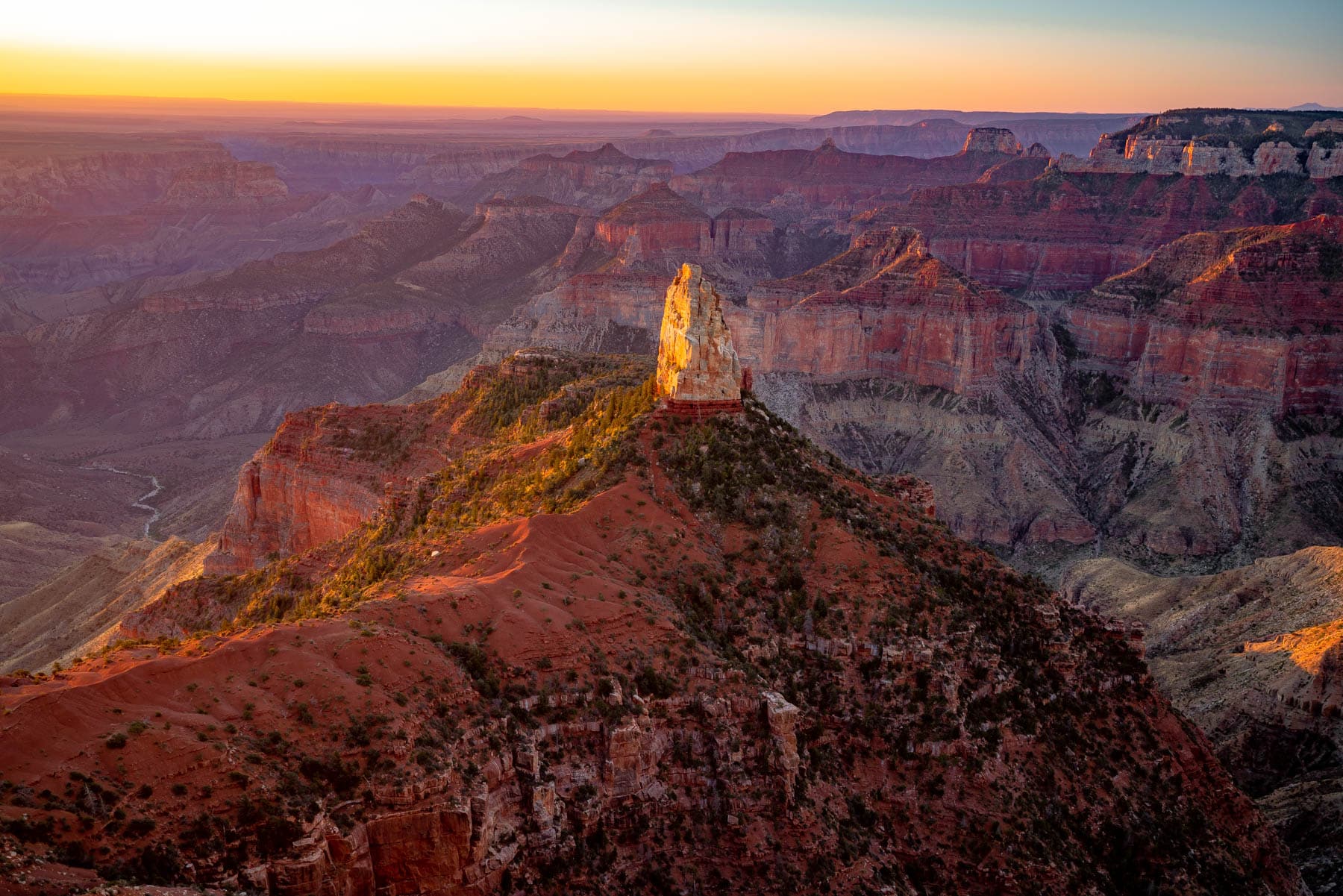
Sunrise at Point Imperial reveals stunning colors and textures
Standing proudly at 8,803 feet, Point Imperial is the highest viewpoint in the entire Grand Canyon National Park. This elevation advantage provides a unique perspective that you simply can't get anywhere else.
What makes Point Imperial truly special is its views of the Painted Desert and the eastern edge of the canyon. From this vantage point, you can see layers of red and black Precambrian rocks that aren't visible from other overlooks, adding rich colors to the landscape.
The viewpoint is located at the end of an 11-mile side road that branches off from the main park road. The drive itself is scenic, passing through areas that were affected by forest fires, which ironically now allow for more open views.
Insider Tip: Point Imperial is widely considered the best location in the entire park for sunrise photography. The first light of day strikes the eastern-facing canyon walls and Mount Hayden, creating a spectacular red-orange glow against the shadowed western walls. I've found that arriving about 30-45 minutes before official sunrise gives you enough time to set up and watch the entire light show unfold.
For more incredible photography locations, check out our North Rim Photography Guide.
4. Experience Angels Window
Along the Cape Royal Drive, Angels Window is a natural stone arch that frames a perfect view of the Colorado River far below. This geological wonder allows you to literally look through the rock and glimpse the river that carved the entire canyon over millions of years.
What makes this stop particularly special is that you can actually walk out onto the arch via a short, paved trail. Standing on top of Angels Window offers an exhilarating experience with dramatic views in all directions. The narrow walkway with guardrails makes it accessible even to those with a mild fear of heights, though those with severe vertigo might want to admire from a distance.
Insider Tip: For the best photographic opportunity, stop at the Angels Window viewpoint pullout just before reaching the Cape Royal parking area. From here, you can capture the classic shot of the arch framing the river below. Then continue to the Cape Royal parking lot and take the short trail to walk out onto the arch itself.
The complete Angels Window experience, including photography stops and walking onto the arch, typically takes about 30-45 minutes.
5. Hike the North Kaibab Trail
The North Kaibab Trail is the only maintained trail that descends into the canyon from the North Rim. While the complete trail extends all the way to the Colorado River (14 miles one-way with over 5,700 feet of elevation change), day hikers can choose their own adventure with several notable turnaround points:
- Coconino Overlook - 1.5 miles round trip (moderate) with panoramic views
- Supai Tunnel - 4 miles round trip (moderate to strenuous) featuring a tunnel cut through the rock
- Roaring Springs - 9.4 miles round trip (strenuous) to see the spectacular springs that are the source of Bright Angel Creek
What makes the North Kaibab Trail unique is how quickly it descends through different ecological zones. Within just a few miles, you'll transition from the cool pine forests of the rim to the hot, desert environment of the inner canyon.
Important Safety Tips:
- Start early in the morning to avoid hiking out during the heat of the day
- Carry at least 1 gallon (4 liters) of water per person for longer day hikes
- Pack salty snacks to replace electrolytes lost through sweating
- Remember: hiking down is optional, hiking back up is mandatory
- Plan to turn around when you've used 1/3 of your water or energy, whichever comes first
Insider Tip: For a moderate day hike that gives you a true taste of the inner canyon without the extreme challenge, I recommend hiking to Supai Tunnel. The 4-mile round trip with 1,450 feet of elevation change is manageable for most reasonably fit hikers, and you'll experience dramatic scenery changes along the way.
For more detailed information about hiking trails, visit our comprehensive North Rim Hiking Trails Guide.
6. Trek to Cape Final
For those seeking a moderate hike with extraordinary payoff views, Cape Final is a hidden gem of the North Rim. This relatively unknown trail offers some of the most expansive eastern canyon views with significantly fewer people than the main viewpoints.
The 4-mile round-trip hike follows a mostly flat, pine-needle covered path through beautiful forest before opening up to a stunning promontory overlooking the eastern Grand Canyon. From this vantage point, you can see the Desert View Watchtower on the South Rim, the Painted Desert, and the Colorado River as it winds through the canyon.
What makes Cape Final special is the sense of solitude and discovery. Even during peak season, you might have this magnificent viewpoint entirely to yourself or shared with just a handful of other hikers.
Trail Details:
- Trailhead Location: Along Cape Royal Road, approximately 2.5 miles before the Cape Royal parking area (watch for a small parking area and trailhead sign)
- Distance: 4 miles round trip
- Difficulty: Moderate
- Elevation Change: Minimal (approximately 200 feet)
- Time Needed: 2-3 hours including time at the viewpoint
Insider Tip: Cape Final is also one of the few places on the North Rim where backcountry camping is permitted (with a proper permit). If you're lucky enough to secure one of the single designated camping sites, you'll be treated to an unforgettable sunset and sunrise experience with the canyon all to yourself.
7. Walk the Transept Trail
The Transept Trail is a beautiful rim-side path connecting the Grand Canyon Lodge area with the North Rim Campground. This moderately easy 3-mile round-trip trail follows the edge of the Transept, a side canyon, offering intermittent views of the main canyon along the way.
What makes this trail special is how it combines rim views with a forest experience. You'll weave in and out of ponderosa pine groves, with the trail occasionally emerging at scenic overlooks of the Transept and the main Grand Canyon beyond. The relatively flat grade makes it accessible to most visitors.
This is an excellent trail for wildlife spotting, particularly in the early morning or evening hours. Mule deer are commonly seen along this path, and the Kaibab squirrel—a unique species found only on the Kaibab Plateau—often makes appearances.
Insider Tip: Consider hiking this trail in the late afternoon when the lighting on the canyon walls is at its most dramatic. Then enjoy dinner at the Grand Canyon Lodge before returning along the same trail at dusk. Walking back to the campground as darkness falls provides a peaceful experience, and on clear nights, the stargazing is spectacular. Just be sure to bring a flashlight or headlamp for the return journey.
8. Take a Mule Ride
Experiencing the North Rim from the back of a mule is a quintessential Grand Canyon tradition dating back more than a century. The North Rim offers several mule trip options that are less crowded and often easier to book than their South Rim counterparts.
Three main mule trips are available:
- One-Hour Ride: A gentle forest ride suitable for beginners with some rim views
- Half-Day Ride to Uncle Jim's Point: A 5-hour journey through forest and along the canyon rim to a spectacular viewpoint overlooking the canyon and North Kaibab Trail
- Canyon Ride to Supai Tunnel: A half-day adventure that takes you down into the canyon on the North Kaibab Trail to Supai Tunnel
The mule rides provide a unique perspective of the canyon and allow you to connect with the area's rich history. These sure-footed animals have been helping visitors explore the Grand Canyon for generations.
Booking Information:
- Reservations can be made through Grand Canyon Trail Rides
- Advanced booking is highly recommended, especially for the half-day trips
- Weight limit: 220 pounds fully dressed
- Height requirement: 4 feet tall
- Age minimum: 7 years for one-hour ride, 10 years for longer rides
Insider Tip: The half-day ride to Uncle Jim's Point offers the best combination of rim views and forest experience without the steep descent into the canyon. If you're not comfortable with heights or the physical demands of the canyon ride, this is the perfect option that still provides spectacular scenery.
9. Witness Sunrise and Sunset

The dramatic colors of sunset transform the canyon landscape
No visit to the North Rim is complete without experiencing at least one sunrise or sunset. These magical moments transform the canyon with dramatic lighting that changes by the minute, revealing textures and colors that aren't visible at other times of day.
Best Sunrise Locations:
- Point Imperial - The highest viewpoint catches the first light, illuminating Mount Hayden and the eastern canyon walls with a golden glow
- Bright Angel Point - Convenient location near the lodge with dramatic lighting down Bright Angel Canyon
- Cape Royal - Requires an early drive, but rewards with spectacular lighting across the expansive eastern canyon views
Best Sunset Locations:
- Cape Royal - The premier sunset location with nearly 270-degree views and Angels Window catching the last light
- Bright Angel Point - Easily accessible from the lodge with western-facing views
- Lodge Veranda - Enjoy the sunset from a comfortable rocking chair with beverage in hand
Insider Tip: During summer months, afternoon thunderstorms often clear just before sunset, creating spectacular conditions with dramatic clouds catching colorful light. If you see storms in the afternoon, don't give up on your sunset plans—it might turn out to be the most magnificent sunset of your trip!
10. Dine at Grand Canyon Lodge
The historic Grand Canyon Lodge dining room offers what might be the most spectacular restaurant view in the National Park System. Floor-to-ceiling windows frame the vast canyon beyond, creating an unforgettable backdrop for your meal.
Built in 1928 and designated as a National Historic Landmark, the lodge blends rustic architecture with natural materials that complement the landscape. The massive limestone fireplace and exposed timber beams create a warm, inviting atmosphere that enhances the dining experience.
The menu features regionally-inspired cuisine with an emphasis on sustainable and locally-sourced ingredients when possible. You'll find options ranging from casual fare to fine dining:
- Breakfast options include hearty favorites like the North Rim Sunrise (eggs, potatoes, bacon or sausage)
- Lunch offers sandwiches, burgers, and lighter fare perfect for refueling between adventures
- Dinner highlights include rainbow trout, bison meatloaf, and vegetarian options
Insider Tip: Make dinner reservations well in advance (they open 30 days ahead) and request a window table. Aim for about 30-45 minutes before sunset, allowing you to enjoy your meal as the canyon transforms with golden hour light. After dinner, step out onto the lodge veranda with a beverage to watch the final moments of sunset from one of the rustic rocking chairs.
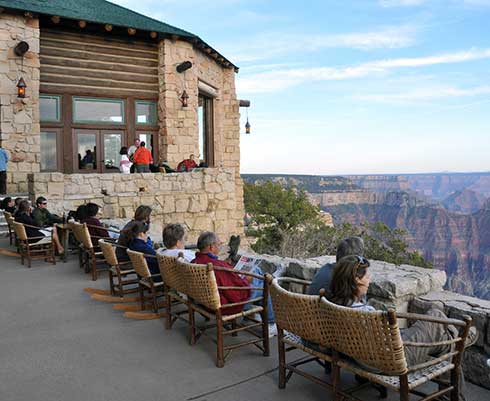
The historic Grand Canyon Lodge is perched right at the edge of the canyon
11. Go Wildlife Watching
The North Rim's diverse habitats—from alpine meadows to pine forests to canyon environments—support a rich variety of wildlife not found at the more arid South Rim. Wildlife watching here offers unique opportunities to spot species that are special to this region.
Key Species to Watch For:
- Kaibab Squirrel - This unique species exists only on the Kaibab Plateau and is easily recognized by its black belly, white tail, and tufted ears. Look for them in the ponderosa pine forests near the lodge and along forest trails.
- Mule Deer - Abundant throughout the North Rim, these graceful creatures are often spotted at dawn and dusk near meadows and forest edges. They're commonly seen around the campground and along the Transept Trail.
- Wild Turkey - The North Rim hosts a healthy population of wild turkeys that can often be spotted strutting through meadows and forest clearings, especially in early morning.
- California Condor - With wingspans up to 9.5 feet, these endangered birds sometimes soar along the canyon updrafts. Bring binoculars and look for their distinctive white underwing patches.
- Mountain Lions - While rarely seen, these magnificent predators do inhabit the North Rim. You're more likely to spot their tracks than the animals themselves.
Best Wildlife Viewing Locations:
- DeMotte Park - This meadow along Highway 67 before the park entrance is excellent for deer, elk, and turkeys, especially in early morning or evening
- Transept Trail - Great for spotting Kaibab squirrels and mule deer
- Point Imperial Road - The meadows along this road offer good wildlife viewing opportunities
Insider Tip: The best wildlife viewing times are the first two hours after sunrise and the last two hours before sunset. Bring binoculars, move slowly, and speak quietly to increase your chances of spotting animals. A good strategy is to find a comfortable spot with a view of a meadow edge and simply wait patiently—the animals will often come to you.
Learn more about the North Rim's unique wildlife in our detailed guide: Wildlife at North Rim Grand Canyon.
12. Experience the Ponderosa Pines
One of the most delightful and unexpected experiences at the North Rim is getting to know the magnificent ponderosa pines that dominate the forests. These towering trees, which can grow up to 200 feet tall and live for 500 years, create a unique environment that's vastly different from the desert landscape of the South Rim.
What makes this experience special is a little-known secret: ponderosa pines emit a distinctive and pleasant aroma that's often described as smelling like vanilla, butterscotch, or fresh-baked cookies. This scent is most noticeable on warm days and comes from the sap in the distinctive puzzle-piece bark.
How to Experience the Ponderosas:
- Find a mature ponderosa pine with orange-brown, platy bark (the puzzle-piece pattern)
- Gently place your nose close to a crevice in the bark
- Take a deep breath and enjoy the sweet, warm aroma
The best places to experience these magnificent trees are along the quieter forest trails like the Transept Trail, Cape Final Trail, or simply in the woods surrounding the Grand Canyon Lodge and campground.
Insider Tip: The ponderosa scent is strongest on sunny, warm days when the tree sap is flowing more actively. Different people perceive the scent differently—some detect vanilla, others butterscotch or caramel. Compare notes with your traveling companions to see what you each smell!
13. Stargaze Under Dark Skies
The North Rim's remote location, high elevation, and limited development create ideal conditions for spectacular stargazing. Far from major light pollution sources, the night skies here reveal celestial wonders that remain hidden to most urban dwellers.
On clear nights, the Milky Way stretches dramatically across the sky in a dense band of stars, while planets shine brightly against the black backdrop. During new moon periods, the darkness is profound, allowing you to see thousands of stars, meteors, and even satellites passing overhead.
Best Stargazing Locations:
- Bright Angel Point - Easily accessible from the lodge with minimal light interference
- Point Imperial Parking Area - The highest viewpoint provides excellent horizon-to-horizon views
- Cape Royal Parking Area - Offers expansive skies with dramatic silhouettes of canyon features
Stargazing Tips:
- Allow your eyes at least 20 minutes to fully adapt to the darkness
- Use a red-light headlamp or flashlight to preserve your night vision
- Bring warm layers, as temperatures drop significantly after sunset even in summer
- Download a stargazing app before arriving (cell service is limited)
- Consider bringing a foldable chair or blanket for comfort
Insider Tip: During summer months, check the ranger program schedule for astronomy talks and telescope viewing sessions. The rangers often set up telescopes near the lodge, allowing you to view planets, star clusters, and distant galaxies with expert guidance. If the ranger programs aren't available, bringing your own binoculars can greatly enhance your stargazing experience—you'll be amazed at how many more stars become visible!
14. Join Ranger-Led Programs
The North Rim offers excellent ranger-led programs that provide deeper insights into the canyon's natural and cultural history. What makes these programs special at the North Rim is their more intimate nature—typically with smaller groups and more personal interaction than at the busier South Rim.
Types of Programs Available:
- Geology Talks - Learn how the Grand Canyon formed over millions of years
- Nature Walks - Discover the unique plants and animals of the North Rim ecosystem
- Evening Programs - Presentations at the lodge auditorium on various canyon-related topics
- Cultural History Talks - Explore the human history of the canyon from ancient peoples to modern times
- Astronomy Programs - Stargazing with rangers who point out constellations and provide telescopes
- Junior Ranger Activities - Special programs for younger visitors
Program schedules change seasonally but are typically posted at the visitor center, lodge lobby, and campground bulletin boards. Most programs are free with park admission.
Insider Tip: The "Grand Canyon Geology on the Edge" talk at Bright Angel Point is particularly excellent. Rangers explain the complex geological history of the canyon while pointing out visible features in the landscape before you. This 30-minute program makes the billion-year-old rock layers come alive and gives you a much deeper appreciation for what you're seeing throughout your visit.
15. Explore Walhalla Glades Pueblo
Along the Cape Royal Road, a short, easy trail leads to the Walhalla Glades Pueblo, an archaeological site that offers a fascinating glimpse into the lives of the ancestral Puebloan people who once called this area home. Dating back to approximately 1050-1150 CE, these ancient ruins tell a story of adaptation and survival on the canyon rim.
The pueblo consists of several rooms built from local limestone, with interpretive signs explaining how people lived here seasonally, farming the fertile soils of the Walhalla Plateau during summer months and descending into the canyon during harsh winters.
What makes this site special is its setting—perched near the edge of the canyon with spectacular views that help visitors understand why this location was chosen for settlement. The relatively intact foundation walls allow you to visualize the structure as it once stood nearly a millennium ago.
Visiting Information:
- Location: Along Cape Royal Road, 20.5 miles from Highway 67
- Trail Length: 0.25 miles round trip (very easy)
- Time Needed: 15-30 minutes
Insider Tip: Visit the Walhalla Glades Pueblo in late afternoon when the slanting sunlight enhances the texture of the stone walls and creates a warm, golden glow on the landscape. This timing also typically means fewer visitors, allowing for a more contemplative experience as you imagine the daily lives of those who lived here centuries ago.
Remember to treat this archaeological site with respect—it's illegal to remove any artifacts or disturb the ruins in any way.
Where to Stay at the North Rim
Accommodations at the North Rim are limited and book up quickly, often a year or more in advance. Here are your options:
Grand Canyon Lodge
The historic Grand Canyon Lodge is the only lodging facility inside the park on the North Rim. Built in 1928 and perched right on the canyon's edge, it offers three accommodation types:
- Western Cabins - The most spacious and comfortable option with private bathrooms, some with rim views
- Pioneer Cabins - Modest cabins with private bathrooms
- Frontier Cabins - The most basic and affordable option, still with private bathrooms
Reservations open 13 months in advance and can be made through the concessionaire's website. These accommodations typically book up within hours of becoming available for peak summer dates.
Insider Tip: If you can't get a reservation for your preferred dates, check regularly for cancellations, especially 2-3 weeks before your visit when people finalize their travel plans.
North Rim Campground
Located 1.5 miles from the Grand Canyon Lodge, the North Rim Campground offers 90 sites for tents and RVs (no hookups available). Facilities include:
- Flush toilets and drinking water (no showers)
- Sites with picnic tables and fire rings
- A general store within walking distance
- Coin-operated laundry and showers at the campground entrance
Reservations are required and can be made through Recreation.gov up to 6 months in advance. Like the lodge, campground reservations fill quickly, especially for summer weekends and holidays.
Insider Tip: The most desirable campsites are along the rim edge (sites 1-10), followed by those in the upper loop that offer partial canyon views through the trees. If you can't get a rim-side site, the pine forest sites still offer a peaceful, beautiful setting.
Nearby Accommodations Outside the Park
If in-park accommodations are booked, consider these alternatives:
- Kaibab Lodge - Located just 5 miles from the park entrance, this historic lodge offers cabins and rooms in a beautiful forest setting.
- Jacob Lake Inn - Situated at the junction of Highway 67 and Highway 89A (44 miles from the North Rim), this inn offers rooms, cabins, and a restaurant famous for its cookies.
- Dispersed Camping - Free camping is permitted in the Kaibab National Forest along Forest Roads. The most popular areas are along FR 611 and FR 270.
- Kanab, Utah - About 80 miles from the North Rim, this small town offers several hotels, motels, and vacation rentals.
Insider Tip: If you're comfortable with dispersed camping, the sites along Forest Road 611 offer a fantastic experience. Located about 1-2 miles from the park entrance on the west side of Highway 67, these free sites provide peaceful forest settings. Just be prepared with all necessary supplies, including water.
For more detailed information about lodging options, check out our comprehensive guide: Where to Stay Near North Rim Grand Canyon.
My Experience: A Personal North Rim Journey
My first visit to the North Rim came after years of South Rim trips, and the difference was immediately striking. Driving through the Kaibab Plateau's towering ponderosa pines felt like entering an entirely different world than the familiar desert approach to the South Rim.
I still remember the moment when I first stepped onto the veranda of the Grand Canyon Lodge. Unlike the South Rim's gradual reveal, the North Rim presents the canyon suddenly and dramatically. One moment you're in a dense pine forest, and the next you're standing at the edge of infinity. My breath caught in my throat as the vast landscape unfolded before me—a moment that remains vivid years later.
During my three-day stay, I was fortunate to experience both perfect weather and spectacular storms. One afternoon, I watched from the lodge as a massive thunderstorm rolled across the canyon. Lightning bolts connected sky to earth across the expanse, and rain curtains created ephemeral waterfalls down the distant canyon walls. When the storm cleared just before sunset, the resulting light show was the most spectacular I've ever witnessed.
The wildlife encounters were equally memorable. Each morning, I woke early to hike the Transept Trail, where I was regularly accompanied by curious mule deer and once spotted the elusive Kaibab squirrel with its distinctive tufted ears and white tail. At one viewpoint, I watched through binoculars as a California condor—one of the rarest birds in North America—soared on thermals rising from the canyon.
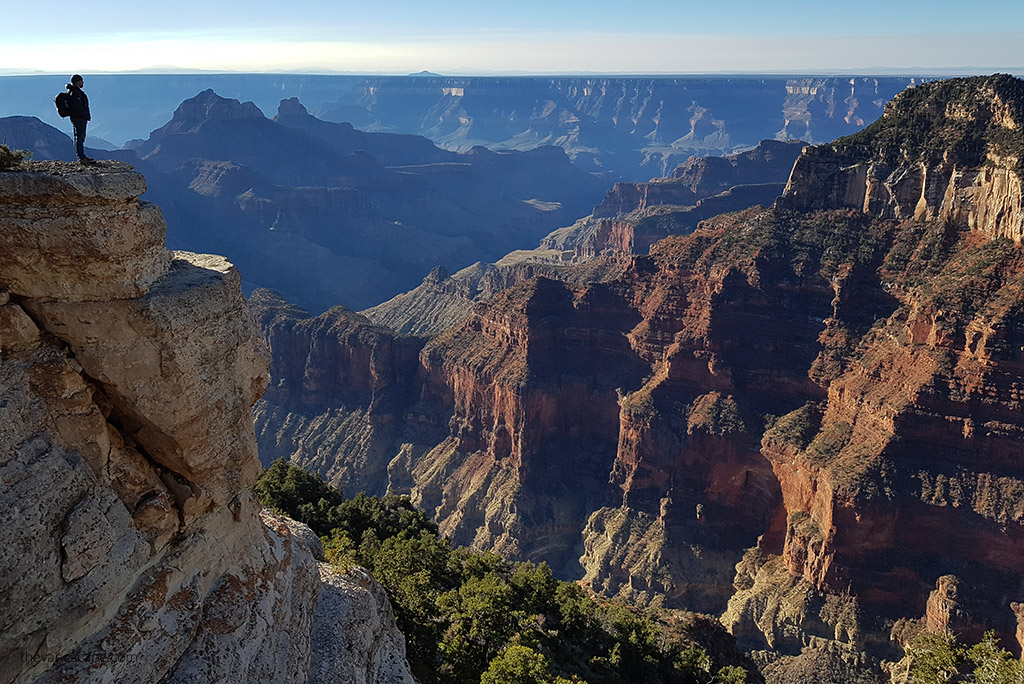
The dramatic views from the North Rim create unforgettable memories
One ranger-led program particularly stands out in my memory. At sunset, about 20 of us gathered at Cape Royal as a passionate ranger explained not just the geological history of what we were seeing, but also shared indigenous stories about the canyon's creation. Watching the fading light transform the canyon while hearing these ancient tales created a profound connection to this special place that transcended mere sightseeing.
What surprised me most was how different the experience felt from the South Rim. The North Rim's higher elevation meant cool, crisp mornings even in July—I actually needed a jacket for sunrise photography! The scent of pine needles warmed by the afternoon sun became the olfactory soundtrack of my visit, along with the distinctive vanilla aroma of ponderosa bark that a ranger taught me to appreciate.
In the evenings, I gravitated to the rocking chairs on the lodge veranda, where conversations with other visitors flowed easily. There was none of the hurried atmosphere I'd experienced at the South Rim—here, people seemed to have fully surrendered to the rhythm of the place.
The North Rim taught me that sometimes the greatest experiences come from the less traveled path. While it required more planning and a longer drive, the reward was a deeper, more intimate connection with one of the world's most magnificent landscapes. I've returned several times since, and each visit reveals new facets of this remarkable place.
Essential Tips for Your Visit
Planning Your Trip
- Book Lodging Early - Reservations for the Grand Canyon Lodge open 13 months in advance and fill quickly. Mark your calendar and book the day reservations open.
- Check Road Conditions - Highway 67 to the North Rim closes due to snow, typically from mid-October to mid-May. Always check the current status before traveling.
- Consider Shoulder Seasons - Late May and September offer ideal conditions with mild weather and fewer crowds.
- Plan for Gas - The last reliable gas station before the North Rim is in Jacob Lake, 44 miles from the park. Fill up there, as fuel at the North Rim is limited and more expensive.
Weather Preparedness
- Dress in Layers - Due to the high elevation (8,000+ feet), temperatures can vary dramatically throughout the day. Morning temperatures might be in the 40s°F, while afternoons reach the 70s or 80s°F.
- Afternoon Thunderstorms - Summer afternoons (July-August) often bring thunderstorms. Plan major hikes for morning and have indoor alternatives for afternoons.
- Sun Protection - The high elevation means intense sun exposure. Wear sunscreen, sunglasses, and a hat even on cool or cloudy days.
- Wind Awareness - The rim can be quite windy. Secure loose items and be extra cautious near the edge on blustery days.
Health and Safety
- Altitude Adjustment - The North Rim's 8,000+ feet elevation can cause mild altitude sickness. Take it easy your first day, drink plenty of water, and avoid alcohol.
- Lightning Safety - If caught in a thunderstorm, stay away from exposed viewpoints, isolated trees, and the canyon rim. The lodge and visitor center are safe shelters.
- Wildlife Awareness - Never feed wildlife, maintain a safe distance (at least 100 feet from large mammals), and secure food items at all times.
- Hiking Safety - For rim trails, standard precautions apply. For inner canyon hikes on North Kaibab Trail, remember that hiking down is optional, but hiking up is mandatory. Carry at least 1 gallon of water per person for inner canyon day hikes.
Practical Information
- Limited Connectivity - Cell service is very limited or non-existent. Download maps, guides, and reservation information before arriving.
- Services Available - The North Rim has a small general store, post office, gas station (limited hours), dining room, deli, saloon, and gift shop. Hours vary seasonally.
- Park Entrance Fee - $35 per vehicle, valid for 7 days and includes both rims. Consider purchasing an America the Beautiful Annual Pass ($80) if you'll visit other national parks within a year.
- Dining Hours - The Grand Canyon Lodge Dining Room requires reservations for dinner. The Deli in the Pines offers more casual options but can have long lines at peak times.
Recommended Gear for North Rim
Based on my experiences visiting the North Rim, here are my top gear recommendations to enhance your visit:
1. Trail Map
Grand Canyon, North and South Rims Map by National Geographic
This waterproof, tear-resistant map has been my constant companion on multiple Grand Canyon trips. It shows all trails, viewpoints, and facilities for both rims, with topographic details and mileage indicators. Unlike digital maps, it won't run out of battery or lose signal in remote areas.
The map includes helpful details like trail difficulty ratings, water sources, and points of interest that aren't always obvious on digital maps. I've discovered several lesser-known viewpoints thanks to this map.
Check Price on Amazon2. Hiking Guide
Best Easy Day Hikes Grand Canyon National Park
This compact guide has been invaluable for discovering appropriate trails for different ability levels and available time. What I particularly appreciate is how it provides realistic time estimates and difficulty ratings that account for elevation changes and trail conditions.
The book includes detailed trailhead directions, highlights what you'll see along the way, and offers insider tips you won't find on official park materials. It's small enough to slip into a pocket or day pack without adding significant weight.
Check Price on Amazon3. Trekking Poles
Cascade Mountain Tech Carbon Fiber Quick Lock Trekking Poles
These lightweight carbon fiber trekking poles have been lifesavers on steep North Rim trails, particularly on the North Kaibab Trail's challenging sections. The quick-lock mechanism allows for easy adjustment when transitioning between uphill and downhill segments.
Despite numerous trips, these poles have proven incredibly durable while remaining lightweight enough to attach to my pack when not needed. The comfortable cork grips don't get slippery with sweat, and the carbide tips provide excellent traction on various surfaces from forest paths to rocky trails.
Check Price on Amazon4. Day Pack
TETON Sports Scout 3400 Internal Frame Backpack
For day hikes into the canyon or longer explorations along the rim, this pack offers the perfect balance of capacity and comfort. With enough room for extra layers, lunch, photography gear, and plenty of water, it's helped me stay prepared for the North Rim's variable conditions.
The adjustable torso length and padded hip belt have kept me comfortable even on longer hikes like the trek to Roaring Springs. Multiple compartments help keep gear organized, and the integrated rain cover has saved my equipment during sudden afternoon thunderstorms.
Check Price on Amazon5. Lightweight Daypack
Osprey Daylite Plus Daypack
For shorter hikes and general exploration around the North Rim viewpoints, this lightweight pack is perfect. It's compact enough not to be cumbersome but has ample space for water, snacks, camera gear, and an extra layer or two.
The breathable mesh back panel is especially appreciated on warmer days, and the external attachment points are perfect for securing trekking poles when not in use. The side mesh pockets easily accommodate water bottles, and the internal sleeve can hold a hydration reservoir for longer hikes.
Check Price on AmazonOther Essential Gear
- Layered Clothing - The North Rim's temperature variations make layers essential. Pack a moisture-wicking base layer, insulating mid-layer, and windproof/waterproof outer layer.
- Sturdy Footwear - Even for casual viewpoint visits, closed-toe shoes with good traction are recommended. For hiking, supportive boots are best, especially on rocky, uneven terrain.
- Sun Protection - The high elevation intensifies UV exposure. Bring sunscreen (SPF 30+), sunglasses with UV protection, and a wide-brimmed hat.
- Water Storage - Carry at least 2-3 liters per person for day hikes along the rim, and 4+ liters for inner canyon hikes. A hydration bladder or multiple water bottles work well.
- Binoculars - Compact binoculars enhance wildlife viewing and allow you to appreciate distant canyon features in detail.
- Headlamp or Flashlight - Essential for sunrise/sunset hikes or stargazing. Models with a red-light option help preserve night vision.
Explore the Beauty of North Rim Grand Canyon
Video courtesy of We're in the Rockies
Frequently Asked Questions
When is the North Rim of Grand Canyon open?
The North Rim is open seasonally from mid-May to mid-October each year (typically May 15 to October 15), though exact dates can vary based on weather conditions. The winter closure is necessary due to heavy snowfall that makes roads impassable. Limited winter backcountry access is available to those with the proper permits and winter survival skills.
How do I get from the South Rim to the North Rim?
Despite being only 10 miles apart as the crow flies, driving between the rims requires a 220-mile route that takes approximately 4.5 hours. There are no bridges across the canyon for vehicles. The route takes you east from Grand Canyon Village on Highway 64, north on Highway 89, and west on Highway 89A before turning south on Highway 67 to the North Rim. Alternatively, very fit hikers can cross rim-to-rim via the North Kaibab and Bright Angel (or South Kaibab) trails, a strenuous journey of 21-24 miles that typically requires an overnight stay at Phantom Ranch or Bright Angel Campground.
Is one day enough to visit the North Rim?
While you can see the major viewpoints in one day, I strongly recommend at least 2-3 days at the North Rim to truly appreciate its unique character. One day allows time to visit Bright Angel Point, take the Cape Royal Scenic Drive, and perhaps fit in a short hike. With additional days, you can explore more trails, experience both sunrise and sunset at different locations, participate in ranger programs, and simply relax and absorb the peaceful atmosphere that makes the North Rim special.
What is the best month to visit the North Rim?
September is often considered the optimal month to visit the North Rim. The summer crowds have diminished, temperatures are pleasant (typically 70s°F during the day and 40s°F at night), afternoon thunderstorms are less frequent than in July-August, and fall colors begin to appear in the aspen groves. Early June is another excellent option with wildflowers in bloom and very comfortable temperatures, though it can be busier as it coincides with the start of summer vacation for many families.
How much colder is the North Rim compared to the South Rim?
The North Rim is typically 10-15°F cooler than the South Rim due to its higher elevation (8,000+ feet versus 7,000 feet). This temperature difference is most noticeable in summer, when the North Rim offers a welcome respite from the intense heat that can affect the South Rim. Winter temperatures are dramatically colder on the North Rim, which receives an average of 142 inches of snow annually compared to the South Rim's 58 inches.
Are reservations required to enter the North Rim?
No reservations are required to enter the North Rim of Grand Canyon National Park. You simply pay the entrance fee upon arrival ($35 per vehicle, valid for 7 days). However, reservations ARE strongly recommended for lodging at Grand Canyon Lodge or the North Rim Campground, as both typically fill months in advance, especially for summer dates.
Conclusion
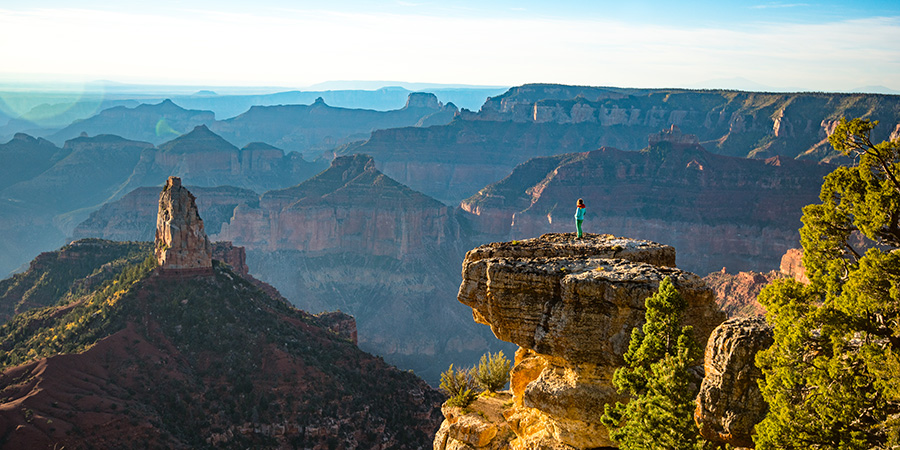
The North Rim of the Grand Canyon offers a profoundly different experience from its more famous southern counterpart. With its higher elevation, cooler temperatures, lush forests, and dramatically fewer visitors, it provides an intimate connection with one of the world's greatest natural wonders that simply isn't possible in more crowded settings.
What makes the North Rim truly special isn't just what you see—though the views are indeed spectacular—but how you feel while you're there. There's a tranquility and sense of discovery that permeates the experience, inviting deeper reflection and connection with the landscape.
Whether you're watching the sunrise from Point Imperial, hiking along a forested rim trail, or simply rocking in a chair on the lodge veranda as evening light transforms the canyon, the North Rim offers moments of wonder that stay with you long after you've left.
Yes, it requires more effort to reach. Yes, its seasonal closure limits when you can visit. But these very limitations help preserve what makes the North Rim so special—a more authentic, less commercialized experience of the Grand Canyon's grandeur.
In a world where true wilderness experiences become increasingly rare, the North Rim remains a place where the modern world feels distant and the ancient rhythms of nature take precedence. It reminds us that sometimes the most rewarding destinations are those that require a bit more effort, patience, and planning to reach.
If you value tranquility over convenience, personal discovery over curated experiences, and deep connection over casual observation, the North Rim of the Grand Canyon awaits. Just remember to plan ahead, prepare appropriately, and give yourself enough time to truly absorb what makes this place so special.
For more information about planning your Grand Canyon adventure, explore our other detailed guides on Nature Guests.