

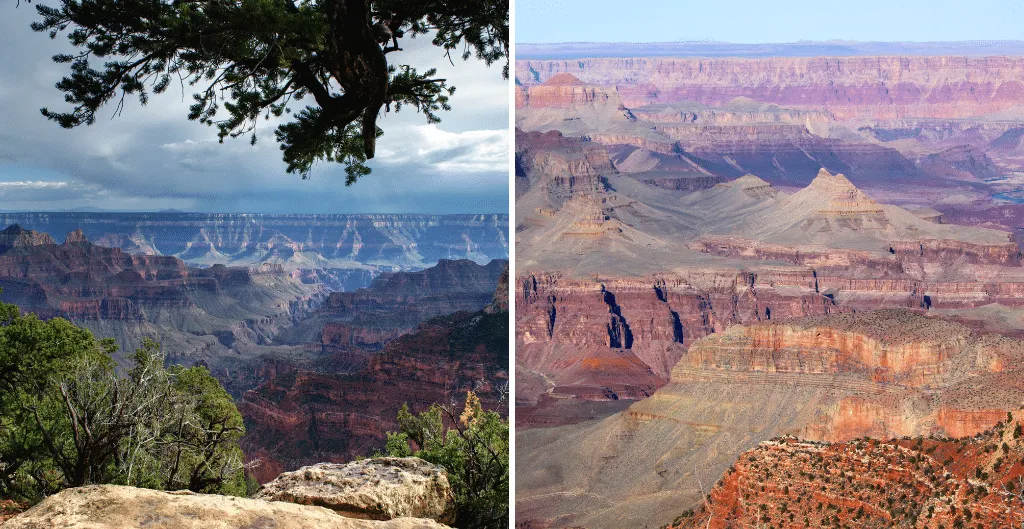
Planning your first visit to the Grand Canyon? I've explored both the north rim grand canyon vs south rim extensively, and the differences are more significant than you might expect. After spending countless days photographing sunrise from Mather Point and hiking the remote trails of the North Rim, I'm here to help you choose the perfect side for your Grand Canyon adventure. Visit our comprehensive nature travel guides for more expert insights.
Accessibility and Location Differences
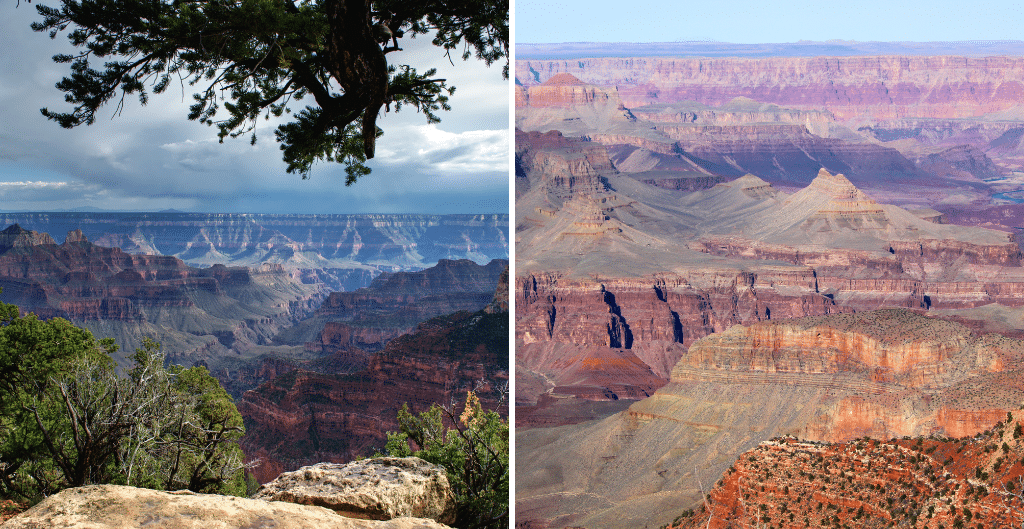
The north rim grand canyon vs south rim debate often begins with accessibility, and there's a clear winner here. The South Rim stands as the most accessible part of Grand Canyon National Park, positioned just 80 miles north of Flagstaff via Highway 180. From Phoenix, it's a comfortable 230-mile drive taking roughly 3.5 hours, while Las Vegas visitors face a 280-mile journey of about 4.5 hours.
In contrast, the North Rim of Grand Canyon National Park sits in splendid isolation. From Flagstaff, you're looking at a 210-mile drive taking over 4 hours via Highway 89A through the spectacular but remote Arizona Strip. Las Vegas to the North Rim stretches 270 miles requiring 5+ hours of driving through some of the most desolate yet beautiful landscapes in the Southwest.
Seasonal Access Limitations
Here's where the comparison becomes crucial for trip planning. The South Rim operates year-round, welcoming over 5 million visitors annually regardless of season. However, the North Rim follows nature's rhythm, closing completely from mid-October through mid-May due to heavy snowfall that can exceed 10 feet. This seasonal closure dramatically impacts when you can experience the north rim grand canyon vs south rim comparison firsthand.
My Experience
I learned this lesson the hard way during my first attempt to visit the North Rim in early November 2019. Despite checking the official closure dates, an early snowstorm had already blocked Highway 67 by October 28th. The park rangers at the North Rim Grand Canyon visitor center explained that weather, not calendar dates, ultimately determines accessibility.
For international visitors or those with limited vacation time, the South Rim's year-round accessibility makes it the practical choice. However, if you're planning a summer visit and crave solitude, understanding North Rim Grand Canyon road access requirements becomes essential for experiencing the canyon's quieter side.
Essential Navigation Tool
Planning your route to either rim? This detailed topographic map has been my go-to resource for over a decade of Grand Canyon exploration.
Grand Canyon Trails Illustrated Map - $10.40Elevation and Weather Patterns
The elevation difference between the north rim grand canyon vs south rim creates dramatically different climates and ecosystems. The South Rim sits at approximately 7,000 feet above sea level, while the North Rim towers at over 8,000 feet – a difference that translates to roughly 10-degree cooler temperatures year-round at the North Rim.
Temperature Variations Throughout the Year
During peak summer months (June-August), South Rim temperatures typically range from 80-85°F during the day, dropping to comfortable 50-55°F at night. The North Rim experiences more pleasant daytime temperatures of 70-75°F, but nighttime temperatures can plummet to the 30s even in midsummer. This makes North Rim Grand Canyon weather planning crucial for any visit.
Ecosystem Differences
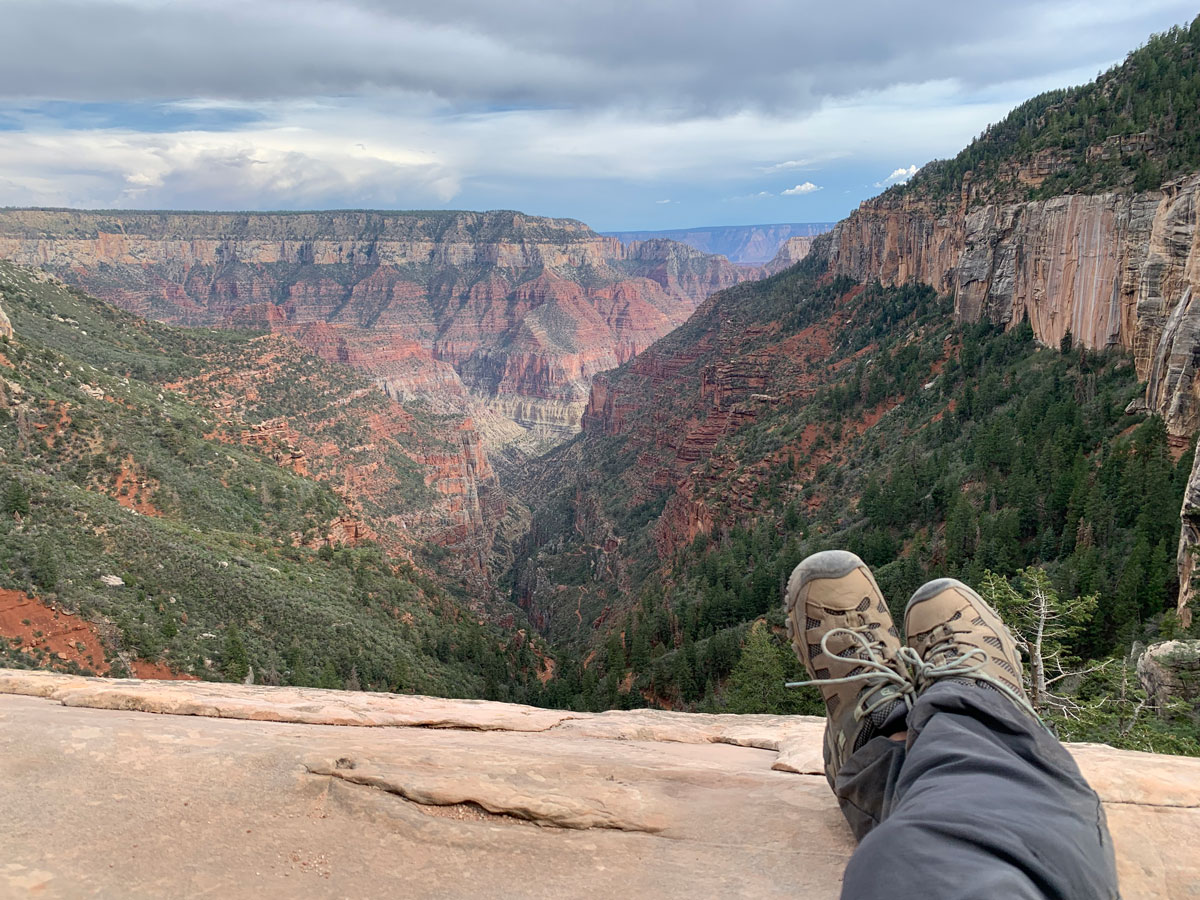
The North Rim's higher elevation supports a lush mixed-conifer forest ecosystem with aspen, fir, and spruce trees – a stark contrast to the South Rim's pinyon-juniper woodland and ponderosa pine forest. This elevation difference creates what locals call "Canada in Arizona," where you might spot elk, mule deer, and the endemic Kaibab squirrel found nowhere else on Earth.
Temperature Reality Check
During my July 2022 photography trip, I experienced this temperature difference dramatically. After a sweltering 95°F afternoon at Mather Point on the South Rim, I drove five hours to the North Rim and woke up to a 38°F morning at Bright Angel Point. I learned to pack layers regardless of the season when comparing north rim grand canyon vs south rim experiences.
The north rim grand canyon vs south rim weather patterns also affect precipitation. The North Rim receives significantly more snow and rainfall, averaging 25-27 inches annually compared to the South Rim's 15-16 inches. This additional moisture supports the North Rim's dense forest and creates spectacular wildflower displays in early summer that you won't find on the more arid South Rim.
For visitors interested in wildlife at North Rim Grand Canyon, the cooler temperatures and dense forest create ideal conditions for spotting animals that have adapted to this unique high-elevation environment.
Crowds and Atmosphere
The crowd levels create the most dramatic contrast in the north rim grand canyon vs south rim experience. The South Rim hosts approximately 90% of all Grand Canyon visitors – roughly 5.9 million people annually – while the North Rim welcomes only about 10% of total park visitors, creating vastly different atmospheres.
South Rim: The Popular Choice
At popular South Rim viewpoints like Mather Point and Yavapai Observation Station, expect significant crowds during peak season (June-August and holidays). Parking fills up by 9 AM, and prime photography spots at sunrise and sunset require early arrival and patience. The bustling atmosphere includes street performers, guided tours, and the constant hum of multiple languages as international visitors capture their Grand Canyon memories.
North Rim: The Quiet Side
The North Rim earned its nickname "the quiet side" honestly. Even during peak season, you can often find yourself alone at major viewpoints like Cape Royal or Point Imperial. The atmosphere resembles what the South Rim might have been like 50 years ago – peaceful, contemplative, and deeply connected to nature.
Photography Perspective
As a landscape photographer, I've learned to embrace both sides of the north rim grand canyon vs south rim experience. The South Rim's crowds can be frustrating when seeking the perfect shot, but they also create energy and scale that tells the story of the canyon's impact on humanity. At the North Rim, I've captured intimate sunrise moments at scenic viewpoints without another soul in sight.
The social dynamics differ significantly too. South Rim visitors often arrive via tour buses or large family groups, creating a festival-like atmosphere with constant activity. North Rim visitors tend to be repeat canyon visitors, serious hikers, or photographers seeking solitude – people who've specifically chosen the more challenging journey for a deeper connection with the landscape.
For families with young children, the South Rim's energy can be engaging and exciting, while the North Rim's tranquility might seem too quiet. However, for couples celebrating anniversaries or solo travelers seeking spiritual renewal, the North Rim's peaceful atmosphere proves transformative. The choice between north rim grand canyon vs south rim often depends on whether you thrive in social environments or prefer solitary nature experiences.
Expert Hiking Guidance
Whether you choose crowded trails or quiet paths, this comprehensive guide covers both rims with expert trail descriptions and safety tips I've personally verified.
Hiking Grand Canyon National Park Guide - $22.95Viewpoints and Scenic Perspectives
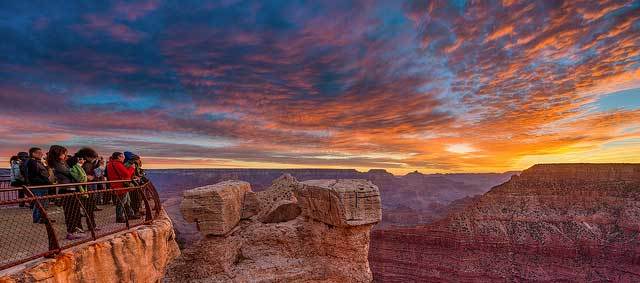
The viewpoints and scenic perspectives represent perhaps the most subjective aspect of the north rim grand canyon vs south rim comparison. Both offer breathtaking vistas, but they provide fundamentally different visual experiences of this geological masterpiece.
South Rim: Classic Canyon Views
The South Rim provides the iconic Grand Canyon views featured in countless photographs, movies, and documentaries. From viewpoints like Mather Point, Grandview Point, and Desert View, you look directly into the heart of the canyon with clear sightlines to the Colorado River winding through the gorge 5,000 feet below. The rock layers appear stacked like a geological timeline, each stratum clearly defined and dramatically lit during golden hour.
The South Rim boasts over 20 developed viewpoints connected by the paved Rim Trail, allowing visitors to experience different perspectives of the same fundamental view. Each viewpoint reveals slightly different angles of iconic formations like Vishnu Temple, Brahma Temple, and the dramatic switchbacks of the Bright Angel Trail descending into the canyon.
North Rim: Panoramic Wilderness Views
The North Rim offers wider, more panoramic vistas that emphasize the canyon's immense scale rather than its depth. From North Rim Grand Canyon photography spots like Cape Royal and Point Imperial, you see layer upon layer of canyon geography extending to the distant horizon, with the South Rim visible as a thin line across the chasm.
The North Rim's viewpoints feel more integrated into the natural landscape. Instead of looking down into the canyon from parking areas, you often walk short trails through old-growth forest before emerging onto rocky outcrops that feel like natural balconies suspended above the abyss. The famous Angel's Window at Cape Royal perfectly frames a distant view of the Colorado River – one of the few places on the North Rim where the river is clearly visible.
Photography Considerations
For photographers, the north rim grand canyon vs south rim debate often centers on lighting and composition opportunities. The South Rim faces north, providing excellent morning light on the canyon walls and making it ideal for sunrise photography. The North Rim faces south, catching beautiful afternoon and sunset light but requiring different timing for optimal shots.
Lighting Insight
After photographing both rims extensively, I've discovered that South Rim sunrise shots from Mather Point create the classic "Grand Canyon postcard" image, while North Rim sunset photography from Cape Royal produces more artistic, atmospheric compositions. The key is understanding that you're capturing two completely different moods of the same natural wonder when comparing north rim grand canyon vs south rim perspectives.
Weather patterns also affect visibility differently at each rim. The North Rim's higher elevation means more frequent cloud cover, which can obscure views but also creates dramatic storm photography opportunities. The South Rim's lower elevation and drier climate provide more consistently clear views but fewer dynamic weather patterns to capture.
Amenities and Services
The amenities and services available create one of the most practical differences in the north rim grand canyon vs south rim experience. Your choice between the two rims may ultimately depend on your comfort level with remote wilderness travel versus developed tourist infrastructure.
South Rim: Full-Service Destination
The South Rim operates like a small city designed for tourists. Grand Canyon Village offers six different lodging options within the park, from the historic luxury of El Tovar Hotel to the family-friendly Yavapai Lodge. Multiple restaurants serve everything from fine dining to quick snacks, while gift shops, a post office, and even a bank provide essential services.
Just outside the park entrance, the town of Tusayan expands your options with chain hotels, restaurants, an IMAX theater, and helicopter tour operators. Medical services, gas stations, and grocery stores ensure you can handle any emergency or forgotten items. The South Rim's visitor center features extensive exhibits, ranger programs, and multilingual information services accommodating international visitors.
North Rim: Rustic Simplicity
The North Rim embraces a more rustic national park experience reminiscent of parks from decades past. The historic Grand Canyon Lodge serves as the sole accommodation option within the park, offering cabins and lodge rooms that book up nearly a year in advance. One restaurant, one small general store, and a modest visitor center comprise the entire commercial infrastructure.
For additional services, you'll drive 45 minutes to Jacob Lake or 90 minutes to Fredonia, Arizona. This remoteness appeals to visitors seeking authentic wilderness experiences but challenges those accustomed to modern conveniences. The lodging options near North Rim Grand Canyon require advance planning and realistic expectations about amenities.
Dining Reality Check
During my 5-day North Rim photography workshop, I learned to appreciate the single restaurant's limited menu and seasonal hours. Unlike the South Rim's diverse dining options available until late evening, the North Rim's Grand Canyon Lodge Dining Room closes early and requires reservations during peak season. I started packing more snacks and embracing the simpler pace of north rim grand canyon vs south rim experiences.
Camping and Outdoor Services
Both rims offer developed campgrounds, but with different characters. The South Rim's Mather Campground provides 300+ sites with modern amenities including shower houses, while Desert View Campground offers a more primitive experience. The North Rim Campground features just 90 sites nestled among tall pines, creating an intimate forest camping experience that books solid throughout its short season.
For those interested in North Rim Grand Canyon camping, the remote location means self-sufficiency becomes essential. Stock up on supplies in Flagstaff or Kanab before arriving, as the small general store carries only basics at premium prices.
Trail Planning Made Simple
Planning adventures at either rim? This easy day hikes guide covers both sides with detailed maps and difficulty ratings perfect for all skill levels.
Best Easy Day Hikes Grand Canyon - $9.95Activities and Experiences
The activities and experiences available represent the final major factor in the north rim grand canyon vs south rim decision. Your preferred activity level and adventure style will significantly influence which rim provides the better experience for your visit.
South Rim: Adventure Variety
The South Rim caters to every activity level and interest. Helicopter tours launch regularly from Grand Canyon Airport, providing aerial perspectives impossible to achieve from the ground. The Grand Canyon Railway arrives daily from Williams, offering a historic steam train experience. River rafting expeditions begin and end at the South Rim, ranging from half-day float trips to multi-week wilderness adventures.
For hikers, the South Rim provides immediate access to the park's most popular trails. The Bright Angel Trail offers the classic Grand Canyon hiking experience with rest houses, emergency phones, and potable water. The South Kaibab Trail provides more dramatic views but requires greater preparation. Both trails accommodate day hikers and serve as starting points for rim-to-rim adventures.
North Rim: Wilderness Immersion
The North Rim emphasizes quiet, contemplative activities that connect visitors with wilderness solitude. The hiking trails at North Rim Grand Canyon tend to be less crowded and more challenging, rewarding experienced hikers with pristine wilderness experiences.
The North Kaibab Trail serves as the primary inner-canyon route from the North Rim, descending 14 miles to the Colorado River with significantly fewer hikers than its South Rim counterparts. For day hikers, shorter trails like the Bright Angel Point Trail and Cape Royal Road provide easier access to spectacular viewpoints without technical difficulty.
Seasonal Activities
One unexpected discovery during my September North Rim visit was the spectacular aspen viewing opportunities. The North Rim's higher elevation and mixed forest create brilliant fall color displays that peak in late September - an experience completely unavailable on the South Rim. Learning about the best time to visit North Rim Grand Canyon revealed seasonal experiences that enhanced my north rim grand canyon vs south rim comparison.
Family-Friendly Considerations
For families with young children, the South Rim provides more engaging activities and amenities. The visitor center's exhibits, IMAX theater in Tusayan, and regular ranger programs keep children entertained between viewpoint visits. The paved Rim Trail accommodates strollers and wheelchairs, making the South Rim more accessible for families with diverse mobility needs.
The North Rim suits families with older children who appreciate wildlife viewing and longer hiking adventures. The forest setting provides excellent opportunities to spot elk, deer, and unique bird species. However, the remote location and limited services require more careful planning for families, making activities at North Rim Grand Canyon selection crucial for a successful family visit.
Photography and Art Workshops
Both rims attract photographers and artists, but they offer different creative opportunities. The South Rim's consistent crowds provide human scale in landscape compositions and cultural documentation opportunities. The North Rim's solitude allows for pure landscape photography and intimate nature documentation without human elements.
Professional photography workshops operate from both rims, but North Rim workshops typically focus on wilderness and wildlife photography while South Rim workshops emphasize dramatic landscape and golden hour techniques. The choice between north rim grand canyon vs south rim for photography depends on your artistic vision and preferred subject matter.
Complete Trip Planning Resource
Ready to plan your Grand Canyon adventure? This 2025 travel guide covers both rims with insider tips, seasonal advice, and detailed activity planning I've developed through years of exploration.
Grand Canyon Travel Guide 2025 - $15.99Frequently Asked Questions
Which rim is better for first-time visitors?
For first-time visitors, the South Rim is generally the better choice when comparing north rim grand canyon vs south rim options. The South Rim offers the classic Grand Canyon views featured in most photographs, provides year-round accessibility, and includes comprehensive visitor services and amenities. The extensive network of viewpoints connected by the paved Rim Trail allows first-time visitors to experience multiple perspectives easily. Additionally, the South Rim's proximity to major cities and abundant lodging options make trip planning more straightforward for newcomers to the area.
Can you visit both rims in one day?
While technically possible, visiting both rims in one day is not recommended and severely limits your experience of either side. The drive between rims takes 4-5 hours covering over 200 miles, leaving minimal time for actual sightseeing. Most visitors who attempt this end up frustrated and exhausted without truly experiencing either rim's unique character. Instead, plan at least a full day for each rim, or choose one rim for a thorough exploration. If time is extremely limited, focus on one rim and plan a return trip to experience the other properly.
When is the best time to visit the North Rim?
The best time to visit the North Rim depends on your preferences and priorities. The official season runs from mid-May through mid-October, but the optimal periods are June through September for consistently warm weather and accessible trails. Late September offers spectacular fall colors as aspen trees turn golden, creating photography opportunities unavailable at other times. Early season (May) can be unpredictable with possible snow, while late season (October) risks early closure due to weather. Summer months provide the most reliable weather but also the highest visitor numbers, though crowds remain significantly lighter than the South Rim year-round.
Which rim has better hiking opportunities?
Both rims offer excellent hiking opportunities, but they cater to different preferences and skill levels. The South Rim provides more trail variety with options ranging from easy rim walks to challenging inner-canyon descents. The Bright Angel and South Kaibab trails are well-maintained with emergency services and regular maintenance. The North Rim offers more wilderness-style hiking with fewer crowds and more wildlife viewing opportunities. The North Kaibab Trail provides a more remote inner-canyon experience, while rim trails offer peaceful forest walks. Choose the South Rim for diverse options and convenience, or the North Rim for solitude and wilderness immersion.
How much time should I plan for each rim?
Plan at least a full day for each rim to experience their unique characteristics properly. For the South Rim, one to two days allows you to visit multiple viewpoints, walk portions of the Rim Trail, and possibly take a short hike below the rim. The North Rim can be thoroughly experienced in one to two days, focusing on the major viewpoints and forest trails. If you're interested in serious hiking, camping, or photography, plan three to four days for either rim. Remember that the North Rim's limited season and remote location make advance planning essential, while the South Rim's year-round access provides more flexibility for spontaneous visits.
Conclusion
The north rim grand canyon vs south rim comparison ultimately comes down to your personal travel style, time constraints, and what you hope to experience at one of America's most magnificent natural wonders. Both sides offer transformative encounters with the Grand Canyon's grandeur, but they provide distinctly different experiences that appeal to different types of travelers.
Choose the South Rim if you're a first-time visitor, traveling with family, seeking diverse activities and amenities, prefer year-round accessibility, or want the classic Grand Canyon experience featured in countless photographs. The South Rim's comprehensive infrastructure, multiple viewpoints, and convenient location make it the practical choice for most visitors, especially those with limited time or specific accessibility needs.
Select the North Rim if you're seeking solitude, prefer wilderness experiences, enjoy cooler temperatures, appreciate unique wildlife viewing opportunities, or want to experience the Grand Canyon as it existed decades ago before mass tourism. The North Rim rewards those willing to plan ahead and travel farther with a more intimate, peaceful connection to this natural wonder.
My Personal Recommendation
After exploring both rims extensively over more than a decade, I recommend starting with the South Rim for your first Grand Canyon experience, then returning to discover the North Rim's quieter magic. The contrast between the two sides enhances appreciation for each rim's unique character. However, if you're drawn to wilderness solitude and can only visit once, don't hesitate to choose the North Rim – it offers an increasingly rare experience of pristine national park beauty without crowds.
For comprehensive planning resources and detailed guides to both rims, explore our extensive collection of North Rim Grand Canyon vs South Rim articles. Whether you choose the bustling energy of the South Rim or the peaceful solitude of the North Rim, you're guaranteed an unforgettable encounter with one of Earth's most spectacular natural wonders.
Remember that the Grand Canyon is vast enough to warrant multiple visits, and many travelers eventually experience both rims to fully appreciate the complete picture of this geological masterpiece. The choice between north rim grand canyon vs south rim doesn't have to be permanent – it's simply the beginning of your Grand Canyon adventure story.
Ultimate Grand Canyon Resource
Ready to plan the perfect Grand Canyon adventure? This comprehensive guide provides everything you need to know about both rims, from my personal experiences and expert recommendations.
Grand Canyon: The Complete Guide - $10.99