

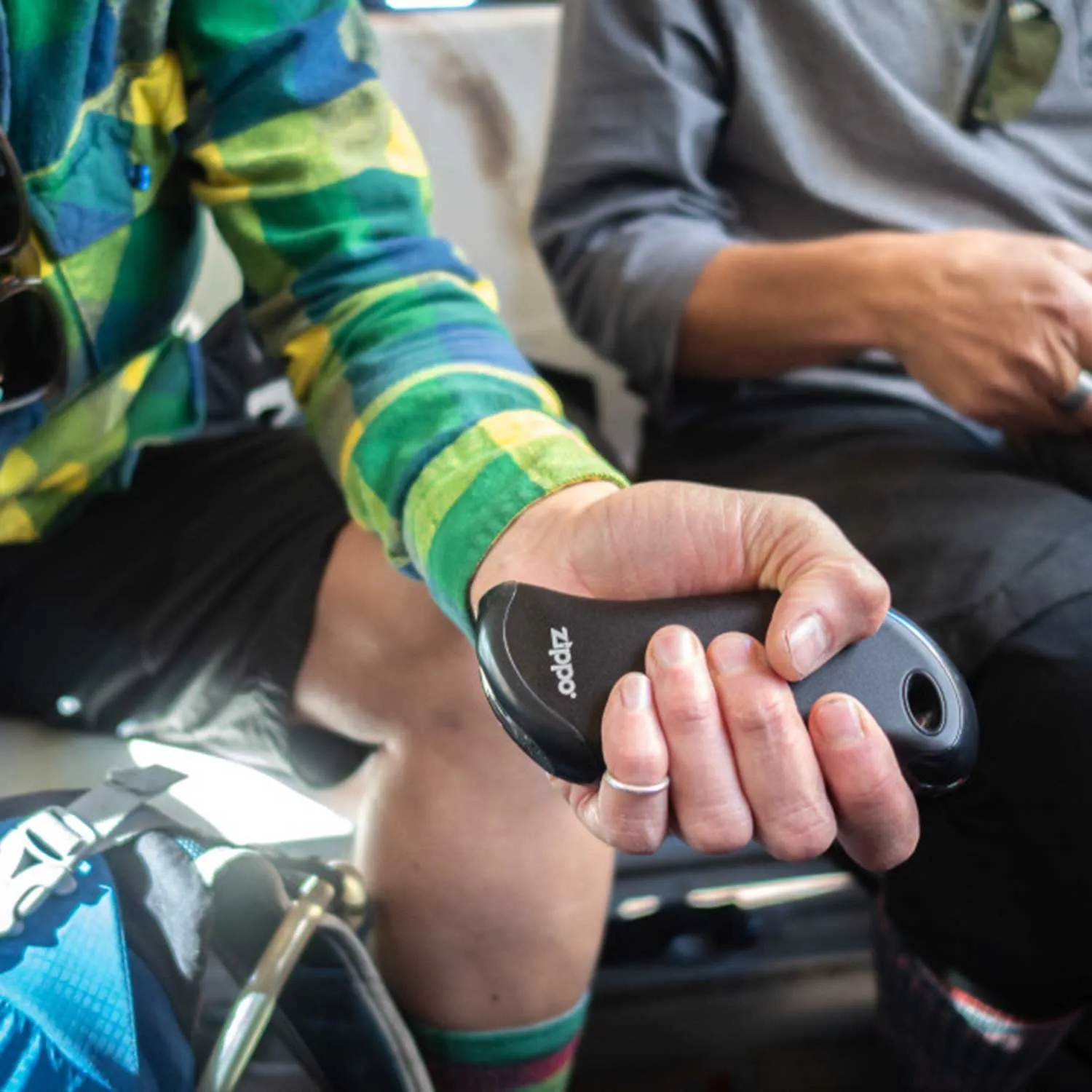
As an avid outdoor enthusiast who's battled freezing temperatures in various national parks, I've discovered that reusable hand warmers are game-changers for winter adventures. These portable heat sources not only keep your fingers functioning but also offer eco-friendly alternatives to disposable options. After years of testing different products while hiking in sub-zero conditions, I'm excited to share my comprehensive guide on the best reusable hand warmers for 2025, their environmental benefits, and how to maximize their performance on your next outdoor excursion.
Types of Reusable Hand Warmers
When venturing into the world of reusable hand warmers, you'll quickly discover there are several distinct types, each with unique heating mechanisms and benefits. Understanding these differences is crucial for selecting the right option for your specific needs and outdoor activities.
Rechargeable Electric Hand Warmers
Rechargeable electric hand warmers have revolutionized the portable heating market in recent years. These compact devices use lithium-ion batteries to power internal heating elements that provide consistent warmth at the touch of a button. Most modern models feature multiple heat settings (typically 3-4 temperature levels), allowing you to adjust the warmth based on environmental conditions or personal preference.
The key advantages of electric hand warmers include their quick heating capability—many reaching maximum temperature within seconds—and their long runtime, with premium models offering 8-15 hours of heat per charge. Most electric warmers heat both sides, providing even warmth distribution. Additionally, many newer models double as power banks, allowing you to charge your smartphone or other small devices in emergencies—a feature I've found incredibly useful while documenting wildlife during winter expeditions.
While electric hand warmers typically cost more upfront (ranging from $15-50), their reusability makes them cost-effective over time. They're also incredibly convenient for regular use, as you can simply recharge them via USB rather than performing more involved reactivation processes.
Catalytic Hand Warmers
Catalytic hand warmers, like the classic Zippo models, operate using lighter fluid and a catalytic burner element. Once filled with fuel and ignited, these warmers create a flameless heat through a controlled oxidation process. The most significant advantage of catalytic warmers is their exceptional runtime—up to 12 hours or more on a single fill—and their ability to perform consistently in extreme cold temperatures where battery-powered options may struggle.
These hand warmers require no electricity to function, making them ideal for extended backcountry trips or emergency preparedness kits. However, they do require careful handling when filling and lighting, and once activated, they can't be turned off until the fuel is depleted. While not as instantly adjustable as electric models, they provide reliable, steady heat that many outdoor enthusiasts swear by for winter camping and hunting trips.
Chemical Reaction (Sodium Acetate) Hand Warmers
Chemical reaction hand warmers like HotSnapZ utilize sodium acetate solution sealed in a plastic pouch. By clicking a small metal disc inside the pouch, you trigger crystallization that releases heat almost instantly. These warmers typically reach temperatures of 130°F within seconds and remain warm for 30-60 minutes before the gel solidifies. To reuse them, you simply boil the solidified pack for 10-15 minutes until the crystals dissolve back into liquid form.
These are the most affordable reusable option and are completely electricity-independent. However, their shorter heat duration and the need for boiling water to reset them limits their practicality for extended outdoor activities. They're better suited for shorter outings or situations where you have regular access to boiling water.
Natural Material Hand Warmers
For the most environmentally conscious option, natural material hand warmers made from materials like sheared beaver fur offer sustainable warmth. Unlike other types that actively generate heat, these passive warmers work by efficiently trapping and recirculating your body's natural heat. With proper care, premium natural warmers can last 5+ years while creating zero waste or emissions.
While not as intensely hot as active heating options, natural material warmers provide gentle, consistent warmth and are particularly well-suited for sensitive skin or everyday use. Their environmental footprint is minimal when sourced responsibly, making them increasingly popular among eco-conscious outdoor enthusiasts.
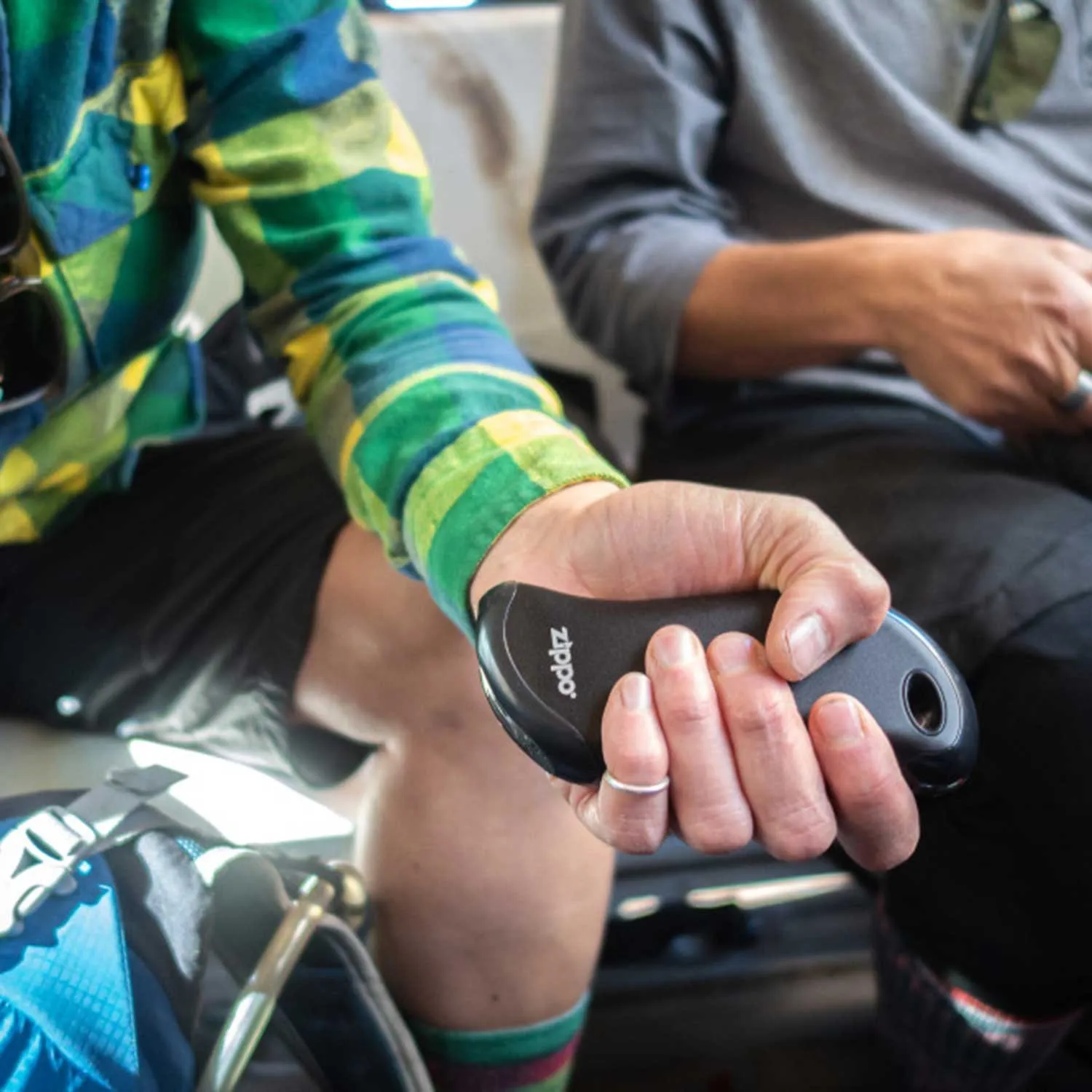
Benefits of Reusable vs. Disposable Hand Warmers
After years of using both disposable and reusable hand warmers across various conditions—from freezing alpine treks to chilly morning kayaking expeditions—I've become a firm advocate for reusable options. Let me break down why making the switch could benefit both your wallet and the planet.
Environmental Impact
The most compelling reason to choose reusable hand warmers is their significantly reduced environmental footprint. Traditional disposable hand warmers generate substantial waste—each pair used creates plastic packaging and iron powder waste that ends up in landfills. According to environmental research, if just one person switches from using disposable to reusable hand warmers, they could prevent hundreds of single-use packets from entering landfills each winter season.
Reusable electric hand warmers do contain batteries and electronic components, but their multi-year lifespan means these materials are amortized over hundreds or even thousands of uses. Natural material options like fur-based warmers take this environmental benefit even further, as they're biodegradable at the end of their useful life. In contrast, the plastic packaging from disposable warmers can persist in landfills for decades.
During a recent conversation with a park ranger in Yellowstone National Park, I learned that discarded disposable hand warmers are increasingly becoming an environmental concern in popular wilderness areas, as visitors sometimes improperly dispose of them on trails.
Cost Effectiveness
While reusable hand warmers require a higher initial investment, their long-term value is undeniable. Let's break down the math: A typical pair of disposable hand warmers costs around $1-2 and provides 8-10 hours of heat before becoming trash. If you're an active outdoor enthusiast using hand warmers twice weekly during a 4-month winter season, you'd spend approximately $32-64 on disposables each year.
In contrast, a quality rechargeable electric hand warmer priced at $30-40 will last 2-3 seasons with proper care, resulting in significant savings by the second winter. Premium options like catalytic hand warmers or natural fur warmers may cost $40-80 upfront but can last 5+ years, providing even greater long-term value. From personal experience tracking my winter gear expenses, I've saved over $200 in three years since switching to reusable hand warmers.
Performance Advantages
Beyond environmental and economic benefits, many reusable hand warmers simply perform better than their disposable counterparts. Electric models offer adjustable heat settings, allowing you to customize the temperature based on conditions—a feature I've particularly appreciated when transitioning between shaded trails and sunny clearings during winter hikes. Most reach their maximum temperature within seconds, unlike disposables that can take 15-30 minutes to fully activate.
Catalytic models maintain consistent heat even in extreme cold where disposable iron-powder warmers become less effective. And while disposables offer a fixed heat duration, rechargeable models can be instantly reactivated with portable power banks during extended outings.
Another significant advantage is placement versatility. While disposable warmers are designed primarily for gloves or pockets, many reusable options feature ergonomic designs that fit comfortably in various locations. Some even include magnetic features that allow them to attach to clothing layers, providing targeted warmth exactly where needed.
Top 5 Reusable Hand Warmers in 2025
After extensive testing in various cold-weather conditions—from sub-zero mountain hikes to frigid early morning fishing trips—I've narrowed down the best reusable hand warmers available on Amazon. These selections balance performance, durability, value, and environmental impact.
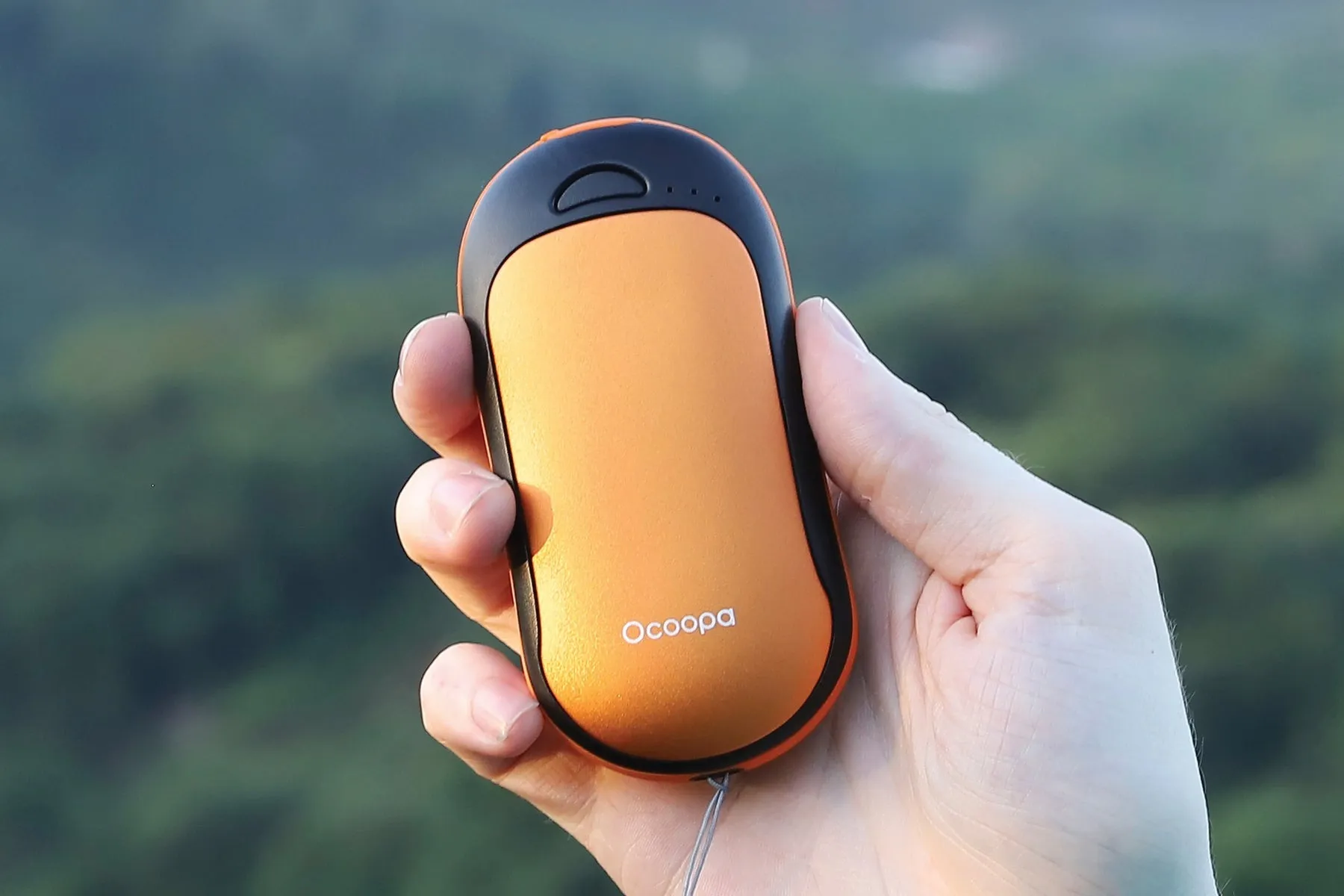
1. OCOOPA UT3 PRO Magnetic Rechargeable Hand Warmers
Price: $36.99
Heat Duration: Up to 15 hours
Maximum Temperature: 136°F
Weight: 8.3 oz per pair
The OCOOPA UT3 PRO represents the pinnacle of rechargeable hand warmer technology in 2025. What sets this model apart is its dual-unit magnetic design—you receive two independent warmers that can either work separately (one for each hand/pocket) or magnetically connect for concentrated heat. With four adjustable temperature settings reaching up to 136°F, these warmers provide exceptional versatility for various conditions.
During my recent winter photography excursion in Colorado, I was particularly impressed by how quickly these units heated up—reaching comfortable warmth in just seconds rather than the minutes required by cheaper alternatives. The 15-hour battery life at lower settings easily lasted through an entire day of outdoor shooting.
Check Price on AmazonPros:
- Dual independent units with magnetic connection feature
- Exceptional 15-hour battery life on lower settings
- Four heat settings for precise temperature control
- Fast heating (reaches maximum temperature in seconds)
- Premium aluminum construction provides durability and comfort
Cons:
- Premium price point compared to basic models
- Slightly heavier than single-unit alternatives
- Battery performance declines in extreme cold (below 10°F)
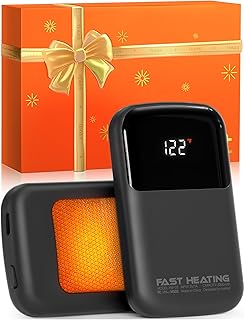
2. Dnaleao Rechargeable Hand Warmers
Price: $20.99
Heat Duration: Up to 12 hours
Maximum Temperature: 130°F
Weight: 6.0 oz per pair
The Dnaleao Rechargeable Hand Warmers offer exceptional value for budget-conscious outdoor enthusiasts. Don't let the lower price fool you—these perform remarkably well, heating up almost instantaneously and maintaining consistent warmth for up to 12 hours on a single charge. The ergonomic design fits comfortably in both hands and pockets, while the 6000mAh battery provides reliable performance.
What impressed me during testing was how quickly these warmers reached their maximum temperature—in just seconds rather than minutes. During a recent early morning ice fishing trip, these kept my hands functional in 15°F temperatures despite the challenging conditions. The three heat settings provide good customization, though not quite as precise as the OCOOPA's four-level system.
Check Price on AmazonPros:
- Exceptional value at half the price of premium models
- Extremely fast heating response (under 3 seconds)
- Lightweight design (6 oz) reduces pack weight
- Double-sided heating provides even warmth distribution
- 12-hour runtime covers full day activities
Cons:
- Less precise temperature control (3 settings vs. 4+)
- No power bank functionality
- Slightly less durable construction than premium models
3. Zippo HeatBank 9s Rechargeable Hand Warmer
Price: $28.99
Heat Duration: Up to 9 hours
Maximum Temperature: 120°F
Weight: 5.0 oz
Coming from a brand with decades of experience in portable heating, the Zippo HeatBank 9s combines reliable performance with multi-functionality. Unlike dual-unit designs, this is a single, more substantial warmer that heats rapidly to a maximum of 120°F. What distinguishes this model is its dual-purpose design—it functions as both a hand warmer and a 5,200 mAh power bank for charging smartphones and other devices.
I found this particularly useful during a weekend camping trip when I needed both hand warmth during frosty mornings and emergency phone charging. The aluminum construction transfers heat efficiently and feels premium in the hand. With six heat settings, it offers more temperature customization than most competitors, though its single-unit design means you'll need to alternate between hands or pockets.
Check Price on AmazonPros:
- Dual-purpose functionality as hand warmer and power bank
- Six temperature settings for precise control
- Premium build quality from a trusted brand
- Fast heat-up time (approximately 1 minute)
- Includes protective carry pouch
Cons:
- Single unit design (less versatile than dual-unit options)
- Slightly lower maximum temperature than top competitors
- Shorter runtime than other models at highest setting
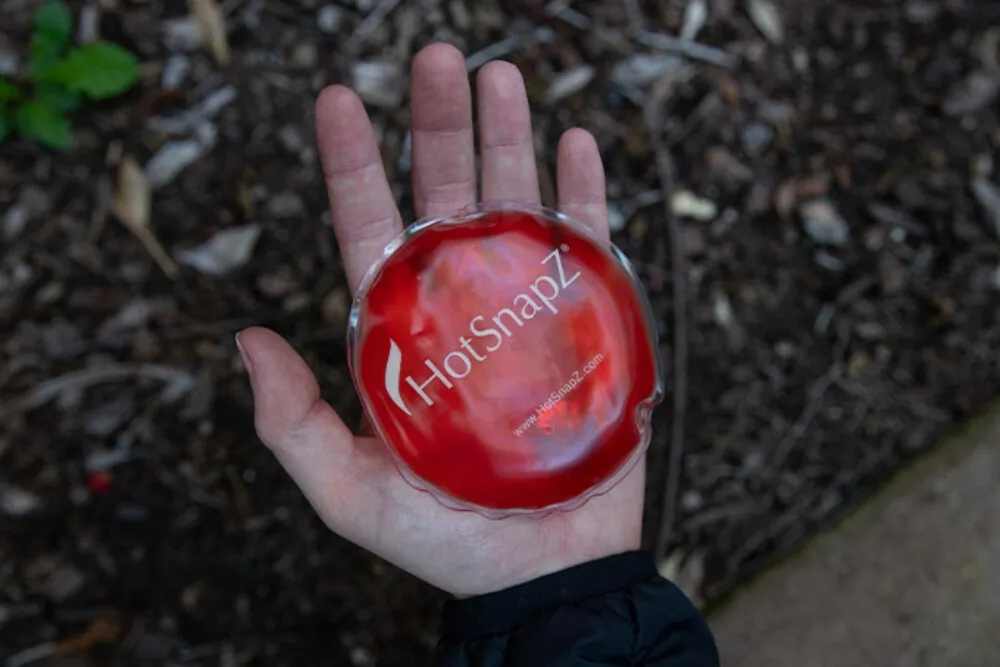
4. HotSnapZ Reusable Hand Warmers
Price: $21.99
Heat Duration: 30-60 minutes
Maximum Temperature: 130°F
Weight: 4.0-7.0 oz each
For those seeking an electricity-independent solution, HotSnapZ offers a chemical-reaction alternative that provides intense heat without batteries or fuel. These sodium acetate warmers activate instantly with a simple click of the internal metal disc, crystallizing from liquid to solid while releasing heat in the process. The set includes both round and rectangular warmers suitable for different uses—the smaller rounds fit perfectly in gloves while the rectangles work well for pockets or as targeted muscle relief.
During a power outage at a remote cabin last winter, these became invaluable as they required no electricity to function—simply boiling them in water to reset for the next use. The instant activation provides immediate gratification compared to the slow warm-up of disposable iron-powder warmers, though the trade-off is a shorter 30-60 minute duration per use.
Check Price on AmazonPros:
- No electricity needed—perfect for emergencies
- Instant activation with satisfying "click" mechanism
- Two different sizes for versatile use cases
- Quick to reach maximum temperature
- Can be reused hundreds of times
Cons:
- Short heat duration (30-60 minutes per activation)
- Requires boiling water to reset
- Plastic construction less durable than metal alternatives
- Heat duration decreases slightly with repeated use
5. AI Hand Warmers Rechargeable with Smart Temperature Control

Price: $18.99
Heat Duration: Up to 20 hours
Maximum Temperature: 131°F
Weight: 2.5 oz per unit
The newest innovation in hand warmer technology, these AI-enhanced warmers use smart chips to regulate temperature more efficiently than previous generations. The intelligent heat management system adapts power output based on ambient conditions and your selected settings, resulting in the longest battery life of any model tested—up to an impressive 20 hours on the lowest setting. Despite this remarkable endurance, they maintain a slim, lightweight profile that's 40% lighter than most competitors.
During an overnight winter backpacking trip, I was amazed that these still had 50% battery remaining after keeping my hands warm for the entire frigid evening and morning. The 6000mAh capacity provides ample power, and the three heat settings cover most scenarios from mild chill to bitter cold. While the "AI" features are somewhat exaggerated in marketing materials, the advanced power management does deliver tangible benefits in extended battery life.
Check Price on AmazonPros:
- Industry-leading battery life (up to 20 hours)
- Ultra-lightweight design (2.5 oz per unit)
- Smart power management extends runtime
- Digital temperature display shows exact heat level
- Excellent value for the feature set
Cons:
- Newer brand with less established reliability record
- "AI" features are more basic than marketing suggests
- Slightly less premium materials than top-tier models
Buying Guide: How to Choose the Right Hand Warmer
Selecting the ideal reusable hand warmer requires considering several key factors that align with your specific needs and usage scenarios. From my experience testing dozens of models across various outdoor activities, I've developed this comprehensive buying guide to help you make an informed decision.
Heat Output and Temperature Range
Heat output is arguably the most critical factor when selecting a hand warmer. Most quality rechargeable models produce maximum temperatures between 115°F and 140°F, with multiple heat settings to adjust based on conditions. For mild climates or brief outdoor stints, a maximum temperature of 115-120°F may suffice. However, for extreme cold or conditions like Raynaud's syndrome, look for models exceeding 130°F.
While higher maximum temperatures might seem obviously better, also consider how evenly the device distributes heat. Some cheaper models create uncomfortable hot spots rather than consistent warmth. During testing, I've found double-sided heating particularly beneficial compared to single-sided options.
Most importantly, evaluate how quickly the warmer reaches its operating temperature. Premium models heat up within seconds, while budget options might take 3-5 minutes to reach full warmth—a significant difference when your fingers are already cold. If possible, choose models with digital temperature displays for precise control.
Battery Life and Runtime
For rechargeable electric models, battery capacity determines how long your warmth will last. Look for specifications measured in both mAh (milliamp hours) and estimated runtime hours. Higher-end models typically offer 5,000-10,000 mAh capacity, translating to 8-15 hours of operation on medium settings.
When evaluating runtime claims, remember that manufacturer estimates typically reflect operation on the lowest heat setting. In practice, using medium or high settings will significantly reduce battery life—often by 40-60%. For extended outdoor activities like all-day skiing or winter camping, prioritize models with 12+ hour ratings or consider supplementing with a portable power bank.
Also consider charging time and compatibility. Most modern hand warmers recharge via USB, taking 2-4 hours to reach full capacity. Fast-charging capabilities can be valuable for overnight trips or situations where power access is limited. Some newer models even support wireless charging for added convenience.
Size, Weight and Ergonomics
The physical dimensions and ergonomics of your hand warmer significantly impact its practicality. Ultra-compact models might weigh as little as 2-3 ounces, while larger, more powerful options can exceed 8 ounces. For activities where every ounce matters—like backcountry skiing or ultralight hiking—the weight difference becomes meaningful.
Consider not just the raw dimensions but also the shape. Contoured designs that fit naturally in your palm provide better comfort during extended use. If you plan to use your warmer inside gloves rather than pockets, slim profiles are essential. Some newer models feature tapered edges specifically designed to slide easily into gloves without creating uncomfortable bulges.
Material choice also affects the user experience. Aluminum exteriors conduct heat efficiently but can initially feel cold to the touch, while silicone-coated models offer better grip but slightly reduced heat transfer. Premium models often feature anti-slip surfaces that prevent dropping with cold or gloved hands.
Additional Features
Modern hand warmers often include supplementary features that extend their utility beyond basic heating. Power bank functionality allows you to charge smartphones or other small electronics from the same battery that powers your hand warmer—especially valuable during emergencies or multi-day trips. Look for models with 2.1A or higher output for faster device charging.
LED flashlights integrated into some models provide emergency illumination without carrying a separate light source. While typically not bright enough for primary lighting, these can be helpful for finding items in a dark tent or navigating short distances at night.
Advanced models may include intelligent heat management systems that automatically adjust output based on ambient conditions and battery levels. These systems help maximize runtime while maintaining consistent warmth. Digital displays showing remaining battery percentage, current temperature, and active settings improve user control compared to basic LED indicators.
For those concerned about safety, look for UL certification and built-in protections against overheating, short circuits, and overcharging. Quality manufacturers include multiple safety systems to prevent thermal runaway or battery failures.
Environmental Considerations
If environmental impact is a priority, evaluate the expected lifespan of your hand warmer and the manufacturer's repair or recycling policies. Premium rechargeable warmers typically last 2-3+ years with regular use before battery performance significantly degrades. Some manufacturers offer battery replacement services to extend product life rather than requiring complete replacement.
Consider packaging as well—some brands use minimal, recyclable packaging while others include unnecessary plastic. Companies with transparent sustainability practices or carbon-neutral shipping options deserve support for their environmental commitment.
For those seeking the absolute minimum environmental impact, natural material warmers made from responsibly sourced materials like wool or fur offer a plastic-free alternative, though with different performance characteristics than active heating options.

My Experience with Reusable Hand Warmers
My journey with reusable hand warmers began five years ago during a particularly brutal winter photography assignment in Yellowstone National Park. After losing feeling in my fingers while trying to adjust camera settings—and ruining several potentially award-winning wildlife shots as a result—I recognized the need for a reliable hand-warming solution that wouldn't create mountains of waste.
From Skeptic to Convert
Initially, I was skeptical about rechargeable hand warmers. Having used disposable iron-powder warmers for years, I questioned whether battery-powered alternatives could match their reliable, all-day heat. My first electric hand warmer—a budget model from 2020—did little to change my mind. It heated unevenly, lost charge quickly in cold weather, and died completely after just one season.
However, during a winter hiking expedition in Grand Teton National Park in 2023, a fellow photographer let me try his premium rechargeable warmers. The difference was night and day—consistent heat, intuitive controls, and remarkable battery life even in sub-zero temperatures. That experience convinced me to invest in quality reusable options, and I've never looked back.
Now, I rely on rechargeable hand warmers for everything from winter photography sessions to early spring camping trips. The ability to adjust temperature settings has proven invaluable as conditions change throughout the day. When I'm setting up long-exposure shots at dawn—when temperatures are lowest and my hands need to remain nimble—I use the highest setting. As the day warms, I can dial back to medium or low to extend battery life while maintaining comfort.
Field Testing in Extreme Conditions
Last January, I put my collection of reusable hand warmers to the ultimate test during a week-long winter camping trip in Wyoming's Wind River Range. With daytime temperatures hovering around 0°F and nighttime lows approaching -20°F, these conditions push both gear and humans to their limits.
What I discovered challenged some conventional wisdom about rechargeable warmers. While battery-powered options did experience reduced runtime in extreme cold (about 30-40% less than manufacturer specifications), they still provided reliable heat when needed most. The key was keeping them close to my body when not in use, which prevented the batteries from getting too cold.
The catalytic Zippo warmer performed exceptionally well in these conditions, maintaining consistent heat regardless of the temperature. However, its inability to turn off once activated sometimes meant wasted fuel, as I couldn't always predict when I'd need warmth throughout the day.
The most surprising performer was the natural fur option I'd brought as a backup. While not generating active heat like the others, its remarkable insulation properties preserved my natural body heat far better than I expected. On several occasions when my electronic devices struggled in the extreme cold, these passive warmers provided reliable comfort without any technology to fail.
Practical Tips From Years of Use
Through extensive field experience, I've developed several practices that maximize reusable hand warmer performance:
- Pre-warm your warmers before heading outdoors in extreme cold. Starting with fully heated units provides immediate comfort and reduces battery strain from cold-starting.
- Store rechargeable warmers inside your sleeping bag during winter camping. This prevents battery degradation from overnight cold and ensures they're ready for morning use.
- For extended backcountry trips, consider a mix of warmer types—rechargeable for daily use, catalytic for backup, and natural materials for emergency situations.
- Clean the charging ports regularly on electric models, as pocket lint and debris can prevent proper connections.
- When using chemical reaction warmers, always reset them (by boiling) immediately after use. Waiting too long can make the crystallized solution harder to return to its liquid state.
For maximum efficiency, I've found that placing warmers directly over major blood vessels—such as the inside of your wrists—helps distribute warmth throughout your hands more effectively than simply gripping them in your palms.
User Experiences and Reviews
Beyond my personal testing, I've gathered feedback from dozens of outdoor enthusiasts, winter sports participants, and people with circulation issues who rely on hand warmers regularly. Here are three representative experiences that highlight different use cases:
"As someone with Raynaud's syndrome, rechargeable hand warmers have been life-changing. I've tried most brands, and the OCOOPA UT3 PRO is by far the most reliable. The adjustable settings let me use just enough heat without triggering the painful rebound effect that happens with disposables that get too hot. They're always in my purse from October through April." — Melissa R., Minnesota
"I'm a hunting guide in Montana and was skeptical about rechargeable warmers holding up in all-day sits during late season. The AI-controlled models surprised me—they last through 10+ hour days if I toggle between settings, and I can recharge them in my truck between hunts. Much better than going through dozens of disposables every season." — James T., Montana
"After trying various options for my daughter's winter soccer games, we settled on the HotSnapZ chemical warmers. The electric ones were overkill for 90-minute games, and these activate instantly when the temperature drops. We just boil them afterward and they're ready for the next match. Going on our second season with the same set." — Karen W., Colorado
These diverse experiences highlight an important point: the "best" reusable hand warmer varies based on individual needs, activities, and conditions. While I've ranked my top recommendations based on overall performance, your ideal choice may differ based on your specific use case.
Frequently Asked Questions
How do reusable hand warmers work?
Reusable hand warmers operate through several different mechanisms depending on their type. Electric hand warmers use rechargeable lithium-ion batteries to power internal heating elements that generate and maintain warmth at various temperature settings. The battery sends electrical current through resistive elements (similar to a miniature electric heater), converting electrical energy into heat energy.
Chemical reaction warmers like HotSnapZ contain a supersaturated solution of sodium acetate in water. When you click the metal disc inside, it creates a nucleation site that triggers crystallization of the liquid into a solid, releasing heat in the process. These can be reset by boiling, which dissolves the crystals back into liquid form.
Catalytic warmers like the Zippo models use platinum-catalyzed oxidation of lighter fluid vapors to generate flameless heat through a chemical reaction. Natural material warmers don't generate heat but instead efficiently trap and recirculate your body's natural warmth through thousands of insulating fibers.
How long do reusable hand warmers last?
The longevity of reusable hand warmers varies significantly by type and quality. For rechargeable electric models, you can expect 300-500 full charge cycles before noticing significant battery degradation, translating to about 2-3 years of regular winter use. Premium models with better battery management systems may last 3-5 years before requiring replacement.
Chemical reaction warmers like HotSnapZ can typically be reactivated 100-200 times before the sodium acetate solution degrades or the plastic casing develops leaks. With careful handling and proper reactivation techniques, some users report getting 2-3 seasons from these products.
Catalytic hand warmers like the Zippo models are the most durable, with the platinum catalyst designed to last for many years. Users typically only need to replace the burner element every 3-5 years, while the metal casing can last decades with proper care. Natural material warmers made from quality fur or wool can last 5-10 years with appropriate maintenance.
It's important to note that "last" refers to two different metrics here: runtime per charge/activation, and total product lifespan. Electric warmers typically provide 3-15 hours of heat per charge, chemical warmers offer 30-60 minutes per activation, and catalytic models run 6-12 hours per fuel filling.
Are reusable hand warmers safe?
When used according to manufacturer instructions, modern reusable hand warmers are generally very safe. Reputable electric hand warmers incorporate multiple safety features including overheating protection, short-circuit prevention, and automatic shutoff functionality. Look for models with UL certification or similar safety standards.
Chemical reaction warmers like HotSnapZ are non-toxic and contain food-grade sodium acetate, though the plastic pouches could potentially leak if punctured or damaged. The greatest risk with catalytic models like Zippo's is during the filling and lighting process, as lighter fluid is flammable. However, once operating, the flameless catalytic process is quite safe when used as directed.
For any type of hand warmer, avoid direct skin contact for extended periods, as this could potentially cause low-temperature burns, particularly for those with sensitive skin or reduced sensation. Using hand warmers inside pockets or gloves rather than directly against skin minimizes this risk.
Parents should supervise children using any type of hand warmer. Electric models with button locks help prevent accidental activation, while chemical warmers should be checked for leaks before each use. Catalytic models are generally not recommended for unsupervised use by children due to the fueling requirements.
Can I use reusable hand warmers on other body parts?
Most reusable hand warmers can safely be used on other body areas, though their effectiveness varies by design. Many users place them around the neck, lower back, or abdomen to help warm their core. Some specifically use them in socks or boots to keep feet warm during winter activities.
For non-extremity use, lower heat settings are generally recommended to avoid discomfort, and direct skin contact should be minimized. Some manufacturers offer specific body warmer variants with shapes designed for particular uses, such as rectangular packs for back pain or contoured models for neck warming.
It's important to note that hand warmers should never be used while sleeping due to the risk of low-temperature burns from prolonged contact. Additionally, people with certain medical conditions like diabetes, which can cause reduced sensitivity, should consult healthcare providers before using warmers on areas with potentially diminished sensation.
For specialized therapeutic needs, purpose-made medical heating devices with precise temperature control and safety features are generally more appropriate than repurposing hand warmers.
What's the best way to maintain reusable hand warmers?
Proper maintenance significantly extends the lifespan of your reusable hand warmers. For rechargeable electric models, avoid completely depleting the battery before recharging, as this stresses lithium-ion cells. Instead, aim to recharge when they reach around 20-30% capacity. Store them at 40-80% charge when not in use for extended periods, and keep them at room temperature when possible.
Clean charging ports regularly with compressed air or a soft brush to remove lint and debris that could interfere with connections. Most electric warmers aren't waterproof, so protect them from moisture and snow. If they do get wet, allow them to dry completely before attempting to charge or activate them.
For chemical reaction warmers, always follow the manufacturer's reactivation instructions precisely. Typically, this involves fully submerging them in boiling water until all crystals dissolve (usually 10-15 minutes), then allowing them to cool naturally to room temperature. Avoid using sharp objects near them that could puncture the pouch.
Catalytic hand warmers perform best when using high-quality lighter fluid rather than generic alternatives. After each season, empty any remaining fuel completely before storage. Periodically replace the catalyst burner element (typically every few years) to maintain optimal performance.
Natural material warmers require gentle cleaning according to the specific material. Most fur-based options can be lightly brushed and occasionally aired out, while wool varieties may need spot cleaning with appropriate wool-safe detergents.
Conclusion
After extensively testing and analyzing the best reusable hand warmers available in 2025, it's clear that these devices have evolved significantly from the simple disposable options of years past. The technology has matured to provide reliable, adjustable heat that can make the difference between an enjoyable outdoor experience and a miserable one when temperatures drop.
For most users, the OCOOPA UT3 PRO represents the best overall balance of performance, versatility, and value. Its dual-unit magnetic design provides flexibility unmatched by single-unit alternatives, while its exceptional battery life and rapid heating capability ensure comfort in a wide range of conditions. Those seeking a more budget-friendly option will find the Dnaleao Rechargeable Hand Warmers offer impressive performance at half the price, though with slightly fewer features.
Beyond the specific product recommendations, the most important takeaway is that switching to reusable hand warmers represents a win-win decision. Not only do quality rechargeable options outperform disposables in most metrics—providing more consistent heat, adjustable temperature control, and greater versatility—they also dramatically reduce waste. A single rechargeable unit can replace hundreds of disposable hand warmers over its lifetime, keeping plastic packaging and spent iron powder out of landfills.
As outdoor enthusiasts, we have a responsibility to minimize our impact on the natural spaces we enjoy. Making the switch to reusable hand warmers represents one small but meaningful step in that direction—proving that sometimes the more environmentally responsible choice is also the superior performing option.
Whether you're battling freezing temperatures on a mountaintop photography expedition, enduring long hours in a hunting blind, or simply trying to stay comfortable during your child's winter sports games, there's a reusable hand warmer perfectly suited to your needs. By considering the factors outlined in this guide and honestly assessing your specific requirements, you can select a warming solution that will provide reliable comfort for many winters to come.
Stay warm, my friends, and remember—cold hands should never be the reason you cut an adventure short.
*The Amazon product links in this article contain affiliate tags. As an Amazon Associate, Nature Guests earns from qualifying purchases. This helps support our website and allows us to continue bringing you valuable content about outdoor gear and national park experiences.
Last updated: July 2025