


The Largest National Park in the US: Complete Guide to Wrangell-St. Elias
Overview of the Largest National Park in the US
Wrangell-St. Elias National Park and Preserve stands as a testament to America's commitment to wilderness preservation. Established in 1980 through the Alaska National Interest Lands Conservation Act, this colossal park encompasses an astounding 13.2 million acres, making it by far the largest national park in the US. To put this massive size into perspective, Wrangell-St. Elias is approximately the size of six Yellowstone National Parks combined or roughly the same size as Switzerland.
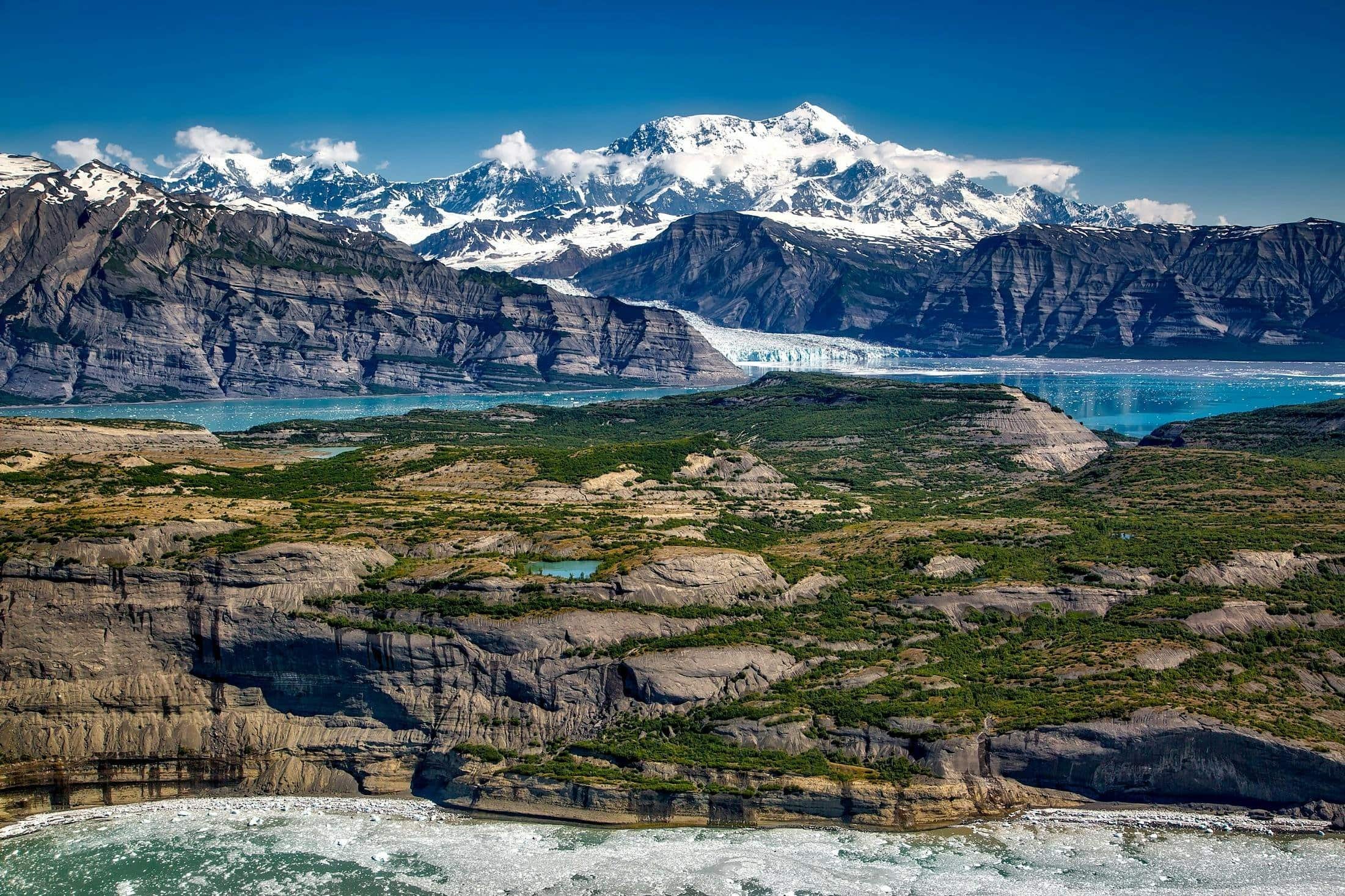
Named after two of its most prominent mountain ranges—the Wrangell Mountains and the Saint Elias Mountains—this park boasts four major mountain ranges, numerous glaciers (including some of the largest in North America), and an incredible diversity of ecosystems. The park's geography is dominated by mountains, with nine of the sixteen highest peaks in the United States located within its boundaries, including Mount St. Elias, the second-highest peak in both the US and Canada at 18,008 feet.

Mount Saint Elias, the second-highest peak in the United States, rises majestically in the largest national park in the US
The largest national park in the US is also home to some of the most extensive glaciation outside the polar regions. The Malaspina Glacier alone covers over 1,000 square miles, while the Nabesna Glacier stretches for an impressive 53 miles, making it the longest interior valley glacier in the world. These massive rivers of ice have sculpted the landscape for thousands of years, creating the dramatic terrain we see today.
Despite its immense size and incredible natural features, Wrangell-St. Elias remains one of the least visited of America's national parks. In 2024, it received just over 70,000 visitors—a fraction of the millions who visit parks like Yellowstone or Yosemite annually. This relatively low visitation rate means that those who do venture into this wilderness can experience a level of solitude and pristine nature increasingly rare in today's world.
Comparing Giants: Wrangell-St. Elias vs. Other Large Parks
When discussing the largest national park in the US, it's worth examining how Wrangell-St. Elias compares to other giants in the National Park System. While it holds the undisputed title of America's largest, several other parks are also impressively vast.
| Rank | National Park | Location | Size (acres) | Notable Features |
|---|---|---|---|---|
| 1 | Wrangell-St. Elias | Alaska | 13,175,799 | Four major mountain ranges, massive glaciers, historic mining sites |
| 2 | Gates of the Arctic | Alaska | 8,472,506 | No roads or trails, entirely above the Arctic Circle |
| 3 | Denali | Alaska | 6,075,029 | North America's highest peak, diverse wildlife |
| 4 | Katmai | Alaska | 4,093,077 | Valley of Ten Thousand Smokes, brown bear viewing |
| 5 | Death Valley | California/Nevada | 3,408,406 | Lowest point in North America, extreme temperatures |
As the table illustrates, Alaska dominates the list of the largest national parks in the US, with the top four all located within the Last Frontier. This is largely due to the Alaska National Interest Lands Conservation Act of 1980, which created or expanded many of Alaska's protected areas. What makes Wrangell-St. Elias particularly unique is not just its size but its accessibility—despite being remote, visitors can drive into portions of the park, unlike Gates of the Arctic which has no roads at all.
In terms of visitor experience, each of these massive parks offers something distinct. While I've been fortunate enough to visit all five of these giants, Wrangell-St. Elias stands out for its combination of accessibility and wilderness. Death Valley, the largest national park in the contiguous United States, offers dramatic desert landscapes and is much more developed for tourism. Gates of the Arctic, meanwhile, represents perhaps the ultimate wilderness experience, with virtually no infrastructure whatsoever.
What's fascinating about the largest national park in the US is how it combines elements of these other parks—Wrangell-St. Elias features the high mountains of Denali, the glaciation of Glacier Bay, the volcanic activity of Katmai, and the mining history unique to itself. It's truly a park of superlatives, not just in size but in the diversity and scale of its features. When you visit Wrangell-St. Elias, you're experiencing an amalgamation of what makes America's wilderness areas so special, all within the boundaries of a single park.
Despite being the largest national park in the US, Wrangell-St. Elias remains largely undeveloped, with fewer visitor facilities than most other national parks. This is both its challenge and its charm—those who make the effort to visit are rewarded with an unparalleled wilderness experience that few will ever know.
Geographic Features and Natural Wonders
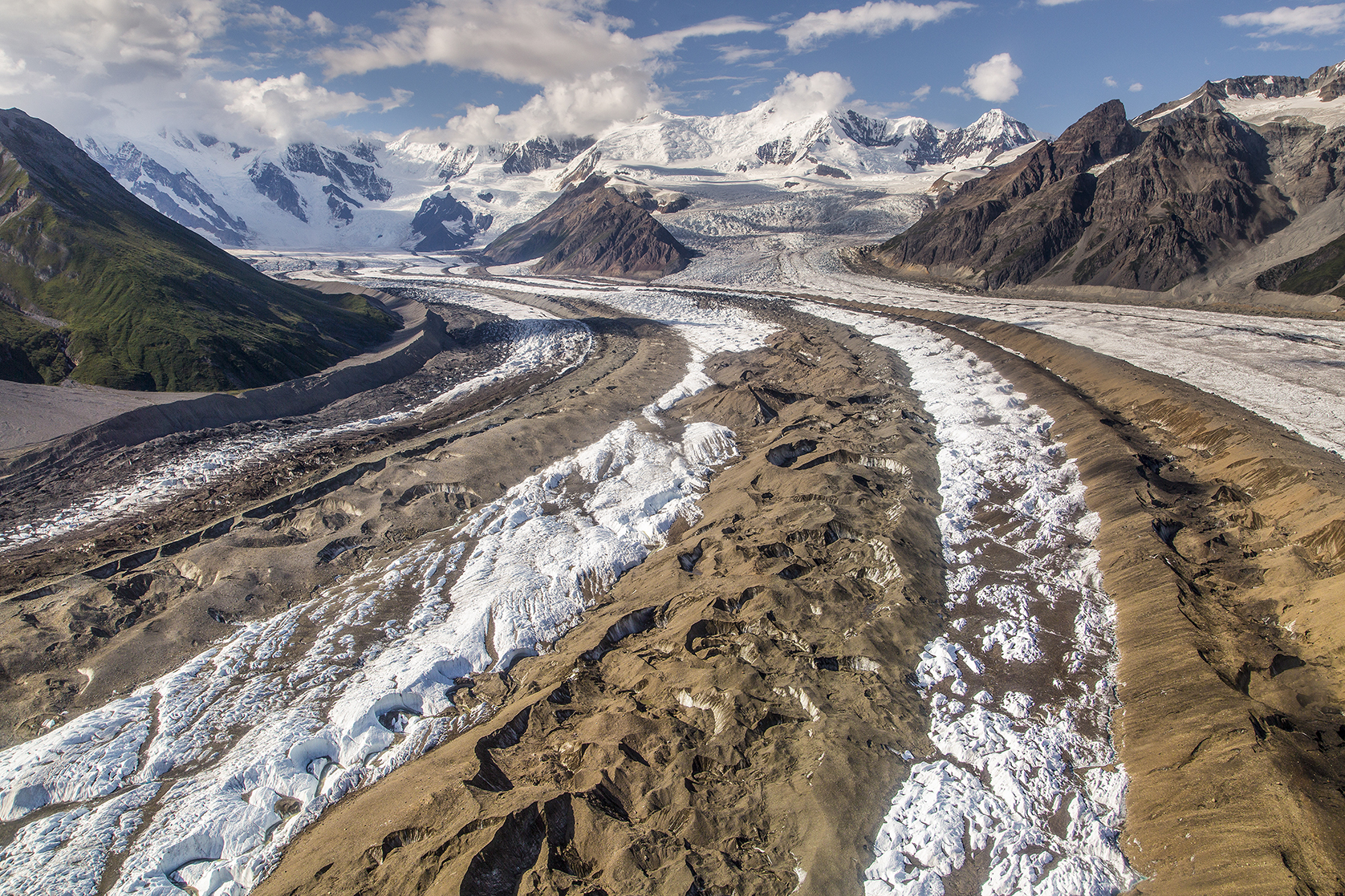
The expansive Kennicott Glacier showcases the incredible glacial features of the largest national park in the US
The largest national park in the US is home to an astonishing array of geographic features that make it a paradise for nature enthusiasts and scientists alike. Four major mountain ranges converge within the park: the Wrangell, St. Elias, Chugach, and the eastern part of the Alaska Range. This creates one of the most rugged and dramatic landscapes on the continent. Nine of the sixteen highest peaks in the United States are found here, including the 18,008-foot Mount St. Elias.
Perhaps the most striking feature of Wrangell-St. Elias is its extensive glaciation. The park contains the nation's largest collection of glaciers and icefields, covering approximately 35% of its total area. The Malaspina Glacier, a piedmont glacier (where valley glaciers spill out onto flat plains), covers over 1,000 square miles—larger than Rhode Island. The Nabesna and Hubbard glaciers are among the longest in North America, with the latter being famous for its spectacular calving events where enormous chunks of ice break off into the sea.
Volcanic Features
The Wrangell Mountains are primarily volcanic in origin, forming one of the largest volcanic regions in North America. Mount Wrangell itself is an active shield volcano that occasionally emits steam plumes from vents near its summit. The park's volcanic history has created unusual features such as mud volcanoes and hot springs, adding another dimension to its already diverse landscape.
Rivers and Valleys
Six major river systems originate within the largest national park in the US, including the Copper River, which has carved spectacular canyons on its journey to the Gulf of Alaska. The Chitina and Nabesna rivers also flow through the park, creating broad valleys and supporting diverse ecosystems. These waterways have played a crucial role in shaping the landscape and have historically served as transportation corridors for indigenous peoples and early explorers.
The park's varied elevation—from sea level to over 18,000 feet—creates distinct ecological zones supporting diverse plant and animal communities. In the lowlands, dense forests of spruce and aspen provide habitat for moose, bears, and wolves. Alpine tundra at higher elevations supports Dall sheep, mountain goats, and caribou. This range of habitats makes the largest national park in the US a living laboratory for studying how ecosystems adapt to different conditions.
During my several visits to Wrangell-St. Elias, I've been continually amazed by how these natural features interact to create constantly changing landscapes. I've watched the Face Glacier retreat over the years, revealing terrain that had been ice-covered for centuries. I've seen how seasonal variations transform the park—from the burst of wildflowers in the brief summer to the silent, frozen beauty of winter. This dynamic quality makes the largest national park in the US not just a place of immense size but of immense change and natural process.
Activities and Adventures
Despite its remote location, the largest national park in the US offers an incredible array of activities for visitors of all experience levels. From casual day hikes to extended backcountry expeditions, Wrangell-St. Elias provides opportunities for adventure that are as vast as the park itself.
Hiking and Backpacking
Wrangell-St. Elias offers some of the most spectacular hiking in North America. Near the Kennecott area, several maintained trails provide access to stunning views and historic sites. The Root Glacier Trail is a moderate 4-mile round trip that allows hikers to walk directly on the glacier (with proper equipment). For more experienced hikers, the Bonanza Mine Trail climbs 3,800 feet over 4.5 miles to an abandoned copper mine with panoramic views of the surrounding mountains and glaciers.
Backcountry hiking in the largest national park in the US is a truly wild experience. With few established trails beyond the Kennecott area, hikers must be comfortable with route-finding, river crossings, and complete self-sufficiency. During my three-day backpacking trip along Glacier Creek, I encountered absolutely no other hikers—a level of solitude increasingly rare in America's popular national parks.
Flightseeing and Air Taxis
Given the immense size and challenging terrain of the largest national park in the US, flightseeing tours are an excellent way to appreciate its scale and grandeur. Several operators offer flights from McCarthy, Glennallen, and Chitina. These aerial tours provide unparalleled views of the massive glaciers, mountain ranges, and vast wilderness that would be impossible to see from the ground. Air taxis also serve as an essential mode of transportation for accessing remote areas of the park for hiking, camping, or climbing.
A comprehensive look at what it's like to visit the largest national park in the US
Historic Site Exploration
The abandoned copper mining town of Kennecott is a National Historic Landmark located within the park. Visitors can tour the impressive 14-story concentration mill and other historic structures that have been partially restored by the National Park Service. The nearby town of McCarthy, once a supply and recreation center for the mines, now serves as a quirky outpost with lodging, dining, and guiding services.
Rafting and Kayaking
The largest national park in the US contains several major river systems that offer outstanding opportunities for rafting and kayaking. The Copper River and its tributaries provide routes ranging from calm floats to challenging whitewater. During my guided rafting trip on the Nizina River, we navigated through stunning canyons while spotting wildlife and enjoying the solitude of this vast wilderness.
Mountaineering and Ice Climbing
For experienced climbers, Wrangell-St. Elias presents world-class opportunities for mountaineering and ice climbing. The park contains numerous peaks over 14,000 feet, including Mount St. Elias (18,008 ft) and Mount Blackburn (16,390 ft). Guides are available for climbing instruction and expeditions. The Root Glacier near Kennecott offers accessible ice climbing opportunities for those with proper equipment and experience or as part of a guided tour.
Whether you're seeking a relaxing day hike or an extreme adventure, the largest national park in the US delivers experiences that match its enormous size. The key to enjoying activities here is proper preparation and respect for the wilderness—this is truly a place where self-reliance and wilderness skills are essential.
Planning Your Visit
Visiting the largest national park in the US requires more planning than a trip to more developed parks like Yellowstone or Yosemite. Wrangell-St. Elias is remote and services are limited, but with proper preparation, your experience can be comfortable, safe, and unforgettable.
Best Time to Visit
The main visitor season for Wrangell-St. Elias runs from June through September, with July and August offering the warmest temperatures and most reliable access. During these peak summer months, daytime temperatures typically range from 60°F to 70°F (16°C to 21°C), though they can occasionally reach 80°F (27°C). Nighttime temperatures generally drop to the 40s or 50s°F (4°C to 10°C), even in summer.
Spring (May) and fall (September) visits offer fewer crowds and beautiful seasonal colors, but some facilities may be closed or operating with limited hours. Winter visits (October through April) are possible but require specialized gear and experience for extreme cold weather conditions, with temperatures often dropping well below 0°F (-18°C).
How to Get There
There are two main access points to the largest national park in the US:
- Kennecott/McCarthy: Most visitors head to this historic area in the heart of the park. From Anchorage, drive approximately 7 hours to Chitina, then take the 60-mile McCarthy Road—a gravel road that follows the historic Copper River and Northwestern Railway bed. The road ends at the Kennicott River, where you park and cross a footbridge to access McCarthy. From there, shuttle services run the final 5 miles to Kennecott.
- Nabesna Road: This less-visited northern entrance provides access to the Nabesna area of the park. The 42-mile partially gravel road branches off the Tok Cutoff Highway near Slana and ends at Devil's Mountain Lodge.
Flying is another option, with air taxis available from Anchorage, Glennallen, McCarthy, and Chitina. These flights offer spectacular views and can take you directly to McCarthy or to remote backcountry locations.
Where to Stay
Accommodation options in and around the largest national park in the US include:
- Camping: The park has only one developed campground at Kendesnii, along the Nabesna Road, though backcountry camping is permitted throughout most of the park. When I camped near the Root Glacier, I found plenty of flat spots with incredible views, though bear safety measures are essential.
- Lodges and B&Bs: McCarthy and Kennecott offer several rustic lodging options, from historic hotels to cozy B&Bs. The Kennicott Glacier Lodge, situated in the heart of the historic mining area, provides comfortable rooms with spectacular glacier views.
- Cabins: Public use cabins are available through the National Park Service on a first-come, first-served basis. Private cabins can also be rented in McCarthy and along the McCarthy Road.
- Nearby Towns: Copper Center, Glennallen, and Chitina have additional lodging options for those who want to make day trips into the park.
Services and Facilities
As you might expect in the largest national park in the US, services are limited and widely dispersed. The main visitor center is located in Copper Center, with smaller visitor centers in Kennecott, Slana, and Chitina. McCarthy has basic services including a few restaurants, a general store, and guided tour operations. Fuel is not available in McCarthy or Kennecott, so fill up in Copper Center, Glennallen, or Chitina before heading in.
Cell phone service is very limited throughout the park, with spotty coverage in McCarthy and none in most backcountry areas. I highly recommend carrying a satellite communication device if you plan to venture beyond the developed areas. Internet access is available at some lodges but is typically slow and limited.
When planning your visit to the largest national park in the US, build in extra time for travel delays, weather changes, and unexpected discoveries. The remoteness that makes Wrangell-St. Elias challenging also makes it special, offering a wilderness experience increasingly rare in our connected world.
Essential Gear for Exploring Wrangell-St. Elias
Properly equipping yourself for an adventure in the largest national park in the US is crucial for both comfort and safety. Based on my multiple visits to Wrangell-St. Elias across different seasons, I've compiled a list of essential gear recommendations. The remote nature of the park means that you'll need to be self-sufficient, as outdoor supply stores are limited once you're in the area.
Clothing and Footwear
The weather in Wrangell-St. Elias can change rapidly, so layering is essential. Even in summer, temperatures can range from near-freezing to quite warm in a single day.
- Waterproof Hiking Boots: A sturdy pair of waterproof hiking boots is non-negotiable for exploring the largest national park in the US. I highly recommend the Merrell Moab Waterproof Hiking Boots. These boots provide excellent ankle support for uneven terrain, waterproof protection for stream crossings and rain, and enough durability to handle the challenging conditions. They've carried me across glaciers, through muddy trails, and over rocky terrain without failing.
- Moisture-wicking base layers: Synthetic or merino wool (avoid cotton)
- Insulating mid-layer: Fleece or down jacket
- Waterproof/windproof outer layer: High-quality rain jacket and pants
- Warm hat and gloves: Even in summer
- Extra socks: Multiple pairs of wool hiking socks
Navigation and Communication
Getting lost in the largest national park in the US is a serious concern, and cell service is virtually non-existent outside of McCarthy.
- Satellite Communicator: Perhaps the most important safety item for exploring remote areas is a reliable satellite communication device. The Garmin inReach Mini 2 has been invaluable during my backcountry trips. This compact device allows for two-way text messaging, SOS alerts to emergency services, and basic navigation features. The peace of mind it provides is worth every penny, especially in a place as vast and remote as Wrangell-St. Elias.
- Topographic maps: Physical maps of the areas you plan to visit
- Compass: And knowledge of how to use it
- GPS device: With extra batteries
Camping and Backpacking Gear
If you're planning to camp in the largest national park in the US, reliable gear is essential for comfort and safety.
- All-Weather Tent: The unpredictable weather in Alaska demands a tent that can withstand heavy rain, strong winds, and even occasional summer snow. I've used the MSR Hubba Hubba NX 2-Person Backpacking Tent on multiple trips to Wrangell-St. Elias with excellent results. It's lightweight enough to carry deep into the backcountry but sturdy enough to handle the elements. The quick setup is particularly valuable when racing against incoming weather.
- Sleeping bag: Rated for at least 20°F (-7°C), even in summer
- Sleeping pad: For insulation and comfort
- Backpack: 65+ liters for multi-day trips
- Camp stove and fuel: Reliable in cold and wind
- Water filtration system: For treating glacier and stream water
Safety and First Aid
The remote nature of the largest national park in the US means that emergency help could be hours or days away.
- Comprehensive First Aid Kit: Medical assistance can be hours or even days away in the largest national park in the US, making a good first aid kit absolutely essential. The Adventure Medical Kits Sportsman Grizzly First Aid Kit is specifically designed for remote wilderness adventures. It contains supplies for treating major wounds, splinting fractures, and managing common wilderness injuries. The included comprehensive guide has been helpful for treating everything from blisters to more serious injuries.
- Bear Deterrents: Alaska's wilderness is bear country, and proper protection is non-negotiable. The Counter Assault Bear Deterrent Spray is my go-to protection when hiking in Wrangell-St. Elias. This EPA-approved spray has a range of 30+ feet and creates a large cloud that effectively deters aggressive bears. Remember to keep it accessible in a holster, not buried in your pack, and know how to use it before you need it.
- Emergency shelter: Space blanket or bivvy sack
- Headlamp: With extra batteries
- Multi-tool: For repairs and utility
- Fire starter: Waterproof matches or lighter
Properly equipped hikers enjoy the magnificent backcountry of the largest national park in the US
Specialized Equipment
Depending on your specific activities in the largest national park in the US, you might need:
- Crampons: For glacier hiking
- Trekking poles: For stability on uneven terrain
- Bear-resistant food container: Required for overnight backcountry trips
- Insect repellent: Alaska's mosquitoes are legendary
- Binoculars: For wildlife viewing
Remember that in the largest national park in the US, your gear is your lifeline. Invest in quality equipment, test it before your trip, and know how to use everything you carry. Weather changes rapidly, assistance is far away, and self-reliance is essential. However, with proper preparation, your adventure in Wrangell-St. Elias will be both safe and unforgettable.
Pro Tip:
When visiting the largest national park in the US, I always pack extra food for at least one additional day beyond my planned stay. Weather delays, particularly with bush planes, are common in Alaska and can extend your backcountry stay unexpectedly.
My Experience in the Wilderness
My first visit to the largest national park in the US was in the summer of 2018, and I've returned three times since, each trip revealing new facets of this magnificent wilderness. Let me share some personal experiences that might help you plan your own adventure.
During my initial trip, I followed the conventional path—driving the McCarthy Road, visiting the Kennecott Mill, and hiking to the Root Glacier. While these are undoubtedly highlights that any first-time visitor should experience, it was my second visit that truly revealed the depth of what Wrangell-St. Elias has to offer.
That second summer, I hired a bush pilot to fly me into the Skolai Pass area, a remote backcountry region accessible only by air. For three days, I backpacked through alpine meadows exploding with wildflowers, watched Dall sheep navigate seemingly impossible cliff faces, and camped beside a glacier-fed stream. The silence was profound—broken only by occasional rockfalls from distant mountains and the calls of golden eagles soaring overhead.
One evening, while cooking dinner on a rocky outcrop overlooking the valley, I witnessed a grizzly bear and her two cubs foraging in the distance. They were completely unaware of my presence, and I watched in awe as these magnificent creatures went about their lives in this pristine wilderness. It was a humbling reminder that in the largest national park in the US, humans are merely visitors in a landscape ruled by natural forces and wild creatures.
My most recent visit took me to the Nabesna area in the northern part of the park—a region far less visited than McCarthy/Kennecott. I drove the rugged Nabesna Road to its end and hiked the Trail Creek Trail, which follows an old mining route. The landscape here feels even more remote, with fewer visitors and more opportunities for solitude. A ranger I met mentioned that this entire section of the park might see fewer than a dozen backcountry hikers in a week during peak season.
Lessons Learned
Through my experiences in Wrangell-St. Elias, I've learned several valuable lessons:
- Weather dictates everything: During my first backpacking trip, a sudden storm pinned me down for an extra day. Always have contingency plans and extra supplies.
- River crossings require caution: Glacier-fed streams that are easily crossed in the morning can become raging torrents by afternoon as the day's melt swells their volume.
- Local knowledge is invaluable: Rangers and guides provided insights that no guidebook could offer. One ranger's suggestion to hike Bonanza Mine in the evening rather than morning led to some of my best photographs and a magical sunset experience.
- Wilderness is unpredictable: During one hike, I planned to follow a specific route but found the trail obliterated by a recent landslide. Flexibility and navigation skills are essential.
Perhaps my most memorable experience in the largest national park in the US came during an overnight stay at an old mining cabin near the Kennicott Glacier. As darkness fell (which happens quite late in Alaskan summers), the massive wall of the glacier began to glow with an otherworldly blue light. The periodic cracking and groaning of the ice created a soundtrack unlike anything I've heard elsewhere—the voice of a living glacier that has flowed through this valley for thousands of years.
These personal experiences have deepened my appreciation for Wrangell-St. Elias beyond its impressive statistics. Yes, it's the largest national park in the US, but its true value lies in the experiences it offers—moments of connection with wild nature that become increasingly precious in our developed world.
Visitor Reviews and Tips
To provide a broader perspective on the largest national park in the US, I've collected reviews and advice from other travelers who have explored Wrangell-St. Elias. These firsthand accounts offer valuable insights for planning your own visit.
Sarah T. from Reddit r/NationalPark:
"We visited Wrangell-St. Elias last summer and were absolutely blown away by its scale. The drive in on McCarthy Road was an adventure in itself—60 miles of gravel with amazing views the whole way. Tip: rent a vehicle with good clearance, and check road conditions before heading out. We stayed at the Kennicott Glacier Lodge which was perfect—historic building with modern comforts and incredible views. The guided tour of the mill building was fascinating, even for our teenagers who normally don't care about history. Highlight was definitely the glacier hike with St. Elias Alpine Guides. Walking on that massive ice field with crampons was surreal. Plan at least 3-4 days to barely scratch the surface of this enormous park!"
Michael J. from Amazon review of hiking gear:
"Tested my new hiking gear in the ultimate wilderness—Wrangell-St. Elias National Park. The weather changed constantly, from sunny and warm to near-freezing with sleet, sometimes within an hour. Layering was essential. My waterproof boots were the MVP of the trip, especially when crossing countless streams and walking on the Root Glacier. Don't underestimate the mosquitoes—they were fierce in July, so high-concentration DEET was necessary. We hired a guide for backcountry hiking which I'd recommend for first-timers; the lack of trails and river crossings can be challenging. Worth mentioning: there's basically no cell service in the park, so we rented a satellite phone which gave great peace of mind."
Lisa M. from Quora:
"After visiting 42 national parks, I can say that Wrangell-St. Elias offers the most authentic wilderness experience in the system. Yes, it's remote and takes effort to reach, but that's exactly what makes it special in today's overcrowded park system. We took a flightseeing tour from McCarthy that landed on a glacier—expensive but worth every penny for the incredible views of mountains and ice fields that stretched as far as we could see. McCarthy itself was charming in a rustic, end-of-the-road way. The local shuttle to Kennecott was convenient, and the historical exhibits about the copper mining operations were fascinating. If you're reasonably fit, hike to Bonanza Mine—strenuous but with panoramic views that will stay with you forever. One caution: the food options are limited and pricey, so bringing some of your own supplies is smart."
Common Themes from Visitor Feedback
After reviewing dozens of visitor accounts about the largest national park in the US, several consistent recommendations emerged:
- Allow extra time: Nearly every review mentioned wishing they had planned more days to explore the park's vastness.
- Hire local guides: First-time visitors consistently recommended guided experiences for safety and enhanced appreciation of the area.
- Be prepared for all weather: Even summer visitors emphasized the importance of rain gear and warm layers.
- McCarthy Road concerns: While many found the drive manageable, having a vehicle with good clearance and a spare tire was mentioned frequently.
- Worth the effort: Despite the challenges of reaching and exploring this remote park, the overwhelming consensus was that the experience was incomparable and worth every effort.
These visitor perspectives reinforce what makes the largest national park in the US so special—it offers authentic wilderness experiences that are increasingly rare in our modern world, rewarding those who make the effort to explore its vast landscapes.
Frequently Asked Questions
How big is Wrangell-St. Elias National Park?
Wrangell-St. Elias National Park and Preserve encompasses approximately 13.2 million acres (20,625 square miles), making it the largest national park in the US by a significant margin. To put this in perspective, it's larger than Yellowstone, Yosemite, and Grand Canyon National Parks combined. In fact, it's about the same size as Switzerland or the state of Maryland. The park contains four major mountain ranges and is home to 9 of the 16 highest peaks in the United States.
How do I get to Wrangell-St. Elias National Park?
There are two main road access points to the largest national park in the US. The southern entrance is via the McCarthy Road, a 60-mile gravel road that begins in Chitina and ends at the Kennicott River near McCarthy. The northern entrance is via the Nabesna Road, which extends 42 miles from the Tok Cutoff Highway to Nabesna. Both roads require vehicles with good clearance, though 4-wheel drive is not always necessary in good conditions. Alternatively, you can fly into McCarthy via air taxi services from Chitina or take charter flights directly to various backcountry locations within the park.
What are the must-see attractions in Wrangell-St. Elias?
The key attractions in the largest national park in the US include the historic Kennecott Copper Mill, a 14-story structure that processed copper ore from 1911 to 1938; the Root Glacier, which offers accessible glacier hiking; the quaint town of McCarthy, which provides services and accommodations; Bonanza Mine Trail, offering spectacular mountain views; and the remote Skolai Pass area for wilderness backpacking. The drive on McCarthy Road itself is considered an attraction, with stunning views of mountains and rivers. For those seeking a unique perspective, flightseeing tours provide unparalleled views of the park's vast wilderness, mountain ranges, and massive glaciers.
When is the best time to visit Wrangell-St. Elias?
The optimal time to visit the largest national park in the US is from mid-June through early September when temperatures are mild, facilities are open, and access roads are generally passable. July and August offer the warmest temperatures, with daytime highs typically in the 60s to 70s°F (16-24°C). September brings beautiful fall colors but cooler temperatures and the possibility of early snowfall. May and early June can still have significant snow at higher elevations. Winter visits (October through April) are possible but require specialized gear and experience for extreme cold weather conditions. The McCarthy Road is not maintained in winter, though the Nabesna Road is sometimes plowed.
Is it possible to see wildlife in Wrangell-St. Elias?
The largest national park in the US hosts abundant wildlife, though animals are typically dispersed across its vast landscape rather than concentrated in viewing areas. Common wildlife sightings include Dall sheep, mountain goats, moose, caribou, black and grizzly bears, wolves, foxes, and numerous bird species. The Nabesna Road area often offers good wildlife viewing opportunities. For the best chances of seeing wildlife, hike in the early morning or evening hours, scan distant slopes with binoculars, and look for tracks along river bars and muddy areas. Remember that this is true wilderness; animals are wild and should be observed from a safe distance, particularly bears.
Conclusion
As we've explored throughout this guide, Wrangell-St. Elias is not just the largest national park in the US—it's a place of superlatives in every sense. Its vastness is matched by the grandeur of its mountains, the extensiveness of its glaciers, and the richness of its history. What makes this park truly special, however, goes beyond statistics and records.
In a world where true wilderness becomes increasingly scarce, Wrangell-St. Elias offers something precious—the opportunity to experience nature on its own terms, largely untamed and unaltered by human development. Whether you're standing atop a glacier that stretches beyond the horizon, exploring the remnants of America's copper mining history, or simply watching the play of light across distant mountains, this park connects us to something essential and increasingly rare.
My own journeys through the largest national park in the US have deeply influenced my appreciation for wilderness protection. Each visit has revealed new facets of this complex landscape and deepened my understanding of why such places matter. The challenges of reaching and exploring Wrangell-St. Elias are real, but they're precisely what protect its character and ensure that the experiences it offers remain authentic and profound.
As you plan your own adventure to Wrangell-St. Elias, remember that this is not a park to be "checked off" a list in a quick visit. It rewards those who come prepared, who bring curiosity and respect, and who allow themselves time to absorb the scale and significance of this remarkable place. Whether you explore the historic sites around Kennecott, venture into the backcountry, or simply drive the McCarthy Road to witness the views, you'll be experiencing one of America's greatest natural treasures.
The largest national park in the US awaits your exploration. Its mountains have stood for millions of years and its glaciers have flowed for millennia. In the grand scheme of things, we are but momentary visitors in this timeless landscape. Yet in that brief visit, we have the opportunity to be transformed by the power, beauty, and wildness that defines Wrangell-St. Elias National Park.

The endless wilderness and breathtaking mountains of America's largest national park beckon adventurous travelers
I hope this guide has inspired you to explore this magnificent wilderness and provided the practical information you need to plan your journey. For more guides to America's natural wonders, including detailed information about the largest national park in the US, Kenai Fjords National Park, Congaree National Park, and essential gear like camping utensils, visit NatureGuests.com. And if you're interested in wildlife encounters in our national parks, don't miss our special feature on bears in Shenandoah National Park.
Adventure awaits in the largest national park in the US—and the memories you create there will last a lifetime.