

Discover the perfect timing for your Zion adventure with insider insights from someone who's explored this magnificent park in every season. After visiting Zion National Park over 15 times across different months, I'll share the seasonal secrets that will transform your experience from good to absolutely unforgettable. For more wilderness adventures and national park guides, visit Wilderness Paths.
Understanding Zion's Climate Patterns
When people ask me about the best month to visit Zion National Park, I always start by explaining the unique desert climate that makes this Utah gem so special year-round. Located at elevations ranging from 3,600 to 8,700 feet, Zion experiences dramatic temperature variations not just between seasons, but even within a single day.

During my visits throughout different seasons, I've experienced everything from 110F summer days that make hiking feel like an endurance test, to magical winter mornings when frost decorates the red rocks like nature's jewelry. The key to determining the best month to visit Zion National Park lies in understanding these climate patterns and matching them to your personal preferences and planned activities.
For those interested in exploring other national parks during different seasons, our comprehensive guides on Yosemite National Park weather patterns provide similar seasonal insights that can help you plan multi-park adventures throughout the year.
Climate Quick Facts: Zion's desert location means hot, dry summers and mild winters. However, the canyon's elevation changes create microclimates that can vary by 20-30 degrees between the valley floor and higher elevations.
The dramatic temperature swings I've witnessed in Zion never cease to amaze me. During one October visit, I started my morning hike to Angel's Landing wearing a fleece jacket in 35F weather, only to shed layers throughout the day as temperatures climbed to a comfortable 75F by afternoon. This daily temperature variation is one of the crucial factors that makes certain months significantly better for visiting than others.
Month-by-Month Detailed Analysis
After extensive research and personal experience visiting Zion throughout the year, I can confidently say that the best month to visit Zion National Park depends on your priorities. However, some months clearly outshine others for the typical visitor. Let me break down each month with insider insights you won't find in standard travel guides.
Spring Months (March-May): The Sweet Spot
April and May consistently rank as the best months to visit Zion National Park for most travelers. During my April visits, I've experienced perfect hiking weather with daytime temperatures in the 70s and cool, comfortable evenings. The Virgin River runs higher due to snowmelt, making the Narrows more challenging but spectacularly beautiful with rushing water carved through slot canyons.

March can be unpredictable – I've encountered everything from snow-dusted red rocks to surprisingly warm, sunny days perfect for hiking. The wildflower displays during late April and early May are absolutely stunning, with desert marigolds and Indian paintbrush creating vibrant carpets against the red sandstone backdrop. To properly prepare for spring hiking, investing in quality waterproof hiking boots like the Merrell Moab 3 is essential for navigating wet trail conditions and river crossings.
Summer Months (June-August): Beautiful but Brutal
While summer offers the longest days and fullest park operations, the intense heat makes it challenging to enjoy Zion's famous hikes during peak hours. I learned this lesson the hard way during a July visit when attempting the Angel's Landing trail at noon – the exposed switchbacks felt like hiking through an oven, even with ample water and electrolytes.
However, summer is actually the best month to visit Zion National Park for water activities. The Virgin River reaches its warmest temperatures, making the Narrows hike refreshing rather than brutal. My strategy for summer visits: start hiking at sunrise, take midday breaks in Springdale's air conditioning, and return for evening exploration when temperatures drop. When planning summer accommodations, consider our detailed guide on national park lodging options which offers similar booking strategies for peak season.
Fall Months (September-November): The Hidden Gem
October might just be the single best month to visit Zion National Park if you can time it right. The crushing summer heat has broken, but warm, sunny days still provide perfect hiking conditions. During my October visits, I've enjoyed daytime temperatures in the comfortable 70s with crisp, clear mornings ideal for photography.
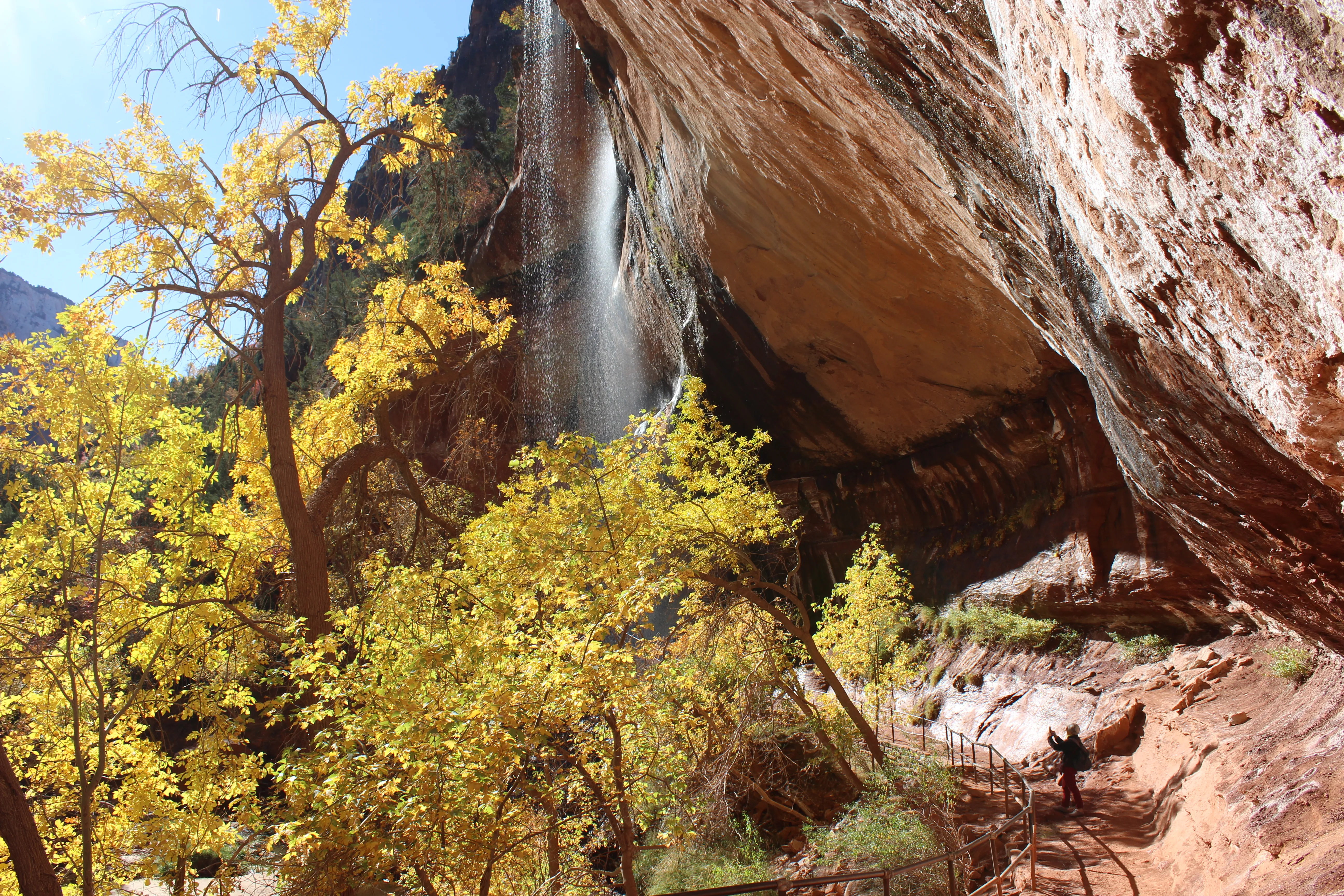
The fall colors in Zion are often overlooked, but they're genuinely spectacular. The cottonwoods along the Virgin River turn brilliant gold and orange, creating stunning contrasts against the red rock walls. September can still be quite warm, while November begins the transition toward winter weather but offers some of the year's best hiking conditions for those who don't mind cooler temperatures.
Winter Months (December-February): Solitude and Snow
Winter transforms Zion into a completely different park. During my February visit, I experienced the rare treat of snow-capped red rocks – a photographer's dream that only happens a few times each year. The shuttle system typically doesn't operate during winter months, allowing visitors to drive their personal vehicles through Zion Canyon, which provides more flexibility and intimate access to viewpoints.
For winter hiking safety, proper traction equipment becomes essential. Kahtoola MicroSpikes are invaluable for navigating icy trails and provide the confidence needed for winter exploration in the park.
Winter Pro Tip: While winter offers incredible solitude and unique photography opportunities, many trails become treacherous due to ice. Always carry microspikes and check current conditions before hiking.
Best Months for Specific Activities
Determining the best month to visit Zion National Park becomes much easier when you consider your primary activities. Through my multiple visits focused on different pursuits, I've identified optimal timing for Zion's most popular experiences.
Hiking & Backpacking
Best Months: April, May, October, November
Why: Comfortable temperatures, stable weather patterns, and excellent trail conditions make these months ideal for multi-hour hikes.
Narrows Hiking
Best Months: June, July, August, September
Why: Warmer water temperatures and lower water levels create safer, more comfortable conditions for river hiking.
For photography enthusiasts like myself, the best month to visit Zion National Park for capturing stunning images is often October or November. The angle of autumn light creates incredibly rich colors, and the fall foliage provides diverse composition opportunities. During my November photography trip, I captured some of my most prized shots of Zion's iconic landmarks bathed in golden morning light. For serious photography work, a professional camera like the Canon EOS R5 can make the difference between good photos and magazine-quality shots.
Wildlife viewing presents another consideration for timing your visit. Spring months offer opportunities to spot newborn bighorn sheep and active bird life, while fall migration periods bring diverse species through the park. I've had my best wildlife encounters during early morning hikes in April and October when animals are most active and temperatures are comfortable for extended observation.
For multi-day adventures requiring substantial gear, investing in a quality backpack like the Osprey Atmos AG 65L ensures comfort during long hiking days and overnight camping trips in the backcountry.
Crowd Management and Budget Considerations
Understanding crowd patterns has become crucial for determining the best month to visit Zion National Park, especially as the park has grown in popularity. During peak season visits, I've waited over 90 minutes for shuttle buses and encountered full parking lots by 7 AM. This reality significantly impacts the quality of your experience and requires strategic planning.

The least crowded months I've experienced are January, February, and mid-November through mid-December. However, these periods come with trade-offs: limited shuttle service, colder weather, and some trail restrictions. During my February visit, I practically had Angel's Landing to myself – an experience worth the chilly morning temperatures and careful ice navigation.
For those planning extended camping trips to avoid peak season crowds, our comprehensive guide on national park camping strategies offers valuable insights for securing reservations and choosing optimal campground locations.
Budget-Conscious Planning
- Accommodation costs drop 40-60% during winter months
- Flight prices typically lowest in January-February and mid-November
- Restaurant and tour prices remain relatively stable year-round
- Camping fees are consistent, but reservations easier during off-peak times
Peak season pricing during summer months and major holidays can nearly double accommodation costs in nearby Springdale. I've found the best value proposition occurs during shoulder seasons – late April through mid-May and late September through October – when you get excellent weather without peak pricing.
Expert Tips from My Personal Visits
After visiting Zion in every season and learning from both successes and mistakes, I've developed specific strategies that can make any month the best month to visit Zion National Park for your individual circumstances. These insights come from real experiences and conversations with park rangers during my multiple visits.
The single most important lesson I've learned is that timing your daily activities matters more than the specific month in many cases. During summer visits, I always start hiking by 6 AM to beat both crowds and heat. The park takes on a completely different character in early morning light – wildlife is active, temperatures are manageable, and the famous red rocks glow with incredible warmth.
For those planning to visit multiple national parks in the region, our detailed national park navigation guides provide essential route planning information for efficient multi-park itineraries.
Insider Strategies I've Developed
- Layer Strategy: Always bring layers regardless of season – I've been cold at sunrise in July and warm at midday in January
- Water Planning: Carry 50% more water than you think you need, especially for slot canyon hikes where rescue is difficult
- Backup Plans: Have indoor alternatives ready – Springdale's shops and restaurants provide perfect midday refuges during extreme weather
- Photography Timing: Golden hour occurs 45 minutes before sunset and 30 minutes after sunrise – plan major photography around these windows
Weather monitoring has become essential for my Zion visits. I use multiple weather sources and always check flash flood advisories, especially during monsoon season (July-September). During one August visit, a thunderstorm 20 miles away created a flash flood that temporarily closed the Narrows – something that could have been dangerous if we hadn't checked conditions beforehand.
Equipment preparation varies dramatically by season. Summer visits require sun protection, cooling towels, and electrolyte supplements. Winter visits need microspikes for icy trails, layered clothing systems, and emergency supplies since help may be farther away. Spring and fall offer the most forgiving conditions, but sudden weather changes still require preparation.
Planning Your Perfect Zion Trip
Creating the perfect Zion experience requires matching your chosen travel month with appropriate expectations, gear, and itinerary planning. The best month to visit Zion National Park for your specific trip depends on weighing multiple factors I've outlined throughout this guide.

Reservation planning has become crucial for certain activities. Angel's Landing requires permits year-round, but availability varies significantly by season. During my permit application experiences, I've found that winter months offer easier permit acquisition, while summer dates sell out within minutes of release.
Accommodation booking strategies differ by season as well. Summer reservations should be made 6-8 months in advance for popular lodges like Zion Lodge. Winter bookings can often be made 1-2 months ahead, though availability during holidays remains limited. I always recommend having backup accommodations in surrounding areas like Hurricane or Cedar City.
Month Selection Quick Reference
EXCELLENT
April, May, October
GOOD
March, September, November
CHALLENGING
June, July, August, December, January, February
Transportation logistics also vary by season. Summer visits require early arrival for parking – I recommend reaching the visitor center by 6:30 AM during peak season. Winter visits allow personal vehicle access to Zion Canyon but require careful driving on potentially icy roads. Spring and fall offer the best balance of accessibility and convenience.
Final preparation should always include checking current park alerts and conditions. Zion's dynamic environment means trail closures, flash flood risks, and weather warnings can change rapidly. I've learned to build flexibility into my itineraries and always have alternative plans ready.
Conclusion
After exploring Zion National Park in every season and analyzing the unique characteristics of each month, I can confidently state that April, May, and October represent the best months to visit Zion National Park for most travelers. These months offer the ideal combination of comfortable weather, manageable crowds, reasonable accommodation prices, and optimal hiking conditions.
However, the truly best month to visit Zion National Park depends on your personal priorities, physical capabilities, and tolerance for crowds or extreme weather. Summer months provide unparalleled access to water activities and the longest operating hours, despite challenging heat. Winter offers solitude and unique photographic opportunities for those willing to embrace colder conditions.
The key insight from my extensive experience is that proper planning and realistic expectations can make any month successful for visiting Zion. Whether you choose the wildflower displays of April, the perfect hiking weather of October, or the snow-dusted solitude of February, this magnificent park offers transformative experiences year-round.
Remember that the best month to visit Zion National Park is ultimately the one that aligns with your schedule, budget, and adventure goals. Use this guide as a foundation for your planning, but don't let perfect timing prevent you from experiencing one of America's most spectacular natural treasures. Zion's red rock majesty and profound beauty transcend seasonal variations – your perfect month is the one when you can finally make the journey.
For those planning this ultimate Zion adventure, don't forget to bookmark this comprehensive guide at our complete Zion timing guide for future reference and share it with fellow adventurers planning their own red rock expeditions.
Ready to Plan Your Zion Adventure?
Start your journey with proper gear, reliable transportation, and expert local knowledge to make your chosen month the best month to visit Zion National Park.
This comprehensive guide represents over 15 personal visits to Zion National Park across all seasons, combined with extensive research and ranger consultations to provide you with the most accurate and practical information for planning your perfect visit.