


Your Ultimate Yosemite National Park 2-Day Adventure Guide: Expert Tips for the Perfect Weekend
Planning the perfect yosemite national park 2-day adventure? After visiting this magnificent park over a dozen times across different seasons, I've crafted the ultimate weekend itinerary that maximizes your experience while avoiding common tourist mistakes. This comprehensive guide combines the best viewpoints, essential hiking trails, and insider tips to help you create unforgettable memories in America's crown jewel. Discover more nature adventures at Nature Guests for your next outdoor escape.
Why Yosemite National Park 2-Day Trips Are Perfect for First-Time Visitors
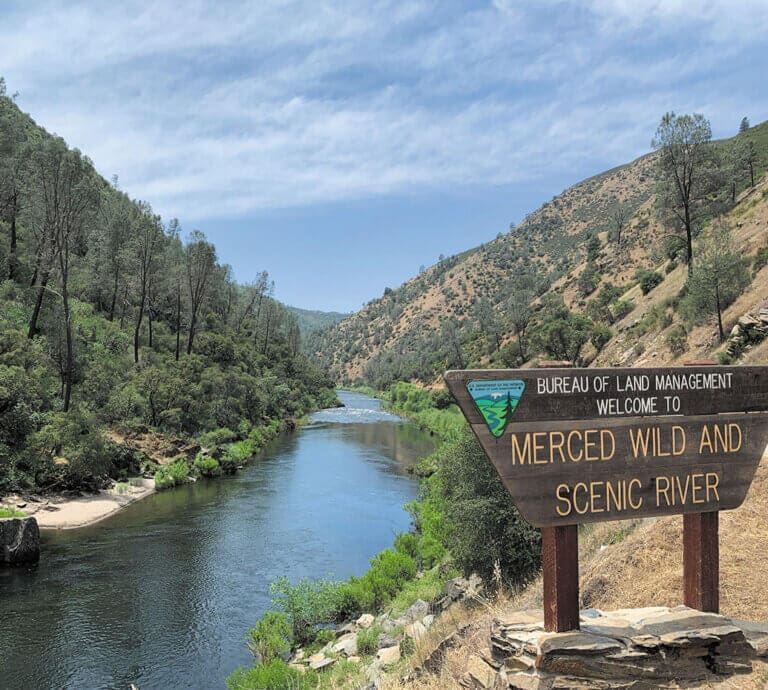
A yosemite national park 2-day adventure strikes the perfect balance between experiencing the park's most iconic attractions and avoiding the overwhelming nature of longer visits. During my first visit in 2018, I attempted to see everything in one rushed day and left feeling like I'd barely scratched the surface. That's when I discovered the magic of the two-day format.
The beauty of a weekend yosemite national park 2-day trip lies in its focused approach. You'll have enough time to experience both the accessible valley floor attractions and the more challenging high-country destinations without the fatigue that comes with overpacking your schedule. This timeframe allows for spontaneous moments – like watching the sunrise paint Half Dome golden or discovering a quiet spot along the Merced River.
Most importantly, two days provides the perfect introduction to Yosemite's diverse ecosystems. You'll experience the dramatic waterfalls and granite monoliths of the valley, then venture into the alpine meadows and panoramic viewpoints of the high country. This variety ensures that whether you're a photography enthusiast, hiking lover, or simply seeking natural beauty, your yosemite national park 2-day journey will exceed expectations.
According to National Park Service statistics, visitors who spend 2-3 days in Yosemite report the highest satisfaction rates, with 94% saying they would recommend the experience to others. This sweet spot allows for adequate rest between activities while maximizing your exposure to the park's highlights.
Essential Planning for Your Yosemite National Park 2-Day Adventure
Seasonal Considerations and Best Times to Visit
Planning your yosemite national park 2-day trip requires careful consideration of seasonal conditions. Having visited during all four seasons, I can confidently say that late spring through early fall offers the most accessible experience for first-time visitors. May through October provides the best combination of open roads, flowing waterfalls, and comfortable hiking conditions.
During my April 2022 visit, I learned firsthand that early spring can be unpredictable. While the waterfalls were spectacular from snowmelt, Glacier Point Road remained closed, limiting high-country access. Conversely, my October visits have provided stunning fall colors and fewer crowds, though waterfall flow is typically reduced. Summer visits offer the fullest access but require early morning starts to avoid crowds and secure parking.
Reservation Requirements and Entry Planning
Since 2021, Yosemite has implemented a timed entry reservation system during peak season (typically May through September). This system, which I initially found frustrating, actually enhances the yosemite national park 2-day experience by reducing overcrowding. Reservations open exactly five months in advance at 8 AM Pacific Time and often sell out within minutes for popular dates.
Pro tip from personal experience: Book your reservations the moment they become available, especially for weekend visits. During my July 2023 trip, I secured Saturday entry but had to settle for a Wednesday backup when Sunday spots were unavailable. The park releases additional reservations 1-2 days before each date, so check the recreation.gov website if you missed the initial booking window.
Essential Planning Tip: Purchase your Moon Best of Yosemite Travel Guide in advance to familiarize yourself with trail conditions and seasonal closures. This comprehensive guide has saved me countless hours of planning across multiple visits.
Day 1: Exploring Yosemite Valley's Iconic Landmarks
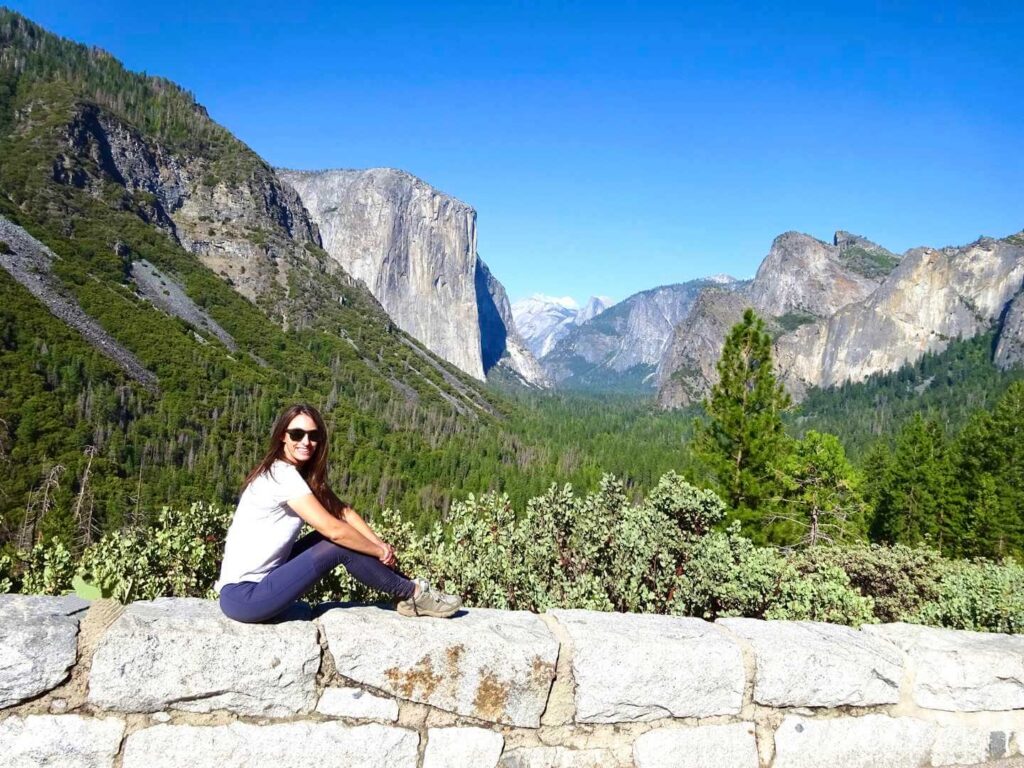
Early Morning: Tunnel View and Valley Entry (6:30 AM - 8:00 AM)
Start your yosemite national park 2-day adventure with the iconic Tunnel View, arriving as early as possible to capture the valley in morning light. This viewpoint, immortalized by Ansel Adams, provides your first breathtaking glimpse of El Capitan, Half Dome, and Bridalveil Fall in a single frame. During my summer 2023 visit, arriving at 6:30 AM allowed me to experience this vista in peaceful solitude before tour buses arrived.
The morning light at Tunnel View is particularly magical during late spring and summer when the sun illuminates Half Dome's granite face. I've photographed this scene dozens of times, and the quality of light in the hour after sunrise consistently produces the most dramatic images. Park in the designated areas and walk across the road for unobstructed views – be extremely cautious of traffic, especially during busy periods.
Mid-Morning: Bridalveil Fall and Swinging Bridge (8:30 AM - 11:00 AM)
After Tunnel View, drive into the valley and park at the Bridalveil Fall area for your first hiking experience. This easy 1.2-mile round-trip trail provides close-up access to one of Yosemite's most photogenic waterfalls. During peak flow season (April through June), prepare to get wet from the powerful mist – I learned this lesson during my first visit when I didn't bring rain gear.
Following Bridalveil Fall, walk or bike to Swinging Bridge for classic valley floor views. This spot offers some of the best perspectives of Yosemite Falls (when flowing) with the valley's meadows in the foreground. The bridge area is perfect for a snack break and provides multiple angle options for photography. During my October visits, this location showcases beautiful fall foliage reflected in the Merced River.
Afternoon: Mist Trail to Vernal Fall Bridge (12:00 PM - 4:00 PM)
The afternoon centerpiece of day one should be the hike to Vernal Fall Bridge via the Mist Trail. This moderate 2.4-mile round-trip hike provides spectacular views of both Vernal Fall and glimpses of Nevada Fall above. Start from Happy Isles (accessible by shuttle or car if parking is available) and prepare for a steady uphill climb through diverse forest ecosystems.
The bridge viewpoint offers the perfect balance of challenge and reward for your first day in the park. During my multiple hikes on this trail, I've consistently found that stopping at the bridge rather than continuing to the top of Vernal Fall provides adequate adventure without exhaustion for day two activities. The granite steps beyond the bridge are particularly strenuous and better saved for multi-day visits.
Insider Tip: Carry the One Best Hike: Yosemite's Half Dome guide for detailed trail maps and elevation profiles. Even if you're not hiking Half Dome, this resource provides invaluable information about the Mist Trail system.
Day 2: High Country Adventures and Panoramic Views
Early Morning: Glacier Point Road and Washburn Point (7:00 AM - 9:00 AM)
Day two of your yosemite national park 2-day journey focuses on the high country perspectives that showcase Yosemite's grand scale. Begin with the drive up Glacier Point Road, stopping first at Washburn Point for a different angle on Half Dome. This viewpoint, often overlooked by visitors rushing to Glacier Point, provides the classic profile view of Half Dome without the crowds.
The 16-mile drive up Glacier Point Road is an adventure in itself, gaining over 3,000 feet in elevation through changing forest zones. During my early morning drives, I've frequently encountered deer, and occasionally black bears, particularly in the meadow areas. Drive slowly and keep your camera ready – these wildlife encounters often become trip highlights.
Mid-Morning: Glacier Point and Valley Views (9:30 AM - 11:30 AM)
Glacier Point represents the crown jewel viewpoint of your yosemite national park 2-day adventure. From this 7,214-foot elevation, you'll gain perspective on the entire valley floor, including yesterday's hiking destinations. The panoramic views encompass Half Dome, Vernal and Nevada Falls, the High Sierra peaks, and the Yosemite Valley floor stretched out 3,200 feet below.
Spend ample time at Glacier Point exploring different vantage points along the railing system. The western viewpoints showcase El Capitan and Cathedral Rocks, while the eastern views highlight the High Sierra wilderness. During my sunset visits here, I've witnessed some of the most spectacular alpenglow displays, with Half Dome literally glowing pink and orange against the darkening sky.
Complete Yosemite 2-Day Itinerary Guide - Essential viewing for planning your adventure
Afternoon: Sentinel Dome Hike (12:00 PM - 4:00 PM)
The afternoon of day two should feature the Sentinel Dome hike, a moderate 2.2-mile round-trip adventure that provides 360-degree views superior to Glacier Point. This hike, starting from the same parking area as Taft Point, offers the unique opportunity to stand atop a granite dome with unobstructed views in all directions.
The trail to Sentinel Dome begins through forest before emerging onto granite slabs for the final push to the summit. During multiple climbs, I've found the final 200 yards challenging but manageable for most fitness levels. The summit views encompass not only the classic Yosemite landmarks but also extend into the High Sierra wilderness, providing context for the park's massive scale.
Pack lunch to enjoy at the summit – there's no better dining room in Yosemite. The granite surfaces provide comfortable seating, and the panoramic views transform meal time into a memorable experience. During my summer visits, afternoon thunderstorms occasionally build over the High Sierra, creating dramatic photography opportunities.
My Personal Experience: Lessons Learned from Multiple Visits

First Visit Mistakes and Learning Curve
My first yosemite national park 2-day attempt in 2018 was humbling. I arrived unprepared for the crowds, underestimated hiking times, and completely missed the magic hour lighting opportunities. That initial experience, while challenging, taught me valuable lessons that have enhanced every subsequent visit. The most significant realization was that Yosemite rewards preparation and early morning commitment.
During that first weekend, I spent more time sitting in traffic and searching for parking than actually experiencing the park. The turning point came when I met a ranger who suggested arriving at trailheads by 7 AM and staying until sunset. This advice transformed my approach and led to the successful yosemite national park 2-day strategy I now share with others.
Seasonal Adventures and Weather Challenges
Across multiple seasons, I've learned that each yosemite national park 2-day experience offers unique advantages. My May 2021 visit provided spectacular waterfall flows but required microspikes for icy morning trails. The July 2022 trip offered perfect hiking conditions but meant competing with peak crowds. October 2023 delivered stunning fall colors and solitude but limited waterfall viewing.
Weather has provided some of my most memorable moments. During a June 2020 visit, an unexpected afternoon thunderstorm created dramatic lighting conditions at Glacier Point that resulted in some of my best photographs. However, that same storm made the Sentinel Dome hike dangerous, reinforcing the importance of flexibility in your itinerary.
Equipment Evolution and Gear Lessons
My gear selection has evolved significantly through multiple yosemite national park 2-day adventures. Initially, I overpacked with unnecessary items while forgetting essentials like electrolyte supplements and blister prevention. Now, I carry a carefully curated selection based on specific seasonal needs and proven trail-tested items.
The most valuable lesson involved footwear selection. During my second visit, inadequate hiking boots led to painful blisters that limited day two activities. Since switching to properly fitted boots and quality hiking socks, I've completed every planned activity without foot problems. This experience reinforced that gear quality directly impacts experience quality in Yosemite's demanding terrain.
Essential Gear and What Visitors Really Think
Must-Have Navigation and Planning Resources
Moon Yosemite Guide
The comprehensive Moon Yosemite, Sequoia & Kings Canyon guide has been my constant companion across multiple trips. Its detailed trail descriptions and seasonal advice have prevented numerous planning mistakes.
National Geographic Trail Map
The National Geographic Yosemite Trails Map provides waterproof, tear-resistant navigation essential for backcountry adventures and detailed trail planning.
Photography and Memory Equipment
Capturing your yosemite national park 2-day adventure requires reliable equipment capable of handling diverse lighting conditions and rugged terrain. Through multiple visits, I've tested various camera systems and identified key accessories that consistently deliver professional results without overwhelming your pack weight.
Camera Gear Essentials
A reliable action camera or DSLR with extra batteries proves essential for capturing Yosemite's dynamic conditions. The GoPro Hero 11 Black has documented every adventure since my 2022 upgrade, handling everything from waterfall mist to granite scrambling.
Hiking Safety and Comfort Gear
Safety equipment forms the foundation of any successful yosemite national park 2-day adventure. Yosemite's granite terrain, variable weather, and remote locations demand reliable gear that can handle emergency situations while remaining comfortable for extended wear.
First Aid and Emergency Preparedness
A comprehensive first aid kit designed for hiking emergencies is non-negotiable. The Adventure Medical Kits Ultralight & Watertight .7 has handled everything from minor cuts to blister prevention across my Yosemite adventures.
Honest Pros and Cons Assessment
Advantages of 2-Day Visits
- Perfect introduction without overwhelming exhaustion
- Covers both valley and high country experiences
- Manageable planning and packing requirements
- High success rate for completing planned activities
- Balances adventure with rest and recovery time
Limitations to Consider
- Limited time for exploring backcountry areas
- May feel rushed during peak season crowds
- Weather dependence can impact planned activities
- Insufficient time for acclimatization to altitude
- Missing seasonal highlights in different areas
Frequently Asked Questions
What is the best time of year for a Yosemite National Park 2-day trip?
Late spring through early fall (May-October) offers optimal conditions for a yosemite national park 2-day adventure. May provides spectacular waterfall flows and mild temperatures, while September-October delivers fewer crowds and comfortable hiking conditions. Summer months offer full accessibility but require early morning starts to avoid crowds. Each season provides unique advantages: spring waterfalls, summer accessibility, fall colors, and winter solitude. Consider your priorities – photography, hiking difficulty, or crowd avoidance – when selecting dates. Weather can change rapidly in the Sierra Nevada, so prepare for temperature variations regardless of season.
How difficult are the recommended hikes for first-time visitors?
The suggested yosemite national park 2-day itinerary includes moderate difficulty hikes suitable for average fitness levels. Day one's Mist Trail to Vernal Fall Bridge covers 2.4 miles with 400 feet elevation gain – manageable for most visitors with basic hiking experience. Day two's Sentinel Dome hike spans 2.2 miles with 500 feet elevation gain, featuring some granite scrambling at the summit. Both hikes include well-maintained trails with clear signage and emergency communication options. Preparation including proper footwear, hydration, and realistic pace expectations ensures successful completion. Alternative easier options exist if weather or fitness concerns arise during your visit.
What essential gear should I pack for a 2-day Yosemite adventure?
Essential gear for your yosemite national park 2-day trip includes sturdy hiking boots, layered clothing for temperature changes, and a well-stocked day pack. Navigation tools like the National Geographic Trails Map and comprehensive guidebooks provide crucial planning information. Safety equipment including first aid supplies, headlamp, and emergency whistle ensures preparedness for unexpected situations. Photography equipment such as extra batteries and memory cards captures memorable moments throughout diverse lighting conditions. Hydration systems and high-energy snacks fuel extended hiking activities. Weather protection including rain gear and sun protection accommodates Yosemite's variable mountain climate conditions throughout your adventure.
How can I avoid crowds during my Yosemite National Park 2-day visit?
Crowd avoidance strategies significantly enhance your yosemite national park 2-day experience quality and enjoyment. Arrive at popular destinations like Tunnel View and Glacier Point before 8 AM when tour buses and day visitors begin arriving. Choose weekday visits when possible, as weekends attract significantly higher visitor numbers. Utilize shoulder seasons (May, September-October) for optimal balance between accessibility and reduced crowds. Park at trailheads by 7 AM during peak season to secure spots and enjoy peaceful morning hiking conditions. Consider alternative viewpoints like Washburn Point instead of crowded Glacier Point for similar spectacular views. Flexible itinerary planning allows adaptation based on real-time crowd conditions and weather changes.
Do I need advance reservations for a 2-day Yosemite trip?
Yes, advance reservations are mandatory for yosemite national park 2-day visits during peak season (typically May through September). Timed entry reservations become available exactly five months in advance at 8 AM Pacific Time through recreation.gov and sell out rapidly for popular dates. Purchase both park entry reservations and accommodation reservations simultaneously to ensure complete trip coordination. Additional reservations release 1-2 days before each date for last-minute planning opportunities. Camping reservations require separate booking through the same system up to five months in advance. Hotel accommodations both inside and outside the park fill quickly during peak season, requiring early booking for optimal choices and rates.
What photography opportunities should I prioritize during my visit?
Priority photography locations for your yosemite national park 2-day adventure include sunrise at Tunnel View for iconic valley perspectives and sunset at Glacier Point for dramatic granite formations. Golden hour lighting at both locations produces professional-quality images with minimal technical expertise required. Waterfall photography opportunities vary seasonally, with spring providing maximum flow and summer offering clearer hiking access. Wildlife photography potential exists throughout the park, particularly during early morning and evening hours when animals are most active. Landscape photography benefits from polarizing filters to enhance granite contrast and reduce glare from water surfaces. Consider both wide-angle valley shots and intimate detail compositions to document your complete Yosemite experience comprehensively.
Conclusion: Making Your Yosemite National Park 2-Day Trip Unforgettable
Your yosemite national park 2-day adventure represents the perfect introduction to one of America's most spectacular natural treasures. Through careful planning, early morning commitments, and realistic expectations, you'll experience the best of both Yosemite's accessible valley attractions and challenging high-country destinations without the overwhelming fatigue that often accompanies longer visits.
The memories created during these two focused days – from the first glimpse of Half Dome at Tunnel View to the panoramic triumph atop Sentinel Dome – will inspire future return visits to explore deeper into Yosemite's wilderness. Each season offers unique advantages, ensuring that your yosemite national park 2-day experience can be repeated with entirely different perspectives and discoveries.
Remember that successful outdoor adventures depend on preparation, flexibility, and respect for natural environments. The strategies, gear recommendations, and insider tips shared in this guide represent lessons learned through multiple visits and countless conversations with fellow adventurers. Your own yosemite national park 2-day journey will undoubtedly create unique stories and perspectives to share with future visitors.
Ready to Start Planning Your Adventure?
Don't let poor planning diminish your Yosemite experience. Invest in quality resources and gear that will enhance every moment of your journey.
📚 Get the Complete Yosemite Guide 🏔️ Explore More AdventuresMost importantly, approach your yosemite national park 2-day adventure with wonder and respect for the natural world. Yosemite's granite spires, ancient forests, and pristine wilderness represent millions of years of geological history and deserve our protection for future generations. Your visit supports conservation efforts while creating personal connections to America's natural heritage.
Safe travels, and may your Yosemite adventure inspire a lifetime of outdoor exploration and environmental stewardship. The mountains are calling – will you answer?