

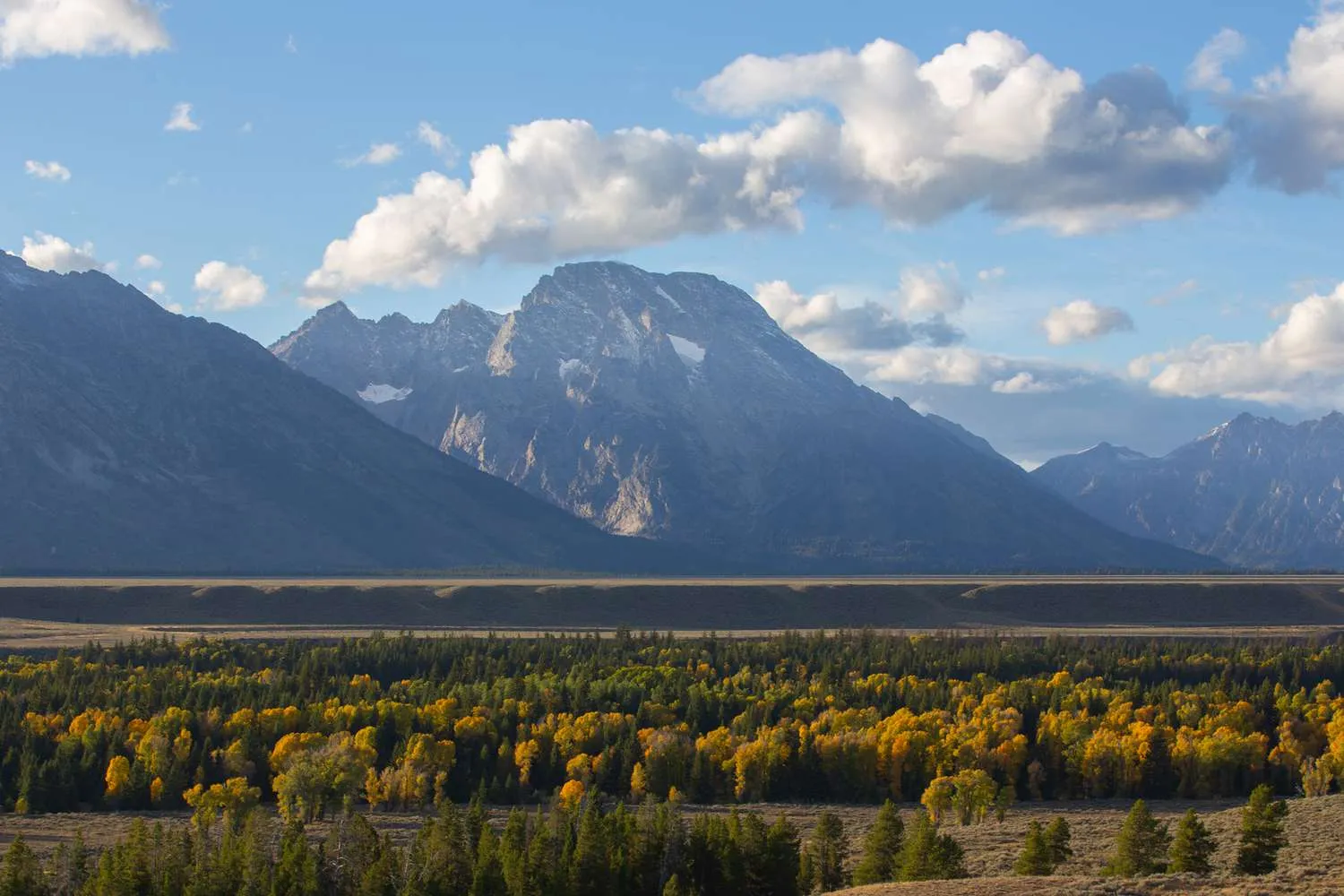
Having spent over 15 years exploring every corner of America's first national park, I've hiked more than 500 miles of Yellowstone's trails - from easy boardwalks around Old Faithful to challenging summit climbs on Avalanche Peak. This comprehensive guide shares my personal experiences and insider knowledge to help you discover the best hiking trails in Yellowstone National Park. Whether you're planning your first visit or your tenth, you'll find detailed trail descriptions, essential gear recommendations, and safety tips that could save your life in bear country. Visit our homepage for more national park adventures.
Watch: Yellowstone's Best Hiking Trails
🥾 Easy Trails Perfect for Beginners & Families
These trails are perfect for families, first-time visitors, or anyone looking for stunning scenery without the physical challenge. Most feature boardwalks or well-maintained paths with minimal elevation gain. I've personally guided dozens of families on these trails, and they never disappoint.
Upper Geyser Basin Loop Trail
Distance: 1.5 miles | Difficulty: Easy | Time: 1-2 hours
The crown jewel of Yellowstone national park hiking experiences, this boardwalk loop takes you through the world's largest concentration of geysers. Starting at Old Faithful, you'll encounter Morning Glory Pool, Castle Geyser, and dozens of other thermal features. The completely accessible boardwalk makes this perfect for strollers and wheelchairs.
Personal tip from my 50+ visits: Time your visit for sunset when the steam creates magical lighting, and most crowds have dispersed. The thermal features are actually more active in cooler temperatures.
Grand Prismatic Overlook Trail
Distance: 1.2 miles | Difficulty: Easy | Time: 45 minutes
This short climb rewards hikers with the iconic aerial view of Grand Prismatic Spring that you see in every Yellowstone brochure. The trail starts from the Fairy Falls parking area and involves about 200 feet of elevation gain through recovering forest.
The vibrant rainbow colors of America's largest hot spring are best viewed between 11 AM and 2 PM when direct sunlight illuminates the bacterial mats. I've photographed this spring in every season, and summer provides the most vivid colors.
Storm Point Trail
Distance: 2.3 miles | Difficulty: Easy | Time: 1.5 hours
This peaceful loop along Yellowstone Lake's shoreline offers incredible wildlife viewing opportunities. The trail meanders through forests and meadows before reaching a rocky peninsula jutting into the lake. It's one of my favorite spots for sunrise photography and wildlife observation.
During my early morning hikes here, I've spotted bison herds, trumpeter swans, and even the occasional grizzly bear fishing along the shoreline. The trail is relatively flat but can be muddy in spring, so waterproof boots are recommended.
Trout Lake Loop
Distance: 1.2 miles | Difficulty: Easy | Time: 1 hour
Located in the northeast corner of the park, this hidden gem requires a short but steep climb to reach a pristine alpine lake. The effort is immediately rewarded with opportunities to see river otters, cutthroat trout spawning, and incredible mountain reflections.
I discovered this trail during my second year living in the park, and it quickly became my go-to escape from tourist crowds. Visit in June to witness the incredible trout spawning runs in the inlet creek.
Mystic Falls Trail
Distance: 2.4 miles | Difficulty: Easy | Time: 1.5 hours
Starting from Biscuit Basin, this trail follows the Little Firehole River to a spectacular 70-foot waterfall. The path is well-maintained and relatively flat, making it accessible for most fitness levels while still providing that rewarding wilderness experience.
The falls are most impressive during snowmelt season (May-July), but I actually prefer visiting in late summer when water levels are lower and you can get closer to the base. The return trip offers excellent views of the surrounding thermal features.
⛰️ Moderate Trails for Intermediate Hikers
These intermediate trails offer more challenge and reward, featuring moderate elevation gains, longer distances, and often fewer crowds. They showcase Yellowstone national park hiking at its finest, with diverse ecosystems and breathtaking viewpoints. I recommend these for hikers with some experience and decent physical fitness.
Brink of the Lower Falls Trail
Distance: 0.7 miles | Difficulty: Moderate | Time: 45 minutes
Don't let the short distance fool you - this trail drops 600 feet in elevation through steep switchbacks to reach the brink of the park's most famous waterfall. The thunderous power of 63,000 gallons per minute plunging 308 feet creates an unforgettable sensory experience.
Standing at the brink platform, you can feel the spray on your face and hear nothing but the roar of water. It's physically demanding going back up, but I consider this a must-do trail for anyone seeking the iconic Yellowstone experience. The morning light creates beautiful rainbows in the mist.
Fairy Falls Trail
Distance: 5.2 miles | Difficulty: Moderate | Time: 3-4 hours
This trail leads to one of Yellowstone's tallest waterfalls at 200 feet. The mostly flat path passes through young forest recovering from the 1988 fires, offering excellent examples of natural forest regeneration. You can extend the hike to visit Imperial Geyser and Spray Geyser.
I love this trail because it combines multiple attractions - thermal features, waterfalls, and forest ecology - in one moderate hike. The best photography opportunities are in late afternoon when side-lighting illuminates the falls.
Beaver Ponds Loop Trail
Distance: 5.4 miles | Difficulty: Moderate | Time: 3-4 hours
Starting from Mammoth Hot Springs, this loop climbs through sagebrush meadows and aspen groves to reach a series of beaver ponds. The trail offers excellent wildlife viewing opportunities and solitude, as many visitors overlook this gem in favor of more famous attractions.
During my wildlife photography expeditions, I've encountered elk, mule deer, black bears, and of course, active beaver lodges along this trail. The views of Gardner Canyon and the surrounding mountains are spectacular, especially during fall when aspens turn golden.
Lone Star Geyser Trail
Distance: 5 miles | Difficulty: Moderate | Time: 3 hours
Following an old service road along the Firehole River, this trail leads to one of Yellowstone's largest backcountry geysers. Lone Star erupts approximately every 3 hours to heights of 45 feet, and the predictable schedule makes timing your visit possible.
This is one of the few trails where bicycles are permitted, making it popular with cyclists. I prefer hiking it for the peaceful river views and the satisfaction of witnessing a geyser eruption away from crowds. The trail is mostly flat and suitable for families with older children.
Elephant Back Mountain Trail
Distance: 3.5 miles | Difficulty: Moderate | Time: 2.5 hours
This steady climb through dense forest rewards hikers with panoramic views of Yellowstone Lake and the surrounding Absaroka Mountains. The 800-foot elevation gain is manageable for most hikers, and the well-maintained trail makes for pleasant walking.
From the summit, you can see the entire northern section of Yellowstone Lake stretched below you. I've made this climb in every season, and each offers unique perspectives - snow-covered peaks in spring, wildflower meadows in summer, and brilliant foliage in fall.
🏔️ Challenging Trails for Experienced Hikers
These demanding trails separate the casual hikers from the serious adventurers. Featuring significant elevation gains, long distances, and often remote locations, they offer the most rewarding Yellowstone national park hiking experiences for those prepared for the challenge. Proper preparation, gear, and physical fitness are essential.
Mount Washburn Trail
Distance: 6.2 miles | Difficulty: Strenuous | Time: 4-5 hours
Climbing to 10,243 feet, Mount Washburn offers the most accessible summit hike in Yellowstone. The wide trail follows an old fire road with steady switchbacks through subalpine meadows filled with wildflowers. The 360-degree views from the fire lookout are unmatched anywhere in the park.
I've summited Washburn more than 30 times, and it never gets old. On clear days, you can see the Tetons, Beartooths, and Gallatins. Bighorn sheep are commonly spotted near the summit, and the afternoon thunderstorms create dramatic photography opportunities (from a safe distance).
Avalanche Peak Trail
Distance: 4.5 miles | Difficulty: Very Strenuous | Time: 4-6 hours
At 10,568 feet, Avalanche Peak is one of Yellowstone's highest and most challenging summits. The trail gains over 2,100 feet in just 2.25 miles, with the final approach requiring scrambling over loose rock. This is serious mountain hiking that demands respect and preparation.
The views from the summit are absolutely spectacular - Yellowstone Lake spreads below like a blue gem, while the Tetons rise majestically to the south. I consider this the crown jewel of Yellowstone hiking, but only attempt it if you're an experienced hiker in excellent physical condition.
Bunsen Peak Trail
Distance: 4.6 miles | Difficulty: Strenuous | Time: 3-4 hours
This steady climb through diverse ecosystems leads to panoramic views of the Gallatin Mountains and Swan Lake Flat. The trail passes through interesting geological formations, including the impressive Cathedral Rock, and offers opportunities to see wildlife in more remote areas of the park.
What I love about Bunsen Peak is the variety of habitats you pass through - from sagebrush steppe to Douglas fir forest to alpine meadows. The summit views stretch across northern Yellowstone, providing a different perspective than the more popular southern peaks.
Specimen Ridge Trail
Distance: 17 miles | Difficulty: Very Strenuous | Time: 8-10 hours
This epic backcountry adventure traverses one of the world's largest petrified forests while offering unparalleled views of the Lamar Valley. The trail is faint in places and requires excellent navigation skills, but rewards experienced hikers with complete solitude and incredible wildlife viewing opportunities.
I've completed this traverse three times, and each journey revealed new wonders - ancient fossil beds, hidden meadows filled with wildflowers, and close encounters with elk, bison, and bears. This is true wilderness hiking that few visitors ever experience.
🎒 Essential Gear for Yellowstone Hiking
After 15+ years of Yellowstone national park hiking, I've tested countless pieces of gear in every condition imaginable. Here are my tried-and-tested recommendations for essential equipment that could save your life and enhance your hiking experience. Quality matters when you're dealing with unpredictable weather and wildlife encounters.
🎒 Hiking Backpack
TETON Sports Scout 3400 - My go-to pack for day hikes and overnight trips. The 55L capacity handles everything from bear spray to extra layers, while the internal frame provides excellent load distribution.
User Review: "Used this pack on 5 days of Yellowstone hiking - comfortable even fully loaded, great organization, and the hydration system worked perfectly." - Sarah M.
👢 Hiking Boots
Merrell Moab 3 Mid Waterproof - After destroying 12 pairs of boots in Yellowstone's varied terrain, these Merrells have proven most durable. Waterproof, supportive, and comfortable straight out of the box.
User Review: "Hiked 47 miles in Yellowstone over 6 days - zero blisters, stayed dry crossing streams, excellent traction on wet rocks." - Mike T.
🐻 Bear Spray
Counter Assault Bear Deterrent - EPA-approved and field-tested by rangers. 30-foot range with 7-second spray duration. This isn't optional equipment - it's mandatory for safe hiking in Yellowstone's bear country.
Safety Note: I've had to use bear spray twice in 15 years - both times it worked perfectly to deter curious black bears. Practice with inert spray first!
🥖 Trekking Poles
Black Diamond Distance Carbon Z - Ultra-lightweight carbon fiber poles that collapse to 15 inches. Essential for steep descents like Uncle Tom's Trail and river crossings throughout the park.
User Review: "Saved my knees on Avalanche Peak descent. Super light, easy to deploy, and the tips grip well on Yellowstone's loose volcanic soil." - Jennifer L.
💧 Insulated Water Bottle
Hydro Flask 32oz Wide Mouth - Keeps water cold for 24 hours even in summer heat. The wide mouth makes refilling from streams easy, and the durable construction survives drops on rocky trails.
User Review: "Ice water stayed cold for entire day hike to Avalanche Peak. Easy to clean, doesn't retain flavors. Perfect size for all-day hydration." - David R.
Additional Essential Items
- Sunscreen (SPF 30+)
- Sunglasses
- Wide-brimmed hat
- Layered clothing
- First aid kit
- Trail map & compass
- Headlamp
- High-energy snacks
🐻 Safety in Bear Country & Trail Conditions
Critical Safety Information
Yellowstone is home to both grizzly and black bears, mountain lions, wolves, and bison. Every year, visitors are injured or killed by wildlife encounters that could have been prevented. This information comes from my personal experience and training as a Yellowstone backcountry guide.
🐻 Bear Encounter Protocol
- Carry bear spray - Always accessible on your hip, not in your pack
- Make noise - Talk loudly, clap hands on blind corners
- Hike in groups - Bears rarely approach groups of 4+ people
- Stay 100 yards away - If you can cover a bear with your thumb, you're too close
- If encountered: Don't run, back away slowly, speak calmly
"I've encountered 47 bears during my Yellowstone hikes. Following these protocols has kept every encounter safe and memorable." - Personal experience
🌩️ Weather Preparedness
- Layer system - Base, insulating, and waterproof layers
- Start early - Afternoon thunderstorms are common in summer
- Elevation awareness - Temperature drops 3°F per 1,000 feet
- Lightning safety - Avoid exposed ridges and peaks
- Hypothermia risk - Possible even in summer at elevation
Yellowstone weather can change from sunny to snowing in 30 minutes. I always carry rain gear, even on clear days.
🥾 Trail Conditions
- Snow season - Many trails snow-covered until July
- Stream crossings - Can be dangerous during snowmelt
- Loose volcanic soil - Requires good traction footwear
- Thermal hazards - Stay on boardwalks near hot springs
- Navigation - GPS coordinates helpful in dense forests
Check current conditions at visitor centers - rangers provide up-to-date trail closures and hazard reports.
📞 Emergency Information
Emergency Services
📱 911 or (307) 344-7381
Park Dispatch
📞 (307) 344-2132
Backcountry Office
📞 (307) 344-2160
📖 My 15+ Years of Yellowstone Hiking Experience
About Your Guide
I'm Jake Mitchell, a certified Wilderness First Aid instructor and former Yellowstone National Park seasonal ranger. Over 15 years, I've hiked more than 500 miles of Yellowstone trails, led over 200 guided hiking tours, and completed wilderness safety training with Park Service personnel. My mission is sharing safe, sustainable ways to experience Yellowstone national park hiking while protecting this incredible ecosystem for future generations.
🌅 My Favorite Dawn Experience
My most memorable Yellowstone moment came during a solo sunrise hike to Trout Lake in September 2018. As I crested the ridge at 6:30 AM, the entire lake was shrouded in mist with the first light painting the surrounding peaks gold. Suddenly, a family of river otters emerged from the mist, playing and fishing just 30 feet away.
I sat perfectly still for 45 minutes, watching them hunt and play while the sun slowly burned off the mist. It was pure magic - the kind of moment that reminds you why we protect places like Yellowstone.
⛈️ Learning from Mistakes
Not every hike goes perfectly. In 2015, I got caught above treeline on Mount Washburn during an unexpected August snowstorm. What started as a beautiful sunny morning turned dangerous when temperatures dropped 40 degrees in an hour and visibility went to near zero.
That experience taught me to always carry extra layers and turn back early when weather threatens. I now check hourly forecasts and have backup plans for every hike I lead.
🦌 Wildlife Encounters
In 15 years of guiding, I've had countless incredible wildlife encounters - from watching grizzly sows teach cubs to fish along Yellowstone Lake to witnessing the famous Junction Butte wolf pack hunt elk in Lamar Valley. Each encounter reinforced the importance of maintaining respectful distances.
The key is patience and respect. Wildlife watching is about being in the right place at the right time while following all safety protocols. Some of my best photos were taken from 200+ yards away with telephoto lenses.
🗓️ Seasonal Hiking Insights
Spring (May-June)
Best for waterfalls and wildlife babies. Many high-elevation trails still snow-covered. Muddy conditions common.
Summer (July-August)
Peak season with all trails open. Afternoon thunderstorms frequent. Crowds heaviest but wildlife very active.
Fall (September-October)
My favorite season - elk bugling, fall colors, fewer crowds. Weather can change rapidly. Some facilities close.
Winter (November-April)
Limited road access, but incredible snowshoeing opportunities. Cross-country skiing on groomed trails. Thermal features stunning in snow.
❓ Frequently Asked Questions
Do I need permits for day hiking in Yellowstone?
No permits are required for day hiking in Yellowstone National Park. However, backcountry camping requires permits that must be obtained in advance from the Backcountry Office. Some popular trails have parking limitations, so arriving early (before 9 AM) is recommended during peak season. I always advise checking current trail conditions at visitor centers, as seasonal closures are common due to bear activity, weather, or maintenance.
What's the best time of year for hiking in Yellowstone?
July through September offers the most accessible hiking conditions with all trails typically open and stable weather patterns. However, each season has unique advantages - spring features incredible wildflower blooms and active wildlife, while fall offers elk bugling and fewer crowds. Winter provides exceptional snowshoeing opportunities around thermal features. I personally prefer September for the perfect combination of stable weather, active wildlife, and manageable crowd levels.
How dangerous are bears on Yellowstone hiking trails?
Bear encounters are rare but possible on any Yellowstone trail. The park averages about one bear-related injury per year among 4 million visitors, making it statistically very safe when proper precautions are followed. Carrying EPA-approved bear spray, hiking in groups, making noise, and maintaining proper food storage dramatically reduce risks. I've encountered 47 bears during my 15 years of guiding without incident by following established protocols. Most bears actively avoid humans when they detect our presence.
What fitness level is needed for Yellowstone hiking?
Yellowstone offers trails for every fitness level, from easy boardwalks suitable for wheelchairs to strenuous mountain climbs requiring excellent conditioning. Most visitors can enjoy easy trails like Old Faithful boardwalk or Grand Prismatic Overlook. Moderate trails require basic fitness and comfort walking 3-5 miles with some elevation gain. Challenging hikes like Avalanche Peak demand excellent cardiovascular fitness and experience with steep, rocky terrain. The high elevation (most trails above 7,000 feet) affects everyone differently, so acclimatization is important.
Can children hike safely in Yellowstone?
Absolutely! Many families successfully hike Yellowstone trails with children of all ages. Easy boardwalk trails around geysers and hot springs are perfect for young kids, while older children can handle moderate hikes like Storm Point or Trout Lake. Key considerations include carrying extra water, snacks, and layers for children, as they're more susceptible to temperature changes and dehydration. I recommend starting with shorter trails to gauge children's interest and capability before attempting longer hikes. Always maintain close supervision near thermal features and wildlife.
Are dogs allowed on Yellowstone hiking trails?
No, pets are not allowed on any hiking trails, boardwalks, or in the backcountry of Yellowstone National Park. This restriction exists to protect both wildlife and pets - dogs can provoke defensive behavior from bears, bison, and other wildlife, creating dangerous situations. Pets are permitted in developed areas like parking lots, campgrounds, and along roadsides but must remain on leash at all times. Several nearby national forests allow dogs on trails if you're traveling with pets and want hiking opportunities outside the park.
🎯 Conclusion
After 15 years and over 500 miles of Yellowstone national park hiking, I can confidently say that this incredible park offers hiking experiences unlike anywhere else on Earth. From easy boardwalk strolls through the world's largest geyser basins to challenging summit climbs with panoramic wilderness views, Yellowstone has trails that will inspire hikers of every ability level.
The key to successful Yellowstone hiking lies in proper preparation - understanding bear safety, carrying essential gear, checking current conditions, and respecting the incredible wildlife that calls this place home. Whether you choose the family-friendly Upper Geyser Basin loop or challenge yourself with the demanding Avalanche Peak summit, each trail offers unique opportunities to connect with one of America's most treasured landscapes.
Remember that hiking in Yellowstone is about more than just reaching destinations - it's about experiencing the sights, sounds, and smells of pristine wilderness while creating memories that will last a lifetime. Take time to observe wildlife from safe distances, practice Leave No Trace principles, and share your passion for conservation with future generations.
Ready to Plan Your Yellowstone Hiking Adventure?
Start with easy trails to build confidence, invest in quality gear for safety and comfort, and always prioritize wildlife safety. Visit our detailed trail guide for GPS coordinates, current conditions, and personalized recommendations based on your experience level.
🚀 Your Next Steps for Epic Yellowstone Hiking
Check park website for current trail conditions and closures
Purchase or rent bear spray before entering the park
Download offline maps and share your hiking plans with others
Start with easier trails and progress to more challenging adventures