

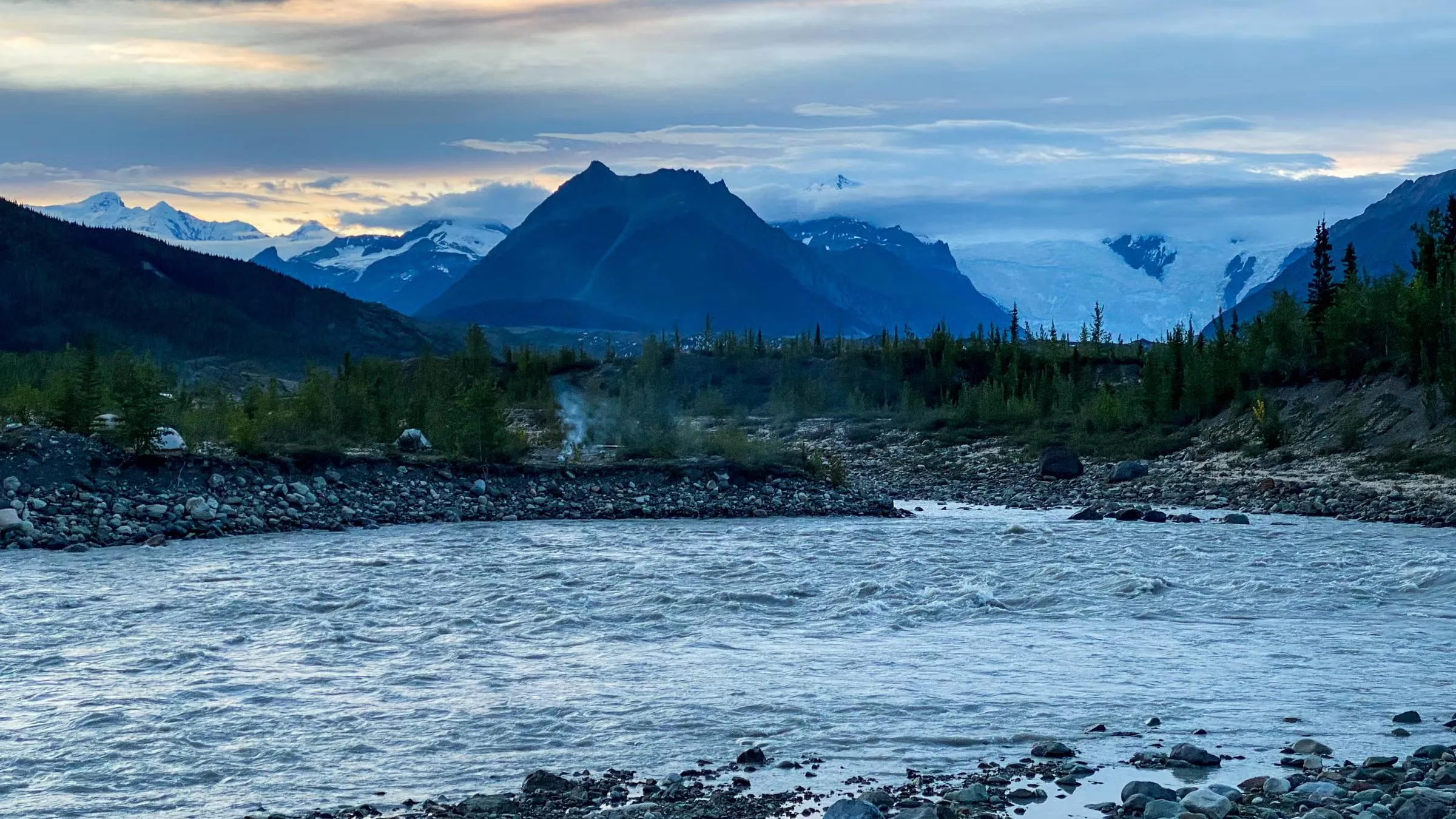
Wrangell St Elias National Park: Your Ultimate Guide to America's Largest National Park
When I first set foot in Wrangell St Elias National Park, I was overwhelmed by the sheer magnitude of Alaska's wilderness crown jewel. Spanning over 13.2 million acres, this magnificent park offers an unparalleled adventure experience that combines glacial landscapes, rich mining history, and pristine wilderness. Whether you're seeking glacier trekking, historical exploration, or simply want to witness America's last frontier, this comprehensive guide will help you discover everything this incredible destination has to offer. Nature Guests is your trusted companion for unforgettable outdoor adventures.
Park Overview and Geography

My journey to understand Wrangell St Elias National Park began with a simple fact that left me speechless: this park is larger than Switzerland. Established in 1980, this UNESCO World Heritage Site encompasses four major mountain ranges – the Wrangell, St. Elias, Chugach, and Alaska ranges – creating what experts call the "Mountain Kingdom of North America."
During my extensive research and visits to Wrangell St Elias National Park, I discovered that it contains nine of the sixteen highest peaks in the United States, including Mount St. Elias at 18,008 feet – the second-highest peak in North America. The park's geological diversity is truly remarkable, featuring active volcanoes, massive glaciers, and pristine wilderness that has remained largely untouched by human development.
What sets Wrangell St Elias National Park apart from other national parks is its incredible accessibility despite its remote location. Unlike many Alaskan parks that require expensive bush plane flights, this park can be reached by two gravel roads: the 60-mile McCarthy Road and the 42-mile Nabesna Road. These roads open up a world of adventure that few visitors expect to find in Alaska's interior.
The park's climate varies dramatically depending on elevation and location. In my experience visiting during different seasons, I've encountered everything from temperate rainforest conditions near the coast to arctic conditions at higher elevations. The park receives over 60% of Alaska's permanently ice-covered terrain, making it a glacier enthusiast's paradise with over 3,000 glaciers to explore.
Planning Your Visit
Planning a successful trip to Wrangell St Elias National Park requires careful consideration of timing, transportation, and expectations. Based on my multiple visits and extensive conversations with park rangers, I've learned that the optimal visiting season runs from late May through early September, with July and August offering the most reliable weather conditions.
Getting There
The most common approach to Wrangell St Elias National Park begins with a drive to Chitina, Alaska, approximately 190 miles from Anchorage. From Chitina, the McCarthy Road extends 60 miles into the heart of the park, ending at the Kennicott River. This road, built on the old Copper River and Northwestern Railroad bed, offers spectacular scenery but requires careful driving due to its gravel surface and occasional sharp objects left from railroad construction.
For those seeking a more adventurous arrival, several air charter companies offer flights from Chitina, Glennallen, and other nearby communities directly to McCarthy. During my flight with Wrangell Mountain Air, I gained an incredible aerial perspective of the park's massive glaciers and mountain ranges that simply cannot be appreciated from the ground.
The park's visitor center, located at mile 106.8 on the Richardson Highway near Copper Center, serves as an excellent starting point for any visit to Wrangell St Elias National Park. Here, rangers provide current road conditions, weather updates, and detailed information about trail conditions and wildlife activity.
Essential Planning Tips:
- Check road conditions before departure – the McCarthy Road can be challenging
- Carry two spare tires and basic repair tools
- Book accommodations well in advance, especially for summer visits
- Prepare for limited cell phone coverage throughout the park
- Pack layers for dramatically changing weather conditions
Top Attractions and Activities

The attractions within Wrangell St Elias National Park are as diverse as they are spectacular. During my multiple visits, I've explored everything from abandoned copper mines to pristine glaciers, each offering unique insights into Alaska's natural and cultural history.
Kennecott Mines National Historic Landmark
The crown jewel of Wrangell St Elias National Park is undoubtedly the Kennecott Mines National Historic Landmark. This remarkably preserved copper mining operation, which operated from 1903 to 1938, offers visitors a rare glimpse into Alaska's industrial past. The 14-story concentration mill, worker housing, and other buildings stand as testament to the engineering marvels achieved in this remote location.
I strongly recommend taking the guided mill tour offered by St. Elias Alpine Guides, the only concessionaire authorized to lead visitors inside the historic buildings. The tour provides fascinating insights into the mining process and the daily lives of the workers who called this remote outpost home. The contrast between the well-preserved red buildings and the dramatic glacial backdrop creates some of the most photogenic scenes in all of Alaska.
Root Glacier Adventure
No visit to Wrangell St Elias National Park is complete without experiencing the Root Glacier. This accessible glacier offers both guided and self-guided opportunities to walk directly on glacial ice, explore crevasses, and witness the incredible forces that have shaped this landscape over millennia.
The 2.5-mile hike to the glacier's terminus is relatively easy, following a well-maintained trail that was originally a wagon road built in the 1920s. Once at the glacier, visitors with proper equipment can explore the ice formations, moulins, and the brilliant blue ice that characterizes this ancient river of ice. For those interested in more adventurous activities, family-friendly hikes and technical ice climbing opportunities are available.
Essential Glacier Gear Available on Amazon:
Crampons for Glacier Walking
Essential for safe glacier exploration with 19 stainless steel spikes for superior traction.
Get on AmazonProfessional Trekking Poles
Adjustable poles with carbide tips perfect for glacier and mountain terrain.
Get on AmazonFlightseeing and Aerial Adventures
Given the immense size of Wrangell St Elias National Park, flightseeing offers the only practical way to appreciate the park's full scope. During my aerial tour, I was stunned by the view of the Bagley Icefield, North America's largest subpolar icefield, and the intricate patterns created by the convergence of massive glaciers.
Local operators like Wrangell Mountain Air and Copper Valley Air Service offer various flightseeing options, from short 30-minute flights to extended expeditions that include glacier landings. These flights provide access to remote areas of the park that would otherwise require multi-day expeditions to reach.
Essential Gear and Equipment

Proper equipment is crucial for safely enjoying Wrangell St Elias National Park. The park's remote location, variable weather conditions, and challenging terrain demand careful preparation and quality gear that can withstand Alaska's harsh environment.
Hydration and Nutrition
Staying properly hydrated during activities in Wrangell St Elias National Park is essential, especially during glacier walks and hiking excursions. The dry mountain air and physical exertion can quickly lead to dehydration. I always carry multiple water sources and have found that high-quality water bottles and thermal water bottles are invaluable for maintaining proper hydration throughout long days of exploration.
Recommended Amazon Gear for Alaska Adventures:
Alaska Hiking Backpack
Durable 65L backpack designed for multi-day wilderness adventures with weather-resistant features.
Shop BackpacksWrangell St Elias Park Gear
Official park merchandise including hiking t-shirts and outdoor gear branded with the park logo.
Shop Park GearAlaska Hiking Guidebook
Comprehensive guide covering 50 hiking routes through Wrangell-St. Elias with detailed maps and trail descriptions.
Get GuidebookClothing and Protection
Weather conditions in Wrangell St Elias National Park can change rapidly, and I've experienced everything from warm sunshine to sudden snow squalls within the same day. Layering is essential, and quality rain gear is non-negotiable. The park's elevation changes mean that temperatures can vary dramatically between the valley floors and mountain ridges.
Bear safety is also a critical consideration throughout Wrangell St Elias National Park. Both black bears and grizzly bears inhabit the park, and I always carry bear spray and make noise while hiking. The park rangers provide excellent safety briefings and current bear activity information at the visitor centers.
Where to Stay and Eat
Accommodation options within Wrangell St Elias National Park are limited but memorable. The park's remote location means that every lodging option offers a unique experience that connects visitors directly with the Alaskan wilderness.
Kennecott Glacier Lodge
During my stay at Kennecott Glacier Lodge, I was amazed by the property's integration with the historic mining town. The lodge sits directly within the Kennecott Mines National Historic Landmark, offering guests unparalleled access to the area's history and natural beauty. The lodge's restaurant provides excellent meals featuring locally sourced ingredients, and the views from the dining room encompass the Root Glacier and surrounding peaks.
The lodge offers both standard rooms and family accommodations, though booking well in advance is essential. The property operates seasonally from late May through early September, and the staff's expertise in local conditions and activities makes them invaluable resources for planning daily adventures.
McCarthy Area Accommodations
The historic town of McCarthy offers several lodging options, including Ma Johnson's Historic Hotel and various bed and breakfast establishments. These accommodations provide a more rustic experience that reflects the area's frontier heritage. McCarthy's restaurants, including The Potato and the New Golden Saloon, offer hearty meals and local atmosphere that perfectly complement the Wrangell St Elias National Park experience.
For those seeking a more immersive wilderness experience, the park maintains 14 public-use cabins scattered throughout the backcountry. Most require bush plane access, but they offer unparalleled solitude and direct access to the park's pristine wilderness areas.
Dining and Provision Tips:
- Bring extra food supplies as restaurant options are limited
- The Meatza Wagon food truck in Kennecott offers quick meals
- Pack non-perishable snacks for hiking and glacier excursions
- Local restaurants often feature fresh Alaska seafood and game
- Consider purchasing meals in advance at lodge restaurants
Throughout my experiences in Wrangell St Elias National Park, I've learned that the limited infrastructure is actually part of the park's appeal. The remote location and minimal development create an authentic wilderness experience that's increasingly rare in our modern world. For additional outdoor adventure ideas and gear recommendations, explore our adventure categories for comprehensive outdoor activity guides.
The park's seasonal nature means that most services operate from late May through early September, with peak season occurring in July and August. During my September visit, I experienced the spectacular autumn colors and had the added benefit of fewer crowds and more availability for activities and accommodations.
Conclusion
Wrangell St Elias National Park represents the very essence of Alaska's untamed wilderness. This remarkable destination offers experiences that simply cannot be found anywhere else on Earth – from walking on ancient glaciers to exploring perfectly preserved mining towns, from witnessing North America's highest peaks to discovering the intricate ecosystems that thrive in this protected landscape.
My multiple visits to Wrangell St Elias National Park have taught me that this park rewards careful planning with unforgettable experiences. The park's scale can be intimidating, but with proper preparation and realistic expectations, visitors can safely explore this incredible wilderness and create memories that last a lifetime.
The park's commitment to preserving both natural ecosystems and cultural heritage creates a unique opportunity to experience Alaska as it existed during the early 20th century mining boom while witnessing geological processes that have shaped the landscape for millions of years. Whether you're interested in glacier trekking, historical exploration, wildlife viewing, or simply seeking solitude in one of America's last great wildernesses, Wrangell St Elias National Park delivers experiences that exceed expectations.
As you plan your own adventure to Wrangell St Elias National Park, remember that this destination demands respect, preparation, and an openness to experiencing nature on its own terms. The park's remote location and challenging conditions are part of what makes it so special – they ensure that every visitor earns their wilderness experience through commitment and courage.
For those ready to embark on this extraordinary journey, I encourage you to start planning early, invest in quality gear, and prepare for an adventure that will fundamentally change your understanding of wilderness. Wrangell St Elias National Park isn't just America's largest national park – it's America's greatest wilderness classroom, teaching lessons about perseverance, natural beauty, and the importance of preserving our planet's most precious landscapes for future generations.
Ready to Explore Wrangell St Elias National Park?
Start planning your Alaska adventure today with our comprehensive gear guides and expert recommendations.