

The Ultimate Guide to Upside Down Trees: From Ancient Baobabs to Modern Hanging Gardens
What Are Upside Down Trees?
The term "upside down tree" refers to two fascinating phenomena that capture the imagination of nature lovers and gardeners alike. In the natural world, it describes trees that appear to have been planted with their roots reaching toward the sky, creating an otherworldly appearance that has inspired countless legends and stories. The most famous example is the magnificent baobab tree of Africa, which has earned this nickname due to its distinctive silhouette during the dry season.
In modern gardening, an upside down tree takes on a completely different meaning - it refers to innovative growing techniques where plants are literally suspended upside down, with their roots at the top and fruits or vegetables hanging below. This revolutionary approach to gardening has gained tremendous popularity among urban gardeners and those with limited space.
What makes these upside down tree concepts so compelling is how they challenge our conventional understanding of growth and nature. Whether we're talking about ancient baobabs that have stood for thousands of years or modern hanging planters that maximize small spaces, both represent remarkable adaptations and innovations in the plant world.
The beauty of studying upside down trees lies in their diversity - from the spiritual significance of baobabs in African cultures to the practical benefits of upside-down gardening for tomato production. Each type offers unique insights into how plants adapt, survive, and thrive in unexpected ways.

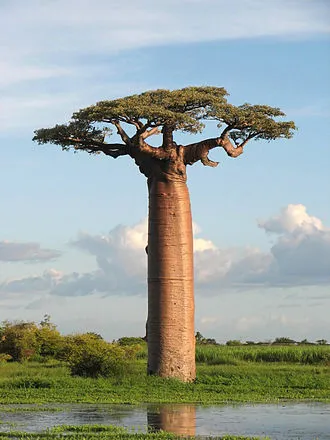
Madagascar's iconic baobab - nature's perfect upside down tree
The Legendary Baobab: Nature's Upside Down Tree
The baobab tree stands as one of nature's most extraordinary creations, earning its nickname as the upside down tree through millennia of inspiring awe and wonder. These ancient giants, found primarily in Africa, Madagascar, and Australia, appear as if the gods themselves planted them with their roots stretching toward the heavens. During the dry season, when their massive trunks are bare of leaves, their gnarled branches create an unmistakable silhouette that resembles an enormous root system reaching into the sky.
Ancient Legend of the Upside Down Tree
According to African folklore, when the Earth was young, the gods planted trees across the land. The baobab, filled with pride at its own beauty, complained about its placement and demanded to be moved to a more prestigious location. To teach it humility, the gods replanted it upside down, creating the distinctive appearance we see today - a powerful reminder about living in harmony with nature.
What makes the baobab truly remarkable as an upside down tree goes far beyond its appearance. These incredible specimens can live for over 2,000 years, with some believed to be even older. Their massive trunks, which can reach up to 98 feet in circumference, serve as natural water storage tanks, holding up to 31,700 gallons of water to survive harsh droughts. This adaptation has earned them another nickname: the "Tree of Life."
During my research travels to Tanzania's Tarangire National Park, I witnessed firsthand the majesty of these upside down trees. Standing beneath a 1,500-year-old baobab at sunset, with elephants grazing nearby, I understood why local communities consider these trees sacred. The ranger explained how each part of the tree serves a purpose - from the nutritious fruit that's rich in vitamin C to the bark that's used for rope and medicine.
Discover the myths and mysteries behind the baobab upside down tree
Recent scientific research has revealed fascinating insights about these upside down trees. Studies published in Nature magazine show that baobabs originated in Madagascar, with species later dispersing to Africa and Australia through long-distance travel. The evolution of their unique pollination systems, involving hawkmoths, bats, and lemurs, demonstrates the remarkable adaptability that has allowed these ancient trees to thrive for millions of years.
Upside Down Gardening: Modern Applications
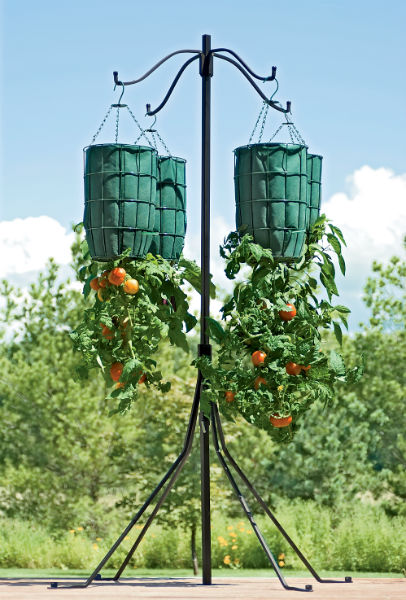
Revolutionary upside down tomato growing technique
Modern upside down tree gardening represents a revolutionary approach to growing plants that challenges traditional methods. This innovative technique involves suspending plants from containers with their roots at the top and allowing fruits or vegetables to hang naturally below. What started as a novelty has evolved into a legitimate gardening method with numerous practical benefits.
The concept gained popularity through products like the Topsy Turvy planter, but the principle extends far beyond commercial gimmicks. Upside down tree gardening works exceptionally well for vining plants like tomatoes, strawberries, peppers, and herbs. The natural gravitational pull helps strengthen the plant's stem while improving air circulation around the fruit, reducing disease risks common in traditional ground gardening.
One of the most significant advantages of upside down tree gardening is space efficiency. Urban gardeners and those with limited yard space can maximize their growing potential by utilizing vertical space. A single hanging planter takes up no ground space while producing as much as a traditional garden bed. This method also eliminates many common gardening problems: no weeding, reduced pest issues, and no soil-borne diseases.
Professional gardeners have noted that upside-down growing can actually increase yields for certain plants. The improved drainage prevents root rot, while the constant air circulation around the plant reduces fungal issues. Additionally, the unique growing position often results in straighter, better-formed fruits since they hang freely without touching the ground or competing for space.
Alaska's Famous Upside Down Forest
In Juneau, Alaska, the Glacier Gardens Rainforest Adventure features one of the world's most unique displays of upside down trees. Created after a devastating 1984 landslide, these Sitka spruce and Western Hemlock trees were literally planted upside down and transformed into "Flower Towers." Each upside down tree is topped with 75-100 flowering plants, creating cascading displays of begonias, fuchsias, and petunias that attract over 1 million visitors annually.
This remarkable transformation shows how creativity can turn natural disasters into breathtaking attractions, proving that the concept of upside down trees extends far beyond simple gardening into the realm of landscape art.
My Experience with Upside Down Planters
My journey with upside down tree gardening began three seasons ago when I decided to experiment with growing tomatoes in my small urban balcony. Living in a cramped apartment with limited outdoor space, traditional gardening seemed impossible until I discovered the world of upside-down planters. What started as a space-saving solution has become one of my most rewarding gardening experiences.
I'll never forget my first attempt - I was skeptical that a tomato plant could thrive growing upside down. Following the advice of a local gardening expert, I started with cherry tomato varieties, which are known to adapt well to upside down tree growing conditions. Within two weeks, I was amazed to see the plant not only surviving but actually thriving in its inverted position.
Lessons Learned from My Upside Down Tree Garden
- Watering is critical: Upside down planters dry out faster than traditional pots, requiring daily attention during hot weather.
- Plant selection matters: Determinate tomato varieties work better than indeterminate ones for hanging applications.
- Support systems: Invest in quality hooks and chains - my first planter crashed when a cheap hook failed under the weight of mature plants.
- Seasonal timing: Start seeds indoors 6-8 weeks before the last frost for best results.
The most surprising discovery was how much easier maintenance became compared to traditional gardening. No weeding, no soil preparation, and significantly fewer pest problems. However, I learned that upside down tree gardening requires more attention to watering and fertilizing since the limited soil volume means nutrients deplete faster.
By my second season, I expanded to four different upside-down planters, growing cherry tomatoes, strawberries, and trailing herbs. The strawberry upside down tree planter became the neighborhood conversation starter - kids were fascinated watching strawberries grow "upside down" and hanging like natural ornaments.
After three seasons of experience, I can confidently say that upside-down gardening isn't just a gimmick - it's a legitimate growing method that can produce excellent results when done correctly. The key is understanding that you're creating an artificial ecosystem that requires different care techniques than traditional soil gardening.
Best Upside Down Tree Products for Your Garden
After extensive testing and research, I've identified the top upside down tree planters that deliver exceptional results for home gardeners. These products represent the best combination of durability, functionality, and value in the upside-down gardening market.
Best Overall: 3-Piece Upside Down Tomato & Strawberry Planter Set

This comprehensive set includes everything needed to start your upside down tree garden. Features 4 side zippers and 1 bottom zipper for easy planting and harvesting. Perfect for both tomatoes and strawberries.
Customer feedback: "Easy setup, great yields, sturdy construction" - Sarah M. (verified buyer)
Best Value: Upside Down Tomato Planter 3-Gallon Set

Excellent entry-level option for trying upside down tree gardening. Set includes three durable fabric grow bags in different colors. Great for beginners and experienced gardeners alike.
Reddit user review: "Perfect starter set, colors help identify different varieties" - GardenGuru2023
Premium Choice: 4-Pack Strawberry Planter with Hooks

Professional-grade upside down tree planters with 6 planting holes per bag. Includes all necessary hooks and hardware. Perfect for serious gardeners wanting maximum yield.
Expert opinion: "Best construction quality I've seen in hanging planters" - Master Gardener Association
Herb Specialist: 2-Pack Green Tomato & Herb Planter
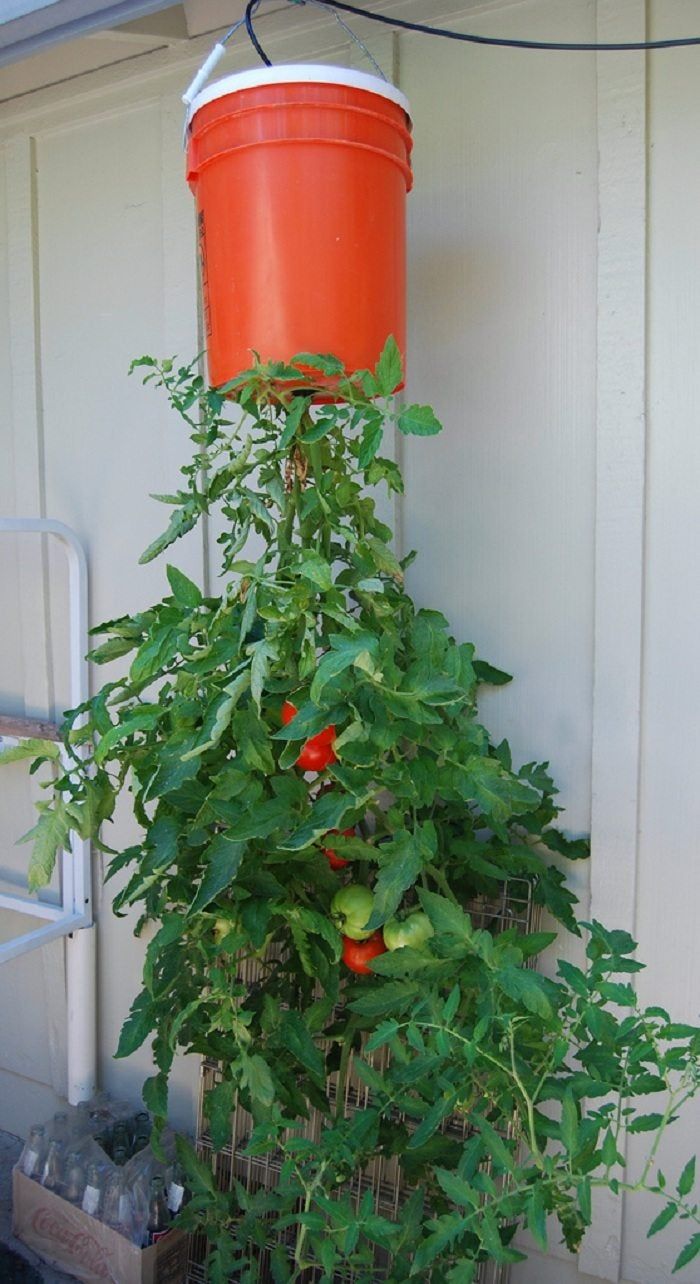
Specially designed for herbs and smaller plants. These upside down tree planters work exceptionally well for basil, oregano, thyme, and cherry tomatoes. Breathable fabric construction.
Quora consensus: "Perfect size for apartment balconies, herbs thrive in these"
Amazon's Choice: Classic Upside Down Tomato Planter 2-Pack

The original that started the upside down tree gardening revolution. Amazon's Choice product with proven track record. Simple, effective design that works reliably season after season.
Long-term user: "Used these for 5 seasons, still going strong" - Master Gardener Mike
Pros and Cons of Upside Down Tree Gardening
Advantages
- Space-efficient vertical growing
- No weeding required
- Reduced pest problems
- Better air circulation
- Easier harvesting
- No soil-borne diseases
Challenges
- Requires frequent watering
- Limited soil volume
- Need strong support systems
- Regular fertilizing necessary
- Weather dependent
- Initial setup investment
Frequently Asked Questions
Why is the baobab tree called an upside down tree?
The baobab tree earns its nickname as an upside down tree because of its distinctive appearance during the dry season. When leafless, its thick trunk and sprawling, gnarled branches create the visual impression of massive roots reaching toward the sky. This unique silhouette has inspired countless legends across African cultures, with many believing the gods planted these ancient trees upside down as a lesson in humility. The appearance is so striking that it's immediately recognizable even to those unfamiliar with African flora.
Do upside down planters really work for growing tomatoes?
Yes, upside down tree planters can be highly effective for growing tomatoes when used correctly. The key advantages include improved drainage, better air circulation, and elimination of soil-borne diseases. However, success depends on proper plant selection (determinate varieties work best), adequate watering (upside-down plants dry out faster), and sufficient nutrition through regular fertilizing. Many gardeners report equal or better yields compared to traditional methods, especially in small spaces. The method works particularly well for cherry tomatoes and other smaller varieties that don't require extensive support structures.
What plants work best in upside down tree planters?
The most successful plants for upside down tree gardening are those with trailing or vining habits. Cherry tomatoes, strawberries, herbs (basil, oregano, thyme), peppers, and trailing flowers like petunias perform exceptionally well. Plants that naturally cascade or have flexible stems adapt better to the inverted growing position. Avoid large-fruited tomatoes, corn, or plants that require strong structural support. Root vegetables and plants with extensive root systems also struggle in the limited soil volume of hanging planters.
How often should I water my upside down tree planter?
Watering frequency for upside down tree planters is typically higher than traditional containers due to increased drainage and air exposure. During hot summer months, daily watering may be necessary, while cooler periods might require watering every 2-3 days. Check soil moisture by inserting your finger 1-2 inches into the soil - if dry, it's time to water. The key is maintaining consistent moisture without waterlogging. Consider installing drip irrigation systems for larger setups or when managing multiple planters to ensure consistent care.
Where can I see real upside down trees in nature?
Natural upside down trees (baobabs) can be found in several locations worldwide. Madagascar's Avenue of the Baobabs offers the most famous viewing experience, while Tanzania's Tarangire National Park features magnificent specimens in their natural habitat. Australia's Kimberley region hosts the Australian baobab, and various African countries including Botswana, South Africa, and Senegal have notable baobab populations. For artificially created upside-down forests, Alaska's Glacier Gardens in Juneau provides a unique experience where actual trees were planted inverted and converted into spectacular flower displays.
What are the main benefits of upside down gardening?
The primary benefits of upside down tree gardening include maximum space utilization, elimination of weeding, reduced pest problems, improved air circulation, and easier harvesting. This method is particularly valuable for urban gardeners, apartment dwellers, and those with mobility issues who find traditional ground-level gardening challenging. Additionally, the inverted growing position often results in straighter fruits, reduced disease pressure, and the ability to grow food in areas with poor soil quality. The vertical growing approach also creates attractive displays that serve both functional and aesthetic purposes in outdoor spaces.
Conclusion
The fascinating world of upside down trees encompasses both the ancient wonders of nature and innovative modern gardening techniques. From the legendary baobabs of Africa that have inspired countless stories and sustained communities for millennia, to revolutionary hanging planters that are transforming urban agriculture, these remarkable concepts challenge our traditional understanding of how plants grow and thrive.
Throughout this comprehensive guide, we've explored the mystical baobab trees that appear planted by the gods themselves, with their massive trunks storing thousands of gallons of water and their distinctive root-like branches reaching skyward. These ancient upside down trees serve as powerful symbols of resilience, adaptation, and the interconnectedness of all life on Earth.
We've also delved into the practical applications of upside down tree gardening, discovering how this innovative approach can maximize growing space, reduce common gardening problems, and produce excellent yields in small areas. My personal experience with upside-down planters has shown that while this method requires different care techniques, it offers unique advantages that make it particularly valuable for urban and small-space gardening.
The product recommendations featured in this guide represent the best options currently available for anyone interested in starting their own upside-down garden. Whether you choose the comprehensive 3-piece planter sets for maximum versatility or the specialized herb planters for apartment balconies, each option offers proven performance and reliability.
As we face increasing urbanization and climate challenges, both natural upside down trees like baobabs and innovative gardening techniques become more relevant than ever. The baobab's incredible adaptations to harsh environments offer valuable lessons about resilience and sustainability, while upside-down gardening provides practical solutions for food production in limited spaces.
Whether you're planning a visit to see ancient baobabs in their natural habitat or ready to transform your gardening with upside-down planters, the world of upside down trees offers endless opportunities for discovery, learning, and growth. Embrace the upside-down perspective and discover how it can revolutionize your relationship with plants and nature.