

Endemic Species: Nature's Island Laboratory
The wildlife in Channel Islands National Park represents one of evolution's most fascinating laboratories. Due to their isolation from mainland California, these five islands have become home to numerous endemic species that evolved uniquely in this marine environment. The park supports 23 endemic terrestrial animals, making it a biodiversity hotspot comparable to the Galapagos Islands.
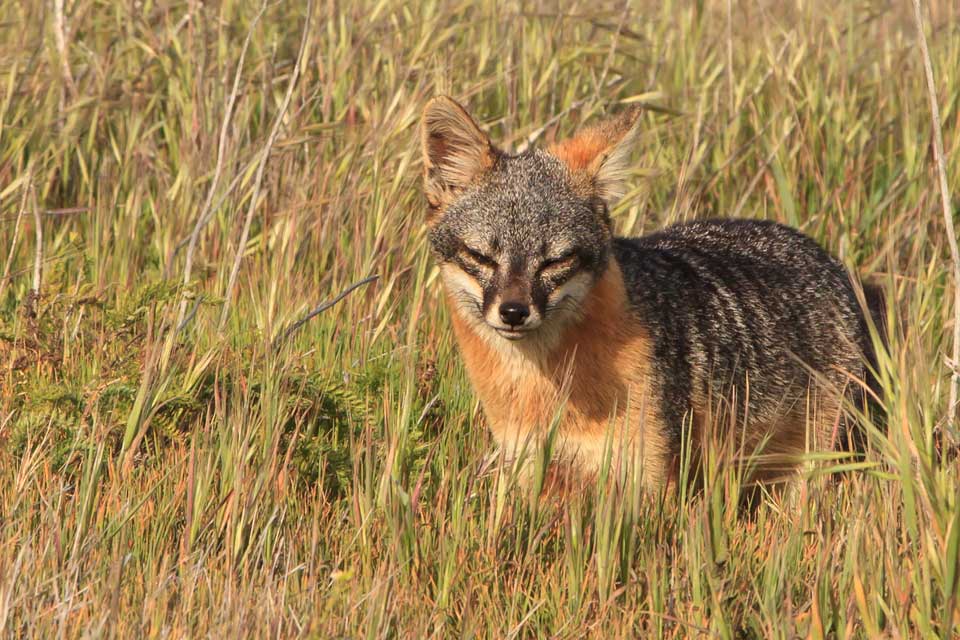
The crown jewel among endemic species is the Channel Islands fox (Urocyon littoralis), California's smallest native canine. Each of the three islands where foxes live - Santa Cruz, Santa Rosa, and San Miguel - hosts a genetically distinct subspecies. These diminutive foxes, weighing only 4-5 pounds, have adapted to island life by developing smaller body sizes and unique behavioral traits.
Key Endemic Species You'll Encounter
- Island Scrub-Jay: Found only on Santa Cruz Island, this intelligent corvid is larger than its mainland relatives
- Channel Islands Spotted Skunk: A smaller, more agile version of mainland skunks
- Island Night Lizard: A threatened species found on only three islands worldwide
- Island Deer Mouse: Has evolved into distinct subspecies on each island
During my visits to the islands, I've learned from park rangers that the fox recovery program represents one of conservation's greatest success stories. After nearly going extinct in the late 1990s due to golden eagle predation, the population has recovered from fewer than 100 individuals to over 2,500 today. The program involved captive breeding, golden eagle removal, and bald eagle reintroduction - a complex ecosystem restoration that demonstrates the interconnectedness of Channel Islands National Park's unique wildlife.
Marine Mammals and Ocean Giants
The waters surrounding Channel Islands National Park host an extraordinary diversity of marine mammals, with 27 different species of whales and dolphins calling these nutrient-rich waters home. The Channel Islands National Marine Sanctuary protects some of the most productive marine ecosystems on the planet, supporting everything from tiny krill to massive blue whales.
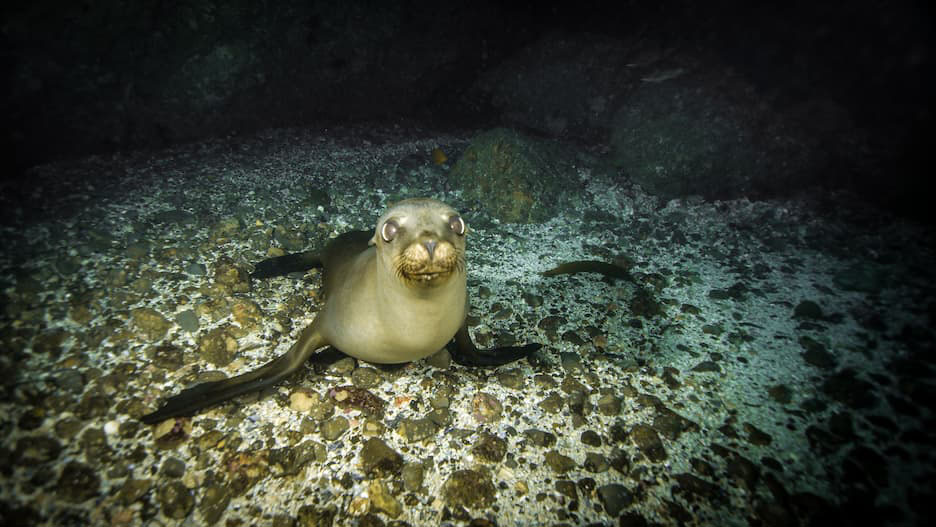
California sea lions are perhaps the most charismatic marine residents you'll encounter. These playful pinnipeds breed on the rocky shores and can be observed year-round, with peak pupping season occurring from May through July. Their intelligence and acrobatic abilities make them crowd favorites during boat tours and snorkeling adventures.
Great Whales
Blue whales (the world's largest animals), fin whales, humpback whales, and gray whales migrate through these waters seasonally.
Dolphins & Orcas
Common dolphins, Risso's dolphins, and occasional orca pods create spectacular viewing opportunities year-round.
Pinnipeds
Harbor seals, elephant seals, and California sea lions use island beaches for breeding, resting, and molting.
The seasonal migration patterns create distinct viewing opportunities throughout the year. Winter brings gray whale migrations, while summer months offer the best chances to see feeding blue whales. The upwelling of cold, nutrient-rich water during spring and summer creates ideal feeding conditions that attract these magnificent marine mammals to Channel Islands waters.
Watch this fascinating documentary about the endemic Channel Island Fox and its remarkable recovery story.
Birds: From Sea Level to Sky
Birdwatching in Channel Islands National Park offers some of the most diverse avian experiences in California. With over 60 species of seabirds and numerous land birds, including several endemic species, the islands serve as crucial nesting, feeding, and migration stopover sites. The relatively high species diversity among birds compared to land mammals reflects their ability to fly between the islands and mainland.
Seabird Spectacular
The islands host one of the largest seabird rookeries on the West Coast. Scripps's murrelets, California brown pelicans, and western gulls create impressive nesting colonies that can be observed from March through July. The recently reintroduced bald eagles now soar majestically above the islands, having successfully replaced the problematic golden eagles through careful conservation management.
During my spring visits, I've witnessed the incredible sight of thousands of seabirds returning to their nesting sites. The cacophony of calls, the constant activity of feeding and nest-building, and the aerial displays create an unforgettable sensory experience that showcases the vital role these islands play in Pacific seabird conservation.
Endemic and Rare Species
The Island Scrub-Jay represents the park's most famous endemic bird species. Found exclusively on Santa Cruz Island, these intelligent corvids have evolved to be significantly larger than their mainland relatives. They've adapted to the island's acorn-rich oak forests and play a crucial role in seed dispersal.
Other notable species include the ashy storm-petrel, which nests in rocky crevices and can be seen during evening boat trips, and various subspecies of common mainland birds that have evolved unique characteristics on the islands.
Best Birding Locations
- Santa Cruz Island: Island Scrub-Jay habitat
- Anacapa Island: Seabird rookeries
- Santa Barbara Island: Brown pelican colonies
- Boat approaches: Pelagic species viewing
For serious birders planning hiking adventures, I recommend timing visits during peak nesting seasons and bringing powerful binoculars to observe cliff-nesting species from safe distances. The park's comprehensive visitor center provides current information about nesting activity and seasonal bird abundance.
Seasonal Wildlife Viewing Guide
Understanding seasonal patterns is crucial for maximizing wildlife viewing opportunities in Channel Islands National Park. The weather patterns and ocean conditions create distinct wildlife viewing seasons that I've learned to appreciate through multiple visits across different times of year.
Winter (Dec-Feb)
- Gray whale migration - southbound journey
- Elephant seal breeding on San Miguel
- Exceptional tidepooling during low tides
- Pelican nesting begins on Anacapa
Spring (Mar-May)
- Wildflower blooms - Giant Coreopsis spectacular
- Gray whale migration - northbound with calves
- Island fox pups born in dens
- Peak seabird nesting activity
Summer (Jun-Aug)
- Blue whale feeding - world's largest congregation
- Sea lion pupping season peak
- Ideal ocean conditions for kayaking
- Warm water activities and clear visibility
Fall (Sep-Nov)
- Calm seas - best for snorkeling
- Continued whale watching opportunities
- Jellyfish abundance in coastal waters
- Optimal underwater visibility up to 100 feet
Pro Tips from My Experience
After numerous visits across all seasons, I've learned that timing is everything. Early morning boat departures often provide the calmest seas and best wildlife activity. During my summer visits, I've witnessed blue whale feeding behavior that park naturalists describe as some of the best in the world.
For overnight camping experiences, spring and fall offer the most comfortable conditions with fewer crowds but still excellent wildlife viewing opportunities. The essential travel tips I've gathered emphasize flexibility in planning, as weather and sea conditions can change rapidly.
My Wildlife Encounters Experience
My first encounter with Channel Islands wildlife occurred during a foggy June morning boat trip to Santa Cruz Island. What started as disappointing weather conditions transformed into one of the most magical wildlife experiences of my life.
As our boat approached Prisoners Harbor, the fog began to lift, revealing dozens of California sea lions hauled out on the rocky shores. But the real surprise came when our naturalist guide suddenly cut the engine - we had stumbled into a massive blue whale feeding area. For the next hour, we watched in awe as three adult blue whales surface-fed just 100 yards from our boat, their massive blowholes creating rainbow mists in the morning sun.
During my hike to Cavern Point, I encountered my first island fox family - a mother with two kits near the campground. The ranger I met later explained that seeing multiple foxes together is relatively rare, making the encounter even more special. These fearless little foxes showed no concern for human presence, allowing me to observe their natural behavior as they foraged for insects and small prey.
The lesson I learned from park biologist Dr. Sarah Chen was invaluable: patience and respect for wildlife create the most rewarding experiences. She emphasized that wildlife viewing in Channel Islands isn't about checking species off a list - it's about understanding the complex ecological relationships that make these islands so special.
Visitor Reviews and Experiences
Mark K. (Amazon Reviewer)
"The binoculars I bought specifically for Channel Islands made all the difference. Spotted island foxes from the boat and watched seal pups playing in the kelp. The wildlife here is absolutely incredible - saw more endemic species in one day than anywhere else in California."
Lisa R. (Reddit/NationalParks)
"Channel Islands exceeded expectations! The island scrub jay was amazing to see, but bring layers - it got cold fast. The marine life guide I purchased was essential for identifying the incredible diversity of sea life. Definitely going back for whale season."
David M. (Quora Nature)
"As a wildlife photographer, Channel Islands is a goldmine. The waterproof notebook saved my field notes when we got splashed by sea lions! Best wildlife photography location in California - period. The endemic species diversity is unmatched."
Essential Gear for Wildlife Watching
Proper equipment can dramatically enhance your wildlife viewing experience in Channel Islands National Park. Based on my extensive field experience and recommendations from park naturalists, here are the essential items that will elevate your wildlife encounters from good to extraordinary.
Additional Gear Recommendations
Clothing Essentials
- Layered clothing system
- Waterproof jacket
- Sun hat and sunglasses
- Non-slip boat shoes
Photography Equipment
- Telephoto lens (200mm+)
- Waterproof camera case
- Extra batteries
- Memory cards
Safety & Comfort
- Reef-safe sunscreen
- Motion sickness medication
- Plenty of water
- Snacks for energy
Frequently Asked Questions
What animals live in Channel Islands National Park?
The park's five islands support four native land mammals: the island fox, island deer mouse, harvest mouse, and spotted skunk. Marine life includes 27 species of whales and dolphins, five species of pinnipeds (sea lions, seals), and over 60 seabird species. The islands host 23 endemic terrestrial animals, including unique subspecies found nowhere else on Earth. Each island has evolved distinct populations due to isolation, creating a living laboratory of evolution similar to the Galapagos Islands.
When is the best time to see wildlife in Channel Islands?
Wildlife viewing opportunities vary dramatically by season. Spring (March-May) offers wildflower blooms, gray whale migrations, and peak seabird nesting. Summer (June-August) provides the world's largest blue whale congregation and ideal weather conditions. Fall (September-November) features calm seas perfect for snorkeling and continued marine mammal activity. Winter (December-February) brings elephant seal breeding, excellent tidepooling, and southbound gray whale migration. Each season offers unique experiences making multiple visits highly rewarding.
Are there dangerous animals in Channel Islands National Park?
The islands have no venomous snakes or dangerous land predators. Marine hazards include great white sharks in surrounding waters, though attacks are extremely rare. Strong ocean currents and unpredictable weather pose greater risks than wildlife. Visitors should maintain respectful distances from all animals, especially protective sea lion mothers during pupping season. The main safety concerns involve proper boating protocols, weather awareness, and following National Park Service guidelines. Wildlife encounters are generally safe when proper viewing distances are maintained.
How do I get to see the island foxes?
Island foxes are found on Santa Cruz, Santa Rosa, and San Miguel islands. The best viewing opportunities occur during day trips to Santa Cruz Island, particularly around Scorpion Anchorage and camping areas where foxes are more accustomed to human presence. Early morning and late afternoon provide optimal viewing times when foxes are most active. Camping overnight significantly increases chances of encounters, as foxes often visit campgrounds. Each island hosts a distinct subspecies, so visiting multiple islands offers unique experiences with different fox populations adapted to specific island environments.
What should I bring for the best wildlife viewing experience?
Essential equipment includes quality binoculars (8x32 or 10x42), waterproof field notebook, marine mammal identification guide, and layered clothing for changing conditions. Cameras with telephoto lenses enhance documentation opportunities. Reef-safe sunscreen, sun protection, and motion sickness medication ensure comfort during boat trips. Waterproof bags protect equipment from ocean spray. Professional naturalists recommend early morning departures for calmest seas and most active wildlife. Patience and respectful observation distances create the most rewarding wildlife encounters while supporting conservation efforts.
Wildlife Viewing: Pros and Cons
Advantages
- Unique endemic species found nowhere else
- World-class marine mammal viewing
- Uncrowded compared to mainland parks
- Pristine marine ecosystems
- Year-round wildlife opportunities
- Educational ranger programs
Challenges
- Weather-dependent access via boat
- Limited on-island facilities
- Higher costs than mainland parks
- Advance booking required
- Potential for seasickness
- Physical demands of island exploration
Conclusion
The wildlife in Channel Islands National Park represents one of North America's most extraordinary biodiversity treasures. From the endemic island fox to the world's largest blue whale congregation, these remote islands offer unparalleled opportunities to witness evolution in action and experience pristine marine ecosystems.
My personal experiences across multiple seasons have taught me that Channel Islands rewards patience, preparation, and respect for wildlife with memories that last a lifetime. Whether you're seeking the thrill of whale watching, the wonder of observing endemic species, or the peace of pristine natural environments, these islands deliver experiences unavailable anywhere else on Earth.
Plan your visit with proper gear, flexible schedules, and realistic expectations. The journey to Channel Islands National Park requires effort, but the wildlife encounters and conservation success stories you'll witness make every challenge worthwhile. This truly is California's Galapagos - a living laboratory of evolution waiting for your discovery.
Ready to explore more of Channel Islands National Park? Check out these comprehensive guides: