


Saguaro National Park: Your Complete Guide to Arizona's Desert Wonderland (2025)
Why Saguaro National Park Should Be Your Next Adventure
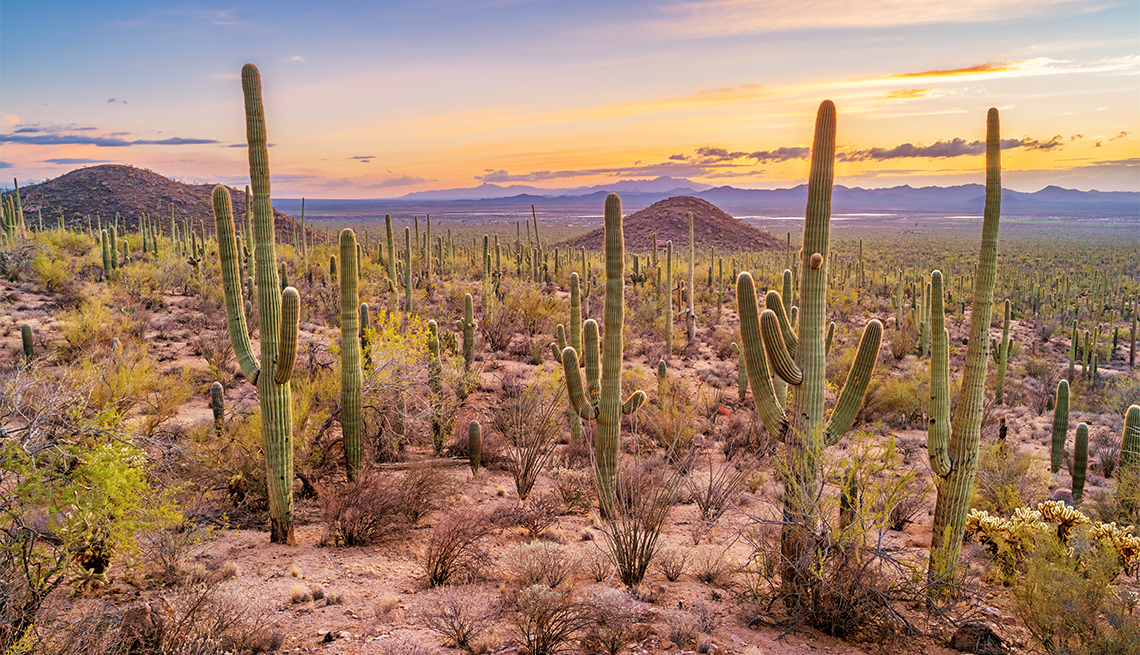
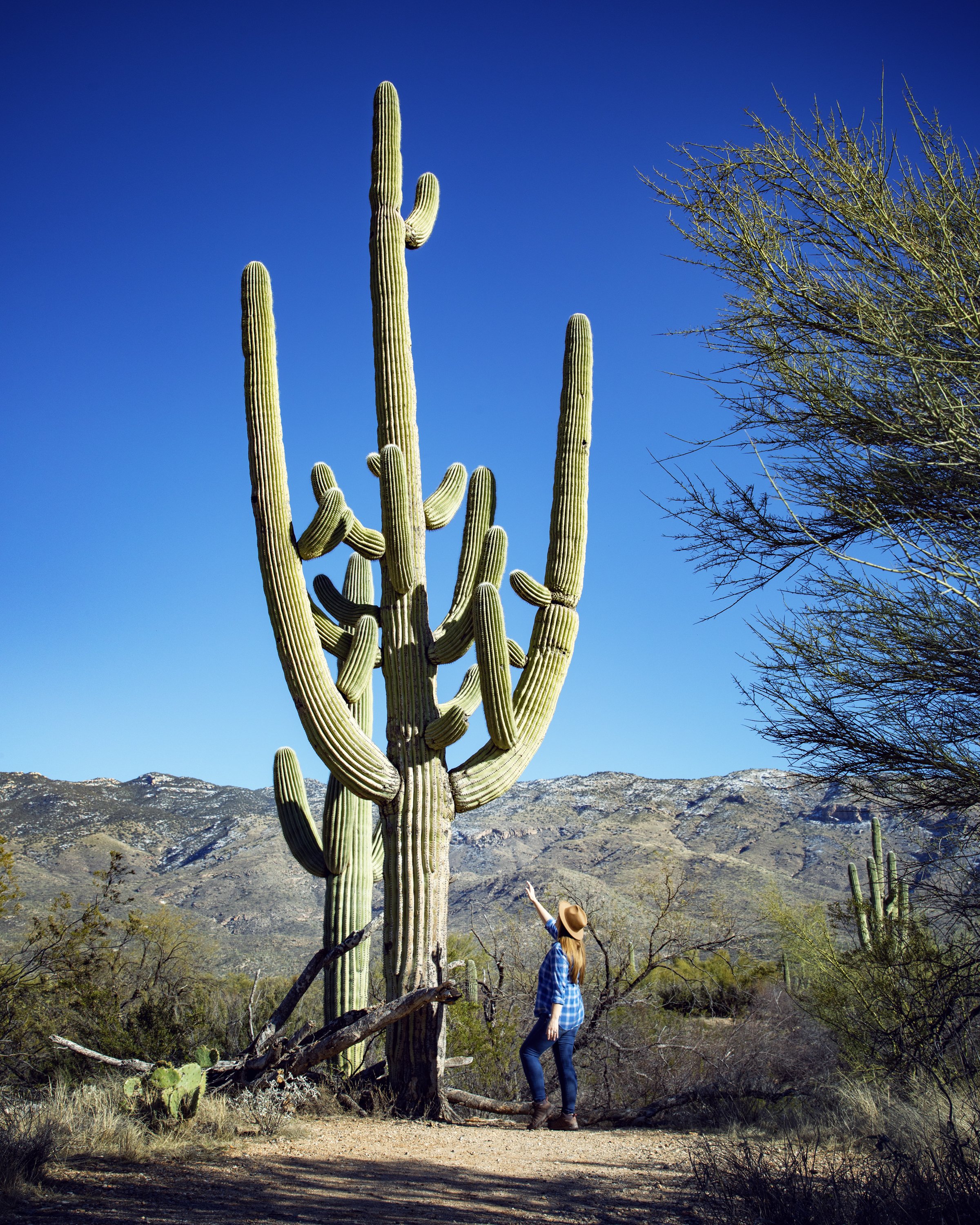
Standing beneath a 200-year-old saguaro cactus that towers 50 feet above you is an experience that photographs simply cannot capture. These ancient desert sentinels, found nowhere else in the United States except the Sonoran Desert, create a landscape so iconic that it has become the universal symbol of the American Southwest. Saguaro National Park protects over 92,000 acres of this extraordinary ecosystem, divided into two distinct districts separated by the vibrant city of Tucson.
What makes this park truly special isn't just the massive cacti – it's the incredible biodiversity that thrives in what many mistakenly consider a barren wasteland. During my visits, I've encountered javelinas shuffling through desert washes, roadrunners darting between chollas, and even caught glimpses of elusive desert foxes at dawn. The park is home to over 60 mammal species, 200 bird species, and more than 1,000 plant species, making it one of the most biodiverse national parks in the country.
Park Ranger Insight: "When you see a saguaro in person, it's difficult to comprehend their size and how unique they are; each one has its own personality. Saguaros are like people – during sunset, their silhouettes look like families and groups interacting." - Freddy G. Fernandez-Ramirez, Park Guide
The park offers something for every type of adventurer. Whether you're seeking challenging mountain hikes with panoramic desert views, peaceful nature walks perfect for families, or scenic drives that showcase the desert's beauty from the comfort of your vehicle, Saguaro National Park delivers. The entrance fee is incredibly reasonable at $25 per vehicle for seven days, or you can use your America the Beautiful Annual Pass.
Track Your National Parks Adventure - Premium Scratch-Off Map $19.97East vs West: Choosing Your Saguaro Experience
One of the most common questions I receive from fellow travelers is: "Which side of Saguaro National Park should I visit?" Having explored both districts extensively, I can tell you that each offers distinctly different experiences, and if time permits, you should absolutely visit both.
Saguaro East (Rincon Mountain District) - The Wilderness Experience
The Rincon Mountain District spans 67,476 acres and offers the more rugged, wilderness-focused experience. This is where you'll find the park's most challenging hikes, including the legendary Tanque Verde Ridge Trail that can take you all the way to 8,000+ feet elevation. The famous 8-mile Cactus Forest Loop Drive winds through an incredibly dense saguaro forest – some of the oldest and largest specimens in the park call this area home.
What I love about the east side is its variety of ecosystems. As you climb higher into the Rincon Mountains, you'll transition from desert scrub through oak woodlands and eventually into pine forests. It's like traveling from Mexico to Canada in a single day! The backcountry camping opportunities here are excellent, with six established campgrounds requiring permits and offering true desert solitude.
Saguaro West (Tucson Mountain District) - The Scenic Showcase
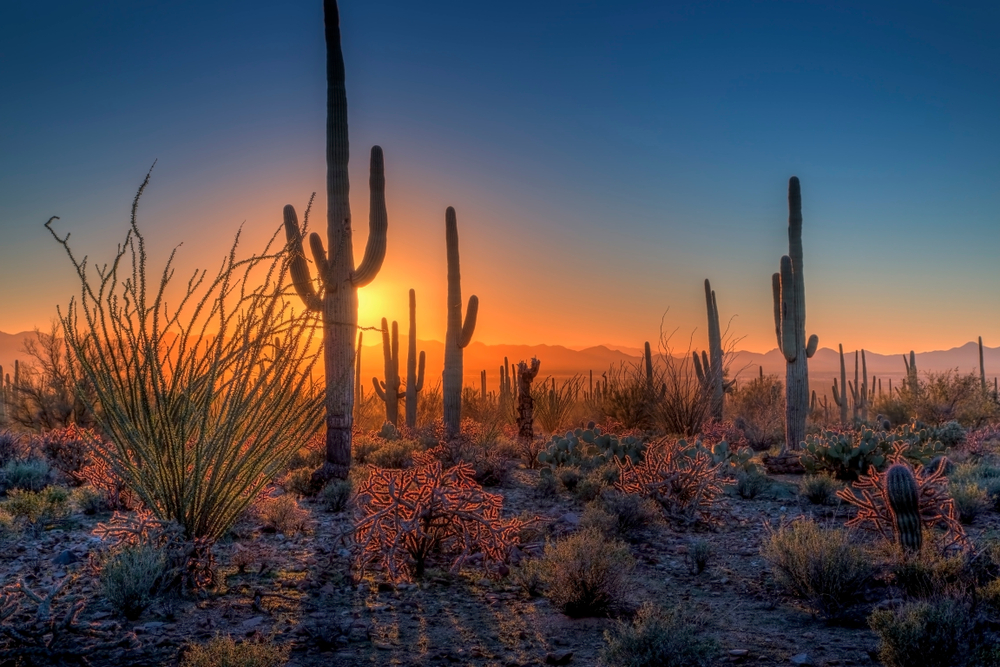
The Tucson Mountain District covers 25,391 acres and is often considered more photogenic and accessible. This is where you'll get those postcard-perfect sunset shots with saguaros silhouetted against colorful Arizona skies. The volcanic Tucson Mountains create dramatic backdrops, and the 5-mile Bajada Loop Drive (partly unpaved) takes you through some of the most spectacular desert scenery in Arizona.
The west side also houses Signal Hill, which contains the largest concentration of ancient petroglyphs in the park. The hiking here tends to be more moderate, making it perfect for families or those who prefer shorter adventures. Plus, you're close to other Tucson attractions like the world-renowned Arizona-Sonora Desert Museum and Old Tucson Studios.
Choose East If You Want:
- Challenging mountain hikes
- Backcountry camping
- Dense saguaro forests
- Cooler temperatures at elevation
- True wilderness experience
Choose West If You Want:
- Spectacular sunset photography
- Ancient petroglyphs
- Moderate family-friendly hikes
- Dramatic mountain backdrops
- Easy access to Tucson attractions
Best Hiking Trails and What to Expect
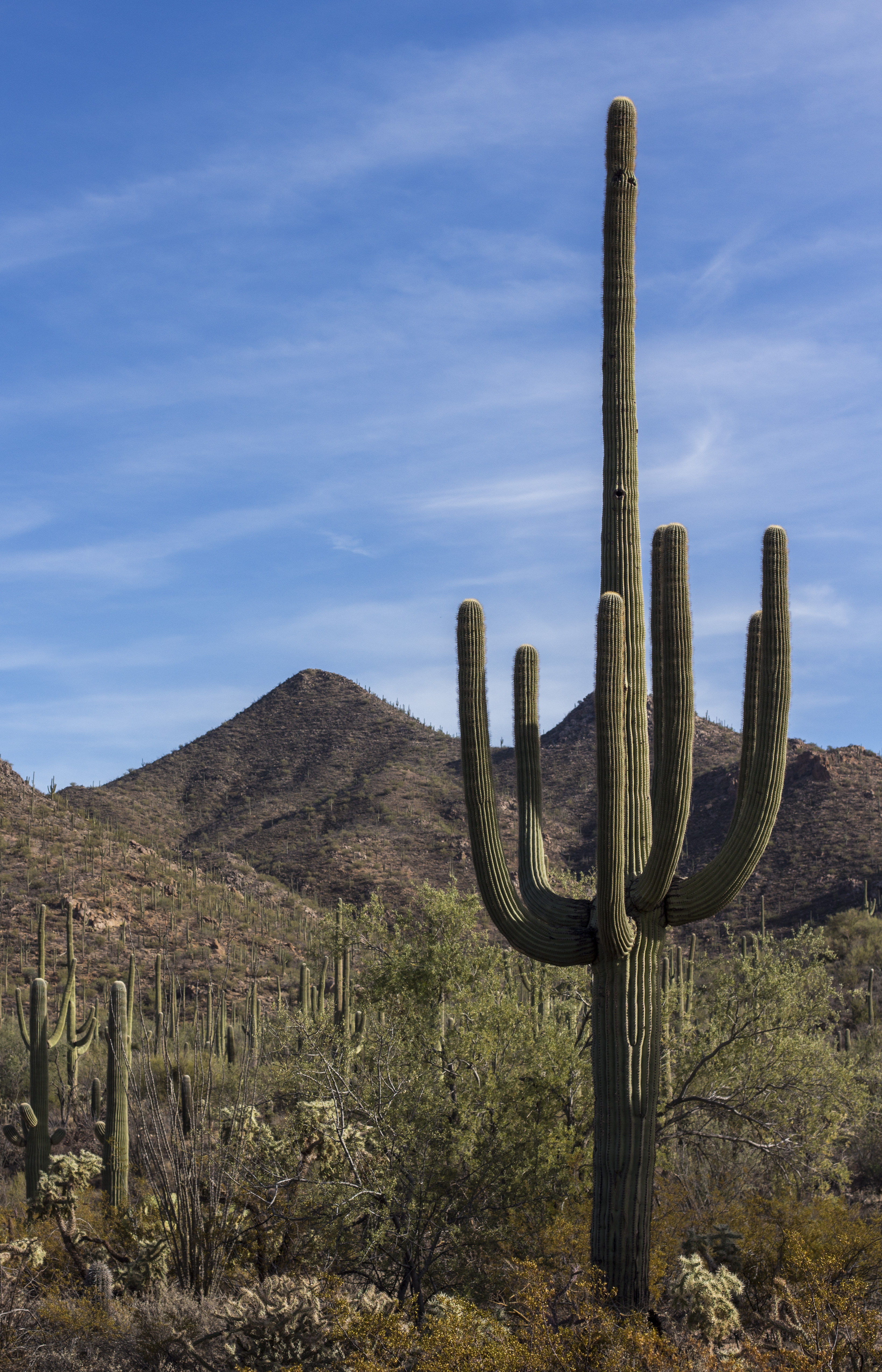
With over 200 miles of trails spanning both districts, Saguaro National Park offers hiking opportunities for every skill level and interest. After exploring dozens of trails over multiple visits, I've compiled this guide to help you choose the perfect adventures for your trip. Remember to always carry plenty of water – I recommend at least one gallon per person for longer hikes in the desert heat.
Must-Do Easy Trails (Perfect for Beginners)
Desert Discovery Trail (West, 0.5 miles): This wheelchair-accessible paved loop is perfect for families and offers excellent interpretive signs about desert ecology. I always recommend starting here to get oriented with the Sonoran Desert ecosystem. The trail includes shaded ramadas and benches, making it comfortable even during warmer months.
Freeman Homestead Trail (East, 1 mile): One of my favorite easy hikes, this trail leads to the ruins of an old homestead and features a grove of massive, ancient saguaros. The highlight is a seasonal desert wash where Great Horned Owls often roost in the clifftop caves. The interpretive signs here tell fascinating stories about early desert settlers.
Stay Hydrated - 32oz National Parks Water Bottle with 63 Stickers $14.99Intermediate Adventures (Moderate Challenge)
Valley View Overlook Trail (West, 0.8 miles): Don't let the short distance fool you – this trail packs incredible views into less than a mile. The overlook provides panoramic vistas of the Avra Valley and surrounding mountain ranges. I've captured some of my best sunset photos from this vantage point.
King Canyon/Gould Mine Loop (West, 2.4 miles): This loop combines desert wash hiking with mining history. You'll walk through a sandy canyon bottom between towering walls, then return via an old mining road. The rocky "stair-step" sections in the wash make for interesting scrambling, and there's often water present which attracts desert wildlife.
Hope Camp and Ridge View Trail (East, 2 miles): Starting from the Loma Alta trailhead, this trail follows an old homesteading road and offers spectacular views of Rincon Peak. The wildflower displays here in spring (March-April) are absolutely incredible – carpets of desert marigolds, lupines, and ghost plants paint the hillsides in brilliant colors.
Advanced Challenges (For Experienced Hikers)
Wasson Peak Trail (West, 4.2 miles round-trip): At 4,687 feet, this is the highest point in the western district and offers 360-degree views that are simply breathtaking. The trail gains about 1,600 feet of elevation through a series of switchbacks. I recommend starting very early during warmer months – the exposed ridgeline can be brutal in afternoon heat.
Tanque Verde Ridge Trail (East, varies): This is the park's ultimate challenge, extending over 15 miles into the Rincon Mountains. Even hiking just the first 3 miles to "The Dome" provides incredible views and a serious workout with 1,000+ feet of elevation gain. I've seen a rare crested saguaro at the 2.5-mile mark – a genetic mutation that creates a fan-shaped top instead of the typical arms.
Safety Reminder: Desert hiking can be dangerous. Always check weather conditions, carry emergency supplies, inform someone of your plans, and avoid hiking during extreme heat warnings. Most rescues occur when hikers underestimate the desert's challenges.
When to Visit: Weather and Seasons Guide
Timing your visit to Saguaro National Park can make the difference between an incredible adventure and a miserable experience. Having visited during all four seasons, I can provide you with insider knowledge about what to expect and when to plan your trip for the best possible experience.
Peak Season: November through March (Best Overall Experience)
This is hands-down the best time to visit Saguaro National Park. Daytime temperatures range from the comfortable high 50s to low 80s Fahrenheit, making hiking enjoyable throughout the day. I've experienced perfect 75-degree days in February that felt like nature's air conditioning after the brutal summer heat. Nights can be surprisingly cool, sometimes dropping into the 40s, so pack layers.
The downside? This is when everyone else visits too. Parking areas fill up early, especially on weekends, and popular trails can feel crowded. My strategy is to start hiking by 7 AM to avoid crowds and capture the magical morning light on the saguaros. The winter months also bring occasional rainy days – usually brief but intense storms that transform the desert into a temporary wonderland of flowing washes and fresh, petrichor-scented air.
Shoulder Seasons: April-May and October (Hidden Gems)
Spring (April-May) is my personal favorite time to visit. This is when the desert truly comes alive – saguaro cacti bloom with magnificent white flowers from early May through early June, creating crown-like clusters atop these ancient giants. The flowers open at night and close by the following afternoon, so early morning hikes offer the best viewing opportunities. Other desert plants also bloom during this period, painting the landscape in unexpected colors.
October offers another sweet spot with warm but manageable temperatures and fewer crowds than the peak season. This is when I recommend visiting for photography enthusiasts – the angle of autumn light creates incredible contrast and brings out the textural details of the desert landscape.
Summer: June through September (For the Brave)
Summer in the Sonoran Desert is not for the faint of heart. Temperatures regularly exceed 110°F and can reach 120°F or higher. I've hiked here in July, and it's a completely different experience that requires careful planning and respect for the environment. However, if you can handle the heat, you'll have the park virtually to yourself.
The key to summer visits is timing: start hiking before sunrise (5 AM) and finish by 9 AM. Evening hikes after 6 PM can also work, but the rocks and ground retain heat well into the night. Monsoon season (July-September) brings spectacular thunderstorms and brief but intense rainfall that creates temporary waterfalls and fills desert pools. Just be aware of flash flood dangers in washes and low-lying areas.
Best Weather Months
- November - March: 60-80°F days
- April - May: Blooming season
- October: Perfect photography light
Challenging Months
- June - August: 100-120°F+
- December - January: Cold nights
- July - September: Flash flood risk
Essential Gear for Your Saguaro Adventure
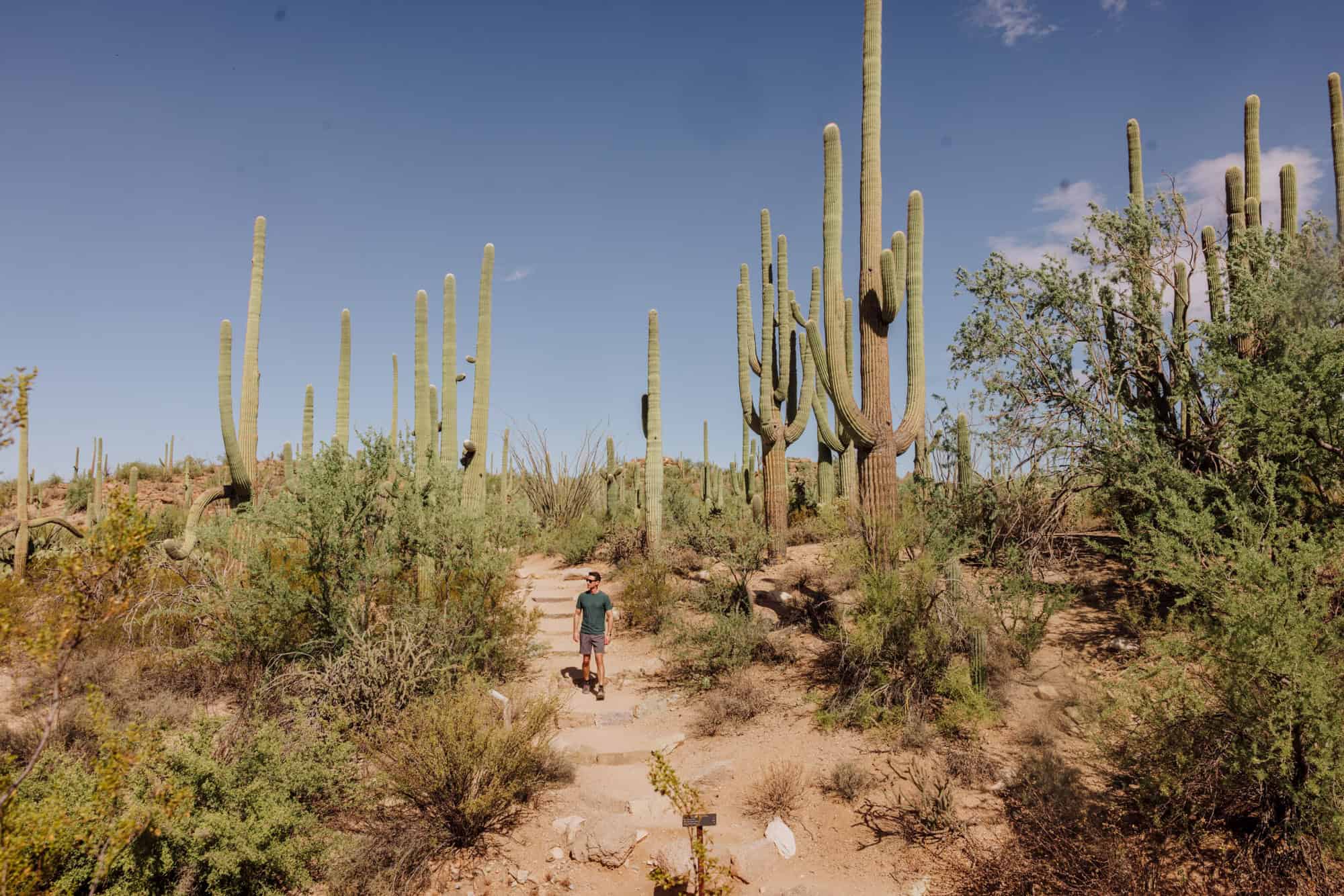
After countless hours hiking in Saguaro National Park during all seasons, I've learned that having the right gear can make or break your desert adventure. The unforgiving environment demands preparation, but you don't need to overpack. Here's my tried-and-tested gear list that has kept me safe and comfortable through scorching summers and surprisingly chilly winter mornings.
The Non-Negotiables: Hydration and Sun Protection
Water is absolutely critical – I cannot stress this enough. The desert will dehydrate you faster than you realize, even in winter. I always carry at least 1 gallon per person for day hikes, stored in insulated containers to keep it cool. After trying various options, I've found that quality water bottles with excellent insulation make the biggest difference in maintaining drink temperature throughout long desert days.
Amazon's Choice: 32oz National Parks Water Bottle with 3 Lids + 63 Stickers $19.95Sun protection goes beyond just sunscreen – though SPF 50+ is mandatory. I wear wide-brimmed hats, long-sleeved UPF shirts, and quality sunglasses. The desert sun reflects off light-colored rocks and sand, creating intense glare that can cause headaches and eye strain. I learned this the hard way during my first summer hike when I ended up with sunburn in places I never expected, like the underside of my chin from reflected light.
The Perfect Desert Hiking Backpack
Your backpack needs to be large enough for water and safety gear but lightweight enough not to burden you in the heat. After testing several options, I recommend packs in the 25-35 liter range with excellent ventilation systems. The key features I look for include multiple water bottle pockets, easy-access compartments for snacks and first aid, and breathable back panels that minimize sweat buildup.
Top Rated: SKYSPER 35L Waterproof Hiking Backpack $33.26Footwear and Navigation Essentials
Sturdy hiking boots with ankle support are essential for rocky desert terrain. I prefer boots over trail runners because of the superior protection against cactus spines, sharp rocks, and occasional snake encounters. Gaiters are also worth considering to keep debris out of your shoes and protect your lower legs from vegetation.
While many trails are well-marked, having backup navigation is smart. I always carry a physical map from the visitor center plus use offline GPS apps on my phone. Cell service can be spotty in remote areas, so don't rely solely on your device. A simple compass and basic navigation skills have saved me more than once when trails became unclear in wash areas.
My Complete Gear Checklist
- 1+ gallon water per person
- Electrolyte supplements
- High-energy snacks
- Emergency food
- First aid kit
- Map and compass
- Emergency whistle
- Headlamp with extra batteries
User Reviews: What Fellow Hikers Say
"The SKYSPER backpack has been perfect for my Southwest national park adventures. Great ventilation system and the water bottle pockets are easily accessible while hiking." - Sarah M., Amazon Verified Purchase ★★★★★
"Love tracking my national park visits with this water bottle and stickers! The insulation keeps water cold all day in Arizona heat." - Mike R., Reddit r/NationalPark ★★★★★
"As someone who's hiked Saguaro multiple times, I can't emphasize enough how important proper hydration gear is. This bottle system has been a game-changer." - Lisa T., Quora Desert Hiking Community ★★★★★
My Personal Experience and Insider Tips

Over the past five years, I've visited Saguaro National Park more than a dozen times, each trip revealing new layers of this incredible desert ecosystem. My first visit was during a scorching July afternoon – a mistake I'll never make again, but one that taught me invaluable lessons about desert travel. Since then, I've hiked here during snowstorms, monsoons, and perfect spring mornings, learning something new each time.
My Most Memorable Saguaro Moments
My most magical experience happened during an early May sunrise hike on the Tanque Verde Ridge Trail. I started hiking at 5 AM with only a headlamp, reaching the first viewpoint just as the sun crested the mountains. The entire Rincon range glowed pink and gold, and dozens of saguaro flowers were opening their white blooms in the warming light. It was one of those moments that remind you why we preserve these wild places.
Another unforgettable experience was encountering a family of javelinas during an evening hike in the west district. These pig-like desert dwellers are usually shy, but I rounded a corner and found myself face-to-face with a mother and three babies. Following park ranger advice, I made myself appear larger and backed away slowly. They watched me for a moment, then casually continued their evening foraging. It was a powerful reminder that this is their home, and we're just visitors.
Lessons Learned the Hard Way
During that memorable July visit, I underestimated the desert's power and ended up with mild heat exhaustion despite carrying water. The problem wasn't the quantity – I had enough water – but I hadn't considered electrolyte replacement. Now I always pack electrolyte supplements and force myself to drink regularly, even when I don't feel thirsty. The desert humidity is so low that sweat evaporates instantly, making it easy to become dangerously dehydrated without realizing it.
I also learned to respect the local wildlife after accidentally hiking too close to a desert cottontail's nest. While photographing what I thought was an interesting rock formation, I heard urgent thumping – the mother rabbit warning her babies of danger. I backed away immediately and later learned from a park ranger that many desert animals are most active during the cooler dawn and dusk hours when hiking is most pleasant. Planning day trips during these times often leads to the best wildlife encounters.
Insider Tips from a Repeat Visitor
Pro Tips You Won't Find in Guidebooks
Photography Secret: The best saguaro photos happen during the "blue hour" – about 30 minutes after sunset when the sky turns deep blue but still has enough light to illuminate the cacti. Use a tripod and long exposure to capture the desert's ethereal beauty.
Crowd Avoidance: Most visitors stick to the scenic drives and easy trails near visitor centers. Walk just 0.5 miles from any parking area, and you'll often have the desert to yourself, even during busy winter months.
Seasonal Bonus: Visit during late December through February for a chance to see snow dusting the high peaks of the Rincon Mountains – a surreal sight that creates stunning contrast with the desert foreground.
What Rangers Don't Always Tell You
During a conversation with Ranger Maria at the east visitor center, she shared that the park's most spectacular wildflower displays often occur in areas recently burned by controlled or natural fires. These "fire scars" bloom magnificently in spring, creating carpets of color that can be seen from space. The Rincon Mountain District has several such areas accessible by moderate hiking.
She also mentioned that many visitors miss the park's incredible night sky because they leave before dark. Saguaro National Park is designated as an International Dark Sky Park, meaning light pollution is minimal. On clear nights, you can see the Milky Way with the naked eye – something impossible in most populated areas. I've spent several evenings stargazing from Signal Hill, and it's absolutely transformative.
What I Love Most
- Incredible biodiversity in an "empty" desert
- Every saguaro has unique personality
- Perfect silence broken only by desert sounds
- Spectacular sunrises and sunsets
- Sense of timelessness and peace
Honest Challenges
- Extreme summer heat limits hiking
- Flash flood danger during monsoons
- Limited shade on most trails
- Crowded parking during peak season
- Cell service spotty in remote areas
Despite the challenges, Saguaro National Park has become my spiritual home in the desert. There's something profoundly moving about standing among these ancient giants, some of which were seedlings when the Civil War was fought. They've weathered droughts, floods, freezes, and fires, standing as testament to resilience and adaptation. Every visit reminds me that we're part of something much larger and more enduring than our daily concerns.
Frequently Asked Questions
How much does it cost to enter Saguaro National Park?
The current entrance fee is $25 per vehicle for a 7-day pass, which covers both east and west districts. You can also purchase an annual Saguaro National Park pass for $45, or use the America the Beautiful Annual Pass ($80) which provides access to all national parks. Senior and military discounts are available. Payment can be made at visitor centers during operating hours or at automated fee stations when centers are closed.
Can you camp overnight in Saguaro National Park?
Yes, but only in the backcountry of the Rincon Mountain District (east side) with proper permits. There are six designated campgrounds accessible only by hiking, with the closest being 4.4 miles from the trailhead. Permits cost $8 per person per night and can be reserved up to 60 days in advance through Recreation.gov. No car camping or RV facilities are available within the park, but several campgrounds and RV parks exist in nearby Tucson. Backcountry camping requires significant hiking experience and desert preparedness.
What's the difference between Saguaro East and West districts?
The East (Rincon Mountain District) covers 67,476 acres and offers more challenging mountain hiking, backcountry camping, and denser saguaro forests. It features the 8-mile Cactus Forest Loop Drive and trails that reach over 8,000 feet elevation. The West (Tucson Mountain District) spans 25,391 acres and is known for spectacular sunset views, ancient petroglyphs at Signal Hill, and more accessible family-friendly trails. The west side has more dramatic mountain backdrops and is closer to other Tucson attractions like the Arizona-Sonora Desert Museum.
When do saguaro cacti bloom and how long do flowers last?
Saguaro flowers typically bloom from early May through early June, with peak blooming occurring in mid to late May. Individual flowers have an extremely short lifespan of less than 24 hours – they open at night and remain open through the following day before closing permanently. The flowers open in response to nighttime temperatures and rainfall patterns, so timing can vary slightly year to year. Early morning visits offer the best chance to see fresh blooms, as the flowers are most vibrant before the desert heat intensifies.
Is it safe to hike alone in Saguaro National Park?
While many people hike solo successfully, the desert environment presents unique risks that make hiking with a partner strongly recommended. Dangers include extreme heat, flash floods during monsoon season, venomous wildlife encounters, and the possibility of injury far from help. If hiking alone, always inform someone of your detailed plans and expected return time, carry emergency communication devices, stick to popular trails during daylight hours, and avoid hiking during extreme weather conditions. Cell phone coverage is spotty in remote areas, so don't rely solely on your device for emergency communication.
What wildlife might I encounter in the park?
Saguaro National Park hosts incredible biodiversity with over 60 mammal species, 200 bird species, and 60 reptile and amphibian species. Common sightings include javelinas (collared peccaries), desert cottontail rabbits, roadrunners, Gila monsters, various rattlesnake species, and numerous bird species like cactus wrens and curve-billed thrashers. Mountain lions and black bears inhabit higher elevations but are rarely seen. Most wildlife is active during dawn and dusk hours. Always maintain safe distances, never feed wildlife, and make noise while hiking to avoid surprising animals. Carry a flashlight for early morning or evening hikes when animal activity peaks.
Conclusion

Saguaro National Park stands as one of America's most unique and accessible wilderness experiences, offering visitors the chance to walk among some of the most iconic plants on Earth. These ancient desert giants, some over 200 years old and 50 feet tall, create a landscape that feels both timeless and otherworldly. Whether you're drawn by the challenge of mountain hiking, the peace of desert solitude, or the simple wonder of seeing your first saguaro bloom, this park delivers experiences that will stay with you long after you leave.
From my years of exploring both the Rincon Mountain District and Tucson Mountain District, I can confidently say that this park offers something meaningful for every type of traveler. Families will love the accessible nature trails and educational visitor centers, while serious hikers can challenge themselves on multi-day backcountry adventures. Photographers will find endless subjects from intimate cactus portraits to sweeping desert vistas, and anyone seeking a deeper connection with nature will find it among these silent sentinels of the Sonoran Desert.
Remember that your safety and enjoyment depend largely on preparation and respect for the desert environment. Carry plenty of water, protect yourself from the sun, time your visits appropriately for the season, and always inform someone of your hiking plans. The desert can be unforgiving, but with proper preparation, it rewards visitors with some of the most spectacular and peaceful experiences available in our national park system.
As you plan your visit to Saguaro National Park, consider it part of a larger Arizona adventure. The park's location near Tucson makes it easy to combine with other incredible destinations, and the knowledge you gain here about desert ecosystems will enhance your appreciation of the entire Southwest. Most importantly, take time to simply sit quietly among the saguaros and absorb the profound sense of timelessness these ancient plants embody. In our fast-paced world, few places offer such perspective on what truly endures.
Start Planning Your Saguaro Adventure Today
Ready to experience the magic of America's largest cacti? Visit during the optimal November-March season for the best weather, or brave the spectacular blooming season in May for an unforgettable desert flower show.
More Desert Adventures Gear Up for Adventure© 2025 Nature Guests. All rights reserved. This guide is based on personal experiences and extensive research. Always check current park conditions and regulations before visiting.