

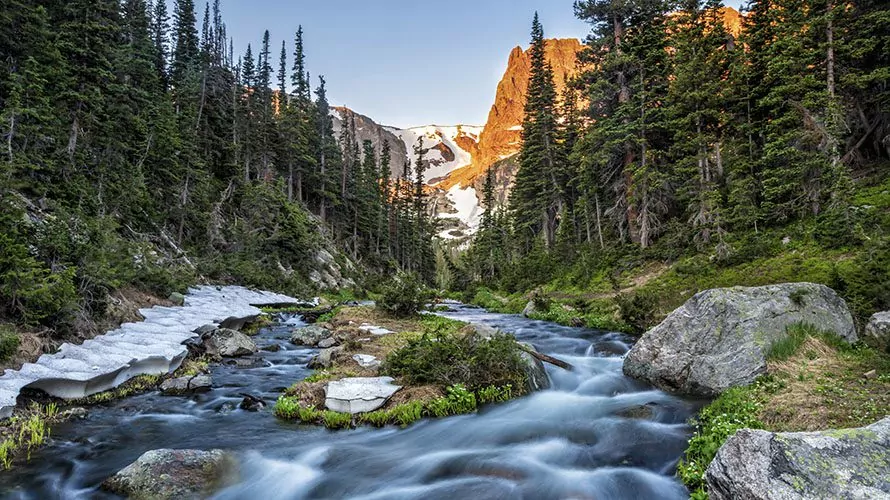
Ultimate Guide to Rocky Mountain Hiking Destinations: Colorado's Most Spectacular Trails
Discover the most breathtaking Rocky Mountain hiking destinations in Colorado with our comprehensive guide. From beginner-friendly trails to challenging alpine adventures, I'll share personal experiences and expert insights to help you explore these majestic peaks safely and successfully. NatureGuests brings you insider tips for unforgettable mountain adventures.
Best Beginner Rocky Mountain Hiking Destinations

When I first started exploring Rocky Mountain hiking destinations, I was overwhelmed by the sheer number of trail options. After years of hiking these majestic peaks, I've identified the perfect beginner trails that offer stunning scenery without requiring technical climbing skills or extreme endurance.
Bear Lake Trail - The Perfect Introduction
Bear Lake stands as one of the most accessible Rocky Mountain hiking destinations for families and beginners. This 0.6-mile loop trail around the pristine alpine lake requires minimal elevation gain and offers breathtaking views of Hallett Peak and Flattop Mountain. I remember my first visit here on a crisp October morning—the reflection of snow-capped peaks in the mirror-like water was absolutely magical.
The trail features interpretive signs that help visitors understand the unique ecosystem of the Rocky Mountains. What makes this trail exceptional is its accessibility year-round, though I recommend visiting early morning to avoid crowds. The trailhead has ample parking, but it fills quickly during peak summer months.
Sprague Lake - Wheelchair Accessible Wonder
Sprague Lake represents the best example of inclusive Rocky Mountain hiking destinations. This 0.9-mile loop trail is fully paved and wheelchair accessible, making it perfect for visitors with mobility challenges. The trail offers spectacular views of the Continental Divide and serves as an excellent photography location.
During my visits with elderly family members, I've witnessed the joy this trail brings to those who might otherwise miss out on mountain experiences. The lake hosts an abundance of wildlife, including moose, elk, and various waterfowl. Park rangers often conduct evening programs here, sharing insights about the local ecosystem and night sky.
💡 Local Tip: For the best experience on beginner short hikes in Grand Teton and Rocky Mountain trails, start early morning (before 8 AM) to secure parking and enjoy quieter trails with better wildlife viewing opportunities.
Intermediate Rocky Mountain Hiking Destinations

Intermediate Rocky Mountain hiking destinations offer the perfect balance of challenge and reward. These trails require moderate fitness levels but don't demand technical climbing skills. I've found these hikes provide the most satisfying experiences for those ready to step beyond beginner trails.
Emerald Lake Trail - A Trilogy of Alpine Lakes
The Emerald Lake Trail ranks among my favorite intermediate Rocky Mountain hiking destinations. This 3.2-mile round-trip hike takes you past three stunning alpine lakes: Nymph Lake, Dream Lake, and finally Emerald Lake. Each lake offers unique characteristics and photographic opportunities.
Nymph Lake, the first stop, features beautiful lily pads during summer months. Dream Lake provides classic Rocky Mountain scenery with Hallett Peak reflecting in its waters. Emerald Lake, the final destination, sits in a dramatic cirque surrounded by towering granite walls. The trail gains approximately 650 feet in elevation, making it challenging enough to feel accomplished without being overwhelming.
Alberta Falls - Waterfall Wonder
Alberta Falls represents one of the most rewarding short intermediate Rocky Mountain hiking destinations. The 1.8-mile round-trip hike gains 200 feet of elevation and leads to a spectacular 30-foot waterfall cascading over granite ledges. I've visited this trail in all seasons, and each offers unique beauty.
In spring, snowmelt creates a thundering cascade, while winter transforms the falls into impressive ice formations. The trail follows Glacier Creek through dense forest, offering excellent opportunities to spot wildlife including pikas, marmots, and various bird species. The well-maintained trail makes it accessible for most fitness levels while still providing a sense of wilderness adventure.
⚠️ Altitude Alert: Remember that even intermediate trails start at elevations above 8,000 feet. Allow time for acclimatization and carry extra water. Consider exploring beginner hikes in Great Smoky Mountains first if you're not accustomed to high-altitude hiking.
Expert guide to the top 10 hikes in Rocky Mountain National Park
Advanced Rocky Mountain Hiking Destinations

Advanced Rocky Mountain hiking destinations challenge even experienced hikers with steep ascents, technical terrain, and significant elevation gains. These trails reward adventurers with unparalleled views and a profound sense of accomplishment. I've conquered many of these peaks, and each experience has deepened my appreciation for the raw power and beauty of the Rockies.
Longs Peak - Colorado's Iconic Fourteener
Longs Peak stands as the crown jewel of advanced Rocky Mountain hiking destinations. At 14,259 feet, this challenging peak requires exceptional fitness, mountaineering skills, and careful planning. The 16-mile round-trip journey gains over 5,000 feet of elevation and includes technical sections requiring hand-over-hand climbing.
I've attempted Longs Peak three times, successfully summiting twice. The key to success lies in starting extremely early (2-3 AM) to avoid afternoon thunderstorms and allowing 12-15 hours for the complete journey. The Keyhole Route involves four distinct sections: the Boulder Field, the Keyhole, the Ledges, and the Homestretch. Each section presents unique challenges requiring different skills and mental preparation.
Sky Pond - Alpine Paradise
Sky Pond offers one of the most spectacular advanced Rocky Mountain hiking destinations accessible to determined hikers. This 9.4-mile round-trip adventure gains 1,700 feet and culminates at a pristine alpine lake surrounded by dramatic cliff faces and cascading waterfalls.
The trail to Sky Pond includes stream crossings, boulder scrambling, and route-finding challenges. The final approach requires scrambling up alongside Timberline Falls, which can be treacherous when wet. However, the reward—a crystal-clear lake reflecting towering granite walls—makes every challenging step worthwhile. I recommend this hike only for experienced adventurers comfortable with off-trail navigation and scrambling techniques.
Essential waterproof boots for conquering challenging Rocky Mountain terrain
Seasonal Considerations for Rocky Mountain Hiking
Understanding seasonal variations is crucial for safely enjoying Rocky Mountain hiking destinations. Each season offers unique advantages and challenges that significantly impact trail accessibility, weather conditions, and wildlife encounters. My decades of experience hiking these mountains have taught me to adapt strategies based on seasonal conditions.
Spring Hiking (April-May)
Spring presents excellent opportunities for lower elevation Rocky Mountain hiking destinations, though higher trails remain snow-covered. Wildflower blooms begin at lower elevations, and wildlife becomes more active after winter dormancy. However, spring weather remains unpredictable with sudden snowstorms possible even in May.
I recommend focusing on trails below 9,000 feet during spring months. Bear Lake, Lily Lake, and Alberta Falls provide excellent spring hiking experiences. Be prepared for muddy conditions and carry microspikes for icy sections. Spring offers the advantage of fewer crowds and excellent wildlife viewing opportunities as animals emerge from winter shelters.
Summer Hiking (June-August)
Summer represents peak season for Rocky Mountain hiking destinations, with all trails accessible and optimal weather conditions. However, afternoon thunderstorms pose significant risks, particularly for high-elevation hikes. I always start summer hikes before dawn to reach exposed areas before storms develop.
Trail Ridge Road fully opens during summer, providing access to alpine tundra adventures. Wildflowers peak in July and August, creating spectacular displays across meadows and hillsides. Popular trails experience heavy crowds during summer, so consider exploring less-known destinations or visiting during weekdays. Similar to planning Pacific Northwest hiking trips, early starts are essential for the best experience.
Fall and Winter Considerations
Fall offers some of the most spectacular Rocky Mountain hiking destinations experiences with aspen trees displaying brilliant gold colors and crisp, clear weather. September and October provide ideal hiking conditions with fewer crowds and stable weather patterns.
Winter transforms the landscape into a snow-covered wonderland, but requires specialized equipment and skills. Snowshoes or cross-country skis become necessary for most trails. I've enjoyed memorable winter adventures on lower elevation trails, but always carry emergency supplies and inform others of hiking plans. Winter wildlife tracking and photography opportunities are exceptional for those prepared for cold-weather challenges.
Lightweight, waterproof backpack perfect for Rocky Mountain adventures
Essential Gear for Rocky Mountain Hiking Destinations
Proper equipment can make the difference between an enjoyable adventure and a dangerous situation when exploring Rocky Mountain hiking destinations. High altitude, rapidly changing weather, and remote locations demand careful preparation and quality gear. I've learned through experience which items are truly essential and which are merely convenient.
Footwear and Clothing Essentials
Quality hiking boots represent the most important investment for Rocky Mountain hiking destinations. I recommend waterproof, ankle-supporting boots with aggressive tread patterns for rocky terrain. Broken-in boots prevent blisters during long hikes, while waterproof construction keeps feet dry during stream crossings and unexpected weather.
Layering systems prove crucial for mountain weather variability. I always carry moisture-wicking base layers, insulating mid-layers, and waterproof outer shells. Temperatures can vary 40+ degrees between trailheads and summits, making adaptable clothing systems essential. Merino wool and synthetic materials perform better than cotton in mountain environments.
Navigation and Safety Equipment
Navigation tools become critical for safely exploring remote Rocky Mountain hiking destinations. I carry GPS devices, detailed topographic maps, and compass systems as backup navigation methods. Cell phone coverage remains spotty in mountain areas, making standalone GPS units valuable safety tools.
Emergency supplies should include first aid kits, emergency shelters, fire-starting materials, and signaling devices. I've assisted injured hikers multiple times, and basic first aid knowledge combined with proper supplies can save lives. Headlamps, extra batteries, and emergency food provide security during unexpected delays or overnight situations.
Lightweight aluminum poles for stability and joint protection
BPA-free water bladder for hands-free hydration on the trail
🏔️ High Altitude Reminder: Rocky Mountain destinations require extra hydration and sun protection. Carry more water than you think necessary and apply sunscreen frequently. The combination of altitude and reflection from snow/rocks intensifies UV exposure significantly.
Safety Tips and Local Insights
Safety considerations for Rocky Mountain hiking destinations extend beyond basic preparedness due to unique mountain hazards including altitude sickness, sudden weather changes, and wildlife encounters. My years of mountain rescue volunteer work have shown me which precautions truly matter and which mistakes hikers commonly make.
Wildlife Safety and Encounters
Wildlife encounters add excitement to Rocky Mountain hiking destinations but require proper awareness and response protocols. Black bears, mountain lions, elk, and moose inhabit these mountains and can be dangerous when surprised or threatened. I've encountered all these species during my hiking adventures and learned valuable lessons about coexistence.
Bear safety involves making noise while hiking, properly storing food, and knowing how to respond during encounters. Never approach wildlife for photographs, and maintain minimum distances of 25 yards from elk and moose, 100 yards from bears and mountain lions. During rutting seasons (fall), male elk and moose become particularly aggressive and unpredictable.
Weather Awareness and Lightning Safety
Mountain weather creates the most significant hazard for Rocky Mountain hiking destinations. Afternoon thunderstorms develop rapidly during summer months, creating deadly lightning risks for exposed hikers. I've witnessed storms appear within 30 minutes, transforming clear skies into dangerous conditions.
Lightning safety requires early starts and rapid retreat when storms approach. Avoid exposed ridges, metal objects, and tall trees during electrical activity. If caught in the open, assume lightning position: crouch on insulated materials with feet together and hands off the ground. Weather conditions can also be extreme when exploring hiking in Glacier National Park, so similar precautions apply across mountain environments.
Local Ranger Insights and Best Practices
Park rangers provide invaluable local knowledge for safely enjoying Rocky Mountain hiking destinations. I regularly consult with ranger stations for current trail conditions, weather forecasts, and wildlife activity reports. Rangers often share insights about less crowded alternative routes and hidden gems that enhance hiking experiences.
Permit requirements, parking restrictions, and seasonal closures frequently change throughout the year. Checking current conditions before departing prevents disappointment and ensures compliance with regulations. Rangers also offer excellent educational programs that deepen understanding of local ecology, geology, and human history in these mountains.
🚨 Emergency Preparedness: Always inform someone of your hiking plans, expected return time, and emergency contacts. Carry emergency communication devices for remote Rocky Mountain hiking destinations where cell coverage is limited. Consider satellite communicators for serious backcountry adventures.
Conclusion
Rocky Mountain hiking destinations offer unparalleled opportunities for outdoor adventure, personal challenge, and natural beauty appreciation. From gentle lakeside strolls suitable for families to technical fourteener ascents that test experienced mountaineers, these mountains provide hiking experiences for every skill level and interest.
Throughout this comprehensive guide, I've shared personal experiences, safety insights, and practical recommendations gained from decades of exploring these magnificent peaks. The key to successful Rocky Mountain adventures lies in proper preparation, respect for natural forces, and gradual progression through difficulty levels.
Remember that Rocky Mountain hiking destinations demand more preparation than lower elevation trails due to altitude, weather variability, and remote locations. Start with beginner trails to assess your fitness and acclimatization, gradually progressing to more challenging objectives as experience and confidence grow.
The rewards of Rocky Mountain hiking extend far beyond physical exercise and scenic photography. These trails offer opportunities for personal reflection, wildlife observation, and connection with America's natural heritage. Every summit reached, lake discovered, and sunrise witnessed contributes to a lifetime of treasured memories.
Whether you're planning your first Rocky Mountain adventure or seeking new challenges after years of hiking experience, these destinations will exceed your expectations and inspire return visits. The mountains have a way of calling adventurers back, offering new discoveries and deeper appreciation with each exploration.
Plan your Rocky Mountain hiking destinations adventure today, prepare thoroughly, and embrace the transformative power of mountain wilderness. These spectacular peaks await your footsteps, ready to share their ancient wisdom and breathtaking beauty with those bold enough to answer their call.
Ready to Start Your Rocky Mountain Adventure?
Explore more hiking destinations and outdoor adventures with our comprehensive guides!