

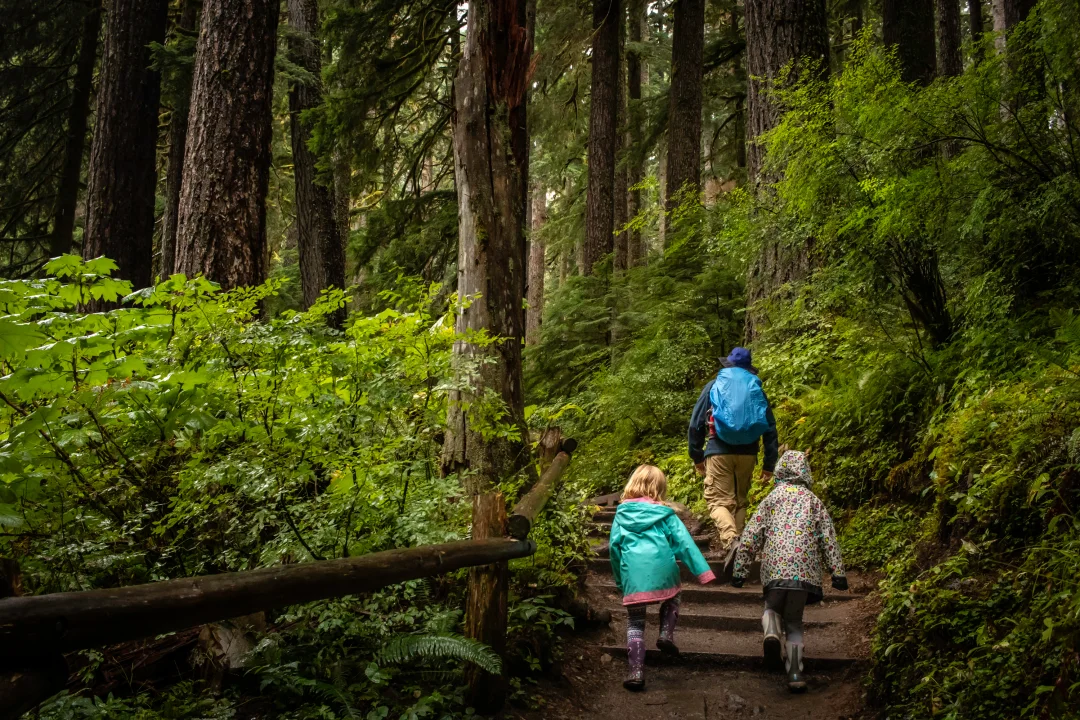
I've spent over a decade exploring the breathtaking trails of the Pacific Northwest, and I'm here to share my insider knowledge of the region's most spectacular hiking destinations. From the rugged coastlines of Olympic National Park to the volcanic peaks of the Cascades, this comprehensive guide will help you plan unforgettable Pacific Northwest hiking trips that showcase the raw beauty of Washington, Oregon, and British Columbia.
Why the Pacific Northwest is a Hiker's Paradise

Having explored trails across the globe, I can confidently say that Pacific Northwest hiking trips offer an unparalleled diversity of landscapes that few regions can match. During my first visit to Mount Rainier fifteen years ago, I was struck by how you could start your day hiking through ancient temperate rainforests, ascend through wildflower meadows that bloom like nature's own cathedral, and finish at alpine lakes reflecting glaciated peaks. This remarkable ecological diversity, compressed into relatively small geographic areas, makes every hiking day an adventure in discovery.
The region's unique climate creates distinct hiking seasons that each offer their own magic. I've learned from local park rangers that the Pacific Northwest receives more annual precipitation than most areas in North America, but this creates the lush, emerald landscapes that define the region. Spring brings cascading waterfalls at their most powerful, while summer reveals the famous wildflower displays that paint entire mountainsides in vibrant colors. Fall transforms the landscape with golden larches and crisp, clear air perfect for summit views, and winter opens up opportunities for snowshoeing and winter hiking that rival anywhere in the world.
What truly sets this region apart from other hiking destinations like those in Glacier National Park or the best hiking trails in Canada is the accessibility of world-class wilderness. In a single weekend, you can experience coastal beach hiking along the wild Pacific shore, trek through old-growth forests with trees over 800 years old, and summit volcanic peaks that offer 360-degree views of the Cascade Range. The infrastructure for hikers is exceptional, with well-maintained trail systems, comprehensive permit processes, and a strong culture of Leave No Trace ethics that preserves these landscapes for future generations.
During my years exploring this region, I've also been impressed by the strong hiking community and local expertise available. Whether you're planning day hikes or multi-week backpacking adventures, you'll find knowledgeable rangers, local outfitters, and fellow hikers eager to share beta about current trail conditions, seasonal considerations, and hidden gems. The region's commitment to conservation means that many of these wilderness areas have remained largely unchanged since they were first protected, offering authentic wilderness experiences that are increasingly rare in our modern world.
Best Pacific Northwest Hiking Destinations

Washington State: Crown Jewel of Hiking
Washington State anchors my list of premier Pacific Northwest hiking trips destinations, and for good reason. Olympic National Park remains my personal favorite for its incredible diversity—I've hiked the Hoh River Trail through temperate rainforest so lush it feels primordial, walked the rugged coastline of Shi Shi Beach where sea stacks rise dramatically from the Pacific, and climbed Hurricane Ridge for panoramic views across the Olympic Mountains. The park's unique location on the Olympic Peninsula creates distinct ecosystems within miles of each other, making it possible to experience drastically different environments in a single trip.
Mount Rainier National Park offers some of the most spectacular alpine hiking in North America. The Wonderland Trail, a 93-mile circuit around the mountain, represents the ultimate Pacific Northwest backpacking experience, but day hikers aren't left out. I've guided friends up the Skyline Trail from Paradise, where fields of lupine, paintbrush, and avalanche lilies create displays so stunning they seem almost artificial. The park's trail system caters to every skill level, from the easy Silver Falls Trail perfect for families to challenging routes like Mount Fremont Lookout that reward hikers with sweeping views of the Cascade Range.
North Cascades National Park, often called the "American Alps," provides the most rugged and pristine wilderness experience in the region. Unlike the more accessible trails similar to those in Banff National Park, North Cascades rewards adventurous hikers with unparalleled solitude and dramatic scenery. The Cascade Pass Trail remains one of my go-to recommendations for visitors seeking that classic Pacific Northwest experience—the trail winds through old-growth forest before opening into alpine meadows with views of jagged peaks that define the region's dramatic skyline.
Oregon: Volcanic Wonders and Coastal Beauty
Oregon's contribution to world-class Pacific Northwest hiking trips centers around its volcanic heritage and dramatic coastline. Crater Lake National Park offers hiking experiences unlike anywhere else in the world. The Rim Trail provides 33 miles of stunning views into the caldera, but I always recommend the challenging Cleetwood Cove Trail as the only legal access to the lake itself. Swimming in Crater Lake's impossibly blue waters after a steep descent is an experience that stays with you forever—the water is shockingly cold even in summer, but the bragging rights are unmatched.
The Columbia River Gorge creates its own microclimate that supports some of the most accessible waterfall hiking in the region. Dog Mountain's wildflower displays rival anything I've seen in the high country, while the Eagle Creek Trail (when open—check current conditions due to past fire damage) offers a spectacular gorge walk with multiple waterfalls and the famous "tunnel behind the falls" experience at Tunnel Falls. These trails provide excellent conditioning hikes for those planning more ambitious backcountry adventures.
Oregon's coast offers a completely different Pacific Northwest hiking experience. The Oregon Coast Trail spans 382 miles from Washington to California, but even day hikes along sections like Cape Perpetua or around Cannon Beach provide dramatic encounters with the Pacific's raw power. I've spent countless hours watching storms from headland trails, where 30-foot waves crash against sea stacks and rocky shores—it's nature's own theater, and the experience differs dramatically from the inland mountain adventures that characterize most Pacific Northwest hiking.
British Columbia: Extended Wilderness
Extending Pacific Northwest hiking trips into British Columbia opens access to even more pristine wilderness and fewer crowds. The Pacific Rim National Park Reserve on Vancouver Island offers coastal hiking that rivals anywhere in the world. The West Coast Trail, a challenging 75-kilometer backpacking route, represents one of Canada's premier wilderness experiences, but day hikers can sample the coastline on easier sections like the Nuu-chah-nulth Trail between Florencia Bay and Wickaninnish Beach.
For those seeking high alpine adventures comparable to experiences in Jasper National Park, the Coast Mountains of British Columbia provide unlimited opportunities. The Sunshine Coast Trail north of Vancouver offers 180 kilometers of well-maintained hiking through temperate rainforest and along dramatic coastlines. What I love about BC's hiking opportunities is the sense of genuine remoteness—you can hike for days without seeing another person, yet the trail infrastructure and safety protocols match world-class standards.
Essential Gear for Pacific Northwest Adventures

After years of guiding hikers through every type of Pacific Northwest weather, I've learned that gear selection can make or break your hiking experience. The region's unpredictable weather patterns—I've experienced snow in July and 70-degree days in February—demand versatile, high-quality equipment that can handle anything Mother Nature throws your way. Proper gear isn't just about comfort; in the Pacific Northwest's remote wilderness areas, it's often essential for safety.
Footwear: Your Foundation for Success
Quality hiking boots remain the most critical gear investment for Pacific Northwest hiking trips. I personally rely on waterproof, breathable boots with aggressive tread patterns designed for the region's frequently wet and slippery conditions. The Columbia Newton Ridge Plus II has become my go-to recommendation for most hikers—they offer excellent ankle support, reliable waterproofing, and outstanding durability on the rocky, root-filled trails characteristic of Pacific Northwest hiking.
Recommended: Columbia Newton Ridge Plus II Hiking Boots
After testing dozens of hiking boots across Pacific Northwest trails, these offer the perfect balance of waterproofing, support, and durability for the region's challenging conditions.
Check Current Price on AmazonShelter and Sleep Systems
For overnight Pacific Northwest hiking trips, your shelter system must handle the region's notorious weather variability. I've weathered sudden storms in everything from ultralight single-wall tents to robust four-season shelters, and the key is matching your shelter to your intended use and risk tolerance. Three-season tents work well for most Pacific Northwest hiking, but they must offer superior waterproofing and wind resistance compared to shelters designed for drier climates.
Recommended: Kelty Grand Mesa 2P Backpacking Tent
This three-season tent offers excellent weather protection, easy setup, and proven durability for Pacific Northwest conditions at an accessible price point.
Check Current Price on AmazonWeather Protection and Layering
Pacific Northwest weather demands a sophisticated approach to layering and rain protection. I've learned the hard way that cotton kills in this environment—synthetic and merino wool base layers, insulating mid-layers, and waterproof-breathable outer shells form the foundation of any successful gear system. A quality rain jacket and pants aren't optional equipment here; they're essential safety gear that I consider as important as navigation tools.
Recommended: 40L Waterproof Hiking Backpack with Rain Cover
A reliable waterproof backpack with integrated rain cover ensures your gear stays dry during the frequent precipitation changes common in Pacific Northwest hiking.
Check Current Price on AmazonNavigation and Safety Tools
Trekking poles have transformed my Pacific Northwest hiking experience, providing stability on slippery roots and rocks while reducing strain on knees during long descents. The region's steep, technical terrain makes poles particularly valuable—I've used them to probe creek crossings, test snow stability, and maintain balance on countless log crossings. Quality adjustable poles with reliable locking mechanisms are worth their weight in gold when navigating the challenging terrain that defines many Pacific Northwest trails.
Recommended: TrailBuddy Lightweight Collapsible Trekking Poles
These lightweight aluminum poles with cork grips provide excellent stability and comfort for Pacific Northwest's challenging terrain while packing down small for travel.
Check Current Price on AmazonPlanning Your Perfect Hiking Trip
Successful Pacific Northwest hiking trips require more advance planning than hiking in many other regions. The combination of permit requirements, weather variability, and seasonal access restrictions means that spontaneous trips, while possible, often result in disappointment. I've learned to start planning major hiking trips at least 3-6 months in advance, particularly for popular destinations during peak season. This advance planning isn't just about securing permits—it's about understanding seasonal conditions, trail accessibility, and weather patterns that dramatically affect the hiking experience.
Seasonal Considerations and Timing
Understanding the Pacific Northwest's distinct seasons is crucial for trip planning success. Spring (March-May) brings spectacular waterfall displays and emerging wildflowers, but also unpredictable weather and potential trail closures due to snowpack and washouts. I've encountered everything from 70-degree sunshine to surprise snowstorms during spring hikes, making this season ideal for experienced hikers who enjoy variability and challenge.
Summer (June-September) represents peak hiking season with the most reliable weather and maximum trail accessibility. However, this popularity comes with crowded trails, competitive permit processes, and higher costs for accommodations. I always recommend booking popular summer destinations like the Wonderland Trail or backcountry permits for Olympic National Park as soon as reservations open. The key is balancing your desire for optimal conditions against the realities of increased competition for premier hiking experiences.
Fall (October-November) offers some of my favorite Pacific Northwest hiking conditions—crisp, clear air perfect for photography, golden larch displays in certain areas, and dramatically fewer crowds. However, shorter daylight hours and increasingly unpredictable weather require more careful planning and conservative decision-making. Winter hiking opens up unique opportunities for those with appropriate experience and equipment, but requires advanced skills in snow travel and avalanche safety.
Permits and Reservations
The permit system for Pacific Northwest hiking reflects both the popularity and the fragility of these wilderness areas. Popular destinations like Mount Whitney or sections of the PCT require advance reservations that often fill within hours of becoming available. I've developed a systematic approach to permit applications: identify your priority destinations early, understand each area's specific reservation system and timeline, and always have backup plans for when first-choice permits aren't available.
For day hiking, most areas don't require advance permits, but some popular trailheads implement timed entry systems or parking limitations during peak season. I always check current regulations and arrive early at popular trailheads—arriving at sunrise not only guarantees parking but also provides the best light for photography and the most peaceful trail experience before crowds arrive. Many of the most spectacular Pacific Northwest trails reward early risers with wildlife sightings and dramatic morning light that transforms ordinary landscapes into extraordinary experiences.
Transportation and Logistics
Getting to Pacific Northwest trailheads often requires more complex logistics than other hiking regions. Many premier destinations involve long drives on mountain roads that may require high-clearance vehicles or even four-wheel drive during certain seasons. I always research road conditions, seasonal closures, and vehicle requirements well in advance. For international visitors or those flying into the region, rental car availability and restrictions on certain forest service roads can significantly impact trip planning.
Resupply planning becomes critical for longer Pacific Northwest hiking trips. Unlike some long-distance trails with regular town access, many Pacific Northwest wilderness areas require careful food planning and potentially complex resupply strategies. I've learned to cache supplies at strategic locations and coordinate with local outfitters for resupply services when planning extended backcountry trips. This level of planning may seem excessive, but it ensures that logistical issues don't compromise your wilderness experience.
Safety and Weather Considerations
Pacific Northwest hiking presents unique safety challenges that require specific knowledge and preparation. The region's reputation for unpredictable weather isn't just folklore—I've experienced 40-degree temperature swings in a single day, sudden thunderstorms in seemingly stable conditions, and fog so dense that navigation becomes challenging even on familiar trails. Understanding and preparing for these conditions isn't just about comfort; it's essential for safe wilderness travel in one of North America's most dynamic mountain environments.
Weather Patterns and Preparation
The Pacific Northwest's maritime climate creates weather patterns unlike those found in continental mountain ranges. Orographic lifting creates dramatic precipitation differences over short distances—I've been hiking in sunshine while watching storm clouds dump rain on peaks just miles away. This weather variability demands a flexible mindset and comprehensive preparation. I always carry gear for conditions much worse than the forecast predicts, and I've learned to read local weather signs like lenticular cloud formations and sudden wind shifts that often precede significant weather changes.
Hypothermia represents the greatest weather-related risk for Pacific Northwest hikers, and it can occur even during summer months at elevation. The combination of wet conditions, wind, and moderate temperatures creates perfect conditions for rapid heat loss. I've witnessed hypothermia symptoms in fellow hikers during July hikes above treeline, emphasizing the importance of proper layering systems and the ability to recognize early warning signs. Every hiker should understand the "umbles"—stumbles, mumbles, fumbles, and grumbles—that signal the onset of hypothermia.
Navigation and Route-Finding
Pacific Northwest terrain presents navigation challenges that extend beyond simple trail following. Dense forest coverage, frequent fog, and complex topography can make route-finding difficult even for experienced hikers. I always carry multiple navigation tools—GPS devices, detailed topographic maps, and compass—and know how to use them independently. The region's thick canopy can block GPS signals, making traditional map and compass skills essential backup capabilities that every serious hiker should master.
Trail conditions in the Pacific Northwest change rapidly due to seasonal factors, weather events, and natural processes. Windstorms can create significant blowdown across trails, washouts can eliminate bridge crossings or create dangerous river fords, and snow conditions can persist at elevation well into summer months. I always check current trail reports from reliable sources like the Washington Trails Association or park service websites, and I maintain flexible itineraries that allow for route changes based on actual conditions encountered.
Wildlife Awareness and Leave No Trace
The Pacific Northwest supports diverse wildlife populations that hikers must understand and respect. Black bears are common throughout the region, and while generally less aggressive than grizzly bears found in places like Glacier National Park, they still require appropriate food storage and behavior awareness. I've had numerous bear encounters during Pacific Northwest hiking trips, and the key is making noise in areas with limited visibility, properly storing food and scented items, and understanding appropriate responses to different types of bear behavior.
Leave No Trace principles take on special importance in the Pacific Northwest's fragile ecosystems. The region's high visitation rates and sensitive environments mean that even small impacts can accumulate into significant damage. I always emphasize to fellow hikers the importance of staying on designated trails—especially in alpine areas where vegetation recovery takes decades—packing out all waste including organic materials, and camping only in designated areas. The stunning beauty that draws us to these places requires active stewardship from every visitor to preserve it for future generations.
Emergency preparedness takes on added importance due to the region's remoteness and challenging rescue conditions. Cell phone coverage is sporadic in wilderness areas, weather can ground helicopter rescues for days, and complex terrain can make ground evacuations extremely difficult. I always file detailed trip plans with reliable contacts, carry emergency communication devices for serious backcountry trips, and maintain first aid skills appropriate for wilderness settings. The goal isn't to eliminate risk—that's impossible in wilderness travel—but to understand and manage risk appropriately through preparation, conservative decision-making, and solid wilderness skills.
Conclusion
After decades of exploring trails throughout North America and beyond, I remain convinced that Pacific Northwest hiking trips offer some of the most rewarding wilderness experiences available anywhere in the world. The region's unique combination of ecological diversity, dramatic landscapes, and accessible wilderness creates opportunities for transformative outdoor experiences that stay with you long after you've returned home. Whether you're seeking the solitude of remote alpine lakes, the challenge of technical mountain ascents, or the meditative rhythm of coastal hiking, the Pacific Northwest delivers experiences that match any hiking destination on the planet.
The key to successful Pacific Northwest hiking lies in understanding and respecting the region's unique characteristics—its unpredictable weather, challenging terrain, and fragile ecosystems. This isn't a place for casual approach or inadequate preparation. However, for hikers who invest the time to understand the region's requirements and develop appropriate skills, the rewards are extraordinary. I've guided hundreds of hikers through their first Pacific Northwest experiences, and the common thread is always the same: they leave with a deep appreciation for wilderness that fundamentally changes how they view the natural world.
As you plan your own Pacific Northwest adventure, remember that the best experiences often come from flexibility, preparation, and an openness to what the mountains have to teach. The weather may not cooperate with your plans, you might need to turn back due to conditions, or you may discover unexpected beauty in places you hadn't planned to visit. These aren't failures—they're part of the authentic wilderness experience that makes Pacific Northwest hiking so compelling and transformative.
Start planning your Pacific Northwest hiking trips today, but remember that this is just the beginning of a lifelong relationship with one of North America's most spectacular wilderness regions. Each trail leads to new discoveries, each season reveals different facets of the landscape's personality, and each trip deepens your understanding of what makes this corner of the world so special. The mountains are calling—answer with the respect, preparation, and sense of wonder that this magnificent region deserves.
Ready to Start Your Pacific Northwest Adventure?
Explore more hiking destinations and start planning your next wilderness adventure with our comprehensive guides to North America's premier hiking regions.