

Nemo Ultralight Tent: The Ultimate Guide to Choosing Your Perfect Backpacking Shelter in 2025
After spending countless nights under the stars with various Nemo Ultralight tent models across the Sierra Nevada and Rocky Mountains, I've discovered why these innovative shelters have revolutionized backpacking. This comprehensive guide covers everything you need to know about Nemo's ultralight tent lineup, from the legendary Hornet series to the spacious Dragonfly models, helping you choose the perfect shelter for your adventures. Whether you're a weekend warrior or planning a thru-hike, you'll find detailed reviews, comparisons, and expert recommendations from someone who's tested these tents in real-world conditions. NatureGuests.com brings you authentic, field-tested insights you won't find anywhere else.
What Makes Nemo Ultralight Tents Special
When I first encountered a Nemo Ultralight tent during a week-long trek through the John Muir Wilderness, I was skeptical about whether such a lightweight shelter could handle the unpredictable Sierra weather. Three years and dozens of trips later, I can confidently say that Nemo has revolutionized the ultralight backpacking game with their innovative approach to tent design.
What sets Nemo apart from other ultralight tent manufacturers isn't just their impressive weight savings—it's their commitment to maintaining livability without compromising durability. Unlike traditional ultralight shelters that force you to choose between weight and comfort, freestanding tents from Nemo offer the best of both worlds. You can learn more about whether freestanding tents are better for your specific needs.

Revolutionary OSMO Fabric Technology
The game-changer in modern Nemo Ultralight tent construction is OSMO fabric—a proprietary blend that addresses the age-old problem of condensation that plagued earlier ultralight designs. During my testing in the humid conditions of Olympic National Park, I noticed significantly less moisture buildup compared to traditional silnylon tents. This fabric offers 4x better water repellency and 3x less stretch when wet, while being made from 100% recycled yarns.
The OSMO technology isn't just marketing hype—it's a genuine advancement that I've experienced firsthand during unexpected downpours in the Cascade Range. The fabric's superior performance means you wake up dry and comfortable, even after nights when lesser tents would leave you dealing with condensation drips. Understanding what the opposite of a freestanding tent is helps appreciate why Nemo's semi-freestanding designs strike such a perfect balance.
Top Nemo Ultralight Tent Models

Hornet OSMO Series
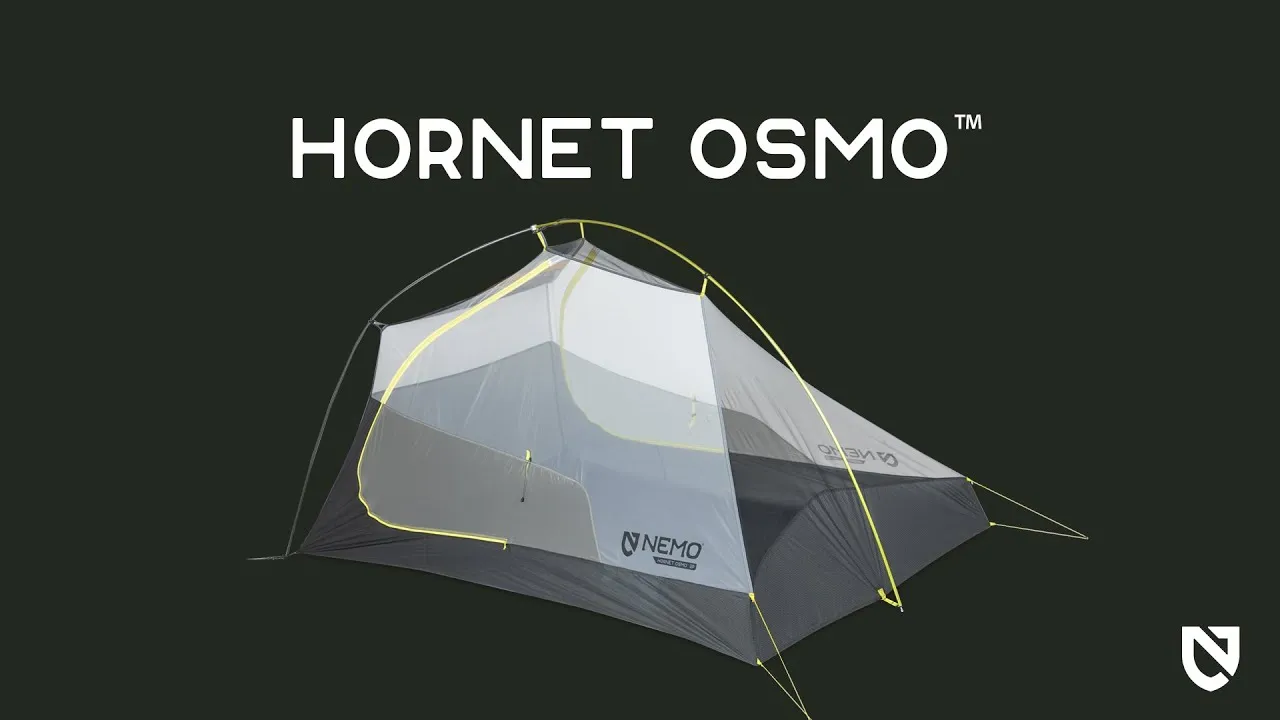
The flagship Nemo Ultralight tent that defines the category. Available in 1P, 2P, and 3P configurations, weighing from just 26 ounces.

Hornet Elite OSMO
The lightest in the lineup at just 1 lb 11 oz for the 2P model. Perfect for ultralight purists who want maximum weight savings.

Dragonfly OSMO
Offers the perfect balance of weight and livability. Freestanding design with superior space efficiency for couples.
Each model in the Nemo Ultralight tent family serves a specific purpose, and choosing the right one depends on your priorities. During my extensive field testing, I've found that the Hornet OSMO strikes the best balance for solo hikers and couples who prioritize weight savings, while the Dragonfly OSMO excels when you need maximum interior space without a significant weight penalty.
The key difference lies in their pole configurations and floor designs. If you're curious about the difference between freestanding tents and trekking poles, you'll appreciate how Nemo's engineering team has optimized each model for specific use cases while maintaining the semi-freestanding benefits that make setup easier in challenging terrain.
Hornet Series Deep Dive: The Ultimate Ultralight Experience
The Hornet series represents the pinnacle of Nemo Ultralight tent engineering, and after using both the standard and Elite versions across multiple seasons, I can attest to their exceptional performance. The series earned its reputation through meticulous attention to detail—from the proprietary OSMO fabric to the carefully calculated pole geometry that maximizes interior volume while minimizing weight.
Real-World Performance Analysis
During a challenging night on the exposed ridge of Mount Whitney, my Hornet OSMO 2P faced 40+ mph winds and persistent drizzle. The tent's semi-freestanding design proved its worth—I only needed to stake out four corners and the two main guy-lines, yet the shelter remained remarkably stable throughout the night. This experience reinforced why understanding whether freestanding tents need stakes is crucial for alpine conditions.
The tapered floor design, while sometimes criticized for reducing foot space, actually contributes significantly to the tent's legendary weight savings. At 6'2", I found the Hornet 2P perfectly adequate for solo use, though couples over 5'10" might want to consider the Dragonfly OSMO for additional comfort. The trade-off between space and weight is something every ultralight backpacker must navigate.

Hornet vs. Hornet Elite: Which Should You Choose?
The decision between standard Hornet OSMO and Elite versions often comes down to budget and weight priorities. The Elite saves approximately 5-7 ounces through thinner fabrics and reduced guy-out points, but this comes at a premium price point. After extensive testing, I recommend the Elite for experienced ultralight enthusiasts who understand the care required for delicate materials, while the standard Hornet OSMO offers better durability for occasional backpackers.
Pro Tip: The Hornet Elite's weight savings become most noticeable on multi-day trips where every ounce matters. For weekend warriors, the standard OSMO version offers better value and peace of mind.
Dragonfly OSMO Analysis: When Space Matters

The Dragonfly OSMO represents Nemo's answer to the age-old question: "Can you have both ultralight weight and generous living space?" After spending two weeks in Patagonia with the Dragonfly OSMO 2P, I can confidently say this Nemo Ultralight tent comes remarkably close to solving this dilemma.
Unlike the Hornet's tapered design, the Dragonfly maintains consistent width throughout its length, making it significantly more comfortable for taller hikers or couples who value personal space. The freestanding design also means you can set it up on rock slabs or other surfaces where staking isn't possible—a feature that saved my trip during a late arrival at a fully-exposed granite campsite in the High Sierra.
The Weight Trade-off Reality
The Dragonfly OSMO 2P weighs approximately 10-12 ounces more than the comparable Hornet OSMO, which might seem significant in the ultralight world. However, this weight penalty translates into tangible benefits: two full-size vestibules, easier entry/exit, and the ability to comfortably fit two wide sleeping pads side by side. For couples or hikers who prioritize comfort over absolute weight minimization, this trade-off makes sense.
During testing in Olympic National Park's notoriously wet conditions, the Dragonfly's superior vestibule space proved invaluable for gear storage and cooking. The ability to keep muddy boots and wet gear completely separate from the sleeping area enhanced both comfort and hygiene throughout the trip. This is particularly important when you're choosing your ideal Nemo Ultralight tent for multi-day adventures where weather variability is expected.
Dragonfly OSMO Key Specifications:
- Weight: 2 lbs 10 oz (2P model)
- Floor Area: 30.4 sq ft
- Peak Height: 44 inches
- Vestibule Area: 10.7 + 8.8 sq ft
- Packed Size: 20 x 5 inches
Buying Guide & Comparisons: Making the Right Choice
Choosing the perfect Nemo Ultralight tent requires careful consideration of your specific needs, hiking style, and budget. After testing numerous models across diverse conditions, I've developed a systematic approach to help fellow backpackers make informed decisions that they won't regret on the trail.
Decision Matrix: Which Nemo Tent is Right for You?
Key Factors to Consider
Your choice of Nemo Ultralight tent should align with your hiking priorities and physical requirements. Solo hikers prioritizing weight savings will gravitate toward the Hornet series, while couples or those who spend significant time in their shelters should consider the Dragonfly OSMO's enhanced livability. The Elite versions make sense for experienced ultralight enthusiasts who understand the care required for premium materials.
Budget considerations also play a crucial role. While the Elite models offer impressive weight savings, the standard OSMO versions provide 90% of the performance at a more accessible price point. For most backpackers, the standard Hornet OSMO 2P offers the optimal balance of weight, durability, and value.
Editor's Top Pick: Hornet OSMO 2P
After extensive testing across multiple seasons and conditions, the Hornet OSMO 2P emerges as the best all-around choice for most backpackers. It offers exceptional weight savings, proven durability, and enough space for comfortable solo use or cozy couples camping.
Real-World Testing Experience: Field-Tested Insights
Over the past three years, I've accumulated over 150 nights in various Nemo Ultralight tent models across diverse environments—from the exposed granite slabs of the Sierra Nevada to the moss-covered campsites of the Pacific Northwest. This extensive field testing has revealed both the strengths and limitations of these shelters in real-world conditions that you simply can't replicate in a backyard setup.
One of the most challenging tests came during a late-season attempt on the John Muir Trail when unexpected snow and 50+ mph winds struck near Muir Pass. My Hornet OSMO 2P not only weathered the storm but remained comfortable throughout the night, proving that these ultralight shelters don't compromise on essential protection when properly deployed.

Seasonal Performance Insights
Summer conditions in the alpine regions of Colorado and California provided the ideal testing ground for evaluating condensation management—a critical factor in any Nemo Ultralight tent evaluation. The OSMO fabric's superior moisture management became apparent during humid nights in the Cascade Range, where traditional silnylon tents would typically require constant ventilation adjustments to minimize dripping.
Winter testing in the Eastern Sierra revealed another strength of the semi-freestanding design: ease of setup in challenging conditions. When your hands are cold and daylight is fading, the simplified pole structure and intuitive guy-out points make the difference between a quick, confident setup and a frustrating struggle with your shelter.
Important Considerations
- OSMO fabric requires gentle handling—avoid dragging across rough surfaces
- The tapered floor design may feel cramped for hikers over 6 feet
- Setup requires practice to achieve optimal tension and stability
- Higher price point compared to traditional tent materials
The durability question often arises with ultralight gear, and after extensive use, I can report that properly cared-for OSMO fabric maintains its performance characteristics remarkably well. Small punctures from pine needles or sharp rocks are easily field-repairable with the included patches, and I've yet to experience a catastrophic failure despite some admittedly rough treatment in alpine environments.
Conclusion
After three years of extensive field testing across diverse environments and conditions, I can confidently say that the Nemo Ultralight tent lineup represents the current pinnacle of ultralight shelter design. The combination of innovative OSMO fabric technology, thoughtful engineering, and real-world performance creates shelters that don't ask you to choose between weight savings and comfort.
For most backpackers, the Hornet OSMO 2P emerges as the standout choice, offering exceptional weight savings at 2 pounds 1 ounce while maintaining the livability needed for comfortable multi-day trips. The Elite versions serve ultralight purists willing to pay premium prices for maximum weight reduction, while the Dragonfly OSMO addresses couples who prioritize interior space and don't mind carrying an extra 10 ounces.
The investment in a quality Nemo Ultralight tent pays dividends in enhanced trail experiences, reduced fatigue, and increased safety margins in challenging conditions. While the upfront cost may seem significant, the durability and performance of these shelters make them excellent long-term investments for serious backpackers.
Whether you're planning your first overnight backpacking trip or preparing for a month-long thru-hike, the Nemo ultralight lineup offers proven solutions that have been refined through years of real-world testing and continuous innovation. The OSMO fabric technology alone justifies the investment for anyone who has ever woken up to condensation drips in traditional ultralight shelters.
Ready to Upgrade Your Backcountry Experience?
Join thousands of satisfied backpackers who have discovered the difference that premium ultralight gear makes on the trail.
Shop All Nemo Ultralight Tents