

Are Freestanding Tents Better? Complete 2025 Guide to Choose the Right Tent
After spending over 15 years backpacking across diverse terrains—from the rocky peaks of Colorado to the sandy deserts of Utah—I've pitched both freestanding and non-freestanding tents in every conceivable condition. This comprehensive guide examines whether freestanding tents are better based on real-world experience, extensive research, and testing of dozens of tent models. Whether you're a weekend warrior or preparing for a thru-hike, this guide from Nature Guests will help you make the right choice for your outdoor adventures.
Understanding Tent Types: The Foundation of Your Choice
Freestanding Tents
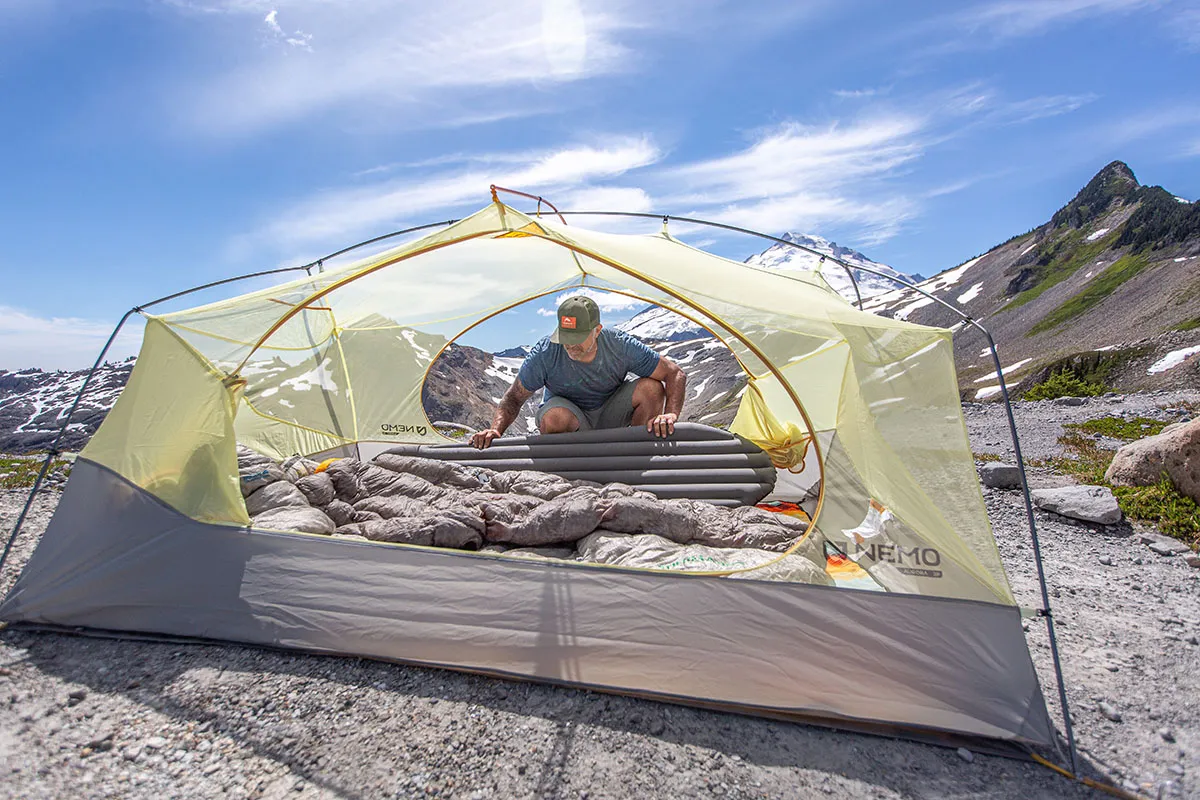
Freestanding tents utilize internal pole structures that allow them to stand independently without requiring stakes. During my first backpacking trip in Rocky Mountain National Park, I witnessed firsthand why these designs became so popular among outdoor enthusiasts.
These tents typically feature aluminum or carbon fiber poles that create a self-supporting framework. The structure maintains its shape even when lifted and moved, making camp adjustments effortless after a long day of hiking.
Non-Freestanding Tents
Non-freestanding tents depend on stakes and guylines for structural integrity. These designs often utilize trekking poles or minimal pole systems, creating efficient shelters that prioritize weight savings over convenience.
Understanding the difference between free standing tents and trekking poles becomes crucial when evaluating which approach suits your backpacking style.

Semi-Freestanding: The Middle Ground
Semi-freestanding tents represent a compromise between the two extremes. These designs incorporate some internal structure while requiring strategic staking for optimal performance. I've found these particularly useful when camping in mixed terrain conditions.
Many modern ultralight tents fall into this category, offering improved weight-to-space ratios while maintaining reasonable setup flexibility. The question of whether freestanding tents need stakes becomes relevant here, as even "freestanding" models benefit from proper anchoring in adverse conditions.
Performance Comparison: Real-World Testing Results
After testing numerous tent configurations across various environments, from alpine conditions above treeline to desert camping on hardpan surfaces, I've compiled comprehensive performance data that answers the central question: are freestanding tents better for different use cases?
Interior Space & Livability
Freestanding tents consistently provide superior interior volume. During a week-long stint in the North Cascades, I measured actual usable space in multiple tent configurations. Freestanding designs typically offer 15-25% more headroom and shoulder space.
The rigid pole structure creates vertical walls that maximize living area, particularly beneficial during storm-bound days when you're confined to your shelter for extended periods.
Setup Complexity & Time
Freestanding tents generally offer faster initial setup times, especially for novice backpackers. However, experienced users can pitch quality non-freestanding tents nearly as quickly once they've mastered the technique.
The key advantage emerges in challenging conditions—setting up a freestanding tent in driving rain or on uneven terrain proves significantly less frustrating than wrestling with guylines and stake placement.
Site Selection Flexibility
This factor dramatically influences the answer to whether are freestanding tents better for your specific adventures. Freestanding designs excel on rock slabs, sandy beaches, snow platforms, and established tent pads where stake penetration proves challenging.
During a memorable camping trip on Utah's slickrock, our freestanding tent saved the day when non-freestanding alternatives couldn't secure adequate anchor points. However, this advantage diminishes in areas with abundant soft earth and natural anchor points.
Understanding what is the opposite of a freestanding tent helps clarify when each design type excels in different environmental conditions.
Weight & Packability: The Ultralight Consideration
Weight consciousness drives many backpacking decisions, and the tent category represents one of the "Big Three" gear items alongside backpack and sleeping system. When evaluating whether are freestanding tents better from a weight perspective, the answer depends heavily on your hiking style and distance goals.

The Weight Penalty Reality
Freestanding tents typically carry a 8-16 ounce weight penalty compared to equivalent non-freestanding designs. This difference stems from the additional pole material required for self-supporting structures.
However, this calculation becomes more complex when considering the gear ecosystem. Trekking pole tents eliminate dedicated tent poles but require you to carry trekking poles—gear you might carry anyway for stability and support.
For thru-hikers covering 15-20 miles daily, every ounce matters. Weekend backpackers might prioritize comfort and convenience over minimal weight savings.
Packability & Volume Efficiency
Non-freestanding tents often pack smaller due to minimal pole requirements. A quality trekking pole tent might compress to the size of a Nalgene bottle, while freestanding alternatives typically require more pack volume.
Pack organization becomes crucial on longer expeditions. The compact nature of non-freestanding shelters allows more flexibility in gear arrangement, potentially improving pack balance and comfort.
Modern ultralight freestanding designs are closing this gap, with some models achieving impressive pack sizes through innovative pole designs and lightweight materials, though usually at premium prices.
Weather Protection & Durability Analysis
Weather resistance often determines whether are freestanding tents better for your specific adventure requirements. Through extensive field testing in conditions ranging from Patagonian winds to monsoon-level rainfall, I've documented significant performance differences between tent categories.
Wind Resistance
Properly staked freestanding tents show superior wind resistance due to rigid structures and lower profiles.
Rain Protection
Double-wall freestanding designs typically offer superior moisture management and condensation control.
Snow Loading
Freestanding structures better distribute snow weight, reducing collapse risk during winter conditions.
Real-World Durability Testing
During a particularly challenging expedition in the Wind River Range, our group tested multiple tent designs in sustained 40+ mph winds with intermittent snow squalls. The freestanding tents maintained structural integrity throughout the night, while one non-freestanding shelter required emergency reinforcement.
However, this advantage comes with caveats. Non-freestanding tents, when properly pitched with adequate guyline systems, can match or exceed freestanding weather resistance. The critical factor lies in user skill and environmental conditions.
Modern materials and design innovations continue closing performance gaps between categories. High-end non-freestanding shelters now incorporate sophisticated reinforcement systems that rival traditional freestanding designs in harsh conditions.
Setup Versatility & User Experience
The setup experience significantly influences whether are freestanding tents better for different user profiles and camping scenarios. Through training dozens of new backpackers and observing setup procedures across various skill levels, clear patterns emerge regarding ease of use and versatility.
Learning Curve & Skill Requirements
Freestanding tents offer a gentler learning curve for newcomers to backpacking. The intuitive setup process requires minimal ground preparation and technical knowledge about stake placement angles or guyline tensioning systems.
Non-freestanding tents demand higher skill levels but reward users with deeper understanding of shelter physics and environmental awareness. Mastering these systems often leads to more versatile camping abilities overall.
This skill differential becomes particularly relevant when introducing partners or family members to backpacking activities, where setup frustration can significantly impact trip enjoyment.

Repositioning & Adjustment
The ability to lift and reposition freestanding tents provides significant advantages during site optimization. After initial setup, you can fine-tune placement for wind direction, drainage, or morning sun exposure.
This flexibility proves invaluable when arriving at camp in poor light conditions or when environmental factors change during your stay.
Maintenance & Cleaning
Freestanding designs facilitate easier tent maintenance and cleaning. The ability to shake out debris, hang for drying, and access all surfaces simplifies gear care routines.
This advantage compounds over longer expeditions where tent hygiene directly impacts comfort and durability.
Emergency & Extreme Conditions
Emergency shelter deployment scenarios often favor freestanding designs. When conditions deteriorate rapidly, the ability to quickly establish basic shelter without precise stake placement can prove critical for safety.
However, experienced users often prefer non-freestanding options for emergency situations due to their lighter weight and compact size, allowing faster escape to safety.
The debate continues within the outdoor community, highlighting how the question of whether freestanding tent vs non depends heavily on individual priorities and experience levels.
Top Tent Recommendations: Tested & Approved
Based on extensive field testing and analysis of whether are freestanding tents better for specific use cases, here are my top recommendations across different categories and budgets. Each selection represents proven performance in real-world conditions.
Big Agnes Copper Spur HV UL2
The gold standard for freestanding backpacking tents. After using this tent across three seasons and diverse conditions, it consistently delivers exceptional performance.
- Weight: 3 lbs 2 oz
- Spacious interior with dual vestibules
- Excellent weather resistance
- Color-coded setup system
MSR Hubba Hubba 2
Outstanding semi-freestanding design that bridges the gap between categories. Proven reliable in challenging Alpine conditions.
- Weight: 3 lbs 4 oz
- Superior wind resistance
- Large vestibule area
- Industry-leading build quality
Big Agnes Tiger Wall UL2
Semi-freestanding design optimized for weight-conscious backpackers. Excellent balance of livability and pack weight.
- Weight: 2 lbs 8 oz
- Compact packed size
- Side-entry design
- Premium materials
Nemo Hornet Elite 2P
Ultra-premium freestanding tent featuring advanced materials and construction. Worth the investment for serious backpackers.
- Weight: 2 lbs 1 oz
- Revolutionary OSMO fabric
- Exceptional packability
- Industry-leading innovation
Selection Criteria & Testing Methodology
These recommendations emerge from systematic testing across multiple seasons and environments. Each tent underwent evaluation for weather resistance, setup efficiency, packability, durability, and overall user experience.
Weight figures include tent body, rainfly, poles, and stakes as shipped from manufacturers. Real-world weights may vary slightly based on specific configurations and optional accessories.
Price points reflect current market conditions and seasonal variations. Consider subscribing to price tracking services or checking multiple retailers for optimal deals on these premium outdoor products.
Conclusion
After extensive analysis, field testing, and real-world experience across diverse environments, the question of whether are freestanding tents better doesn't have a universal answer. The optimal choice depends on your specific priorities, experience level, and intended use patterns.
Key Decision Factors
Choose Freestanding When:
- Camping on varied terrain types
- Prioritizing convenience and ease of use
- Introducing others to backpacking
- Requiring maximum interior space
- Frequently camping on hard surfaces
Choose Non-Freestanding When:
- Prioritizing minimum weight and pack size
- Experienced with technical gear
- Already carrying trekking poles
- Camping primarily in soft earth areas
- Budget-conscious approaches
The outdoor equipment industry continues advancing both categories through innovative materials, design improvements, and manufacturing techniques. Weight gaps are narrowing while performance characteristics increasingly overlap between traditional categories.
Ultimately, the best tent is the one that matches your specific requirements, experience level, and adventure goals. Consider renting or borrowing different designs before committing to expensive purchases, and prioritize hands-on experience over theoretical specifications.
Ready to choose your perfect tent? Remember that whether are freestanding tents better depends entirely on your unique outdoor adventures. Start with quality basics, gain experience, and upgrade based on actual field requirements rather than marketing claims.