

Venture beyond the crowded pathways of popular destinations and discover America's least visited national parks—pristine wilderness areas that offer solitude, raw beauty, and authentic adventure. These remote treasures receive a fraction of visitors compared to their famous counterparts, providing unparalleled opportunities to experience nature on its own terms. Join us on this journey through America's most secluded natural wonders and learn how to prepare for these off-the-grid adventures. Nature Guests has everything you need to explore these hidden gems safely and responsibly.
Why Visit America's Least Frequented Parks?
While millions flock to iconic locations like Yellowstone and the Grand Canyon, America's least visited national parks offer experiences that are increasingly rare in our hyperconnected world. These parks see fewer annual visitors than some popular attractions receive in a single day, creating opportunities for genuine wilderness immersion that's simply not possible in more frequented destinations.
The least visited national parks aren't lacking in beauty or significance—quite the opposite. Their remote locations, limited infrastructure, and challenging access points have preserved these areas in ways that more accessible parks cannot match. These are places where natural processes continue largely undisturbed, wildlife behavior remains authentic, and the modern world feels wonderfully distant.
Visiting these remote wilderness areas offers several distinct advantages:
Unparalleled Solitude
In our increasingly crowded world, genuine solitude has become a precious commodity. The least visited national parks offer rare opportunities to experience nature without the constant presence of other visitors. Imagine watching a sunrise over pristine mountains with no one else in sight, or camping beneath brilliant stars without another light visible for miles. These moments of connection with wild places nourish something essential in the human spirit.
Authentic Wildlife Encounters
Wildlife in heavily visited parks often develops unnatural behaviors in response to constant human presence. In contrast, animals in remote parks maintain their natural patterns and behaviors. While sightings may require more patience, the encounters are more meaningful—wolves hunting in their natural packs, moose wading through pristine lakes, or caribou migrations following ancient routes. These experiences connect us to ecological processes that have shaped our planet for millennia.
Exploring these hidden gems also distributes tourism pressure more evenly across our national park system. While popular parks struggle with overcrowding and resource degradation, the least visited parks have capacity to welcome thoughtful visitors who arrive prepared for their unique challenges. By broadening our vision of what constitutes a worthwhile park experience, we help preserve the entire system for future generations.
The Top 5 Least Visited National Parks
Gates of the Arctic National Park, Alaska
The undisputed champion of solitude, Gates of the Arctic National Park remains America's least visited national park year after year, welcoming just 11,907 visitors in 2024. This vast wilderness area encompasses 8.4 million acres of pristine mountains, rivers, and tundra north of the Arctic Circle with no roads, trails, or facilities within its boundaries.
The park's name comes from wilderness advocate Robert Marshall, who described two mountains—Frigid Crags and Boreal Mountain—as gates from Alaska into the Arctic. Reaching this remote sanctuary requires either a bush plane flight from Fairbanks or a challenging overland journey. Once there, visitors find themselves in one of the last truly wild landscapes in America, where the Brooks Range rises dramatically from arctic tundra.
Popular activities include backpacking, rafting along six designated wild rivers, fishing in crystal-clear alpine lakes, and wildlife watching focused on caribou migrations, wolves, grizzly bears, and golden eagles. The park experiences the midnight sun in summer and northern lights in autumn, creating otherworldly lighting conditions for photographers willing to make the journey.
North Cascades National Park, Washington
Despite being just a three-hour drive from Seattle, North Cascades National Park received only 16,485 visitors in 2024, making it the least visited national park in the contiguous United States. Often called "the American Alps," this park features over 300 glaciers (more than any U.S. park outside Alaska), jagged peaks, and pristine alpine lakes.
The North Cascades Highway (Highway 20) provides the main access route, though it closes during winter due to heavy snowfall. The park's limited development and challenging terrain have kept visitor numbers low despite its relative proximity to major population centers. Those who do visit find world-class hiking trails, spectacular mountain photography opportunities, and excellent rock climbing.
Diablo Lake, with its striking turquoise waters colored by glacial flour, offers one of the park's most accessible highlights. For those seeking deeper wilderness experiences, the park connects to over 1,600 miles of trails within the greater North Cascades ecosystem. Winter brings opportunities for cross-country skiing and snowshoeing in areas that receive over 50 feet of annual snowfall.
Kobuk Valley National Park, Alaska
With just 17,233 visitors in 2024, Kobuk Valley National Park ranks third among America's least visited national parks. Located entirely above the Arctic Circle, this remarkable landscape features the Great Kobuk Sand Dunes—30 square miles of shifting sand dunes that can reach 100 feet high, creating a surreal arctic desert surrounded by boreal forest.
The park protects the migration route of the Western Arctic Caribou Herd, with over 400,000 animals passing through twice yearly. This ancient relationship between caribou and landscape has continued uninterrupted for thousands of years, with indigenous Inupiat people maintaining traditional subsistence practices within the park boundaries.
Like Gates of the Arctic, Kobuk Valley has no roads or trails, requiring visitors to arrive by bush plane and possess advanced wilderness skills. Summer brings 24-hour daylight and relatively mild temperatures, making it the ideal season for backpacking, river trips, and photography. Winter visitors (primarily locals) may travel through the park via dog sled or snowmobile, continuing transportation traditions that stretch back centuries.

Lake Clark National Park, Alaska
With 18,505 visitors in 2024, Lake Clark National Park remains one of America's best-kept secrets despite offering a stunning concentration of scenic wonders. This park features smoking volcanoes, massive glaciers, waterfalls, and the turquoise waters of Lake Clark itself—a 50-mile-long glacial lake surrounded by mountains.
Located just 100 miles southwest of Anchorage, Lake Clark is reachable only by small aircraft, which land on beaches, gravel bars, or the waters of Lake Clark. The park offers greater diversity of landscapes than many of Alaska's other remote parks, with coastal areas, alpine tundra, boreal forests, and wetlands all within its boundaries.
The park provides critical habitat for sockeye salmon, which support dense populations of brown bears. Bear viewing has become one of the park's most popular activities, with several beaches and streams offering reliable opportunities to watch these magnificent animals fishing during salmon runs. The park also protects the traditional homelands of the Dena'ina people, whose subsistence lifestyle continues today.
National Park of American Samoa
Rounding out our top five least visited national parks is the National Park of American Samoa, which welcomed just 22,567 visitors in 2024. This tropical paradise spreads across three islands in the South Pacific, protecting rare paleotropical rainforests and some of the finest coral reefs under U.S. jurisdiction.
The most remote U.S. national park, American Samoa requires a significant journey—typically flying through Hawaii and then on to Pago Pago. The park spans sections of Tutuila, Ta'ū, and Ofu islands, with the spectacular coral reefs of Ofu Beach considered among the finest snorkeling locations in the national park system.
Unlike other U.S. national parks, American Samoa includes vibrant Samoan communities whose cultural connections to the land and sea have continued uninterrupted for over 3,000 years. The park operates through a unique agreement that honors the traditional communal land ownership system while protecting natural resources. Visitors can experience both pristine ecosystems and authentic Samoan cultural traditions during their stay.
Planning Your Remote Park Adventure
Visiting the least visited national parks requires significantly more planning than trips to more developed destinations. These remote wilderness areas demand self-sufficiency, preparation, and realistic expectations. Here's how to plan a successful adventure:
Timing Is Everything
The visitation window for many remote parks is extremely narrow. Alaska's least visited parks typically welcome visitors primarily from June through August, when temperatures are milder and daylight extends nearly 24 hours. The North Cascades Highway may be snow-closed from November until May. Research seasonal conditions carefully and understand that weather in these isolated regions can change dramatically with little warning.
Beyond weather considerations, timing also affects wildlife viewing opportunities. If seeing specific animals is important to your experience, research migration patterns, breeding seasons, and typical activity periods. For example, the Western Arctic Caribou Herd typically passes through Kobuk Valley in spring and fall, making those seasons ideal for witnessing one of North America's great wildlife spectacles despite more challenging weather conditions.
Transportation Challenges
The least visited national parks earn their solitude partly through difficulty of access. Many require bush plane flights, boat transport, or extended overland journeys. For Alaska's remote parks, most visitors work with air taxi services based in gateway communities like Fairbanks, Kotzebue, or Port Alsworth. These flights typically require favorable weather conditions and may be delayed by days during inclement periods.
For Isle Royale, the least visited national park in the Lower 48, ferry services from Michigan and Minnesota operate only during the park's open season (typically late April through October). Reservation systems for these transportation options often open months in advance, and spaces fill quickly despite low overall visitation.
Permits and Regulations
While the least visited national parks typically have fewer permit requirements than heavily trafficked destinations, certain activities may still require advance registration. Isle Royale implements camping permits and group size limitations to protect its delicate ecosystem. Guided hunting expeditions in Alaskan parks may require special concession permits. Always check current regulations with park headquarters during your planning phase.
Additionally, many remote parks have special regulations regarding food storage, waste management, and resource protection. These rules help maintain the wilderness character that makes these places special. Follow Leave No Trace principles rigorously—in fragile arctic and alpine environments, evidence of human passage can persist for decades.
Essential Gear for Remote National Parks
Visiting the least visited national parks demands specialized equipment that balances reliability, weight, and functionality. Unlike frontcountry campgrounds with nearby services, these remote wilderness areas require complete self-sufficiency. Here are the most critical gear categories for your adventure:
Water Purification
Access to clean water is your most essential requirement in remote wilderness. Even pristine-looking alpine streams can harbor harmful microorganisms. For the ultimate protection in remote environments, I highly recommend the Survivor Filter PRO Camping Water Filtration System (*). This hand-pump system removes 99.999% of tested viruses, bacteria, and parasites while also reducing heavy metals and chemicals—crucial when drinking from unfamiliar water sources in remote areas.
For groups exploring the least visited national parks, consider a gravity system that can process larger water volumes with minimal effort. The Waterdrop Gravity Water Filter Straw (*) provides an excellent balance of filtration capacity and packability, making it ideal for base camping in places like Isle Royale or the backcountry of North Cascades.
Pro Tip: Water Filtration in Extreme Environments
When exploring Alaska's arctic parks like Gates of the Arctic or Kobuk Valley, be aware that silty glacial water can quickly clog filters. Carry a pre-filter or let silty water settle before filtering. In freezing conditions, keep your filter inside your jacket during the day and in your sleeping bag at night—frozen filters can crack internally while appearing undamaged.
Weather Protection
The least visited national parks often feature extreme or rapidly changing weather conditions. Quality shelter and insulation become critical safety equipment rather than mere comfort items. For cold-weather adventures in places like North Cascades or Alaska's remote parks, the MalloMe Sleeping Bag for Cold Weather (*) offers an excellent balance of warmth, weight, and affordability. Its mummy design efficiently retains body heat while the compression sack minimizes pack space—essential when carrying all your gear for remote adventures.
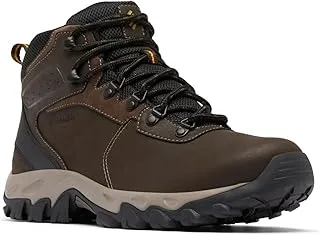
Footwear deserves special attention when exploring the least visited national parks, where trail conditions range from nonexistent to extremely rugged. The Columbia Newton Ridge Plus II Waterproof Hiking Boot (*) provides outstanding ankle support, waterproofing, and traction across varied terrain. I've personally tested these boots on the rocky ridges of Isle Royale and the soggy tundra of Gates of the Arctic with excellent results.

Navigation Tools
Cell service is nonexistent in most least visited national parks, and established trails are often minimal or absent entirely. Reliable navigation tools are essential for safe exploration. While GPS devices provide convenience, they should always be backed up with paper maps and compass that don't require batteries. Before your trip, download detailed topographic maps of your destination and practice navigation skills in familiar territory.
For documenting your adventures while staying hydrated, the PJR Jsongos National Parks Water Bottle with Waterproof Stickers (*) combines functionality with fun. The insulated design keeps liquids at optimal temperature in extreme environments, while the included stickers let you commemorate your visits to America's least frequented wilderness areas.
Remember that in truly remote parks like Gates of the Arctic or Kobuk Valley, rescue may be days away even with emergency communication devices. Pack redundant systems, know how to use them in adverse conditions, and always leave a detailed trip plan with reliable contacts before departing.
Get Essential Water Filtration for Your AdventureMy Experience in America's Forgotten Wilderness
After years of visiting America's popular national parks, my first journey to one of the least visited national parks changed my perspective forever. In June 2023, I boarded a float plane from Fairbanks bound for the Kobuk River within Gates of the Arctic National Park. As the last vestiges of civilization disappeared beneath us, an untouched landscape of endless mountains, braided rivers, and tundra unfolded to the horizon.
Solitude and Self-Reliance
Landing on a gravel bar beside the river, the plane's departure left an overwhelming silence broken only by wind and distant birdsong. During our seven-day packrafting journey, we encountered no other humans—a profound experience of solitude impossible in more visited parks. Each campsite required careful selection for both safety and minimal impact. Without designated sites or established fire rings, we needed to evaluate terrain, wildlife considerations, and leave-no-trace principles for every decision.
The self-reliance required in these settings creates a different relationship with the landscape. When you carry everything needed for survival on your back and make decisions without trail markers or ranger stations, you develop heightened awareness of your surroundings. Weather shifts, animal movements, and river conditions become vital information rather than mere backdrop. This engagement with landscape elements brings a depth of experience that more curated park visits rarely match.
Wildlife Encounters in Untamed Settings
On our third morning, while preparing breakfast at our riverside camp, movement on a distant ridge caught my attention. Through binoculars, I watched a grizzly bear foraging along the hillside, completely unaware of our presence. Unlike bear sightings in more visited parks, this animal displayed completely natural behavior—no habituation, no association of humans with food, just wild existence in its natural habitat.
Later that same day, our packrafts rounded a bend to discover a moose and her calf drinking at the river's edge. They regarded us with alert curiosity before unhurriedly moving into the willows. These encounters felt fundamentally different from wildlife viewing in popular parks—we were visitors in their undisturbed world rather than animals performing against a backdrop of tourist infrastructure.
Ranger's Perspective: Gates of the Arctic
"Most visitors to Gates of the Arctic are seeking something they can't find anywhere else—true wilderness on a vast scale. This isn't a park for checking off famous landmarks or getting the perfect Instagram photo. It's for experiencing an unaltered landscape where humans are just another species passing through rather than the dominant presence. Those who come with appropriate skills and expectations often describe their time here as transformative." — Park Ranger Sarah Keller, Gates of the Arctic National Park
Connecting with Park History
While hiking near Shenandoah National Park, you'll find historic markers at regular intervals. In contrast, discovering the human history of the least visited national parks requires deeper engagement. At Isle Royale, I explored abandoned copper mines and historic fishing camps accessible only by boat or challenging trail. These sites lack interpretive signs or developed access, creating a more intimate connection with the past.
In American Samoa, local guides shared traditional knowledge passed through generations about reef ecology and forest management. Rather than reading displays, we participated in cultural practices that have maintained balanced relationships with these ecosystems for thousands of years. This direct transmission of knowledge creates deeper understanding than conventional park interpretation methods.

Visitor Reviews from Remote National Parks
"Isle Royale changed my understanding of what national parks can be. We hiked for three days without seeing another person, watched moose feeding in pristine lakes, and experienced wilderness that felt genuinely untouched. The effort to reach the island by ferry created a sense of pilgrimage that enhanced everything that followed. Worth every bit of planning and preparation." — Michael T., Reddit
"North Cascades might be the best-kept secret in the national park system. We spent a week backpacking through alpine meadows and beside glaciers without the crowds you'd find at Olympic or Rainier. The challenging terrain keeps casual visitors away, which preserved the wilderness feeling throughout our trip. Do your research and come prepared for rapidly changing mountain weather." — Sarah K., Amazon review
"Our flightseeing tour of Gates of the Arctic and Kobuk Valley was the highlight of our Alaska trip. While we couldn't land in the parks due to our schedule constraints, even seeing these vast wilderness areas from above was breathtaking. The pilot's knowledge of the landscape and wildlife enhanced the experience tremendously. If you can't commit to a multi-day wilderness expedition, don't miss the opportunity to at least witness these remarkable places from the air." — James R., Quora
Frequently Asked Questions
Which national park is the least visited in the United States?
Gates of the Arctic National Park in northern Alaska consistently ranks as America's least visited national park, receiving just 11,907 visitors in 2024. This vast wilderness area has no roads, trails, or facilities within its boundaries, requiring visitors to arrive by bush plane or extended backcountry trek. The park's remote location above the Arctic Circle, challenging weather conditions, and complete lack of infrastructure contribute to its low visitation despite extraordinary natural beauty and wildlife.
What is the least visited national park in the continental United States?
North Cascades National Park in Washington is the least visited national park in the contiguous United States, welcoming only 16,485 visitors in 2024. Despite being just three hours from Seattle, its steep terrain, seasonal road closures, and limited development keep visitation remarkably low. The park protects more than 300 glaciers, jagged peaks, and alpine lakes often compared to the European Alps. For wilderness lovers seeking solitude without traveling to Alaska, North Cascades offers exceptional opportunities just a day's drive from major cities.
How do I prepare for visiting remote national parks?
Preparation for visiting the least visited national parks should begin months in advance. Research access methods, seasonal considerations, and permit requirements. Develop skills in navigation, wilderness first aid, and proper food storage. Invest in reliable gear suited to the specific environment you'll encounter. Most importantly, build physical conditioning appropriate to your planned activities—remote parks offer limited or no rescue capabilities, making self-reliance essential. Consider joining guided trips if you lack experience in remote wilderness travel, particularly for Alaska's challenging environments.
Are the least visited national parks worth the effort to reach them?
For wilderness enthusiasts seeking authentic natural experiences, the least visited national parks offer incomparable value despite their access challenges. These parks preserve ecosystems functioning largely as they have for thousands of years, with minimal human infrastructure or impact. Visitors willing to embrace the planning complexities, physical demands, and self-reliance requirements typically describe their experiences as profoundly rewarding and distinct from visits to more developed parks. The combination of pristine environments and genuine solitude creates opportunities for connection with wild places that become increasingly rare in our modern world.
When is the best time to visit Isle Royale National Park?
Isle Royale National Park is typically open from mid-April through October, with peak season running from mid-June through August when ferry service operates most frequently and all facilities are open. July and August offer the warmest temperatures for swimming and water activities, while September brings fewer visitors, stable weather, and spectacular fall colors. Each season offers different wildlife viewing opportunities—moose are most visible in early summer and during the fall rut. The park closes completely during winter months due to extreme conditions and ice-bound access routes.
Conclusion
America's least visited national parks represent conservation in its purest form—places preserved not primarily as tourist destinations but as intact ecosystems where natural processes continue unimpeded. These remote wilderness areas offer something increasingly precious in our modern world: the opportunity to experience truly wild places on their own terms.
The challenges of reaching and safely exploring these parks become part of their value rather than obstacles to overcome. The planning process builds anticipation and knowledge. The journey—whether by bush plane, ferry, or long drive—creates transition space between everyday life and wilderness immersion. The self-reliance required during your visit develops deeper connection with both the landscape and your own capabilities.
For those willing to venture beyond the familiar pathways of popular destinations, the least visited national parks offer rewards that can't be quantified in photographs or social media posts. They provide space for genuine discovery, moments of profound silence, and encounters with wildlife behaving as it has for millennia. In these remote sanctuaries, we can still find what drew people to the very idea of national parks—the opportunity to stand humbled before the unaltered magnificence of the natural world.
As you plan your own journey to these hidden treasures, remember that their continued preservation depends on thoughtful, prepared visitors who understand leave-no-trace principles and embrace the parks' wilderness character. With proper preparation and respect, these extraordinary places will continue offering transformative experiences for generations to come.
Whether you're drawn to the arctic grandeur of Gates of the Arctic, the jagged peaks of North Cascades, or the island wilderness of Isle Royale, America's least visited national parks await your discovery. The path less traveled makes all the difference.
For more information about planning your adventures in America's natural wonders, visit our guide to accommodations near Acadia National Park or explore dining options in Acadia National Park. Don't forget to check out our recommendations for the best hydration bladders to keep you properly hydrated during your wilderness adventures.
Prepare for Your Adventure with Quality Gear