

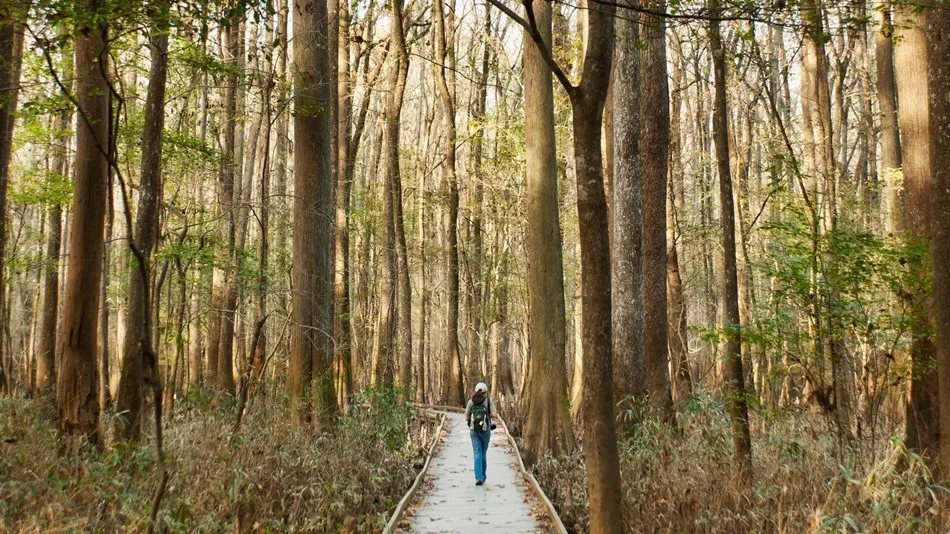
The Ultimate Guide: How to Hiking Safety in National Parks - Essential Tips for Every Adventure
Discovering how to hiking safety in national parks transforms your outdoor adventures from risky ventures into memorable experiences. As someone who has explored over 20 national parks across the United States, I've learned that proper preparation and safety knowledge are the keys to unlocking nature's most spectacular destinations safely. Whether you're planning your first national park hike or you're a seasoned adventurer, this comprehensive guide will equip you with the essential knowledge to navigate America's wilderness with confidence. Visit Nature Guests for more outdoor adventure guides and safety tips.
Understanding the Risks: Why Hiking Safety in National Parks Matters

Understanding how to hiking safety in national parks begins with recognizing the unique challenges these protected wilderness areas present. Unlike urban parks or well-maintained recreational trails, national parks encompass millions of acres of wild, untamed landscapes where nature reigns supreme. The statistics are sobering: according to the National Park Service, over 300 million people visit national parks annually, yet thousands require search and rescue operations each year.
The primary risks when learning how to hiking safety in national parks include unpredictable weather patterns that can shift from sunny skies to dangerous storms within minutes, especially at higher elevations in parks like Rocky Mountain National Park or Glacier National Park. Wildlife encounters present another significant concern, as hikers may encounter black bears, grizzly bears, mountain lions, venomous snakes, and other potentially dangerous animals that call these parks home.
Getting lost represents one of the most common yet preventable hiking emergencies. National parks often feature vast backcountry areas with limited or no cell phone coverage, making navigation crucial for your safety. Many trails are poorly marked or may have social trails that lead hikers astray from designated paths. Environmental hazards such as unstable rock formations, swift-moving water, altitude sickness, and extreme temperatures can quickly turn a pleasant hike into a life-threatening situation.
Essential Safety Gear Recommendation: The Coghlan's Magnetic Bear Bell with Silencer is an Amazon's Choice product that helps alert wildlife to your presence, reducing the risk of surprise encounters. This simple yet effective safety device has over 4,400 positive reviews and costs less than $8.
Essential Pre-Trip Planning for Safe National Park Hiking
Mastering how to hiking safety in national parks starts long before you set foot on the trail. Proper pre-trip planning forms the foundation of every safe hiking adventure and can mean the difference between a memorable experience and a dangerous emergency situation. The National Park Service emphasizes that your safety is your responsibility, making thorough preparation essential.
Begin your planning by researching your chosen park's specific conditions, trail difficulty ratings, and current alerts through the official NPS website. Each park maintains updated information about trail closures, wildlife activity, weather warnings, and seasonal hazards. For example, Yellowstone's thermal features present unique dangers, while parks like Zion require different safety considerations for slot canyon hiking.
Create a detailed trip plan that includes your intended hiking routes, estimated departure and return times, emergency contacts, and alternative plans for adverse conditions. Share this information with a trusted friend or family member who is not joining your trip. This trip plan becomes crucial information for search and rescue teams if you fail to return as scheduled.
Weather research cannot be overstated when learning how to hiking safety in national parks. Mountain weather can change rapidly, with temperature drops of 30-40 degrees Fahrenheit possible at higher elevations. Check multiple weather sources, including the National Weather Service, park-specific weather stations, and local ranger stations for the most accurate forecasts.
🎒 Get the 142-Piece Professional Survival Kit - Perfect for National Park Adventures
The 10 Essential Gear Items Every National Park Hiker Needs

The foundation of how to hiking safety in national parks rests upon carrying the proper equipment. The National Park Service officially endorses the "10 Essentials" system, originally developed by The Mountaineers climbing organization. These items have saved countless lives and should be considered non-negotiable for any national park hiking adventure.
Navigation tools top the list because getting lost in national parks can quickly become life-threatening. Carry a detailed topographic map of your hiking area, a reliable compass, and consider a GPS device with downloaded offline maps. Never rely solely on smartphone apps, as batteries die and cell service is often unavailable in backcountry areas.
Sun protection becomes critical, especially at higher elevations where UV radiation intensifies. Pack sunglasses, sunscreen with minimum SPF 30, protective clothing, and a wide-brimmed hat. Insulation includes extra clothing layers beyond what you wear while hiking. Weather can change rapidly in national parks, and hypothermia remains a leading cause of hiking emergencies.
Illumination means carrying a reliable headlamp with extra batteries, plus a backup flashlight. Many hiking emergencies occur when hikers get caught in darkness. First-aid supplies should include bandages, antiseptic wipes, pain relievers, any personal medications, and blister treatment. Consider taking a wilderness first aid course to maximize the effectiveness of your kit.
Top-Rated Survival Gear
The 250-Piece Survival Kit with Emergency Tent provides comprehensive emergency supplies in a MOLLE-compatible bag. With 4.5 stars from over 4,000 reviews, this kit includes everything from fire starters to emergency shelter.
Emergency Communication
The Atomic Bear Paracord Bracelet 2-Pack includes fire starter and emergency whistle capabilities. This highly-rated survival accessory costs under $13 and has helped thousands of hikers in emergency situations.
My Experience: Lessons Learned from Years of National Park Hiking
After hiking in over 20 national parks across the United States, I've learned that understanding how to hiking safety in national parks comes from both proper preparation and real-world experience. My most memorable lesson occurred during a seemingly simple day hike in Great Smoky Mountains National Park, when an unexpected thunderstorm caught our group above treeline with no proper rain gear.
That experience taught me never to underestimate mountain weather, even in supposedly "easier" parks. The temperature dropped 30 degrees in less than an hour, and what started as a pleasant 70-degree morning became a dangerous situation with potential hypothermia risks. We were fortunate to find shelter in a trail maintenance building, but many hikers aren't so lucky.
During a solo hike in Zion National Park, I encountered my first mountain lion encounter. The animal appeared on the trail about 50 yards ahead, and I immediately remembered the ranger's advice: make yourself appear large, maintain eye contact, and back away slowly while making noise. The situation resolved peacefully, but it reinforced the importance of understanding wildlife behavior and carrying proper safety equipment.
My experience with the Hiking Safety Handbook from Colorado Mountain Club has proven invaluable for understanding technical safety concepts. This comprehensive guide covers everything from route finding to emergency procedures specifically for mountain and national park environments.
User Reviews from Real Hikers
"I've been using the Coghlan's bear bell for three years now, and it's saved me from multiple close wildlife encounters. The magnetic silencer is genius for when you need to be quiet." - Sarah M., Reddit r/NationalPark
"That survival kit literally saved our camping trip when we got caught in an unexpected storm. The emergency blanket and fire starter were lifesavers." - Mike Johnson, Amazon Verified Purchase
"As a solo female hiker, the paracord bracelet gives me peace of mind. The whistle is loud enough to be heard from a considerable distance." - Jennifer L., Quora Hiking Community
Safety Protocols During Your Hike

Implementing proper safety protocols while actively hiking represents the most critical aspect of how to hiking safety in national parks. These protocols can prevent emergencies and save lives when dangerous situations arise unexpectedly. The key is developing consistent habits that become second nature during every hike.
Start every hike by checking in with park rangers at the visitor center or ranger station. Rangers possess current, localized knowledge about trail conditions, wildlife activity, weather patterns, and potential hazards that online resources might not reflect. They can provide specific recommendations for your chosen route and skill level, potentially suggesting alternative trails if conditions warrant.
Maintain proper group management throughout your hike by keeping your party together and setting a pace that accommodates the slowest member. The "weakest link" principle applies directly to hiking safety - your group can only move as fast as its least experienced or physically capable member. Establish regular communication check-ins, especially when navigating technical terrain or during periods of poor visibility.
Practice continuous environmental awareness by regularly assessing weather conditions, monitoring your physical condition and that of your hiking companions, and staying alert for changes in trail conditions. Watch for signs of altitude sickness, dehydration, hypothermia, or heat exhaustion in yourself and others. Early recognition and treatment of these conditions can prevent serious medical emergencies.
Implement proper hydration and nutrition protocols by drinking water regularly before you feel thirsty and eating small amounts of food frequently to maintain energy levels. The general rule suggests drinking approximately half a liter of water per hour of moderate hiking, but this increases significantly in hot weather or at high altitude.
Special Considerations for Solo Hikers and Families
Learning how to hiking safety in national parks requires different approaches depending on your group composition. Solo hikers face unique challenges and must implement additional safety measures, while families with children need modified strategies to ensure everyone's safety and enjoyment.
Solo hikers should prioritize communication and backup plans. Carry a personal locator beacon (PLB) or satellite communicator for emergencies, as these devices can summon help even when cell phone coverage is unavailable. Stick to well-traveled trails, especially when beginning solo hiking, and inform multiple people about your detailed itinerary including specific trail names, departure times, and expected return.
Trust your instincts as a solo hiker - if something feels wrong, turn back. Your intuition often recognizes danger before your conscious mind processes the threat. Carry extra supplies beyond the standard 10 essentials, including additional food, water, and emergency shelter, since you won't have companions to share resources during emergencies.
Families hiking with children need different safety strategies focused on supervision, engagement, and age-appropriate challenges. Choose trails within the abilities of your least experienced family member, and always carry extra supplies for children who may not recognize their own limitations. Pack additional snacks, water, and clothing layers for kids, who regulate body temperature differently than adults.
Pros and Cons of Different Safety Approaches
Pros of Group Hiking
- Shared resources and equipment
- Multiple people for emergency assistance
- Enhanced wildlife protection
- Motivation and moral support
Cons of Group Hiking
- Slower pace accommodation
- Group decision-making delays
- Potential for overconfidence
- Coordination complexity
Conclusion: Your Journey to Safe National Park Adventures
Mastering how to hiking safety in national parks transforms from a daunting challenge into an empowering skill set that opens doors to incredible wilderness experiences. Throughout this comprehensive guide, we've explored the essential elements that separate safe, memorable hikes from dangerous misadventures that can end in tragedy.
The key principles remain consistent across all national parks: thorough preparation beats improvisation, proper equipment saves lives, and respect for nature's power keeps you safe. Whether you're planning your first day hike in a popular park like Yellowstone or preparing for a multi-day backcountry adventure in Alaska's Denali, these safety fundamentals apply universally.
Remember that learning how to hiking safety in national parks is an ongoing process that improves with experience and education. Start with easier trails to build your skills and confidence, invest in quality safety equipment, and never hesitate to turn back when conditions exceed your abilities. The mountains, canyons, and wilderness areas will be there tomorrow - ensuring you return safely is what matters most.
Take action today by researching your next national park destination, gathering the essential safety gear we've discussed, and developing the planning habits that will serve you throughout your hiking adventures. Your future self will thank you for the preparation, and the incredible experiences awaiting you in America's national parks will reward your commitment to safety.
Frequently Asked Questions
What are the most important safety tips for first-time national park hikers?
First-time hikers should focus on choosing appropriate trails within their fitness level, carrying the 10 essentials, informing others of their plans, and checking with park rangers before departing. Start with well-marked, popular trails and gradually build experience before attempting more challenging routes. Never hike alone on your first few adventures, and always turn back if weather conditions deteriorate or if you feel unprepared for the terrain ahead.
How much water should I carry when hiking in national parks?
Water requirements vary significantly based on weather, elevation, and individual needs, but generally plan for one liter per two hours of moderate hiking. In hot climates or high-altitude environments, increase this to one liter per hour. Always carry more water than you think you'll need, and consider water purification methods for longer hikes. Factor in water weight when planning your route, and research reliable water sources along your chosen trail.
What should I do if I encounter dangerous wildlife while hiking?
Wildlife encounters require species-specific responses, but general principles include maintaining distance, avoiding sudden movements, and never feeding animals. For bears, make noise while hiking to avoid surprise encounters, carry bear spray in bear country, and know proper food storage techniques. If you encounter a bear, don't run - instead, make yourself appear large, speak calmly, and back away slowly. For mountain lions, maintain eye contact and fight back if attacked.
Is it safe to hike alone in national parks?
Solo hiking can be safe with proper preparation and precautions, but it requires additional safety measures. Inform multiple people of your detailed itinerary, carry emergency communication devices like personal locator beacons, stick to well-traveled trails, and carry extra supplies. Start with shorter, easier solo hikes to build confidence and skills. Trust your instincts - if something feels wrong, turn back immediately. Consider joining hiking groups or guided tours if you're uncomfortable hiking alone.
What emergency equipment is essential for national park hiking?
Essential emergency equipment includes the 10 essentials: navigation tools (map, compass, GPS), sun protection, insulation, illumination, first-aid supplies, fire starter, repair kit, nutrition, hydration, and emergency shelter. Additionally, carry a whistle for signaling, emergency blanket, and consider personal locator beacons for remote areas. A comprehensive first-aid kit should include bandages, antiseptic, pain relievers, and any personal medications. Quality equipment can mean the difference between a minor inconvenience and a life-threatening emergency.
How do I prepare for changing weather conditions in national parks?
Weather preparation involves checking multiple forecasts, understanding local weather patterns, and carrying appropriate gear for various conditions. Pack layers that can be added or removed as needed, including moisture-wicking base layers, insulating mid-layers, and waterproof outer shells. Check elevation-specific weather reports, as conditions can vary dramatically between valley floors and mountain peaks. Always carry rain gear and extra insulation, even on sunny days, and be prepared to turn back if weather conditions become dangerous for your skill level.
Ready to Start Your Safe National Park Adventures?
Equip yourself with the essential safety gear and knowledge needed for unforgettable national park experiences.
🛡️ Shop Essential Safety GearExternal references and sources:
National Park Service Hiking Safety Guidelines | National Parks Conservation Association Safety Tips | Road Scholar National Park Safety Guide