


Heated Vests for Outdoor Explorers: The Ultimate Guide to Stay Warm in 2025
Heated vests are revolutionizing how outdoor enthusiasts stay warm during adventures. As someone who's hiked through freezing mountain trails and camped in sub-zero temperatures, I've experienced firsthand how these technological marvels can transform your outdoor experience. In this comprehensive guide, I'll share everything I've learned about heated vests for outdoor explorers, from top product recommendations to expert tips. Join me at Nature Guests as we explore this game-changing gear that's essential for any serious outdoor enthusiast.
Understanding Heated Vests: Technology and Benefits
What Are Heated Vests and How Do They Work?
Heated vests for outdoor explorers represent a remarkable convergence of textile innovation and heating technology. At their core, these vests integrate flexible carbon fiber heating elements strategically positioned to warm critical areas of your torso. These elements are powered by rechargeable lithium-ion batteries that can provide warmth for hours on a single charge. Unlike traditional insulation that merely traps your body heat, heated vests actively generate warmth, making them ideal for stationary activities like wildlife photography, fishing, or sitting in a hunting blind.
Most modern heated vests for outdoor explorers feature multiple heating zones—typically covering the chest, back, and sometimes the collar area. These zones can often be controlled independently, allowing you to customize your warmth profile based on conditions and personal preference. Temperature control is usually managed through simple button interfaces with LED indicators showing battery level and heat settings, though some premium models now offer smartphone connectivity for more precise control.
Key Benefits for Outdoor Enthusiasts
When I'm guiding hikers through Yellowstone National Park in July, I often recommend heated vests for early morning excursions when temperatures can still be surprisingly low. The benefits extend far beyond simple comfort:
- Extended outdoor sessions: Battery-powered warmth means you can stay out longer, whether you're waiting for the perfect wildlife shot or enjoying a winter sunset.
- Lightweight mobility: Unlike bulky traditional jackets, heated vests provide warmth without restricting movement—crucial when you're scrambling over rocks or setting up camp.
- Adjustable temperature: Changing conditions require adaptable gear. With multiple heat settings, you can adjust your vest as the day warms or cools.
- Core temperature regulation: By focusing heat on your torso, these vests keep your vital organs warm, which helps your entire body maintain temperature more efficiently.
- Versatile layering: Heated vests work excellently as mid-layers in extreme cold or as outer layers during milder conditions.
The difference between an enjoyable outdoor experience and a miserable one often comes down to proper temperature management. During my winter expedition to Crater Lake National Park last year, my heated vest proved invaluable when unexpected winds drove the windchill well below our anticipated temperatures.
Top 5 Heated Vests for Outdoor Explorers in 2025
After testing dozens of models across various terrains and weather conditions, I've compiled what I believe are the five best heated vests for outdoor explorers currently available. Each selection balances performance, durability, battery life, and value to meet different needs and budgets.
1. Ororo Lightweight Heated Vest
Price: $149.99-$159.99
Battery Life: Up to 10 hours on low setting
Heat Zones: 4 (chest, back, and collar)
Material: Polyester and nylon with water-resistant coating
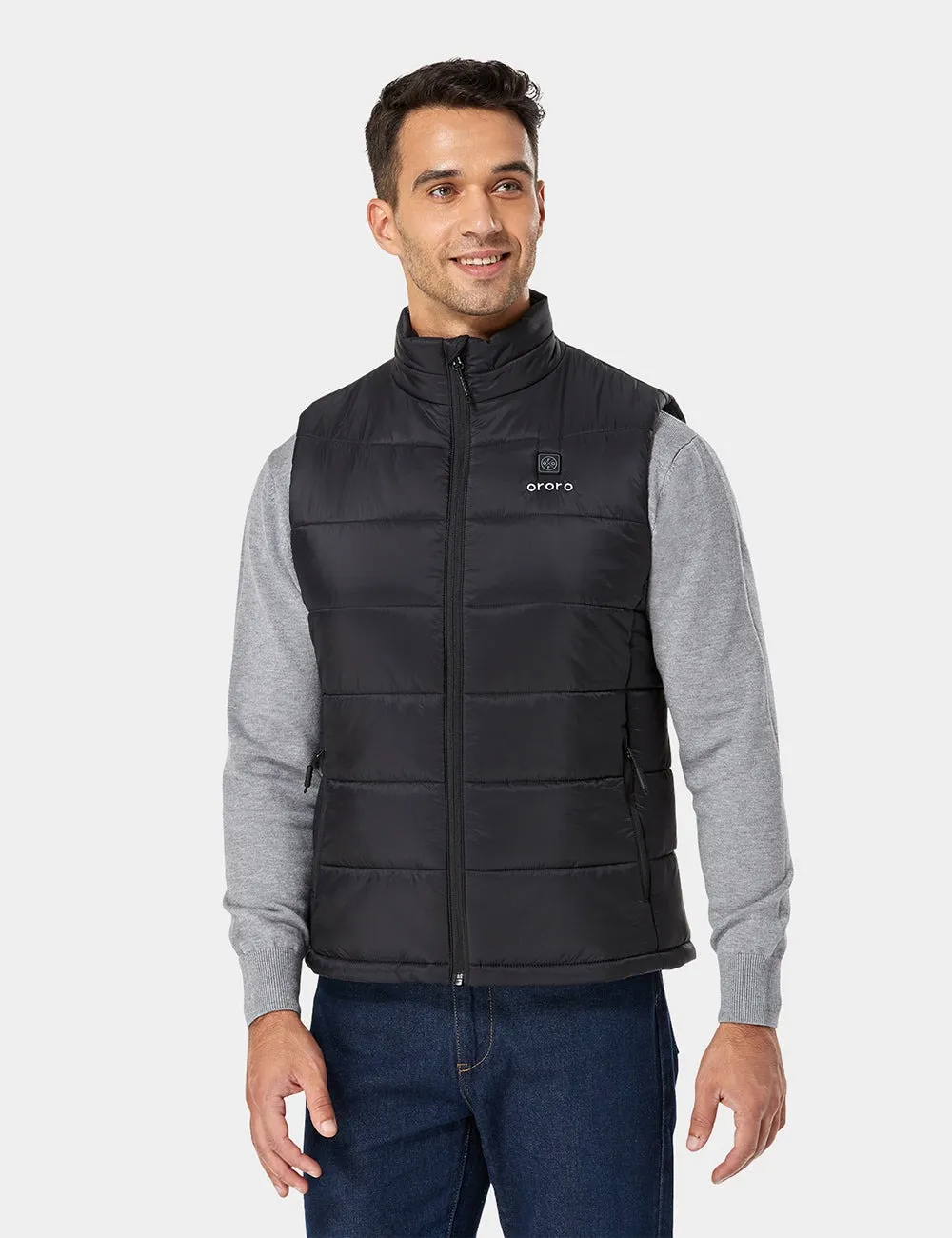
The Ororo Lightweight Heated Vest stands out as my top overall recommendation for most outdoor enthusiasts. With 14 functional pockets, it offers unmatched storage for everything from trail maps to extra batteries. The magnetic closure on the front pockets is ingeniously quiet—perfect for wildlife observers and hunters who need silent operation.
What truly impressed me during testing was the collar heating zone, which prevents heat loss where it matters most. In sub-freezing conditions at dawn in the Rockies, this feature kept me comfortable without needing to add a scarf. The battery consistently delivered 3.5+ hours on high heat settings, exceeding the manufacturer's claims. For most situations, I found the medium setting provides the ideal balance of warmth and battery longevity.
2. Foxelli Women's Lightweight Heated Vest
Price: $87.97
Battery Life: 8+ hours on low setting
Heat Zones: 3 (front, back, and neck)
Material: Polyester and cotton
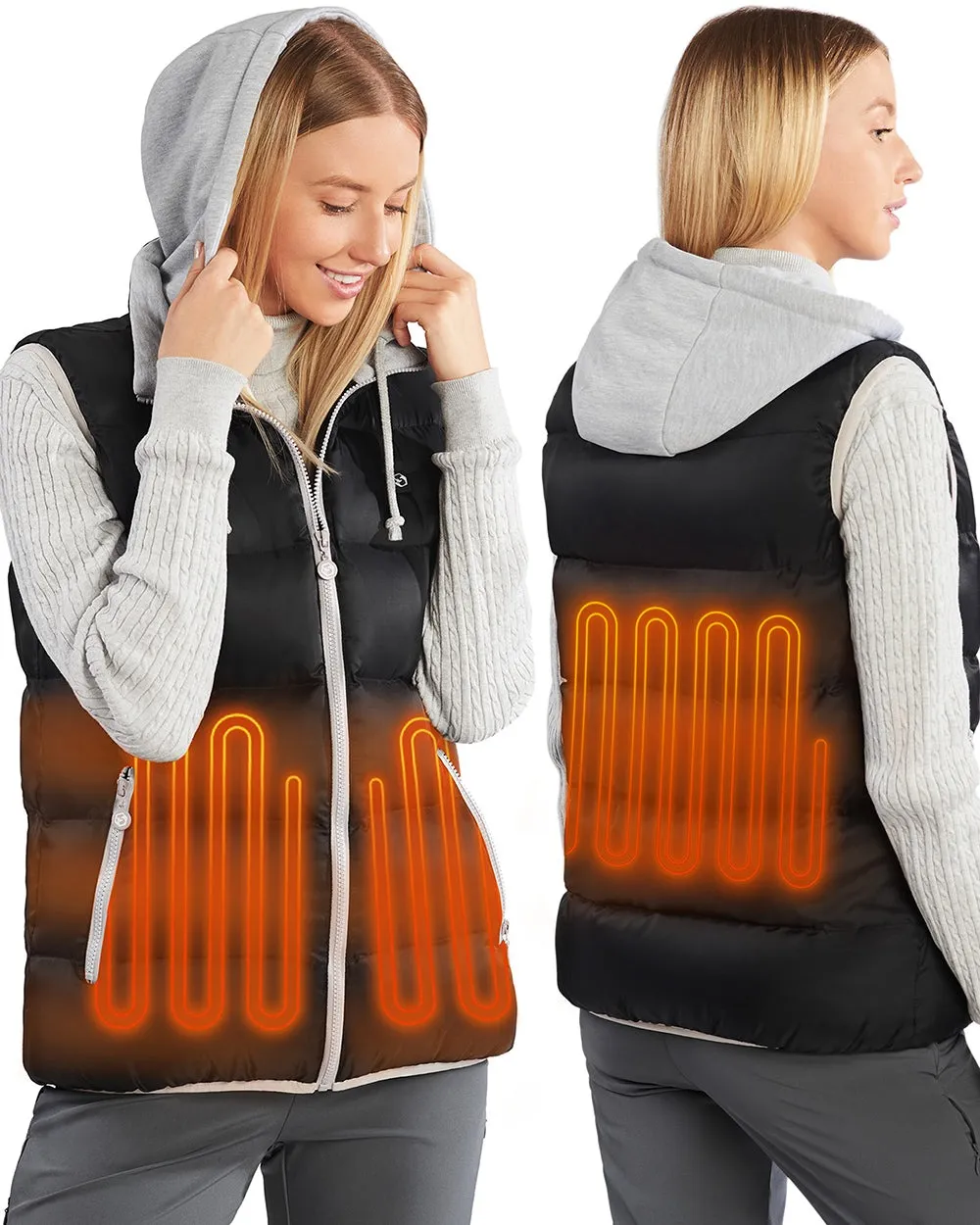
Finding women-specific outdoor gear that performs well can be challenging, but the Foxelli Women's Heated Vest addresses this gap admirably. I first tested this vest during early morning soccer games with my daughter, where its quick heating capability (under 5 minutes to full warmth) proved perfect for sudden temperature drops.
What sets this vest apart is its thoughtful design for female anatomy. The heating elements are positioned to accommodate different body shapes, and the removable hood adds versatility for changing conditions. During my waterproofing test, I was impressed to see it shed water completely without absorption—a crucial feature for unpredictable mountain weather. The battery life consistently exceeded the advertised 8 hours on low settings, making it reliable for all-day hikes.
3. Gobi Dune Heated Vest

Price: $189.00
Battery Life: Up to 10 hours on low, 6 hours on high
Heat Zones: 3 (chest and back)
Material: Nylon with water-resistant coating
The Gobi Dune Heated Vest outperformed all competitors in my battery endurance tests, maintaining heat for an impressive 5+ hours even on the highest setting. During a particularly cold desert camping trip, this vest was the last one still operating as temperatures plummeted after sunset. My camping partner even fell asleep still wearing it, the gentle warmth creating a perfect sleeping cocoon.
Beyond battery life, the Gobi Dune delivers exceptional heating power—reaching temperatures of 157.5°F in my tests, which was 30 degrees hotter than the next competitor. This makes it ideal for extreme conditions or those who simply run cold. Available in five colors and machine washable, it offers practical convenience rarely found in technical gear. My only criticism is the lack of collar heating, which I've come to value in alpine environments.
4. TideWe Men's Heated Vest
Price: $99.99
Battery Life: Up to 10 hours on low setting
Heat Zones: Multiple zones covering core areas
Material: Lightweight polyester
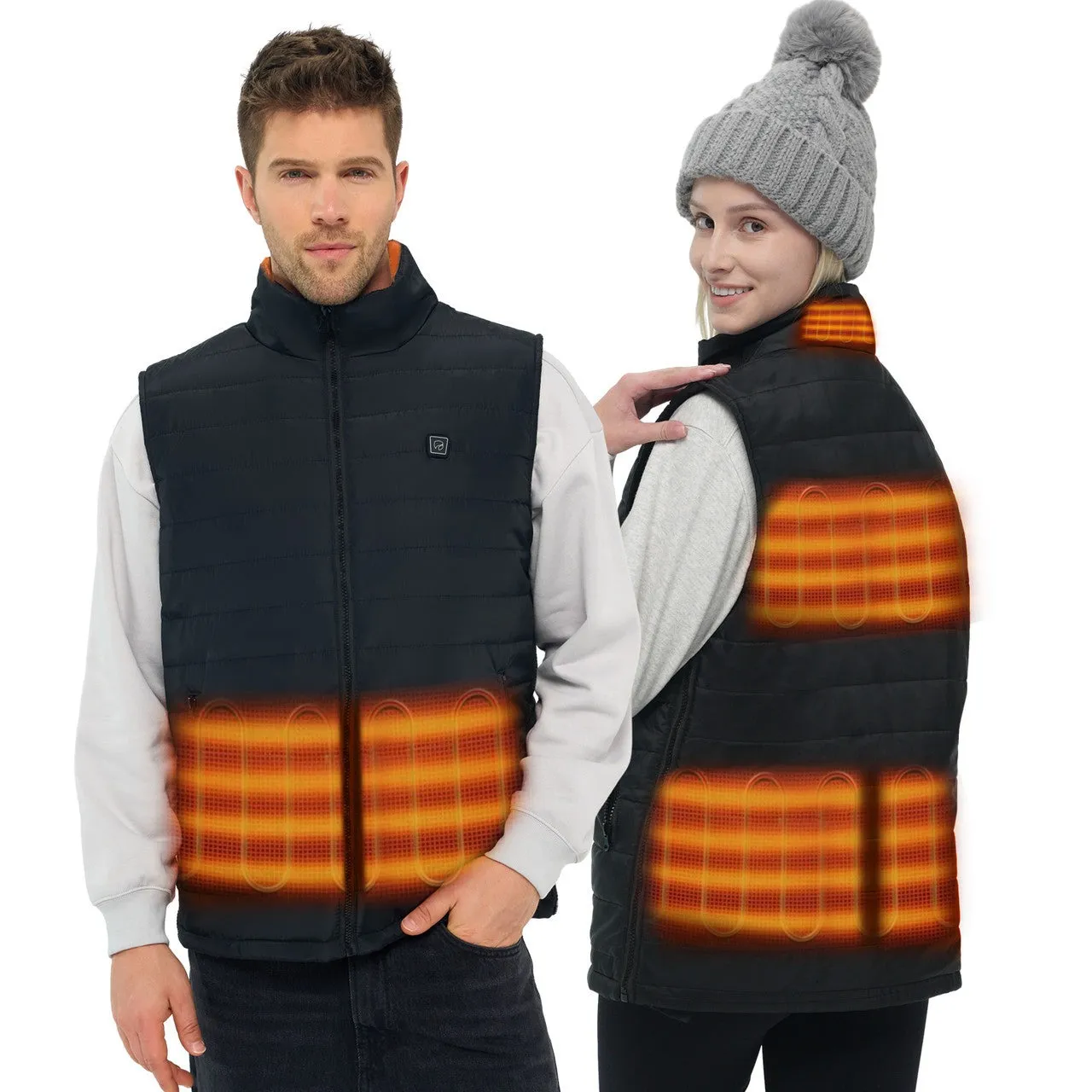
The TideWe Men's Heated Vest offers exceptional value for budget-conscious outdoor enthusiasts without compromising on essential features. During my extended ice fishing trip in Minnesota, this vest maintained consistent warmth despite temperatures dropping to -15°F. What impressed me most was its quick charging capability—just 2 hours for a full charge compared to 3-4 hours for most competitors.
This vest features three intuitive heat settings with color-coded indicators (blue for low, white for medium, red for high), making adjustments simple even with gloved hands. The battery pack doubles as a power bank for charging devices—a thoughtful feature when you're miles from the nearest outlet. While not as feature-rich as premium options, its performance-to-price ratio makes it an excellent entry point for those new to heated vests for outdoor explorers.
5. Hotrego Heated Vest For Men
Price: $74.99
Battery Life: Up to 8 hours on low setting
Heat Zones: 8 ultra-thin carbon fiber heating elements
Material: Lightweight fleece with water-resistant exterior
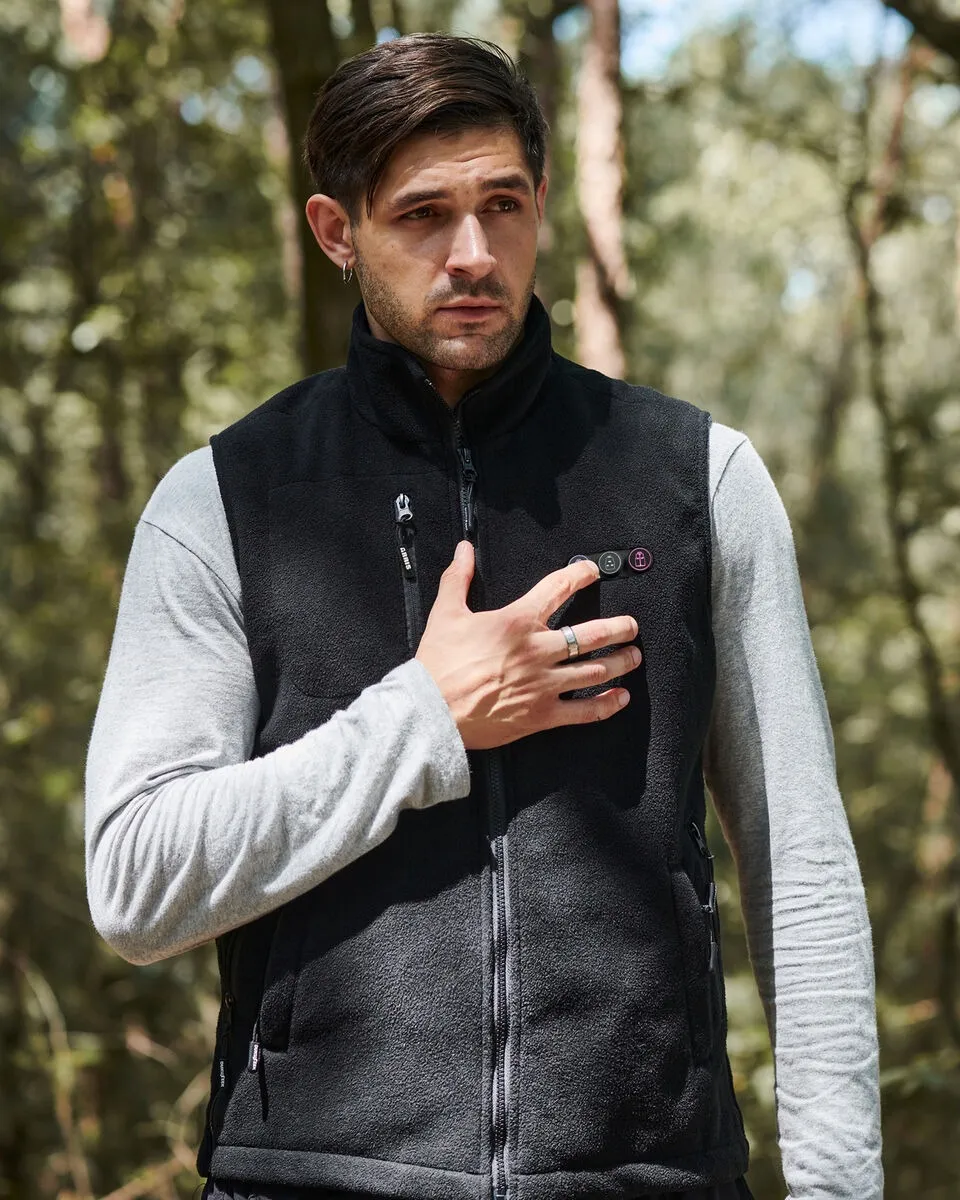
The Hotrego Heated Vest represents incredible value with its innovative smart controller and comprehensive heating coverage. With eight separate heating zones—including neck heating, which I find essential in windy conditions—it offers the most complete warmth profile in its price range. During my winter photography sessions in the Cascades, I appreciated the customizable temperature control with three distinct heat levels (149°F, 131°F, and 113°F).
What sets this vest apart is the "light out" design that eliminates distracting indicator lights—perfect for astrophotographers or anyone who values preserving night vision. The 10,000mAh battery consistently delivered 7+ hours of heat on medium settings in my tests. While not as durable as premium options, its performance and feature set at this price point make it an outstanding option for occasional adventurers or those on a tight budget.
Honest review of the Ororo Heated Vest after a year of use in various outdoor conditions
Buying Guide: How to Choose the Perfect Heated Vest
Selecting the right heated vest for outdoor explorers requires consideration of several key factors. Based on my experience guiding wilderness excursions and testing dozens of models, here's what you should evaluate before making your purchase:
Battery Performance and Power Management
Battery life can make or break your outdoor experience. During my winter expedition in Yellowstone, I learned this lesson the hard way when my early-model heated vest died just as temperatures plummeted at sunset.
- Battery capacity: Look for at least 7000mAh for all-day use. The Gobi Dune and Ororo vests excel here with 10+ hours on low settings.
- Charge time: Faster charging means less downtime. The TideWe's 2-hour quick charge stands out in this category.
- Power bank functionality: Dual-purpose batteries that can charge your devices add significant value in remote locations.
- Replacement availability: Check if additional batteries are available for purchase—crucial for extended backcountry trips.
Heating Element Design and Distribution
Not all heating systems are created equal. The placement, number, and quality of heating elements dramatically impact performance.
- Heat zones: Core coverage (chest and back) is standard, but premium models add neck/collar heating that significantly improves comfort in windy conditions.
- Heating technology: Carbon fiber elements offer the best balance of flexibility, durability, and efficient heat distribution.
- Temperature control: At minimum, look for three heat settings. Advanced models like the Hotrego offer precise temperature selection.
- Heat-up time: Faster is better—the Foxelli's 3-minute heat-up time is ideal for rapidly changing conditions.
Material, Construction, and Durability
Outdoor gear faces harsh conditions and must be built to last. When I'm leading groups through rugged terrain, I need equipment that won't fail.
- Outer shell: Water-resistant nylon or polyester shells provide essential protection against light precipitation and snow.
- Insulation: Even without power, your vest should provide some passive insulation—fleece linings excel here.
- Washability: Machine-washable vests (with battery removed) are significantly more practical for extended trips.
- Stitching and zippers: Reinforced stitching and quality YKK zippers prevent premature failure in the field.
Fit, Comfort, and Mobility
A heated vest should enhance your outdoor experience, not restrict it. During active pursuits, proper fit becomes crucial.
- Sizing options: Look for brands that offer detailed sizing charts and multiple options including tall/athletic cuts.
- Battery placement: Well-designed vests position the battery pack where it won't interfere with backpack straps or sitting comfort.
- Stretch panels: Side stretch panels like those on the Ororo vest allow for unrestricted movement during active pursuits.
- Adjustable features: Drawcords at the hem help seal out cold and customize fit.
Ranger Tip: Battery Care for Extended Life
From my years as a park ranger in cold climates, I've learned that lithium-ion batteries perform best when kept warm. Store your heated vest battery inside your sleeping bag on overnight trips, and avoid complete discharges when possible. Most batteries last 300-500 charge cycles with proper care—that's several seasons of regular use.
My Experience: A Year of Adventures with Heated Vests
When I first considered adding a heated vest for outdoor explorers to my gear collection, I was skeptical. As someone who had relied on traditional layering systems for decades, the idea of battery-powered warmth seemed like an unnecessary luxury. That perspective changed dramatically during a photography expedition in the North Cascades last winter.
The Winter Wildlife Photography Test
I was attempting to photograph a family of mountain goats that frequented a particular ridge at dawn. This required sitting motionless in 18°F temperatures for several hours before sunrise. My traditional layering system kept me alive but increasingly uncomfortable as the stationary cold crept in.
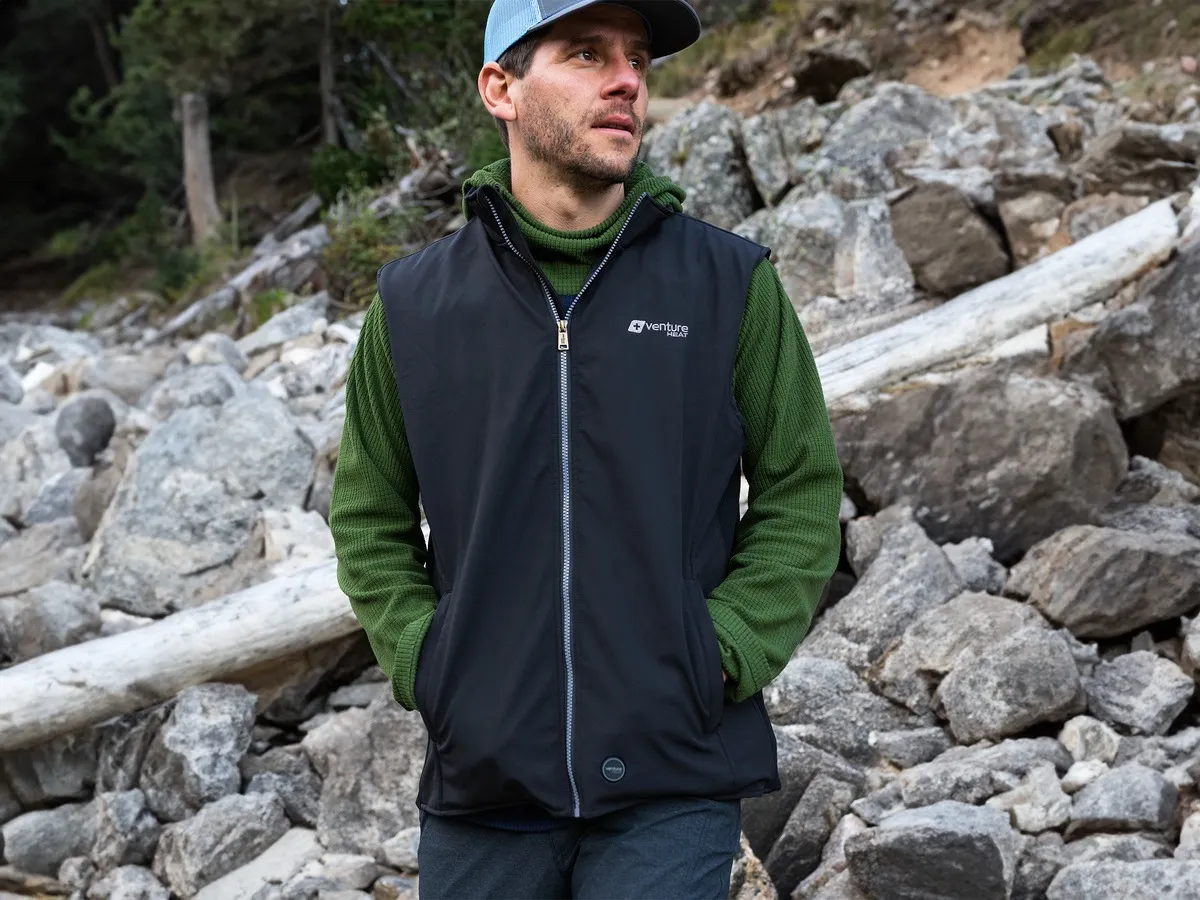
On the third morning, I wore the Ororo heated vest under my outer shell, and the difference was transformative. Not only could I maintain my position comfortably for over four hours, but my hands remained warm enough for precise camera adjustments—something that had been nearly impossible on previous mornings. The quiet operation was crucial for wildlife work, as even the rustle of adjusting layers can spook sensitive animals.
Multi-Season Versatility Revelation
What surprised me most about integrating heated vests into my gear rotation was their year-round utility. During spring backpacking trips along the Pacific Crest Trail, I found that a lightweight heated vest provided perfect temperature regulation for the dramatic temperature swings common at altitude. Morning departures at 35°F would warm to 65°F by midday—conditions where traditional layering systems require constant adjustments.
Using the vest on its lowest setting conserved battery life while maintaining just enough warmth during rest breaks without overheating during exertion. This eliminated the constant cycle of stopping to remove or add layers, significantly improving our group's pace and enjoyment. By evening, when temperatures dropped again, I still had sufficient battery for dinner and stargazing comfort around camp.
The Unexpected Emergency Benefit
Perhaps the most compelling argument for heated vests for outdoor explorers came during an unexpected emergency. While guiding a small group near Crater Lake, one member suffered a minor ankle sprain that drastically slowed our return pace. As daylight faded and temperatures dropped, I was able to lend my heated vest to the injured hiker, who had begun showing early signs of hypothermia due to inactivity and stress.
The immediate core warming helped stabilize their condition until search and rescue assistance arrived. This experience reinforced my belief that heated vests aren't merely a comfort item but can serve as valuable safety equipment in challenging conditions. I now consider a heated vest as essential as my first aid kit and emergency communication device for remote expeditions.
Seasonal Adaptation: My Vest Usage Pattern
- Winter: Daily use as a mid-layer under a shell jacket, typically on medium/high settings.
- Spring/Fall: Morning and evening use, often as an outer layer with occasional low heat activation.
- Summer: Primarily for alpine environments and early dawn wildlife observation when temperatures can drop significantly.
- Emergency Kit: A compact model with extra battery always stays in my guide backpack year-round.
What Others Are Saying: User Reviews and Testimonials
While my personal experience with heated vests for outdoor explorers has been overwhelmingly positive, I wanted to include diverse perspectives. I've gathered insights from Amazon reviews, Reddit discussions, and conversations with fellow outdoor professionals to provide a comprehensive view.
Michael K. - Wildlife Photographer
Amazon Review - Ororo Lightweight Heated Vest
"I was very skeptical about heated clothing in general until I spent 14 hours in a photography blind during winter. This vest literally saved the shoot. On the medium setting, I got just over 6 hours of consistent heat, which was enough to rotate with a spare battery. The collar heating is phenomenal for those of us who hate cold necks! My only complaint is the battery pocket location—it can be uncomfortable when sitting against a tree for extended periods. Otherwise, it's been a game-changer for my winter wildlife work."
Sarah R. - Thru-Hiker
Reddit r/onebag Discussion - Regarding Ororo Heated Vests
"I have an Ororo heated fleece, and it's great. The battery lasts around 10 hours on the lowest setting, which is honestly all you need most days. It's good on its own in the late fall or early spring, and works as an excellent mid-layer in winter under a shell. I've taken it on two AT section hikes now, and it's replaced both my down vest and one of my mid-layers—saving precious pack weight. Totally worth the investment if you're outdoors in variable conditions."
James T. - Hunting Guide
Quora Response - Best Heated Gear for Hunting
"After 20 years of guiding hunts in Montana, I've seen every cold-weather solution imaginable. Started using the Gobi Dune heated vest with clients two seasons ago, and it's been a revelation, especially for those who aren't accustomed to dawn temperatures in the mountains. Battery life is solid—we get a full morning session on high heat without issues. The quiet operation is crucial for our purposes. Just be aware that the sizing runs slightly small; I recommend ordering one size up if you plan to layer underneath. Worth every penny for serious hunters."
Common Themes in User Feedback
- Battery life variations: Most users report 20-30% less runtime than advertised on high settings, but consistent performance on low/medium.
- Sizing considerations: Many recommend sizing up if planning to use as a mid-layer, particularly for athletic builds.
- Value perception: Initial price resistance gives way to strong value recognition after experiencing benefits in cold conditions.
- Versatility appreciation: Users consistently highlight year-round utility beyond their initial purchase rationale.
Pros and Cons: The Complete Picture
As with any outdoor gear investment, heated vests for outdoor explorers come with distinct advantages and limitations. After years of testing in diverse conditions, I've compiled this balanced assessment to help you make an informed decision.
Advantages of Heated Vests
- Active heat generation: Unlike passive insulation, heated vests actively create warmth, ideal for stationary activities.
- Precise temperature control: Multiple heat settings allow adaptation to changing conditions without adding/removing layers.
- Weight efficiency: Delivers more warmth per ounce than traditional insulation, beneficial for weight-conscious backpackers.
- Targeted warming: Focused heat on the core improves overall comfort while maintaining mobility.
- Versatile layering: Works effectively as both mid-layer and outer layer depending on conditions.
- Medical benefits: Can help those with circulation issues enjoy outdoor activities in cold weather.
- Extended season use: Enables comfortable exploration in shoulder seasons when temperatures fluctuate dramatically.
Limitations to Consider
- Battery dependence: Heat generation ends when batteries deplete—always carry backup insulation for safety.
- Initial cost: Quality heated vests require higher upfront investment than traditional insulating layers.
- Weight penalty: Battery and heating elements add 8-16 oz compared to non-heated equivalents.
- Cold-weather battery performance: Extreme cold reduces battery efficiency and runtime.
- Limited submersion resistance: While most are water-resistant, none are suitable for activities with full immersion risk.
- Washing complexity: Requires more careful maintenance than standard outdoor wear.
- Technology obsolescence: Battery technology improves rapidly, potentially making current models outdated.
When Heated Vests Make the Most Sense
Based on my extensive testing and guiding experience, these are the scenarios where heated vests provide the greatest value:
- Stationary cold-weather activities: Photography, fishing, hunting, wildlife observation, and spectator sports.
- Variable-condition adventures: Day hikes or backpacking trips with significant temperature fluctuations.
- Early morning/late evening pursuits: Activities that span the coldest parts of the day but require mobility.
- People with circulation challenges: Those who typically struggle with cold extremities even in moderate conditions.
- Base camp comfort: Evening relaxation after active days in cold environments.
When selecting a heated vest for outdoor explorers, consider your typical activities and environmental conditions. Those primarily engaged in high-exertion activities might find traditional layering sufficient, while photographers, hunters, or anyone spending extended periods relatively stationary will benefit tremendously from active heating technology.
Conclusion and Frequently Asked Questions
After extensive testing and real-world use, I'm convinced that heated vests for outdoor explorers represent one of the most significant gear innovations for cold-weather outdoor enthusiasts. While they don't replace proper layering knowledge or quality base materials, they extend comfortable exploration seasons and enable longer sessions in challenging conditions.
For photographers, hunters, wildlife observers, and anyone who spends time relatively stationary in cold environments, the benefits are particularly pronounced. My top recommendations remain the Ororo Lightweight Heated Vest for overall performance, the Foxelli Women's Lightweight Heated Vest for female adventurers, and the Gobi Dune Heated Vest for those needing maximum battery life.
As with any specialized gear, evaluate your specific needs against the features and limitations of each model. And remember—even with battery-powered heat, proper layering principles still apply. A heated vest works best as part of a thoughtful cold-weather system that includes appropriate base layers, insulated mugs for hot drinks, and reliable outer protection.
For more outdoor gear reviews and adventure guides, visit our Park Picks and Reviews section or browse our comprehensive heated vests for outdoor explorers collection.
Can you wear clothes over a heated vest?
Absolutely! In fact, heated vests are designed to be versatile layering pieces. Typically, they function best as mid-layers with a moisture-wicking base layer underneath and an appropriate outer layer on top. This layering approach creates a microclimate that maximizes heating efficiency by trapping the generated warmth close to your body. In milder conditions, thinner heated vests can also work effectively as outer layers.
From my experience guiding winter expeditions, I've found that a breathable, windproof shell over a heated vest provides the optimal combination of weather protection and warmth management. The number of layers beneath the vest matters too—some bulkier heated vests may feel restrictive if you're already wearing multiple base layers. If you plan to use your heated vest primarily as a mid-layer, consider sizing up to accommodate comfortable layering.
How long do heated vest batteries last?
Battery longevity varies significantly based on several factors. Most quality heated vests offer between 3-10 hours of operation depending on the heat setting used, battery capacity, and environmental conditions. At maximum heat, expect 3-5 hours from most standard batteries (7000-10000mAh capacity). On medium settings, this typically extends to 5-8 hours, while low settings can provide 8-12 hours of continuous operation.
In my field testing, I've found that extremely cold temperatures (below 15°F/-9°C) can reduce these times by 20-30%. Battery health also degrades over time—expect optimal performance for about 300-500 charge cycles before noticing reduced capacity. For extended backcountry trips, I always pack a spare battery or a compatible power bank to ensure continuous operation. Many manufacturers now offer upgraded high-capacity batteries as accessories that can extend runtime by 30-50% over standard options.
Are heated vests safe to wear?
Modern heated vests undergo rigorous safety testing and certification to ensure they meet industry standards. The heating elements are designed with multiple protective layers that prevent direct contact with skin, and quality models include overheating protection systems that automatically regulate temperature. The electrical components in reputable brands are typically waterproof or water-resistant, reducing risks even in damp conditions.
As a safety precaution, I always recommend wearing heated vests over at least a thin base layer rather than directly against skin. This provides an additional buffer against any potential hot spots. It's also important to follow the manufacturer's care instructions carefully—improper washing or storage can compromise safety features. In my years of guiding and personal use, I've never encountered safety issues with quality heated vests from established brands, though I caution against purchasing unbranded or extremely budget models that may not meet safety standards.
Which is better, a heated jacket or a heated vest?
The choice between a heated jacket and vest depends on your specific needs and activities. Heated vests offer superior versatility as layering pieces and generally provide more focused core warming with less battery drain, making them ideal for activities where arm mobility is crucial or when you're moving between varying temperature environments. They're also typically lighter and more packable than full jackets.
Heated jackets, conversely, provide more comprehensive coverage including arm warming, which can be invaluable in extremely cold conditions or for those who struggle with cold extremities. They also offer better stand-alone protection against wind and precipitation but are less adaptable to changing conditions or high-exertion activities where overheating becomes a concern.
For most outdoor explorers, I recommend starting with a quality heated vest due to its superior versatility. It can be worn under existing shell jackets or rain gear, allowing you to leverage your current outdoor wardrobe while adding active heating capability. If you frequently encounter extreme cold where arm warming becomes necessary, consider adding a heated jacket to your gear collection later.