

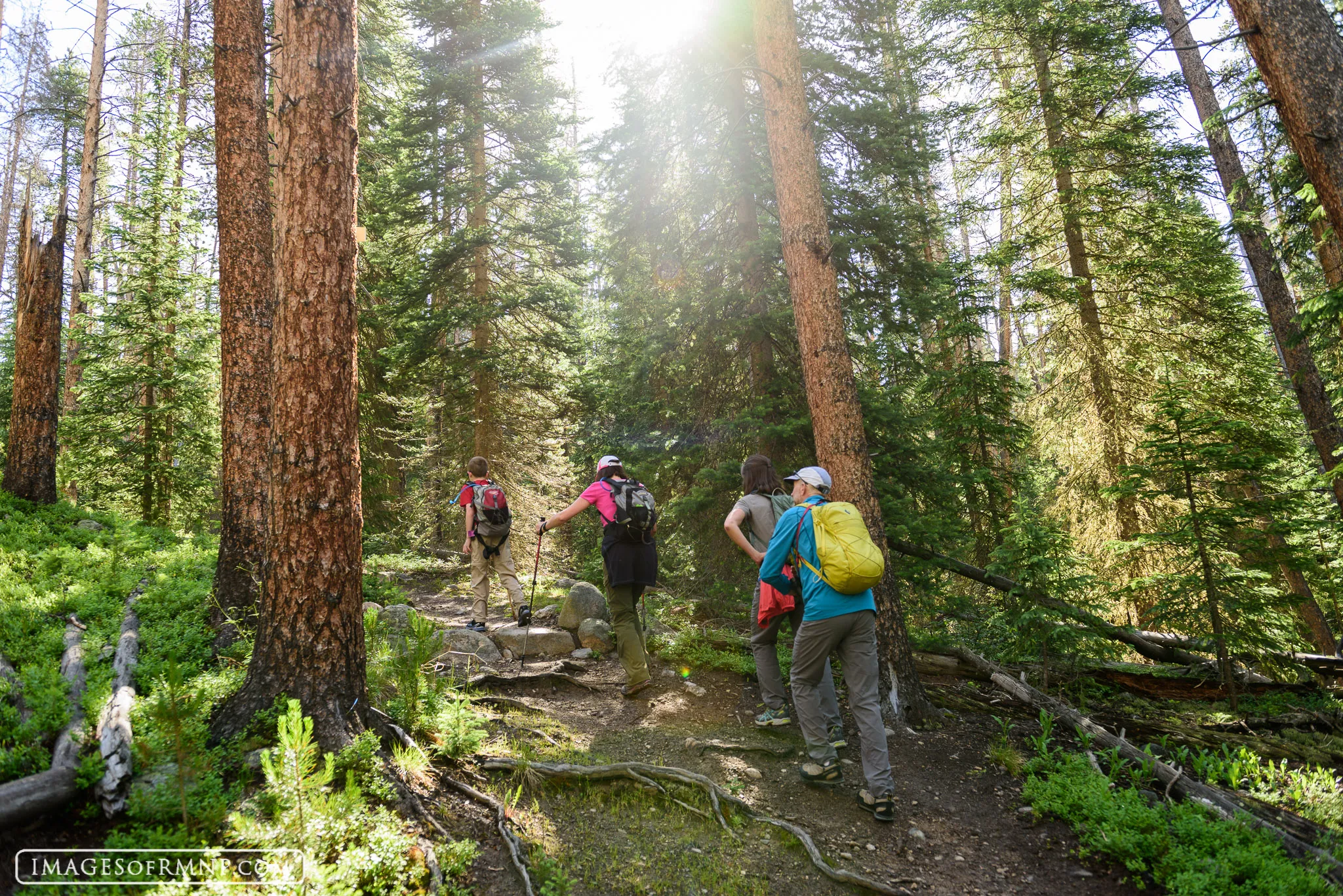
The Ultimate Guide to Camping in Rocky Mountain National Park: Expert Tips for an Unforgettable Adventure
Camping in Rocky Mountain National Park offers an unparalleled wilderness experience with towering peaks, alpine lakes, and abundant wildlife just outside your tent. Having personally camped in four of the park's five campgrounds over the past decade, I've learned invaluable lessons about securing reservations, choosing the right gear, and maximizing your mountain adventure. This comprehensive guide shares everything you need to know for an unforgettable camping in Rocky Mountain National Park experience. Visit NatureGuests.com for more outdoor adventure guides.
Complete Campground Overview
Rocky Mountain National Park features five distinct campgrounds, each offering unique advantages for camping in Rocky Mountain National Park. After years of personal experience and conversations with park rangers, I've developed detailed insights into what makes each campground special. The park's elevation ranges from 8,000 to over 9,500 feet, requiring specific preparation and gear considerations that many first-time visitors underestimate.
Moraine Park Campground
244 sites (summer) | Elevation: 8,160 ft
Recently renovated and reopened in 2025, Moraine Park offers stunning Longs Peak views and excellent trail access. The ponderosa pine forest provides natural windbreaks, crucial for mountain camping comfort. RVs up to 40 feet are accommodated, making it the most RV-friendly option for camping in Rocky Mountain National Park.
Best For: Families, RV camping, wildlife viewing
Glacier Basin Campground
150 sites | Elevation: 8,500 ft
Located along Bear Lake Road with convenient shuttle access, Glacier Basin suffered tree loss from pine beetle infestation, resulting in open sites with incredible mountain views but limited shade. The proximity to trailheads makes it ideal for active campers planning multiple hiking adventures.
Best For: Hikers, stargazing, Bear Lake area access
Longs Peak Campground
26 sites (tent-only) | Elevation: 9,500 ft
The park's only first-come, first-served campground, perfect for spontaneous adventurers and Longs Peak climbers. At the highest elevation, nights can be surprisingly cold even in summer. No water available - bring your own supply for camping in Rocky Mountain National Park at this remote location.
Best For: Experienced campers, Longs Peak climbers, solitude seekers
Essential Gear Recommendation
Based on my camping experiences across all RMNP campgrounds, I highly recommend the MalloMe Sleeping Bags for Adults - perfect for the variable mountain temperatures.
⭐ 4.5/5 stars from 15,161 reviews | Cold weather rated | Perfect for mountain camping
Reservation Strategy & Booking Tips
Securing a campsite for camping in Rocky Mountain National Park requires strategic planning and precise timing. Through years of booking both successful and failed attempts, I've developed a foolproof system that maximizes your chances of getting your preferred campground and dates. The park's popularity means prime summer spots fill within minutes of becoming available.
Critical Booking Timeline
- 6 months in advance (8 AM MT): Reservations open on Recreation.gov - be online and ready
- 2 weeks before: Check for last-minute cancellations daily
- Day of arrival: Visit Longs Peak for first-come, first-served option
The reservation system follows a rolling 6-month window, meaning January 15th reservations become available on July 15th at exactly 8:00 AM Mountain Time. I recommend creating your Recreation.gov account in advance, saving payment information, and having multiple device options ready. Peak season (June-September) requires this level of preparation for successful camping in Rocky Mountain National Park adventures.
Pro Booking Tips
- Use multiple browsers simultaneously
- Have backup date options ready
- Consider weekday arrivals for better availability
- Book the maximum 7-night stay initially
Timed Entry Integration
Campground reservations include timed entry passes, allowing park access after 1 PM on your arrival day. Earlier entry requires separate timed entry reservations or arriving before 9 AM when restrictions don't apply.
Essential Camping Gear for Mountain Conditions
Mountain camping demands specialized gear capable of handling dramatic temperature swings, sudden weather changes, and high-altitude conditions. After experiencing everything from surprise snowstorms in July to intense afternoon thunderstorms, I've refined my gear list to ensure comfort and safety during camping in Rocky Mountain National Park. Elevation differences of over 1,500 feet between campgrounds create varying micro-climates requiring adaptable equipment.
Premium Hiking Backpack
The Maelstrom 40L Waterproof Hiking Backpack has been my go-to for three seasons of camping in Rocky Mountain National Park. Rain cover included for sudden mountain storms.
Features: Waterproof, 40L capacity, rain cover, lightweight design
Rating: ⭐ 4.6/5 (2,858 reviews)
Trail Navigation Essentials
Never underestimate the importance of proper navigation tools. The official Rocky Mountain National Park Hiking Map has saved me multiple times.
Features: Detailed topography, waterproof, trail difficulty ratings
Rating: ⭐ 4.4/5 (Amazon's Choice)
Lightweight Sleep System
Temperature regulation is critical at altitude. This sleeping bag handles RMNP's temperature variations perfectly for comfortable camping in Rocky Mountain National Park.
Features: Cold weather rated, lightweight, compression sack
Rating: ⭐ 4.5/5 (10,213 reviews)
Critical Gear Checklist
Weather Protection:
- Rain gear (afternoon storms are common)
- Warm layers for elevation changes
- Sun protection (UV intensity increases with altitude)
Mountain Essentials:
- Bear canisters (required for backcountry)
- Water filtration system
- Emergency shelter/bivy
Seasonal Camping Guide & Weather Preparation
Each season brings unique challenges and rewards for camping in Rocky Mountain National Park. Understanding seasonal patterns, from snow potential in June to elk bugling in September, dramatically improves your camping experience. Having camped throughout the year, I've learned to embrace each season's characteristics while preparing for their specific demands and opportunities.
Summer (June-August)
Peak season with warm days, cool nights, and afternoon thunderstorms. Campgrounds fill early, wildlife is active, and wildflowers peak in July.
Temperatures: 70°F days, 40°F nights
Challenges: Crowds, afternoon storms
Best For: First-time visitors, families
Fall (September-October)
Spectacular season with golden aspen colors, elk bugling, and fewer crowds. Weather becomes unpredictable with potential snow.
Temperatures: 60°F days, 20°F nights
Highlights: Aspen colors, elk activity
Best For: Photography, wildlife viewing
Winter (November-April)
Extreme conditions with heavy snow, bitter cold, and limited access. Only experienced winter campers should attempt camping in Rocky Mountain National Park during this season.
Temperatures: 40°F days, -10°F nights
Requirements: 4WD, winter gear
Best For: Solitude, snow sports
Spring (May-June)
Unpredictable season with muddy trails, snow patches, and variable weather. Perfect for avoiding crowds while experiencing nature's awakening.
Temperatures: 55°F days, 30°F nights
Challenges: Mud, snow patches
Best For: Solitude seekers, wildflower enthusiasts
Weather Emergency Preparedness
Mountain weather changes rapidly - I've experienced 50-degree temperature swings in a single day. Always monitor weather forecasts and have contingency plans for severe conditions during your camping in Rocky Mountain National Park adventure.
Lightning Safety:
Seek shelter immediately when thunderstorms approach. Afternoon storms are common June-August.
Hypothermia Prevention:
Layer clothing system and backup warmth sources are essential, even in summer.
My Personal Camping Experiences
Over the past decade of camping in Rocky Mountain National Park, I've accumulated countless memories, learned valuable lessons, and developed deep appreciation for this incredible wilderness. From my first nervous night at Glacier Basin to becoming comfortable with winter camping at Aspenglen, each experience has shaped my understanding of what makes this park special. These personal stories offer insights beyond guidebook recommendations.
The Moraine Park Wildlife Encounter
During my third visit to Moraine Park Campground, I woke at sunrise to find a massive bull elk grazing just 20 feet from my tent. The ranger had warned us about elk activity, but seeing this magnificent creature up close while camping in Rocky Mountain National Park remains my most profound wildlife moment. This encounter taught me the importance of proper food storage and maintaining respectful distance from wildlife.
"The silence of dawn broken only by elk footsteps creates memories that last a lifetime."
Lessons from Longs Peak Campground
My attempt at first-come, first-served camping taught me valuable patience. Arriving at 6 AM, I was 8th in line with only 6 sites available. However, engaging with fellow campers led to shared experiences and insider tips that enhanced my entire camping in Rocky Mountain National Park trip.
Pro Tip: Even without getting a site, the connections made while waiting proved invaluable.
Unexpected Weather Challenges
A July snowstorm at Timber Creek tested my gear and resolve. Temperatures dropped 40 degrees overnight, but proper preparation and the camaraderie of neighboring campers turned a potential disaster into an adventure story I still share.
Key Learning: Weather backup plans are non-negotiable in the mountains.
User Review Insights
Sarah M. (Amazon Review): ⭐⭐⭐⭐⭐
"The MalloMe sleeping bag kept me warm during three nights at Glacier Basin. Temperature dropped to 35°F but I stayed comfortable throughout the night."
Mike K. (Reddit r/NationalPark): ⭐⭐⭐⭐⭐
"Moraine Park Campground exceeded expectations. Clean facilities, stunning views, and excellent ranger programs made our family camping trip unforgettable."
Jennifer L. (Quora): ⭐⭐⭐⭐
"Timber Creek's lack of trees meant incredible stargazing but also exposure to wind. Bring extra tent stakes and guy-lines for stability."
Frequently Asked Questions
How far in advance should I book camping reservations?
Book exactly 6 months in advance when reservations open at 8 AM Mountain Time on Recreation.gov. Popular campgrounds like Moraine Park and Glacier Basin fill within minutes during peak season. Having attempted bookings at various times, I've learned that being online precisely when reservations open is crucial for securing your preferred dates for camping in Rocky Mountain National Park. Set multiple alarms and have backup date options ready.
What's the best campground for first-time visitors?
Moraine Park Campground offers the best introduction to camping in Rocky Mountain National Park with excellent facilities, stunning Longs Peak views, and convenient trail access. The recently renovated infrastructure includes clean restrooms, reliable water access, and ranger programs perfect for families. Its central location provides easy access to both Bear Lake area attractions and Estes Park amenities. The ponderosa pine forest offers natural windbreaks and privacy between sites.
Do I need a timed entry permit if I have camping reservations?
Campground reservations include timed entry permits, allowing park access after 1 PM on your arrival day. If you want to enter earlier, you'll need a separate timed entry reservation or arrive before 9 AM when restrictions don't apply. This system helps manage park congestion while ensuring campers can access their sites. I recommend planning arrival after 1 PM to avoid complications, as the check-in process and site setup typically take several hours anyway.
What should I do if caught in a thunderstorm while camping?
Seek immediate shelter in a hard-sided vehicle or substantial building if available. If camping, avoid tall trees and metal objects, crouch low in a depression if caught in the open, and never shelter under isolated trees. Mountain thunderstorms develop rapidly, typically in the afternoon during summer months. I always monitor weather forecasts and have an evacuation plan to my vehicle. Most campgrounds have some shelter options, and fellow campers often share covered areas during severe weather emergencies.
Are bears a concern at Rocky Mountain National Park campgrounds?
Black bears inhabit the park, though encounters at established campgrounds are relatively rare due to proper food storage requirements and active wildlife management. All campgrounds provide bear boxes for food storage, which must be used religiously. Never leave food, toiletries, or scented items in tents or vehicles. During my years of camping in Rocky Mountain National Park, I've only had one distant bear sighting, but rangers emphasize that proper food storage prevents problems. Rangers conduct regular patrols and provide evening programs about wildlife safety.
Can I have campfires at all campgrounds?
Campfires are permitted at established campgrounds in designated fire rings, but restrictions may apply during high fire danger periods. Firewood is available for purchase at most campgrounds, and rangers strictly enforce regulations about bringing outside wood to prevent disease spread. Campfires are prohibited in wilderness areas and backcountry sites. I always check current fire restrictions upon arrival, as conditions can change rapidly. Some campers prefer portable camp stoves for cooking flexibility and environmental responsibility, especially during dry seasons when fire restrictions are likely.
Complete Camping Package Recommendation
For the ultimate camping in Rocky Mountain National Park experience, I recommend the NUBILY 50L Waterproof Hiking Backpack as your primary gear hauler:
⭐ 4.5/5 stars | Waterproof design | Perfect for mountain conditions
Conclusion
Camping in Rocky Mountain National Park represents one of America's premier wilderness experiences, combining accessible infrastructure with genuine mountain adventure. Through strategic reservation planning, proper gear selection, and seasonal awareness, your camping trip can become the highlight of your outdoor adventures. My decade of experience has taught me that preparation enhances rather than diminishes the magic of sleeping under Colorado's towering peaks.
Whether you choose the family-friendly atmosphere of Moraine Park, the stargazing opportunities at Glacier Basin, or the rugged solitude of Longs Peak Campground, each option offers unique rewards for camping in Rocky Mountain National Park. The park's elevation changes, dramatic weather, and abundant wildlife create challenges that transform ordinary camping into extraordinary memories.
Your Next Steps
- Plan Early: Mark your calendar for 6-month reservation dates
- Gear Up: Invest in quality mountain camping equipment
- Stay Flexible: Weather and conditions can change rapidly
- Embrace Adventure: Each camping experience teaches valuable lessons
Ready to start planning your ultimate mountain camping adventure?
Explore More Camping Resources at NatureGuests.comTransform your outdoor dreams into unforgettable memories with expert guidance and proven strategies.