


Big Bend National Park Fishing: Complete Guide to Rio Grande Angling Adventures
Nestled along the majestic Rio Grande in southwest Texas, Big Bend National Park offers some of the most unique desert fishing experiences in America. With over 238 miles of pristine river frontage and diverse aquatic ecosystems, this remote wilderness provides anglers with unforgettable opportunities to cast their lines in one of the nation's most spectacular settings. Discover comprehensive insights and expert guidance at Nature Guests.
Understanding Big Bend National Park Fishing Regulations and Permits
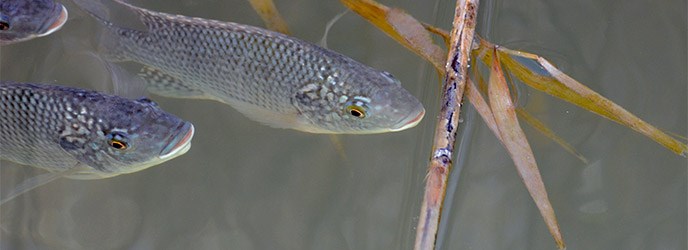
When planning your Big Bend National Park fishing adventure, understanding the regulations is crucial for both legal compliance and conservation efforts. Unlike many fishing destinations, Big Bend has unique requirements that protect its delicate desert ecosystem while providing angling opportunities.
The most important requirement is obtaining a free National Park Service fishing permit, available at any visitor center within the park. No Texas state fishing license is required, making Big Bend National Park fishing accessible to out-of-state visitors. Fishing is permitted year-round, but only in the Rio Grande - all ponds, springs, and tributaries are strictly off-limits to protect endangered species like the Big Bend Gambusia.
Legal fishing methods include pole and line, rod and reel, throw lines, and trot lines. However, modern techniques like jug lines, nets, spears, and any form of chumming are prohibited. The daily limit is 25 fish per person in the park, with state limits applying to the Rio Grande Wild and Scenic River areas outside park boundaries.
Special attention must be paid to gear management - trot lines and throw lines require gear tags with your name, address, and date, and cannot be left unattended for more than 24 hours. These regulations ensure sustainable Big Bend National Park fishing for future generations while protecting the fragile desert aquatic ecosystem.
Pro Tip from Rangers:
Always carry your fishing permit with you and respect closed areas - they protect some of the world's rarest fish species found nowhere else on Earth.
Best Fishing Spots and Locations in Big Bend
The Rio Grande offers diverse fishing opportunities throughout Big Bend National Park, with each location providing unique challenges and rewards. Understanding where to fish can significantly impact your success in this desert environment where water is precious and fish populations are carefully balanced.
Rio Grande Village remains the most popular and accessible location for Big Bend National Park fishing. The area features established camping facilities, easy river access, and relatively calm waters perfect for beginners. The deeper pools near the village often hold catfish and provide excellent opportunities for both shore and wade fishing.
Boquillas Canyon offers spectacular scenery and challenging fishing conditions. The canyon's towering limestone walls create deep pools and eddies where larger fish congregate. Access requires a moderate hike, but the isolation and pristine conditions make it worth the effort for serious anglers seeking a true wilderness experience.
Santa Elena Canyon provides the most dramatic backdrop for Big Bend National Park fishing, with 1,500-foot canyon walls rising directly from the water. The narrow river channel creates unique current patterns and fishing opportunities, though access can be challenging during high water periods.
Castolon area features wider, shallower sections of the Rio Grande with excellent wade fishing opportunities. The historic settlement provides context for your fishing experience while offering good access points and parking facilities. Early morning and evening fishing here often produces the best results.
Local Knowledge:
Focus on areas where side canyons meet the Rio Grande - these confluence points often concentrate fish and provide the most productive fishing in the entire park.
Fish Species You Can Catch in the Rio Grande
The fish populations in Big Bend National Park represent a fascinating mix of native desert species and introduced game fish, creating unique angling opportunities found nowhere else in the United States. Understanding these species and their behaviors is essential for successful Big Bend National Park fishing.
Catfish species dominate the angling opportunities, with blue, channel, and flathead catfish providing the most consistent action. These hardy fish thrive in the Rio Grande's variable conditions and can reach impressive sizes. Channel catfish are most common and respond well to traditional baits like chicken liver, cut bait, and prepared catfish baits. Blue catfish grow larger but are less numerous, while flathead catfish lurk in deeper holes and prefer live bait.
Largemouth bass offer exciting sport fishing opportunities in the slower, vegetation-rich sections of the river. These bass behave differently than their lake counterparts, adapting to the river's flow and seeking shelter behind rocks and undercut banks. Spinnerbaits, soft plastics, and topwater lures can be effective, especially during cooler parts of the day.
Sunfish species including bluegill and green sunfish provide excellent action for light tackle enthusiasts and families. These smaller fish are abundant in shallow areas and readily take small hooks baited with worms, crickets, or tiny jigs. They're perfect for introducing children to Big Bend National Park fishing.
Rio Grande Cichlids represent one of the more exotic species available, offering fly fishermen and light tackle enthusiasts unique challenges. These colorful fish are territorial and aggressive, making them exciting targets for sight fishing in clear water conditions.
Conservation Note:
The endangered Big Bend Gambusia exists in only one protected pond - fishing is prohibited, but these tiny fish represent one of nature's most remarkable survival stories in the desert.
Essential Fishing Gear and Equipment Recommendations
Selecting appropriate gear for Big Bend National Park fishing requires balancing portability, durability, and versatility. The remote desert environment demands equipment that can handle both the harsh conditions and diverse fishing opportunities the Rio Grande provides.
A quality spinning combo serves as the foundation of any Big Bend fishing arsenal. The Ugly Stik Dock Runner Spinning Combo offers exceptional value and durability, perfect for the varied conditions you'll encounter. Its nearly indestructible construction and sensitive tip make it ideal for detecting subtle bites in moving water.
Top 5 Recommended Fishing Products
Tackle selection should emphasize versatility and heat resistance. Circle hooks in sizes 2/0 to 6/0 work well for catfish, while smaller hooks (#6 to #2) handle sunfish and smaller species. Sinkers should include egg sinkers, split shot, and bank sinkers to handle different current conditions typical in Big Bend National Park fishing.
Bait storage becomes critical in the desert environment. Insulated coolers, frozen gel packs, and shade are essential for keeping live bait healthy and prepared baits fresh. Popular baits include chicken liver, cut shad, nightcrawlers, and crickets, though success often comes from adapting to available natural baits.
Don't forget essential accessories: a quality net for landing fish, pliers for hook removal, a stringer or cooler for keeping fish, and sun protection including hats, sunscreen, and UV-resistant clothing. The desert sun reflects intensely off the water, making protection crucial for extended fishing sessions.
My Personal Experience Fishing Big Bend National Park
My first Big Bend National Park fishing experience began at dawn near Rio Grande Village in March 2023. The morning mist rising from the river created an almost mystical atmosphere as I assembled my gear, anticipating what the day would bring in this remote corner of Texas.
Armed with a medium-action spinning rod and a tackle box full of various baits, I started with chicken liver targeting the channel catfish I'd heard dominated these waters. The ranger at the visitor center had provided valuable insights about current water levels and recent fishing success, emphasizing patience and persistence - qualities essential for desert fishing.
The first challenge was adapting to the river's ever-changing conditions. Unlike lake fishing, the Rio Grande's flow varies dramatically, affecting both fish behavior and presentation techniques. I learned to read the water, identifying subtle current breaks and deep pools where fish concentrate during the heat of midday.
My breakthrough came when I switched to cut bait and focused on a deep bend near some overhanging willows. The strike was subtle - typical of river catfish - but the fight was memorable. A beautiful 4-pound blue catfish provided both dinner and validation that patience pays off in Big Bend National Park fishing.
Over subsequent visits, I've discovered that success requires flexibility, local knowledge, and respect for the environment. The isolation and pristine conditions make every fish caught feel like a genuine achievement, while the stunning scenery provides constant entertainment between bites.
What Other Anglers Say
Reddit User Review - r/BigBendTX
"The permit is free, just go to the ranger station. Fishing seems pretty poor though - it's more about the experience than catching fish. Beautiful scenery makes up for it."
Amazon Product Review
"Used the Ugly Stik combo at Big Bend last month. Caught several catfish and the rod held up great in the desert heat. Perfect for river fishing."
Tripadvisor Forum
"It's river fishing with mainly catfish. Not much else worth catching, but the experience of fishing in such remote wilderness is unforgettable."
Seasonal Tips and Techniques for Success
Successful Big Bend National Park fishing requires understanding how desert seasons affect both fish behavior and river conditions. The extreme environment creates unique challenges that vary dramatically throughout the year, demanding adaptive strategies for consistent success.
Spring (March-May) offers excellent fishing conditions with moderate temperatures and stable water levels. Fish are active throughout the day, making this the ideal time for Big Bend National Park fishing. Focus on deeper pools during midday heat and shallow areas during cooler morning and evening periods. Catfish respond well to cut bait and prepared baits during this season.
Summer (June-August) presents the greatest challenges with extreme heat and low water levels. Early morning and late evening become crucial fishing times, with midday fishing nearly impossible due to temperatures exceeding 110°F. Fish concentrate in the deepest available pools and become less active. Live bait often outperforms artificial lures during this period.
Fall (September-November) marks the return of productive fishing conditions as temperatures moderate and fish activity increases. This season offers some of the best Big Bend National Park fishing opportunities, with fish feeding actively before winter. Focus on transition areas where deeper water meets shallows.
Winter (December-February) brings unique challenges with occasional freezes and reduced fish activity. However, clear, cold water provides excellent visibility for sight fishing, and fish often concentrate in predictable deeper areas. Slower presentations and smaller baits typically produce better results during this season.
Pros of Fishing Big Bend
- Free fishing permits
- Spectacular desert scenery
- Unique fishing experience
- No crowds or pressure
- Year-round fishing season
Challenges to Consider
- Extreme heat in summer
- Variable water levels
- Limited fish populations
- Remote location access
- Strict regulations
Frequently Asked Questions About Big Bend Fishing
Do I need a Texas fishing license for Big Bend National Park fishing?
No, you do not need a Texas state fishing license to fish within Big Bend National Park boundaries. However, you must obtain a free National Park Service fishing permit from any visitor center before fishing. This permit is required for all anglers and helps park rangers monitor fishing activity and educate visitors about conservation. If you plan to fish in areas outside the park but within the Rio Grande Wild and Scenic River corridor, a Texas fishing license is required.
What are the best baits for Big Bend National Park fishing?
The most effective baits for Big Bend fishing include chicken liver, cut shad, nightcrawlers, and crickets for catfish and sunfish. Fresh cut bait often outperforms prepared baits, especially during warmer months. Live minnows can be productive but must be caught from the Rio Grande itself - importing live bait is prohibited. For bass fishing, soft plastic worms, spinnerbaits, and topwater lures work well during cooler parts of the day. Always keep bait cool and fresh in the desert heat.
When is the best time of year for fishing in Big Bend?
Spring (March through May) and fall (September through November) offer the best conditions for Big Bend National Park fishing. During these periods, temperatures are moderate, water levels are typically stable, and fish are most active throughout the day. Summer fishing requires early morning or late evening efforts due to extreme heat, while winter fishing can be productive but requires patience as fish activity slows. Always check current water levels and weather conditions before planning your trip.
Can I fish from a boat in Big Bend National Park?
Yes, boating and fishing from watercraft is permitted in Big Bend National Park, but requires a separate boating permit available at visitor centers. All motorboats must be properly numbered according to state regulations. Canoes and kayaks are popular choices for accessing remote fishing areas, especially in the canyons. Be aware that water levels can change rapidly, and some sections may become impassable during low water periods. Always inform rangers of your boating plans and expected return time.
Are there any fish I cannot keep from Big Bend waters?
While most commonly caught fish can be kept within the 25-fish daily limit, certain rare and endangered species are protected and must be released immediately. The Big Bend Gambusia is critically endangered and found only in protected areas where fishing is prohibited. Any unusual or unfamiliar fish should be photographed and released, then reported to park rangers for scientific documentation. When in doubt, practice catch and release to help preserve these unique desert fish populations for future generations.
What safety precautions should I take while fishing in Big Bend?
Safety is paramount when fishing in this remote desert environment. Always carry plenty of water - at least one gallon per person per day. Inform someone of your fishing plans and expected return time. Protect yourself from intense sun with appropriate clothing, hats, and sunscreen. Be aware of flash flood potential in creek beds and canyons. Carry a first aid kit and know the location of the nearest medical facilities. Cell phone service is limited or nonexistent in most areas, so don't rely on electronic communication for emergencies.
Conclusion
Big Bend National Park fishing offers an unparalleled combination of wilderness adventure, unique angling opportunities, and breathtaking desert scenery that creates memories lasting far beyond any fish caught. This remote corner of Texas provides experiences unavailable anywhere else in the United States, from casting lines in the shadow of towering canyon walls to catching fish species found nowhere else on Earth.
Success in these waters requires preparation, patience, and respect for the fragile desert ecosystem that supports this remarkable fishery. The free fishing permits, year-round season, and diverse fishing opportunities make Big Bend accessible to anglers of all skill levels, while the challenging conditions and unique environment provide opportunities for personal growth and unforgettable adventures.
Whether you're seeking solitude, adventure, or simply a different kind of fishing experience, Big Bend National Park fishing delivers rewards that extend far beyond the catch. The pristine wilderness, diverse wildlife, and opportunity to disconnect from modern life create a fishing experience that nourishes both body and soul.
As you plan your Big Bend fishing adventure, remember that success is measured not just in fish caught, but in experiences gained, beauty witnessed, and connections made with one of America's most spectacular wild places. The Rio Grande awaits your visit, promising challenges, rewards, and memories that will last a lifetime in this extraordinary desert fishing destination.
Ready to Start Your Big Bend Fishing Adventure?
Get your essential gear and start planning your trip to one of America's most unique fishing destinations.
Shop Fishing Gear NowFor more information about this incredible destination, visit our complete guide: Big Bend National Park Fishing