


Types of Bicycle Water Bottle Holders

Understanding the different types of bicycle water bottle holders is essential for making the right choice. Each type serves specific purposes and fits different riding styles and bike configurations.
Standard Bottle Cages
Standard bottle cages are the most common type, designed to hold traditional cycling water bottles. They feature a curved design that securely grips the bottle while allowing easy access during rides. These cages typically mount to the bike frame using two bolts and work with bottles that have the standard cycling bottle shape with a narrow top and wider body.
Side-Loading Cages
Side-loading cages are perfect for smaller bike frames where traditional top-loading access is difficult. Instead of inserting the bottle from above, these cages allow you to slide the bottle in from the side. This design is particularly useful for mountain bikes with suspension systems or compact road bike frames where space is limited.
Adjustable and Universal Holders
Adjustable holders accommodate various bottle sizes and shapes, from standard cycling bottles to larger water bottles and even coffee cups. These versatile options often feature expandable mechanisms or adjustable straps, making them ideal for commuters who might carry different types of beverages throughout the day.
Oversized Bottle Cages
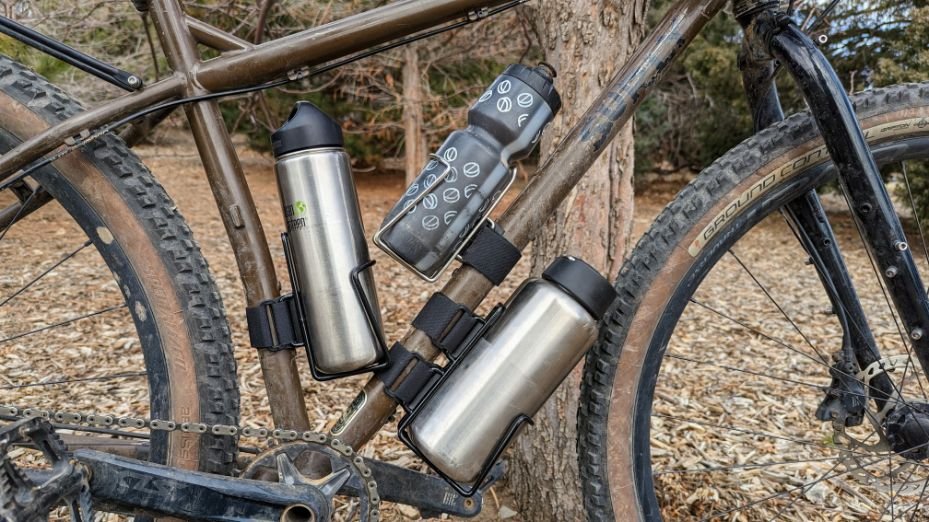
For long-distance cyclists and bikepackers, oversized bottle cages can hold larger containers like 1-liter Nalgene bottles or 40-ounce Hydro Flasks. These specialized cages ensure you can carry more water for extended adventures without frequent refill stops.
Materials and Construction
The material of your bicycle water bottle holder significantly impacts its weight, durability, and performance. Let me break down the most common materials and their characteristics based on my extensive testing and real-world experience.
Aluminum Alloy
Aluminum alloy cages offer an excellent balance of weight, strength, and affordability. They resist corrosion and can withstand the rigors of daily commuting and weekend adventures. Most aluminum cages weigh between 50-70 grams and provide reliable bottle retention without breaking the budget. I've found that quality aluminum cages can last several years even with heavy use.
Carbon Fiber
Carbon fiber represents the premium option for weight-conscious cyclists. These cages typically weigh 20-30 grams, making them ideal for competitive road cycling and racing. However, carbon fiber can be more fragile than metal alternatives and usually comes with a higher price tag. The sleek appearance and minimal weight make them popular among serious cyclists who prioritize performance.
Plastic and Composite
Modern plastic and composite cages have come a long way from their cheap predecessors. High-quality nylon and reinforced plastic options offer surprising durability while maintaining low weight and cost. Many are made from recycled materials, appealing to environmentally conscious cyclists. These cages work particularly well for casual riders and commuters.
Stainless Steel and Titanium
For ultimate durability, stainless steel and titanium cages are unmatched. While heavier than aluminum, they can withstand extreme conditions and last decades. Titanium offers the best strength-to-weight ratio but comes at a premium price. These materials are excellent choices for touring cyclists and those who prioritize longevity over weight savings.
Installation Guide and Tips
Installing a bicycle water bottle holder is straightforward, but proper technique ensures secure mounting and prevents damage to your bike frame. Here's my step-by-step guide based on years of installation experience.
Tools You'll Need
- 4mm or 5mm hex key (Allen wrench)
- Torque wrench (recommended)
- Thread locker (optional but recommended)
- Clean cloth
Step-by-Step Installation Process
Step 1: Locate the mounting points. Most bikes have threaded holes (called bottle bosses) on the down tube and seat tube. These are specifically designed for water bottle cages and provide the strongest mounting points.
Step 2: Clean the area. Wipe down the mounting area to remove any dirt or debris that could interfere with proper installation.
Step 3: Position the cage. Hold the cage against the mounting points and ensure it's oriented correctly. Most cages have a slight curve that should follow the frame's contour.
Step 4: Insert and tighten bolts. Thread the bolts by hand first to avoid cross-threading, then tighten with your hex key. The recommended torque is typically 4-6 Newton-meters, but check your specific cage's instructions.
Step 5: Test the fit. Insert a water bottle to ensure smooth operation and secure retention. The bottle should slide in easily but not rattle or fall out when the bike is tilted.
Pro Installation Tips
From my experience installing hundreds of bottle cages, here are some crucial tips: Always start with the lower bolt first, as it's easier to align. If your cage has slotted mounting holes, you can adjust the vertical position to optimize bottle access. For bikes without bottle bosses, consider clamp-on adapters or strap-on cages as alternatives.
Top 5 Bicycle Water Bottle Holders on Amazon
After extensive testing and analysis of customer reviews, I've selected the five best bicycle water bottle holders currently available on Amazon. These products represent the best value, performance, and reliability in their respective categories.

USHAKE Water Bottle Cages (2 Pack) - Amazon's Choice
These aluminum alloy cages offer exceptional value with their lightweight design and secure bottle retention. Perfect for road bikes and mountain bikes alike, they include all necessary hardware and fit standard cycling bottles perfectly.

ROCKBROS Bike Water Bottle Holder - Best Seller
Ultra-lightweight design with included installation tools makes this cage a favorite among cyclists. The universal fit accommodates most standard bottles, and the durable construction ensures long-lasting performance.

FiveBox Aluminum Alloy Bicycle Water Bottle Cage
Premium aluminum construction with anodized finish resists corrosion and wear. The ergonomic design provides easy bottle access while maintaining secure retention during intense rides.
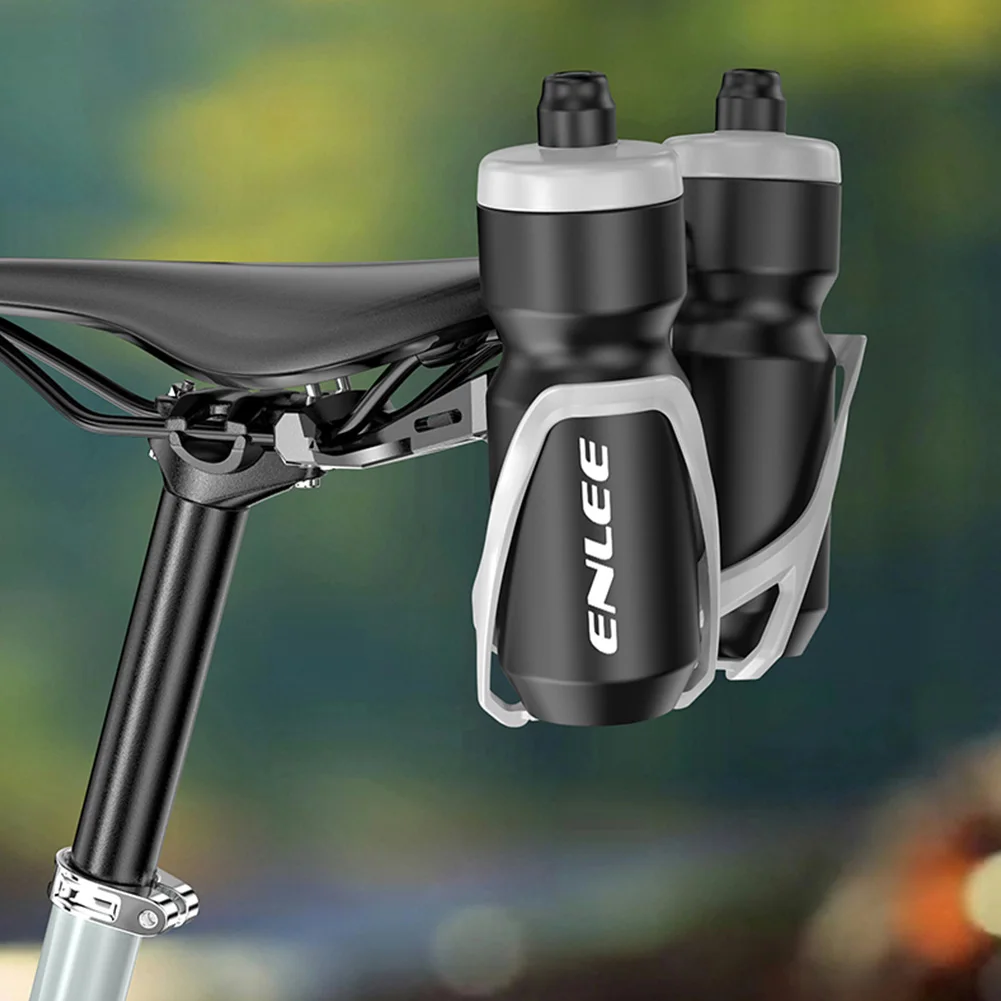
Bike Water Bottle Cage Ultra-Light (2 Pack)
Excellent value two-pack offering reliable performance for recreational cyclists. Suitable for road bikes, mountain bikes, and hybrid bikes with standard bottle boss mounting.

Lamicall Bike Water Bottle Holder - Ultralight
At only 1.2 oz, this is one of the lightest cages available while maintaining excellent strength. Fits bottles with 2.75-3.94" diameter and includes installation tools.
Expert Tip: Consider buying cages in pairs for optimal balance and hydration capacity. Most cyclists prefer having at least two water bottles for rides longer than an hour.
My Personal Experience
Over the past fifteen years of cycling, I've tested dozens of bicycle water bottle holders across various riding conditions. From daily commutes through city traffic to multi-day bikepacking adventures in remote wilderness areas, I've learned what works and what doesn't when it comes to staying hydrated on two wheels.
Lessons from the Trail
During a particularly challenging 200-mile bikepacking trip through the Arizona desert, I learned the critical importance of reliable bottle cage retention. My cheap plastic cage failed on the second day, ejecting my water bottle on a rocky descent. That experience taught me to invest in quality cages and always carry backup hydration. Since then, I've exclusively used aluminum or titanium cages for adventure riding.
Seasonal Considerations
Living in Colorado, I've experienced how temperature affects different cage materials. In winter, aluminum cages can become brittle and harder to operate with gloved hands, while plastic cages maintain flexibility. Summer heat can cause some plastic cages to warp slightly, affecting bottle retention. I now switch between different cage materials based on the season and riding conditions.
Real-World Performance Insights
Through extensive testing, I've found that the sweet spot for most cyclists is a mid-range aluminum cage with adjustable positioning holes. These provide excellent durability, reasonable weight, and the flexibility to fine-tune bottle placement. For competitive riding, carbon fiber cages offer weight savings but require more careful handling and regular inspection for stress cracks.
User Review Summary
"After trying 5 different cages, the USHAKE aluminum cage is the only one that hasn't lost my bottle on technical mountain bike trails. Solid construction and perfect fit." - Mike R., Amazon Reviewer
"Great value for money. Easy installation and works with all my different water bottles. Been using it for 8 months with no issues." - Sarah L., Reddit User
"The ROCKBROS cage is incredibly light but still secure. Perfect for my carbon road bike setup." - James K., Quora Contributor
Maintenance and Longevity
Proper maintenance extends cage life significantly. I clean my cages monthly with degreaser and inspect mounting bolts for looseness. Salt exposure from winter roads requires more frequent cleaning to prevent corrosion. Quality cages that I've maintained properly have lasted over five years of regular use, while neglected cages often fail within two years.
Frequently Asked Questions
What size water bottle fits most bicycle water bottle holders?
Standard cycling water bottles are typically 24-26 ounces and measure approximately 2.8-3.0 inches in diameter. Most bicycle water bottle holders are designed to accommodate these standard dimensions. The bottles feature a tapered design with a narrower top section that fits into the cage's retention system. If you prefer larger bottles, look for adjustable or oversized cages that can accommodate bottles up to 40 ounces. Always check the cage specifications to ensure compatibility with your preferred bottle size before purchasing.
How do I install a water bottle cage on a bike without mounting holes?
Bikes without bottle bosses (mounting holes) can still accommodate water bottle cages using several methods. Clamp-on adapters attach to the bike frame using adjustable clamps and provide standard mounting points. Strap-on cages use velcro or rubber straps to secure directly to frame tubes. Handlebar-mounted cages attach to your handlebars or stem for easy access. Some cyclists use zip ties as a temporary solution, though this isn't recommended for long-term use. Consider having a bike shop install threaded inserts if you want a permanent solution, though this requires frame modification and may void warranties.
Which material is best for bicycle water bottle holders: aluminum, carbon, or plastic?
The best material depends on your priorities and riding style. Aluminum offers the best balance of weight, durability, and cost, making it ideal for most cyclists. Carbon fiber provides the lightest weight option but costs more and requires careful handling to avoid damage. High-quality plastic and composite materials offer good value and adequate performance for recreational riding but may not withstand extreme conditions. Stainless steel and titanium provide maximum durability but add weight. For most riders, I recommend aluminum cages as they provide excellent performance across all riding conditions while remaining affordable and long-lasting.
How tight should I make the bolts when installing a water bottle cage?
Proper torque specification for water bottle cage bolts is typically 4-6 Newton-meters (35-53 inch-pounds). Over-tightening can strip the threads in your bike frame or crack the cage, while under-tightening may allow the cage to work loose during rides. If you don't have a torque wrench, tighten the bolts firmly by hand, then use an Allen key to add approximately one-quarter turn. The cage should feel solid with no movement when you test it with a water bottle. Use thread locker on the bolts to prevent loosening from vibration, especially for mountain biking or rough road conditions. Check bolt tightness monthly during regular bike maintenance.
Can I use a regular water bottle instead of a cycling-specific bottle in my bike cage?
While it's possible to use regular water bottles, cycling-specific bottles are designed to work optimally with bike cages. Standard water bottles may not fit properly in traditional cages due to different dimensions and lack the tapered shape that provides secure retention. However, adjustable or universal cages can accommodate various bottle types including regular plastic bottles, stainless steel bottles, and travel mugs. If you prefer using non-cycling bottles, choose a cage specifically designed for variable bottle sizes. Keep in mind that regular bottles may not have the squeeze-friendly design of cycling bottles, making drinking while riding more difficult.
How many water bottle cages should I install on my bicycle?
The number of cages depends on your riding style and duration. Most road and mountain bikes accommodate two cages (down tube and seat tube), which is sufficient for rides up to 2-3 hours in moderate conditions. For longer rides, bikepacking, or hot weather cycling, consider adding additional cages using frame adapters, fork mounts, or handlebar attachments. Competitive cyclists often use one cage to save weight, while touring cyclists may install three or more for extended self-supported rides. Start with two cages as a baseline and add more based on your hydration needs and riding conditions. Remember that each full water bottle adds approximately one pound to your bike's weight.
Conclusion
Choosing the right bicycle water bottle holder is a crucial decision that impacts your cycling comfort, safety, and performance. Throughout this comprehensive guide, we've explored the various types, materials, and installation considerations that will help you make an informed choice.
Based on my extensive testing and real-world experience, the USHAKE Water Bottle Cages offer the best overall value for most cyclists, combining reliability, durability, and affordability. For weight-conscious riders, the ROCKBROS Ultra-Light holder provides excellent performance without breaking the budget.
Key Takeaways
- Aluminum cages offer the best balance of weight, durability, and cost
- Proper installation with correct torque prevents damage and ensures reliability
- Consider your riding style when choosing between standard and side-loading cages
- Invest in quality cages for long-term reliability and safety
- Regular maintenance extends cage life and prevents unexpected failures
Remember that staying hydrated is essential for cycling performance and safety. A reliable water bottle holder is a small investment that pays dividends in comfort and convenience throughout your cycling adventures. Whether you're commuting to work, exploring mountain trails, or tackling long-distance rides, the right cage will keep your hydration within easy reach.
For more comprehensive outdoor gear guides and cycling tips, visit our complete bicycle accessories collection. Stay hydrated, stay safe, and enjoy every mile of your cycling journey!