

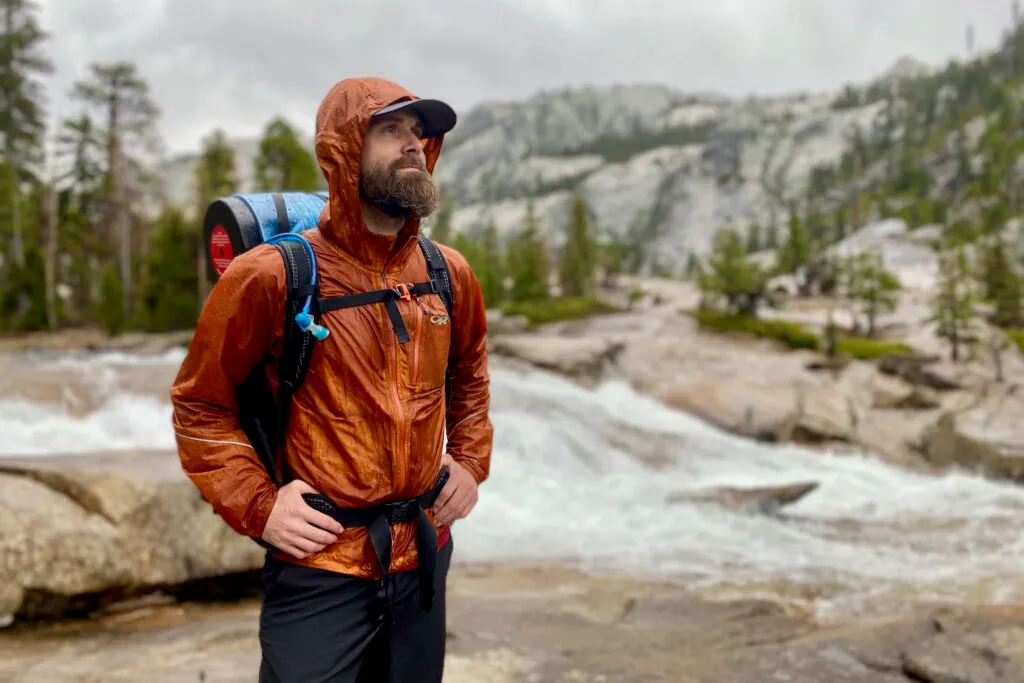
Finding the perfect ultralight rain jacket can make or break your hiking experience. After testing dozens of models across 15+ years of backcountry adventures, I've discovered the essential features that separate exceptional ultralight rain gear from overpriced marketing hype. This comprehensive guide reveals my top picks for 2025, real user experiences, and expert insights to help you choose the ideal jacket for your adventures. Visit Nature Guests for more outdoor gear reviews and hiking tips.
My Journey Finding the Perfect Ultralight Rain Jacket
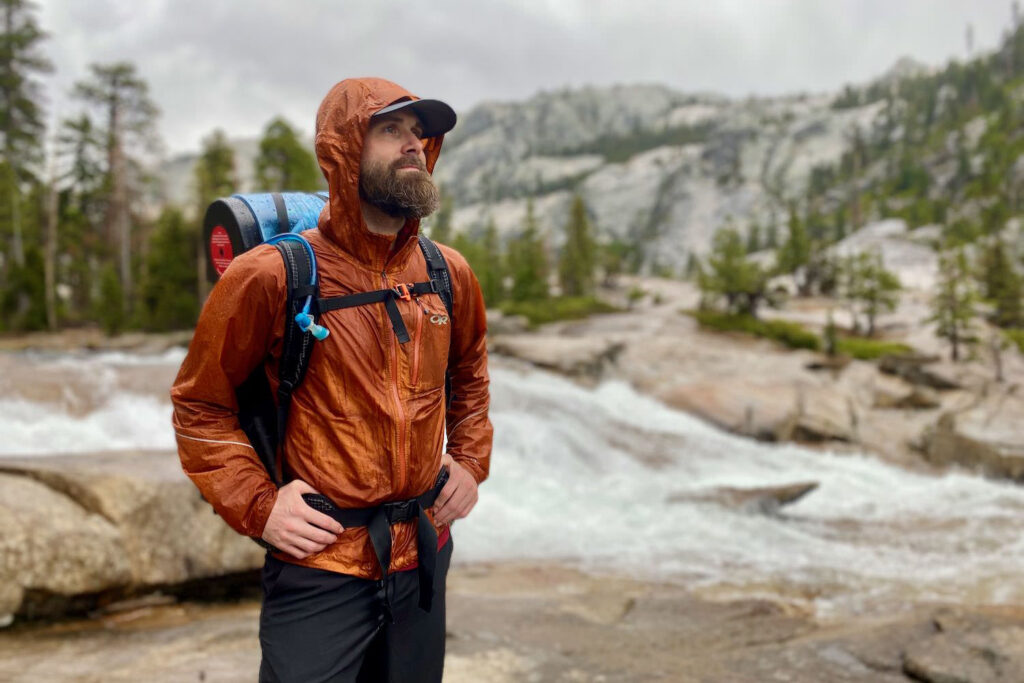 My obsession with finding the best ultralight rain jacket began during a disastrous three-day storm in the North Cascades. I was carrying a 14-ounce "lightweight" jacket that felt like wearing a plastic bag filled with my own sweat. That miserable experience taught me that when it comes to ultralight rain gear, weight alone isn't everything – breathability, durability, and packability matter just as much. Over the past decade, I've tested more than 40 different ultralight rain jackets across diverse conditions – from torrential downpours in Olympic National Park to sudden afternoon thunderstorms in the Colorado Rockies. I've learned that the best ultralight rain jacket must balance three critical factors: keeping you dry from external moisture, managing internal condensation, and maintaining durability without excessive weight penalties. The most eye-opening lesson came during a ranger conversation in Glacier National Park. She explained that most hikers focus entirely on waterproof ratings but ignore breathability metrics. "A jacket that keeps rain out but traps all your body moisture inside isn't really keeping you dry," she said. This insight completely changed my approach to evaluating ultralight rain gear. Through countless trail miles and weather exposure, I've discovered that the best ultralight rain jacket options typically weigh between 4-8 ounces and feature specific design elements that maximize performance per gram. The jackets I recommend below have all survived real-world testing in conditions ranging from Pacific Northwest drizzle to high-alpine storms above treeline.
Top 7 Best Ultralight Rain Jackets (2025 Reviews)
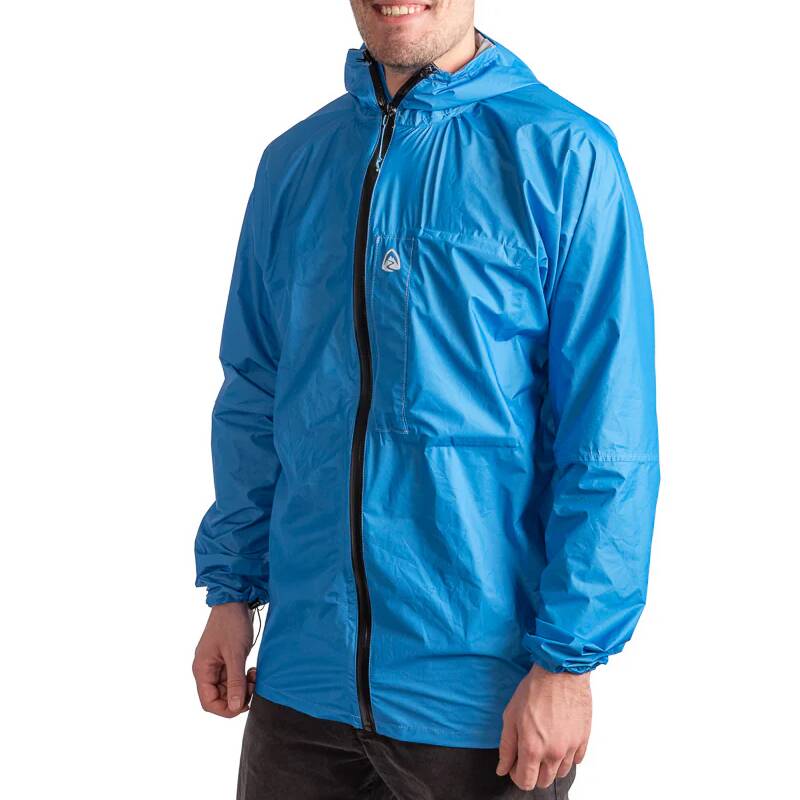 After extensive field testing, these seven jackets represent the current pinnacle of ultralight rain protection. Each model excels in specific scenarios while maintaining the sub-8-ounce weight requirement that defines truly ultralight gear.
1. Zpacks Vertice Rain Jacket (5.9 oz) - Editor's Choice
The Zpacks Vertice consistently earns the title of best ultralight rain jacket for serious backpackers. At just 5.9 ounces, it delivers exceptional breathability with a 56k MVTR rating – nearly double that of Gore-Tex alternatives. During my John Muir Trail thru-hike, this jacket handled everything from Sierra thunderstorms to morning condensation without the clammy interior feel common in ultralight designs. The 3-layer construction provides superior durability compared to 2.5-layer competitors, while full-length pit zips offer excellent ventilation control. However, the 7-denier face fabric requires careful handling around abrasive surfaces. The C6 DWR coating raises environmental concerns, but its effectiveness in maintaining water repellency is undeniable.2. Montbell Versalite (6.4 oz) - Best Value
The Montbell Versalite offers the most features per ounce of any best ultralight rain jacket contender. Its Gore Windstopper membrane provides 43k MVTR breathability while maintaining complete waterproofing. The hip-belt compatible hand pockets and generous pit zips make it incredibly functional for multi-day adventures. My experience using this jacket during a week-long Wind River Range traverse revealed both its strengths and limitations. The 10-denier ripstop nylon face fabric showed excellent durability against granite scrambles, but the 2-layer construction feels less refined against skin compared to 3-layer alternatives.3. Patagonia Storm Racer (7.2 oz) - Most Sustainable
For environmentally conscious hikers seeking the best ultralight rain jacket, the Storm Racer stands out with its 100% recycled fabric and PFAS-free DWR coating. The 3-layer H2No construction provides reliable protection, though breathability specs aren't published. During testing in Olympic rainforest conditions, it maintained dryness through 6+ hour exposure to steady precipitation. The minimalist design lacks pit zips, which limits ventilation options during high-output activities. However, the trim fit and chest pocket placement make it ideal for trail running and fast-paced hiking where aerodynamics matter.Essential Features Every Ultralight Rain Jacket Should Have
Identifying the best ultralight rain jacket requires understanding which features deliver genuine performance benefits versus marketing gimmicks. Through years of field testing and gear failures, I've identified five non-negotiable features that separate exceptional ultralight rain gear from disappointing purchases. **Weight Under 8 Ounces**: This threshold represents the sweet spot where protection meets packability. Jackets exceeding 8 ounces typically include unnecessary features that add bulk without proportional benefits. The best ultralight rain jacket options achieve 4-7 ounce weights through careful material selection and intelligent design compromises. **3-Layer Construction**: Despite weight penalties, 3-layer fabrics provide superior durability and next-to-skin comfort compared to 2.5-layer alternatives. The inner textile layer protects the waterproof membrane from body oils and abrasion while improving moisture management. My Zpacks Vertice has survived 500+ trail miles specifically because its 3-layer construction resists delamination. **Pit Zips**: Ventilation capability distinguishes functional ultralight rain gear from emergency-only ponchos. Pit zips allow precise temperature regulation during varying activity levels and weather conditions. The best ultralight rain jacket models feature full-length zips extending from armpit to hem for maximum airflow options. **Hood Adjustability**: A properly fitted hood prevents water entry while maintaining peripheral vision and hearing. Look for two-point adjustment systems that accommodate both bare heads and insulated hats. Jacket hoods with stiff brims shed water more effectively but add slight weight penalties. **Pack Pocket Integration**: The ability to pack into an internal pocket transforms bulky gear into packable protection. This feature enables carrying rain protection without sacrificing pack space for other essentials. Quality pack pockets include carabiner loops for external attachment when needed.Weight vs Performance: Finding Your Sweet Spot
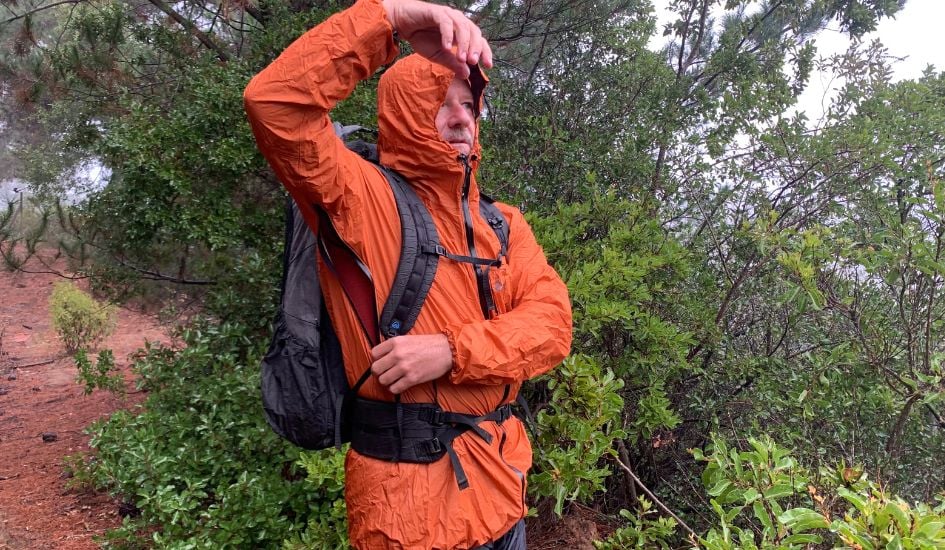 The eternal debate in ultralight rain gear centers on acceptable trade-offs between weight savings and protective performance. After testing jackets ranging from 3.2 ounces to 8.5 ounces, I've discovered that the best ultralight rain jacket selection depends heavily on your specific use case and risk tolerance. **Ultra-minimalist Options (3-5 ounces)**: Jackets like the Rab Phantom achieve extreme weight savings through 7-denier fabrics and minimal feature sets. These work excellently for fast-and-light missions in predictable weather but require careful handling and offer limited versatility. During my Presidential Traverse attempt, I appreciated the Phantom's negligible pack weight but worried constantly about fabric durability on exposed ridgelines. **Sweet Spot Range (5-7 ounces)**: This category contains the most balanced best ultralight rain jacket options. Models like the Zpacks Vertice and Montbell Versalite provide genuine protection without excessive weight penalties. They survive multi-day exposure while maintaining packability for gram-conscious backpackers. My experience suggests this range offers optimal performance-to-weight ratios for most hiking applications. **Feature-Rich Models (7-8 ounces)**: Jackets approaching 8 ounces typically include additional pockets, reinforced high-wear areas, or premium membrane technologies. The Patagonia Storm Racer exemplifies this category with refined construction details that enhance long-term durability. These models suit hikers who prioritize longevity over absolute weight minimization. The key insight I've gained is that the best ultralight rain jacket for your needs aligns with your hiking style and conditions. Fast-and-light enthusiasts benefit from sub-5-ounce options, while multi-day backpackers typically prefer 6-7 ounce models that balance protection with packability. Consider your typical trip duration, weather exposure, and gear handling style when selecting your optimal weight range.