

Animals in Biscayne National Park: Your Complete Wildlife Adventure Guide
Welcome to the ultimate guide for discovering the incredible wildlife sanctuary that is Biscayne National Park! As someone who has spent countless hours exploring this aquatic wonderland, I can tell you that this unique ecosystem offers some of the most spectacular animal encounters in America. From vibrant coral reefs teeming with tropical fish to gentle manatees gliding through crystal-clear waters, this park represents nature's masterpiece where land meets sea.
Overview of Wildlife Diversity in Biscayne National Park
When I first visited Biscayne National Park, I was absolutely amazed by the sheer diversity of animals in Biscayne National Park. This unique marine sanctuary spans over 172,000 acres, with an incredible 95% of the park underwater. What makes this place so special is how it seamlessly blends four distinct ecosystems: mangrove forests, Biscayne Bay waters, coral limestone keys, and offshore coral reefs.
During my countless explorations with local park rangers, I've learned that the park hosts over 600 species of native fish alone! The biodiversity here rivals some of the world's most famous marine destinations. From the tiniest colorful reef fish to massive sea turtles and gentle manatees, every visit reveals new wildlife encounters.

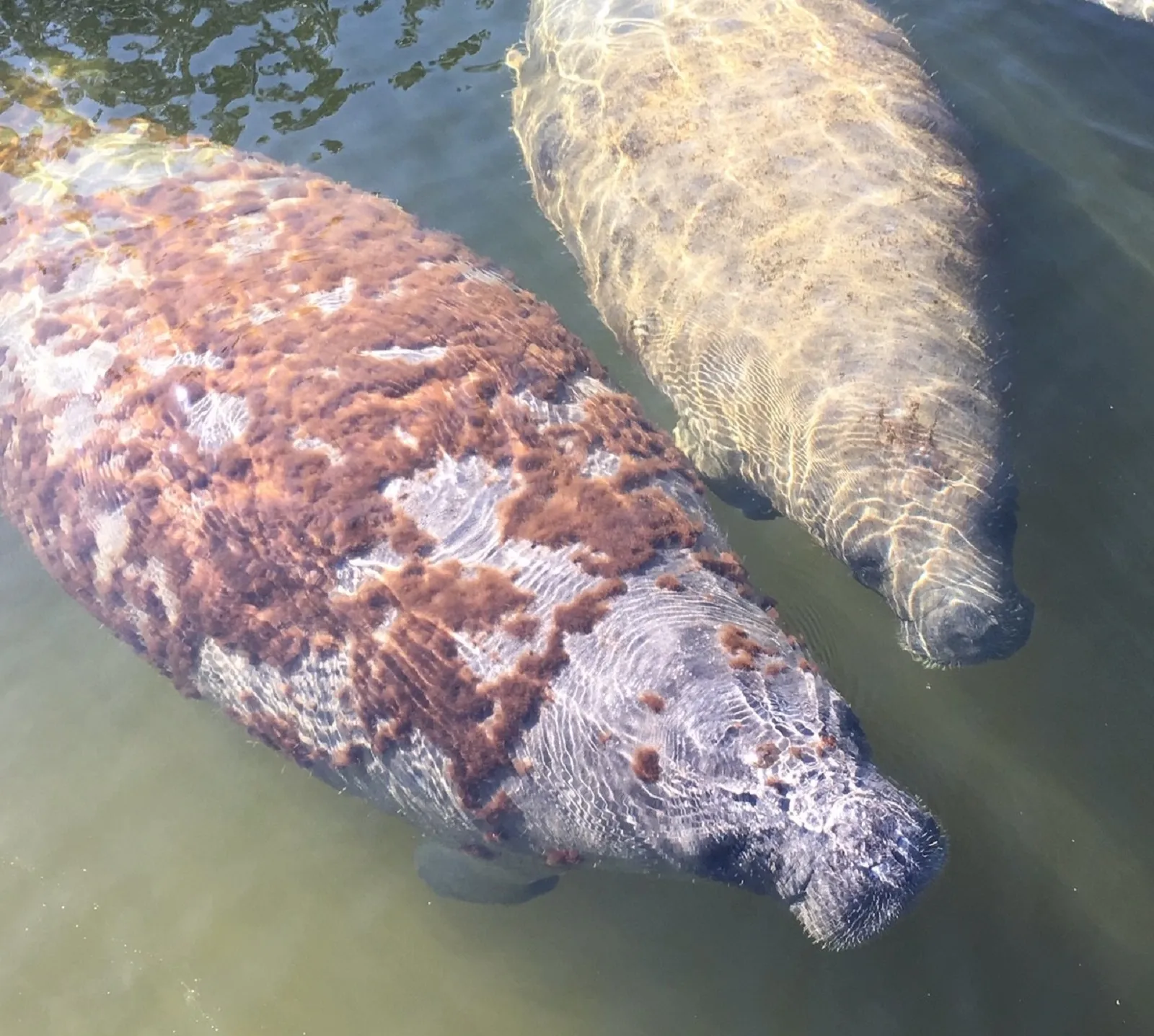
Manatees are frequent visitors to park waters - NPS Photo
Essential Wildlife Viewing Gear for Your Adventure
From my experience exploring these waters, having the right equipment makes all the difference in spotting wildlife. Here are my top recommendations:
The park's strategic location at the meeting point of temperate and tropical zones creates perfect conditions for both resident species and seasonal migrants. What fascinates me most is how animals in Biscayne National Park have adapted to thrive in this dynamic environment where fresh and salt water meet, creating unique habitats that support an extraordinary range of wildlife.
Marine Life & Coral Reef Ecosystems
National Geographic's stunning documentary showcasing Biscayne's underwater world
Coral Reefs: The Underwater Rainforests
The coral reefs of Biscayne National Park are absolutely breathtaking. As part of the third-largest barrier reef system in the world, these underwater gardens support an incredible diversity of marine life. During my snorkeling adventures, I've witnessed elkhorn and staghorn corals creating underwater castles where countless fish species make their homes.
The reef ecosystem here hosts over 65 species of stony corals, 1,400 species of marine plants, and more than 600 fish species. What makes these animals in Biscayne National Park so special is their role in maintaining the delicate balance of this marine environment. Brain coral, star coral, and the endangered pillar coral create the foundation for this underwater metropolis.
Marine Mammals: Gentle Giants of the Bay
One of my most memorable encounters was swimming alongside West Indian manatees in the park's warm waters. These gentle sea cows, weighing up to 1,200 pounds, are frequent visitors, especially during cooler months when they seek the warmer waters of Biscayne Bay. Watching these magnificent creatures glide effortlessly through the water is truly humbling.
Bottlenose dolphins are another highlight of the park's marine life. I've observed them hunting cooperatively, playing in boat wakes, and displaying incredible intelligence. The park also hosts several whale species during migration seasons, including humpback whales and the critically endangered North Atlantic right whale.
Tropical Fish Species
The diversity of fish species in Biscayne is simply staggering. Snorkeling here feels like swimming through a living kaleidoscope. Parrotfish in brilliant blues and greens graze on algae-covered rocks, while angelfish glide past in elegant formations. Sergeant majors, with their distinctive black stripes, dart between coral branches, and the occasional grouper lurks in shadowy crevices.
During my dives, I've encountered everything from tiny neon gobies to massive tarpon that can exceed 100 pounds. The park's waters also host snappers, grunts, wrasses, and the spectacular stoplight parrotfish. Each species plays a crucial role in maintaining the health of the coral reef ecosystem, making animals in Biscayne National Park integral to the survival of this underwater paradise.
Bird Species & Migratory Pathways
Wading Birds and Water Fowl
Biscayne National Park serves as a critical stopover for numerous bird species along the Atlantic Flyway. During my early morning birding expeditions, I've observed great blue herons standing motionless in shallow waters, waiting for the perfect moment to strike. These magnificent birds, standing up to four feet tall, are among the most impressive animals in Biscayne National Park.
The park hosts several species of egrets, including the snowy egret with its striking black bill and legs, and the great egret, distinguished by its yellow bill. Tricolored herons, with their distinctive neck markings, are common sights along mangrove shorelines. For birdwatchers seeking comfortable gear for long observation sessions, proper footwear is essential for navigating the park's varied terrain.

Seabirds and Coastal Species
The coastal waters around Biscayne attract numerous seabird species. Brown pelicans, once endangered but now recovered, are a common sight as they perform their spectacular diving displays. I've spent hours watching these ancient-looking birds fold their wings and plunge into the water with remarkable precision. Their comeback from near extinction is one of conservation's greatest success stories.
Magnificent frigatebirds soar overhead with their impressive seven-foot wingspans, while laughing gulls and royal terns nest on the park's sandy beaches. During winter months, the park becomes a haven for migratory species, including various warbler species that use the keys as stepping stones during their long journeys. The diversity of animals in Biscayne National Park reflects the critical importance of this area as a migratory corridor.
Raptors and Birds of Prey
Ospreys are among the most impressive raptors in the park, and I've had the privilege of watching them construct their massive nests atop channel markers and dead trees. These fish eagles are perfectly adapted to their aquatic environment, with reversible outer toes and specialized scales on their feet for gripping slippery fish. Peregrine falcons occasionally hunt over the waters, reaching incredible speeds as they pursue their prey.
The park also hosts several hawk species, including red-shouldered hawks and the occasional red-tailed hawk. During my visits with park naturalists, I've learned that these raptors play crucial ecological roles by controlling populations of small mammals and birds, maintaining the delicate balance of the park's ecosystems.
Terrestrial Wildlife & Island Inhabitants
Mammals of the Keys
While Biscayne National Park is primarily known for its marine life, the terrestrial animals in Biscayne National Park are equally fascinating. The most iconic land mammal is the endangered Florida Keys deer, a subspecies of white-tailed deer that has adapted to island life. These diminutive deer, standing only about 24-28 inches tall, are found primarily on Big Pine Key and surrounding areas within the park.
Raccoons are common residents of the mangrove islands, and I've observed them foraging along shorelines during low tide, searching for crabs and other marine delicacies. These intelligent mammals have adapted remarkably well to the coastal environment, often swimming between islands. Virginia opossums, North America's only native marsupial, also inhabit the keys, though they're more elusive and primarily nocturnal.
During my camping expeditions on Elliott Key, I've encountered marsh rabbits hopping through the understory vegetation. These semi-aquatic rabbits are excellent swimmers and have brownish fur that helps them blend into their marshy habitat. The presence of these mammals indicates the health of the terrestrial ecosystems within the park.

Vibrant coral reefs support diverse marine ecosystems
Reptiles and Amphibians
The reptilian inhabitants of Biscayne National Park are particularly impressive. American crocodiles, a threatened species, call these waters home. Unlike their more aggressive alligator cousins, American crocodiles are generally shy and prefer saltwater environments. I've been fortunate to observe these prehistoric creatures basking on mudflats or gliding silently through mangrove channels.
Several species of sea turtles nest on the park's beaches, including loggerhead, green, and hawksbill turtles. Witnessing a sea turtle nesting event is one of the most moving experiences I've had in the park. These ancient mariners have been visiting these shores for thousands of years, and their continued presence is a testament to the park's conservation efforts.
Various snake species inhabit the keys, including the beautiful but venomous coral snake and several species of harmless water snakes. Green anoles and brown anoles are common lizards that I frequently spot basking on rocks or scurrying through vegetation. The diversity of reptilian animals in Biscayne National Park reflects the subtropical nature of this unique ecosystem.
Endangered & Threatened Species Conservation
Critical Species Under Protection
Biscayne National Park serves as a crucial refuge for numerous endangered and threatened species. The park's protection efforts are vital for the survival of these remarkable creatures.
Marine Endangered Species
The West Indian manatee population represents one of the park's greatest conservation success stories. These gentle giants were once on the brink of extinction, but dedicated protection efforts have helped their numbers slowly recover. During my visits, park biologists have shared how boat strike injuries remain the primary threat to manatees, emphasizing the importance of following speed zones and maintaining respectful distances.
Smalltooth sawfish, critically endangered rays with distinctive saw-like rostrums, occasionally inhabit the park's shallow waters. These prehistoric creatures can grow up to 25 feet long and represent one of the most endangered marine species in U.S. waters. The park's shallow, productive waters provide essential nursery habitat for juvenile sawfish.
Five species of sea turtles utilize the park's waters and beaches, with several listed as endangered or threatened. Green sea turtles, hawksbill turtles, and loggerhead turtles are the most commonly observed species. The park's nesting beaches provide critical habitat for these ancient mariners, and animals in Biscayne National Park conservation programs monitor nesting activities closely.
Coral Conservation Efforts
The park's coral reefs face unprecedented challenges from climate change, ocean acidification, and human impacts. Elkhorn and staghorn corals, both listed as threatened under the Endangered Species Act, are the focus of intensive restoration efforts. I've participated in coral monitoring programs where scientists track the health of individual coral colonies and document recovery efforts.
Coral nurseries within the park grow fragments of resilient coral varieties that are later transplanted to degraded reef areas. These restoration efforts represent hope for the future of these underwater ecosystems. The success of these programs depends on continued protection and the mitigation of climate change impacts.
Terrestrial Species at Risk
The Schaus' swallowtail butterfly, found only in the tropical hardwood hammocks of the Florida Keys, represents one of the rarest butterflies in North America. This beautiful species depends on specific host plants and faces threats from habitat loss and invasive species. Conservation efforts focus on habitat restoration and protection of remaining wild populations.
Several bird species within the park hold special conservation status, including the white-crowned pigeon, which depends on the park's tropical hardwood hammocks for nesting habitat. The continued protection of these forest islands is crucial for maintaining viable populations of these sensitive species among the diverse animals in Biscayne National Park.
Wildlife Viewing Tips & Best Practices
Optimal Timing for Wildlife Encounters
After years of exploring Biscayne National Park, I've discovered that timing is everything when it comes to observing animals in Biscayne National Park. Early morning hours, typically between 6:00 and 9:00 AM, offer the best opportunities for wildlife viewing. During these golden hours, the water is calm, lighting is perfect for photography, and many animals are most active.
Seasonal patterns significantly influence wildlife activity. Winter months (December through March) bring cooler temperatures that attract manatees to the park's warmer waters. This is also when many migratory bird species arrive, making it an ideal time for birdwatching. Summer months offer excellent opportunities for sea turtle nesting observations, particularly on moonlit nights.
Tidal movements play a crucial role in wildlife behavior. Low tides expose mudflats and shallow areas where wading birds concentrate their feeding activities. High tides bring fish closer to shore, attracting larger predators and marine mammals. I always check tide charts before planning my wildlife viewing expeditions.
Essential Viewing Equipment
Responsible Wildlife Observation
Maintaining appropriate distances from wildlife is crucial for both animal welfare and visitor safety. The park requires boaters to stay at least 50 feet away from manatees and 150 feet from dolphins. When observing nesting sea turtles, visitors must remain behind designated barriers and avoid using flashlights or flash photography, which can disorient both adults and hatchlings.
I always follow the "Leave No Trace" principles when exploring the park. This includes not feeding wildlife, properly disposing of trash, and avoiding disturbing nesting areas. Feeding wildlife can alter natural behavior patterns and create dangerous situations for both animals and humans. The health of animals in Biscayne National Park depends on visitors respecting these guidelines.
Photography and Documentation
Capturing wildlife photographs requires patience, preparation, and respect for the animals. I recommend using telephoto lenses to maintain safe distances while still obtaining detailed shots. Underwater photography opens up incredible opportunities to document the park's marine life, but requires specialized equipment and skills.
Contributing to citizen science projects like iNaturalist helps park biologists monitor wildlife populations and distribution patterns. During my visits, I always document my sightings with GPS coordinates and detailed observations. This data contributes to ongoing research and conservation efforts that benefit all animals in Biscayne National Park.
For those planning extended wildlife viewing adventures, I recommend joining guided tours led by experienced naturalists who can provide expert insights and ensure safe, responsible wildlife encounters while maximizing your chances of observing the park's incredible biodiversity.
Conservation & Your Role in Protecting Wildlife
As I reflect on my countless adventures exploring Biscayne National Park, I'm continually amazed by the resilience and beauty of the animals in Biscayne National Park. This remarkable ecosystem represents one of America's most important marine sanctuaries, where tropical and temperate species converge to create an underwater paradise unlike anywhere else in the continental United States.
The future of this incredible wildlife depends on our collective commitment to conservation. Climate change, pollution, and human development continue to pose challenges to the park's delicate ecosystems. However, the dedication of park staff, researchers, and conservation organizations provides hope for the continued protection of these irreplaceable habitats.
Every visitor to Biscayne National Park becomes a steward of this precious resource. By following park regulations, supporting conservation efforts, and sharing the wonder of this place with others, we ensure that future generations will have the opportunity to experience the same awe-inspiring wildlife encounters that have enriched my life over the years.
The park's success stories, from the recovery of brown pelican populations to the ongoing coral restoration projects, demonstrate that conservation efforts can make a real difference. The continued protection of endangered species like manatees, sea turtles, and coral reefs requires ongoing vigilance and support from visitors, researchers, and policymakers alike.
Whether you're snorkeling over vibrant coral reefs, kayaking through mangrove tunnels, or simply watching dolphins play in the distance, every moment spent in Biscayne National Park connects you to one of the world's most extraordinary marine ecosystems. The animals in Biscayne National Park are not just wildlife – they're ambassadors for the importance of marine conservation and living proof that protection efforts can preserve natural wonders for generations to come.
Start Your Wildlife Adventure Today!
Experience the incredible diversity of animals in Biscayne National Park and become part of the conservation story.
Plan Your Visit More Nature Guides