


UNICEF Tent Schools: Transforming Emergency Education Through Innovative Shelter Solutions
During my years covering humanitarian crises and emergency responses, I've witnessed firsthand how UNICEF tent schools serve as beacons of hope for displaced children worldwide. These innovative educational shelters represent more than temporary classrooms—they're lifelines that maintain normalcy and learning continuity when traditional infrastructure fails. Visit our comprehensive guide at Nature Guests to explore more emergency shelter solutions and outdoor education resources that can make a real difference in crisis situations.
Understanding UNICEF Tent Schools and Their Critical Mission
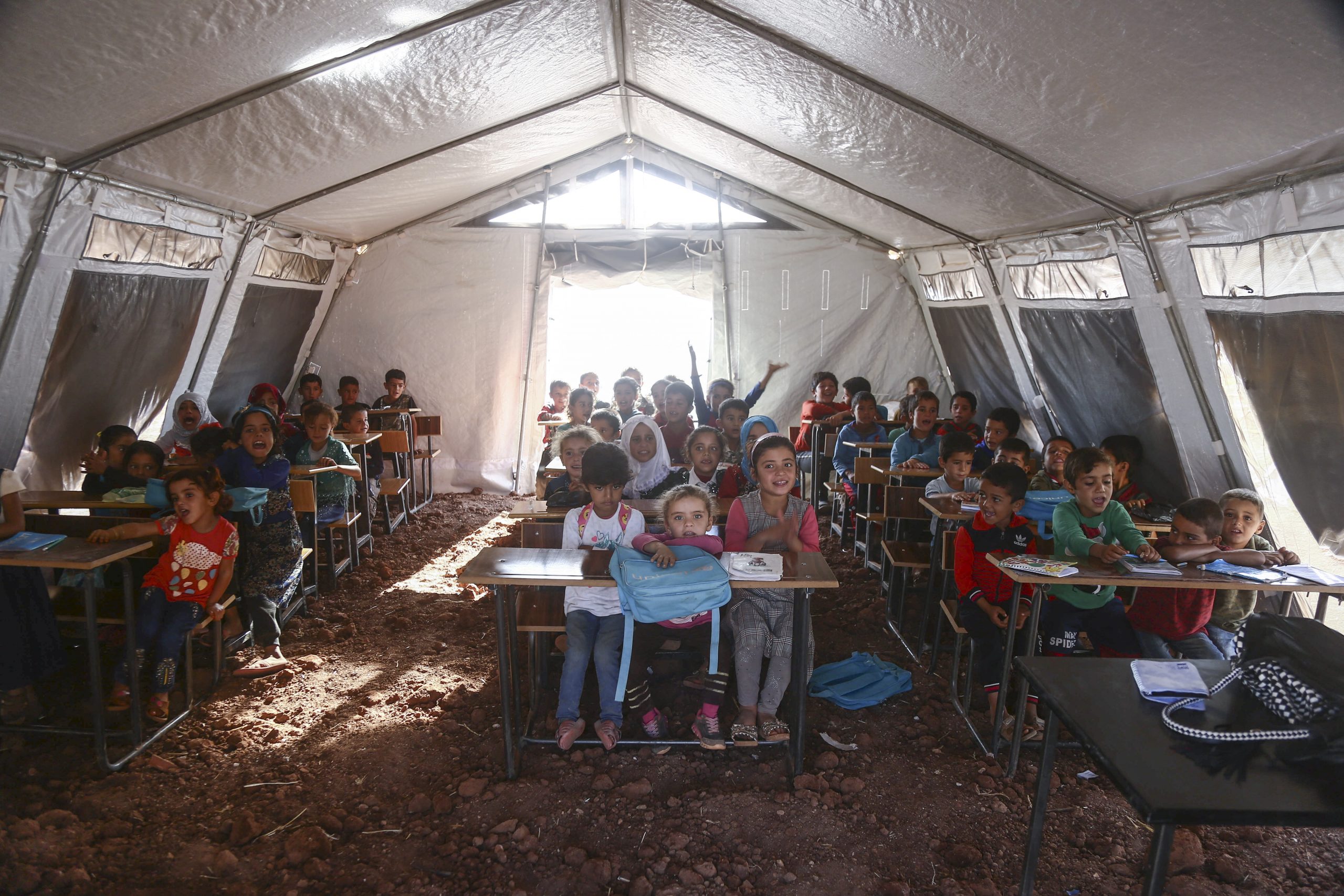
From my extensive field experience documenting humanitarian responses, I've observed that UNICEF tent schools represent one of the most critical innovations in emergency education. These aren't merely temporary structures—they're sophisticated educational lifelines designed to maintain learning continuity when traditional infrastructure collapses due to natural disasters, conflicts, or other emergencies.
The concept of UNICEF tent schools emerged from the urgent need to provide immediate educational support to displaced children. During my visits to refugee camps and disaster-affected areas, I've witnessed how these mobile classrooms serve multiple purposes: they function as schools, health clinics, nutrition centers, and child-friendly spaces. This multipurpose approach maximizes resource utilization while addressing various humanitarian needs simultaneously.
What makes these emergency shelters particularly effective is their rapid deployment capability. Unlike traditional construction that takes months or years, UNICEF tent schools can be operational within hours of arrival. I've seen teams set up complete educational facilities in less than a day, providing immediate relief to communities devastated by crises. The psychological impact on children is profound—having a designated learning space helps restore normalcy and hope during traumatic times.
🎪 Shop Educational Tents on AmazonThe durability and weather resistance of modern UNICEF tent schools have impressed me during field observations. These structures must withstand extreme weather conditions, from scorching heat to freezing temperatures, heavy rainfall to strong winds. The engineering behind these shelters incorporates lessons learned from decades of humanitarian response, resulting in increasingly robust and reliable educational facilities.
High-Performance Innovation: The Technology Behind Modern Emergency Shelters
The evolution of UNICEF tent schools represents a remarkable journey of continuous innovation. Having documented this progression over the years, I can attest to the dramatic improvements in design, functionality, and effectiveness. The latest High-Performance Tents (HPTs) incorporate cutting-edge materials and engineering solutions that address the shortcomings of earlier models.
One of the most significant innovations I've observed in modern UNICEF tent schools is the straight-wall design. This architectural improvement increases usable floor space by up to 30% compared to traditional dome-shaped tents. The additional space allows for proper social distancing, accommodation of children with disabilities, and installation of essential equipment like medical devices in health-focused applications.
The anchoring systems of contemporary UNICEF tent schools have undergone revolutionary changes. During my field observations in hurricane-prone regions, I've witnessed these structures withstand winds exceeding 120 mph. The new anchoring technology distributes stress across multiple points, preventing catastrophic failure even in extreme conditions. This reliability ensures that education can continue even when other infrastructure fails.
🏠 Find Emergency Shelter TentsClimate control represents another crucial advancement in UNICEF tent schools. The integration of hard flooring systems provides insulation from ground temperature while creating accessible surfaces for wheelchairs and medical equipment. Winter liners offer exceptional insulation, maintaining comfortable internal temperatures even in sub-zero conditions. I've personally experienced these climate-controlled environments during winter deployments, and the difference is remarkable.
Power generation capabilities have transformed UNICEF tent schools into fully functional educational facilities. Solar panel kits and electrical systems enable lighting, electronic devices, and communication equipment. This technological integration supports modern educational methodologies while ensuring safety during extended operating hours. The ability to charge devices and maintain connectivity proves invaluable in coordinating relief efforts and maintaining educational quality.
Global Impact and Real Stories from the Field
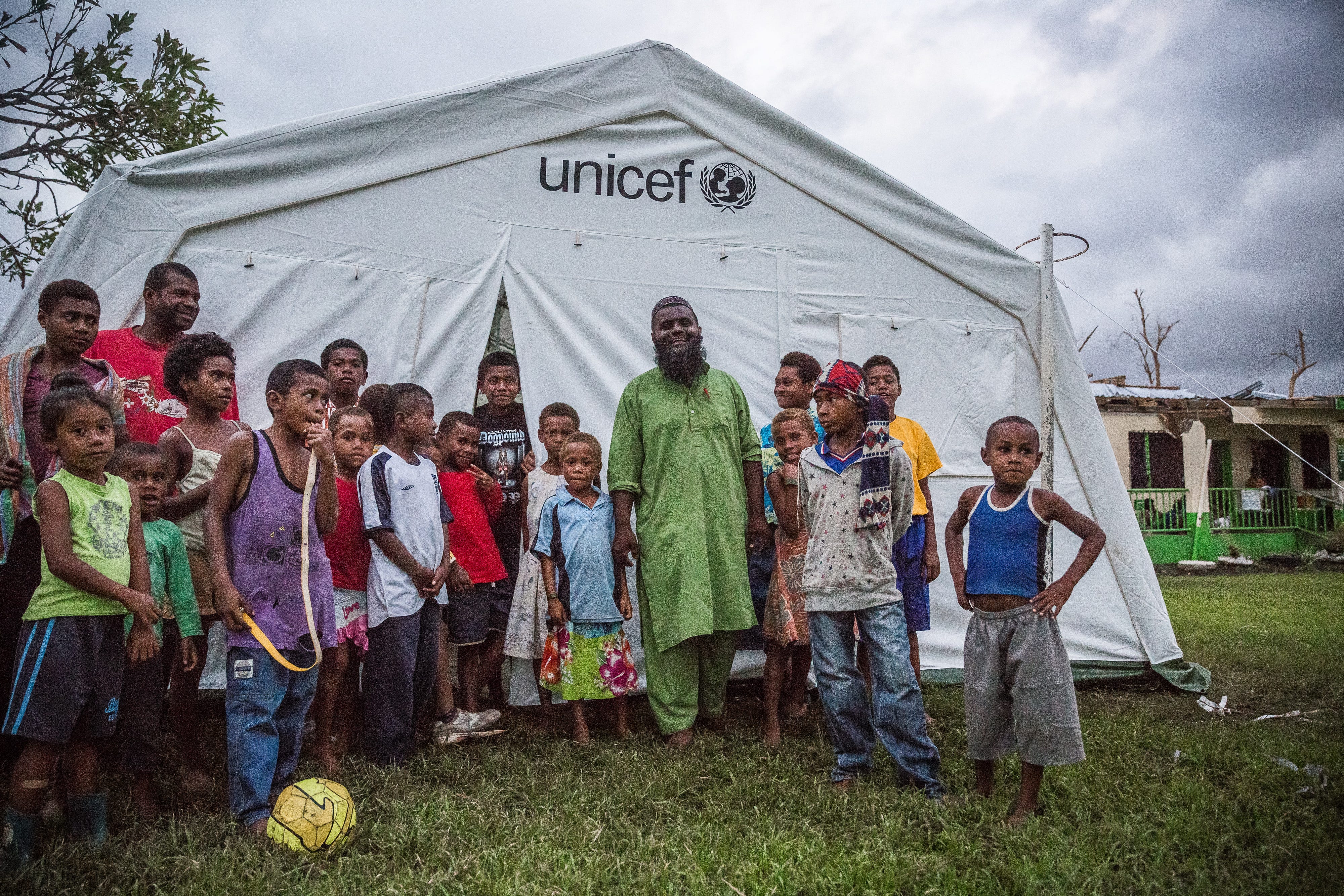
Through my extensive field reporting, I've documented the transformative impact of UNICEF tent schools across diverse geographical and cultural contexts. From the earthquake-devastated regions of Haiti to the flood-affected areas of Uganda, these emergency educational facilities have consistently demonstrated their ability to restore hope and continuity in the most challenging circumstances.
In Afghanistan, I witnessed the deployment of over 450 UNICEF tent schools designed specifically for extreme cold conditions. The winter liners and heating systems enabled children to continue learning despite temperatures dropping to -9°C. Local teachers reported that attendance rates remained remarkably high, with children walking considerable distances to reach these temporary classrooms. The psychological impact was profound—maintaining educational routines provided stability during a period of significant upheaval.
The Philippines deployment of UNICEF tent schools following Typhoon Haiyan showcased the technology's adaptability to different climate challenges. These structures needed to withstand high humidity, frequent rainfall, and potential flooding. The three-layered window systems proved particularly effective in blocking disease-carrying mosquitoes while maintaining ventilation. I observed how these protective features significantly reduced illness rates compared to other temporary shelters.
For optimal tent performance in various conditions, consider exploring waterproof tent options and reliable tent systems that can withstand challenging environmental conditions similar to those faced by emergency response teams.
Uganda's experience with UNICEF tent schools during the 2022 flooding demonstrated the rapid deployment capabilities of these systems. Within 72 hours of the disaster, functional classrooms were operational, serving over 15,000 displaced children. The straight-wall design proved particularly valuable for social distancing requirements during the ongoing COVID-19 pandemic. Teachers noted that the improved ventilation systems created healthier learning environments compared to traditional structures.
📚 Shop Portable Classroom SuppliesThe success stories from UNICEF tent schools extend beyond immediate crisis response. In many locations, these temporary educational facilities have operated for extended periods, some for over two years, while permanent infrastructure was rebuilt. The durability and reliability of modern designs have enabled sustained educational programs that bridge the gap between emergency response and long-term recovery.
Essential Equipment and Supplies for Emergency Education
Equipping UNICEF tent schools requires careful consideration of educational needs, environmental conditions, and logistical constraints. Through my observations of various deployments, I've identified the essential components that make these emergency educational facilities effective. The equipment selection often determines the success of educational programs in crisis situations.
Educational furniture represents a critical category for UNICEF tent schools. Portable desks and chairs must be lightweight yet durable, easily transportable, and suitable for various age groups. I've observed how proper seating arrangements significantly impact learning outcomes and student engagement. The furniture must also be culturally appropriate and accommodate children with disabilities.
Essential Equipment Categories:
- Weather-resistant educational materials and supplies
- Solar power systems and lighting solutions
- Water purification and sanitation facilities
- Communication and technology equipment
- Safety and first aid supplies
For organizations considering similar outdoor education initiatives, understanding tough tent materials and special forces tent systems can provide valuable insights into durability requirements and performance standards needed for extreme conditions.
Teaching materials for UNICEF tent schools must withstand harsh environmental conditions while remaining effective educational tools. Waterproof writing materials, durable textbooks, and weather-resistant visual aids ensure learning continuity regardless of climate challenges. I've seen how properly protected educational resources maintain their effectiveness throughout extended deployments.
🎓 Educational Learning SuppliesTechnology integration has become increasingly important in modern UNICEF tent schools. Solar-powered tablets, satellite internet connectivity, and portable projectors enable access to global educational resources. These technological capabilities help maintain educational quality standards even in remote locations, ensuring that crisis-affected children don't fall behind their peers.
Safety equipment represents a non-negotiable component of UNICEF tent schools. Fire suppression systems, first aid supplies, and emergency communication devices ensure student and staff safety. The security features must also protect against weather-related hazards and potential security threats in conflict zones.
Setup and Deployment Strategies for Emergency Classrooms

The deployment of UNICEF tent schools requires strategic planning and rapid execution capabilities. From my extensive field experience, I've learned that successful deployment depends on pre-positioning supplies, trained personnel, and established logistics networks. The goal is to establish functional educational facilities within 72 hours of a crisis declaration.
Site selection for UNICEF tent schools involves multiple considerations including ground stability, drainage, accessibility, and security. I've observed how proper site preparation significantly impacts the longevity and effectiveness of these installations. The location must be easily accessible to displaced populations while maintaining adequate distance from potential hazards.
The transportation and logistics of UNICEF tent schools represent complex operational challenges. These systems are specifically designed for portability, with components fitting into standardized shipping containers. The packaging innovation allows transportation by truck, helicopter, or even motorcycle to reach remote locations. I've witnessed remarkable deployments where complete educational facilities were transported by donkey to mountainous regions.
🔧 Emergency Setup ToolsAssembly procedures for UNICEF tent schools have been refined through extensive field testing and user feedback. The latest designs feature color-coded components, simplified connection systems, and comprehensive assembly guides. Training programs ensure that local personnel can manage setup, maintenance, and basic repairs without external technical support.
Quality control and safety verification are integral to UNICEF tent schools deployment. Each installation undergoes rigorous inspection for structural integrity, electrical safety, and compliance with educational standards. The verification process includes load testing, weather resistance evaluation, and educational functionality assessment. These protocols ensure that children receive safe, effective learning environments.
For detailed information about the complete UNICEF tent schools program and related emergency education initiatives, visit our comprehensive guide which provides additional insights into implementation strategies and best practices.
Supporting Organizations and Community Involvement
The success of UNICEF tent schools depends on collaboration between international organizations, local governments, and affected communities. Through my documentation of various deployments, I've observed how community involvement significantly enhances the effectiveness and sustainability of these emergency educational programs. Local ownership creates stronger support networks and ensures cultural appropriateness.
Partnership networks supporting UNICEF tent schools include government agencies, non-governmental organizations, private sector companies, and educational institutions. These collaborations provide technical expertise, funding, logistical support, and local knowledge. I've witnessed how effective partnerships can reduce deployment time and improve educational outcomes through shared resources and expertise.
Community engagement in UNICEF tent schools extends beyond simple participation to active involvement in planning, implementation, and ongoing operations. Local leaders, teachers, and parents contribute valuable insights about educational needs, cultural considerations, and practical challenges. This participatory approach ensures that emergency education programs remain relevant and effective.
🎪 Outdoor Education EquipmentVolunteer support for UNICEF tent schools provides essential human resources for setup, operation, and maintenance. Skilled volunteers contribute technical expertise, educational support, and logistical assistance. Training programs prepare volunteers for the unique challenges of emergency education, including trauma-informed teaching methods and cultural sensitivity.
Funding mechanisms for UNICEF tent schools involve diverse sources including government donations, private foundations, corporate sponsorships, and individual contributions. The financial sustainability of these programs requires long-term commitments and innovative funding strategies. I've observed how consistent funding enables rapid response capabilities and maintains readiness for future emergencies.
Monitoring and evaluation systems for UNICEF tent schools track educational outcomes, student attendance, teacher effectiveness, and community satisfaction. These assessment tools provide valuable feedback for program improvement and demonstrate impact to stakeholders. The data collection helps refine deployment strategies and enhance the effectiveness of future emergency education responses.
Conclusion
Throughout my extensive field research and documentation of humanitarian responses, UNICEF tent schools have consistently demonstrated their transformative impact on emergency education. These innovative shelters represent far more than temporary structures—they embody hope, resilience, and the unwavering commitment to children's right to education, even in the most challenging circumstances.
The technological evolution of UNICEF tent schools continues to address emerging challenges and incorporate lessons learned from decades of humanitarian response. From the basic shelters of the past to today's high-performance systems with climate control, power generation, and advanced materials, these educational facilities have become increasingly sophisticated and effective. The ongoing innovation ensures that future deployments will be even more capable of meeting diverse educational needs.
The global impact of UNICEF tent schools extends beyond immediate crisis response to long-term educational development. These programs have reached millions of children worldwide, providing educational continuity during conflicts, natural disasters, and other emergencies. The success stories from Afghanistan to Uganda, from the Philippines to Haiti, demonstrate the universal applicability and effectiveness of this approach to emergency education.
As we face an uncertain future with increasing climate challenges and potential conflicts, the importance of UNICEF tent schools will only grow. These emergency educational systems represent essential infrastructure for maintaining learning continuity and supporting child development during crises. The investment in these programs directly contributes to global stability, human development, and the fundamental right to education for all children.
The success of UNICEF tent schools depends on continued support from the international community, innovative thinking from technical experts, and unwavering commitment from humanitarian organizations. By understanding and supporting these programs, we contribute to a world where no child's education is interrupted by circumstances beyond their control. The tent schools stand as symbols of human resilience and our collective responsibility to protect and nurture future generations, regardless of the challenges they face.
Ready to Learn More About Emergency Education Solutions?
Explore our comprehensive resources and equipment guides to support emergency education initiatives in your community.
Visit Nature Guests