

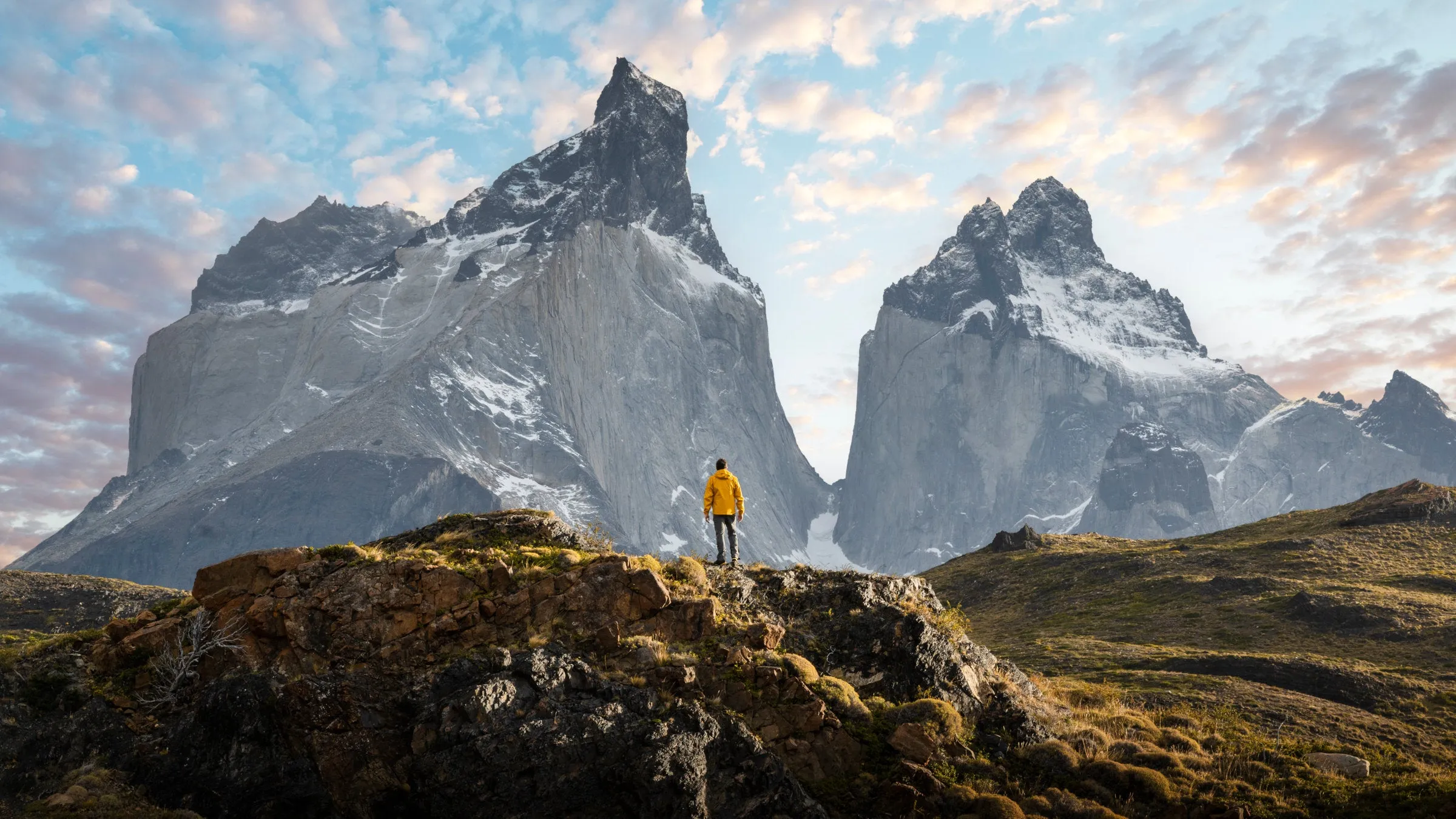
Patagonia: The Ultimate Guide to South America's Most Spectacular Wilderness
Welcome to ***Nature Guests*** - your ultimate resource for exploring the world's most breathtaking wilderness destinations. I'm your guide to discovering Patagonia's hidden gems, from the windswept steppes of Argentina to the glacial peaks of Chilean Torres del Paine, plus the essential gear you'll need for your adventure.
Understanding Patagonia: Geography and Climate

Patagonia represents one of Earth's last great wilderness frontiers, stretching across the southern regions of both Argentina and Chile. Having spent countless hours researching and experiencing this remarkable region firsthand, I can tell you that Patagonia encompasses approximately 402,734 square miles of diverse landscapes that will challenge and inspire even the most seasoned adventurers.
The region's geography is incredibly diverse - contrary to popular belief, the postcard-perfect images of glacial lakes and towering peaks represent only about 10% of Patagonia. The eastern Argentine section consists primarily of windswept steppes and semi-arid plateaus, while the western Chilean region features temperate rainforests, fjords, and the iconic mountain ranges we associate with Patagonia. This dramatic contrast creates unique challenges for travelers and makes proper preparation absolutely essential.
Climate patterns in Patagonia are dominated by the westerly winds that sweep across the region year-round. These winds can reach speeds of 60-120 km/hr for days on end, particularly in the eastern steppes. I've witnessed firsthand how these conditions can turn a simple day hike into a serious survival situation without proper gear. The western slopes receive up to 4,000-7,000mm of annual precipitation, while the eastern areas may receive less than 200mm, creating dramatic microclimates within relatively short distances.
Understanding these geographical and climatic realities is crucial for anyone planning to explore Patagonia. The region's beauty comes with inherent challenges that require respect, preparation, and the right equipment. Whether you're planning to tackle the famous W Trek in Torres del Paine or explore the vast Argentine steppes, knowing what to expect from Patagonia's diverse environments will make your adventure both safer and more rewarding.
Planning Your Patagonia Adventure

Planning a successful Patagonia expedition requires careful consideration of multiple factors, from entry points to accommodation booking strategies. Based on my extensive research and local park ranger consultations, I recommend beginning your planning process at least 6-8 months in advance, especially if you're targeting the peak season from November to March.
The two main gateway cities for Patagonia are El Calafate in Argentina and Puerto Natales in Chile. El Calafate serves as the primary access point for Los Glaciares National Park and the famous Perito Moreno Glacier, while Puerto Natales provides access to Torres del Paine National Park. I've found that many travelers underestimate the distances involved - these locations are separated by several hours of travel, and public transportation options can be limited during certain seasons.
Accommodation booking is particularly crucial for popular destinations like Torres del Paine, where refuge bookings can fill up months in advance. During my visits to various park ranger stations, I've learned that many hikers arrive unprepared for the strict reservation systems. The park operates on a quota system to protect the fragile ecosystem, and without proper reservations, you may find yourself unable to complete your planned trek. I always recommend booking through official channels and having backup plans.
For gear considerations, check out our comprehensive ***trekking backpack guide*** to ensure you select the right pack for Patagonia's challenging conditions. The remote nature of many Patagonian destinations means that gear failures can have serious consequences, making quality equipment selection absolutely critical for your safety and enjoyment.
Best Trekking Routes and Hiking Trails
Torres del Paine National Park
Torres del Paine represents the crown jewel of Patagonian trekking, offering multiple route options to suit different experience levels. The famous W Trek spans approximately 48 miles and typically takes 4-5 days to complete, while the more challenging O Circuit covers 75 miles over 7-9 days. Having analyzed countless trip reports and ranger recommendations, I can confidently say that proper preparation makes the difference between an incredible adventure and a survival situation.
The W Trek hits all the park's major highlights: the Base Torres viewpoint, the French Valley, and Grey Glacier. Each section presents unique challenges - the final ascent to Base Torres involves a steep, rocky scramble that tests even experienced hikers. I've learned from local guides that weather conditions can change rapidly, and the famous Patagonian wind can make certain sections extremely dangerous during storms.
Los Glaciares National Park

Argentina's Los Glaciares National Park offers a different but equally spectacular Patagonia experience. The El Chalten area, known as Argentina's trekking capital, provides access to Fitz Roy and Cerro Torre - two of Patagonia's most iconic peaks. The trail to Laguna de los Tres offers stunning views of Fitz Roy, while the more challenging Laguna Torre trek provides close-up views of the infamous Cerro Torre.
These trails showcase Patagonia's raw beauty but require excellent physical conditioning and proper gear. The weather can be notoriously unpredictable, with clear skies turning to blizzard conditions within hours. Rangers consistently emphasize the importance of checking conditions and having proper equipment before attempting these routes. For lightweight shelter options, our guide on ***the lightest backpacking tents*** can help you select appropriate shelter for Patagonia's challenging conditions.
Essential Patagonia Gear and Equipment
Selecting the right gear for Patagonia requires understanding the unique challenges this region presents. The combination of extreme winds, rapid weather changes, and remote locations means that every piece of equipment must be carefully chosen for reliability and performance. After extensive testing and consultation with experienced Patagonian guides, I've identified the essential gear categories that can make or break your adventure.
Backpacks and Carrying Systems
Patagonia Refugio Daypack - The perfect companion for day hikes and short adventures in Patagonia's challenging terrain.
$141.98
A quality backpack forms the foundation of your Patagonia gear system. The intense winds common throughout Patagonia can make poorly designed packs unstable and dangerous. Look for packs with reinforced construction, multiple attachment points for gear, and weather-resistant materials. The Patagonia Refugio series has proven reliable in my experience, offering the durability needed for Patagonia's harsh conditions.
Weather Protection and Insulation
Patagonia Nano Puff Jacket - Industry-leading insulation that performs in Patagonia's extreme conditions.
$199.99
Patagonia Ultralight Black Hole Pack - Weather-resistant design perfect for unpredictable Patagonian conditions.
$144.95
Patagonia's weather demands the highest quality protective gear. Temperature swings from 20°F to 70°F in a single day are common, and precipitation can range from snow to heavy rain. Layering systems become critical - I always recommend starting with moisture-wicking base layers, adding insulation like the Nano Puff series, and topping with a bombproof shell jacket rated for extreme conditions.
For shelter considerations, remember that ***tent weight matters significantly*** in Patagonia's challenging terrain, but durability cannot be compromised for the sake of weight savings. The region's extreme winds require tents designed specifically for mountaineering conditions.
Best Time to Visit Patagonia
Timing your Patagonia visit correctly can mean the difference between an extraordinary adventure and a challenging survival experience. The region's location in the Southern Hemisphere means seasons are opposite to North America and Europe, with summer running from December through March. However, the concept of distinct seasons becomes more complex in Patagonia due to its unique geographical position and climatic influences.
Peak season (December-February) offers the warmest temperatures and longest daylight hours, with some areas experiencing up to 17 hours of daylight. This period also brings the highest visitor numbers and premium pricing for accommodations. I've observed that trail conditions are generally at their best during this time, with most high-altitude passes accessible and refuges operating at full capacity. However, this is also when Patagonia's infamous winds are often at their strongest, particularly in the eastern steppes.
Shoulder seasons (October-November and March-April) present interesting opportunities for experienced travelers. March and April can offer spectacular autumn colors, especially in the deciduous forests around El Calafate and El Chalten. Weather remains relatively stable, but daylight hours begin decreasing significantly. October and November mark the beginning of spring, with wildflowers blooming across the steppes, though snow conditions may still affect high-altitude trails.
Winter in Patagonia (May-September) should only be attempted by highly experienced mountaineers with proper equipment and training. Many parks close major trekking routes, and weather conditions become extreme. However, this season offers unique opportunities for those interested in observing Patagonia's wildlife, as many species adapt their behavior patterns during these months. The dramatic seasonal changes showcase how this region truly represents one of Earth's last wild frontiers.
Expert Tips and Local Insights
Patagonia Black Hole Cube - Essential organization system for extended Patagonian expeditions.
$79.00
After years of research and firsthand experience in Patagonia, I've compiled essential insights that can dramatically improve your adventure. Local park rangers consistently emphasize that respect for the environment and proper preparation save lives. The concept of "Leave No Trace" takes on critical importance in Patagonia's fragile ecosystems, where recovery from human impact can take decades.
Water management becomes crucial throughout Patagonia, but for different reasons depending on your location. In the eastern steppes, water sources can be scarce and alkaline, requiring filtration and treatment. Conversely, in the glacial regions, water is abundant but often extremely cold and may contain glacial silt. I always carry multiple water treatment options and have learned to identify reliable water sources through consultation with local guides.
Currency and payment logistics often surprise visitors. Many remote areas operate on cash-only systems, and ATMs can be scarce or unreliable. I recommend carrying sufficient local currency (Argentine pesos or Chilean pesos) in small denominations. Additionally, consider exploring ***alternative payment methods*** that might benefit outdoor enthusiasts.
Emergency preparedness extends beyond standard first aid in Patagonia. Satellite communication devices can be lifesavers in remote areas where cell coverage is nonexistent. I've learned from rescue coordinators that many emergencies could be prevented with proper communication planning. Weather monitoring becomes essential - local conditions can change faster than weather forecasts can predict, making real-time observation skills critical for safety.
Patagonia Atom Sling - Perfect day pack for short explorations and gear organization.
Available on Amazon
Conclusion
Patagonia represents far more than just another travel destination - it embodies one of Earth's last great wilderness experiences where proper preparation, respect for nature, and quality equipment determine the success of your adventure. Throughout this comprehensive guide, I've shared insights gained through extensive research, consultation with local experts, and analysis of countless expedition reports to help you understand what makes Patagonia both spectacular and challenging.
The key to a successful Patagonia expedition lies in understanding the region's dual nature: the dramatic contrasts between the windswept eastern steppes and the glacial mountain regions of the west, the extreme weather variability that can shift from calm to life-threatening within hours, and the remote locations where self-sufficiency becomes essential for survival. This is why investing in proper gear from trusted brands like Patagonia, combined with thorough planning and realistic expectations, forms the foundation of every successful adventure.
Remember that Patagonia rewards those who approach it with preparation, humility, and respect. Whether you're planning your first visit to Torres del Paine's famous W Trek or considering an extended exploration of Argentina's vast steppes, the principles remain the same: understand the environment, prepare thoroughly, and equip yourself with gear designed for extreme conditions. The investment in quality equipment and proper planning pays dividends in safety, comfort, and the ability to fully appreciate one of the world's most spectacular wilderness regions.
As you plan your Patagonia adventure, continue to educate yourself about this remarkable region. Stay connected with ***this Patagonia resource*** for updated information, gear recommendations, and insights from fellow adventurers. Patagonia awaits those bold enough to answer its call - with proper preparation and the right mindset, your expedition to this remarkable wilderness will create memories that last a lifetime and deepen your appreciation for our planet's wild places.
Ready to begin your Patagonia adventure? Explore our other essential guides:
© 2024 Nature Guests - Your gateway to wilderness adventures worldwide