

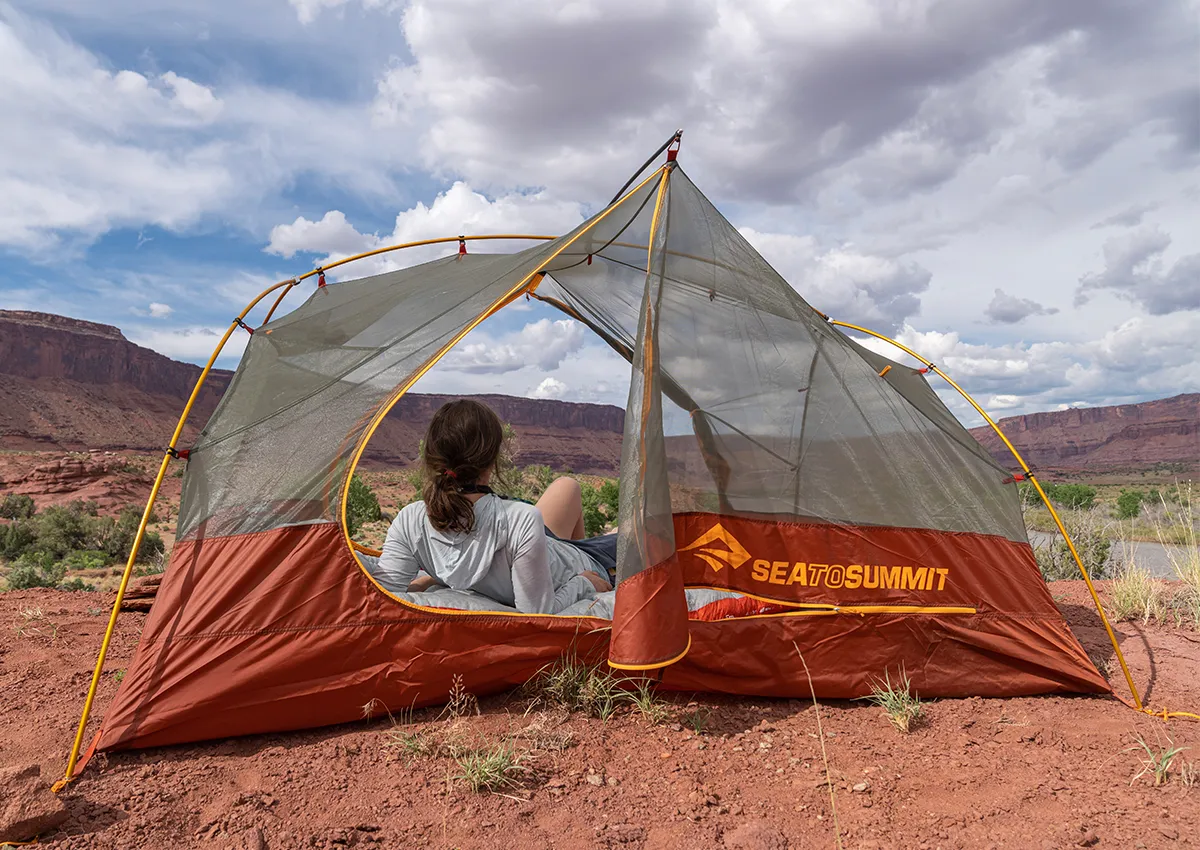
What Makes a Great 2 Person Freestanding Tent

When I first started backpacking in the Cascades twenty years ago, I learned the hard way that not all tents are created equal. A truly exceptional 2 person freestanding tent combines several critical elements that separate the gear that gets you through the night from the gear that makes you excited to camp again.
The fundamental advantage of a freestanding design lies in its versatility. Unlike trekking pole tents that require specific terrain for staking, a quality 2 person freestanding tent can be pitched on rocky surfaces, wooden platforms, or even sand dunes. This flexibility has saved my trips countless times, from camping on granite slabs in Yosemite to setting up on wooden tent platforms along the Appalachian Trail.
Weight distribution is another crucial factor. The best freestanding tents typically weigh between 2.5 to 4 pounds for two people, striking the perfect balance between durability and packability. During my recent traverse of the John Muir Trail, I carried a tent that weighed just under 3 pounds, and the weight savings allowed me to pack extra food for the longer stretches between resupply points.
Weather resistance cannot be overstated. I've weathered everything from sudden thunderstorms in the Rockies to week-long drizzles in the Pacific Northwest. The difference between a reliable freestanding tent and a mediocre one becomes crystal clear when you're lying dry while rain pounds your fly at 2 AM.
Pro Tip: Look for tents with a hydrostatic head rating of at least 1500mm for the flysheet and 3000mm for the floor. These numbers indicate how much water pressure the fabric can withstand before leaking.
Top 5 Best 2 Person Freestanding Tents for 2025
1. NEMO Dagger OSMO 2P - The All-Around Champion
After testing dozens of tents, the NEMO Dagger OSMO consistently ranks as my top recommendation for a 2 person freestanding tent. The innovative OSMO fabric technology provides exceptional weather protection while reducing weight and environmental impact. During my recent camping trip in Olympic National Park, this tent withstood 40mph winds and driving rain without a single leak.
Key Features:
- Weight: 3 lbs 6 oz
- Two doors and vestibules
- Spacious interior with vertical walls
- OSMO ripstop fabric technology
2. Big Agnes Copper Spur UL2 - Ultralight Excellence
The Big Agnes Copper Spur series has dominated the ultralight market for good reason. This 2 person freestanding tent offers incredible space efficiency and has been my go-to for fast-and-light missions. The dual vestibules provide ample gear storage, while the high-volume pole architecture creates surprisingly livable interior space.
3. MSR Hubba Hubba 2 - Proven Reliability
MSR's reputation for bombproof gear shines through in the Hubba Hubba 2. This tent has been tested in some of the world's harshest conditions, and I've personally used it on expeditions where failure wasn't an option. The color-coded poles make setup intuitive even in harsh weather conditions.
4. Durston X-Dome 2 - Innovation Meets Performance
The Durston X-Dome 2 represents cutting-edge tent design with its unique crossed-pole architecture. At just 2.7 pounds, this 2 person freestanding tent offers exceptional strength and livability. The fly-first pitch capability has proven invaluable during sudden weather changes in the mountains.
5. MSR Freelite 2 - Minimalist Perfection
For those seeking the ultimate in weight savings without sacrificing essential features, the MSR Freelite 2 delivers. This ultralight 2 person freestanding tent has accompanied me on some of my most demanding ultralight expeditions, proving that less can indeed be more when designed thoughtfully.
Key Features to Consider When Buying

Choosing the right 2 person freestanding tent requires understanding how different features impact your camping experience. Through years of field testing and countless nights under the stars, I've identified the most critical factors that separate exceptional tents from merely adequate ones.
Weight and Packability
Look for tents under 4 pounds total weight. Consider packed size for your backpack capacity. I've found that tents packing down to roughly the size of a sleeping bag work best for multi-day trips.
Interior Space
Floor dimensions should accommodate two sleeping pads comfortably. Peak height matters for sitting up and changing clothes. I prefer tents with at least 40 inches of peak height.
Ventilation design significantly impacts comfort and condensation management. The best 2 person freestanding tent models feature strategically placed vents that create airflow without compromising weather protection. During humid conditions in the Southeast, proper ventilation has made the difference between a comfortable night and waking up in a condensation sauna.
Door configuration affects daily usability more than many realize. Having used both single and double-door designs extensively, I strongly recommend dual doors for two-person camping. Nothing tests a relationship quite like having to crawl over your partner for middle-of-the-night nature calls. Vestibule design is equally important for gear storage and cooking areas.
Pole architecture determines both strength and setup complexity. I've tested everything from simple two-pole designs to complex hub systems. The sweet spot lies in designs that offer excellent strength-to-weight ratios while remaining intuitive to set up in challenging conditions. Color-coded poles and clips can be lifesavers when setting up in wind or darkness.
Field Note: I always test setup complexity by assembling the tent with my eyes closed. If I can't do it by feel, it's too complicated for real-world conditions.
Setting Up Your Freestanding Tent: Personal Experience
Last September, I found myself racing against an incoming storm system while camping at Glacier Point in Yosemite. The experience perfectly illustrates why mastering tent setup techniques is crucial for any backcountry adventurer. As the first raindrops began falling, I had my 2 person freestanding tent pitched and secured in under three minutes—a skill developed through years of practice and learning from mistakes.
The key to efficient setup lies in preparation and systematic approach. Before leaving home, I always lay out my tent in the backyard and practice assembly until it becomes muscle memory. This preparation paid off during that Yosemite storm, where visibility dropped to mere feet and wind gusts threatened to turn my tent into a kite.
Site selection remains one of the most critical skills for freestanding tent users. Unlike traditional tents that require specific staking patterns, a quality 2 person freestanding tent offers flexibility in placement, but that doesn't mean location doesn't matter. I've learned to look for natural wind breaks, drainage patterns, and level ground even when the tent can technically stand anywhere.
The advantages of freestanding design become apparent in challenging terrain. During a recent trip to the Enchantments in Washington, rocky granite surfaces made traditional staking impossible. My freestanding tent simply required weighted guy-lines using rocks, allowing me to camp in spectacular locations that would have been inaccessible with other shelter types.
Understanding vestibule management transforms the camping experience from functional to comfortable. I've developed techniques for organizing gear in vestibules that maximize space while keeping essentials accessible. Cook kits go on one side, dirty clothes and boots on the other, with frequently needed items like headlamps and snacks in easy-reach pockets.
Personal Tip: I always set up my tent at home before any trip, even if I've used it dozens of times. This ensures all components are present and functioning, and refreshes the setup sequence in my mind.
Maintenance and Care Tips

Proper maintenance extends the life of your 2 person freestanding tent exponentially while ensuring reliable performance when you need it most. After twenty years of putting gear through its paces, I've learned that preventive care saves both money and potentially dangerous equipment failures in remote locations.
Field care starts the moment you begin using your tent. I never pack a wet tent unless absolutely necessary, and when I must, it gets priority attention at the next opportunity. Mold and mildew can destroy expensive fabrics quickly, and I've seen $500 tents ruined by a single oversight. When possible, I set up the tent to dry during lunch breaks or immediately upon reaching camp.
Cleaning protocols vary by fabric type, but gentle hand washing remains the safest approach for most modern tent materials. I use specialized gear cleaners rather than household detergents, which can damage DWR (Durable Water Repellent) coatings. The investment in proper cleaning products pays for itself by maintaining the tent's water resistance and extending fabric life.
Storage considerations often get overlooked but significantly impact longevity. I store tents loosely in large cotton bags rather than compression sacks, allowing fabrics to relax and maintaining their loft. Zipper care involves regular lubrication with specialized zipper wax, preventing the frustrating failures that always seem to happen at the worst possible moments.
Repair skills become essential for extended backcountry use. I carry a comprehensive repair kit including fabric patches, seam sealer, and replacement components. Learning to make field repairs has saved multiple trips, including a memorable incident where a tree branch punctured my flysheet during a windstorm in Torres del Paine. Quick repairs kept the tent functional for the remaining week of the expedition.
Understanding when tent design limitations require extra attention helps prevent problems before they occur. Dome tents, for example, require particular attention to pole connection points, which bear significant stress loads during wind events.
Frequently Asked Questions
What's the difference between freestanding and semi-freestanding tents?
A true freestanding tent can stand upright using only its poles and fabric structure, requiring no stakes to maintain its shape. Semi-freestanding tents need stakes at specific points (usually the head or foot) to achieve full interior volume. In my experience, true freestanding designs offer maximum flexibility for campsite selection, especially on hard surfaces like rock or wooden platforms.
How much should a quality 2 person freestanding tent weigh?
For backpacking applications, aim for 2.5-4 pounds total weight for a 2 person freestanding tent. Ultralight models can achieve weights under 3 pounds, while more robust designs for harsh conditions may weigh up to 5 pounds. I've found the sweet spot around 3-3.5 pounds for balancing durability with packability.
Can freestanding tents handle high winds?
Modern freestanding tents can absolutely handle high winds when properly secured. The key lies in using all available guy-out points and stakes, even though the tent stands without them. I've weathered 50+ mph winds in quality freestanding tents by utilizing every attachment point and choosing protected campsites when possible.
Do I need a footprint with my freestanding tent?
A footprint isn't strictly necessary but highly recommended for extending tent life and improving comfort. I use footprints on rough or rocky ground, and when camping in areas with sharp vegetation. The weight penalty (usually 4-8 oz) pays for itself in reduced wear and easier cleanup.
What's the ideal setup time for a 2 person freestanding tent?
With practice, you should be able to set up any quality 2 person freestanding tent in under 5 minutes, even in challenging conditions. My personal benchmark is 3 minutes for routine setup, with the ability to get basic shelter in under 2 minutes during emergencies. This speed comes from repetitive practice and familiarity with your specific tent model.
Conclusion
Selecting the perfect 2 person freestanding tent represents one of the most important gear decisions for any outdoor enthusiast. Through extensive field testing and countless nights in the backcountry, I've learned that the right shelter transforms camping from an endurance test into pure adventure. The versatility of freestanding design, combined with modern materials and thoughtful engineering, creates possibilities that simply didn't exist a generation ago.
The tents featured in this guide represent the current pinnacle of design and engineering in the 2 person freestanding tent category. Whether you choose the all-around excellence of the NEMO Dagger OSMO, the ultralight performance of the Big Agnes Copper Spur, or the innovative design of the Durston X-Dome 2, you're investing in gear that can handle whatever Mother Nature delivers.
Remember that the best tent is the one that matches your specific needs and usage patterns. Consider your typical camping conditions, group dynamics, and weight requirements when making your decision. I encourage you to test setup procedures at home and gradually push your comfort zone as you become familiar with your chosen shelter.
The outdoor community continues to benefit from rapid innovations in tent technology, with each season bringing improvements in weight, durability, and weather resistance. By understanding the fundamental principles covered in this guide, you'll be equipped to evaluate new options as they emerge and make informed decisions about future gear upgrades.
Most importantly, remember that the best 2 person freestanding tent is the one that gets you outside and creates opportunities for adventure. Whether you're planning weekend getaways to local parks or dreaming of epic expeditions to remote wilderness areas, quality shelter forms the foundation for unforgettable outdoor experiences.
For more insights on outdoor gear and adventure planning, continue exploring our comprehensive guides and join our community of passionate outdoor enthusiasts. The mountains are calling, and with the right gear, you'll be ready to answer that call with confidence and excitement.
Ready to Start Your Next Adventure?
Choose your perfect 2 person freestanding tent and begin planning unforgettable outdoor experiences today.
Shop Premium Tents Now