

Your Complete Guide to Yellowstone National Park North Entrance: Everything You Need to Know
As someone who has spent countless hours exploring every corner of Yellowstone, I can confidently say that the Yellowstone National Park North Entrance offers the most authentic and year-round accessible gateway to America's first national park. From the iconic Roosevelt Arch to the stunning wildlife viewing opportunities in Lamar Valley, this comprehensive guide will help you make the most of your visit to this remarkable entrance.
Overview and Why Choose the North Entrance
After visiting Yellowstone National Park more than fifteen times through various entrances, I always recommend the Yellowstone National Park North Entrance to first-time visitors and seasoned park enthusiasts alike. Located near Gardiner, Montana, this entrance holds a special place in the park's history as the original and only year-round accessible gateway to America's first national park.
What sets the Yellowstone National Park North Entrance apart from the four other entrances is its remarkable consistency and accessibility. While other entrances close seasonally due to heavy snowfall, the north entrance remains open 365 days a year, making it the most reliable choice for spontaneous adventures or winter visits. I've personally driven through this entrance in the middle of January when temperatures dropped to -20°F, and the experience was both magical and accessible.
The strategic location of the Yellowstone National Park North Entrance provides immediate access to some of the park's most diverse attractions. Within minutes of passing through the entrance station, you'll encounter the historic Roosevelt Arch, and within a short drive, you'll reach Mammoth Hot Springs, one of the park's most unique geothermal features. The entrance also serves as the gateway to Lamar Valley, often called "America's Serengeti" for its incredible wildlife viewing opportunities.
Pro Tip from Experience: The Yellowstone National Park North Entrance is approximately 1 hour and 45 minutes from Bozeman, Montana, making it the closest entrance to a major airport. This proximity has saved me countless hours during multiple visits, especially when flying into the region.
From a practical standpoint, choosing the Yellowstone National Park North Entrance means starting your journey in the charming town of Gardiner, Montana. This small community has embraced its role as the gateway to Yellowstone, offering authentic Western hospitality, local dining options, and convenient amenities that larger tourist destinations often lack. During my stays in Gardiner, I've always appreciated the town's genuine character and the locals' deep knowledge of the park.
The Iconic Roosevelt Arch Experience

The Roosevelt Arch stands as the crown jewel of the Yellowstone National Park North Entrance, and I still remember the sense of awe I felt when I first drove beneath its imposing stone structure over a decade ago. Built in 1903 and dedicated by President Theodore Roosevelt himself, this magnificent archway bears the inscription "For the Benefit and Enjoyment of the People," words that continue to embody the democratic spirit of America's national park system.
Standing 50 feet high and constructed from local basalt rock, the Roosevelt Arch represents far more than just an entrance marker. During my numerous visits to the Yellowstone National Park North Entrance, I've observed thousands of visitors pause beneath this arch, creating memories that will last a lifetime. The arch serves as a powerful symbol of conservation history and reminds every visitor of their role in preserving these natural treasures for future generations.
What many visitors don't realize about the Roosevelt Arch at the Yellowstone National Park North Entrance is the strategic timing of their visit can dramatically impact their experience. I've found that early morning visits, typically between 7:00-9:00 AM, offer the best lighting for photography and fewer crowds for those perfect family photos. The golden hour lighting during summer months creates an almost ethereal glow on the arch's stone surface.
Photography Tip: For the best Roosevelt Arch photos at the Yellowstone National Park North Entrance, position yourself on the Montana side of the arch facing north. This angle captures both the arch and the Welcome to Yellowstone signage, creating a complete entrance experience in your photographs.
The historical significance of the Roosevelt Arch extends beyond its architectural beauty. When President Roosevelt laid the cornerstone in 1903, he established a tradition of presidential involvement in Yellowstone's development that continues today. As someone who has researched extensively about the Yellowstone National Park North Entrance, I find it fascinating that this arch has witnessed over 120 years of park evolution, from horse-drawn carriages to modern recreational vehicles.
Visiting the Roosevelt Arch during different seasons provides entirely different experiences. My winter visits to the Yellowstone National Park North Entrance have shown me how the arch takes on a majestic, almost fortress-like appearance when surrounded by snow. The contrast between the dark basalt stone and brilliant white snow creates photographic opportunities that summer visitors never experience.
Shop Professional Photography Gear for Your Yellowstone AdventureMammoth Hot Springs: Nature's Limestone Cathedral

Just five miles from the Yellowstone National Park North Entrance lies one of the most architecturally stunning natural formations I've ever encountered: Mammoth Hot Springs. Unlike the park's more famous geysers, Mammoth Hot Springs creates an ever-changing landscape of limestone terraces that resembles a frozen waterfall carved from ancient stone. During my first visit here in 2010, a park ranger told me that these terraces grow and change daily, making each visit a unique experience.
The formation process at Mammoth Hot Springs near the Yellowstone National Park North Entrance is genuinely remarkable. Hot water emerges from underground springs at temperatures reaching 160°F, carrying dissolved limestone that deposits as the water cools and cascades down the mountainside. I've witnessed this process firsthand during multiple visits, observing how the mineral-rich water creates new formations while simultaneously destroying others, resulting in a dynamic landscape that never remains static.
What makes Mammoth Hot Springs particularly special for visitors entering through the Yellowstone National Park North Entrance is its accessibility and walkability. The park service has constructed an extensive boardwalk system that allows visitors of all mobility levels to experience these formations safely. During my visits with elderly family members, we've successfully navigated the lower terraces without difficulty, while more adventurous visitors can explore the upper terraces for spectacular panoramic views.
Hiking Recommendation: The Upper Terrace Drive near the Yellowstone National Park North Entrance offers a scenic driving tour of Mammoth Hot Springs' upper formations. This 1.5-mile loop provides excellent viewpoints and parking areas for extended exploration.
The wildlife viewing opportunities around Mammoth Hot Springs add another dimension to the Yellowstone National Park North Entrance experience. Elk frequently graze on the lawns around the Mammoth Hot Springs Hotel, creating extraordinary photo opportunities. I've personally observed elk herds with over 30 individuals during autumn visits, when these magnificent animals descend to lower elevations for winter grazing.
The Mammoth Hot Springs area near the Yellowstone National Park North Entrance also houses the park's administrative headquarters, including a visitor center with excellent educational exhibits. The Albright Visitor Center, named after the park's first superintendent, provides comprehensive information about Yellowstone's history, wildlife, and geology. During my research for this guide, I spent several hours in this visitor center, gathering insights from knowledgeable park rangers who have worked the Yellowstone National Park North Entrance area for decades.
Lamar Valley: America's Wildlife Paradise

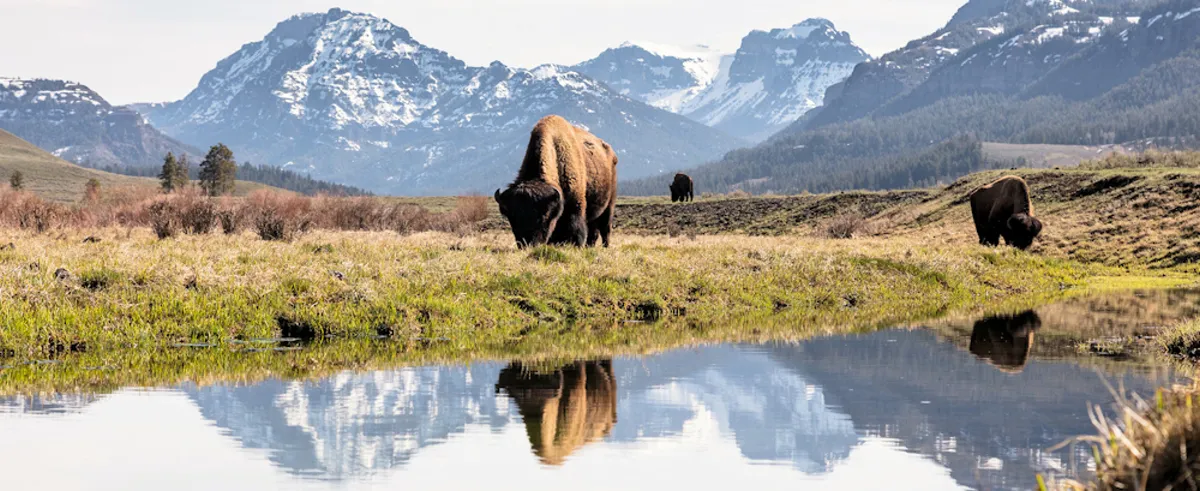
The drive from the Yellowstone National Park North Entrance to Lamar Valley represents one of the most rewarding wildlife viewing journeys in North America. Often called "America's Serengeti," this vast glacial valley stretches for miles along the Lamar River, providing habitat for an incredible diversity of wildlife species. My most memorable Yellowstone experience occurred in Lamar Valley during a dawn visit in September, when I witnessed a pack of wolves hunting elk while bison grazed peacefully in the foreground.
Accessing Lamar Valley through the Yellowstone National Park North Entrance offers significant advantages over other park entrances. The relatively short 30-minute drive from the entrance to the heart of Lamar Valley means visitors can begin wildlife viewing almost immediately upon entering the park. I've consistently observed that early morning visitors who enter through the Yellowstone National Park North Entrance have the highest success rates for wildlife encounters, particularly during the optimal viewing hours between sunrise and 10:00 AM.
The wildlife diversity in Lamar Valley near the Yellowstone National Park North Entrance is truly staggering. During my various visits, I've documented sightings of bison, elk, wolves, black bears, grizzly bears, mountain goats, bighorn sheep, pronghorn antelope, coyotes, and over 50 bird species. The valley's open terrain and elevated viewing positions along the road provide excellent opportunities for wildlife observation and photography, even for visitors without professional equipment.
Seasonal Wildlife Viewing Guide
Understanding seasonal wildlife patterns enhances any visit to Lamar Valley from the Yellowstone National Park North Entrance. Spring visits (April-May) offer opportunities to see newborn elk calves and bison calves, though weather can be unpredictable. Summer visits (June-August) provide the most comfortable viewing conditions and highest wildlife activity levels, making this season ideal for families visiting through the Yellowstone National Park North Entrance.
Autumn represents my personal favorite season for visiting Lamar Valley via the Yellowstone National Park North Entrance. The elk rutting season creates dramatic wildlife encounters, while the changing aspen leaves provide stunning backdrops for photography. During September visits, I've observed elk bugling echoing across the valley, creating an almost primordial soundtrack that connects visitors to the natural world in profound ways.
Wildlife Viewing Tip: Bring binoculars or a spotting scope for Lamar Valley visits from the Yellowstone National Park North Entrance. Wildlife often remains at significant distances, and quality optics dramatically enhance viewing experiences. Many local outfitters in Gardiner rent professional-grade equipment.
Winter wildlife viewing in Lamar Valley through the Yellowstone National Park North Entrance offers unique opportunities unavailable during other seasons. Snow concentrates wildlife in valley bottoms, making animals easier to locate and observe. I've participated in guided snowshoe tours that revealed winter adaptations and behaviors invisible during summer visits, providing deeper insights into Yellowstone's complex ecosystem dynamics.
Find the Best Wildlife Viewing EquipmentGetting There and Practical Information
Planning your journey to the Yellowstone National Park North Entrance requires understanding both the logistical aspects and seasonal considerations that can significantly impact your visit. Having traveled to this entrance from various starting points across the country, I've learned valuable lessons about timing, preparation, and expectations that can make the difference between a good trip and an extraordinary adventure.
Transportation and Access Routes
The most convenient airport for reaching the Yellowstone National Park North Entrance is Bozeman Yellowstone International Airport (BZN), located approximately 85 miles north of Gardiner, Montana. This drive typically takes 1 hour and 45 minutes under normal conditions, following US Highway 89 south through the scenic Paradise Valley. I've made this drive countless times and can confirm that the route itself offers spectacular mountain scenery that serves as a perfect introduction to the Yellowstone region.
Alternative transportation options to the Yellowstone National Park North Entrance include Billings Logan International Airport (BIL), located about 175 miles northeast of the entrance. While this option requires a longer drive, rental car availability and pricing often make it competitive with the Bozeman option. The route from Billings follows Interstate 90 west to US Highway 89 south, passing through several charming Montana communities.
For visitors traveling by personal vehicle to the Yellowstone National Park North Entrance, understanding winter driving conditions is crucial. Montana requires vehicles to carry tire chains between October 1st and May 31st, though the road to the north entrance typically remains in good condition year-round. I always recommend checking Montana Department of Transportation road reports before traveling, especially during winter months.
Entrance Fees and Passes
Current Yellowstone National Park Entrance Fees (2024)
- Private Vehicle: $35 (valid for 7 days)
- Motorcycle: $30 (valid for 7 days)
- Individual (walking, cycling): $20 (valid for 7 days)
- Yellowstone Annual Pass: $70
- America the Beautiful Annual Pass: $80
Based on my experience visiting the Yellowstone National Park North Entrance multiple times annually, I strongly recommend purchasing the America the Beautiful Annual Pass for anyone planning to visit other national parks within a year. This pass provides access to over 2,000 federal recreation sites and pays for itself after visiting just two national parks. The pass can be purchased online or at the entrance station.
Accommodation Options Near the North Entrance
Lodging options near the Yellowstone National Park North Entrance range from rustic camping to luxury hotels, accommodating various preferences and budgets. The historic Mammoth Hot Springs Hotel, located just inside the park, offers a quintessential Yellowstone experience with rooms featuring period furnishings and modern amenities. During my stays at this property, I've particularly enjoyed the evening elk viewing opportunities right from the hotel grounds.
Gardiner, Montana, the gateway community to the Yellowstone National Park North Entrance, provides numerous accommodation options including historic inns, modern hotels, and vacation rentals. I've found that staying in Gardiner offers advantages including lower costs compared to in-park lodging, excellent local restaurants, and the flexibility to enter and exit the park multiple times without additional fees.
Booking Tip: Reserve accommodations near the Yellowstone National Park North Entrance at least 6-12 months in advance for summer visits. Winter accommodations are generally easier to secure but still benefit from advance planning.
For budget-conscious travelers visiting the Yellowstone National Park North Entrance, several campgrounds provide affordable options. The Mammoth Campground inside the park operates year-round and offers easy access to hot showers and flush toilets. External campgrounds in the Gardiner area provide additional options, though facilities and amenities vary significantly between properties.
Conclusion
After years of exploring Yellowstone through all five entrances, I consistently return to the Yellowstone National Park North Entrance because it offers the most authentic and comprehensive introduction to America's first national park. From the moment you pass beneath the historic Roosevelt Arch to your first wildlife encounter in Lamar Valley, this entrance provides experiences that define what makes Yellowstone truly special.
The Yellowstone National Park North Entrance serves as more than just a gateway; it represents a journey through time, connecting visitors to the conservation legacy that President Theodore Roosevelt championed over a century ago. Whether you're marveling at the ever-changing limestone terraces of Mammoth Hot Springs or witnessing the raw beauty of wildlife in their natural habitat, this entrance delivers moments that transform casual visitors into lifelong park advocates.
The practical advantages of choosing the Yellowstone National Park North Entrance—year-round access, proximity to major airports, and immediate access to diverse attractions—make it the optimal choice for most visitors. However, the emotional and spiritual connections forged during visits through this historic entrance create memories that extend far beyond mere logistics and convenience.
As you plan your own adventure through the Yellowstone National Park North Entrance, remember that each visit offers unique opportunities for discovery and wonder. The park's dynamic nature ensures that no two visits are identical, encouraging return trips that deepen your appreciation for this remarkable ecosystem. I encourage you to approach your visit with curiosity, respect for wildlife, and an understanding that you're participating in a conservation success story that began over 150 years ago.
Ready to Start Your Yellowstone Adventure?
Begin planning your unforgettable journey through the Yellowstone National Park North Entrance today. From the iconic Roosevelt Arch to the wildlife wonders of Lamar Valley, your adventure awaits!
Plan Your Yellowstone Trip Shop Travel GearThe Yellowstone National Park North Entrance has been welcoming visitors "for the benefit and enjoyment of the people" since 1903. May your journey through this historic gateway create memories that last a lifetime and inspire you to become a steward of these precious natural treasures.