

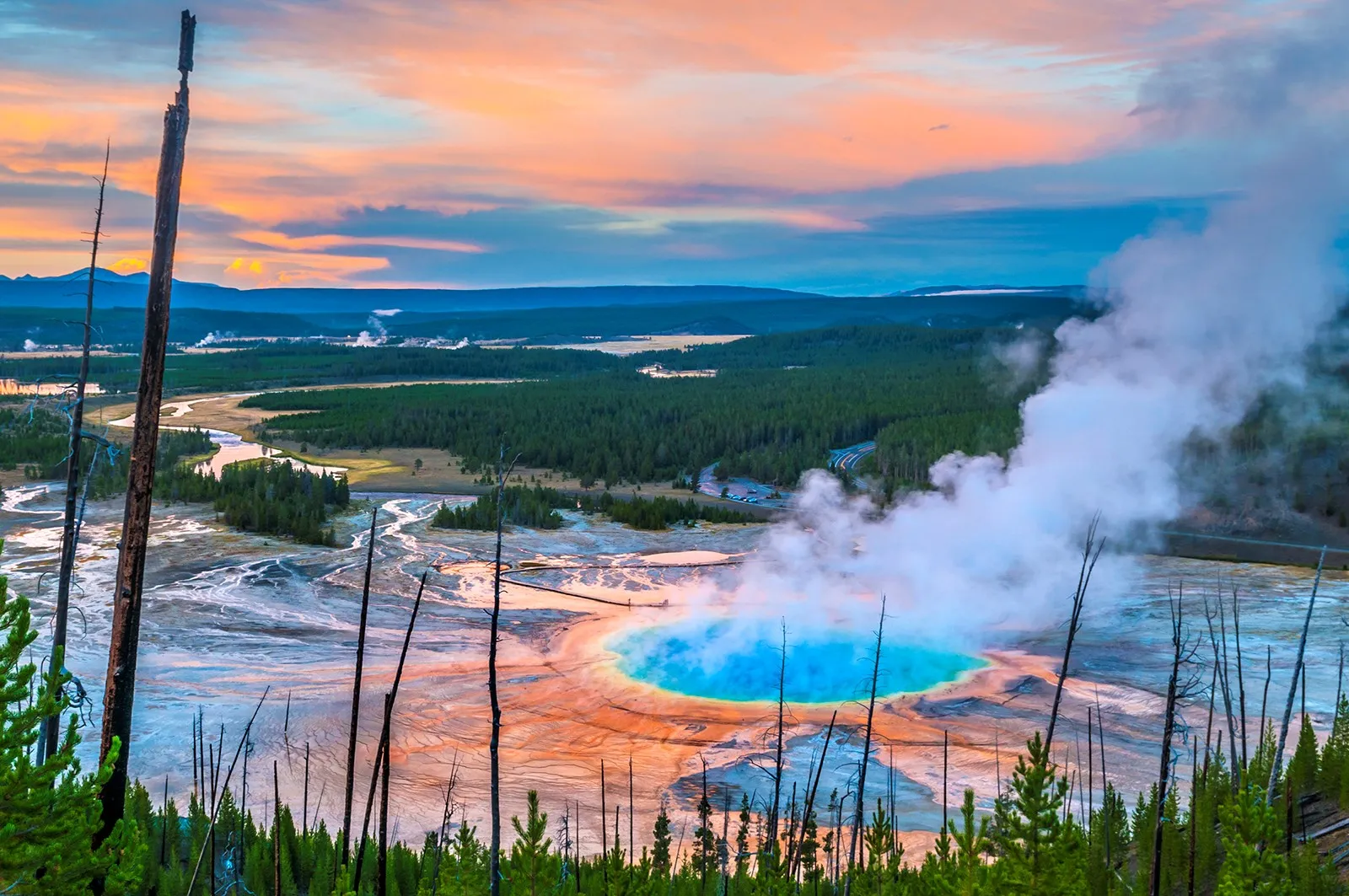
Planning a trip to Yellowstone National Park? One of the smartest things you can do is learn about Yellowstone National Park weather before you go. Yellowstone National Park weather is famously unpredictable and varies wildly depending on the season, time of day, and even elevation. Whether you’re visiting in summer shorts or winter snow gear, this comprehensive guide will help you prepare like a pro.
As long-time national park enthusiasts who’ve explored Yellowstone across all four seasons, we’ve experienced everything from snowstorms in June to golden sunsets in October. Our goal with this guide is to give you accurate, experience-based insights to help you plan your dream Yellowstone vacation and understand the full scope of Yellowstone National Park weather.
Quick Overview of Yellowstone National Park Weather
Yellowstone is located on a high plateau averaging 8,000 feet (2,400 meters) in elevation, which greatly affects Yellowstone National Park Weather. The park spans three states - Wyoming, Montana, and Idaho - covering over 3,500 square miles of pristine wilderness. Here’s what that means for visitors:
-
Summers are short and mild, with cold nights and sudden thunderstorms.
-
Winters are long, frigid, and snowy.
-
Spring and fall are transitional and highly variable.
Don’t be surprised if Yellowstone National Park Weather delivers all four seasons in one day!
Month-by-Month Yellowstone National Park Weather
January: Deep Winter
Yellowstone National Park Weather in January is characterized by deep winter conditions that transform the landscape into a pristine snow-covered wilderness. With average daytime highs around 28°F (-2°C) and nighttime lows dipping to 0°F (-18°C), visitors should prepare for consistently freezing temperatures. Snow accumulates across most regions of the park, creating a postcard-worthy setting filled with frosted trees, frozen rivers, and mist rising from geysers and thermal features.
Although the majority of park roads are closed to regular vehicle traffic, access is available via guided snowcoach tours and snowmobile expeditions primarily between the North Entrance and Lamar Valley. This is one of the best times of year for wildlife photography, especially for spotting wolves, which are most active in the crisp, white landscape of the Lamar region. Cross-country skiing and snowshoeing are popular activities thanks to groomed trails and low visitor numbers, making January an ideal month for solitude, adventure, and witnessing Yellowstone National Park Weather at its most dramatic.

February: The Heart of Winter
Yellowstone National Park Weather in February holds firmly onto winter’s grip. Temperatures remain cold, typically ranging between highs of 30°F (-1°C) and lows of around 2°F (-17°C). Snow continues to fall steadily, often accumulating on top of the deep pack laid down in December and January. The park is incredibly quiet, with even fewer visitors than in January, making it one of the most peaceful times to explore. Wildlife viewing is exceptional, wolves remain highly active and are often seen in Lamar Valley, while bison, elk, foxes, and coyotes frequent open terrain and geothermal zones.
Access is still limited to oversnow travel via snowcoach or snowmobile, but this controlled mode of access makes for a low-impact, quiet experience. Photographers often praise the atmospheric combination of thick frost, fog, and geyser steam. Outdoor activities like snowshoeing and skiing continue to be excellent options, and ranger-led programs, though limited, offer guided winter interpretation. For those seeking solitude, serenity, and winter beauty, Yellowstone National Park Weather in February delivers a profoundly immersive wilderness experience.
March: Transition Begins
In March, Yellowstone National Park Weather starts to show signs of spring. Average highs reach 44°F (6.7°C), while lows hover around 19°F (-7.2°C). Snow remains prevalent, especially in higher elevations, but melting begins in lower areas.
Wildlife becomes more active as animals prepare for the coming warmer months. Bears may start emerging from hibernation, and birds return to the park. Road access remains limited, but the North Entrance to the Northeast Entrance road stays open, allowing for continued wildlife viewing opportunities.
Visitors should anticipate variable conditions, with potential for both snow and rain. Waterproof footwear and layered clothing are recommended.
April: Spring Awakens
Yellowstone National Park Weather in April is highly unpredictable and transitional. While daytime temperatures can reach 47°F (8°C), nighttime lows frequently dip below freezing at 19°F (-7°C). Snow continues to dominate higher elevations, but lower areas begin to thaw, causing rivers to swell and meadows to emerge in patches. Rain becomes more frequent, and snowstorms can still roll through unexpectedly. This is a time of contrasts - one day may bring sunny skies and early blooms, the next might return to winter conditions.
Wildlife activity increases significantly: black bears with cubs are more visible, bison begin calving in the valleys, and birds like sandhill cranes and mountain bluebirds arrive. Most park roads remain closed, but preparations are underway for spring openings. The experience in April is raw and unpredictable, but for those with flexibility and patience, the combination of fewer crowds and the beginning of the park’s rebirth can be deeply rewarding. It’s essential to pack for all types of weather, layers, waterproof boots, and a spirit of adventure are key.
May: Blooming Landscapes
May brings significant change to Yellowstone National Park Weather, with highs rising to 58°F (14°C) and nighttime temperatures hovering around 30°F (-1°C). Snow still lingers in higher elevations, but valleys turn green and lush with the arrival of warmer days. Wildflowers start to bloom, and waterfalls are in peak condition thanks to melting snow. Wildlife is especially active - bison calves populate the valleys, bears are feeding heavily, and elk herds can be seen grazing near roads and rivers.
Most park roads reopen by mid-May, including access to popular sites like Old Faithful and Grand Canyon of the Yellowstone. While the weather is more stable, rain and occasional snow are still possible, particularly at altitude. May is considered one of the best months for wildlife viewing and scenic drives without the high summer crowds. It’s a shoulder season sweet spot for photographers, families, and nature lovers seeking rich biodiversity, vibrant scenery, and milder conditions.
June: Full Access and Activity
June brings the first full taste of summer to Yellowstone, with Yellowstone National Park Weather becoming more inviting and accessible. Daytime highs reach an average of 68°F (20°C), while nighttime temperatures drop to a cool 35°F (2°C). Snow still clings to the highest trails and mountain passes, but most roads and visitor services are now open. Wildflowers explode across the meadows, adding vibrant color to the park’s already dramatic landscapes. Trails in areas like Lamar Valley, Yellowstone Lake, and Hayden Valley begin to open, allowing hikers to explore alpine forests, thermal basins, and riverbanks.
Wildlife viewing is exceptional: elk are calving, black bears are active with cubs, and moose and bison are often seen grazing in open areas. Long daylight hours (up to 15 hours a day) allow for extended exploration and multi-stop itineraries. Afternoon thunderstorms are common but typically short-lived, so carrying a rain jacket and monitoring forecasts is essential. June is ideal for first-time visitors seeking a balanced experience of moderate weather, full access, and wildlife abundance.

July: Peak Summer Season
July is the warmest and busiest month in Yellowstone, showcasing Yellowstone National Park Weather at its most consistent. Daytime temperatures average 76°F (24°C), and nighttime lows settle around 42°F (6°C). Snow has disappeared from most lower and mid-elevation trails, making virtually every region of the park accessible, from Yellowstone Lake to Mount Washburn and all the way to Bechler’s backcountry waterfalls.
Visitor numbers are at their highest, so popular attractions like Grand Prismatic Spring, Old Faithful, and Mammoth Hot Springs can be crowded between 10 a.m. and 4 p.m. Wildlife sightings remain common, though many animals rest during midday heat. Early morning and dusk are best for seeing bears, wolves, and active herds of bison or elk. Afternoon thunderstorms can still roll in, especially in mountainous areas, but skies often clear by evening.
To enjoy Yellowstone National Park Weather in July, plan early starts, use picnic areas to escape crowds, and take advantage of longer hikes where foot traffic thins. July is perfect for adventure seekers and families looking for full access and warm, photogenic days.
August: Late Summer Tranquility
August continues the summer trend with Yellowstone National Park Weather offering sunny days and cool, comfortable nights. Average highs are around 75°F (24°C), and lows drop to about 38°F (3°C). Most park features remain accessible, but the first signs of seasonal shift begin appearing toward the end of the month: cooler mornings, drier grasses, and subtle changes in animal behavior as fall approaches.
While still busy, crowds begin to thin after mid-August. Thunderstorms become less frequent, and the park is typically dry, though wildfires in surrounding states can occasionally lead to hazy skies. Wildlife remains visible but slightly less active in the heat of the day, making sunrise and sunset excursions more rewarding.
August is one of the best months for backpacking, star-gazing, and exploring Yellowstone’s lesser-visited corners like Slough Creek or the Bechler region. Be sure to pack layers, mornings can feel chilly even in peak summer.
September: Autumn Colors Emerge
September brings a stunning transformation in Yellowstone National Park Weather and landscape. Daytime highs ease down to 65°F (18°C), and nighttime temperatures dip close to freezing. Fall foliage begins to light up the park, particularly in the aspens and cottonwoods near Lamar Valley, Yellowstone River, and Pebble Creek. The air is crisp and dry, skies are often crystal clear, and crowds decline significantly after Labor Day.
This is one of the best months for wildlife: elk enter rut season and can be heard bugling across valleys; bears become increasingly active as they bulk up for hibernation. Wolf sightings are also more frequent. Most park roads remain open, but seasonal services like general stores and ranger stations begin reducing hours or closing later in the month.
For photographers, naturalists, and hikers, September offers perhaps the perfect balance: cooler temperatures, golden light, abundant wildlife, and fewer people.

October: Transition to Winter
October in Yellowstone is beautiful but unpredictable, as Yellowstone National Park Weather turns colder and more volatile. Average highs reach just 51°F (10°C), while lows frequently fall below freezing. Early in the month, golden foliage and rutting elk provide iconic fall moments. By mid- to late October, snow becomes increasingly likely, especially in areas above 7,000 feet, and many roads and lodging facilities close for the season.
Wildlife activity remains high, with bears feeding aggressively before hibernation and elk herds moving toward lower elevations. Scenic drives along Grand Loop Road and Dunraven Pass can be spectacular, weather permitting. However, trail conditions vary widely and can change within hours due to sudden snowfall or icy patches.
Travelers should come prepared with winter gear, extra food and water, and flexible itineraries. October is a month for those who want to catch Yellowstone on the brink of hibernation, raw, vivid, and far less crowded.
November: Early Winter Quiet
November marks the return of full winter conditions across much of the park. Yellowstone National Park Weather delivers highs around 35°F (2°C) and lows as cold as 12°F (-11°C), often accompanied by fresh snowfall. Most roads are now closed to vehicles, with the exception of the corridor between Gardiner and Cooke City, which remains plowed and open year-round.
Despite limited access, Lamar Valley and Mammoth Hot Springs remain reachable and offer exceptional opportunities for solitude and wildlife watching. Wolves, foxes, and bison are commonly seen, often against a dusting of snow or frozen ground. Trail use is minimal, but cross-country skiing begins to emerge in lower valleys.
November is ideal for seasoned Yellowstone visitors seeking tranquility, unique photo opportunities, and a quiet, reflective wilderness experience without the summer hustle.
December: Frozen Majesty
December transforms Yellowstone into a snow-covered sanctuary, offering an otherworldly introduction to full winter. Daytime highs hover around 27°F (-3°C), and nighttime lows often drop to 1°F (-17°C). Snow covers nearly every inch of the park, and steam from geysers and hot springs becomes even more dramatic in the frigid air. Visibility can shift quickly due to fog and flurries, adding to the ethereal mood.
Access is limited to the North Entrance corridor and oversnow travel via guided snowcoaches or snowmobiles to select locations like Old Faithful and Canyon Village. Wildlife watching continues, with wolves and bison standing out vividly in the white landscape. Lodges like Old Faithful Snow Lodge reopen for winter season stays, offering cozy, quiet holidays amid nature.
December is perfect for adventurous travelers and photographers willing to brave the cold in exchange for some of the most peaceful and visually stunning conditions Yellowstone offers all year.

Helpful Tips for Experiencing Yellowstone in Different Weather Conditions
Exploring Yellowstone National Park is an unforgettable adventure, but the weather can vary dramatically depending on the season. Being well-prepared will help you make the most of your visit. Here's what to expect—and how to plan—for each time of year:
April through June
Typical Weather:
Expect fluctuating conditions with lingering snow, especially in early spring. Daytime temperatures often range from freezing up to about 60 degrees Fahrenheit (around -1°C to 15°C).
Advice for Visitors:
-
Dress in Layers: Wear multiple layers that you can add or remove easily. A waterproof jacket is useful for surprise rain or snowfall.
-
Footwear Matters: Waterproof hiking boots will help you navigate wet, muddy trails.
-
Monitor Road Access: Some park roads and services may still be closed due to snowpack. Always check the park’s website before heading out.
-
Watch Wildlife Safely: Spring is an active season for animals, carry binoculars and keep your distance to stay safe.
July and August
Typical Weather:
Warm days and cool evenings are common. Daytime highs usually fall between 70 to 80°F (21°C to 27°C), but it can dip to 40°F (4°C) at night. Afternoon thunderstorms are frequent.
Advice for Visitors:
-
Protect Against the Sun: Pack sunglasses, a wide-brimmed hat, and sunscreen.
-
Stay Hydrated: Bring plenty of water, especially when hiking.
-
Start Early: Arrive at popular spots early in the day to beat both the heat and the crowds.
-
Bear Awareness: Carry bear spray, know how to use it, and make noise on trails to alert wildlife of your presence.
September through October
Typical Weather:
Cooler temperatures and the potential for early snowfall. Expect temperatures between 30°F and 60°F (-1°C to 15°C). The air is often crisp and skies are clear.
Advice for Visitors:
-
Dress Warmly: Include a thick jacket, hat, and gloves in your packing list.
-
Shorter Days: Plan your hikes and drives with reduced daylight in mind.
-
Watch for Closures: Facilities and roads begin shutting down for the winter season, so check for updates.
-
Great for Photography: Autumn colors make this a scenic time to visit, don’t forget your camera.
November through March
Typical Weather:
Temperatures plunge during winter months, ranging from 0°F to 30°F (-18°C to -1°C), with consistent snow cover.
Advice for Visitors:
-
Dress for the Cold: Layer up with thermals, insulated outerwear, hats, gloves, and waterproof winter boots.
-
Winter Driving Prep: Use snow tires or bring chains if driving in snowy areas.
-
Limited Road Access: Most roads are closed to regular vehicles. Explore the park via guided snowcoach or snowmobile tours.
-
Embrace Winter Fun: Try snowshoeing, cross-country skiing, or wildlife watching, but always check weather and trail updates beforehand.
Year-Round Tips for Visiting Yellowstone:
-
Stay Updated: Always check the latest weather conditions and park advisories before your trip.
-
Practice Wildlife Safety: Maintain a respectful distance from all animals and never attempt to feed them.
-
Leave No Trace: Help preserve the park by following Leave No Trace ethics.
-
Be Prepared: Carry a reliable map, compass, or GPS device—cell service is limited in many areas.
Final Thoughts on Yellowstone National Park Weather
Whether you’re coming for geysers, wildlife, hiking, or winter serenity, Yellowstone National Park Weather is a key part of the experience. By understanding it, respecting its extremes, and planning accordingly, you’ll be ready to make the most of every breathtaking moment.
Check official park resources for live Yellowstone National Park Weather and road updates before your trip. With a bit of prep, every season in Yellowstone becomes a story worth telling.