

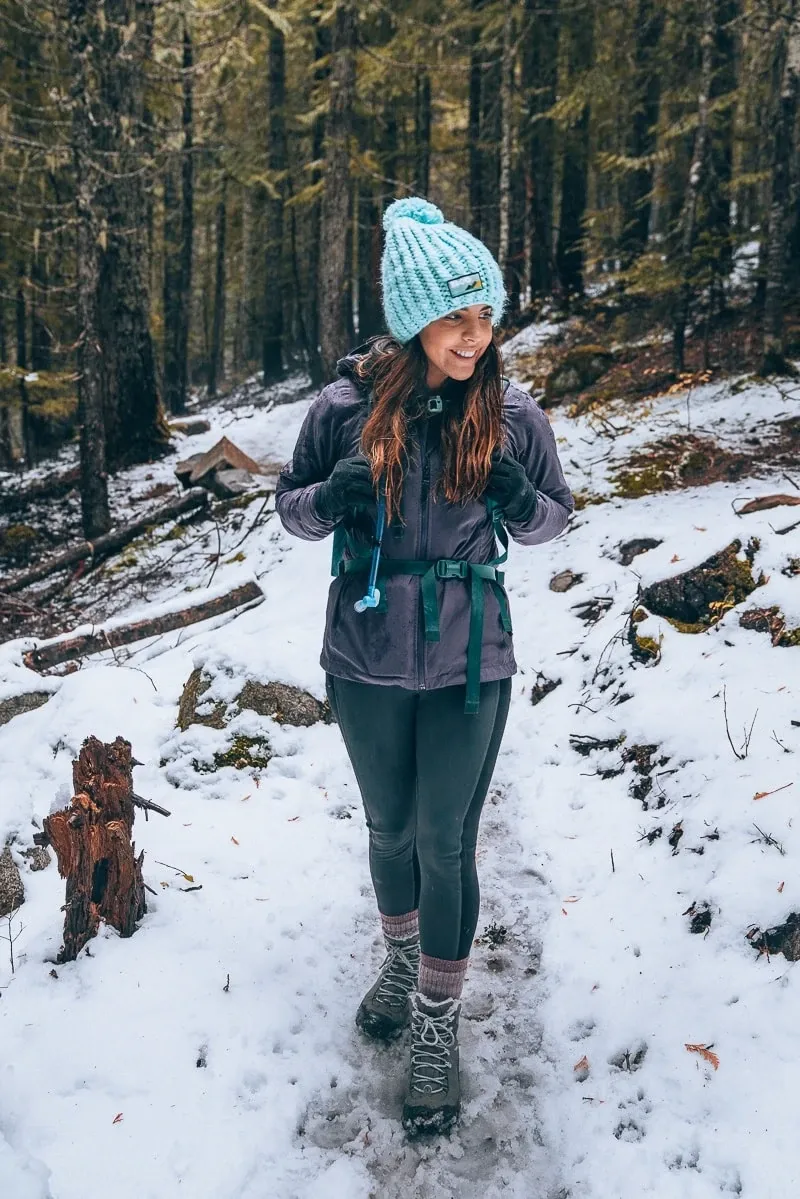
What to Wear in National Parks: Your Complete Guide to Outdoor Apparel; Essential Gear
Planning the perfect outdoor adventure requires careful consideration of your food and snacks for outdoor trips. Whether you're embarking on a multi-day backpacking expedition or enjoying a weekend camping getaway, choosing the right nutrition can make or break your experience. After spending countless hours on trails from Yellowstone to the Appalachian Mountains, I've learned that proper meal planning is just as crucial as selecting the right gear. Visit Nature Guests for more comprehensive outdoor adventure guides.
Essential Principles for Outdoor Food Selection

When selecting food and snacks for outdoor trips, understanding the fundamental principles can transform your wilderness experience from merely surviving to truly thriving. During my first week-long backpacking trip in the Rocky Mountains, I learned this lesson the hard way when my poorly planned meals left me exhausted by day three. The key lies in balancing weight, nutritional density, and preservation requirements.
The primary consideration is caloric density – you need foods that pack maximum energy into minimal weight and space. Outdoor activities burn significantly more calories than your typical day, often requiring 3,000-4,500 calories daily for active hikers. This means prioritizing foods that deliver at least 120-140 calories per ounce. Nuts, dried fruits, energy bars, and dehydrated meals typically meet this criterion effectively.
Weather resistance becomes crucial when you're miles from the nearest store. I've experienced the disappointment of chocolate bars melting into unusable liquid during summer hikes and energy bars freezing solid during winter expeditions. Temperature-stable options like properly selected camping essentials ensure consistent nutrition regardless of conditions.
Packaging integrity deserves equal attention. Lightweight foods become worthless if their containers fail. I always look for reinforced packaging or transfer items to zip-lock bags before heading out. This approach has saved countless meals from being crushed in my pack during challenging terrain navigation.
Quick Selection Criteria Checklist:
- Caloric density: 120+ calories per ounce
- Stable in temperature extremes
- Minimal preparation required
- Durable packaging or repackageable
- Appeals to your taste preferences
Energy-Dense Snacks That Fuel Your Adventures
For years, trail mix has been the staple snack for outdoor adventures, but newer options now provide improved nutrition and easier portability. After trying dozens of choices in different conditions and landscapes, I’ve discovered a few exceptional picks that deliver steady energy without sacrificing flavor or storage efficiency.
Nature Valley Trail Mix Bars
These bars combine the convenience of portioned snacking with traditional trail mix nutrition. Each bar provides the perfect balance of nuts, dried fruits, and whole grains, delivering sustained energy without the mess of loose trail mix components.
View on AmazonCLIF Bar Variety Pack
CLIF bars have earned their reputation through consistent performance in demanding conditions. Their organic ingredients and substantial 250+ calorie content make them ideal for sustained hiking efforts, while multiple flavors prevent taste fatigue during longer expeditions.
Shop CLIF BarsNuts and seeds deserve special recognition for their exceptional nutrient profiles. Almonds, cashews, and mixed nut combinations provide healthy fats, protein, and essential minerals that support endurance activities. I particularly recommend portioning them into daily servings before trips, as this prevents overconsumption and helps with pack weight distribution.
Dried fruits offer natural sugars for quick energy replenishment, but quality varies dramatically between brands. Look for varieties without added sugars or sulfites, which can cause digestive issues during physical exertion. Dates, dried apricots, and banana chips consistently perform well in various weather conditions while providing essential potassium for muscle function.
Energy gels and chews represent modern innovations that address specific performance needs. While traditionally associated with running and cycling, these concentrated energy sources prove invaluable during challenging climbs or when appetite decreases due to altitude or exertion. Their compact size and rapid absorption make them excellent emergency energy reserves for safety-conscious outdoor adventurers.
Protein Powerhouses for Sustained Energy

As trips grow longer, protein plays a crucial role in aiding muscle recovery and maintaining steady energy levels by keeping you fuller for longer. The real challenge is sourcing protein options that stay shelf-stable without refrigeration while still offering enough variety and taste to keep meals and snacks enjoyable on extended outdoor adventures.
Featured Product: Jack Link's Beef Jerky Variety Pack
This variety pack consistently ranks as my top protein recommendation for outdoor adventures. With multiple flavors including Original and Teriyaki, it provides 11g of protein per serving while weighing only 1.25 ounces per package. The individual packaging prevents spoilage and allows for easy rationing during extended trips.
★★★★★ 4.7/5 (37,184 reviews)
"Perfect for hiking - lightweight, tasty, and keeps me full between meals." - Verified Purchaser
Beef jerky represents the gold standard for portable protein, offering 7-11 grams per serving with exceptional shelf stability. However, quality varies significantly between brands. Premium options use leaner cuts with minimal additives, while budget versions often contain excessive sodium and preservatives that can increase thirst during activities.
Protein bars have evolved considerably from their chalky predecessors, now offering genuinely appetizing options that rival conventional snacks. Look for bars containing 15-20 grams of protein with minimal artificial ingredients. Many ultralight backpackers prefer these over jerky due to their consistent texture in various temperatures and humidity conditions.
Nut butters in portable packets provide versatile protein sources that pair excellently with other trail foods. Single-serving almond, peanut, or mixed nut butter packets can transform basic crackers or dried fruit into satisfying mini-meals. Their healthy fat content supports sustained energy release, making them particularly valuable for extended hiking adventures.
Alternative protein sources deserve consideration for dietary restrictions or preference variety. Turkey jerky, salmon strips, and plant-based protein bars offer different flavor profiles while meeting similar nutritional requirements. Vegans and vegetarians can rely on chickpea snacks, protein-enriched trail mixes, and quinoa-based energy bars for comparable protein density.
Complete Meal Solutions for Extended Trips
Beyond snacking, extended outdoor adventures require satisfying meal solutions that provide comprehensive nutrition while remaining practical to prepare and consume. Freeze-dried and dehydrated meal technology has revolutionized backcountry dining, offering restaurant-quality flavors in ultralight packages perfect for food and snacks for outdoor trips lasting multiple days.
Mountain House Breakfast Skillet
This freeze-dried breakfast provides 2 servings of scrambled eggs, hash browns, peppers, onions, and sausage. With 20g protein and 420 calories total, it delivers satisfying nutrition that powers morning adventures. Simply add hot water and wait 8-10 minutes.
"Tastes like real breakfast! Worth every penny for multi-day hikes." - Trail Runner Magazine subscriber
Mountain House Beef Stroganoff
A dinner favorite among backpackers, featuring tender beef, noodles, mushrooms, and onions in creamy sauce. Two servings provide 500+ calories and 24g protein, making it ideal for recovery after demanding days on the trail.
"My go-to dinner for week-long trips. Tastes amazing after 8 hours of hiking!" - r/Ultralight member
Preparation convenience distinguishes quality meal solutions from basic sustenance. The best freeze-dried meals require only boiling water and patience, eliminating complex cooking requirements that drain energy and time. This simplicity becomes especially valuable during adverse weather conditions or when fatigue limits your motivation for elaborate meal preparation.
Nutritional completeness sets premium meal solutions apart from basic snacking approaches. Quality freeze-dried meals incorporate vegetables, proteins, and complex carbohydrates in balanced proportions that support sustained outdoor activities. This comprehensive nutrition helps maintain energy levels and supports recovery during demanding multi-day adventures.
Portion sizing requires careful consideration when planning extended trips. Many commercial freeze-dried meals claim to serve two people but realistically satisfy one hungry hiker after a full day of activity. I recommend calculating based on your typical increased appetite during outdoor activities, then adding 20% extra for safety margins. This approach ensures adequate nutrition without the disappointment of insufficient portions when you need energy most.
Alternative meal strategies can reduce costs while maintaining nutrition quality. Combining grocery store items like instant rice, dehydrated vegetables, and protein sources creates customized meals at significant savings. However, this approach requires more planning and preparation time, making it most suitable for experienced outdoor enthusiasts who enjoy culinary experimentation in conjunction with comprehensive trip planning.
My Personal Experience: Lessons from the Trail

During my five years of serious backpacking across North America's most challenging terrain, I've learned that theoretical food planning differs dramatically from practical trail reality. My most valuable insights about food and snacks for outdoor trips came through mistakes, discoveries, and countless conversations with fellow adventurers who shared their hard-won wisdom.
My first major food failure occurred during a week-long section hike of the Continental Divide Trail in Colorado. Confident in my planning abilities, I packed mostly homemade granola bars and trail mix, assuming variety wouldn't matter after a few days of hiking. By day four, the sight of another granola bar nauseated me, and I found myself rationing food simply because I couldn't stomach another bite of the same flavors.
This experience taught me the critical importance of flavor variety, even in basic snack selection. Now I always pack at least four different types of energy bars, rotate between sweet and savory snacks throughout each day, and include at least one "comfort food" item that I genuinely crave. These comfort items – often chocolate bars or favorite cookies – provide psychological benefits that extend far beyond their nutritional contributions.
Weather adaptability became another crucial lesson during a late-season backpacking trip in Glacier National Park. Early snow caught our group unprepared, and temperatures dropped below freezing for three consecutive nights. My carefully planned food selections became almost inedible: energy bars froze solid, requiring body heat to make them chewable, while liquid foods in squeeze packets froze completely. Since then, I always include temperature-stable options like nuts, dried fruits, and specially formulated cold-weather bars in my pack.
Key Lessons Learned:
- Flavor Fatigue is Real: Pack variety even in basic snacks
- Weather Changes Everything: Test foods in expected conditions
- Appetite Fluctuates: Include both light and substantial options
- Backup Plans Matter: Always carry emergency food reserves
- Local Knowledge Helps: Ask rangers about seasonal considerations
Altitude effects surprised me during my first high-elevation trek in the Wind River Range. Above 10,000 feet, my appetite diminished significantly, and rich, fatty foods became unappealing. However, I still needed the calories for demanding climbs and cold nights. This experience led me to discover that lighter, more digestible options like energy chews, diluted sports drinks, and simple carbohydrates work better at elevation, while saving protein-heavy and fat-rich foods for lower elevations.
The most valuable advice came from a park ranger during a resupply stop in Yosemite's backcountry. She recommended the "one-bite rule" – if you can't immediately enjoy the first bite of any trail food, pack it away and try something else. Forcing yourself to eat unappetizing food when you're already stressed by challenging conditions often leads to digestive issues that can derail entire trips. This wisdom has guided my food selections ever since, emphasizing personal preference alongside nutritional requirements when planning meals and snacks for national park adventures.
Food Storage and Safety Considerations
Proper storage transforms good food selections into safe, long-lasting nutrition that supports successful outdoor adventures. Beyond selecting appropriate food and snacks for outdoor trips, understanding storage principles prevents spoilage, contamination, and dangerous wildlife encounters that can compromise both safety and trip enjoyment.
Bear-safe storage requirements vary by location but universally demand that all scented items remain completely inaccessible to wildlife. This includes not just obvious foods but also toiletries, trash, and even seemingly innocent items like chapstick or gum. I learned this lesson during a camping trip in the Adirondacks when a black bear destroyed our campsite searching for a forgotten energy bar wrapper in my day pack.
Bear canisters represent the gold standard for backcountry food storage in many wilderness areas. These approved containers protect food from bears while keeping contents dry and organized. However, their weight and bulk require careful pack planning. I recommend practicing with your bear canister at home, experimenting with efficient packing arrangements that maximize space utilization while maintaining easy access to frequently needed items.
Safety Alert
Never store food in your tent or sleeping area. Even the smallest crumb can attract dangerous wildlife to your most vulnerable location. Always follow Leave No Trace principles for food storage and disposal.
Pro Tip
Double-bag all powdered foods and liquids in zip-lock bags. This prevents spills from contaminating other food items and makes cleanup easier if containers leak during transport.
Temperature control becomes critical for maintaining food safety during extended trips, especially in warm climates. Foods containing dairy, meat, or eggs require particular attention, as they spoil rapidly in temperatures above 40°F. Freeze-dried and dehydrated options eliminate these concerns while providing excellent nutrition density, making them preferred choices for warm-weather adventures.
Water requirements for food preparation deserve equal consideration in storage planning. Many freeze-dried meals require specific water quantities for proper reconstitution, while some foods like oatmeal or rice need additional water for cooking. I always calculate total water needs including drinking, cooking, and cleaning, then add 25% extra for safety margins. This planning approach ensures adequate hydration while supporting proper food preparation.
Organization systems dramatically improve food management efficiency during trips. I use a simple color-coding system: breakfast items in blue bags, lunch and snacks in green bags, and dinner items in red bags. This organization allows quick identification of needed items without unpacking entire storage containers, reducing time spent on meal preparation and minimizing exposure to weather conditions during food access.
Waste management planning should begin before leaving home, not after generating trash in the wilderness. I repackage bulk items into single-serving portions using reusable containers or compostable packaging when possible. This approach reduces waste volume while improving portion control and meal planning accuracy. Remember that proper waste disposal is essential for maintaining pristine wilderness environments for future adventurers.
Frequently Asked Questions
How much food should I pack per day for outdoor trips?
The general guideline is 2-3 pounds of food per person per day, providing approximately 2,500-4,500 calories depending on activity intensity, body weight, and environmental conditions. Ultralight backpackers often target 125-135 calories per ounce to minimize pack weight while maintaining adequate nutrition. For weekend trips, you can afford slightly heavier, more satisfying food options, while extended expeditions require maximum caloric density to prevent pack weight from becoming unmanageable.
What's the difference between freeze-dried and dehydrated camping meals?
Freeze-dried meals undergo a more complex preservation process that removes 98% of moisture while maintaining original food structure, resulting in better taste and texture when rehydrated. They're lighter but more expensive than dehydrated alternatives. Dehydrated meals remove about 90% of moisture through heat drying, making them heavier but more affordable. Freeze-dried options typically require only hot water and 5-15 minutes of waiting time, while dehydrated meals may need actual cooking. For extended trips where weight matters most, freeze-dried meals justify their higher cost through improved pack weight efficiency.
How do I prevent food from spoiling during hot weather camping?
Focus on shelf-stable foods that don't require refrigeration: canned goods, dried fruits, nuts, energy bars, and properly preserved meats like jerky. Avoid dairy products, fresh meats, and mayonnaise-based items unless consumed immediately. Store food in cooler, shaded areas of your pack, and consider using reflective emergency blankets to create shade over food storage areas during rest stops. Consume perishable items first and save non-perishable options for later in your trip. In extreme heat, frozen water bottles can provide temporary cooling for sensitive items during the first day while doubling as drinking water as they melt.
Are energy bars really necessary for hiking, or can I use regular snacks?
Energy bars offer several advantages over regular snacks: consistent nutritional profiles, reliable caloric density, weather-resistant packaging, and balanced macronutrients designed for sustained activity. However, regular snacks can work effectively if chosen thoughtfully. Nuts, dried fruits, and quality granola bars from grocery stores often provide comparable nutrition at lower costs. The key is ensuring adequate protein content (8-15g per serving) and caloric density (120+ calories per ounce). Energy bars become most valuable during challenging conditions where consistent, quick energy access matters more than cost considerations, such as during technical climbs or adverse weather when food preparation time must be minimized.
What should I do if I run out of food during a multi-day trip?
Prevention is crucial: always pack 20-30% extra food beyond your calculated needs and carry emergency rations for unexpected delays. If you find yourself short on food, immediately ration remaining supplies to stretch them as long as possible while prioritizing safety over comfort. Identify the nearest exit point or resupply location and modify your itinerary accordingly. Never attempt to forage for wild foods unless you're an expert in plant identification, as mistakes can be fatal. Consider caching emergency food supplies at strategic points during longer expeditions, and always inform someone of your planned route and expected return time so help can be sent if you fail to return as scheduled.
Conclusion
Mastering food and snacks for outdoor trips transforms wilderness adventures from survival exercises into genuinely enjoyable experiences where nutrition supports rather than limits your capabilities. The principles and products discussed in this comprehensive guide represent years of field testing across diverse environments and conditions, providing you with proven strategies that work when it matters most.
Remember that successful outdoor nutrition planning extends beyond simply selecting calorie-dense foods. Weather adaptability, storage requirements, personal preferences, and safety considerations all influence optimal food choices for your specific adventures. Start with shorter trips to test different approaches, gradually building experience and confidence that enables more ambitious expeditions.
The investment in quality outdoor foods pays dividends through improved energy levels, better mood stability, and enhanced safety margins during challenging conditions. Whether you choose premium freeze-dried meals or carefully selected grocery store alternatives, prioritizing nutrition quality supports your outdoor goals while maintaining the flexibility needed for spontaneous adventures.
Continue exploring our comprehensive guides on essential outdoor gear and wilderness safety preparation to build complete outdoor competence that enables safe, successful adventures in any environment.
Ready to Gear Up for Your Next Adventure?
Get the best outdoor food and snacks delivered to your door with our tested recommendations
Shop Premium Jerky Pack Explore More Guides