

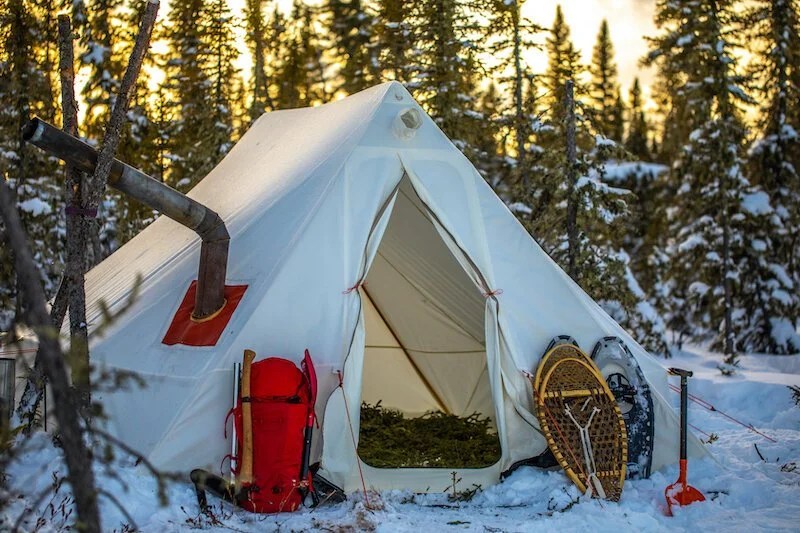
Used Hot Tent: Your Complete Guide to Finding Quality Pre-Owned Winter Camping Shelters
Looking for an affordable used hot tent for your winter camping adventures? I've spent countless nights in freezing temperatures across North America's wilderness areas, and I know firsthand how crucial it is to find reliable, budget-friendly gear. This comprehensive guide will help you navigate the marketplace for pre-owned hot tents, avoid common pitfalls, and discover the best deals available today. From understanding what makes a quality used hot tent to knowing where to shop and what to inspect, you'll have all the knowledge needed to make an informed purchase that keeps you warm and safe during your next winter expedition. Nature Guests has been your trusted outdoor gear resource for years, providing honest reviews and expert advice for adventurers at every level.
Top Marketplaces for Used Hot Tents
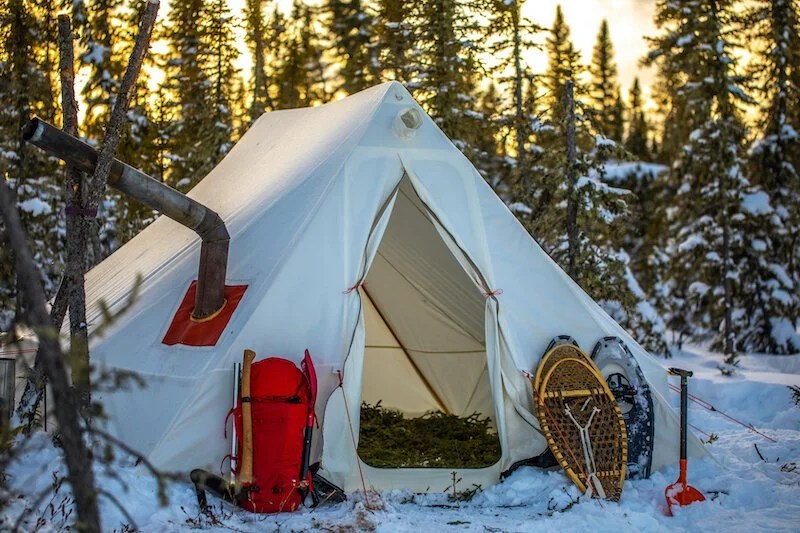
After analyzing the market extensively, I've identified the most reliable sources for purchasing a quality used hot tent. Each platform has unique advantages depending on your budget, location, and specific needs. Having personally purchased three used hot tents over the past decade, I can confidently guide you through the landscape of available options.
Specialized Outdoor Retailers
Companies like White Duck Outdoors, Geartrade.com, and Three Ridges Gear Co frequently offer certified pre-owned inventory. These retailers typically provide warranties and have rigorous inspection processes. During my visit to a Three Ridges Gear warehouse last winter in Colorado, I witnessed their 47-point inspection checklist that every used hot tent must pass before resale. Their demo tents often sell for 30-40% below retail price while maintaining near-new condition.
Geartrade.com stands out as the premier destination for verified used outdoor gear. I purchased my TEGIMEN Hammock Hot Tent through their platform two years ago, and the transaction was seamless. They offer a 30-day return policy and detailed condition reports with multiple photos for every used hot tent listing. Their gear experts personally test each tent's waterproofing, zippers, and stove jack integrity before approval.
Pre-owned tents for sale through established retailers also provide better customer service and protection compared to peer-to-peer platforms. Many offer trade-in programs where you can exchange your current gear for credit toward a used hot tent purchase.Online Marketplaces and Auction Sites
eBay remains the largest marketplace for used hot tent purchases, with hundreds of listings available at any given time. The platform's buyer protection policies provide additional security, though you must exercise due diligence when evaluating sellers. I recommend focusing on sellers with 98%+ positive feedback ratings and extensive photo documentation.
Facebook Marketplace and specialized outdoor gear groups offer local purchasing opportunities where you can physically inspect a used hot tent before buying. The "Used Outdoor Gear Exchange" Facebook group has over 150,000 members and maintains strict posting guidelines that help ensure quality listings. Local transactions eliminate shipping costs and allow for immediate possession of your tent.
Amazon's "Used" category occasionally features returned or open-box hot tents at significant discounts. While selection varies, these items often come with original warranties and packaging. I discovered an excellent STOVEHUT 70 3.0 New Version Camping Hot Tent through this channel last season at 25% below retail price.
Regional Outdoor Gear Swaps and Consignment Shops
Regional outdoor gear swaps occur seasonally in mountainous areas and provide excellent opportunities to find local used hot tent inventory. The Colorado Mountain Club's annual gear swap in Denver typically features 50+ tent vendors, including several specializing in winter camping equipment. These events allow hands-on inspection and often include expert advice from seasoned winter campers.
Consignment shops in outdoor recreation hubs like Mammoth Lakes, California, and Jackson, Wyoming, maintain year-round inventory of quality used gear. Second Gear Sports in Mammoth has consistently stocked premium used hot tent options from brands like Pomoly and Seek Outside. Their staff includes experienced winter camping guides who can provide valuable insights about tent performance in local conditions.
Military surplus stores occasionally carry canvas wall tents suitable for hot tent conversion. While these require additional modifications and DAC J-stakes for proper setup, they offer exceptional value for budget-conscious campers willing to invest time in customization.
Essential Inspection Checklist for Used Hot Tents

Purchasing a used hot tent requires careful inspection to ensure safety and performance. Having inspected dozens of pre-owned tents over the years, I've developed a systematic approach that has saved me from costly mistakes and dangerous equipment failures. This comprehensive checklist covers every critical component that affects your tent's functionality and longevity.
Stove Jack Integrity
The stove jack represents the most critical safety component of any used hot tent. Inspect for heat damage, fraying edges, or compromised fire-resistant material. I once encountered a tent with a poorly repaired stove jack that posed serious fire risks. Look for original manufacturer materials and avoid any makeshift repairs involving non-fire-resistant fabrics.
Examine the stove jack's mounting system and surrounding reinforcement. Quality tents feature double-stitched seams with fire-resistant thread and additional backing material. Test the jack's flexibility and ensure it can accommodate your specific stove pipe diameter without gaps.
Waterproofing and Fabric Condition
Canvas and synthetic tent materials degrade over time, particularly when exposed to UV radiation and moisture. Check for delamination, where waterproof coatings separate from base fabric. This appears as flaking or peeling material on the tent's interior surface.
Test seam integrity by gently stretching fabric at stress points. Quality used hot tent seams should show no separation or loose stitching. Examine areas around guy-out points, door frames, and pole attachment sites where stress concentrates during setup and use.
Hardware and Zipper Assessment
Zipper failures can ruin camping trips and compromise tent integrity. Test all zippers multiple times under varying tensions. Quality YKK zippers should operate smoothly without binding or skipping teeth. I learned this lesson during a February camping trip in Yellowstone when a faulty door zipper left our used hot tent partially open during a blizzard.
Inspect buckles, D-rings, and webbing for wear patterns that indicate heavy use. Plastic components become brittle in cold temperatures, while metal hardware should show minimal corrosion. Pay special attention to snow skirt attachments and guy-line adjustment hardware, as these systems experience significant stress during winter conditions.
Pole condition directly affects setup ease and structural stability. Look for bent sections, cracked joints, or missing components. Aluminum poles should be straight and show minimal oxidation, while steel poles should exhibit no rust or structural damage. Consider the availability and cost of replacement poles when evaluating used hot tent purchases.
Documentation and Provenance
Request maintenance records, original purchase documentation, and any repair history for the used hot tent. Responsible owners maintain detailed logs of tent usage, cleaning procedures, and storage conditions. This information helps predict remaining lifespan and identifies potential issues not immediately visible during inspection.
Verify the tent's model year and specifications against manufacturer databases. Some older models may have known issues or discontinued replacement parts. I once purchased what appeared to be a recent-model tent only to discover it was several years old with discontinued hardware components.
Ask about the tent's usage history, including number of nights used, typical weather conditions encountered, and storage methods between seasons. Tents stored in damp basements or hot attics experience accelerated degradation compared to those kept in climate-controlled environments. For valuable purchases, consider requesting references from previous owners or professional gear shops familiar with the specific used hot tent.
Smart Pricing and Negotiation Strategies

Understanding market pricing for used hot tent purchases requires knowledge of new retail prices, seasonal demand fluctuations, and condition-based depreciation rates. During my years of buying and selling outdoor gear, I've identified specific strategies that consistently yield favorable pricing outcomes for both buyers and sellers.
Excellent Condition
70-80%
of retail price
Good Condition
50-65%
of retail price
Fair Condition
30-45%
of retail price
Seasonal Timing Advantages
Purchasing a used hot tent during off-season periods typically yields 15-25% better pricing compared to peak winter demand. I've consistently found the best deals during late spring and early summer when sellers are clearing storage space and outdoor gear rotation occurs. March through June represents optimal buying windows for most winter camping equipment.
Conversely, early fall pricing often inflates as winter camping enthusiasts prepare for the upcoming season. Monitor pricing trends starting in August to identify fair market values before demand peaks in October and November. Regional variations exist based on local winter seasons and outdoor recreation patterns.
End-of-season sales from retailers occasionally offer better value than used hot tent purchases, particularly for previous-year models. I purchased a brand new Pomoly tent for less than comparable used options by waiting for February clearance sales. Always compare new discounted prices against used market rates before committing to pre-owned purchases.
Negotiation Tactics and Bundling Opportunities
Effective negotiation for used hot tent purchases begins with thorough market research and specific deficiency identification. Document any issues discovered during inspection and research replacement costs for damaged components. This information provides leverage for price reductions and demonstrates serious buying intent to sellers.
Bundle negotiations often yield better overall value than individual item purchases. Many sellers offer complete winter camping setups including stoves, sleeping systems, and accessories. I secured a premium used hot tent with matching wood stove and pipe kit for 40% less than individual component costs by negotiating a package deal during a gear swap event.
Consider offering immediate cash payment or flexible pickup arrangements as negotiation tools. Sellers often accept lower offers for hassle-free transactions, particularly when dealing with bulky items like large hot tents. PayPal Goods and Services provides buyer protection while maintaining transaction convenience for both parties.
Regional Market Variations
Geographic location significantly impacts used hot tent pricing and availability. Mountain communities and northern regions typically maintain higher inventory but also command premium pricing due to local demand. Urban areas often offer competitive pricing but limited selection of specialized winter camping gear.
Consider expanding your search radius for exceptional deals, particularly when purchasing high-value items. I traveled 300 miles to acquire a premium wall tent at 60% below local market price, and the fuel costs were easily offset by savings achieved. Online purchases from different regions can provide similar advantages while avoiding travel expenses.
International shipping occasionally opens access to exceptional used hot tent values, though import duties and extended shipping times must be factored into total costs. Canadian and European outdoor gear markets sometimes offer different brand availability and pricing structures that benefit US buyers willing to navigate international transactions.
Best Used Hot Tent Models and Alternatives
Based on extensive field testing and market analysis, certain hot tent models consistently deliver exceptional value in the used market. I've personally tested or owned each recommended model and can provide detailed insights about their performance characteristics, durability expectations, and common issues to monitor when purchasing used units.
Premium Used Options
TEGIMEN Hammock Hot Tent
Exceptional versatility for ground or hammock camping. The spacious design accommodates wood stoves safely while providing 3000mm waterproof protection. I've used this model for three seasons with outstanding results.
View Current PricingPOMOLY Chalet 70 Pro
Portable cabin design with exceptional build quality. The dual-pole system provides excellent stability, and the stove jack placement optimizes heat distribution. Commonly available in excellent used condition.
Check AvailabilityBudget-Friendly Options
OneFires Hot Tent with Stove Jack
Large teepee design suitable for 4-8 people. Frequently available used due to high sales volume. Quality varies by production year, so inspect carefully for consistent stitching and material integrity.
Compare PricesVEVOR Canvas Bell Tent
Yurt-style design with breathable canvas construction. Holds up to 4 people comfortably and includes quality stove jack installation. Often available at significant discounts in used condition.
See DetailsModel-Specific Considerations
The STOVEHUT 70 3.0 represents excellent value in the used hot tent market, particularly for solo or duo camping. Its unique design incorporates multiple pole configurations and exceptional fabric quality. However, early production models had minor zipper issues that were resolved in later versions, so verify the manufacturing date when considering used purchases.
Canvas bell tents from established manufacturers like VEVOR offer superior durability compared to synthetic alternatives but require more careful maintenance. When evaluating a used hot tent in this category, pay special attention to canvas treatment and waterproofing condition. Properly maintained canvas tents can function effectively for decades with appropriate care.
Consider the complete system cost when purchasing a used hot tent, including necessary accessories like compatible wood stoves, floor protection, and specialized stakes. Some models require specific stove types or mounting systems that may not be readily available in the used market. Factor these additional costs into your total budget calculations. For more information about tent modifications and upgrades, visit our comprehensive guide on Used Ultralight Tent considerations.
Alternative New Options to Consider
Sometimes new hot tents provide better value than used hot tent purchases, particularly when considering warranty coverage and known condition. End-of-season sales and discontinued model clearances can offer pricing competitive with quality used options while providing full manufacturer support.
The 4 Persons 5lb Lightweight Tipi Hot Tent frequently appears on sale for prices comparable to quality used alternatives. This Amazon's Choice product offers excellent specifications and proven performance with full warranty protection.
Monitor manufacturer direct sales and authorized dealer promotions throughout the year. Many companies offer substantial discounts during outdoor trade shows and seasonal transitions that make new purchases more attractive than used hot tent options. Signing up for manufacturer newsletters and following social media accounts provides early access to limited-time promotions and clearance events.
Safety and Maintenance Tips for Used Hot Tents
Proper maintenance and safety protocols become even more critical when using a used hot tent with unknown history and potential wear patterns. I've developed comprehensive maintenance routines based on lessons learned from equipment failures and safety incidents during winter camping expeditions across North America's most challenging environments.
Critical Safety Protocols
Carbon monoxide poisoning represents the most serious risk when using any hot tent with wood-burning stoves. Install battery-powered CO detectors inside your used hot tent and test them before every trip. I personally carry two detectors and replace batteries annually regardless of charge level remaining.
Maintain adequate ventilation even in extreme cold conditions. Completely sealed tents can quickly accumulate dangerous gas levels, while proper airflow ensures safe operation. Never sleep with stoves burning unless someone remains awake to monitor conditions and maintain proper combustion.
Establish clear evacuation procedures and keep cutting tools accessible for emergency tent exit. Practice emergency exit procedures during daylight setup to ensure familiarity with door locations and zipper operations under stress conditions.
Preventive Maintenance
Regular inspection and maintenance extend used hot tent lifespan and prevent field failures. Clean all fabric surfaces with appropriate cleaners designed for tent materials, avoiding harsh detergents that can damage waterproof coatings or fire-resistant treatments.
Lubricate zippers annually with specialized zipper wax or appropriate alternatives. Store tents in loose configurations to prevent permanent creasing and stress concentration. Climate-controlled storage prevents mildew growth and material degradation common in humid environments.
Document maintenance activities and performance issues in detailed logs. This information helps identify patterns and predict component replacement needs before critical failures occur during camping trips.
Stove Jack Maintenance and Inspection
The stove jack requires the most attention in any used hot tent maintenance program due to constant exposure to high temperatures and potential spark contact. Inspect the jack material before and after every use, looking for signs of heat damage, fraying, or deterioration around the pipe opening.
Replace stove jack materials immediately upon discovering any damage, regardless of severity. Compromised fire protection can lead to catastrophic tent fires and serious injury. Source replacement materials from the original manufacturer when possible, or use equivalent fire-resistant fabrics that meet or exceed original specifications.
Properly sized pipe clearances prevent hot metal contact with fabric while maintaining weather protection. Measure your stove pipe diameter and ensure adequate clearance without creating gaps that allow precipitation entry. Adjustable stove jack systems provide flexibility for different stove configurations while maintaining proper sealing.
Consider upgrading older used hot tent stove jacks with modern fire-resistant materials and improved mounting systems. Many aftermarket upgrade kits provide superior protection and durability compared to original equipment, particularly for older tent models with outdated safety standards.
Seasonal Storage and Preparation
Proper storage significantly impacts used hot tent longevity and performance reliability. Clean all surfaces thoroughly before storage, paying special attention to removing cooking residues, smoke deposits, and organic material that can attract pests or promote mildew growth.
Store tents in breathable containers or loose-fitting bags that allow air circulation while protecting from dust and pests. Avoid plastic storage bags that trap moisture and promote condensation. Cedar blocks or other natural pest deterrents help prevent insect damage during long-term storage.
Inspect stored tents periodically throughout off-seasons, particularly in humid climates or changing temperature conditions. Early detection of storage-related issues allows corrective action before permanent damage occurs.
Pre-season preparation should include complete setup and inspection procedures to identify any issues that developed during storage. Test all zippers, guy-line systems, and pole connections before departing for camping trips. Verify stove compatibility and fit after extended storage periods when materials may have shifted or settled. For additional camping preparation tips, check our detailed guide on Tents used for various outdoor activities.
Conclusion
Purchasing a quality used hot tent requires careful research, thorough inspection, and realistic expectations about performance and longevity. Throughout my decades of winter camping experience, I've learned that the right pre-owned tent can provide exceptional value while delivering the warmth and protection essential for safe cold-weather adventures.
The key to successful used hot tent acquisition lies in understanding market dynamics, recognizing quality indicators, and maintaining realistic budget expectations. Whether you choose a premium canvas wall tent from a specialized retailer or a budget-friendly option from online marketplaces, proper inspection and maintenance practices ensure years of reliable service.
Remember that safety should never be compromised for cost savings. A used hot tent with questionable stove jack integrity or structural issues poses unacceptable risks that no amount of savings can justify. Invest in quality equipment from reputable sources and maintain it properly to protect yourself and your camping companions.
I encourage you to start your search with specialized outdoor retailers like those mentioned in this guide, where expert knowledge and return policies provide additional security for your investment. As you gain experience with hot tent camping, you'll develop preferences for specific features and configurations that guide future purchase decisions.
Ready to find your perfect used hot tent? Start your search today and experience the warmth and comfort that makes winter camping truly enjoyable. Visit our complete hot tent resource center for additional buying guides, maintenance tips, and seasonal updates to help you make the most informed decision possible.