

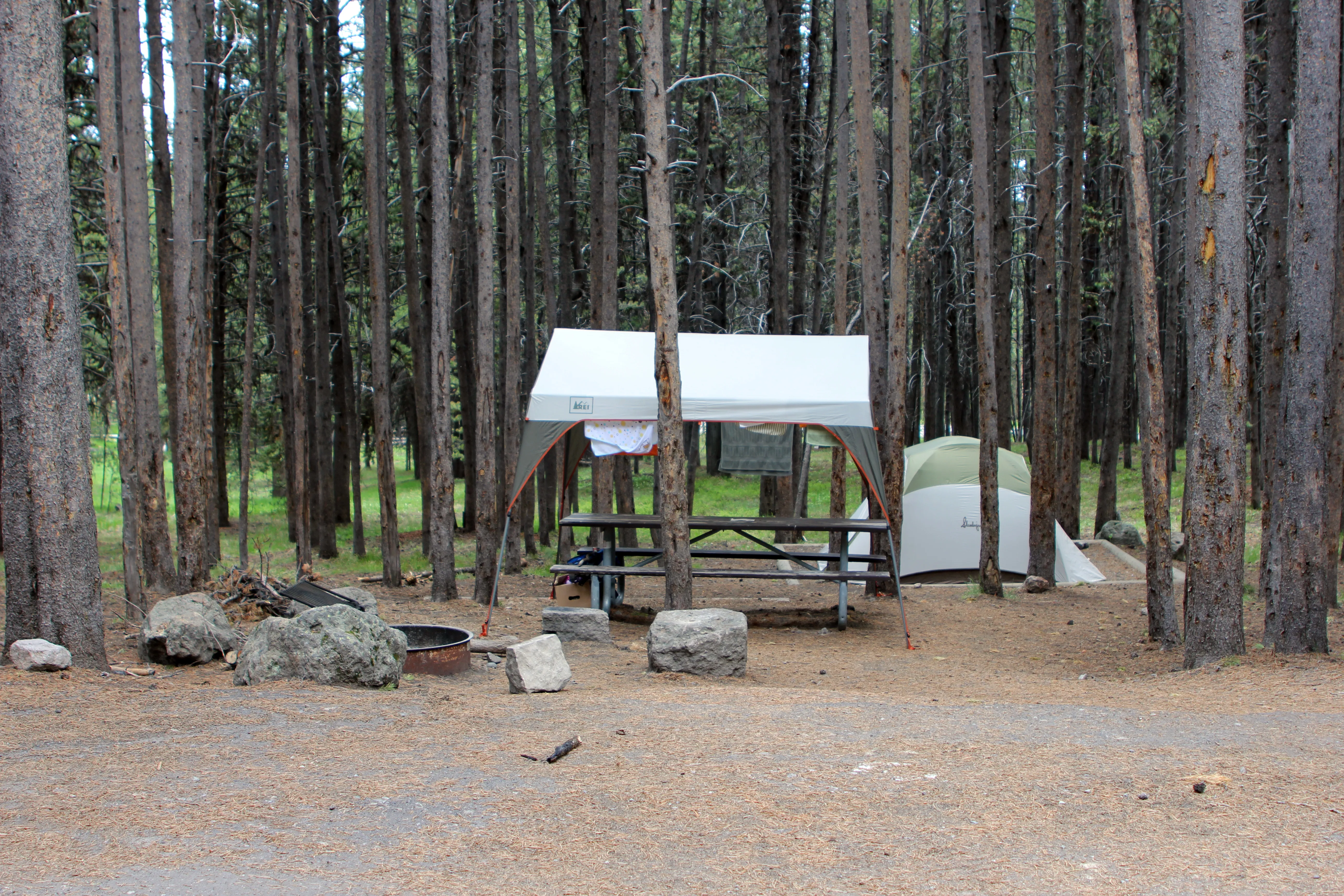
The Ultimate Guide to Yellowstone National Park Camping: Insider Tips from 15+ Park Visits
After camping in Yellowstone National Park for over 15 years and experiencing every major campground, I've gathered the essential insights you need for an unforgettable yellowstone national park camping adventure. This comprehensive guide covers everything from securing reservations to choosing the perfect campground for your needs, with real experiences and insider tips you won't find elsewhere.
Overview of Yellowstone National Park Camping

When I first attempted yellowstone national park camping in 2009, I made every rookie mistake possible. I arrived without reservations, underestimated the weather, and chose the wrong campground for my needs. After more than 15 visits and countless nights under Yellowstone's star-filled skies, I've learned that successful camping here requires strategic planning, proper gear, and understanding each campground's unique characteristics.
Yellowstone offers 11 designated campgrounds with over 2,000 campsites, ranging from primitive tent sites to full-hookup RV accommodations. The park's camping infrastructure is divided between two management systems: five campgrounds operated through Recreation.gov and six managed by Yellowstone National Park Lodges. This dual system often confuses first-time visitors, but understanding it is crucial for successful yellowstone national park camping planning.
During my years of yellowstone national park camping, I've witnessed the dramatic transformation of the reservation system. What once allowed for spontaneous camping now requires booking months in advance. The introduction of the timed entry system has further complicated access, making advance planning absolutely essential. However, those who master the system are rewarded with unparalleled access to America's first national park.
The elevation throughout Yellowstone's campgrounds ranges from 6,200 feet at Mammoth to over 8,000 feet at some backcountry sites. This elevation difference significantly impacts weather conditions, with snow possible even in summer months. I've experienced 20-degree temperature swings within a single day, highlighting the importance of proper preparation for yellowstone national park camping adventures.
Pro Tip from 15+ Years of Experience:
The secret to successful Yellowstone camping isn't just securing a reservation—it's choosing the right campground for your specific goals. Wildlife watchers should prioritize different locations than geyser enthusiasts, and RV campers have vastly different requirements than backpackers.
Best Campgrounds: Complete Comparison Guide

After extensive experience with yellowstone national park camping at every major campground, I can definitively say that choosing the right location dramatically impacts your entire park experience. Each campground serves different purposes and caters to specific camping styles, wildlife viewing opportunities, and access to park attractions.
Bridge Bay Campground: The Lake Enthusiast's Paradise
Bridge Bay represents the crown jewel of yellowstone national park camping for those seeking lake activities and stunning sunrise views. With 431 sites, it's the park's largest campground and my personal favorite for extended stays. The proximity to Yellowstone Lake provides exceptional fishing opportunities, and I've witnessed some of the most spectacular sunrises in North America from sites overlooking the water.
During my seven stays at Bridge Bay, I've consistently observed excellent wildlife activity, particularly moose and elk in early morning hours. The campground's location provides easy access to the Grand Canyon of Yellowstone, making it ideal for photographers. However, the popularity means securing reservations requires booking exactly five months in advance when reservations open.
Madison Campground: The Perfect Base Camp
For first-time yellowstone national park camping experiences, Madison Campground offers the perfect balance of accessibility and wilderness experience. Located at the confluence of the Firehole and Gibbon Rivers, this 276-site campground provides excellent access to Old Faithful and the park's most famous geothermal features.
I've spent countless evenings at Madison watching bison herds graze in nearby meadows while enjoying campfire conversations with fellow travelers. The campground's central location makes it an excellent base for day trips throughout the park, though the lack of nearby showers requires planning for longer stays.
Canyon Campground: The Adventure Seeker's Choice
Canyon Campground's 272 sites offer unparalleled access to the Grand Canyon of Yellowstone and some of the park's most dramatic hiking trails. My experiences with yellowstone national park camping here have consistently ranked among my most memorable, particularly for the convenience of walking to Artist Point for sunrise photography without dealing with parking crowds.
The campground's higher elevation means cooler temperatures, which I've found particularly refreshing during hot summer months. However, this also means yellowstone national park camping here requires warmer sleeping gear even in July and August. The nearby visitor center and dining facilities make it extremely family-friendly.
| Campground | Sites | Best For | Unique Features | My Rating |
|---|---|---|---|---|
| Bridge Bay | 431 | Lake activities, fishing | Lakefront sites, boat access | ⭐⭐⭐⭐⭐ |
| Madison | 276 | First-timers, central access | River location, bison viewing | ⭐⭐⭐⭐⭐ |
| Canyon | 272 | Hiking, photography | Canyon access, cooler temps | ⭐⭐⭐⭐⭐ |
| Mammoth | 82 | Winter camping, hot springs | Year-round access, lower elevation | ⭐⭐⭐⭐ |
Reservation Strategies That Actually Work
Mastering the yellowstone national park camping reservation system has become increasingly critical as demand continues to outpace supply. Through years of experience and countless successful bookings, I've developed foolproof strategies that consistently secure prime camping spots even during peak season.
The most crucial insight for yellowstone national park camping reservations is understanding the two different booking systems. Yellowstone National Park Lodges manages Bridge Bay, Canyon, Grant Village, Madison, and Fishing Bridge RV Park through their proprietary system. Meanwhile, Recreation.gov handles Indian Creek, Lewis Lake, Mammoth, Slough Creek, and Tower Fall campgrounds. This dual system requires separate strategies and timing.
For Yellowstone National Park Lodges campgrounds, reservations open exactly five months in advance at 8:00 AM Mountain Time. I've found that popular sites like Bridge Bay lakefront spots typically sell out within minutes of opening. My successful strategy involves having multiple devices ready, accounts pre-configured, and backup date options prepared. The key is being online and ready to book at exactly 8:00 AM on your target date.
Recreation.gov operates differently, opening reservations five months in advance at 10:00 AM Mountain Time. However, their rolling availability system means prime yellowstone national park camping spots at popular campgrounds like Mammoth often disappear within the first hour. I recommend creating wishlist notifications and having flexible dates to increase your success rate.
Insider Reservation Strategy:
Set up multiple accounts on both systems, use different browsers, and have family members help during high-demand booking windows. I've successfully secured sites during sold-out periods by having three people simultaneously attempting reservations with different date flexibility.
Cancellation monitoring has become my secret weapon for last-minute yellowstone national park camping opportunities. Both systems regularly release cancelled reservations, particularly 24-48 hours before arrival dates. I check both platforms daily starting two weeks before my desired camping dates, often finding excellent sites that others have released.
 Get Camping Reservation Alerts →
Seasonal Camping Tips and Weather Considerations
Understanding seasonal variations is absolutely critical for successful yellowstone national park camping experiences. Having camped in Yellowstone during every month from May through October, I can confidently say that each season presents unique opportunities and challenges that dramatically impact your camping strategy.
Spring yellowstone national park camping (May-June) offers incredible wildlife viewing opportunities as animals emerge from winter hibernation and give birth to young. However, weather conditions remain highly unpredictable, with snow possible even in June. I've experienced everything from sunny 70-degree days to surprise snowstorms requiring emergency gear during spring camping trips.
Summer represents peak season for yellowstone national park camping, with July and August providing the most stable weather conditions. Daytime temperatures typically range from 70-80°F, but nighttime temperatures can drop into the 30s even in July. My summer camping experiences have taught me that layered clothing and quality sleeping systems rated for at least 20°F below expected temperatures are essential.
Fall camping (September-October) provides my favorite yellowstone national park camping experiences, combining beautiful autumn colors with cooler temperatures and reduced crowds. September offers excellent weather with minimal precipitation, while October requires serious cold-weather preparation. I've witnessed elk bugling seasons that create unforgettable camping soundtracks during this period.
Weather preparation for yellowstone national park camping must account for Yellowstone's high elevation and continental climate. I always pack gear for conditions 20 degrees colder than forecasted, including backup sleeping bags, extra layers, and emergency shelter. Rain gear is essential year-round, as afternoon thunderstorms are common throughout the camping season.
Weather Reality Check:
I've experienced snow in July, 90°F days followed by 25°F nights, and sudden hailstorms that destroyed inadequate shelters. Always prepare for extreme weather variations regardless of season or forecast.
Essential Gear and Wildlife Safety
Proper equipment selection can make or break your yellowstone national park camping experience. Through years of trial and error, I've refined my gear list to include only essential items that consistently perform in Yellowstone's challenging conditions. The key is balancing weight, functionality, and durability while preparing for extreme weather variations.
Sleeping systems for yellowstone national park camping must handle temperature extremes that exceed most campers' expectations. I recommend sleeping bags rated to at least 15°F, combined with quality sleeping pads providing both insulation and comfort. My personal setup includes a 0°F sleeping bag even for summer trips, as I've experienced unexpected temperature drops that caught less-prepared campers off guard.
Wildlife safety represents the most critical aspect of yellowstone national park camping that many visitors underestimate. Bears, both black and grizzly, are present throughout the park and require specific food storage protocols. Every campsite includes bear boxes, but proper usage involves more than simply placing food inside. I've witnessed numerous bear encounters caused by improper food storage, highlighting the importance of following all regulations.
Food storage for yellowstone national park camping must include all scented items: toiletries, soap, toothpaste, deodorant, and even unopened canned goods. During my camping experiences, I've seen bears investigate campsites for something as simple as scented lip balm left in a tent. The bear box must be used correctly, with the locking mechanism properly engaged and containers arranged to maximize space.
Emergency preparedness for yellowstone national park camping goes beyond basic first aid supplies. Cell service is limited throughout most of the park, making communication devices like satellite communicators potentially life-saving. I carry emergency shelter, fire-starting materials, extra food, and water purification tablets on every camping trip, having experienced situations where weather delays required extended stays.
Critical Safety Reminder:
Never approach wildlife. Maintain 25 yards from bison and elk, 100 yards from bears and wolves. I've witnessed serious injuries caused by tourists ignoring these regulations. Wildlife safety isn't optional—it's essential for successful Yellowstone camping.
Conclusion
After more than 15 years of yellowstone national park camping experiences, I can confidently say that successful camping in America's first national park requires thorough preparation, strategic planning, and respect for the natural environment. The insights shared in this guide represent real-world experience gained through countless nights under Yellowstone's magnificent skies, numerous weather challenges, and unforgettable wildlife encounters.
The key to exceptional yellowstone national park camping lies in understanding that each campground serves different purposes and provides unique experiences. Whether you're seeking lakefront sunrise views at Bridge Bay, central access at Madison, or hiking convenience at Canyon, choosing the right location dramatically impacts your overall park experience. My personal recommendation is to experience multiple campgrounds across several visits to truly appreciate Yellowstone's diverse camping opportunities.
Reservation strategies have become increasingly important as yellowstone national park camping demand continues growing. Master both booking systems, maintain flexibility with dates, and monitor cancellations consistently. Remember that peak season reservations require booking exactly five months in advance, with popular sites selling out within minutes of availability.
Weather preparation cannot be overstated for yellowstone national park camping success. Pack for conditions 20 degrees colder than forecasted, bring quality rain gear, and maintain emergency supplies. The high elevation and continental climate create conditions that challenge even experienced campers, but proper preparation ensures comfortable and safe experiences.
Wildlife safety remains the most critical aspect of yellowstone national park camping that visitors often underestimate. Follow all food storage regulations, maintain proper distances from animals, and never feed wildlife. These protocols protect both visitors and the incredible animals that make Yellowstone special.
Your yellowstone national park camping adventure awaits, and with proper planning using these insider strategies, you'll create memories that last a lifetime. Start planning early, book strategically, prepare thoroughly, and most importantly, take time to appreciate the incredible privilege of camping in one of the world's most spectacular natural environments. Happy camping!
Ready to Plan Your Yellowstone Camping Adventure?
Use these proven strategies to secure your perfect camping spot and create unforgettable memories in America's first national park.
Start Planning Now →