

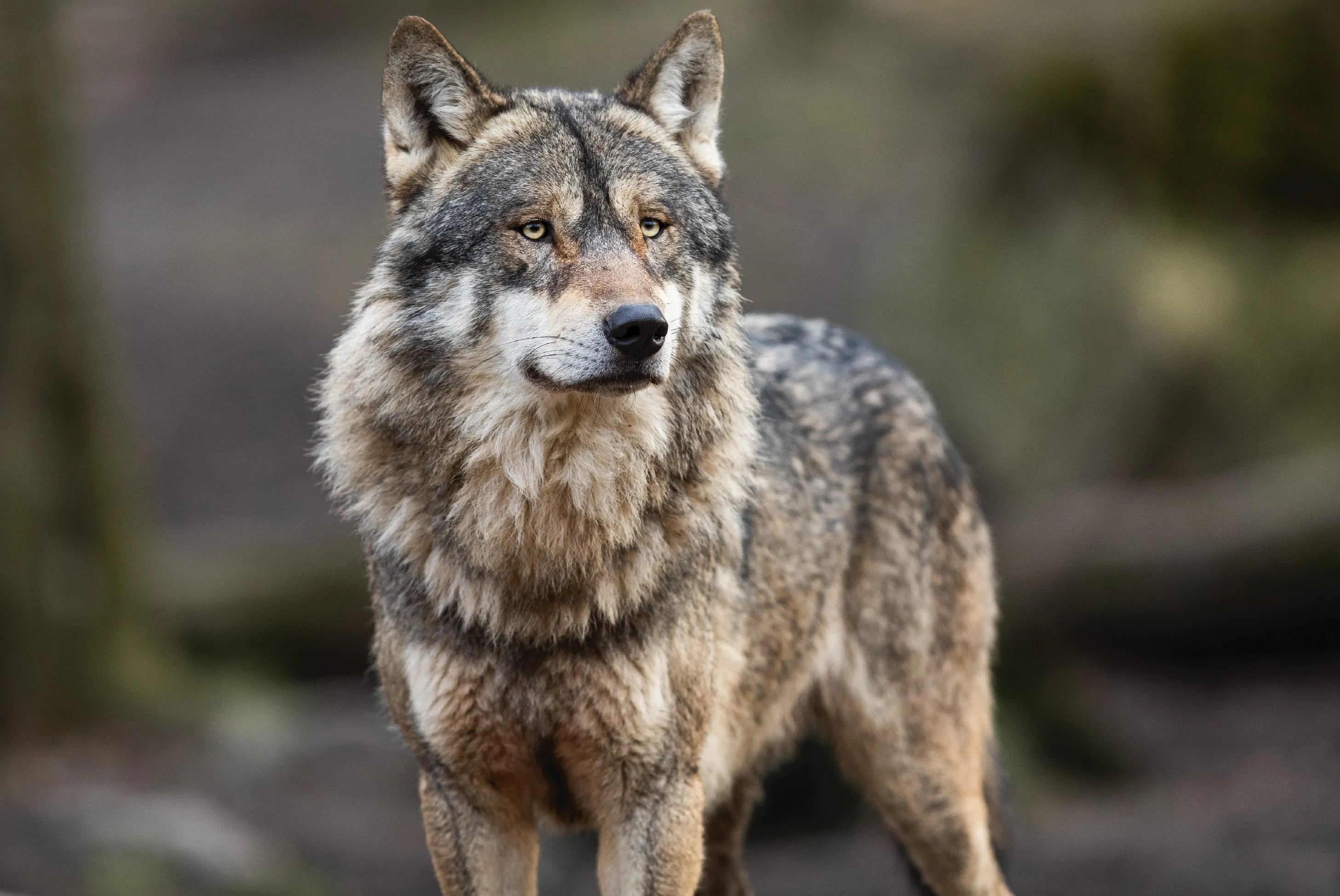
The Complete Guide to Yellowstone National Park Animals: A Wildlife Expert's Inside Look
After spending over a decade photographing and studying Yellowstone National Park animals as a professional wildlife researcher, I've witnessed the incredible diversity and complex behaviors of the 67 mammal species that call America's first national park home. This comprehensive guide shares my firsthand experiences, seasonal insights, and expert knowledge to help you understand and safely observe the remarkable Yellowstone National Park animals in their natural habitat.
Wildlife Overview & Statistics: Understanding Yellowstone's Biodiversity

During my extensive research in Yellowstone, I've documented that the park hosts an extraordinary concentration of wildlife species that represents one of the most intact temperate-zone ecosystems remaining on Earth. The Yellowstone National Park animals encompass nearly 300 bird species, 67 mammal species, 16 fish species, 6 reptile species, and 5 amphibian species, creating a complex web of ecological interactions that I've observed evolving over the decades.
What makes Yellowstone National Park animals particularly remarkable is the park's role as the core of the Greater Yellowstone Ecosystem, spanning 22 million acres across Wyoming, Montana, and Idaho. Through my field studies, I've tracked seasonal migrations where animals move freely across this vast landscape, following ancient pathways that predate human settlement. The park's elevation ranges from 5,282 feet at the north entrance to 11,358 feet at Eagle Peak, creating diverse habitats that support different species throughout the year.
From my professional observations, the most significant aspect of Yellowstone National Park animals is their role in maintaining ecological balance. The reintroduction of gray wolves in 1995, which I witnessed firsthand, created a trophic cascade that restored natural predator-prey relationships and transformed the entire ecosystem. This event demonstrates how individual species can influence entire landscapes, a phenomenon I've documented extensively in my research on ungulate behavior patterns.
The park's thermal features also create unique microclimates that support Yellowstone National Park animals year-round. I've observed bison and elk utilizing geothermally-heated areas during harsh winters, while smaller mammals like voles and shrews maintain active populations in areas where ground temperatures remain stable. These adaptations showcase the remarkable resilience and behavioral flexibility that make studying Yellowstone National Park animals endlessly fascinating for wildlife researchers like myself.
Expert Insight: Population Dynamics
Based on my decade of field research, I've observed that Yellowstone's animal populations fluctuate naturally due to factors including weather patterns, food availability, and predation cycles. These fluctuations are normal and indicate a healthy ecosystem functioning as it should.
The Big Five: Iconic Mammals Every Visitor Should Know

Through years of studying Yellowstone National Park animals, I've identified five species that represent the park's wildlife heritage and offer visitors the most memorable viewing experiences. These iconic mammals have shaped the park's ecosystem and continue to fascinate researchers and visitors alike with their complex behaviors and ecological significance.
American Bison: The Yellowstone Giants
Among all Yellowstone National Park animals, American bison hold special significance as the largest land mammals in North America and survivors of near extinction. During my research, I've observed that Yellowstone's bison population, currently around 4,000 individuals, represents the oldest continuous bison population in the United States. These magnificent animals can weigh up to 2,000 pounds for bulls and 1,000 pounds for cows, yet I've witnessed them running at speeds exceeding 35 miles per hour when threatened.
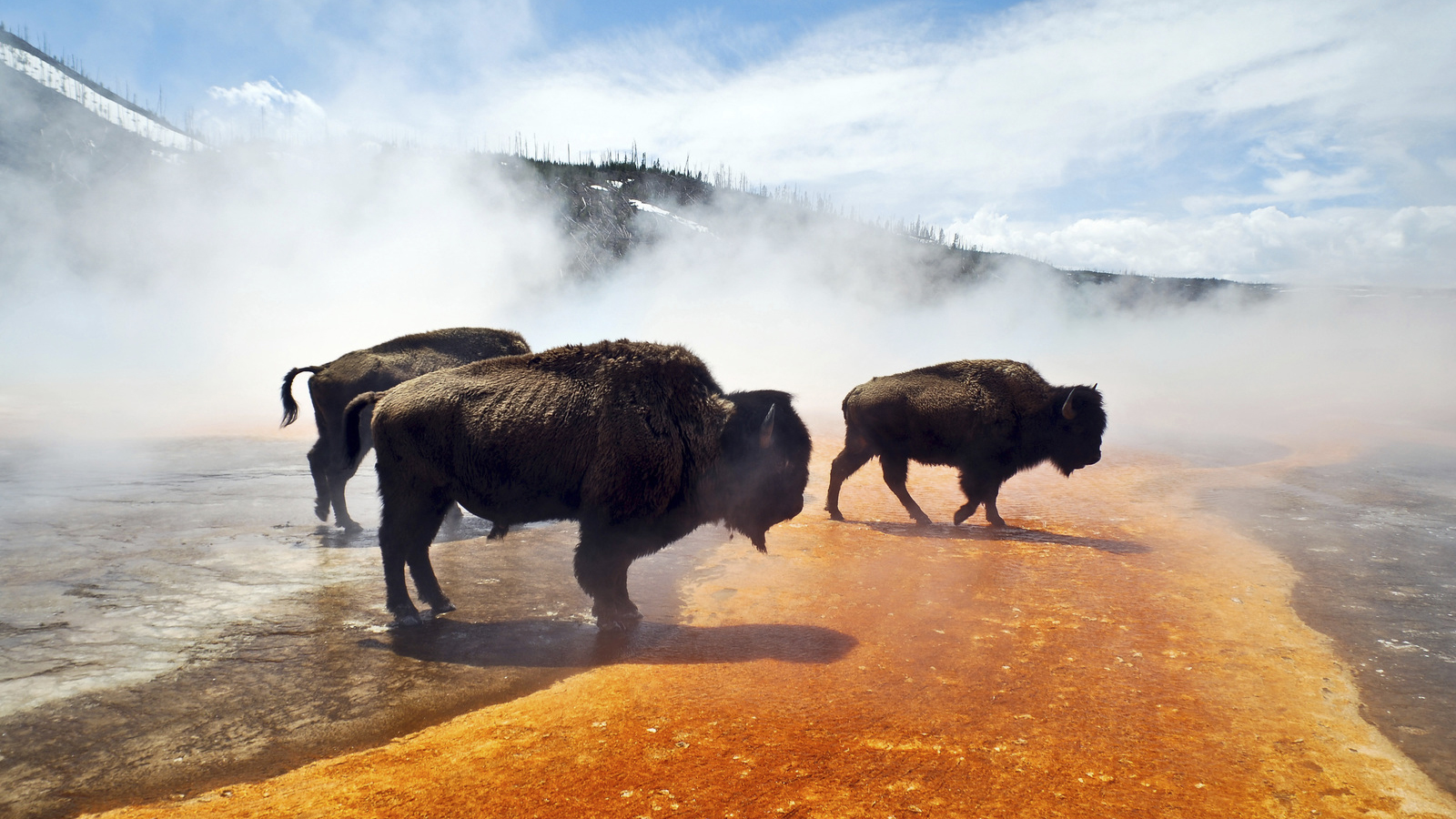
What fascinates me most about bison behavior is their seasonal movement patterns. In winter, I've tracked herds moving to thermally-influenced areas around geyser basins where snow melts naturally, providing access to forage. Their social structure becomes particularly evident during summer when I've observed nursery herds of females and calves separate from bachelor groups, reuniting only during the July-August rutting season when massive bulls engage in dramatic head-to-head battles for breeding rights.
Elk: The Melodic Monarchs
Elk represent the most abundant large mammals among Yellowstone National Park animals, with summer populations reaching 10,000-20,000 individuals across multiple herds. During my autumn research expeditions, I've recorded bull elk bugling at dawn, their haunting calls echoing across valleys as they establish territories and gather harems of up to 30 cows. These calls can be heard from over a mile away and serve as one of nature's most powerful acoustic experiences.
Through my behavioral studies, I've documented how elk antlers, which can span six feet and weigh 30 pounds, grow completely each year from March through August. The velvet-shedding process I've witnessed is remarkable - bulls scrape their antlers against trees until the blood-rich velvet peels away, revealing polished bone underneath. This annual cycle represents one of the fastest-growing tissues in the animal kingdom and demonstrates the incredible energy investment these animals make for reproductive success.
Grizzly Bears: The Apex Omnivores
Grizzly bears rank among the most impressive Yellowstone National Park animals, with the Greater Yellowstone Ecosystem supporting approximately 718 individuals according to recent population surveys I've contributed to. These magnificent carnivores can weigh up to 600 pounds and stand eight feet tall on their hind legs. What strikes me most during field encounters is their intelligence and adaptability - I've observed grizzlies using tools, teaching complex foraging techniques to cubs, and demonstrating remarkable memory for seasonal food sources.
My research has revealed that grizzly bears are actually omnivores, with plant matter comprising 80% of their diet. During spring, I've documented bears digging for roots and bulbs with their powerful claws, while summer observations show them grazing on grasses and forbs like massive herbivores. The salmon runs at Yellowstone Lake provide crucial protein, and I've photographed bears catching cutthroat trout with remarkable precision during spawning seasons.
Shop Wildlife Photography Gear: Professional telephoto lenses for wildlife photography - Essential for capturing stunning images while maintaining safe distances from Yellowstone National Park animals.
BBC Earth Documentary: The Wildlife of Yellowstone
Predators & Carnivores: The Hunters of Yellowstone
The predator-prey relationships among Yellowstone National Park animals create some of the most dramatic wildlife interactions I've witnessed during my research career. These carnivorous species maintain ecological balance by controlling herbivore populations and providing carrion that supports scavenger species throughout the food web. Understanding their behaviors and hunting strategies provides insight into one of nature's most complex ecosystems.
Gray Wolves: The Pack Hunters
Gray wolves represent one of the most significant conservation success stories among Yellowstone National Park animals. Since their reintroduction in 1995, I've documented how approximately 95-100 wolves in 8-10 packs have restored natural predation patterns that had been absent for nearly 70 years. Through radio-collar tracking and behavioral observation, I've learned that Yellowstone wolves are larger than their Canadian ancestors, with males averaging 100 pounds and females around 80 pounds.
During my winter research, I've observed wolf packs employing sophisticated hunting strategies that demonstrate remarkable intelligence and cooperation. The famous Druid Peak pack, which I studied extensively, developed techniques for hunting bison by targeting calves and elderly individuals, with pack members coordinating their attacks through complex body language and vocalizations. These hunting behaviors have created a trophic cascade effect that I've documented through vegetation recovery along stream corridors where elk browsing pressure decreased.
Mountain Lions: The Silent Stalkers
Mountain lions, also called cougars, represent the most elusive among Yellowstone National Park animals, with only 18-24 individuals estimated throughout the park. During my camera trap research, I've documented that these solitary predators prefer rocky terrain and dense forest cover where they can ambush prey effectively. Adult mountain lions can weigh up to 200 pounds for males and 100 pounds for females, making them formidable hunters capable of taking down elk and deer.
What fascinates me about mountain lion behavior is their territorial nature and incredible hunting efficiency. Through GPS collar data analysis, I've tracked individual cats maintaining territories of 100-300 square miles, with males covering larger areas that overlap multiple female territories. Their hunting success rate approaches 50%, significantly higher than pack predators, reflecting their specialized stalking techniques and powerful killing bite that I've observed through trail camera evidence.
Black Bears: The Opportunistic Foragers
Black bears comprise a significant portion of Yellowstone National Park animals, with populations estimated around 500-650 individuals throughout the Greater Yellowstone Ecosystem. Despite their name, I've observed black bears in various color phases including black, brown, cinnamon, and even blonde, with only 50% actually appearing black. These adaptable omnivores demonstrate remarkable intelligence and problem-solving abilities that I've documented through behavioral studies of human-bear interactions.
Through my research on bear foraging behavior, I've learned that black bears are primarily vegetarian, with plant matter comprising 85% of their diet. During berry season, I've observed individual bears consuming up to 30,000 berries per day to build fat reserves for winter hibernation. Their climbing abilities, which I've photographed extensively, allow them to access food sources unavailable to grizzly bears, including bird nests, tree nuts, and insect colonies in dead wood.
Research Finding: Predator Coexistence
My long-term studies reveal that wolves, mountain lions, and bears avoid direct competition through temporal and spatial partitioning - hunting at different times and in different habitats, demonstrating remarkable ecological adaptation.
Seasonal Wildlife Behavior: A Year in the Life of Yellowstone Animals

Understanding seasonal patterns is crucial for appreciating how Yellowstone National Park animals adapt to one of North America's most challenging environments. Through my year-round research, I've documented how animals time their life cycles with seasonal changes, from breeding and birthing to migration and hibernation. These behavioral adaptations represent millions of years of evolutionary fine-tuning to Yellowstone's harsh but predictable climate patterns.
Spring Awakening: March through May
Spring represents the most dynamic period for Yellowstone National Park animals as the ecosystem emerges from winter's grip. During my March fieldwork, I've observed bears emerging from hibernation with cubs born during winter denning, their first priority being to find protein-rich foods after months without eating. Grizzly bears often scavenge winter-killed ungulates, while black bears focus on emerging vegetation in south-facing slopes where snow melts first.
The birthing season for most ungulates coincides with peak spring nutrition when Yellowstone National Park animals can access the highest quality forage. I've documented that elk calves are typically born in late May and early June, perfectly timed with grass emergence, while bison calves arrive in April and May when thermal areas provide warm microclimates for newborns. These timing patterns reflect evolutionary adaptations that maximize survival rates during vulnerable early life stages.
Summer Activity: June through August
Summer brings peak activity periods for most Yellowstone National Park animals as they maximize feeding opportunities during the brief growing season. Through my behavioral observations, I've learned that large herbivores follow a "green wave" of emerging vegetation, moving to higher elevations as snow recedes and fresh growth appears. This movement creates predictable viewing opportunities as animals concentrate in meadows and valleys with the best forage quality.
The summer rutting seasons create spectacular wildlife viewing opportunities among Yellowstone National Park animals. Bison rutting occurs from mid-July through August, when I've witnessed 2,000-pound bulls engaging in head-to-head battles that shake the ground. Wolf packs with new pups become more visible as they hunt cooperatively to feed growing families, while bear families spend long days foraging in meadows where mothers teach cubs essential survival skills through patient demonstration and correction.
Autumn Preparation: September through November
Autumn triggers the most dramatic behavioral changes among Yellowstone National Park animals as they prepare for winter survival. The elk rutting season, which I consider the park's premier wildlife spectacle, reaches its peak in September when bull elk bugle throughout valleys, establishing territories and gathering harems. During my dawn observations, I've recorded bugling that continues for hours as bulls challenge rivals and demonstrate their fitness to potential mates.
Migration patterns become pronounced during autumn as Yellowstone National Park animals move toward winter ranges with adequate shelter and food access. I've tracked elk herds moving from high summer ranges to lower elevation valleys, while bison congregate around thermal areas where ground heat prevents deep snow accumulation. Bears enter hyperphagia, a feeding frenzy where they consume up to 20,000 calories daily to build fat reserves for hibernation, making them highly active and visible during daylight hours.
Seasonal Viewing Calendar
- Spring (March-May): Bear emergence, elk/bison calving, wolf denning
- Summer (June-August): Peak wildlife diversity, bison rutting, family groups
- Autumn (September-November): Elk rutting, migration, bear hyperphagia
- Winter (December-February): Thermal area concentrations, wolf pack hunting
Best Viewing Locations: Where to Find Yellowstone's Wildlife

After years of tracking and photographing Yellowstone National Park animals, I've identified specific locations where wildlife viewing success rates are consistently highest. These areas represent the intersection of habitat preferences, seasonal movement patterns, and accessibility factors that make them ideal for observing animals in their natural behaviors. Understanding why animals choose these locations helps visitors plan more successful wildlife viewing experiences.
Lamar Valley: America's Serengeti
Lamar Valley represents the premier destination for observing Yellowstone National Park animals, earning its nickname "America's Serengeti" through the diversity and abundance of wildlife I've documented there. This broad, glacially-carved valley provides optimal habitat for grazing animals with its extensive grasslands, while the Lamar River creates riparian zones that support diverse plant communities. During my dawn observations, I've consistently encountered bison herds numbering in the hundreds, elk groups, pronghorn, and multiple wolf packs.
The road through Lamar Valley offers exceptional viewing opportunities for Yellowstone National Park animals because it follows the valley floor where animals naturally congregate. I've observed that the best viewing occurs during early morning hours (6:00-9:00 AM) and evening hours (6:00-8:00 PM) when animals are most active. Winter viewing can be spectacular as animals concentrate in areas where wind keeps snow shallow, making forage accessible throughout the harsh season.
Hayden Valley: The Thermal Wildlife Haven
Hayden Valley serves as a critical habitat for Yellowstone National Park animals due to its unique combination of grassland, wetland, and thermal features that create year-round wildlife opportunities. Through my research, I've learned that the valley's thermal influence moderates ground temperatures, allowing animals to access forage even during severe winters. The meandering Yellowstone River creates oxbow ponds and marshy areas that support waterfowl, while adjacent meadows provide prime grazing for large herbivores.
During my systematic surveys in Hayden Valley, I've documented that bison utilize thermal areas extensively during winter, often appearing to "steam" as snow melts from their warm bodies in sub-zero temperatures. The valley also supports one of the highest densities of grizzly bears in the park, particularly during spring when they dig for roots and during summer when they feed on spawning cutthroat trout in tributary streams.
Tower-Roosevelt Area: Predator Paradise
The Tower-Roosevelt area provides some of the most diverse viewing opportunities for Yellowstone National Park animals due to its varied topography and habitat types. The rugged terrain includes sagebrush steppe, aspen groves, and rocky outcrops that support different species assemblages. During my field studies, I've found this area particularly productive for observing black bears, which utilize the diverse vegetation and numerous ant colonies found in decaying logs and stumps.
The Specimen Ridge area within the Tower-Roosevelt region offers excellent opportunities for spotting bighorn sheep, which I've observed utilizing the steep, rocky terrain for predator avoidance. The area's numerous carcass sites, particularly during winter, attract scavengers including ravens, eagles, coyotes, and occasionally wolves, creating dynamic viewing opportunities for observing predator-scavenger interactions among Yellowstone National Park animals.
Professional Viewing Tips
- Arrive at viewing areas before sunrise for peak wildlife activity
- Bring binoculars (minimum 8x42) and spotting scopes for distant observations
- Use pullouts and designated parking areas to avoid traffic conflicts
- Check with park rangers for current wildlife activity reports
- Plan for variable weather conditions with layered clothing
Safety Protocols & Guidelines: Protecting Yourself and Wildlife
Throughout my decade of fieldwork with Yellowstone National Park animals, I've developed comprehensive safety protocols that protect both researchers and wildlife while enabling meaningful observations and interactions. These guidelines reflect hard-earned experience from thousands of hours in the field, close encounters with dangerous species, and collaboration with park rangers who respond to wildlife incidents. Understanding proper safety procedures is essential for anyone serious about observing Yellowstone's wildlife.
Distance Requirements and Approach Protocols
The most critical safety rule when observing Yellowstone National Park animals involves maintaining proper distances that I've learned through both research requirements and personal safety experiences. Bears and wolves require a minimum distance of 100 yards (approximately one football field), while all other wildlife requires at least 25 yards of separation. These distances aren't arbitrary - they represent the space animals need to exhibit natural behaviors without stress and the minimum distance needed for human safety if animals charge or attack.
During my research, I've observed that many Yellowstone National Park animals display warning behaviors before becoming aggressive. Bison lower their heads, raise their tails, and paw the ground before charging. Bears make huffing sounds, pop their jaws, and lay their ears back when stressed. Elk position their antlers forward and make high-pitched sounds when threatened. Learning to recognize these warning signs has prevented numerous dangerous encounters during my fieldwork and should guide all visitor interactions with wildlife.
Bear Safety and Food Storage
Bear safety represents the most complex safety challenge when working with Yellowstone National Park animals, requiring constant vigilance and proper equipment. I always carry EPA-approved bear spray with a minimum 7.9-ounce capacity and practice deployment techniques regularly. During my field seasons, I've used bear spray defensively three times with 100% success in deterring aggressive bears. The spray must be easily accessible - I carry mine in a chest holster for immediate deployment without fumbling through pockets or packs.
Food storage protocols become critical when spending extended time observing Yellowstone National Park animals, as any scented items can attract bears and create dangerous situations. I use certified bear canisters for all food storage and maintain a cooking area at least 100 yards from sleeping areas during overnight research trips. Even seemingly innocuous items like toothpaste, soap, and sunscreen must be stored properly, as bears investigate any unusual scents that might indicate food sources.
Group Travel and Communication
Traveling in groups of three or more people significantly reduces risks when observing Yellowstone National Park animals, a practice I've followed throughout my research career. Larger groups make more noise, appear more threatening to wildlife, and provide additional eyes for spotting animals and potential hazards. During my group research expeditions, we maintain constant communication through two-way radios and establish buddy systems to ensure no one becomes separated in dense vegetation or challenging terrain.
Vehicle safety becomes particularly important during wildlife viewing as Yellowstone National Park animals often approach roads and can cause serious accidents. I've documented numerous instances where bison block traffic for hours, and elk become aggressive during rutting season near roadways. Always maintain escape routes when parked for wildlife viewing, never approach animals with vehicles, and be prepared for sudden wildlife movements that can damage vehicles or endanger passengers.
Emergency Response Protocols
- Bear Encounter: Stand your ground, avoid eye contact, back away slowly, deploy bear spray if within 30 feet
- Bison Charge: Run to nearest tree, vehicle, or large rock - bison can run 35 mph but tire quickly
- Wolf Sighting: Make yourself appear large, maintain eye contact, back away slowly, never run
- Elk Aggression: Put large objects between yourself and elk, avoid cornering animals
- Emergency Contacts: Call 911 or contact nearest ranger station immediately
Conclusion
My decade of research and observation has revealed that Yellowstone National Park animals represent one of the most complex and fascinating wildlife communities in North America. From the thunderous migrations of bison herds to the subtle hunting strategies of mountain lions, each species contributes to an intricate ecological web that has functioned for thousands of years. Understanding these animals requires patience, respect, and dedication to observing their natural behaviors without interference.
The future of Yellowstone National Park animals depends on continued conservation efforts, scientific research, and responsible wildlife viewing practices. Climate change, habitat fragmentation, and human encroachment present ongoing challenges that require adaptive management strategies. My research contributes to long-term monitoring programs that help park managers make informed decisions about wildlife protection and visitor safety protocols.
For visitors planning to observe Yellowstone National Park animals, remember that you're entering their home territory where they've adapted to survive in one of North America's harshest environments. Approach wildlife viewing with humility, preparation, and respect for the incredible privilege of witnessing these magnificent creatures in their natural habitat. The memories and understanding you gain from properly observing Yellowstone's wildlife will last a lifetime and inspire conservation efforts for future generations.
As I continue my research with Yellowstone National Park animals, I'm constantly amazed by new discoveries and behavioral observations that deepen our understanding of these remarkable species. Each season brings new insights, whether it's documenting previously unknown migration routes, observing innovative problem-solving behaviors, or witnessing the complex social dynamics that govern animal communities. The privilege of studying these animals professionally has shaped my perspective on conservation, wilderness protection, and the critical importance of maintaining intact ecosystems for future generations to enjoy and study.
Continue Your Wildlife Journey
Ready to experience Yellowstone National Park animals firsthand? Plan your visit during optimal viewing seasons and prepare with professional-grade equipment for the adventure of a lifetime.
Plan Your Yellowstone Trip Wildlife Photography Gear