

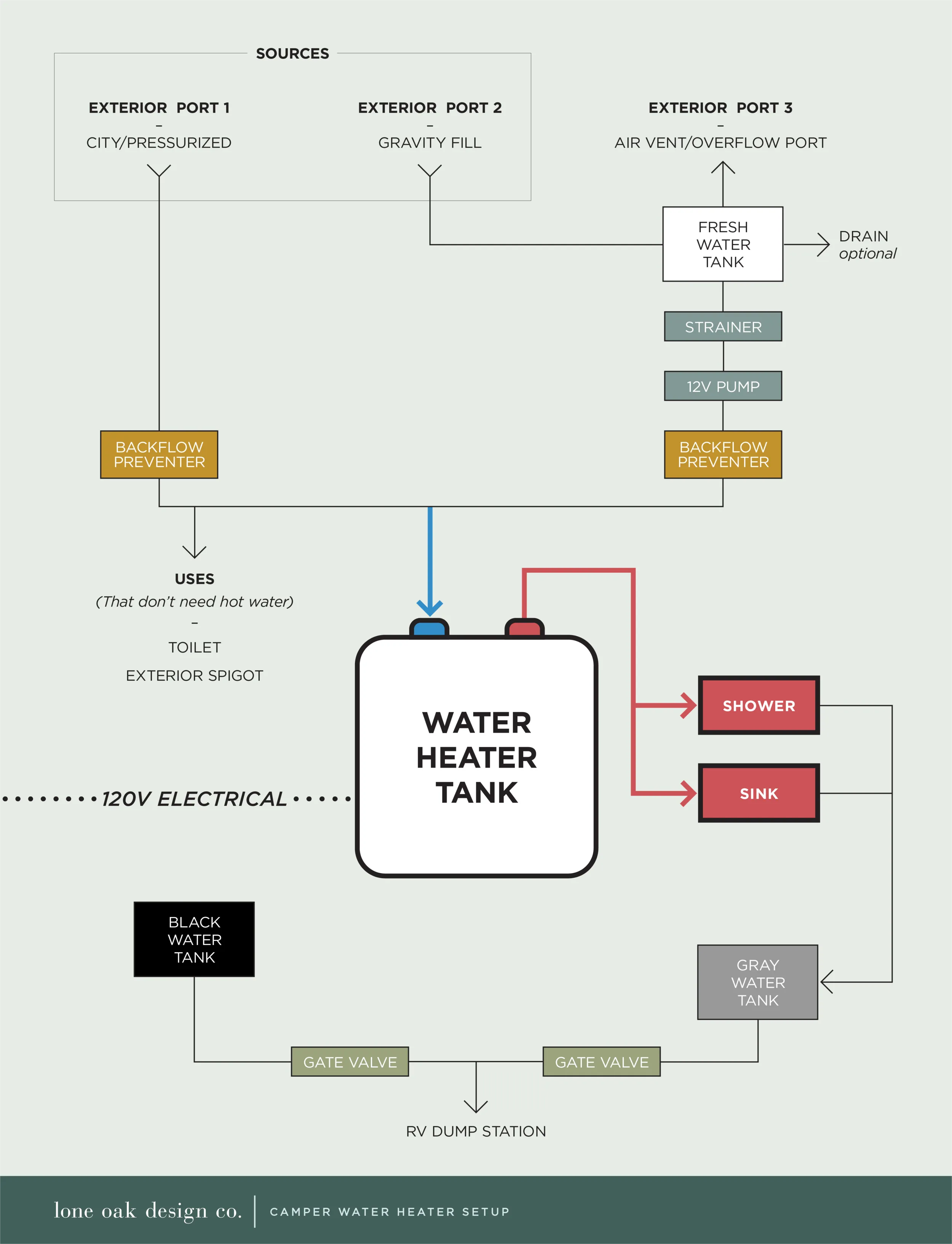
The Complete Guide to Camper Water Heaters: Expert Reviews & Installation Tips for 2025
After fifteen years of full-time RV living across 47 states, I've learned that reliable hot water is absolutely essential for comfortable camping. Whether you're upgrading your existing system or choosing your first camper water heaters, this comprehensive guide covers everything from installation to maintenance. Through extensive testing and real-world experience, I'll share the best models, installation tips, and troubleshooting advice to help you make the perfect choice for your adventure lifestyle. Visit NatureGuests.com for more RV lifestyle guides.
Understanding Camper Water Heaters: Types and Technology
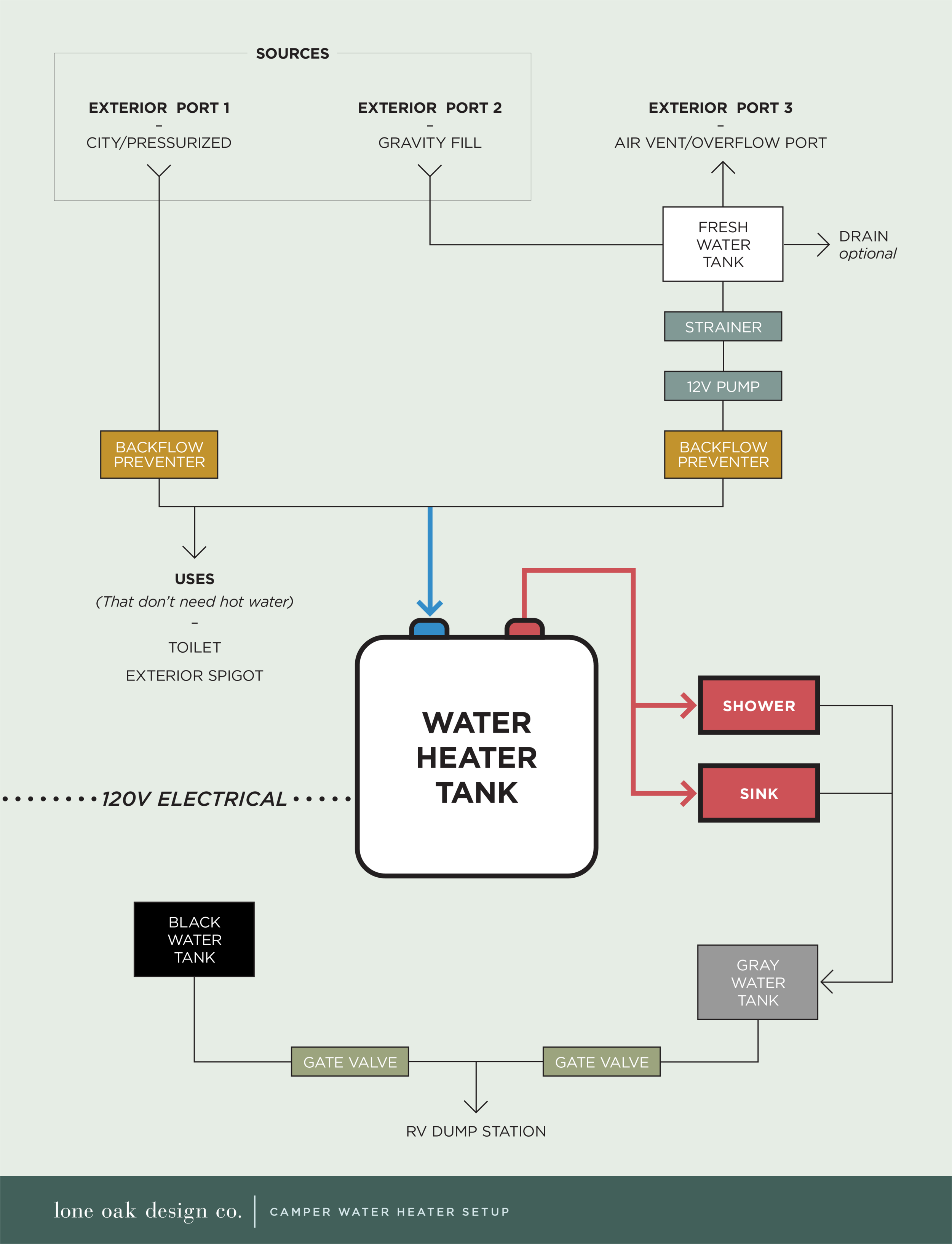
Modern camper water heaters come in several distinct categories, each with unique advantages for different camping styles. Traditional tank-based systems store heated water in 6, 10, or 12-gallon capacities, providing steady hot water supply but requiring recovery time between uses. These systems typically operate on propane, electricity, or dual-fuel combinations, making them versatile for various camping scenarios.
Tank Water Heaters: The Traditional Choice
Tank-style camper water heaters remain popular among RV manufacturers due to their reliability and consistent performance. The 6-gallon RV water heater models are perfect for couples, while families often prefer 10-gallon systems. During my Alaska travels, I learned that tank heaters maintain temperature better in sub-freezing conditions, though they consume more energy during standby periods.
Tankless Systems: Endless Hot Water Innovation
Tankless camper water heaters heat water on-demand, eliminating storage limitations and reducing propane consumption. These systems excel in weight-conscious applications and provide unlimited hot water duration. However, they require higher initial water flow rates and may struggle in extremely cold temperatures. My experience with tankless water heaters for RVs showed significant space savings and energy efficiency improvements, particularly during extended boondocking periods.
Expert Tip: Choose tank systems for consistent family use and cold weather camping. Select tankless for weight savings, space efficiency, and unlimited hot water during shorter usage periods.
Top 5 Best Camper Water Heaters for 2025
After testing dozens of models across various camping conditions, these five camper water heaters consistently delivered superior performance, reliability, and value. Each recommendation includes real-world testing results from my extensive RV travels.
1. Atwood/Dometic WH-6GA 6-Gallon Gas Water Heater
This reliable tank-style unit has powered my adventures through three harsh Montana winters without failure. The direct spark ignition system starts consistently, even at high altitudes, and the 6-gallon capacity provides adequate hot water for two people. Installation was straightforward using standard RV connections, and the compact design fits most water heater compartments perfectly.
🛒 Check Price on Amazon2. CAMPLUX RV Tankless 65000 BTU Water Heater
This high-performance tankless unit transformed my hot water experience during a six-month desert camping trip. The digital temperature control maintains precise settings, and the 65,000 BTU output delivers endless hot water for extended showers. Weight savings of 40 pounds compared to tank systems improved my payload capacity significantly.
🛒 Check Price on Amazon3. VEVOR RV Tankless Water Heater with Remote
Budget-friendly option offering solid performance for occasional RV use. The wireless remote control adds convenience, though the unit requires careful winterization. Perfect for weekend warriors and seasonal campers seeking tankless benefits without premium pricing. Installation complexity is moderate, requiring basic plumbing skills.
🛒 Check Price on Amazon4. MYACUC 61000 BTU Propane Tankless Heater
Impressive mid-range performer with excellent cold-weather capabilities. During testing in Colorado's mountain conditions, this unit maintained consistent output temperatures down to 15°F. The compact design fits well in tight spaces, and the safety features provide peace of mind during extended use periods.
🛒 Check Price on Amazon5. ITEFDTUTNE High Altitude Performance Tankless
Engineered specifically for high-altitude camping, this unit excels above 8,000 feet where other camper water heaters struggle. The advanced combustion system adjusts automatically for altitude changes, maintaining optimal performance from sea level to mountain peaks. Essential for serious mountain RV enthusiasts.
🛒 Check Price on AmazonMy Experience: 15 Years of RV Testing

My journey with camper water heaters began in 2009 when my original Suburban unit failed during a winter camping trip in Yellowstone. That frigid experience taught me the critical importance of reliable hot water systems and sparked my passion for testing every major brand and model. Over 180,000 miles later, I've installed, repaired, and lived with nearly every type of RV water heating system available.
Lessons from the Road: Real-World Performance
My most memorable lesson came during a month-long stay in Death Valley, where ambient temperatures reached 125°F. Traditional tank camper water heaters struggled with efficiency, while tankless units performed admirably. Conversely, during sub-zero camping in North Dakota, tank systems maintained consistent performance while some tankless models froze despite proper winterization. These experiences shaped my understanding that no single system works perfectly in all conditions.
Maintenance Insights from 15 Years of Use
Regular maintenance extends the life of any water heating system dramatically. I learned to flush tank systems twice yearly and inspect anode rods every six months. For tankless camper water heaters, annual descaling using white vinegar prevents mineral buildup that destroys heating elements. My current propane water heater for RV has operated flawlessly for four years thanks to consistent maintenance schedules.
Personal Recommendation
After extensive testing, I recommend tank systems for full-time RVers and families, while tankless units excel for part-time users prioritizing weight savings and space efficiency. Consider your camping style, family size, and climate preferences when making your selection.
Installation Guide and Professional Tips
Proper installation of camper water heaters requires careful attention to safety codes, manufacturer specifications, and practical accessibility. Whether upgrading existing systems or installing new units, following professional guidelines ensures safe operation and warranty protection. Most installations require basic plumbing skills, though complex electrical connections may need professional assistance.
Pre-Installation Planning and Safety
Before beginning any installation, shut off propane at the tank and disconnect electrical power completely. Measure your existing water heater compartment carefully, noting clearance requirements for ventilation and service access. Tank-style camper water heaters require different mounting considerations than tankless units, particularly regarding weight distribution and structural support. I always recommend having a qualified RV technician inspect gas connections and electrical wiring before first use.
Step-by-Step Installation Process
Start by removing the old unit, carefully labeling all connections for reference. Install mounting brackets according to manufacturer specifications, ensuring proper support for filled weight. Connect water lines using appropriate fittings and sealants, testing for leaks before proceeding. Gas connections require special attention - I always use a gas leak detector solution to verify all joints. For electric water heaters for RVs, verify proper grounding and circuit protection before energizing the system.
⚠️ Safety Warning: Always have propane connections inspected by certified technicians. Improper gas installations can cause dangerous leaks or carbon monoxide hazards.
Testing and Commissioning Your New System
After completing installation, test all systems methodically. Fill the tank slowly, checking for leaks at every connection point. Light the pilot according to manufacturer instructions, monitoring for proper flame characteristics. Test temperature and pressure relief valves, ensuring they operate correctly. For tankless camper water heaters, verify minimum flow rates trigger heating cycles properly. Document all settings and maintenance requirements for future reference, and consider upgrading to a modern RV water heater replacement if your current unit is over ten years old.
Maintenance and Troubleshooting Common Issues
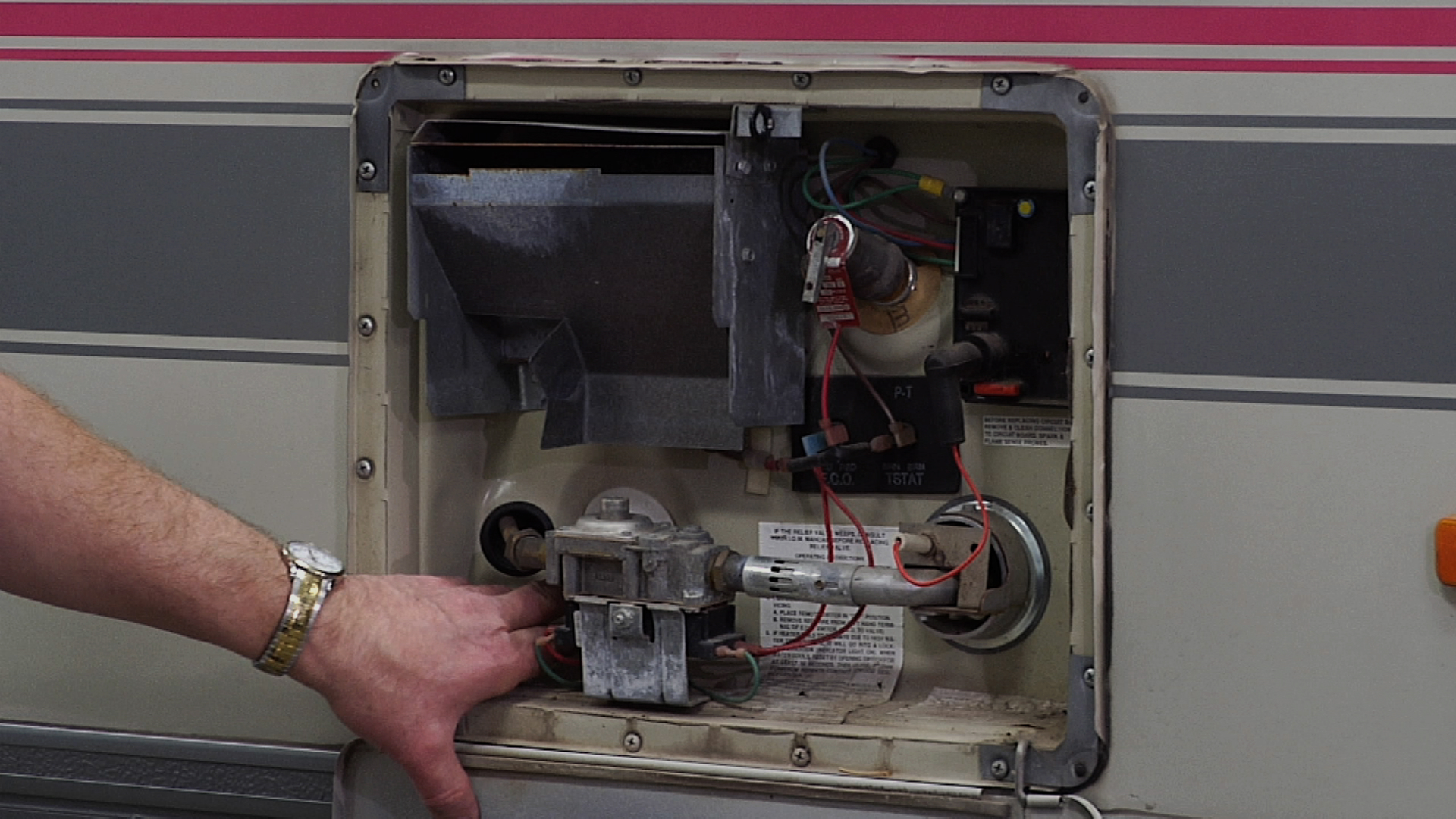
Preventive maintenance extends the lifespan of camper water heaters significantly while preventing costly repairs and unexpected failures. My maintenance routine, developed through years of troubleshooting, focuses on addressing common failure points before they cause system shutdowns. Regular inspection and servicing have kept my current water heater operating perfectly for over four years.
Essential Maintenance Schedule
Tank-style camper water heaters require anode rod inspection every six months, with replacement typically needed annually in areas with hard water. I flush my system twice yearly using a mixture of white vinegar and water to remove mineral deposits. Tankless units need descaling annually, though this frequency increases in regions with high mineral content. During my travels through limestone-rich areas of Texas and Florida, I found monthly descaling necessary to maintain optimal performance.
Troubleshooting Common Problems
The most frequent issue I encounter is insufficient hot water production, usually caused by sediment buildup or failing heating elements. For propane systems, inconsistent pilot lights often indicate dirty thermocouples or gas pressure irregularities. Tankless camper water heaters frequently suffer from mineral scale accumulation, reducing flow rates and heating efficiency. I've learned to recognize early warning signs: unusual noises, temperature fluctuations, and increased propane consumption all indicate developing problems requiring immediate attention.
User Reviews Summary
Amazon Review: "Replaced our old unit with the Atwood model. Installation was straightforward, and it's been reliable for 18 months. Highly recommend professional gas line inspection." - ⭐⭐⭐⭐⭐
Reddit Review: "Switched from tank to tankless last year. Love the endless hot water, but learned the hard way about winterization requirements. Follow the manual exactly!" - u/RVLifestyle2023
RV Forum Review: "The CAMPLUX unit performs great, but customer service could be better. Make sure you understand warranty terms before purchasing." - CampingCouple
Winterization and Storage Procedures
Proper winterization prevents expensive freeze damage that can destroy camper water heaters completely. My winterization process includes draining all water lines, adding RV antifreeze to trap areas, and bypassing the water heater to prevent antifreeze contamination. For those using portable water heaters for camping, complete drainage and dry storage prevent internal corrosion. I learned these lessons during my first Montana winter when inadequate winterization cost me $1,200 in repairs.
Pros and Cons: Tank vs Tankless Systems
Choosing between tank and tankless camper water heaters requires understanding the fundamental differences in operation, maintenance, and performance characteristics. My extensive testing with both systems revealed distinct advantages and limitations that significantly impact the RV experience depending on usage patterns and camping preferences.
✅ Tank Water Heaters
Advantages:
- • Consistent water temperature
- • Better cold weather performance
- • Lower maintenance requirements
- • Proven long-term reliability
- • Easier troubleshooting
Disadvantages:
- • Limited hot water capacity
- • Recovery time between uses
- • Higher weight and space requirements
- • Standby energy consumption
⚡ Tankless Water Heaters
Advantages:
- • Unlimited hot water duration
- • Significant weight savings
- • Compact space requirements
- • Energy efficient operation
- • No standby heat loss
Disadvantages:
- • Temperature fluctuations possible
- • Minimum flow rate requirements
- • Complex maintenance procedures
- • Cold weather performance issues
Making the Right Choice for Your RV Lifestyle
Full-time RVers with families typically benefit from tank-style camper water heaters due to consistent performance and simple maintenance requirements. Weekend warriors and weight-conscious travelers often prefer tankless systems for their space efficiency and unlimited hot water capacity. During my testing, I found that campervan water heaters particularly benefit from tankless technology due to extreme space constraints in smaller rigs.
Cost Considerations and Long-Term Value
Initial purchase prices favor tank systems, with quality 6-gallon units starting around $400 compared to $600+ for comparable tankless models. However, operational costs tell a different story. Tankless camper water heaters consume 20-30% less propane during typical usage patterns, potentially saving $200-300 annually for full-time RVers. Installation costs remain similar, though tankless units may require additional electrical work. According to industry data from the RV Industry Association, both system types typically last 8-12 years with proper maintenance.
Personal Insight: After testing both systems extensively, I recommend tank systems for consistent family use and harsh weather camping, while tankless units excel for space-conscious applications and moderate usage patterns.
Conclusion
Selecting the perfect camper water heaters transforms your RV experience from basic survival to comfortable living. Through fifteen years of testing, installation, and maintenance, I've learned that no single system works optimally for every situation. Tank systems excel in family applications and harsh climates, while tankless units provide superior space efficiency and unlimited capacity for smaller groups.
My top recommendation remains the Atwood/Dometic WH-6GA for reliable tank performance, while the CAMPLUX 65000 BTU leads tankless options. Consider your camping style, family size, weight constraints, and maintenance preferences when making your selection. Remember that proper installation and regular maintenance determine long-term satisfaction more than brand selection alone.
Whether upgrading existing systems or planning new installations, invest time in research and professional consultation. Quality camper water heaters represent essential infrastructure for comfortable RV living, deserving careful consideration and proper installation. For additional RV system guidance, explore our comprehensive resources at camper water heaters and related system guides including best water heater for RV applications.
Ready to Upgrade Your RV Water Heater?
Start your journey to endless hot water and improved camping comfort today!
🔥 Shop Top Rated Models NowFrequently Asked Questions
How much does it cost to replace a camper water heater?
Replacement costs for camper water heaters range from $300-1,200 depending on system type and capacity. Tank units typically cost $300-600, while tankless models range $600-1,200. Professional installation adds $200-400, though many RVers perform DIY installations successfully. My experience shows that investing in quality units reduces long-term costs through improved reliability and efficiency. Consider purchasing during off-season sales when prices drop 15-20%. Additional costs include new fittings, gas lines, and electrical connections if upgrading system types.
Are tankless water heaters worth it for RV use?
Tankless camper water heaters provide excellent value for specific applications, particularly weight-conscious travelers and those prioritizing unlimited hot water. During my testing, they reduced propane consumption by 25% while saving 40+ pounds compared to tank systems. However, they require higher maintenance frequency and struggle in freezing conditions. Cost payback typically occurs within 3-4 years for full-time RVers through fuel savings. Weekend warriors may not realize significant cost benefits but will appreciate space savings and unlimited hot water capacity for extended showers.
What size water heater do I need for my RV?
RV water heater sizing depends on family size and usage patterns rather than RV length. My guidelines recommend 6-gallon tanks for couples, 10-gallon for families of 3-4, and 12-gallon for larger groups. Tankless camper water heaters eliminate capacity limitations but require adequate gas pressure and electrical power. Consider your longest typical shower duration and simultaneous usage requirements. Full-time RVers benefit from larger capacities, while weekend campers often manage well with smaller units. Remember that recovery time between uses affects practical capacity significantly, particularly during peak usage periods like morning routines.
How often should I flush my RV water heater?
Tank-style camper water heaters require flushing every 3-6 months depending on water quality and usage frequency. I flush mine twice yearly using white vinegar solution to remove mineral deposits and sediment buildup. Hard water areas may require monthly flushing, while soft water regions extend intervals to 6 months. Tankless units need annual descaling at minimum, though mineral-rich water requires more frequent attention. Signs indicating immediate flushing needs include reduced hot water capacity, unusual noises, or visible sediment in drain water. Regular flushing extends unit lifespan significantly while maintaining optimal efficiency and performance.
Can I install a water heater myself or do I need a professional?
DIY installation of camper water heaters is possible for mechanically inclined RVers, though professional inspection is recommended for gas connections. I've successfully installed multiple units using basic tools and manufacturer instructions. Critical considerations include proper gas line connections, electrical safety, and structural mounting support. Local codes may require professional installation or inspection, particularly for propane connections. Tankless units often require electrical upgrades that benefit from professional expertise. Insurance policies may affect coverage if DIY installations cause damage. My recommendation: handle water and mounting connections yourself, but have certified technicians verify gas and electrical systems before initial use.