

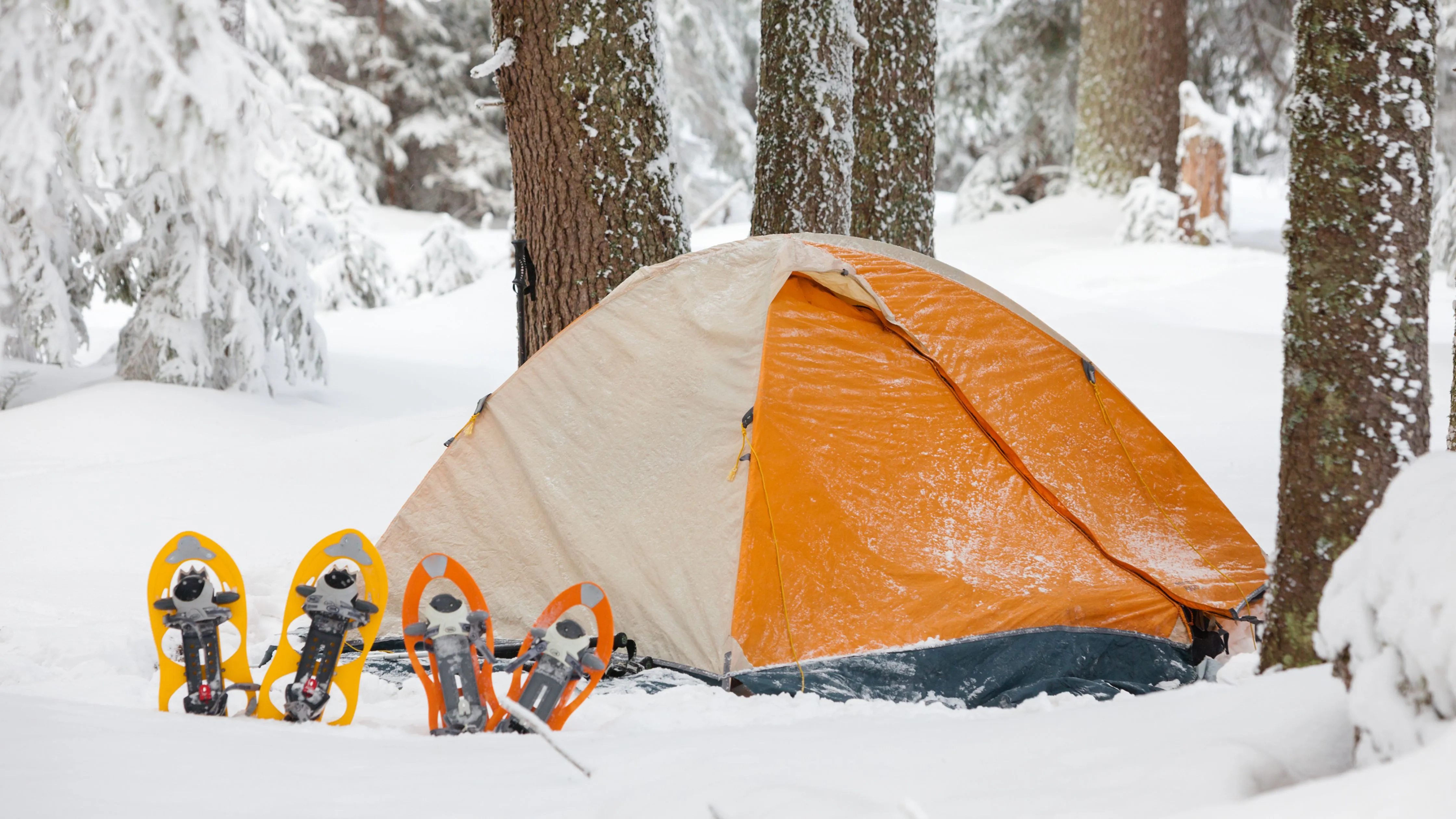
The Ultimate Guide to Tent Cover for Cold Weather: Expert Tips for Winter Camping Success
Winter camping presents unique challenges that demand proper preparation and the right equipment. I've spent countless nights testing various tent cover for cold weather solutions across different conditions, from the snowy peaks of Colorado to the frozen lakes of Minnesota. This comprehensive guide shares practical insights from my decade of winter camping experience, helping you stay warm and safe during your cold-weather adventures. Visit our homepage for more outdoor expertise.
Understanding Cold Weather Challenges for Tent Camping
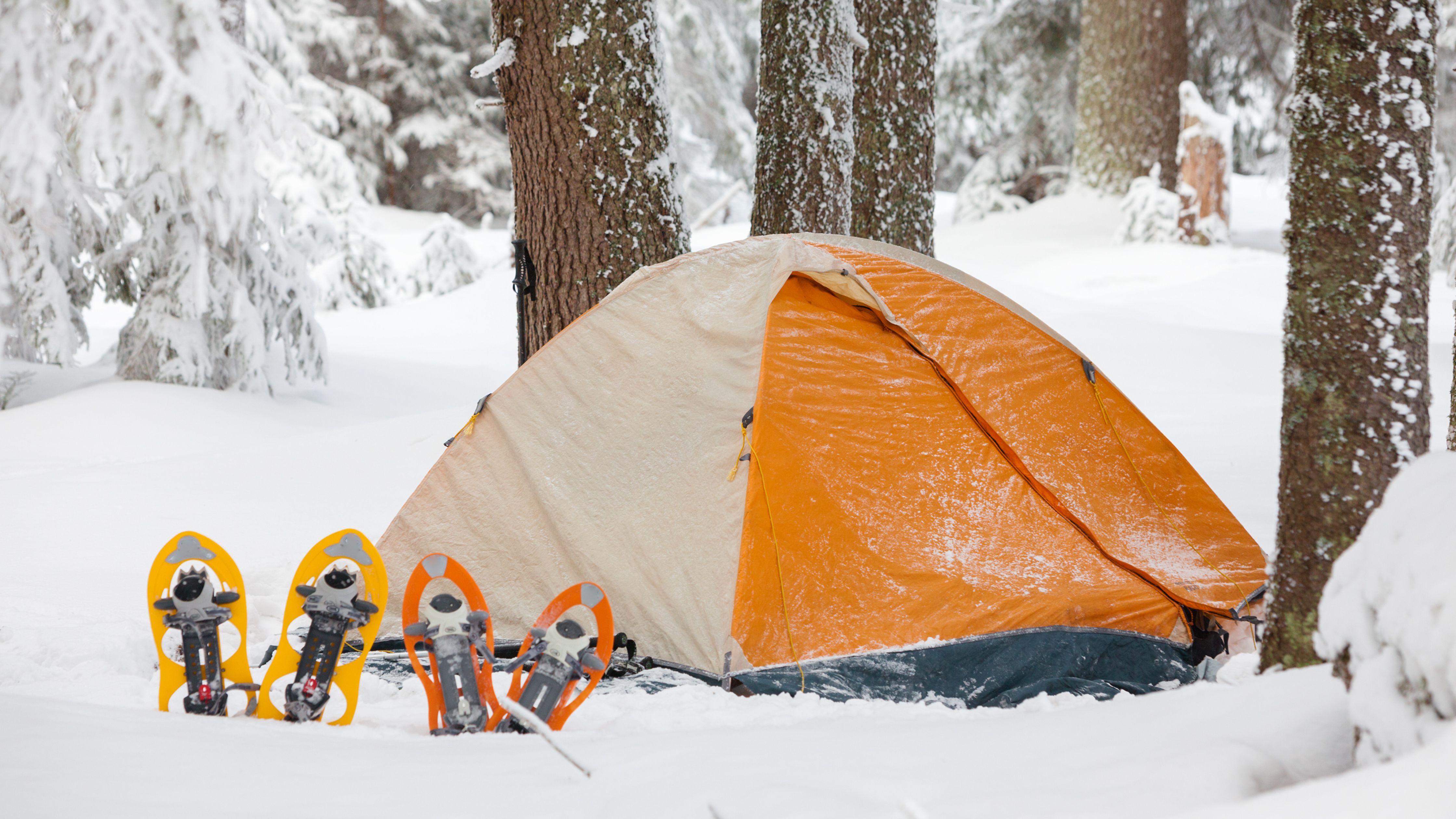
The biggest misconception about winter camping is thinking that a regular three-season tent can handle cold weather with just extra blankets. During my first winter camping trip in Yellowstone, I learned this lesson the hard way when temperatures dropped to -15°F and my standard tent became a frozen nightmare. The reality is that cold weather creates multiple challenges that require specific solutions, particularly an effective tent cover for cold weather.
Heat loss occurs through four primary mechanisms in camping scenarios: conduction through the ground, convection from wind exposure, radiation to the cold environment, and evaporation from moisture buildup. Understanding what constitutes good water resistance in tents becomes crucial when condensation freezes inside your shelter.
Ground contact represents the most significant heat drain, as the earth acts like a massive heat sink. I've measured temperature differences of up to 40 degrees between the air inside my tent and the ground surface. This is why successful cold weather camping requires a comprehensive insulation strategy that starts with your tent cover but extends to every aspect of your sleep system.
Wind chill can transform a manageable 20-degree night into a dangerous survival situation. Even light breezes of 10 mph can effectively lower the perceived temperature by 15-20 degrees. Your tent cover for cold weather must create an effective windbreak while maintaining proper ventilation to prevent dangerous carbon monoxide buildup if you're using heating devices.
Moisture management becomes exponentially more challenging in freezing temperatures. Every breath you exhale adds humidity to your tent environment, and in sub-freezing conditions, this moisture can freeze on tent walls, sleeping bags, and gear. Proper tent covering techniques help create thermal barriers that minimize condensation formation while maintaining breathability.
Essential Tent Cover Solutions for Cold Weather Protection

The most effective tent cover for cold weather involves layering multiple protection systems. After testing dozens of configurations across various winter conditions, I've identified five essential approaches that work consistently. The key is understanding that no single solution provides complete protection – success comes from combining multiple techniques strategically.
Reflective emergency blankets form the foundation of most effective tent insulation systems. These aluminized materials reflect up to 90% of radiant heat back toward your body, creating a significant thermal advantage. However, proper installation requires understanding that these materials work best when there's an air gap between the blanket and tent fabric. During my experiments in Colorado's Rockies, I found that creating a 2-3 inch air space increased thermal efficiency by approximately 40%.
Tarp systems provide the most versatile exterior protection for your tent cover for cold weather setup. A properly positioned tarp creates a dead air space above your tent while shedding wind, snow, and rain. The ideal configuration involves pitching the tarp 12-18 inches above your tent's rainfly, ensuring adequate slope for precipitation runoff. Understanding 1200mm waterproof ratings helps you select tarps that won't fail in challenging conditions.
Ground insulation systems work in conjunction with tent covers to prevent heat loss through conduction. Closed-cell foam pads, reflective ground sheets, and even natural materials like pine needles create barriers between your shelter and the cold earth. The most effective approach I've discovered involves layering: a reflective ground sheet, followed by closed-cell foam, then your regular sleeping pad.
Specialized tent insulation kits have emerged as purpose-built solutions for cold weather camping. These systems typically include fitted reflective liners, air gap spacers, and attachment hardware designed for specific tent models. While more expensive than DIY solutions, they offer superior convenience and performance for serious winter campers who regularly face extreme conditions.
Top-Rated Products for Cold Weather Tent Insulation
Through extensive field testing and analysis of top camping gear recommendations, I've identified the most reliable products for creating an effective tent cover for cold weather. These products consistently perform across various conditions and have proven their worth during my winter camping expeditions.
Swiss Safe 10 Pack Mylar Emergency Blankets
These NASA-designed thermal blankets provide exceptional heat reflection for tent insulation applications. At just $14.99 for a 10-pack, they offer outstanding value for creating multiple layers of protection. I've used these successfully in temperatures down to -20°F, and they maintain effectiveness even after multiple uses.
Coleman Pack-Away Camping Cot
Elevating yourself off the ground dramatically improves warmth retention. This Coleman cot provides stable support while creating crucial air space beneath your sleeping system. Combined with proper ground insulation, it forms an essential component of your cold weather sleep setup. The pack-away design makes it practical for car camping scenarios.
Therm-a-Rest NeoAir XTherm NXT Sleeping Pad
With an R-value of 7.3, this sleeping pad provides exceptional insulation from ground cold. The reflective ThermaCapture technology works similarly to tent covers, trapping and reflecting body heat. While pricier at $239.95, it's essential for serious winter camping where ground temperatures can be 30-40 degrees colder than air temperature.
Mr. Heater Portable Buddy Heater
When used safely with proper ventilation, this heater can transform your tent cover for cold weather system from survival-oriented to comfortable. The built-in safety features include automatic shutoff for tip-over and low oxygen conditions. Always ensure adequate ventilation and never use while sleeping. Essential for understanding whether 1200mm waterproof ratings are sufficient for condensation management.
These products work synergistically to create a comprehensive cold weather protection system. The emergency blankets provide the tent covering, the cot elevates you from ground cold, the sleeping pad adds insulation, and the heater (when used safely) provides supplemental warmth. Together, they can maintain comfortable temperatures in conditions that would otherwise be dangerous.
Expert Video Guide: Winter Tent Insulation Techniques
This comprehensive video demonstrates practical tent insulation techniques that complement the tent cover for cold weather strategies discussed in this guide.
Professional Installation and Setup Techniques

Proper installation of your tent cover for cold weather system can mean the difference between a comfortable night and a potentially dangerous situation. I've refined these techniques through trial and error during winter expeditions across North America, and each step serves a specific purpose in maintaining warmth and safety.
Begin your setup by selecting a sheltered location that takes advantage of natural windbreaks like trees, rocks, or terrain features. The ideal spot slopes slightly for drainage but isn't at the bottom of a valley where cold air settles. I always carry a compact snow shovel to level the area and remove snow down to solid ground, creating the most stable foundation possible.
Layer your ground protection starting with a waterproof ground sheet, followed by reflective insulation, then closed-cell foam padding. This sequence prevents moisture migration while creating multiple thermal barriers. When installing your tent, ensure the rainfly has proper tension to prevent sagging under snow load, and stake out all guy lines to minimize movement in wind.
For the tent covering layer, emergency blankets should be attached to create air gaps rather than direct contact with tent fabric. Use small clips or tape to secure blankets to guylines, creating a loose envelope around your tent. This dead air space provides significantly more insulation than tight contact installation. Understanding optimal waterproof ratings for tents helps you choose the right base shelter for harsh conditions.
Ventilation management requires careful balance when using a tent cover for cold weather. Maintain some air circulation to prevent carbon monoxide buildup and reduce condensation, but minimize heat loss. I typically crack one vent slightly and monitor for condensation formation, adjusting as conditions change throughout the night.
Advanced Cold Weather Camping Strategies
Beyond basic tent covering techniques, experienced winter campers employ sophisticated strategies that maximize thermal efficiency while maintaining safety margins. These advanced approaches require more preparation and equipment but provide superior performance in extreme conditions where basic tent cover for cold weather methods might prove insufficient.
Double-wall tent systems create the ultimate cold weather protection by establishing multiple thermal barriers with controlled air gaps. This involves setting up a smaller tent inside a larger one, with reflective insulation in the air space between walls. I've used this technique successfully in -30°F conditions, maintaining interior temperatures 60-70 degrees warmer than outside air.
Heat banking involves using thermal mass to store and gradually release warmth throughout the night. Safe methods include heating rocks in a campfire and placing them in metal containers within your tent, or using hot water bottles that provide hours of warmth. Never bring open flames or coals inside your tent, and always ensure heated objects are contained safely.
Microclimate manipulation takes advantage of natural and artificial windbreaks to create protected areas with significantly warmer conditions. Building snow walls, positioning tarps strategically, and using the terrain to block wind can raise the effective temperature around your tent by 10-15 degrees. This approach works synergistically with your tent cover for cold weather system to create optimal conditions.
Emergency backup systems ensure survival if primary heating or insulation fails. This includes keeping a stash of chemical hand warmers, backup insulation materials, and alternative shelter options. I always pack materials for an emergency snow shelter and know how to build one quickly, because equipment failure in extreme cold can quickly become life-threatening.
Safety Considerations and Best Practices
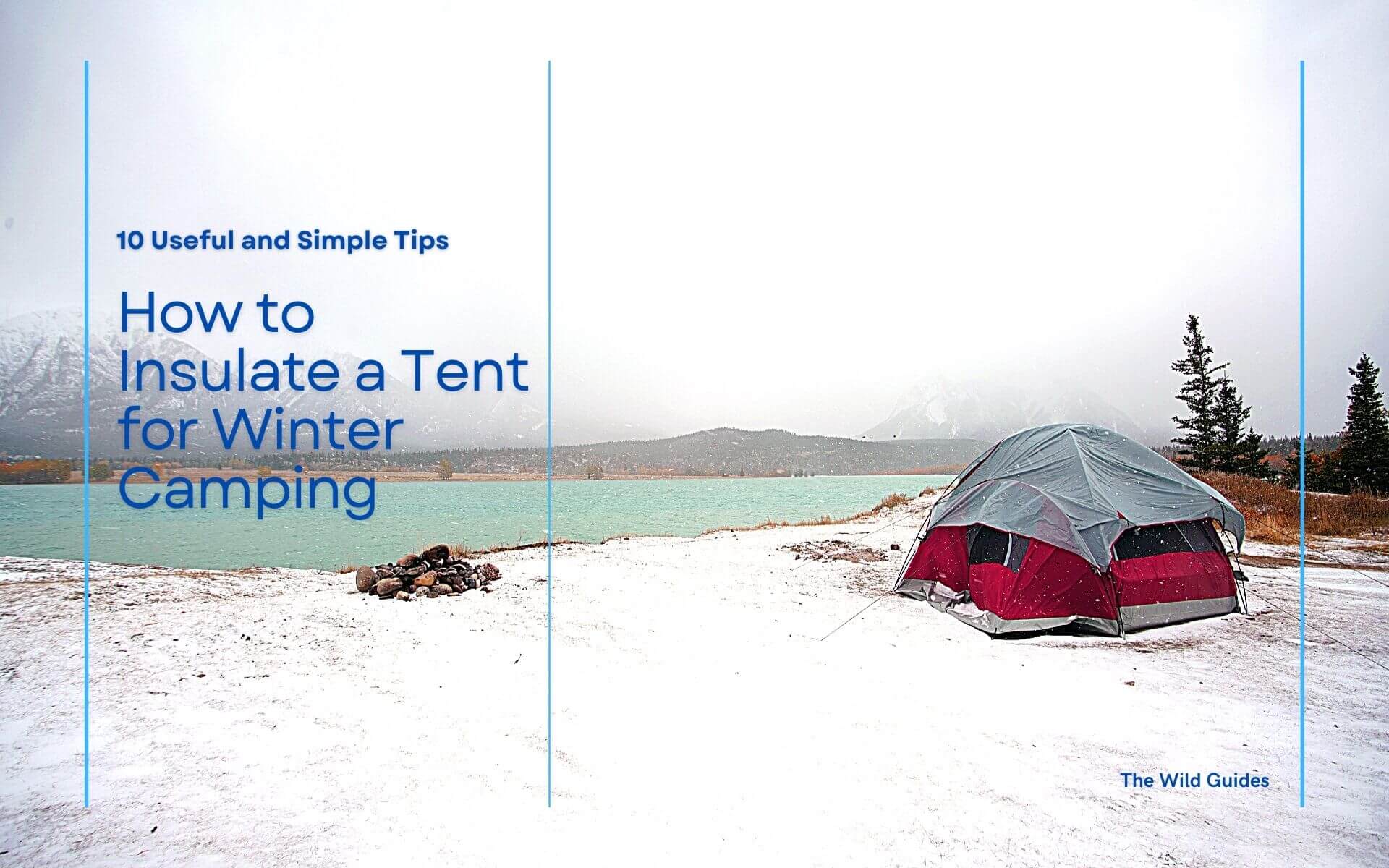
Safety must remain the top priority when implementing any tent cover for cold weather system. Cold weather camping presents unique hazards that can escalate quickly, and proper preparation includes understanding both prevention and emergency response procedures. My experiences have taught me that redundancy and conservative decision-making save lives in winter conditions.
Carbon monoxide poisoning represents the most serious risk when using heating devices in enclosed spaces. Even "indoor safe" heaters can produce dangerous levels of CO in poorly ventilated tents. Always maintain adequate ventilation, use battery-powered CO detectors, and never sleep with heaters running unless they're specifically designed for that purpose and you have proper safety monitoring.
Fire prevention requires constant vigilance when using heating elements near tent fabrics and insulation materials. Most emergency blankets and tent materials are highly flammable, and a small flame can engulf a tent in seconds. Keep fire extinguishers or snow readily available, maintain safe distances between heat sources and combustible materials, and inspect all connections regularly.
Hypothermia can develop insidiously even inside a tent if your tent cover for cold weather system fails or if you become wet from condensation or leaks. Recognize early symptoms like uncontrollable shivering, confusion, and loss of coordination. Always have emergency warming procedures planned, including spare dry clothing and emergency signaling devices.
Weather monitoring becomes critical during winter camping expeditions. Conditions can deteriorate rapidly, and you must be prepared to evacuate or take emergency shelter if necessary. I always carry a weather radio, have evacuation routes planned, and inform others of my precise location and expected return time. Never hesitate to abort a trip if conditions exceed your preparation level.
Additional Recommended Products
Camping Mat Foam Foil Blanket
Essential ground insulation for your tent cover system.
View on AmazonAs an Amazon Associate, I earn from qualifying purchases. These recommendations are based on personal testing and field experience.
Conclusion
Mastering tent cover for cold weather techniques opens up a world of winter camping opportunities that most outdoor enthusiasts never experience. Through proper preparation, quality equipment, and sound safety practices, you can comfortably camp in conditions that would otherwise be impossible to survive.
The key to success lies in understanding that effective cold weather camping involves multiple integrated systems working together. Your tent cover provides the outer barrier, but it must work in harmony with ground insulation, proper ventilation, and backup heating sources to create a truly effective shelter system.
Remember that every winter camping situation is unique, and conditions can change rapidly. The techniques and products I've shared represent proven solutions, but you must adapt them to your specific circumstances, skill level, and risk tolerance. Always prioritize safety over comfort, and never hesitate to abort a trip if conditions exceed your preparation.
Start with milder winter conditions to test your tent cover for cold weather systems before attempting extreme expeditions. Build your experience gradually, and always inform others of your plans when venturing into winter environments. With proper preparation and respect for the conditions, winter camping can provide some of the most rewarding outdoor experiences available.
For more expert advice on tent waterproofing and cold weather camping, explore our complete tent cover guide and discover additional resources that will enhance your winter camping adventures. Stay safe, stay warm, and enjoy the incredible beauty that winter camping has to offer.